
Your Body Is Doing Its Job
Turning 60 doesn’t mean your body suddenly becomes unfamiliar, though it can certainly feel that way one morning. But just because your body goes through normal wear and tear, that doesn’t mean that every little thing is cause for concern—or that you can just ignore it. It’s hard to know what is and isn’t normal as you age, and that’s why we’re here to break down a few things that happen with age and a few things that might warrant a call to the doctor’s office.

1. Drier Skin
Skin becomes thinner and drier as we get older, especially after 60, which means your arms, legs, and hands will likely feel rougher than they used to. You might even notice more itching after a hot shower, or that you may need lotion in places you never thought about before. Using a gentle moisturizer and avoiding harsh soaps can make a real difference once that starts.

2. Your Hair May Thin Out
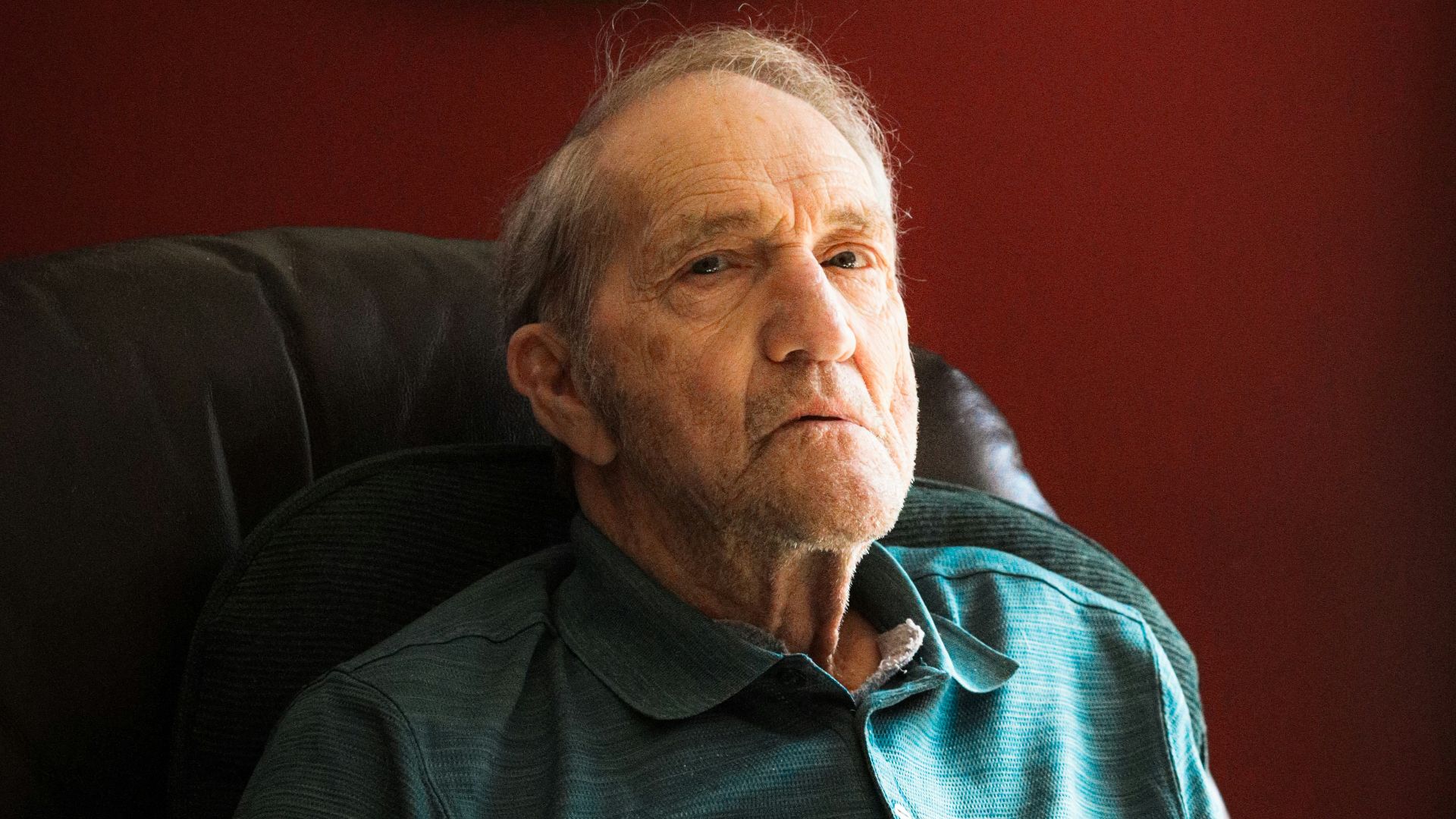
Though we hate it, hair changes are very common after 60. They can show up in any number of ways, too: as a wider part, a softer hairline, or less volume around the crown. Some people also notice that their eyebrows, eyelashes, or body hair become lighter and sparser. It’s not usually anything to panic over, but sudden shedding or bald patches are worth mentioning to a doctor.
 Jonathan Cosens Photography on Unsplash
3. Lighter Sleep
While you’ll obviously still need rest, your sleep can become less predictable with age. Many adults over 60 wake up earlier, get up during the night to use the bathroom, or feel more sensitive to noise. That’s okay—a steady bedtime and a cooler bedroom can help your body settle more easily.

4. Stiffer Joints
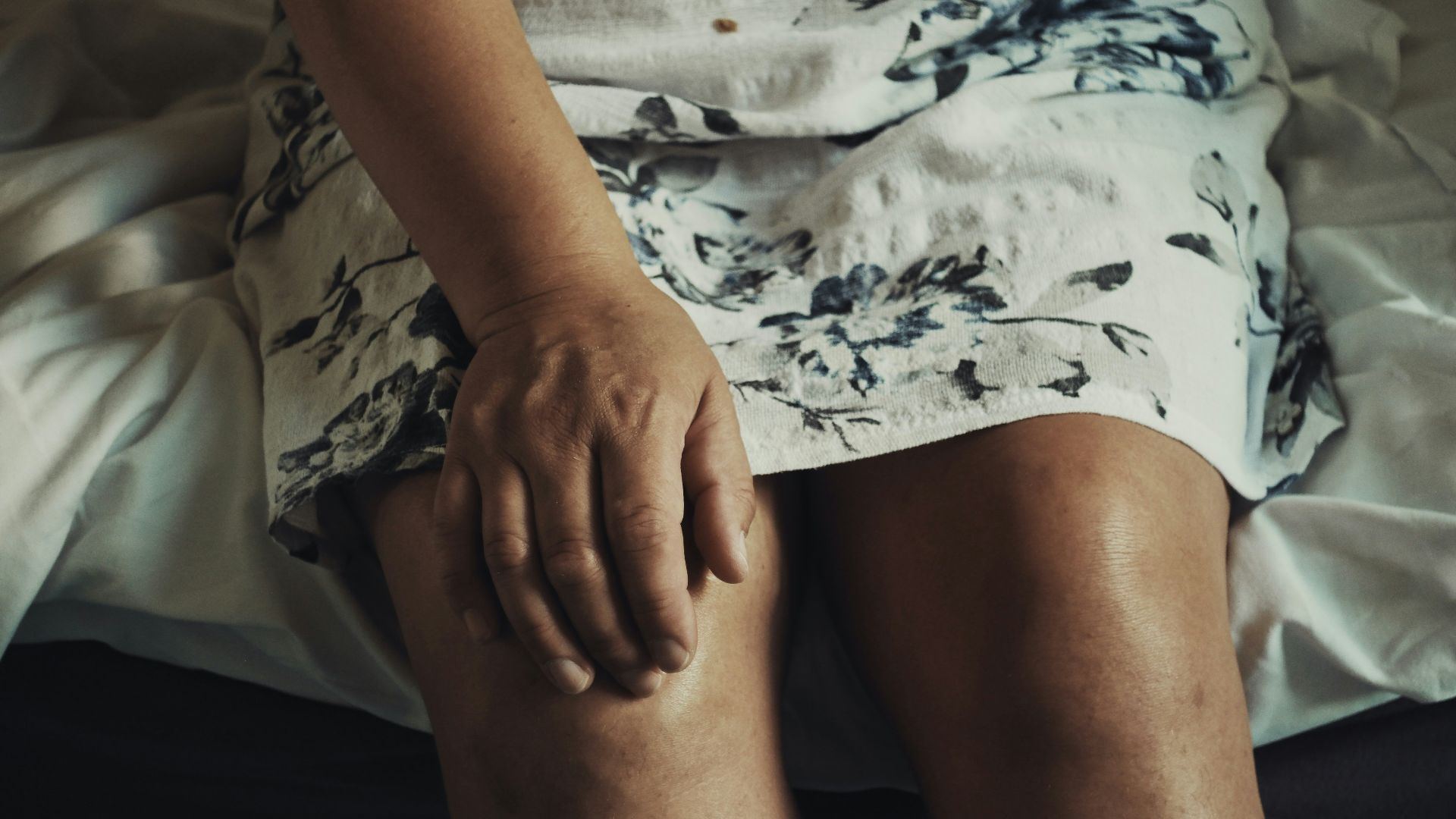
Everyone loves to make jokes about aging joints, but morning stiffness can become a more familiar part of life after 60. It’s especially prominent in the knees, hips, hands, and lower back. While gentle movement usually helps, pain that swells or limits your normal routine deserves attention.
5. Your Strength Declines
Even active people can lose some muscle with age, which is why heavy grocery bags or deep chairs can suddenly feel like a challenge. This doesn’t mean you’re weak; it just means your muscles need more regular reminders to stay useful. Do yourself a favor and partake in light strength training, protein-rich meals, and daily walking.

6. Your Balance Isn’t as Sharp
Much like our muscles, balance also changes gradually. You may first notice it while stepping off a curb or walking on uneven ground, but all kinds of things can play a role: vision changes, weaker muscles, slower reflexes, and certain medications. Luckily, practicing simple balance exercises near a counter can help.
7. Slower Digestion
After 60, digestion becomes a little less forgiving, and it’s even worse when meals are heavy or rushed. Constipation may happen more often, too, and some foods that never bothered you before might now leave you bloated. That means drinking enough water, eating fiber from foods like oats and beans, and staying active can help keep things moving.

8. Your Vision Changes
Your eyes age with you, and that means reading fine print or seeing clearly in dim restaurants often gets harder with age. Many people need stronger reading glasses, brighter lighting, or more time for their eyes to adjust between dark and light spaces—and for the most part, that’s par for the course.

9. You Handle Temperature Differently
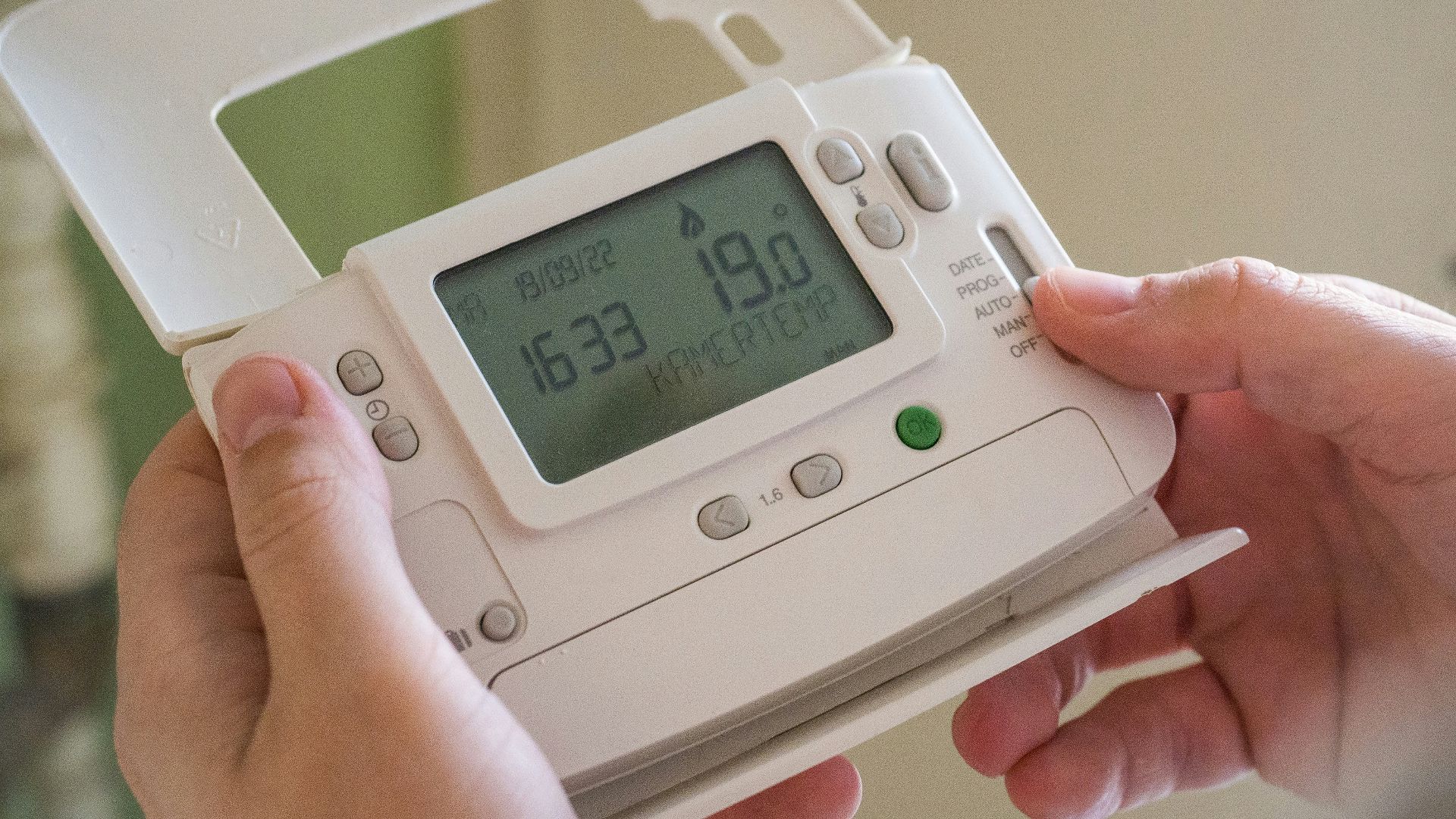
Do you feel colder in air conditioning? How about warmer after light activity? Maybe you feel less comfortable during sudden weather changes. Whatever the case, aging affects circulation, skin thickness, and how quickly your body adjusts to heat and cold.
 Arthur Lambillotte on Unsplash
10. Recovery Takes Longer
After 60, your body will most definitely need extra time to bounce back. To make matters worse (though common), soreness can linger longer, and you may not feel fully refreshed after one night of rest the way you once did. Don’t worry, that slower recovery is a good reminder to pace yourself instead of pretending your body can handle the same load it once did.

Aging brings plenty of normal shifts, but not every new symptom should be waved away as “just getting older.” After 60, it’s especially important to notice changes and what to do if you spot them. Let’s dive into a few symptoms you should likely speak with a physician about.
1. Unexplained Weight Loss
Dropping a few pounds after walking more is one thing—losing weight without trying is another. If your clothes suddenly feel loose or your appetite disappears, it’s worth calling your doctor. Unexplained weight loss can be linked to anything from thyroid problems and infections to digestive conditions and medication issues.
2. New Chest Pressure
Chest pressure, burning, or heaviness shouldn’t be brushed off just because you’re over 60. It doesn’t matter if it happens during a walk or after a large meal; if it comes with other symptoms, like shortness of breath, sweating, nausea, or pain in your arm, jaw, or shoulder, it needs urgent medical care.

3. Sudden Confusion
Forgetting why you walked into a room can be normal. However, sudden confusion is often different. A person who suddenly can’t follow a conversation, manage simple tasks, or remember recent events may be dealing with something under the surface. In some cases, it could be an infection, medication reaction, low blood sugar, dehydration, or a stroke.
 yerling villalobos on Unsplash
4. Blood in Urine or Stool
Blood where it doesn’t belong is never something to casually monitor. Red or dark urine, black stools, or bright red blood after a bowel movement should be checked. Sometimes the cause is minor, like hemorrhoids or a UTI, but jump scares like that can also point to kidney, bladder, stomach, or colon problems.

5. A Wound That Won’t Heal
Small cuts should gradually improve, even if healing takes longer than it did 20 years ago. A sore that stays open, and especially one that drains fluid, changes color, or becomes more painful, isn’t normal. It’s an even bigger sign to call your doctor if you already have diabetes, circulation problems, or nerve damage.
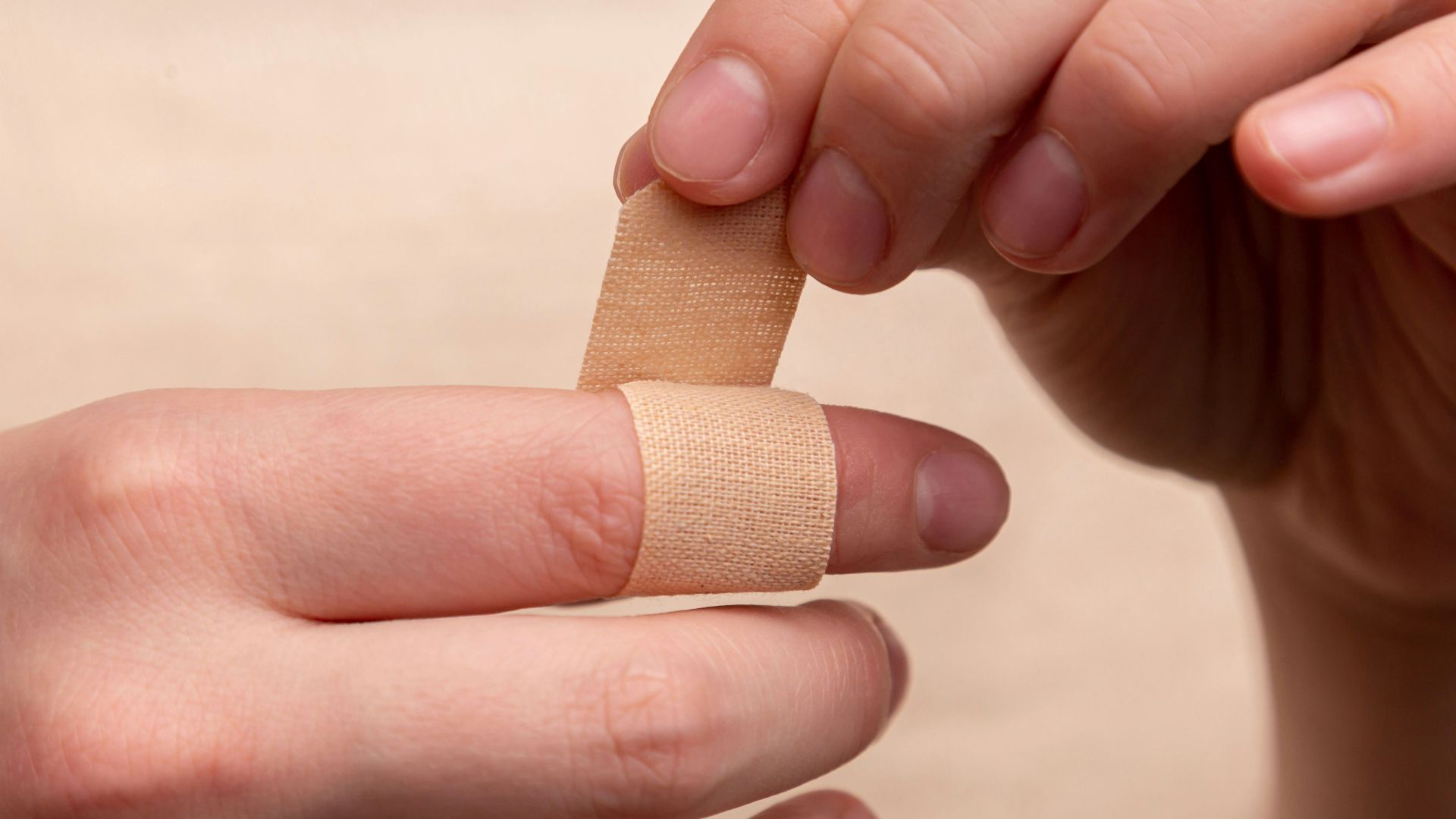
6. Headaches Out of Nowhere
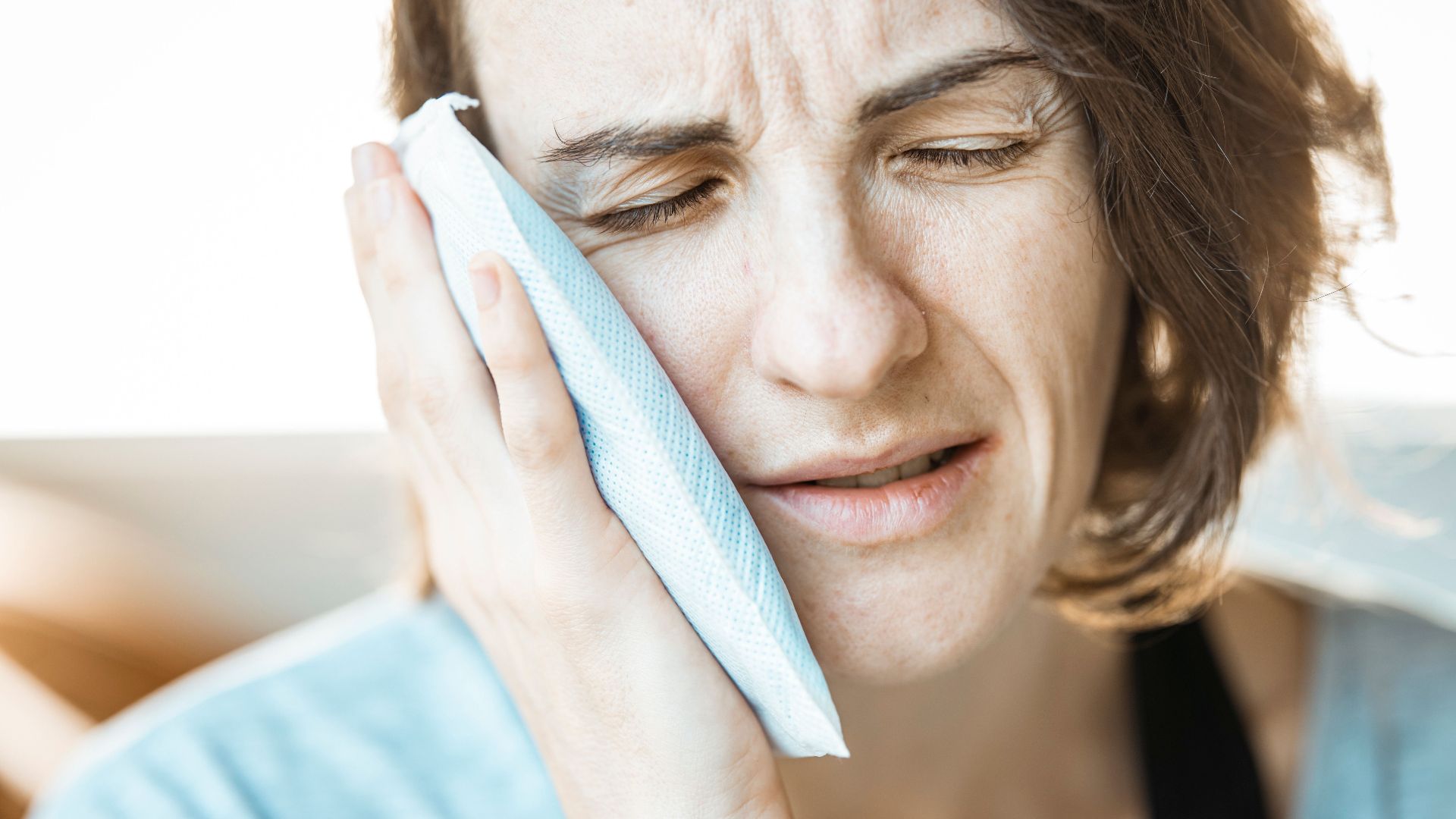
We’ve all experienced a mild headache, regardless of how old we are. The thing is, if one feels like the worst headache you’ve ever had, don’t wait it out. You definitely shouldn’t ignore accompanying symptoms, either, like weakness, vision changes, vomiting, stiff neck, confusion, or trouble speaking.

7. Persistent Swelling
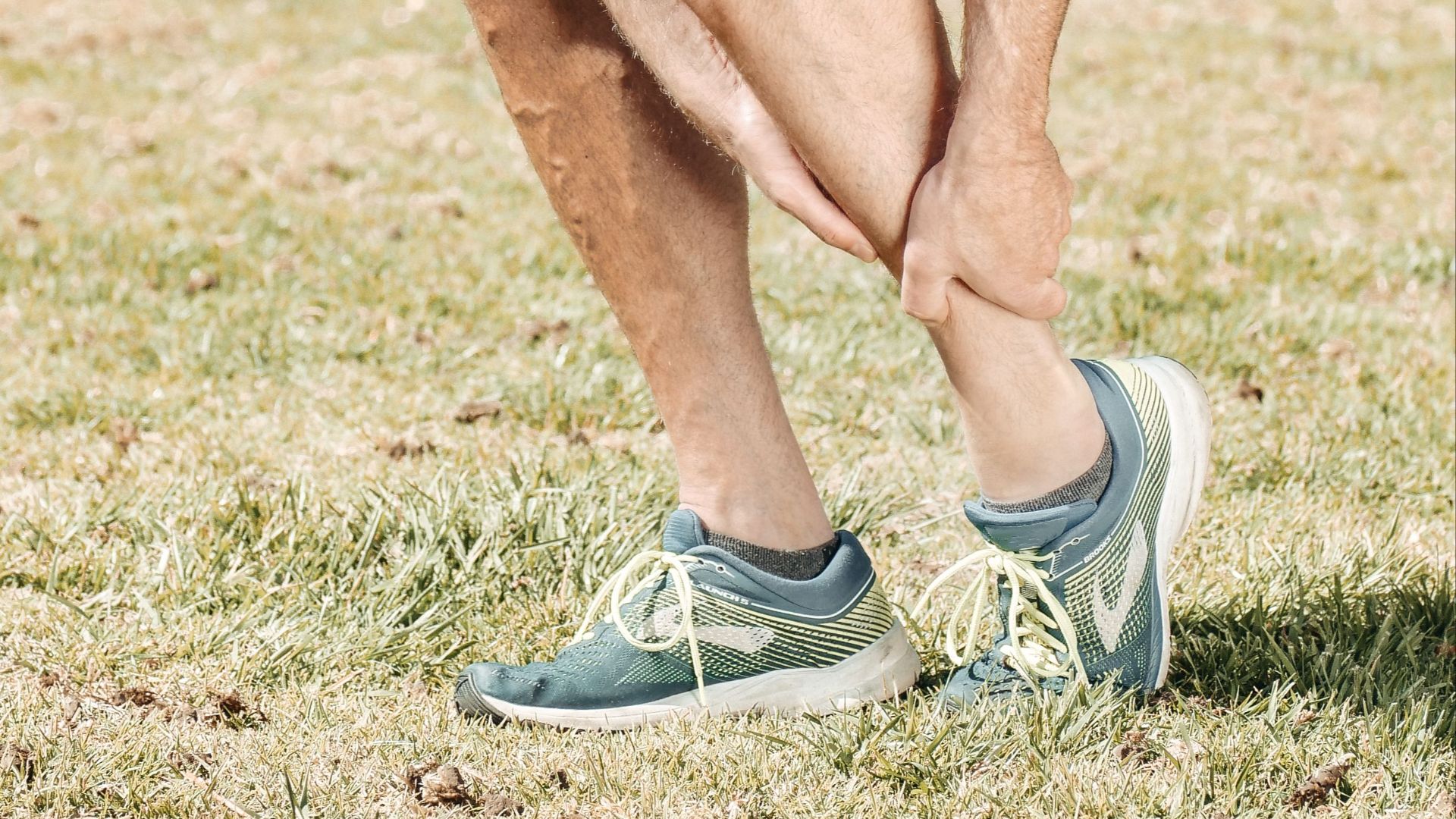
Believe it or not, both ankles can puff up after salty food or even just spending a long day on your feet. However, swelling in just one leg needs a closer look. If one calf becomes swollen, warm, tender, or painful, it could point to a blood clot. Even if that’s not the case, there’s no point in ignoring it.
8. Trouble Swallowing
Occasional coughing obviously isn’t unusual, but ongoing trouble swallowing shouldn’t be ignored. You might feel food sticking in your throat, cough during meals, or lose weight because eating feels difficult—none of which should be put on the back burner. Swallowing problems deserve proper testing.
9. Irregular Heartbeat
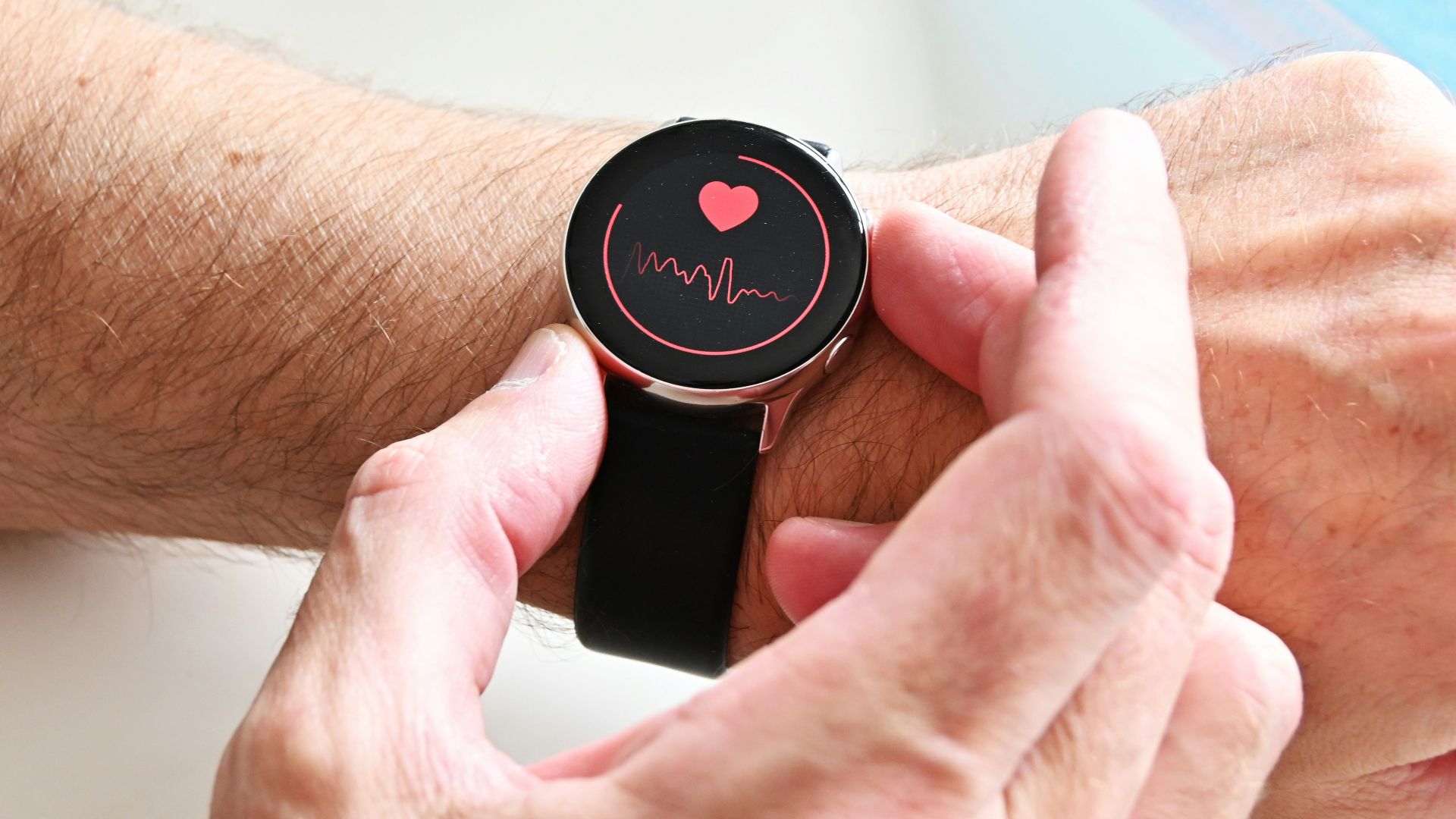
A fluttering or skipping heartbeat at rest is worth checking. Some people describe it as their heart flipping around in their chest, though others might experience lightheadedness, fatigue, or shortness of breath. Whatever the case may be, irregular rhythms can sometimes increase the risk of stroke or fainting, so it’s better to get them documented than to leave them alone.
10. Major Personality Changes
Feeling cranky after a bad night is human. A major emotional shift that lasts for weeks isn’t. Withdrawal from friends, unusual anger, paranoia, loss of interest in routines, or dramatic personality changes can all be signs of something bigger. You won’t know if it’s depression, dementia, thyroid issues, or grief that needs support until you speak to someone, either.
KEEP ON READING


20 Low-Impact Exercise Ideas For People Over 50
20 Exercises To Start Your Calisthenics Journey