The Parts Nobody Wants To Say
Postpartum recovery is often treated like a short break before life goes back to normal, but that’s not how it feels for many people. Your baby may get most of the attention, and that’s understandable, but your body is also healing from a major physical event. There can be bleeding, soreness, night sweats, breast pain, mood swings, bathroom stress, and the kind of tiredness that makes basic tasks feel harder than they should. A lot of these changes are common, but that doesn’t mean you’re supposed to ignore them or handle everything quietly. Here are 20 things no one tells you about postpartum recovery, but really should.
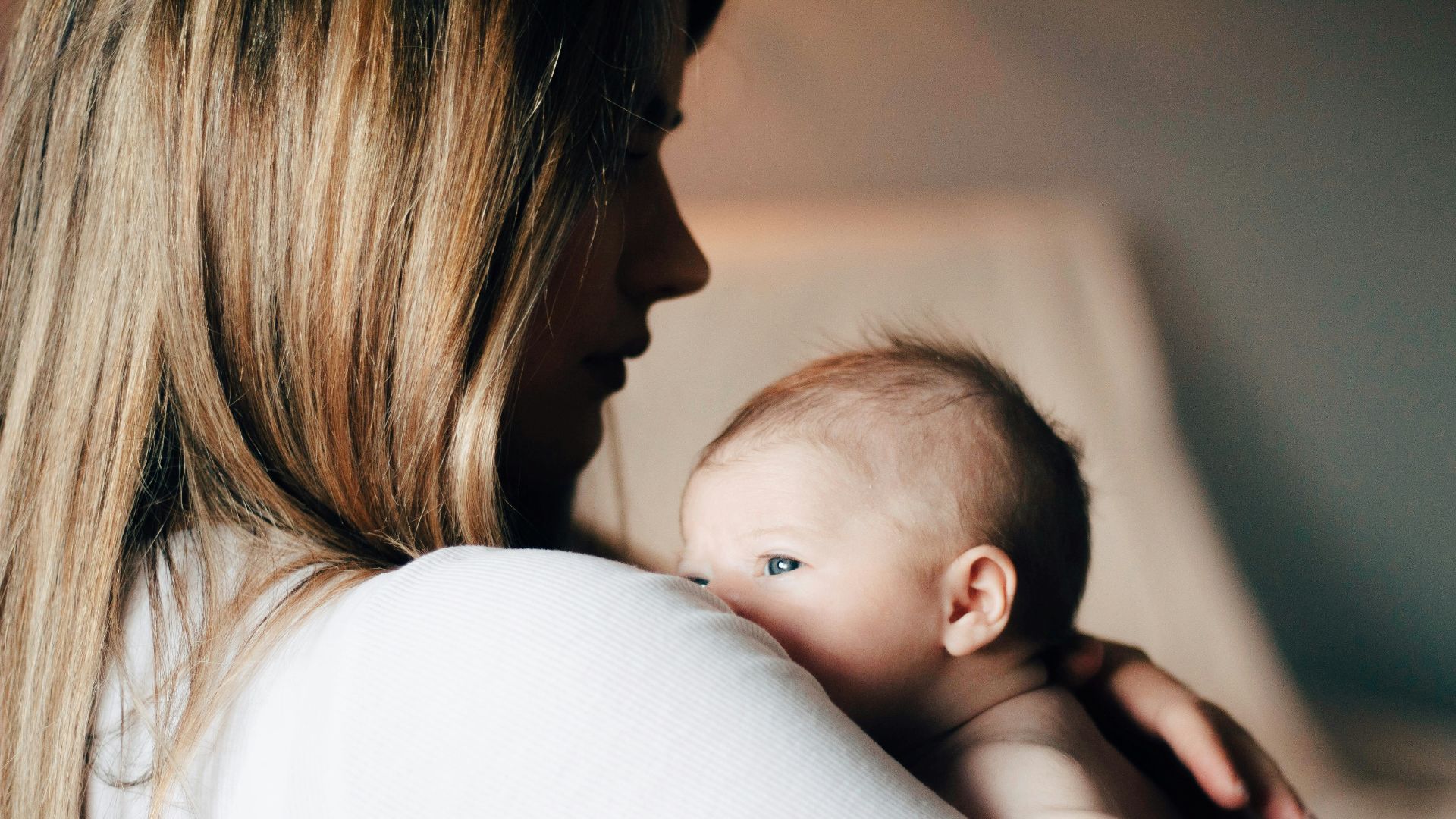
 Jennifer Kalenberg on Unsplash
1. Recovery Doesn’t End At Six Weeks
The six-week checkup can make it seem like you’re supposed to be fully healed by then, but many people still don’t feel like themselves yet. Bleeding, soreness, pelvic floor problems, incision pain, feeding struggles, and mood changes can all continue after that point, so ongoing care is still important.

2. Bleeding
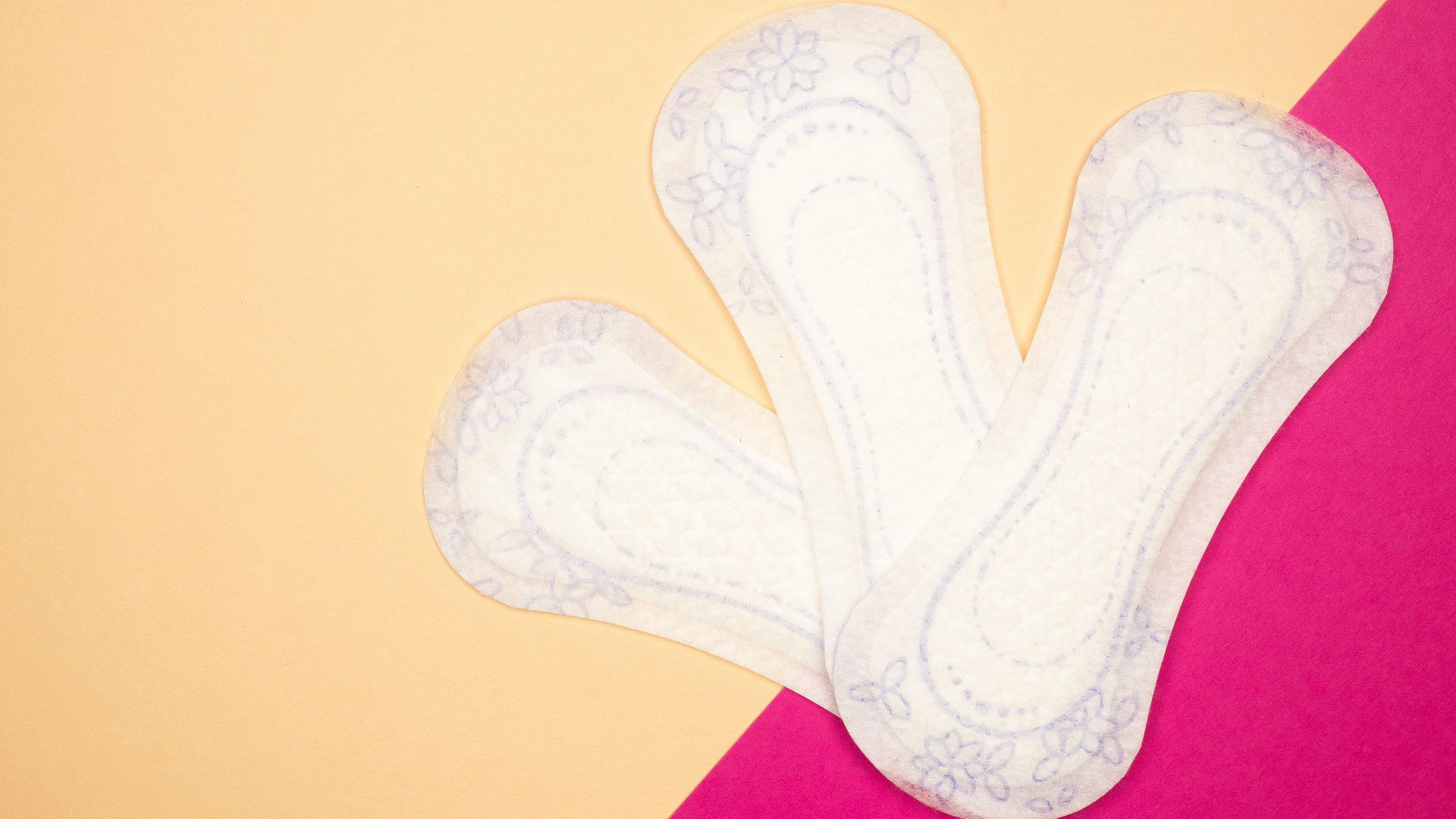
Bleeding after birth can happen whether you’ve had a vaginal birth or a C-section, because the uterus still needs time to heal. It usually gets lighter as the weeks pass, but soaking a pad quickly, passing large clots, feeling dizzy, or noticing a bad smell means you should receive medical assistance.
 Reproductive Health Supplies Coalition on Unsplash
3. Afterpains
After birth, the uterus shrinks back down, and that can cause cramping that feels a lot like strong period cramps. These afterpains can be more noticeable during breastfeeding or pumping, and they may feel stronger if you’ve given birth before.
4. Sitting
After a vaginal birth, sitting can hurt because of swelling, bruising, tears, or stitches, which is a lot to deal with when you’re already caring for a newborn. A peri bottle, cold packs, soft cushions, and warm sitz baths can help, but worsening pain, fever, or bad-smelling discharge should be checked.

5. A C-Section Is Major Surgery
A C-section may be common, but it’s still abdominal surgery, and your body needs real time to recover. Incision pain, slow movement, gas pain, lifting limits, and deep tiredness can all be part of healing, especially when you’re feeding, changing, and soothing a newborn around the clock.
6. Peeing Can Be Weird
Leaking urine after birth is common, especially when you cough, sneeze, laugh, or stand up. Some people also have trouble emptying their bladder or feeling the urge to pee at first, so if those symptoms stick around, they’re worth bringing up.
7. The First Bowel Movement
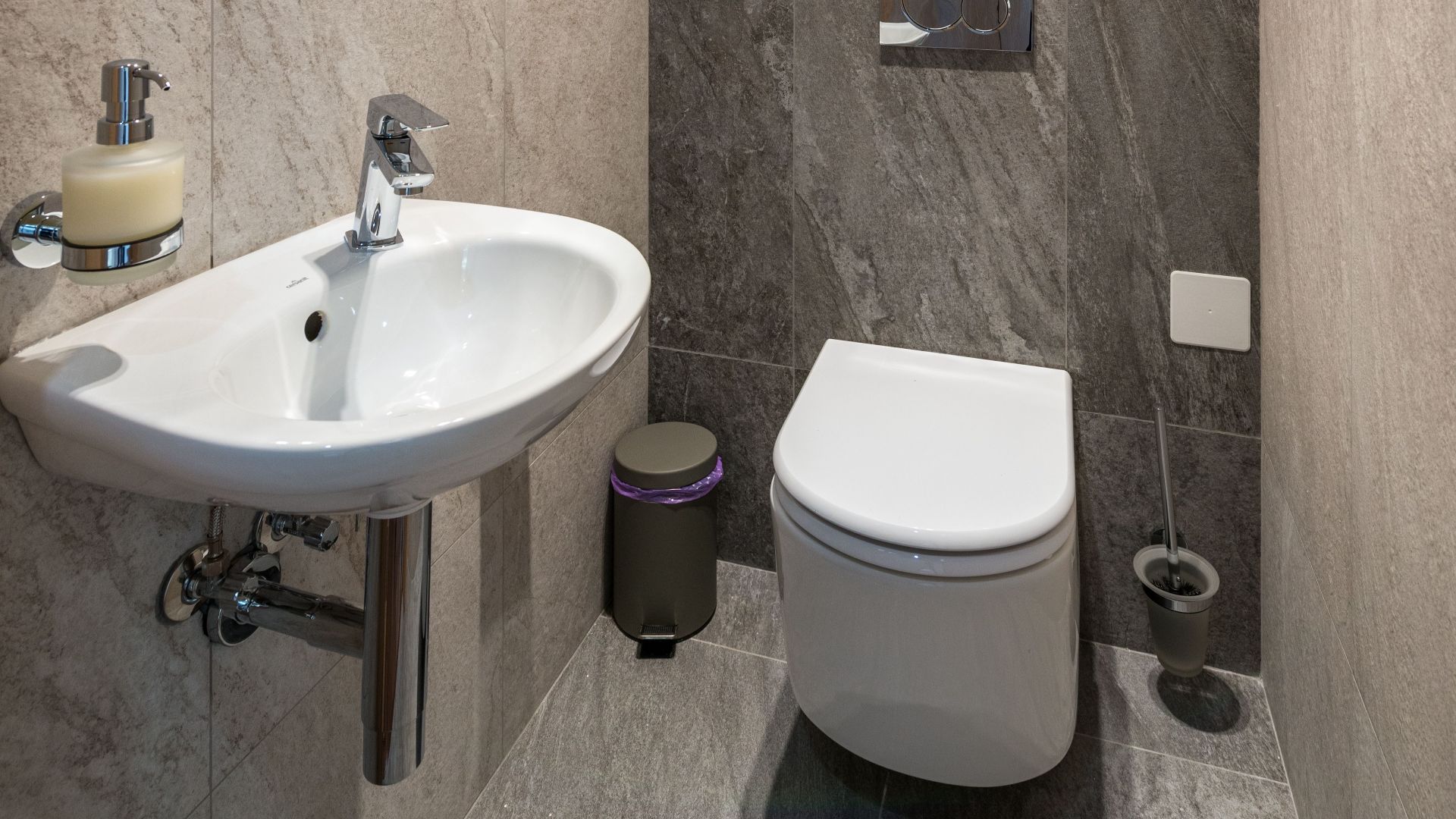
Constipation can happen after birth because of pain medicine, dehydration, less movement, stitches, hemorrhoids, and fear of pushing. Drinking fluids, eating fiber, taking gentle walks, and using provider-approved stool softeners can make that first bathroom trip feel less stressful.

8. Hemorrhoids
Pregnancy pressure, constipation, and pushing can all lead to hemorrhoids after birth. They may itch, ache, sting, or bleed a little, but heavy bleeding, severe pain, or symptoms that don’t improve should be checked rather than brushed aside.

9. Engorgement
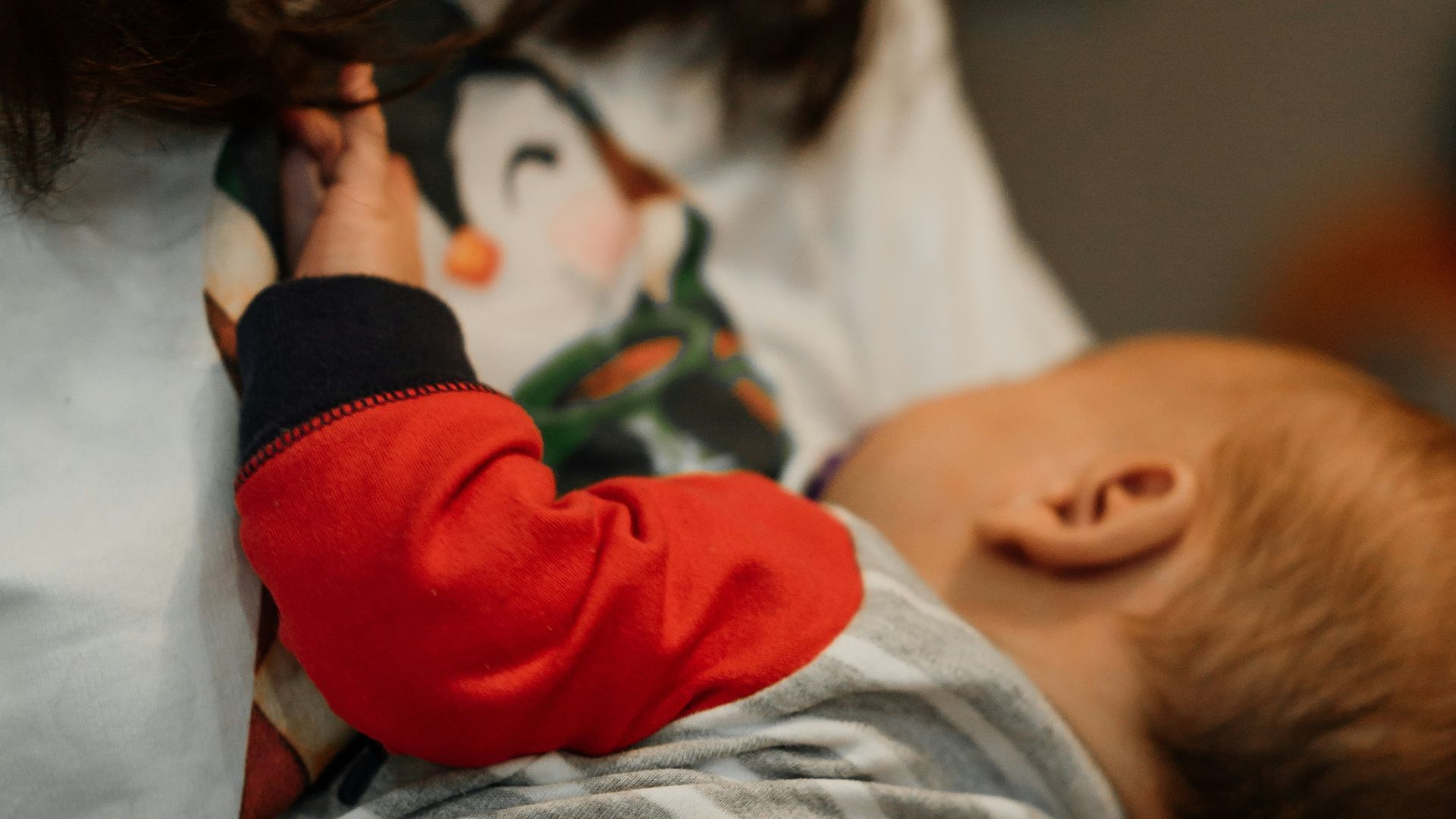
When milk comes in, breasts can become swollen, firm, warm, and painfully full, sometimes very quickly. Gentle care and feeding support can help, especially if latching hurts, swelling gets worse, or your breasts feel blocked and uncomfortable.
10. Mastitis
Breast inflammation or infection can cause breast pain, swelling, warmth, redness, fever, chills, and a wiped-out feeling. If symptoms get worse, don’t improve, or make you feel sick, it’s best to get medical advice instead of trying to push through.

11. Night Sweats
Postpartum night sweats can leave you waking up damp, cold, and annoyed, which isn’t exactly what you need when sleep is already hard to come by. Hormone changes and extra fluid leaving the body are often involved, but fever, chest pain, trouble breathing, or feeling very sick need medical attention.

12. Hair Shedding
Postpartum hair shedding often starts a few months after birth, after some of the early body changes have already settled down. It’s usually temporary, but patchy hair loss, heavy shedding, or hair changes that come with major tiredness, feeling too hot or too cold, or heart symptoms should be discussed.

13. Your Core May Feel Different
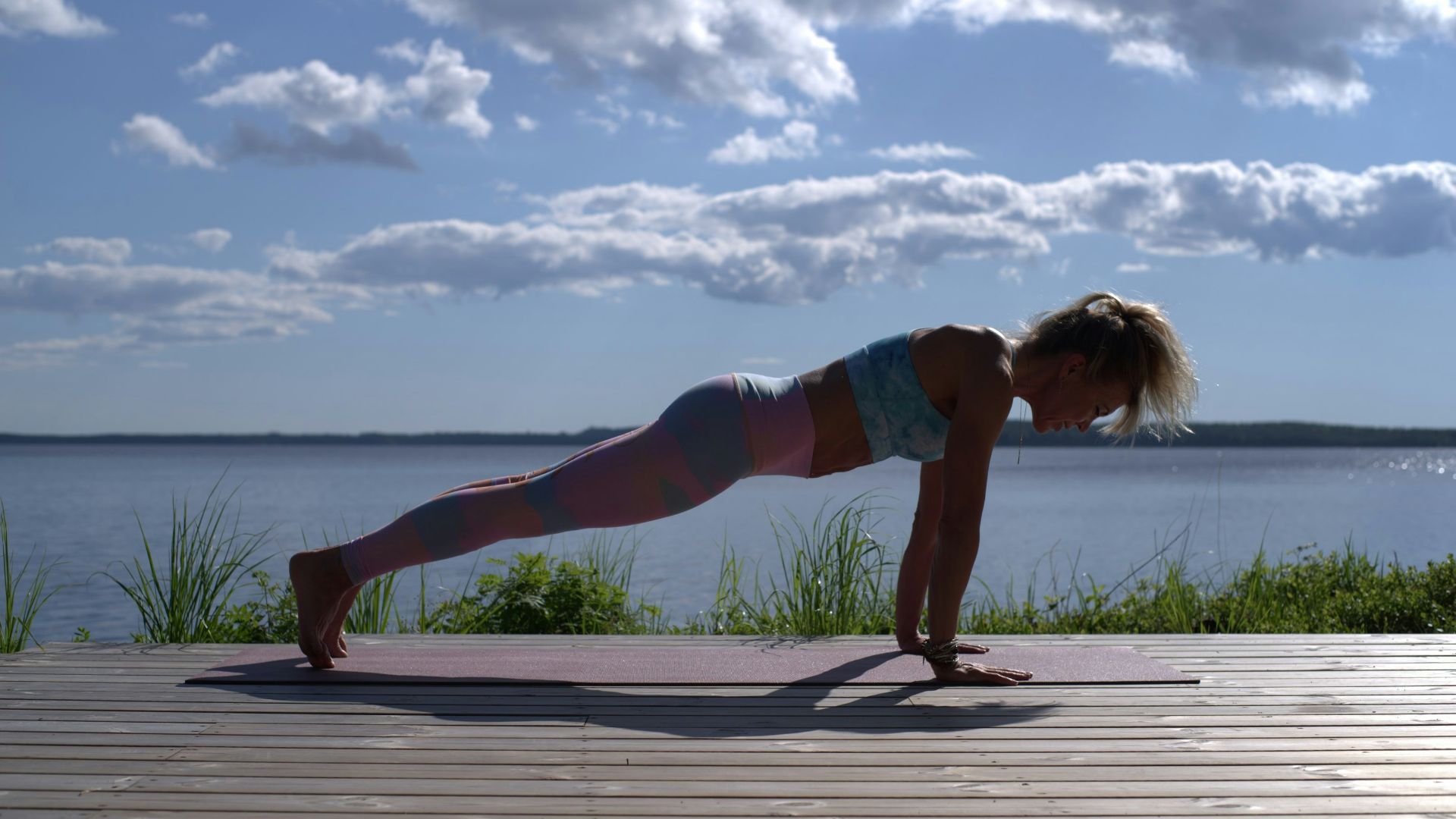
Pregnancy stretches the belly muscles, and some people notice weakness, bulging, or a lack of support through the middle. Gentle movement is usually a better place to start, so it’s best not to jump straight into intense ab exercises before your body is ready.
14. Your Pelvic Floor
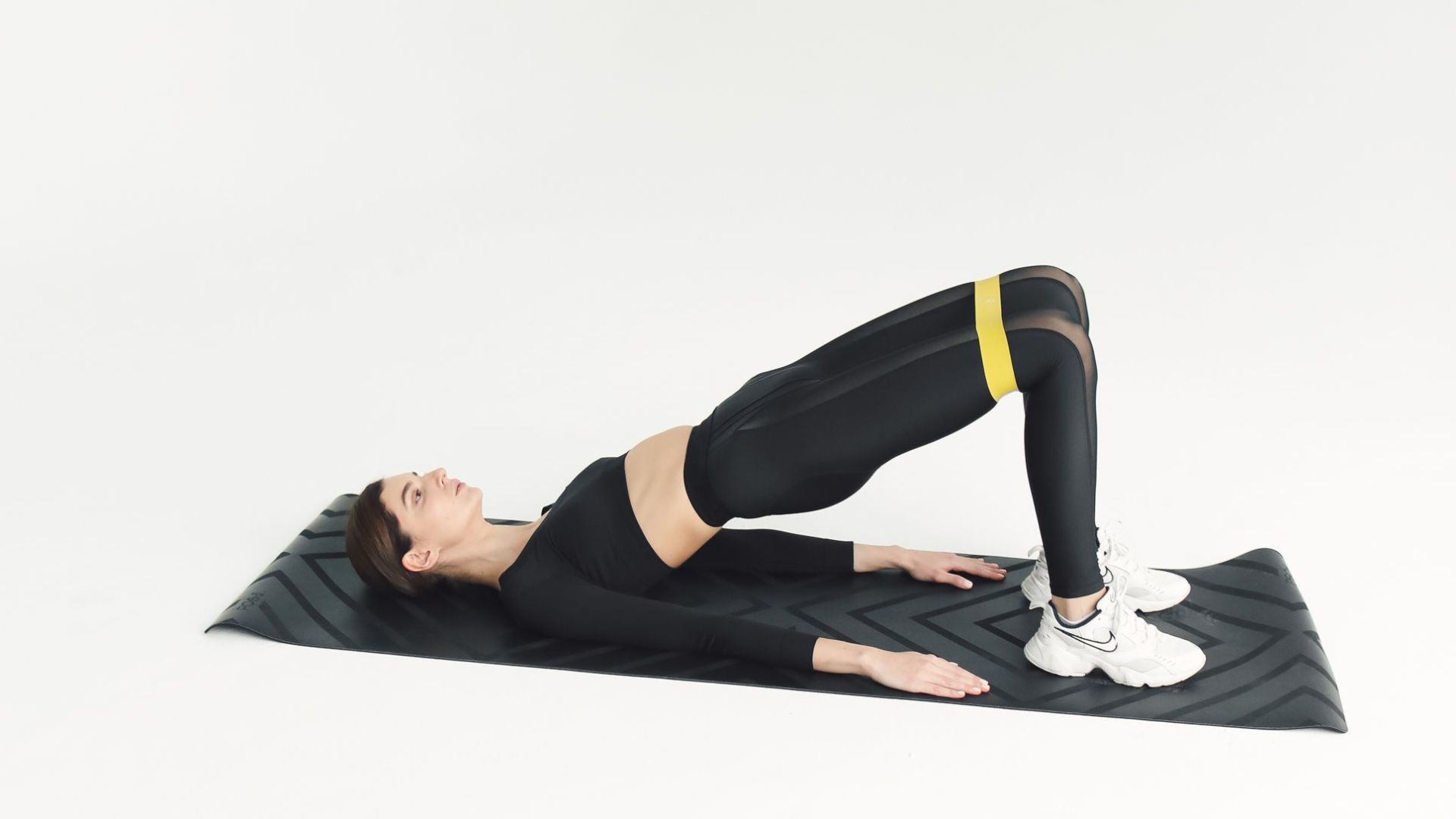
The pelvic floor can be weak after birth, but it can also be tight, painful, or hard to control properly. Leaking, pelvic pressure, painful intercourse, constipation, tailbone pain, or a heavy feeling can be signs that extra help may be useful.
15. Intercourse
Being medically cleared for intercourse doesn’t always mean your body or mind feels ready. Dryness, scar tenderness, low sex drive, pelvic pain, exhaustion, and the daily work of caring for a newborn can all make intimacy feel different.
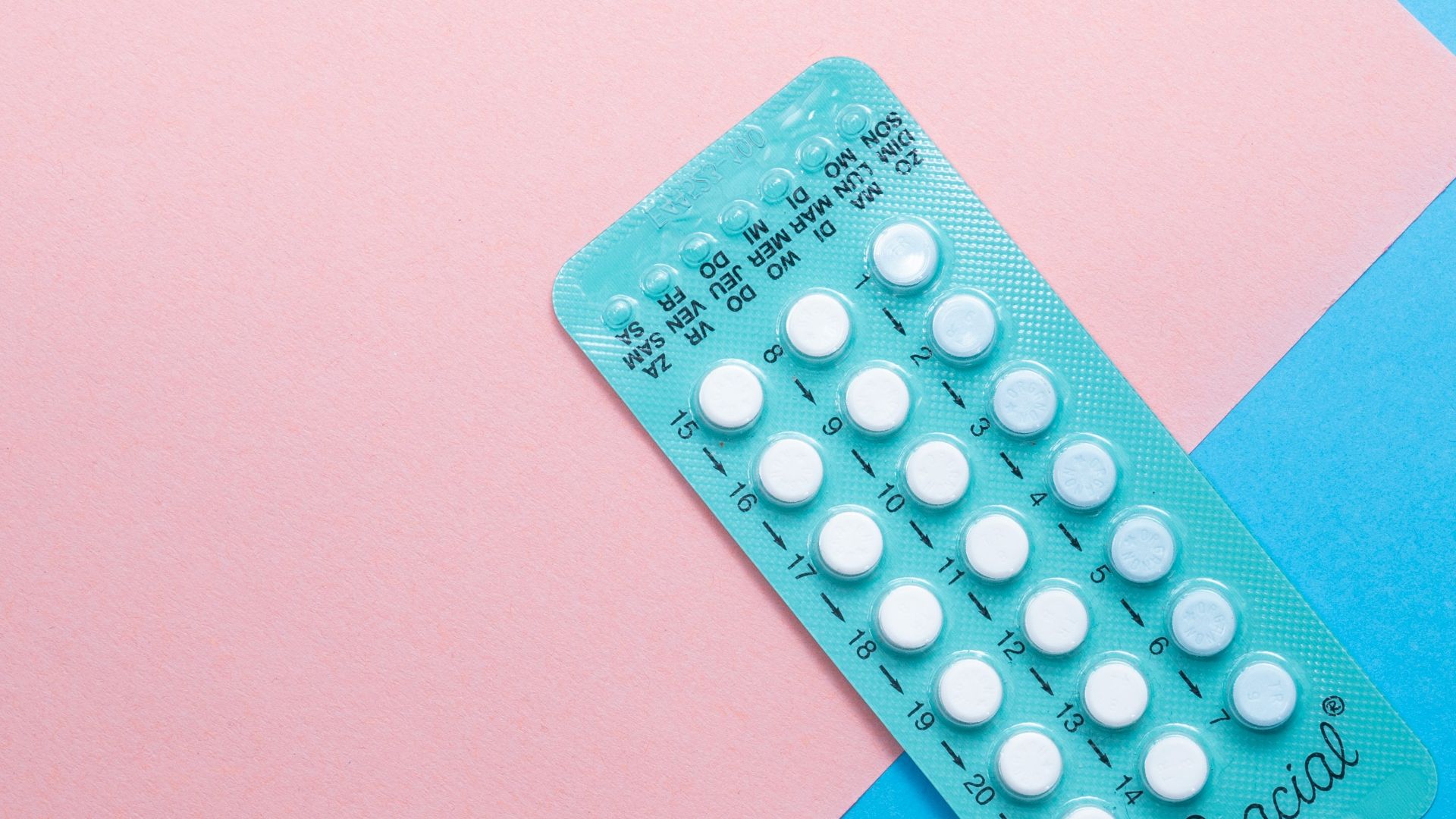
16. Birth Control
Ovulation can return before the first postpartum period, which means pregnancy can happen before cycles feel regular again. If another pregnancy isn’t the plan, it’s smart to talk about birth control.
 Reproductive Health Supplies Coalition on Unsplash
17. Mood Swings
Crying, irritability, and big emotional swings can happen in the first days after birth, and that can be unsettling even when you know it’s common. Feelings that last longer, are more intense, get in the way of daily life, or include thoughts of self-harm or harming the baby need urgent support.

18. Anxiety
Postpartum anxiety can look like racing thoughts, scary worries, constant checking, panic, irritability, dread, or being unable to sleep even when the baby’s asleep. Some worry is expected with a new baby, but when it takes over your day, it deserves care.
19. Blood Pressure Problems
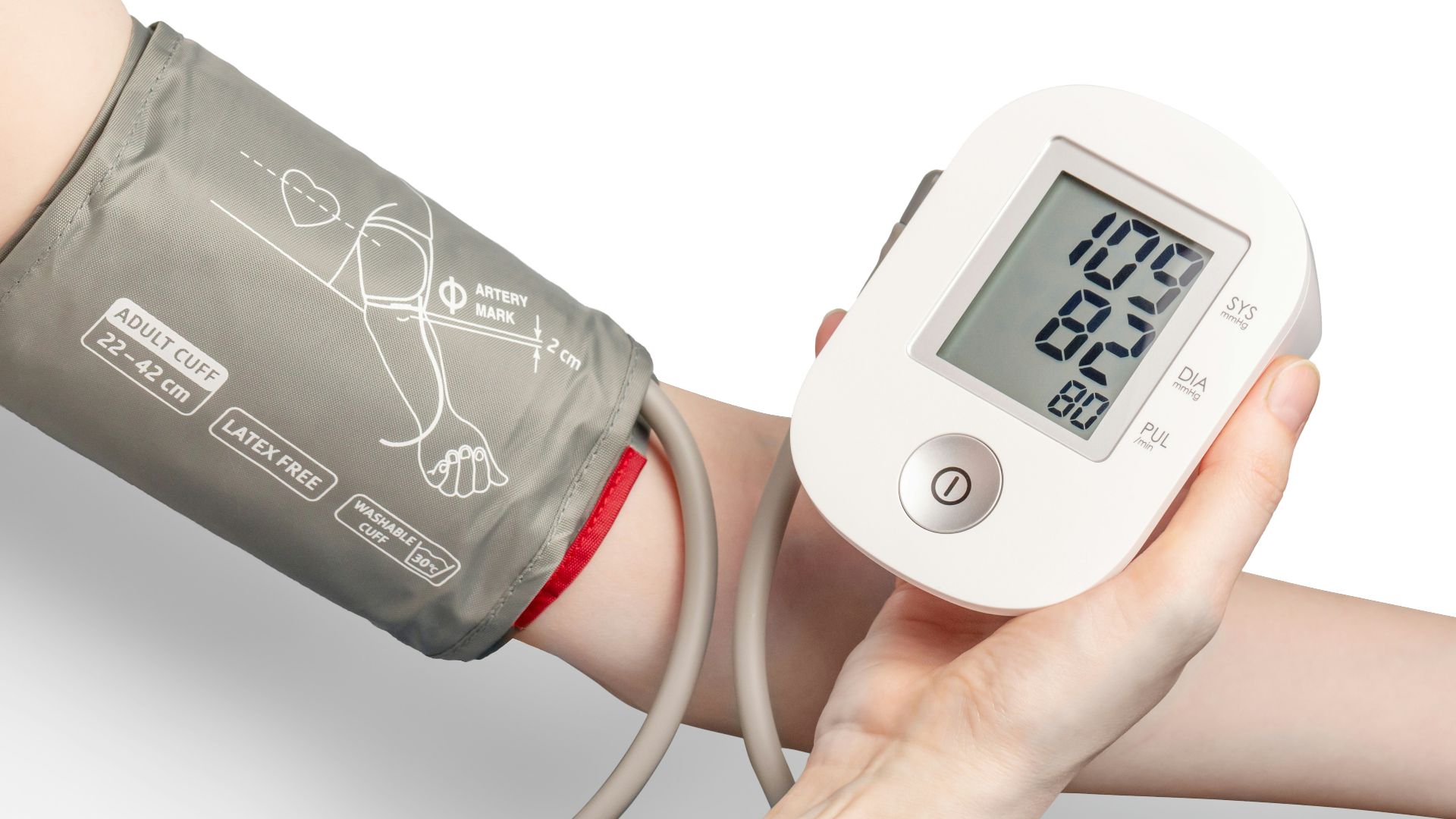
High blood pressure problems can show up after delivery, even if blood pressure was normal during pregnancy. Severe headache, vision changes, swelling in the face or hands, chest pain, trouble breathing, upper belly pain, nausea, or vomiting shouldn’t be ignored.
20. You May Need More Help Than Planned
Postpartum support can mean meals, rides, feeding help, therapy, medicine, pelvic floor care, blood pressure checks, or someone holding the baby while you shower. Needing help doesn’t mean you’re failing. It means healing after birth is real work, and you deserve care, too.
KEEP ON READING



20 Ways to Make Errands Count as Exercise