A Real Household Staple
Chances are, you probably have a bottle of hydrogen peroxide sitting at home somewhere; it is, after all, one of those seemingly magical household products that can do a lot, especially when you're using the common 3% solution sold in drugstores. More than just helping you disinfect and clean, though, it can also deodorize, lift stains, and freshen up areas that collect stubborn grime. That said, it should still be used correctly and responsibly, so make sure you don't rely on it for everything.
1. Disinfect Hard, Nonporous Surfaces
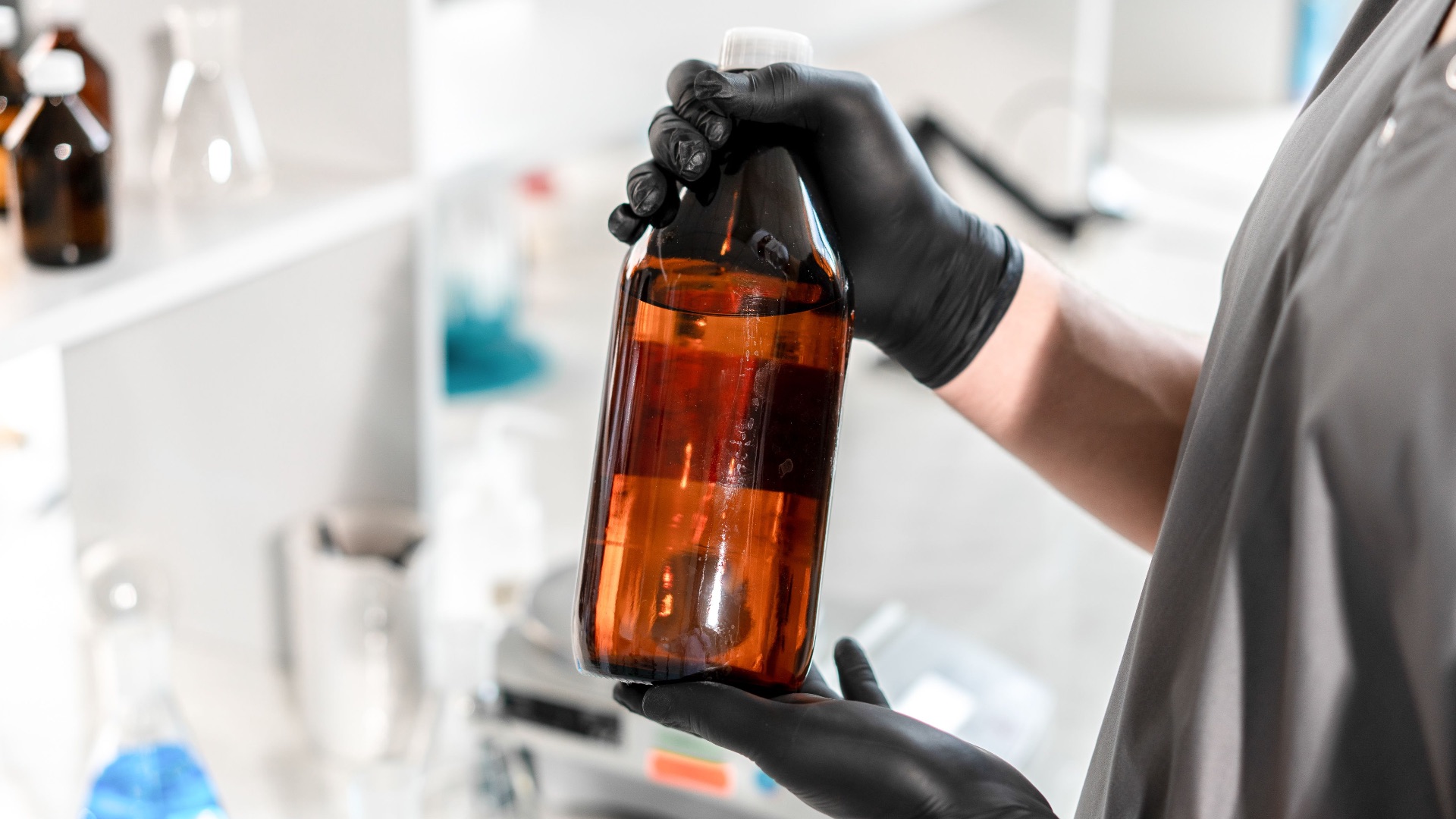
Hydrogen peroxide can be useful for cleaning hard, nonporous surfaces such as counters, sinks, and appliance handles. For best results, spray or pour a small amount onto the surface and let it sit briefly before wiping it away. Always make sure the surface can tolerate it first, especially if it has a delicate finish.
2. Soften Earwax Buildup
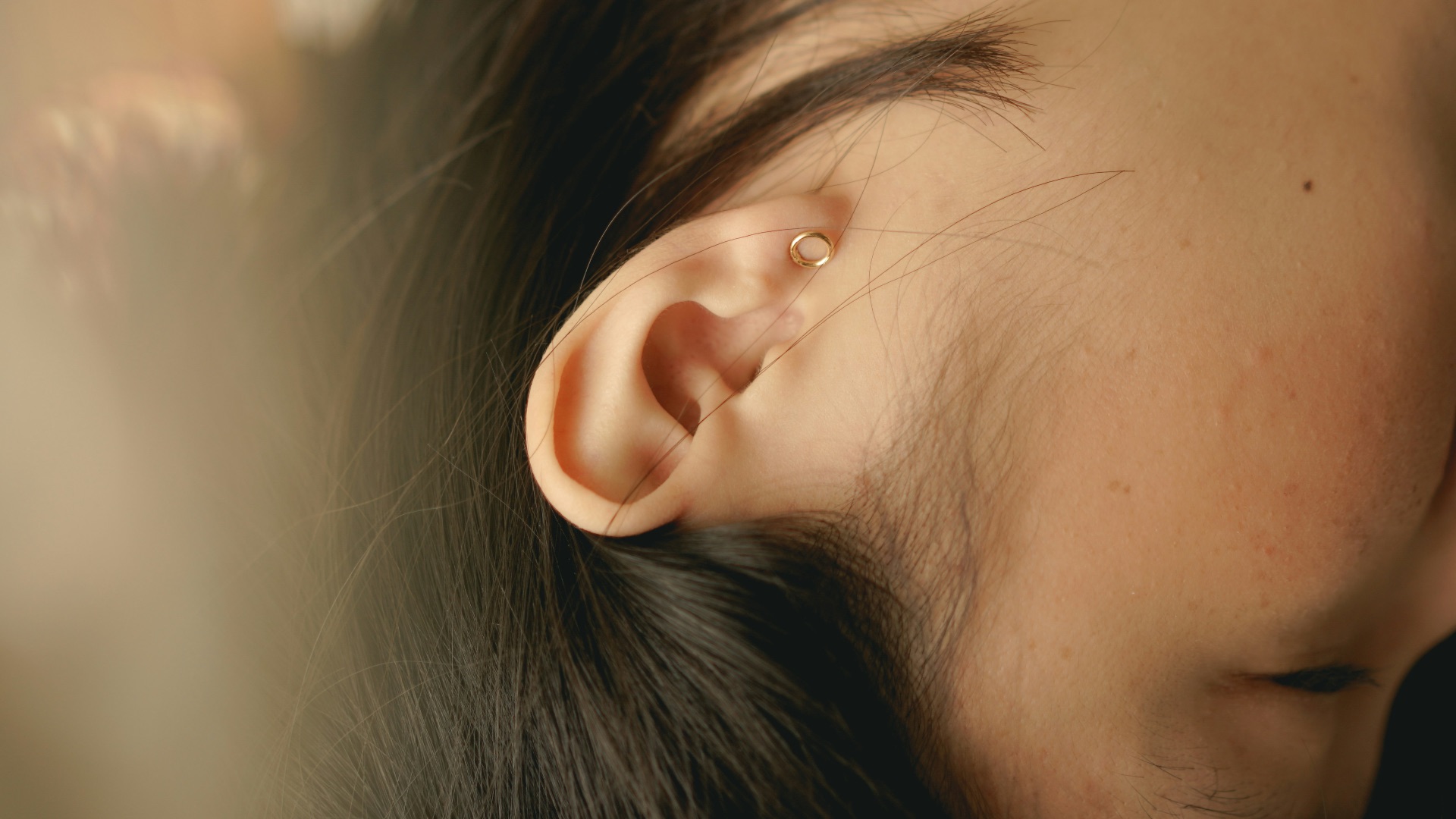
Hydrogen peroxide can help soften earwax, which is why it’s found in some ear-cleaning drops. A few drops of the proper solution can loosen wax so it drains more easily, but you shouldn’t use it if you have ear pain, drainage, tubes, an infection, or a possible eardrum injury. If your ear still feels blocked after a careful attempt, it’s better to let a medical professional handle it.
3. Freshen a Toothbrush
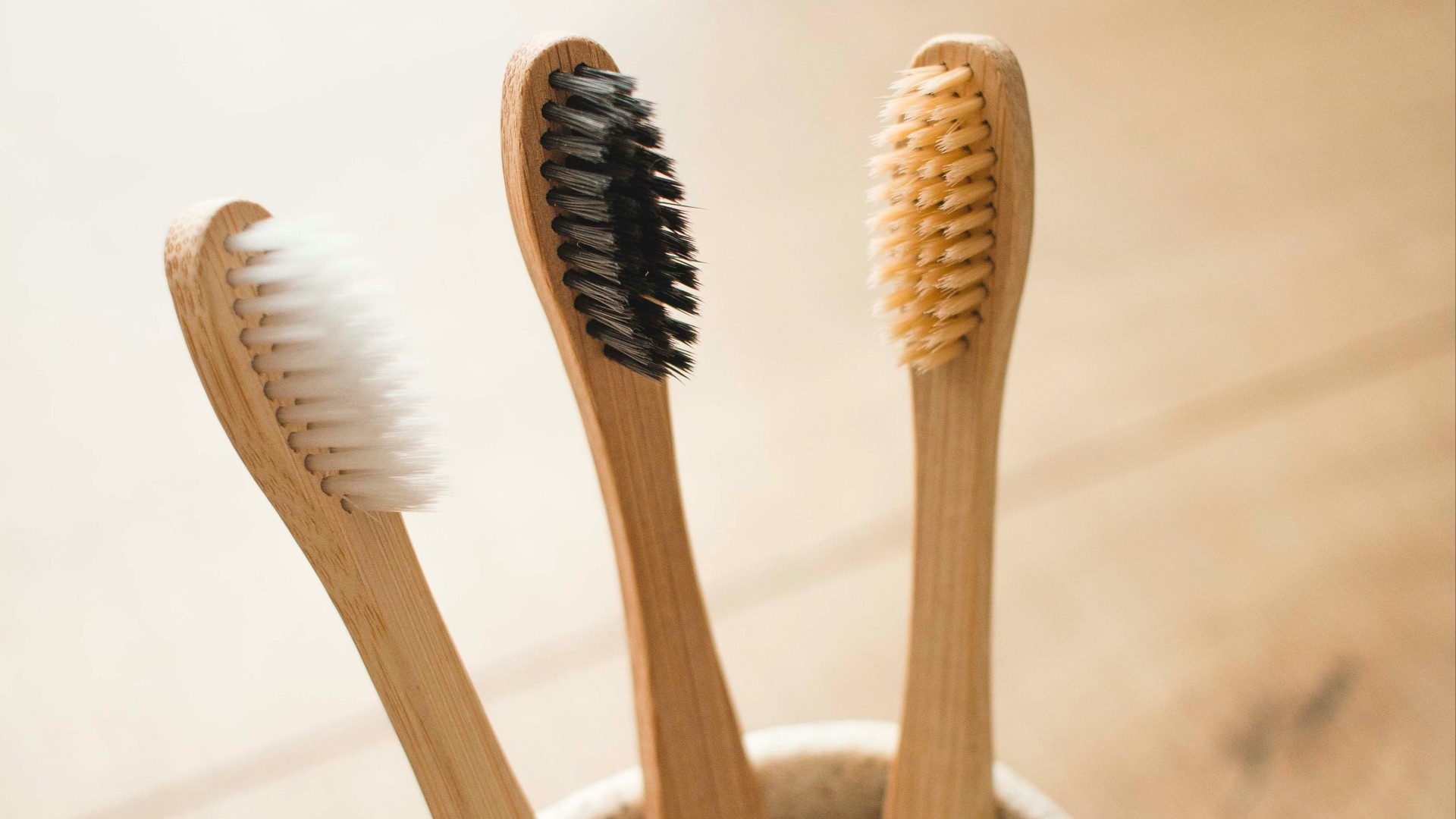
A toothbrush can collect toothpaste residue and bacteria between uses, especially if it sits in a damp holder. Soaking the bristles briefly in hydrogen peroxide can help freshen it up; just make sure you rinse it thoroughly afterward with water. This isn’t a substitute for replacing your toothbrush regularly, but it can be a useful step between replacements.
4. Lift Stains from White Fabrics
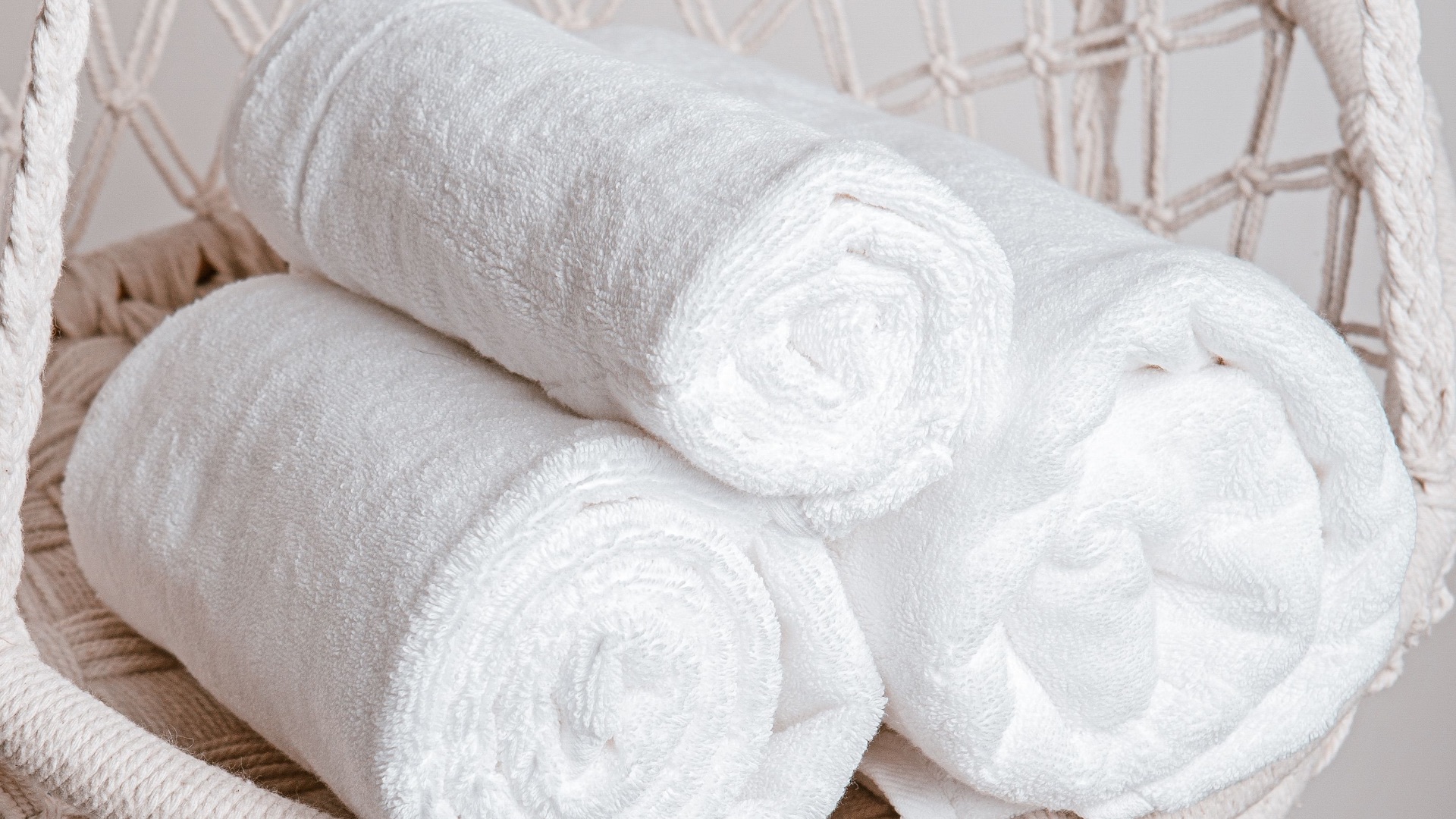
Hydrogen peroxide can help lighten certain stains on white fabrics, including some food, sweat, and mild organic stains. Dab it onto the stained area, let it sit briefly, and then launder the item as usual. Because it can lighten color, it's best reserved for whites or tested carefully on a hidden spot first.
5. Deodorize Trash Cans
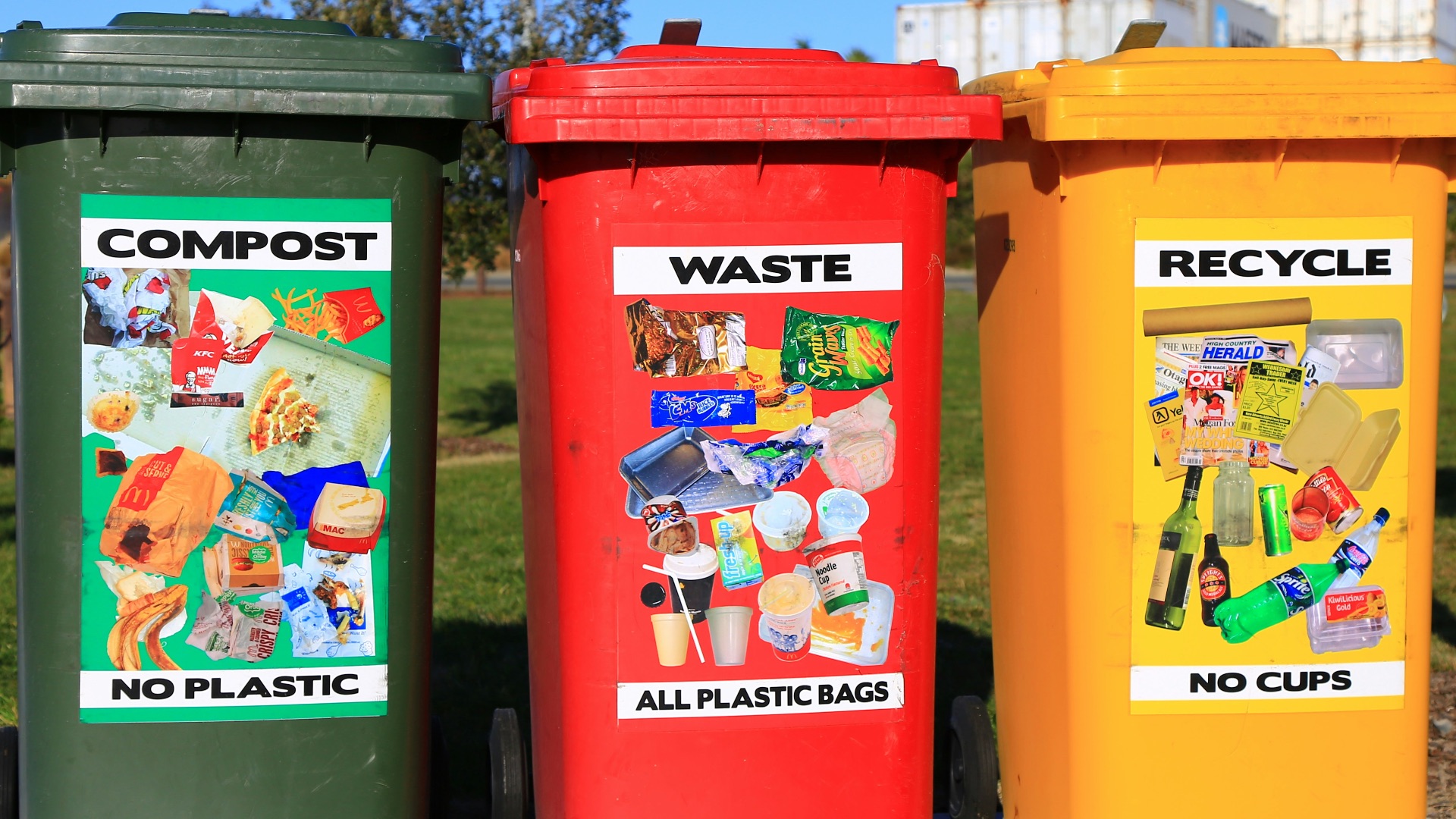
Trash cans can hold onto lingering smells even after the bag is removed. After washing the can, spray hydrogen peroxide inside and let it sit before wiping or rinsing it out. This can help reduce odor-causing residue without adding a heavy fragrance.
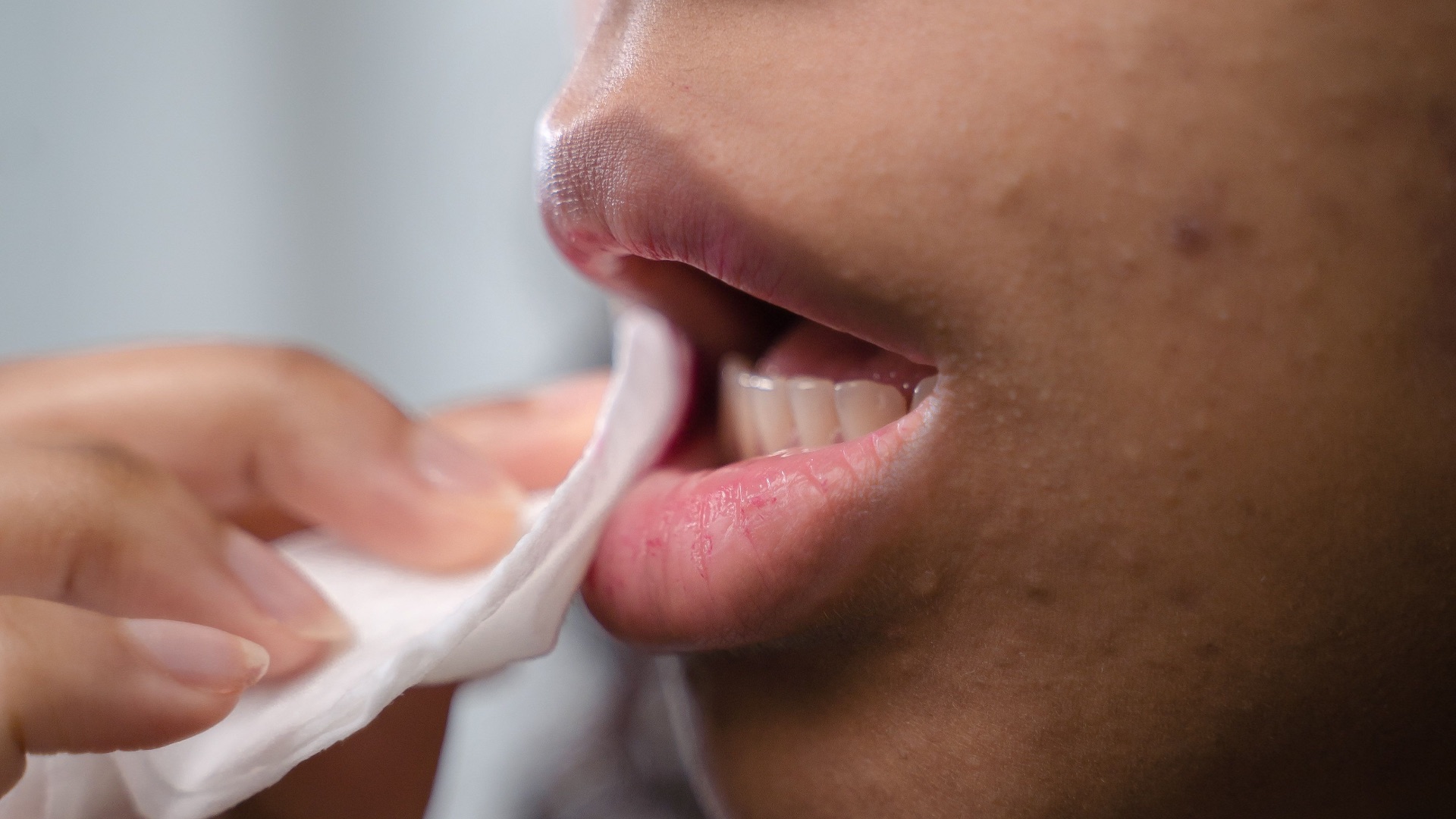
6. Help Manage Minor Canker Sores
Hydrogen peroxide can sometimes be used in a diluted form as a short-term rinse to help keep minor canker sores clean. It may help reduce irritation from bacteria in the area, but it shouldn’t be used full-strength or too frequently. Always spit it out completely and avoid using it if the sore is severe, persistent, or unusually painful. If canker sores keep coming back or don’t heal within a couple of weeks, it’s best to check in with a dentist or healthcare provider.
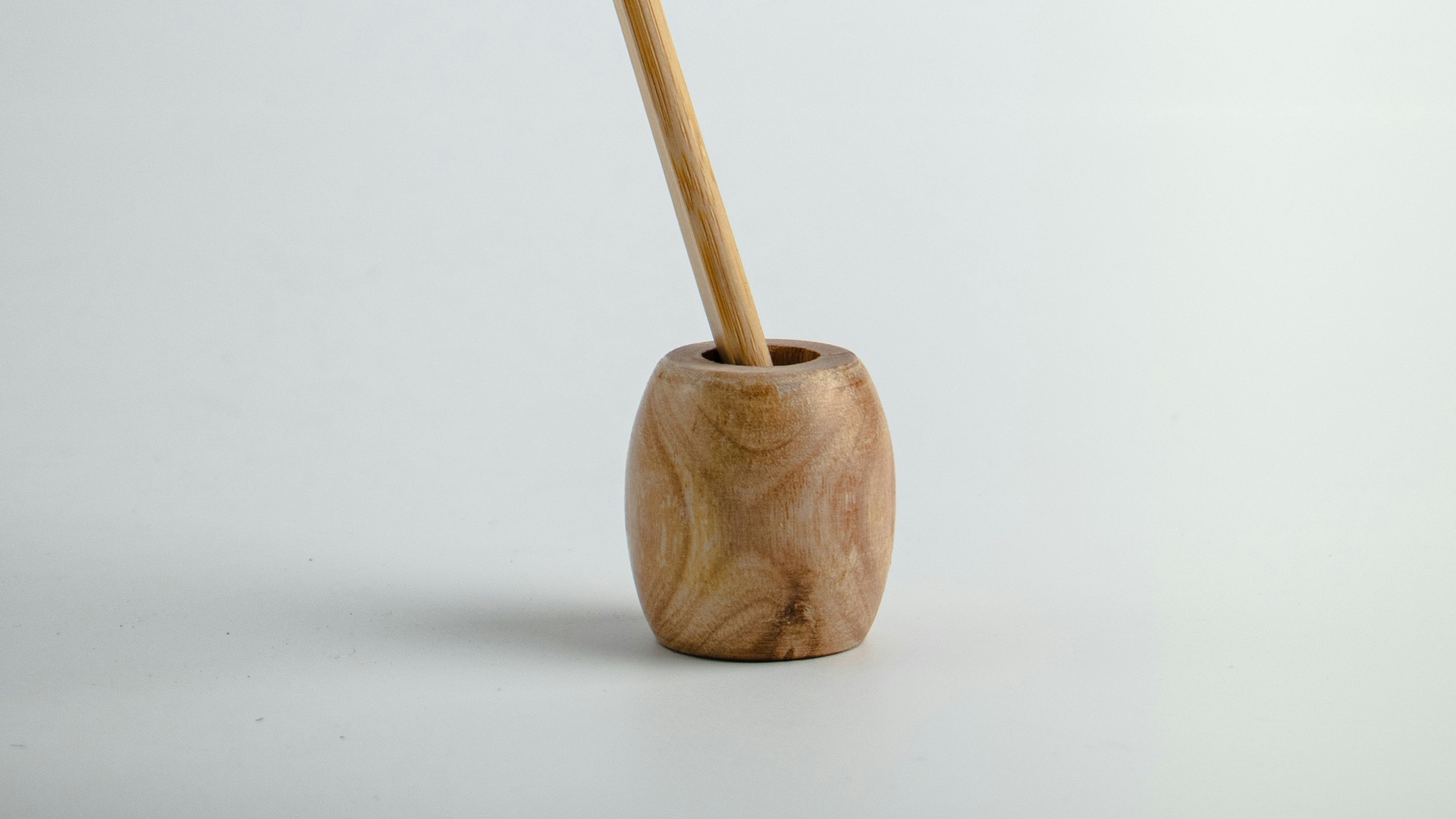
7. Refresh Toothbrush Holders
Toothbrush holders are easy to overlook, but they can collect water, toothpaste residue, and buildup. Soaking or wiping the holder with hydrogen peroxide can help clean the small corners that are hard to reach. Rinse it well afterward and let it dry completely before putting the toothbrushes back.
 Raghavendra V. Konkathi on Unsplash
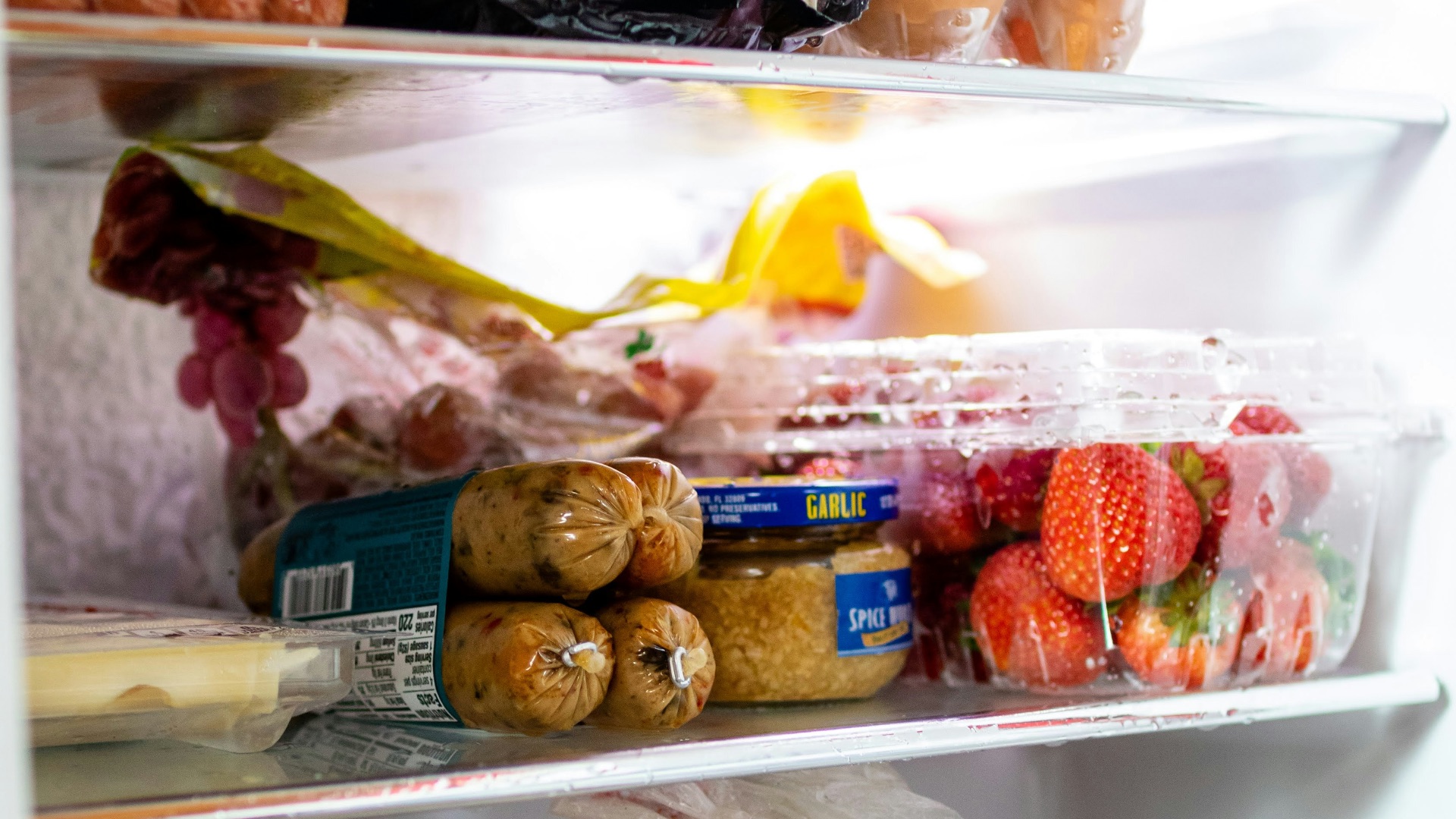
8. Help Clean Refrigerator Spills
Sticky refrigerator spills can become smelly if they sit too long. After removing food and wiping up the mess, hydrogen peroxide can be used on compatible interior surfaces to help clean leftover residue. Follow with a damp cloth so you don't leave cleaner behind near food.
9. Freshen Cutting Boards
Plastic cutting boards can hold onto stains and odors after repeated use, and hydrogen peroxide can help refresh them. After washing the board with soap and water, apply hydrogen peroxide, let it bubble for a few minutes, and rinse thoroughly. This works best as an extra cleaning step rather than a replacement for proper washing.

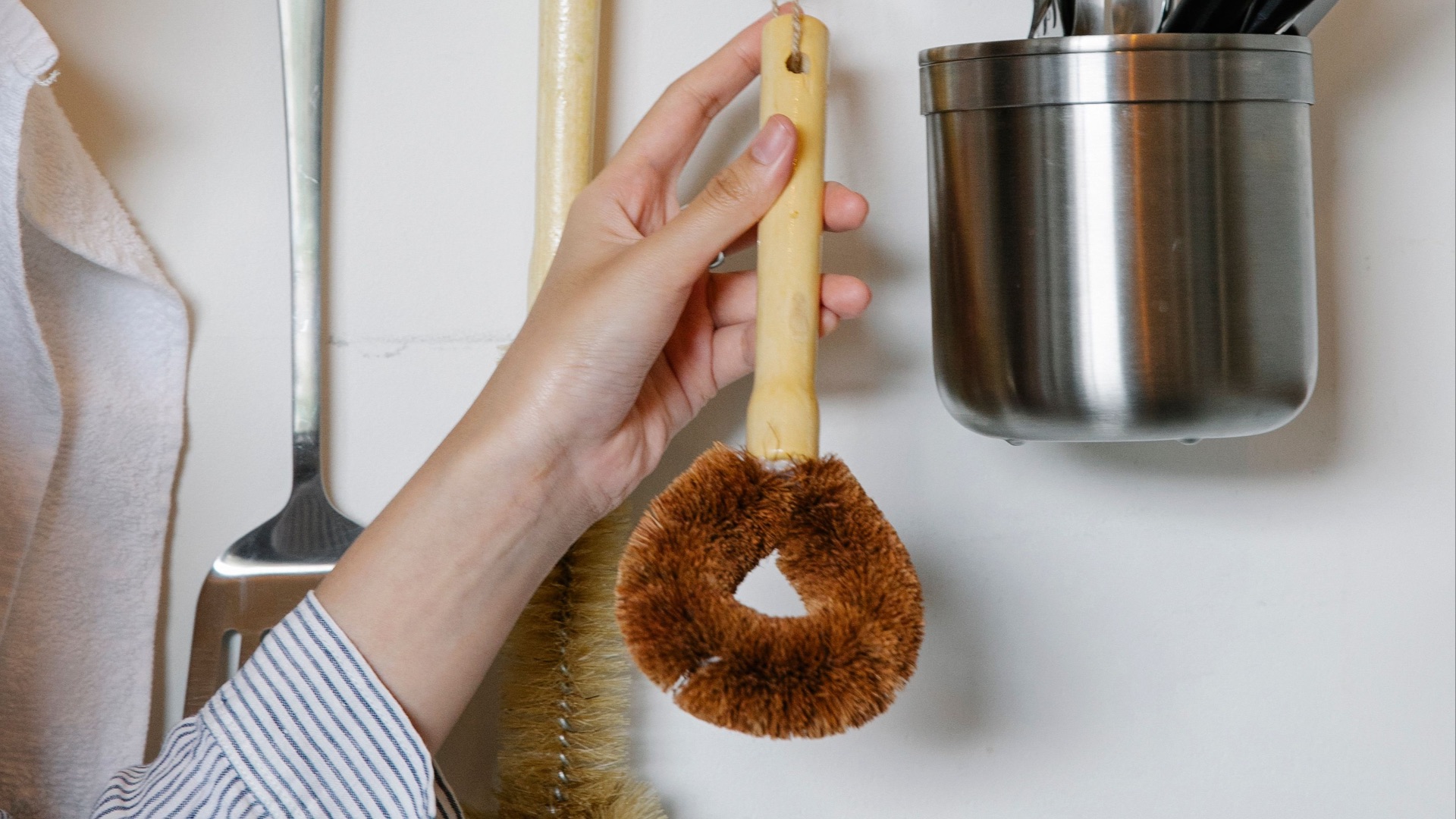
10. Clean Reusable Cleaning Tools
Dish brushes, scrub brushes, and similar tools can collect residue from repeated use. Soaking them briefly in hydrogen peroxide can help freshen them between deeper cleanings. Rinse them thoroughly afterward and let them air-dry so moisture doesn't keep building up.
While hydrogen peroxide has plenty of practical uses, the same qualities that make it effective also mean it shouldn't be treated like plain water. Before making it a regular part of your routine, it's worth knowing the safety habits that keep it useful without creating unnecessary risks.
1. Stick with the 3% Household Solution
For everyday home use, the standard 3% hydrogen peroxide solution is usually the safest option to keep around. Higher concentrations are much stronger and can cause burns or more serious injuries if handled incorrectly. Unless you have a specific professional reason to use a stronger product, don't bring concentrated hydrogen peroxide into your home.
2. Never Drink Hydrogen Peroxide
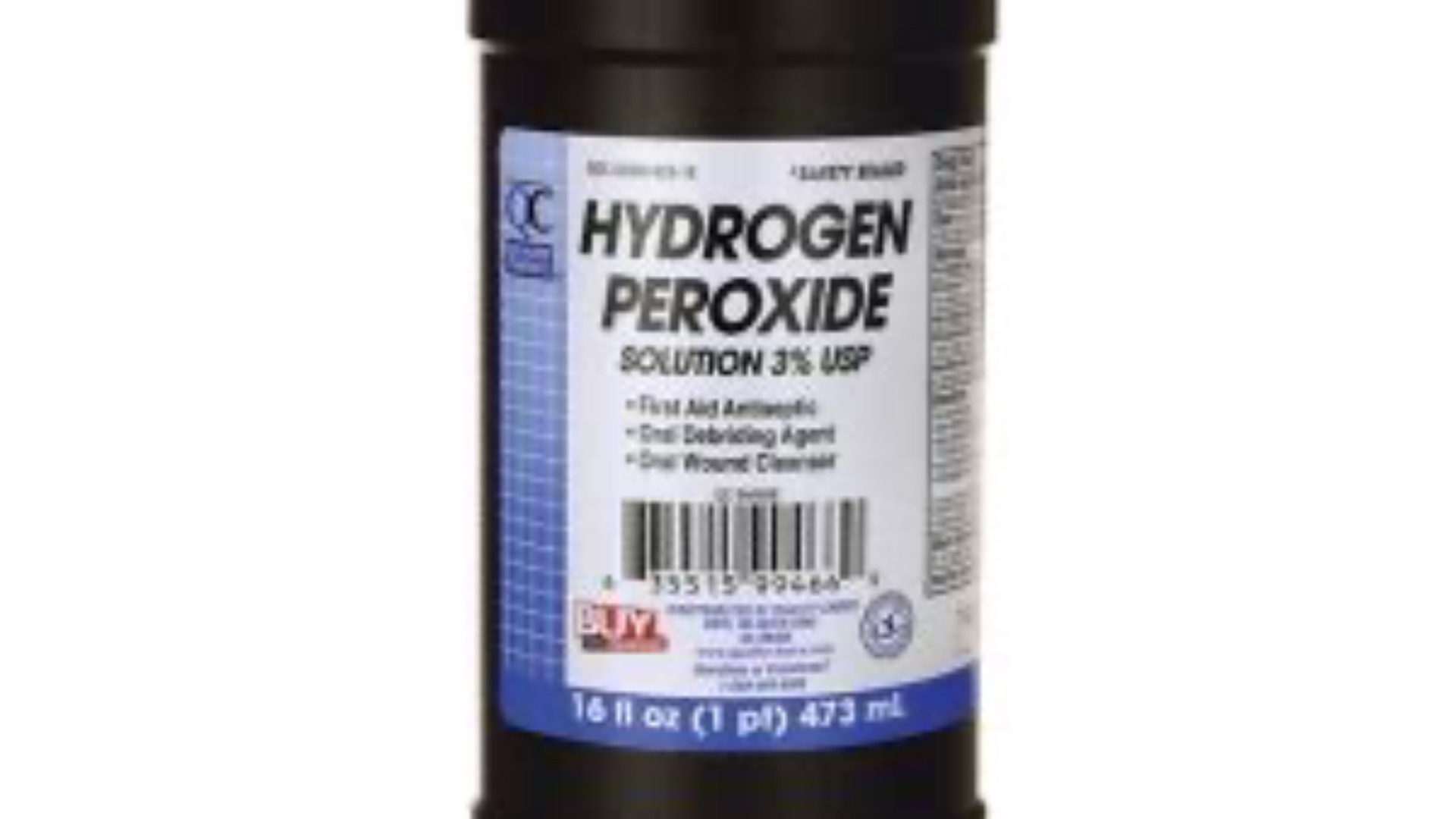
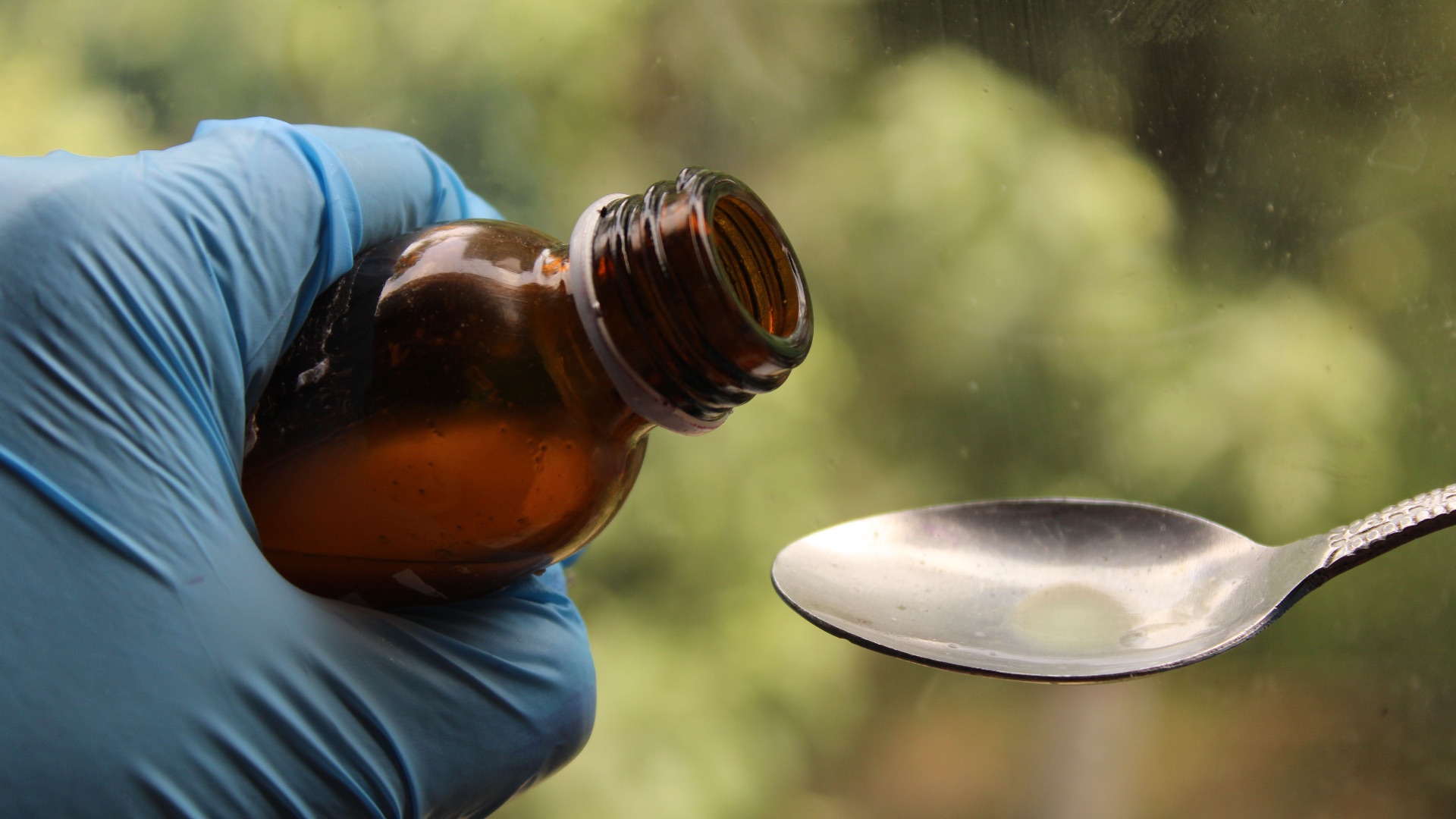
It might sound obvious, but you'd be surprised. To keep things completely clear, hydrogen peroxide should never be swallowed; it can irritate the digestive tract, and stronger concentrations can be dangerous. If anyone ingests it, especially a child or pet, contact Poison Control or emergency services immediately.
3. Don’t Use It to Clean Wounds
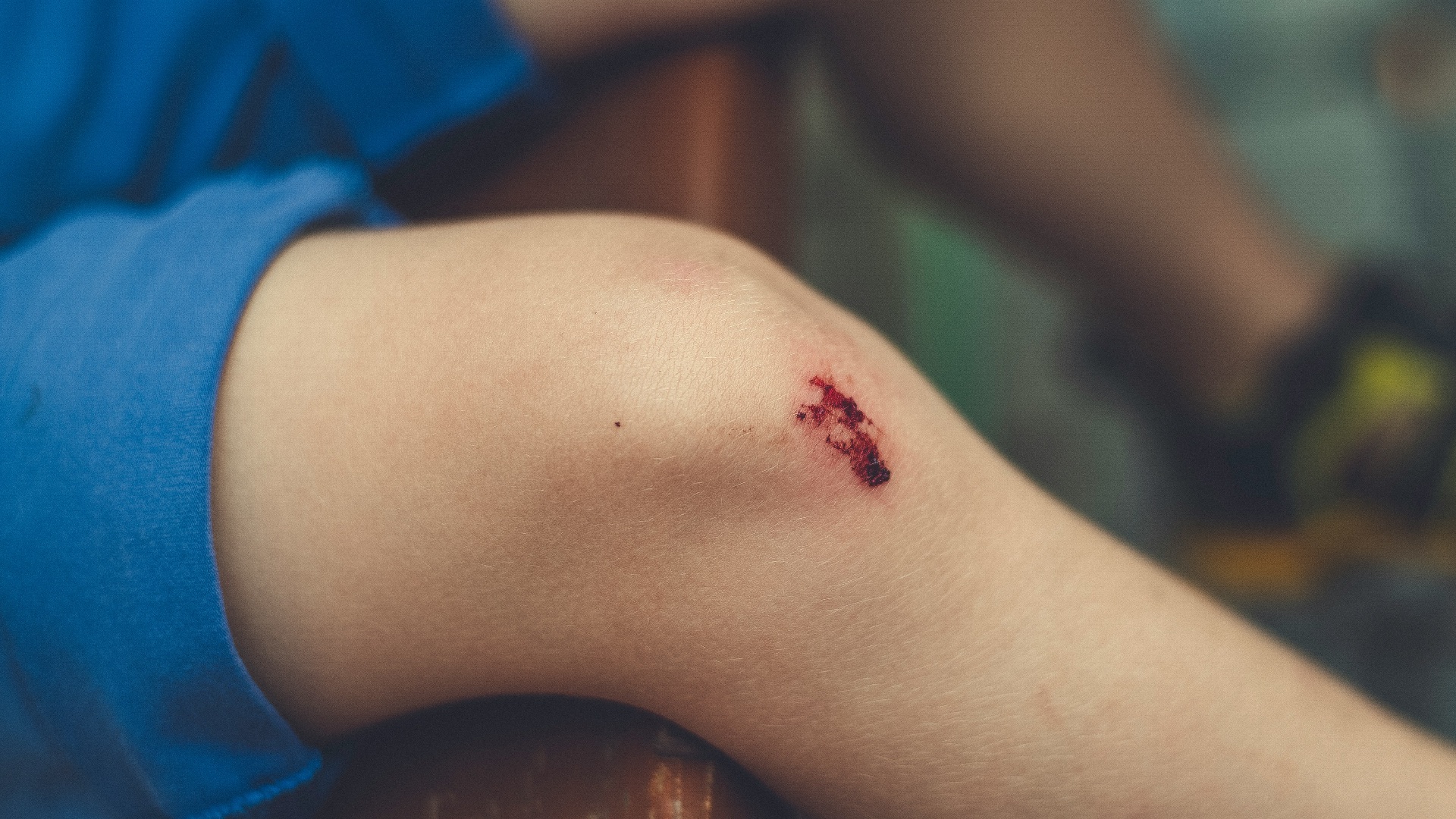
Hydrogen peroxide was once a common first-aid staple, but it's no longer recommended for routine wound cleaning. It can irritate skin and may damage cells involved in healing. For minor cuts and scrapes, soap and running water are usually the better first step.
4. Keep It Away from Eyes
Hydrogen peroxide can sting and irritate the eyes, even at household strength. When you're spraying or scrubbing with it, avoid splashes and keep your face away from the work area. If it gets into your eyes, rinse with clean water and seek medical advice if irritation continues.

5. Don’t Mix It with Other Cleaners
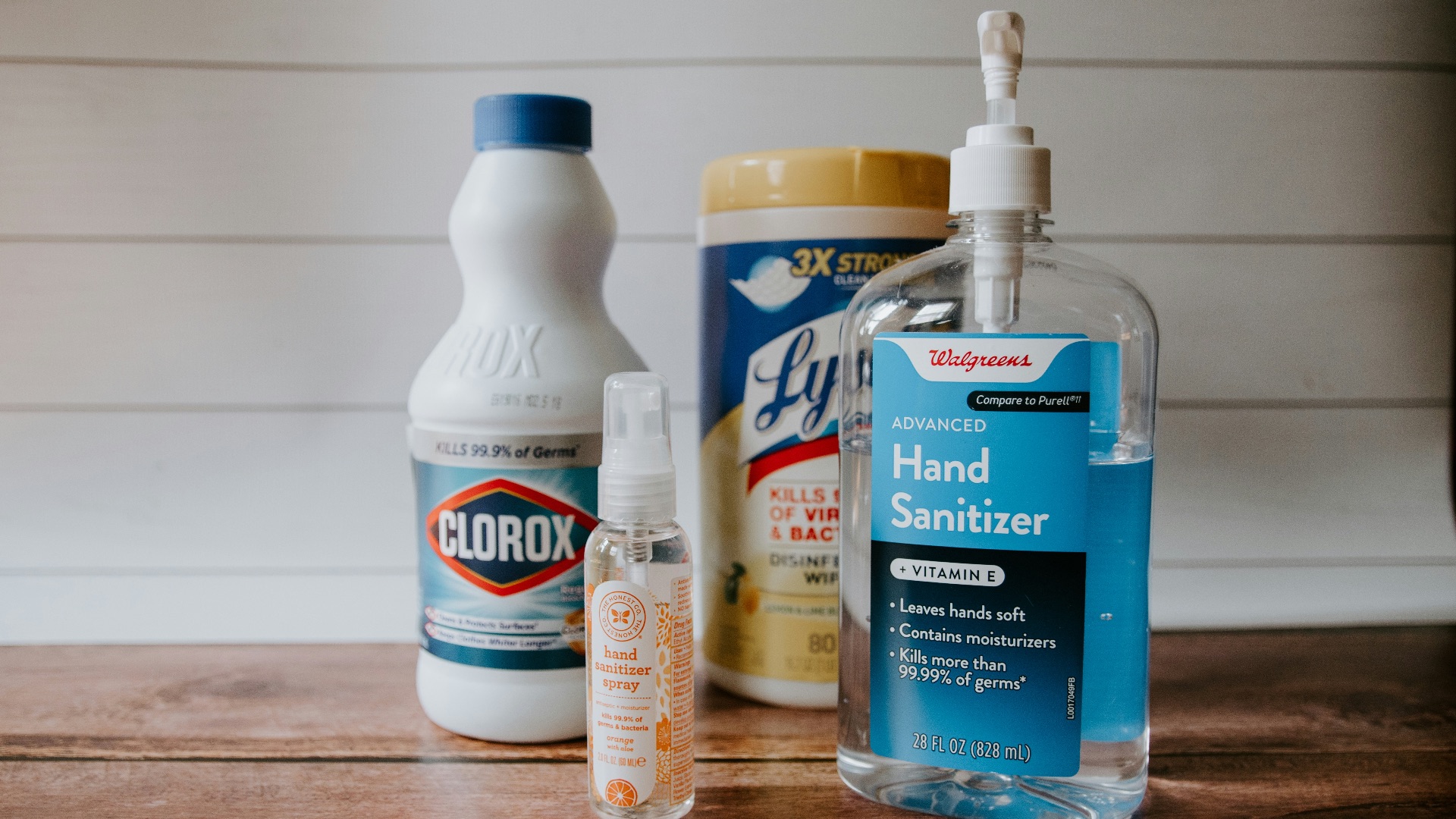
Hydrogen peroxide should be used on its own rather than blended with other cleaning products. Mixing household chemicals, like bleach or vinegar, can create irritating or unsafe reactions, especially in enclosed spaces. If you're switching between cleaners, rinse the surface first and give the area a little time to air out.
6. Store It in the Original Bottle
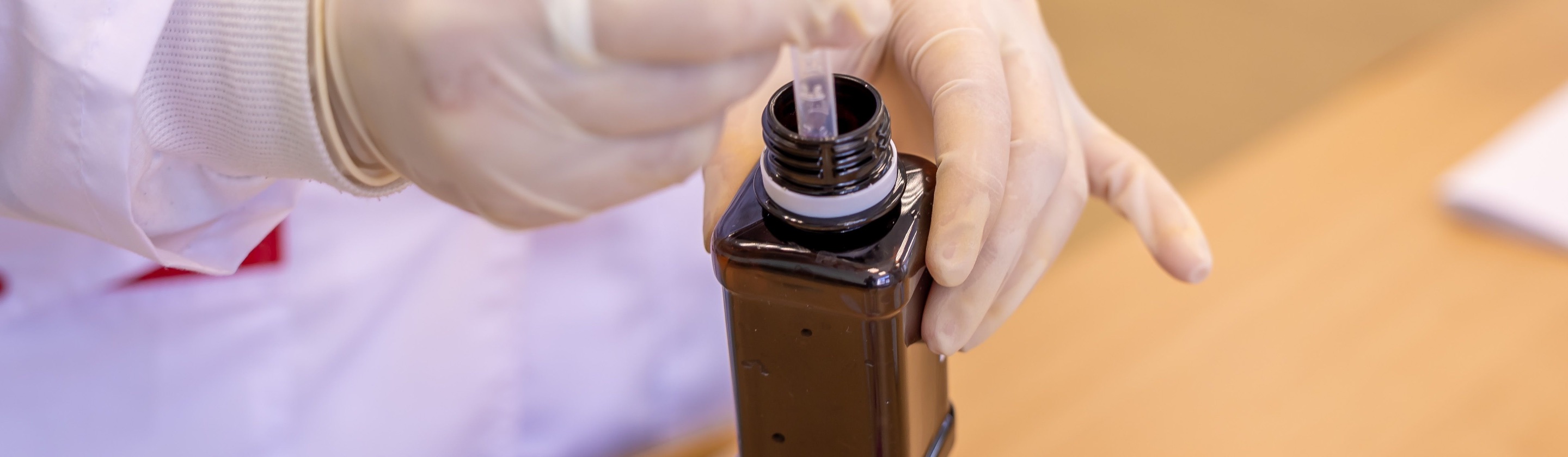
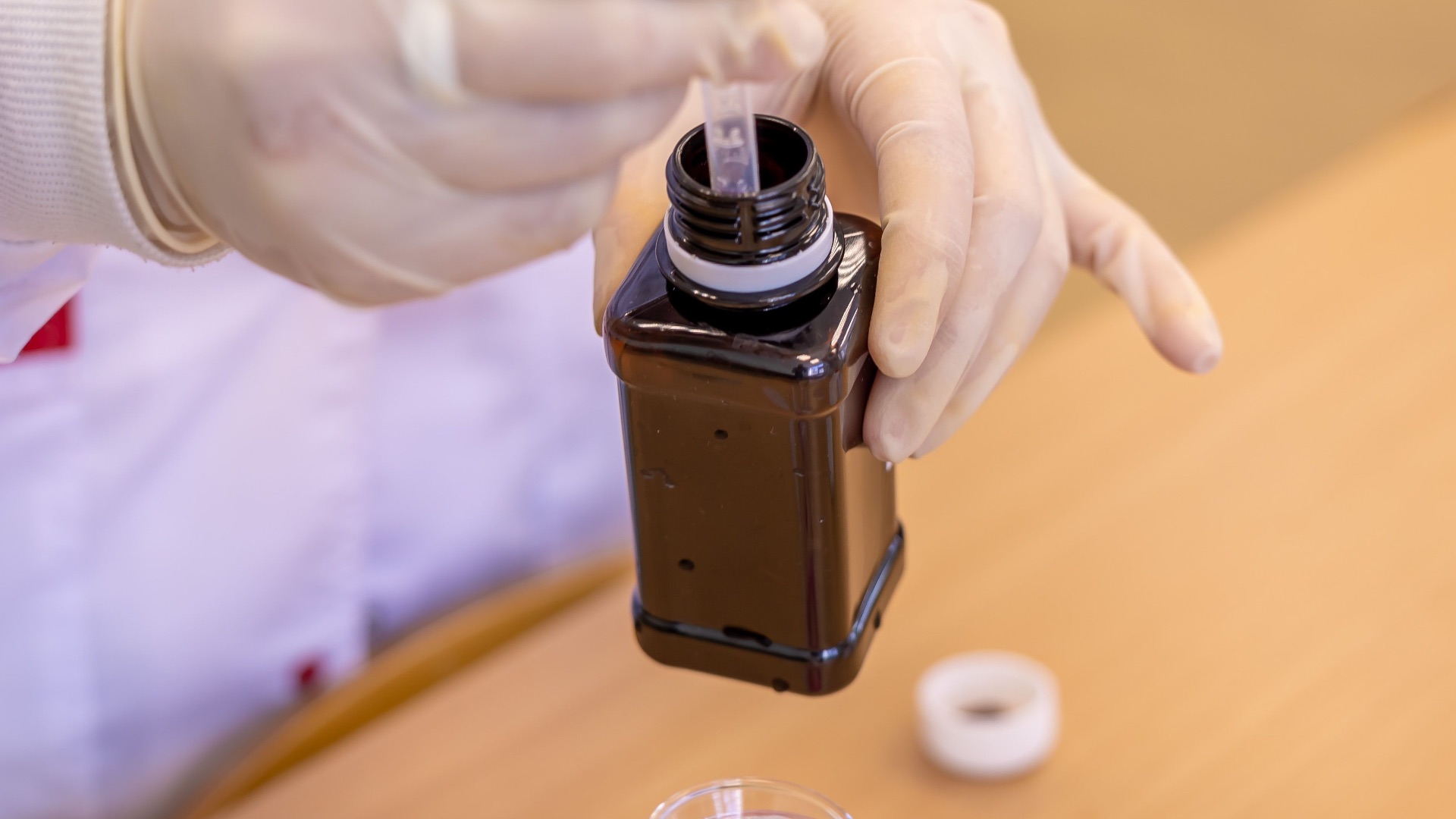
Hydrogen peroxide breaks down when exposed to light, which is why it's usually sold in a dark bottle. Keeping it in its original container also helps prevent confusion with water, mouthwash, or another clear liquid. Store it with the label visible so everyone in the household knows what it is.
7. Keep It Out of Reach of Children and Pets
Because hydrogen peroxide looks like water, it can be especially risky if it's left somewhere accessible. Store it high up, locked away, or in a cleaning area that children and pets can't reach. A few seconds of prevention matter more than trying to respond after an accidental exposure.

8. Test Surfaces and Fabrics First
Hydrogen peroxide can lighten fabrics, dull finishes, or affect certain materials. Before using it on anything visible, test a small hidden area and wait to see how the material responds. This is especially important for colored fabric, stone, wood, painted surfaces, and specialty finishes.
9. Use Ventilation and Protect Your Skin When Needed
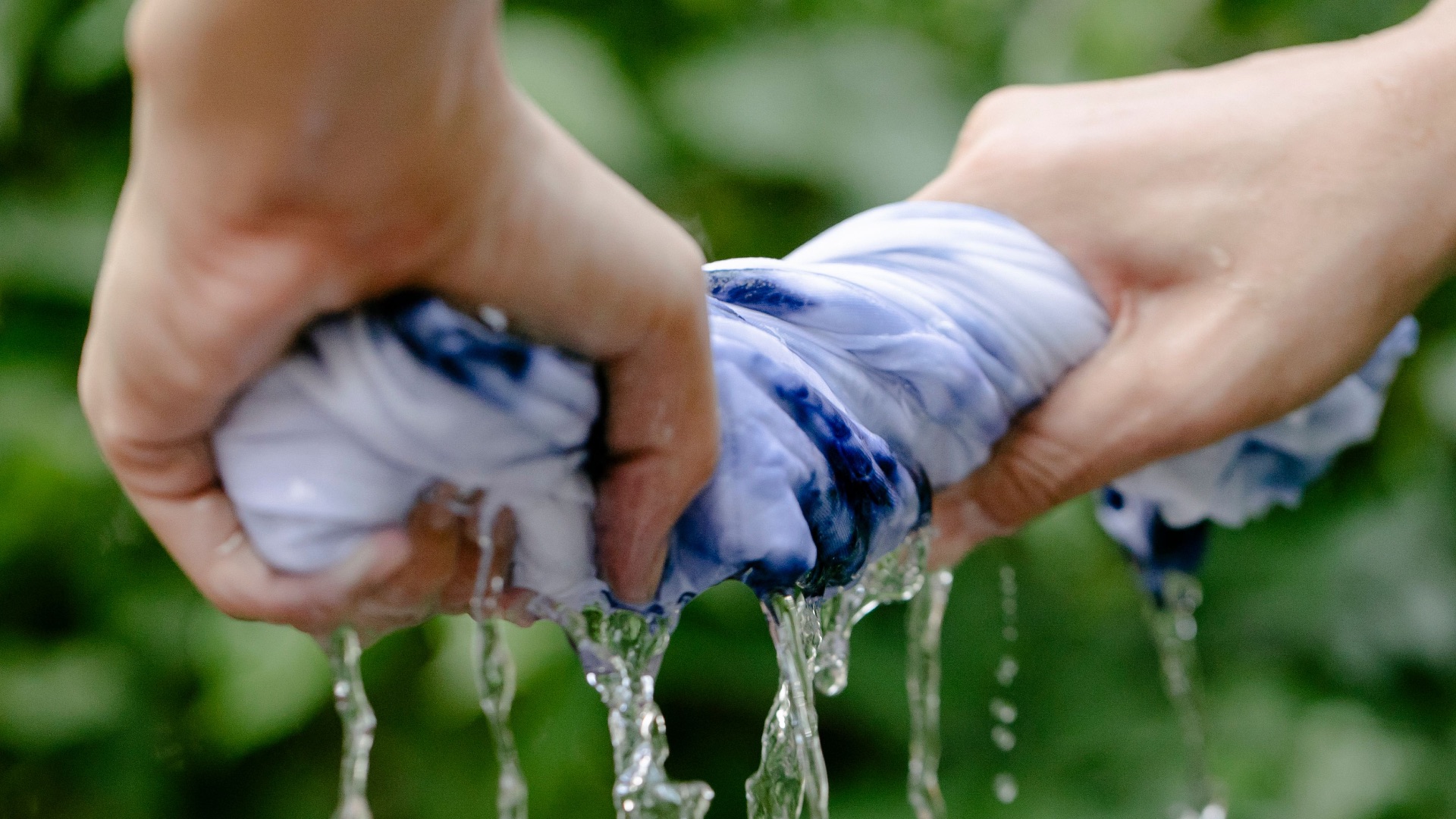
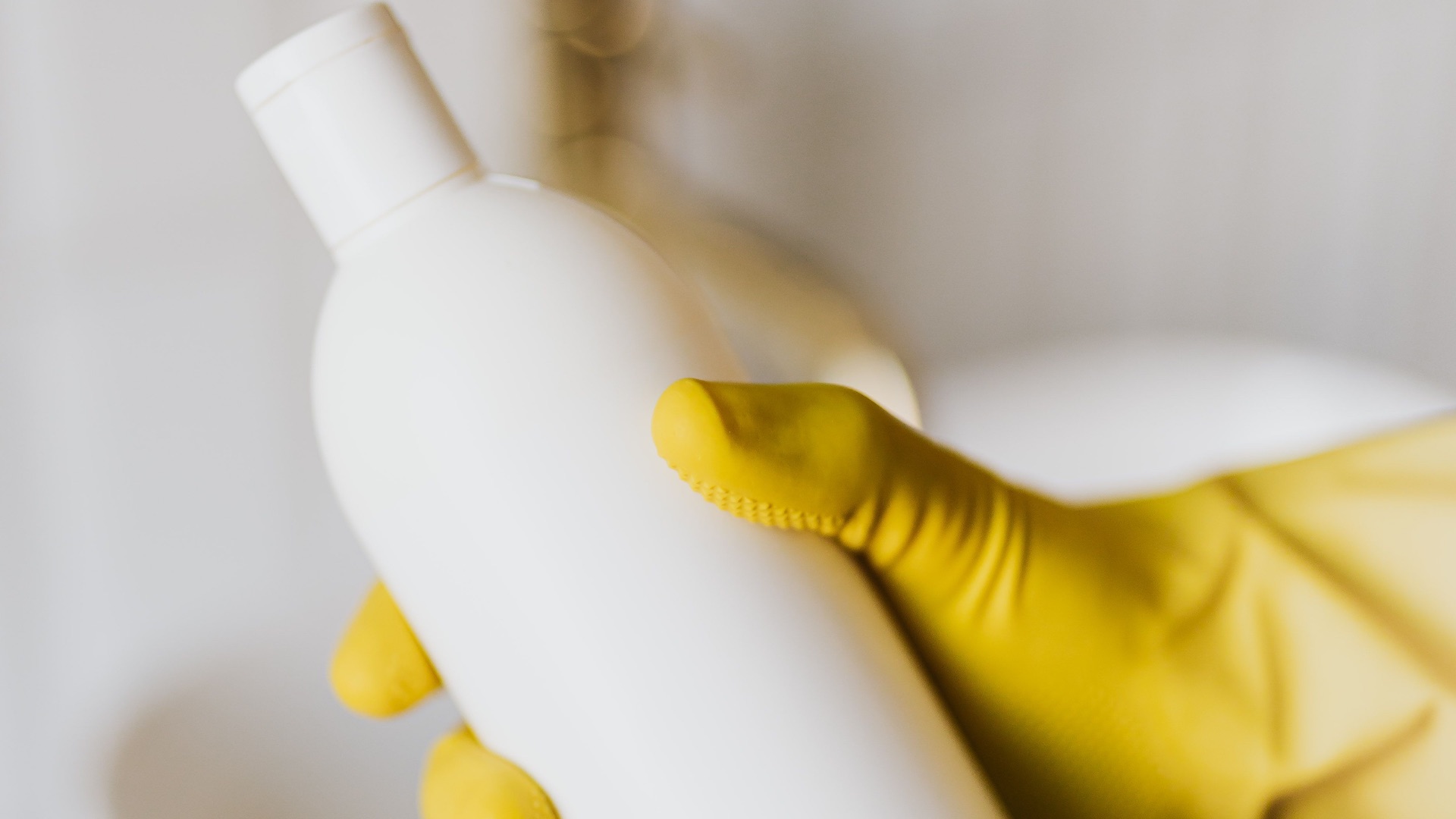
Small cleaning jobs with 3% hydrogen peroxide are usually manageable, but fresh air is still helpful. Open a window or turn on a fan when you're cleaning a larger area, and wear gloves if your skin is sensitive or you'll be using it for more than a quick wipe. If you notice irritation, stop using it and wash the area with water.
10. Replace It When It Loses Strength
Hydrogen peroxide gradually breaks down into water and oxygen, so an old bottle may not work as well. If it no longer bubbles when poured on grime or organic residue, it may have lost much of its strength. Check the expiration date, keep the cap tightly closed, and replace it when it’s no longer effective.
KEEP ON READING