The Hidden Mental Costs of Constant Connectivity
Social media has transformed how people communicate, gather information, and spend their free time, but its effects on the human brain aren't always positive. While these platforms offer entertainment and connection, they can also influence attention spans, emotional well-being, memory, and decision-making in ways many users don't immediately notice. Although the phrase "destroyed your brain" is intentionally dramatic, these 20 habits can gradually reshape how you think, focus, and interact with the world around you.

1. It Shortened Your Attention Span
Many social media platforms are designed around brief videos, quick images, and rapidly changing content. As a result, your brain becomes accustomed to constant novelty and stimulation. Spending hours consuming short-form content can make longer tasks feel less engaging by comparison.
2. It Made Instant Gratification the Default
Social media delivers likes, comments, and new content within seconds. Over time, this can strengthen the desire for immediate rewards rather than delayed ones. Activities that require patience may begin to feel unnecessarily frustrating.
3. It Encouraged Constant Comparison
People typically share highlights rather than ordinary moments from their lives. When you're exposed to a nonstop stream of achievements, vacations, and celebrations, it's easy to measure your own life against unrealistic standards. This habit can negatively affect self-esteem and overall satisfaction.
4. It Reduced Your Ability to Be Bored
Moments that once involved quiet reflection are now often filled with scrolling. Waiting in line, sitting on a bus, or taking a break frequently becomes an opportunity to check a feed. As a result, many people have become less comfortable with boredom.

5. It Turned Notifications Into Distractions
Alerts are designed to pull your attention back to an app. Even when you don't respond immediately, a notification can interrupt your concentration and break your focus. Frequent interruptions make it harder to stay engaged with demanding tasks.
6. It Increased Information Overload
The average user encounters a huge volume of information online every day. News stories, opinions, advertisements, and entertainment compete for attention simultaneously. Your brain wasn't designed to process endless streams of content without fatigue.
7. It Made Multitasking Feel Normal
Many people scroll while watching television, working, or even talking with others. Although this feels productive, research consistently shows that multitasking often reduces performance and attention.
8. It Rewarded Emotional Reactions
Posts that generate strong emotional responses often receive greater engagement. Because of this, outrage, excitement, and controversy tend to spread quickly across platforms. Constant exposure to emotionally charged content can affect mood and judgment.
9. It Weakened Reading Habits
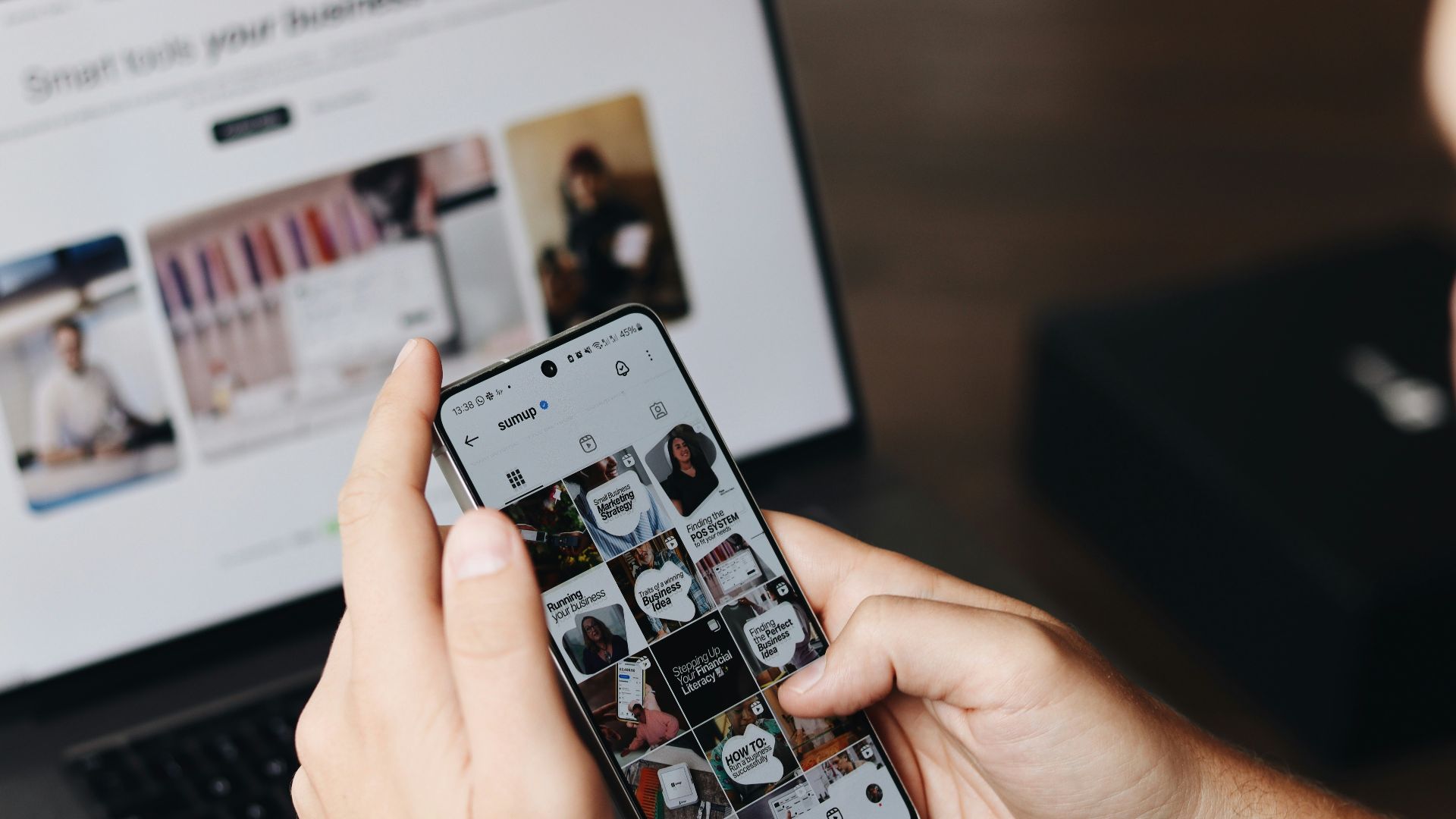
Social media encourages skimming rather than careful reading. Headlines, captions, and short posts dominate the experience. Over time, concentrating on longer articles or books may require more effort than it once did.

10. It Created Fear of Missing Out
Seeing friends attend events, travel, or reach milestones can create anxiety about what you're not doing. Even when you're satisfied with your own choices, repeated exposure to others' activities can trigger unnecessary feelings of exclusion.

11. It Made Validation Feel Measurable
Likes, shares, and follower counts provide visible indicators of approval. Some users begin attaching personal value to these metrics, even when they know the numbers don't define them. That mindset can influence confidence and self-perception.
 Mariia Shalabaieva on Unsplash
12. It Disrupted Sleep Habits
Many people use social media shortly before bedtime or even while lying in bed. The combination of stimulating content and screen exposure can interfere with healthy sleep routines. Poor sleep then affects memory, focus, and emotional regulation.
13. It Reduced Face-to-Face Interaction
Online communication has made staying in touch easier, but it can also replace in-person conversations. Digital interactions don't always provide the same social cues and emotional depth as real-world encounters. As a result, some relationships become more superficial.

14. It Encouraged Constant Self-Presentation
Social media often pushes users to think about how they're perceived by others. Photos, captions, and updates can become carefully managed representations of everyday life. Maintaining that image sometimes creates unnecessary pressure.
15. It Flooded You With Opinions
Every major topic attracts countless viewpoints online. While access to different perspectives can be valuable, nonstop exposure to conflicting opinions can also become mentally exhausting. Decision-making becomes harder when every choice is debated by thousands of strangers.
16. It Trained You to Expect Endless Entertainment
Platforms rarely run out of content because algorithms continuously supply new material. This creates an environment where stimulation is always available. Activities with slower rewards may struggle to compete for your attention.
17. It Made Concentration More Difficult
Frequent switching between apps, posts, and videos encourages fragmented attention. Instead of focusing on one thing for an extended period, the brain becomes accustomed to constant shifts.
18. It Amplified Negativity
Negative stories and controversial topics often generate strong engagement online. Because algorithms frequently prioritize content that keeps users interested, people may encounter more conflict and outrage than they would otherwise. This can distort perceptions of reality and increase stress.
19. It Replaced Reflection With Reaction
Social media rewards quick responses and immediate engagement. Users often react before they've fully considered information or formed a thoughtful opinion. The habit of responding instantly can reduce opportunities for careful reflection.
20. It Made Silence Feel Uncomfortable
For many people, social media has become a constant companion throughout the day. Moments without stimulation can feel strange simply because they're less familiar than they once were.