
Why Taking a Break From Screens Can Make a Difference
Screens have become part of nearly every aspect of modern life, from work and entertainment to communication and shopping. While technology offers countless benefits, spending hours looking at phones, computers, tablets, and televisions can affect both physical and mental well-being in ways that aren't always obvious. Even stepping away for a single day can produce noticeable benefits that remind you how much time and energy screens often consume. Here are 20 ways a screen-free day can improve your health.

1. Reduces Eye Strain
Hours of staring at screens can leave your eyes feeling tired, dry, and irritated. A screen-free day allows your eyes to focus at different distances and rest from constant digital exposure. Many people notice less discomfort after even a short break.

2. Encourages Better Sleep
Screen use, especially before bedtime, can interfere with natural sleep patterns. Taking a day away from devices reduces exposure to the artificial light that may disrupt the body's sleep-wake cycle. As a result, falling asleep can feel easier and more natural.
 Christian Velitchkov on Unsplash
3. Lowers Stress Levels
Constant notifications and endless streams of information can create mental pressure. Spending a day without screens removes many of those interruptions and demands on your attention. The quieter environment can help you feel calmer and more relaxed.

4. Improves Attention Span
Frequent switching between apps, messages, and websites can encourage fragmented focus. A screen-free day allows your mind to concentrate on one activity at a time without digital distractions. Many people find it easier to stay engaged in tasks afterward.

5. Encourages More Physical Activity
Without screens competing for your attention, you're more likely to move around throughout the day. Activities such as walking, gardening, or household projects often become more appealing. Even modest increases in movement can benefit overall health.
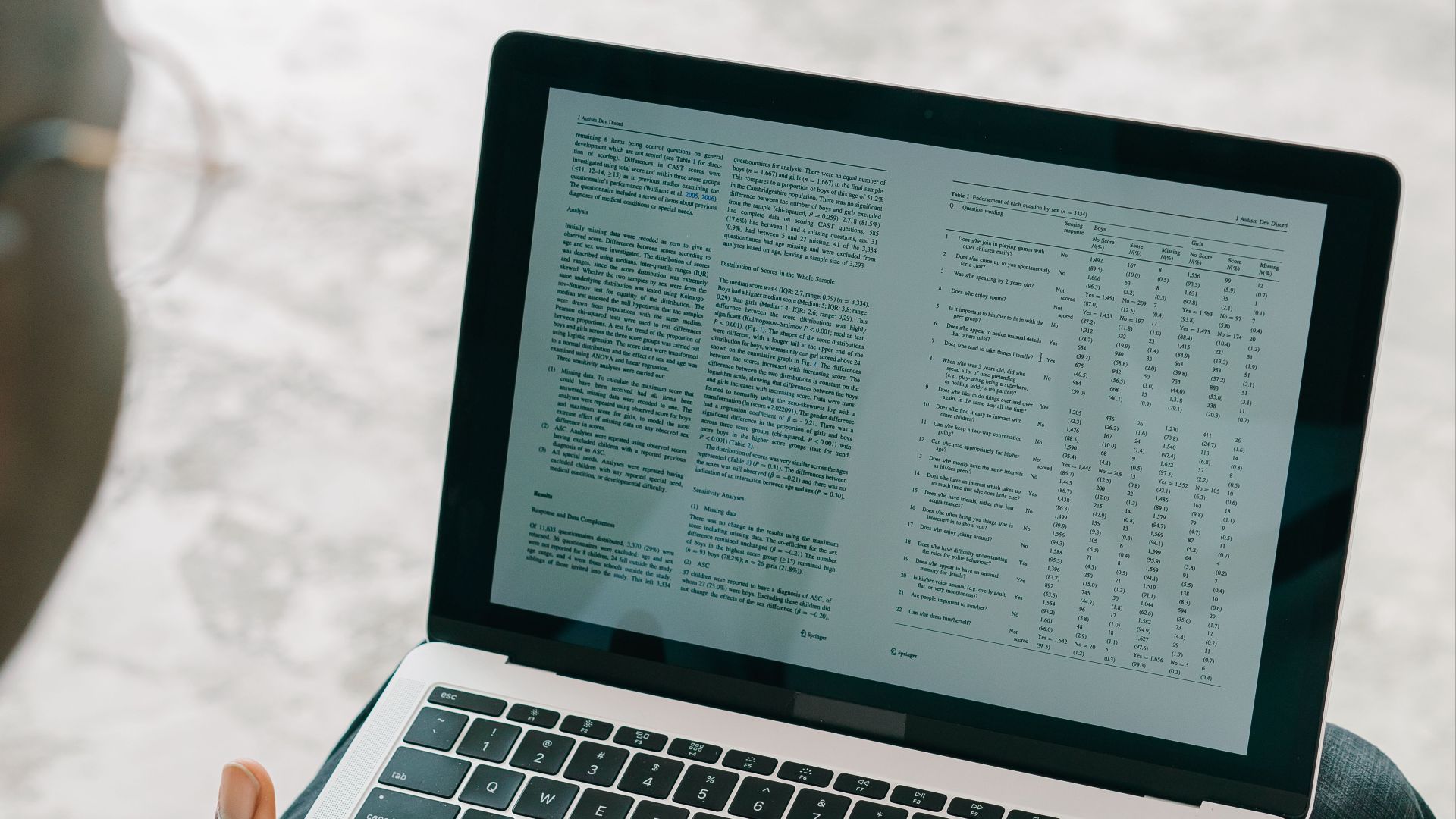
6. Reduces Neck and Shoulder Tension
Looking down at devices for extended periods can place strain on muscles and joints. Taking a break from screens gives those areas a chance to recover from repetitive postures. You may notice less stiffness and discomfort by the end of the day.

7. Promotes Mindful Eating
Many people eat meals while scrolling through their phones or watching television. Removing screens encourages greater awareness of what and how much you're eating. That increased attention can support healthier eating habits over time.

8. Improves Face-to-Face Communication
Without digital distractions, conversations often become more meaningful. People tend to listen more carefully and engage more fully when devices aren't constantly present. Stronger social interactions can contribute positively to mental health.

9. Boosts Creativity
Screens provide a constant flow of entertainment and information. Stepping away creates space for imagination, problem-solving, and creative thinking. New ideas often emerge when the mind isn't continuously occupied by digital content.

10. Encourages Time Outdoors
A screen-free day often leads people to spend more time outside. Fresh air, sunlight, and natural surroundings can support both physical and emotional well-being. Even a short amount of outdoor activity can improve mood.

11. Reduces Mental Fatigue
The brain processes a tremendous amount of information during daily screen use. Taking a break lowers the volume of content competing for attention. Many people report feeling mentally refreshed after disconnecting for a day.
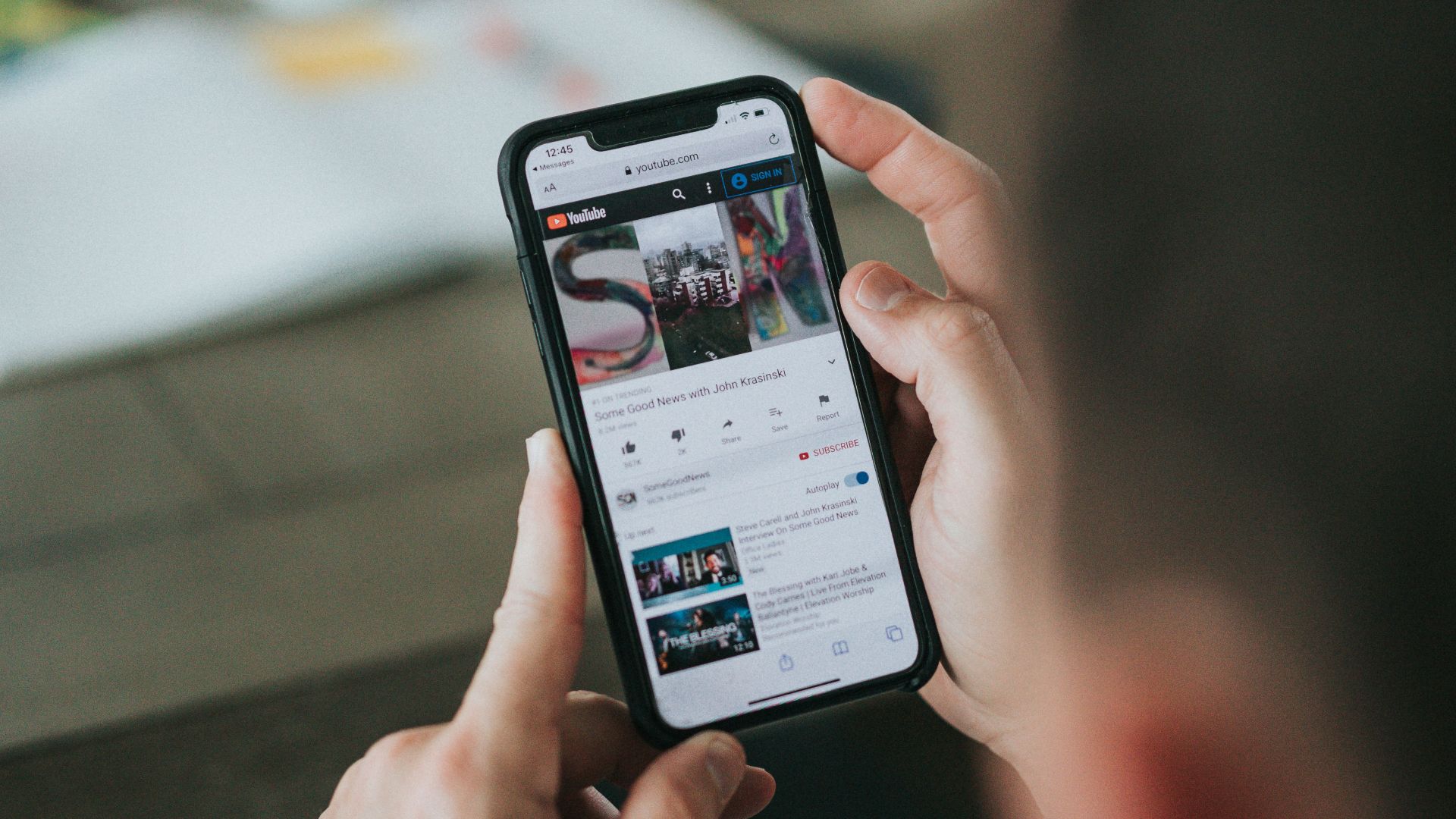
12. Helps Break Habitual Phone Checking
Many device interactions happen automatically rather than intentionally. A day without screens can make you more aware of those habits. Recognizing them is often the first step toward developing healthier technology use.
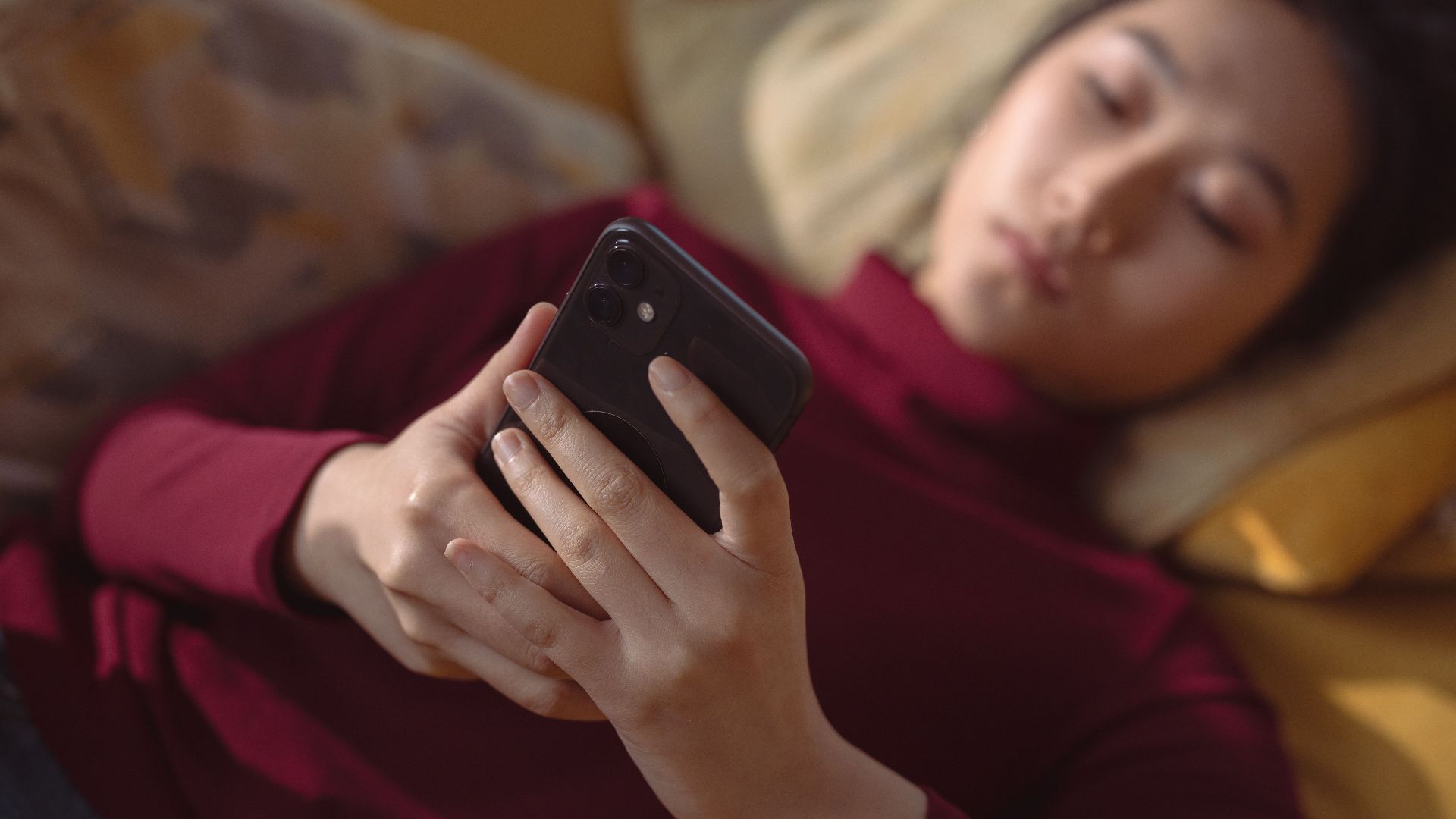
13. Supports Better Posture
Long periods spent looking at screens can encourage slouching and poor body positioning. Removing those activities for a day gives you more opportunities to stand, stretch, and move naturally. Better posture can reduce strain throughout the body.

14. Strengthens Real-World Connections
Friends and family often receive more attention when devices aren't present. Shared activities and conversations become the focus instead of incoming messages and alerts. These interactions can strengthen personal relationships.

15. Reduces Exposure to Negative News Cycles
Digital platforms frequently deliver a steady stream of alarming headlines and updates. Taking a break can provide temporary relief from information overload. Many people feel less anxious after stepping away from constant news consumption.

16. Encourages Healthier Hobbies
Without screens occupying free time, people often return to activities such as reading, crafting, cooking, or exercising. These hobbies can provide both enjoyment and a sense of accomplishment. Some may even become long-term interests.

17. Improves Mood
Constant comparison on social media can affect self-esteem and overall well-being. A screen-free day removes that source of comparison and allows attention to shift toward personal experiences. Many individuals report feeling more content afterward.

18. Increases Productivity
Digital distractions can interrupt work and personal projects throughout the day. Without notifications and endless browsing opportunities, it's often easier to complete important tasks. Even a single day can reveal how much time screens consume.

19. Encourages Greater Self-Awareness
Moments of quiet reflection are easier to find when devices aren't constantly demanding attention. A screen-free day creates opportunities to think about goals, priorities, and daily habits. That perspective can be valuable for long-term well-being.
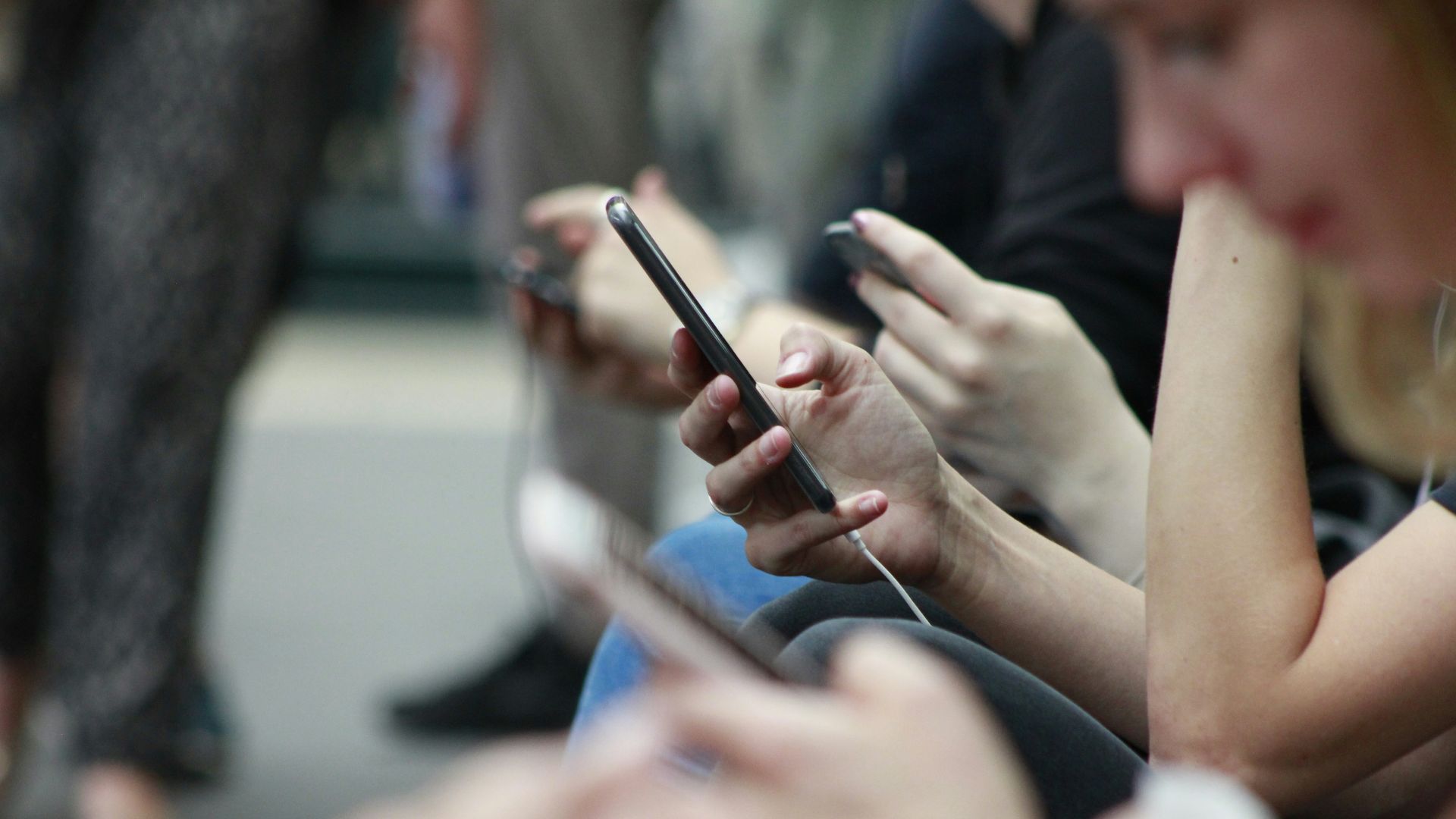
20. Creates a Healthier Relationship With Technology
Taking an occasional break highlights how technology fits into your life. Many people discover they can enjoy entertainment, relaxation, and social connection without relying entirely on screens. That awareness can lead to more balanced technology use in the future.