Why Retainer Care Matters More Than You Think
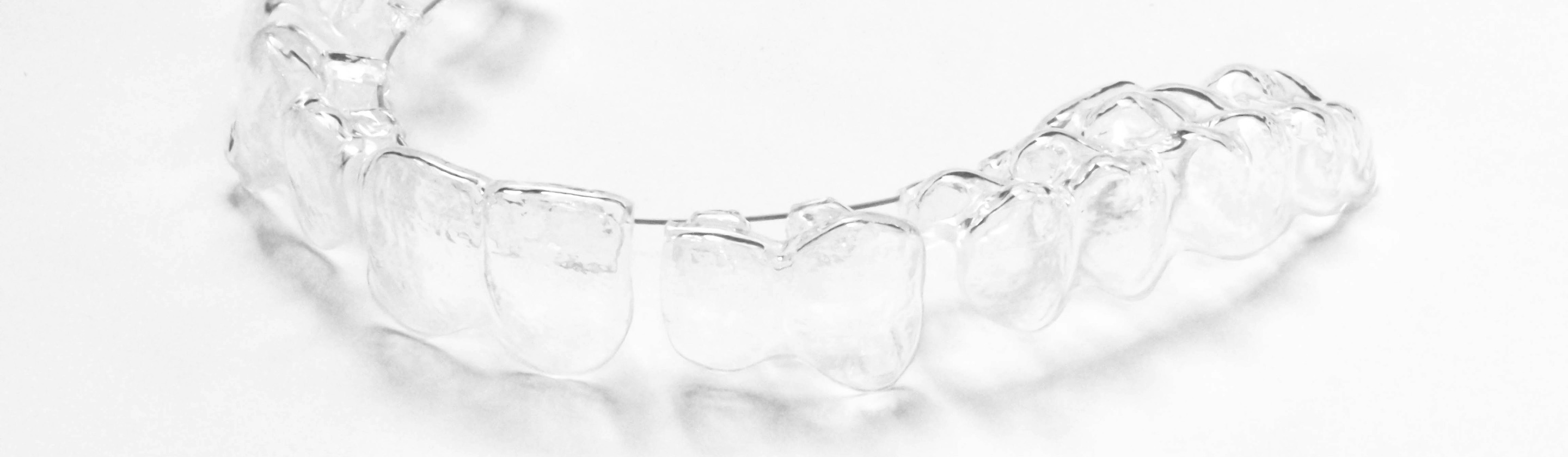
A retainer may look easy to wear and care for, but looks can be deceiving, and you definitely don't want to simplify your routine or mess up the treatment your orthodontist worked hard to create. From skipping a night (or three) of wearing it to not cleaning it regularly, the bad habits you have could do more damage than just having a shifted smile. If you don't want to give your orthodontist—and yourself—a headache, make sure you don't make these common mistakes.
1. Don’t Leave Your Retainer Wrapped in a Napkin
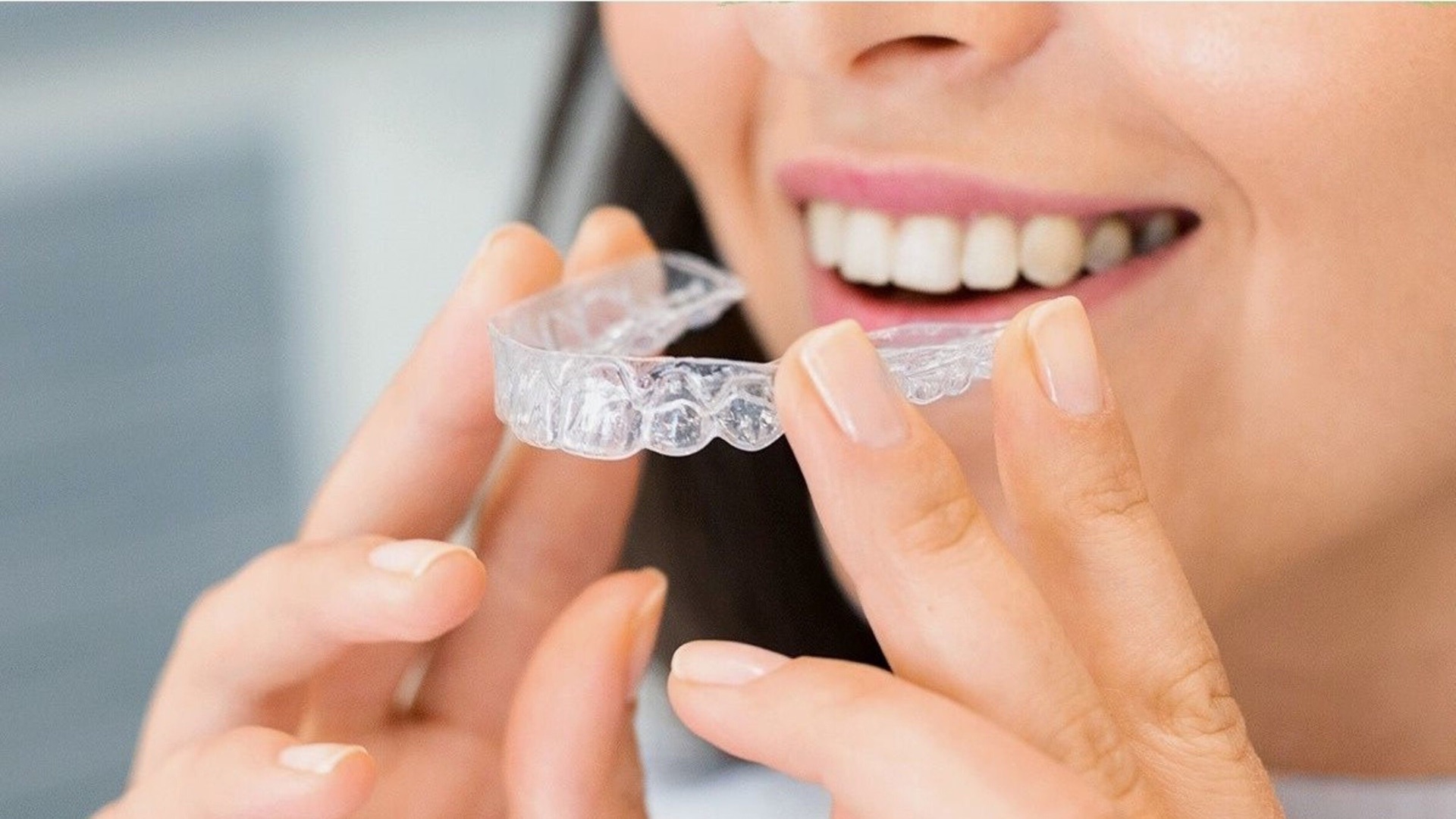
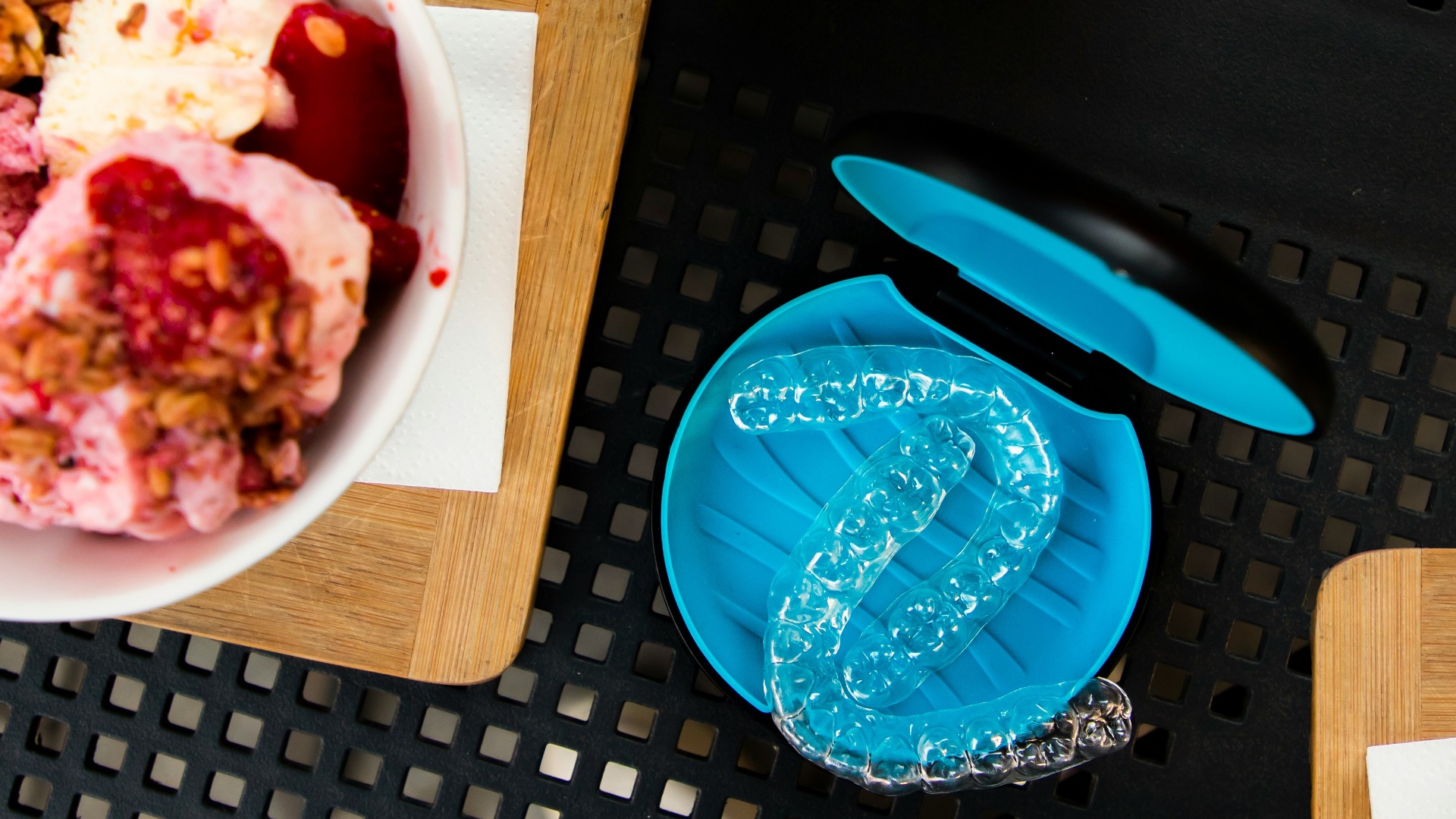
Wrapping your retainer in a napkin might feel convenient while you’re eating, but it’s one of the easiest ways to lose it. Many retainers are accidentally thrown away at restaurants, school cafeterias, or even at home because they look like trash when wrapped up. Always use a proper case instead, even if you only plan to set it down for a few minutes.
2. Don’t Wear a Retainer That Feels Painfully Tight
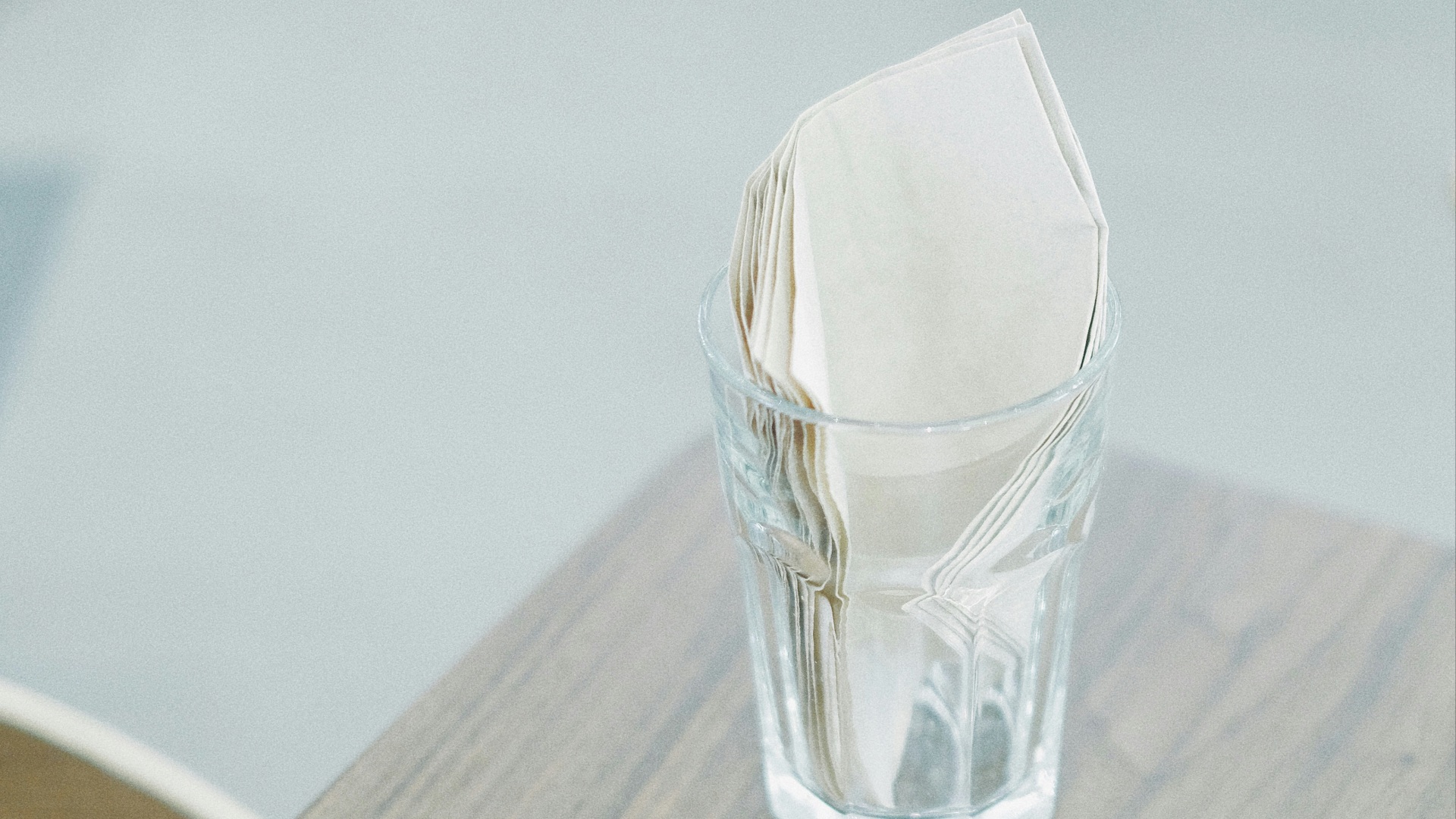
A retainer may feel snug if you haven’t worn it for a while, but sharp pain or intense pressure shouldn’t be ignored. Forcing it onto your teeth can damage the retainer, irritate your gums, or put unwanted stress on your teeth. If it doesn’t fit correctly, contact your orthodontist rather than trying to push through the discomfort.
3. Don’t Clean It with Hot Water
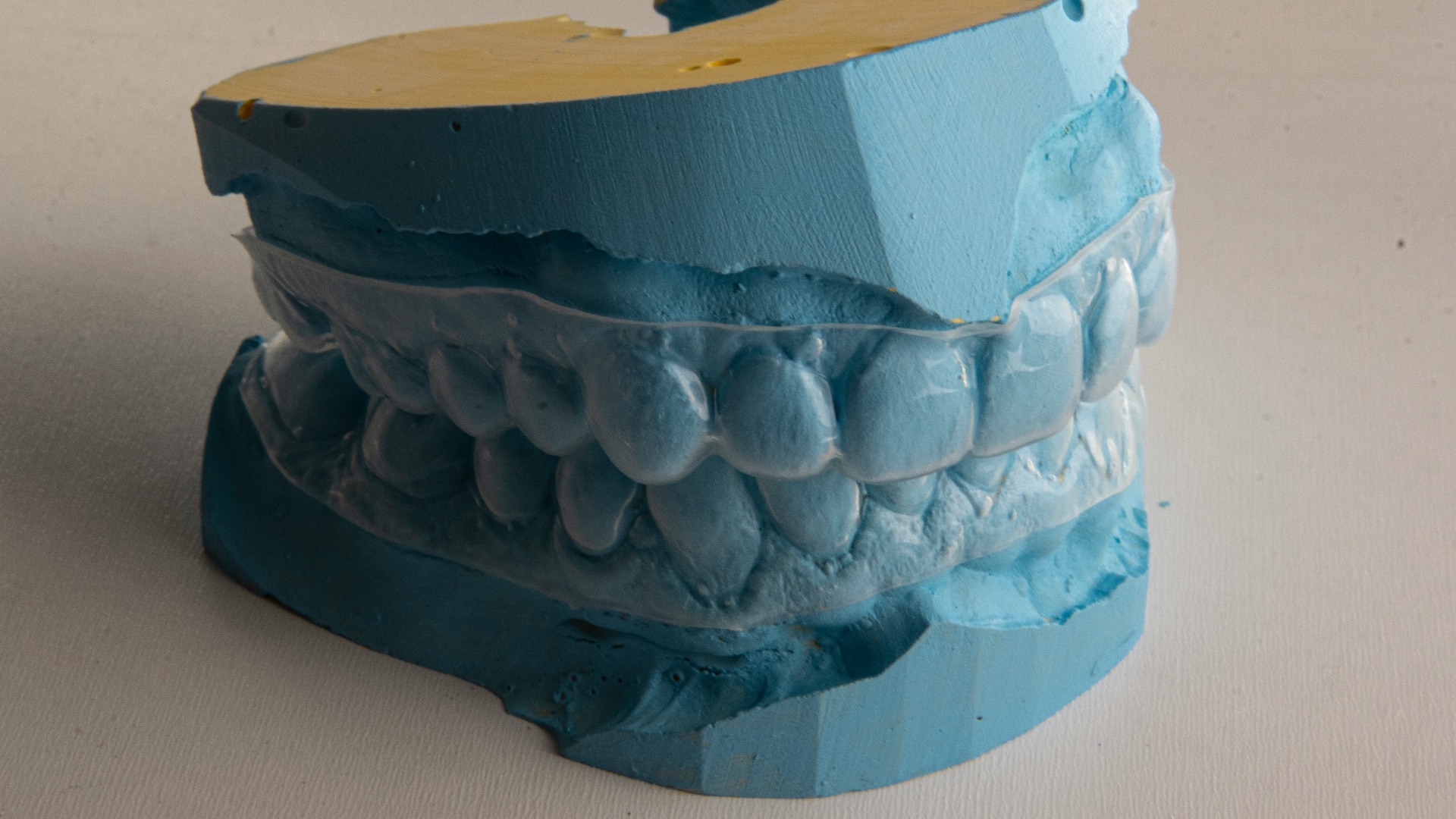
Hot water can warp certain types of retainers, especially clear plastic ones. Even a slight change in shape can affect how well the retainer fits and whether it can still hold your teeth in place. Stick with cool or lukewarm water so you don’t accidentally ruin it during routine cleaning.
4. Don’t Toss It Loose into a Bag or Pocket
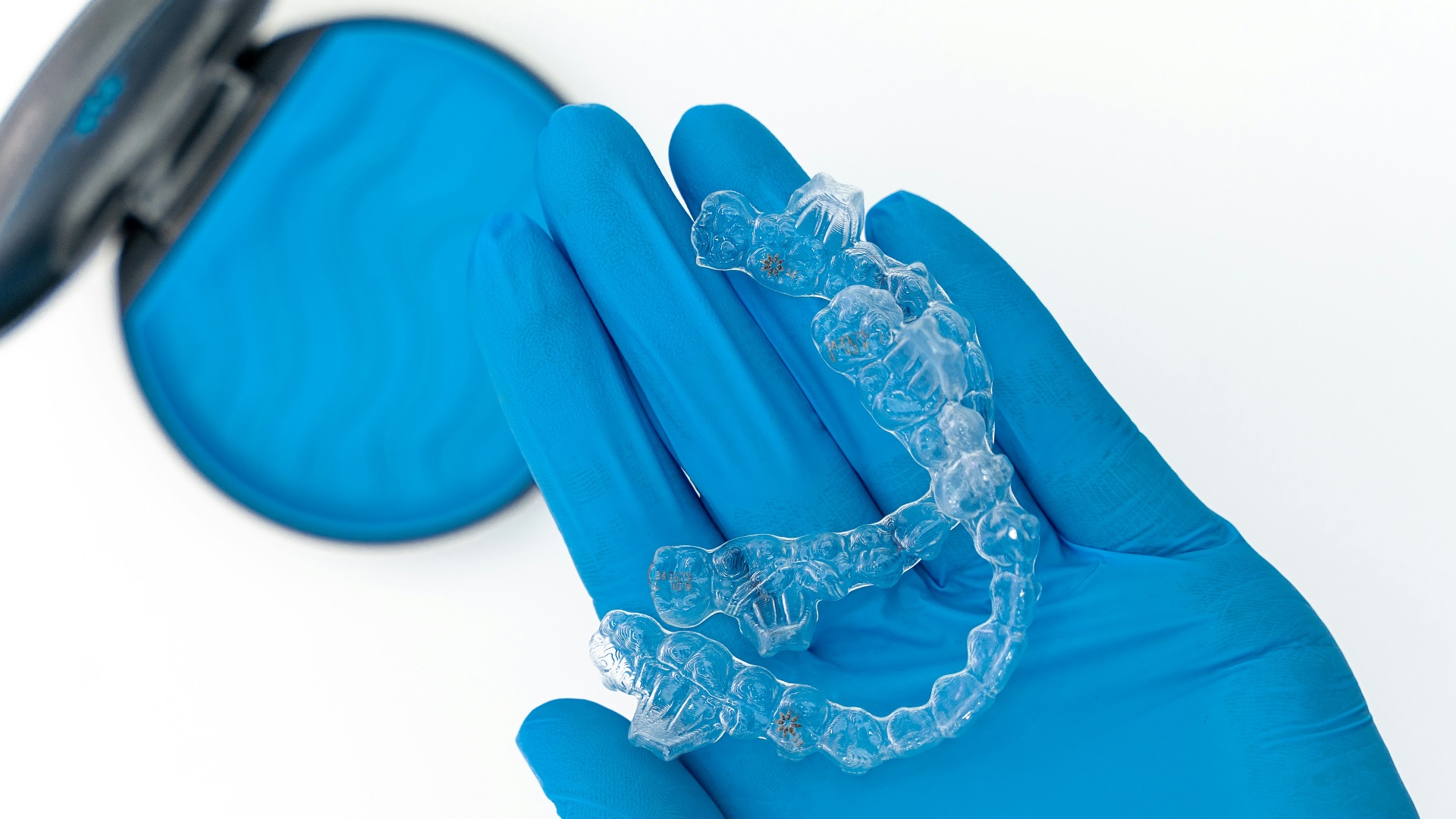
A retainer isn’t built to survive being crushed under books, keys, wallets, or other everyday items. When it’s loose in a backpack, purse, or pocket, it can bend, crack, or pick up lint and debris. The case may seem bulky, but it’s the easiest protection your retainer has, so don't try swapping it for a flimsy Ziploc bag.
 Katarzyna Zygnerska on Unsplash
5. Don’t Eat While Wearing It Unless Told Otherwise
Most removable retainers aren’t designed to handle chewing pressure. Eating with one in can crack the material, trap food against your teeth, or make the retainer smell unpleasant over time. Unless your orthodontist specifically tells you to eat with it in, remove it before meals and snacks.
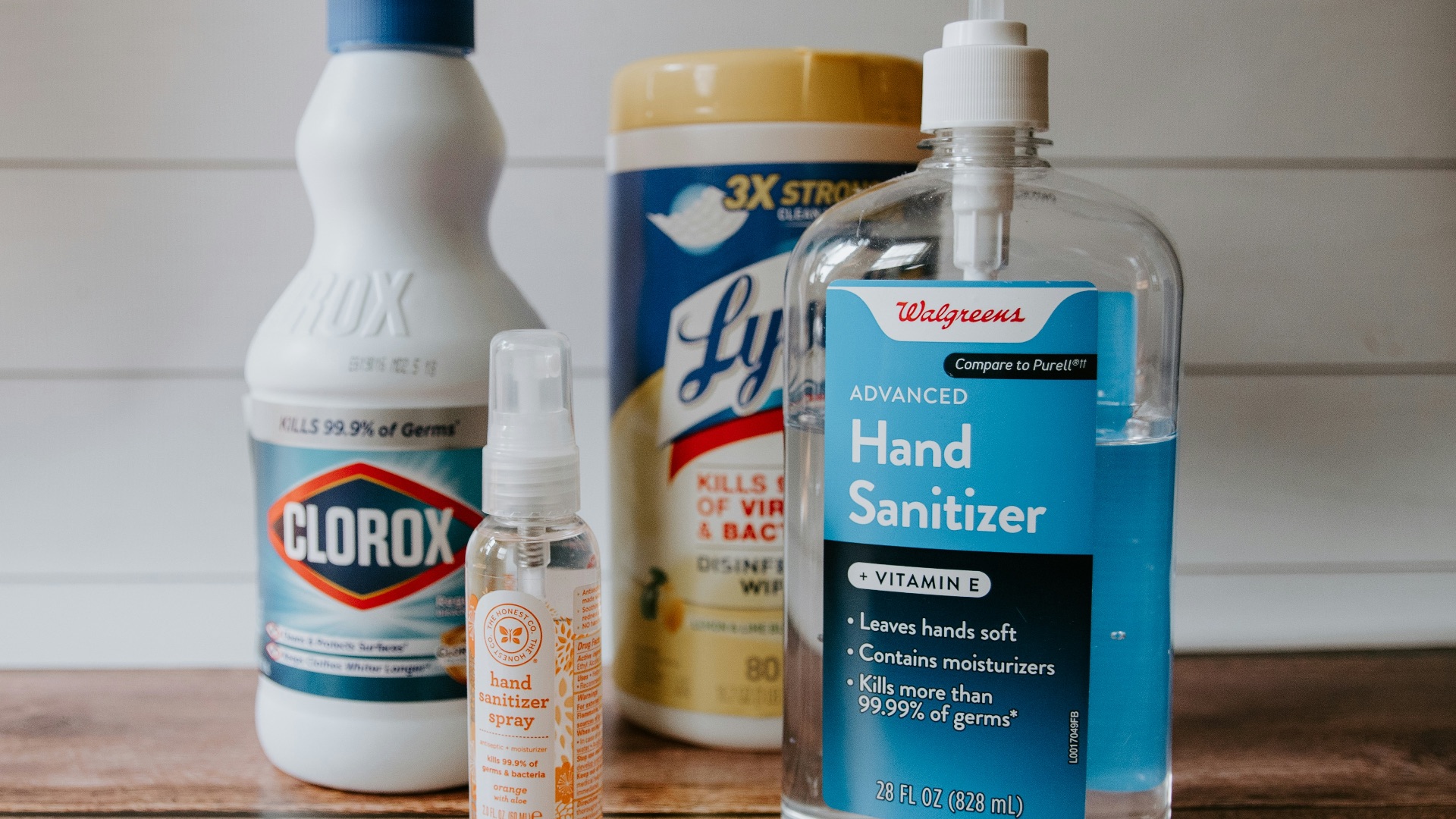
6. Don’t Use Harsh Household Cleaners
Bleach, alcohol-based products, and strong household cleaners don’t belong on your retainer. These products can damage the material and may leave residue that you don’t want in your mouth. A retainer should be cleaned with products that are safe for oral appliances, not whatever happens to be under the sink.
7. Don’t Let Pets Get Near It
Dogs and cats are surprisingly interested in retainers because they carry your scent. If a pet finds one on a nightstand, bathroom counter, or open case, it may chew it before you even notice. Keep your retainer closed in its case and stored somewhere your pet can’t reach.

8. Don’t Assume One Missed Night Doesn’t Matter
Skipping wearing it one night may not seem like a big deal, but it can make it easier to skip the next one too. Teeth can begin shifting sooner than many people expect, especially right after orthodontic treatment. Consistent wear is what keeps the results stable, so don’t treat your retainer like an optional habit.
9. Don’t Ignore Bad Smells or Cloudy Buildup
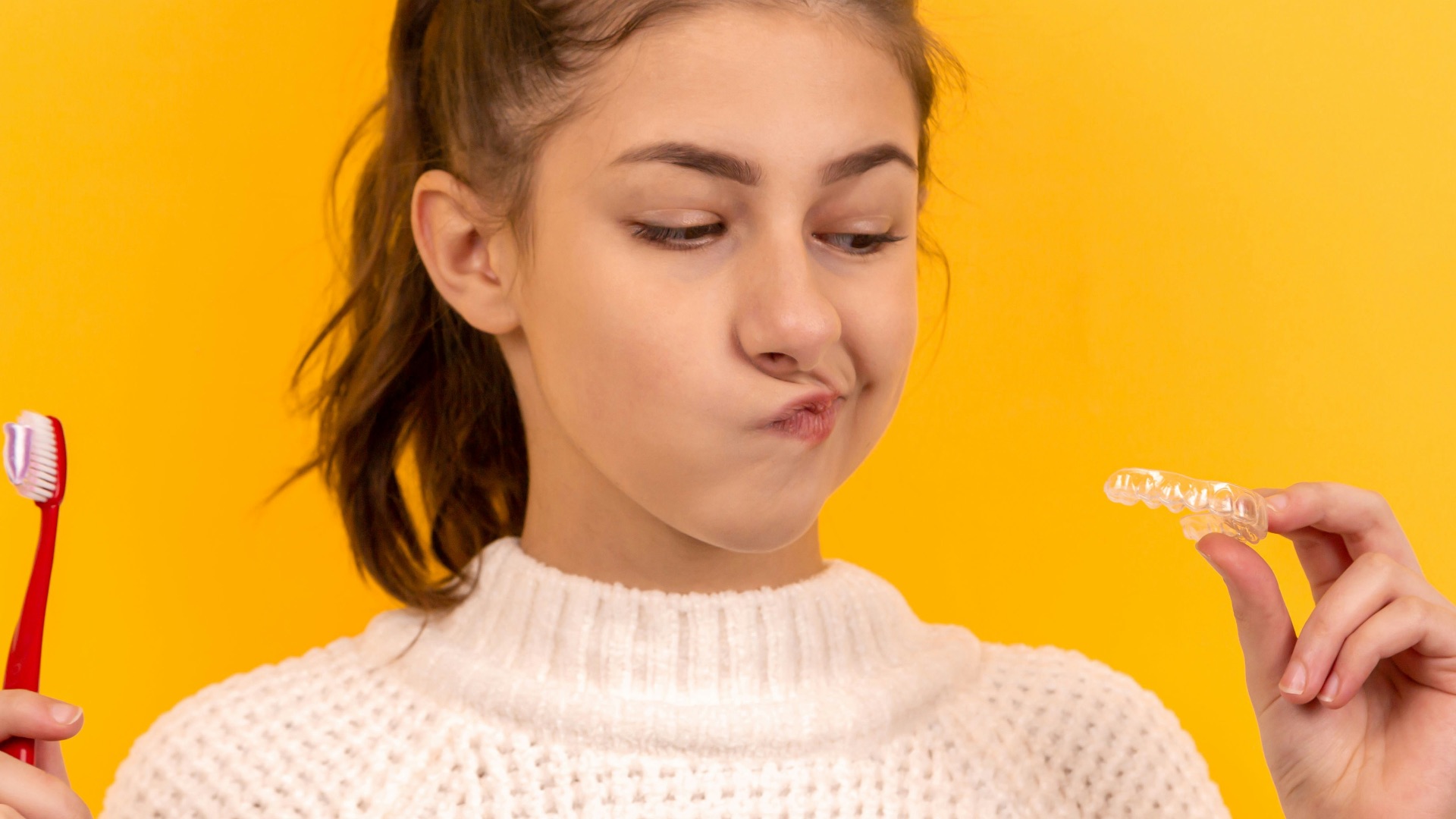
A retainer that smells bad or looks cloudy is usually telling you it needs better cleaning. Bacteria, plaque, and mineral deposits can collect on the surface if it isn’t cared for properly. Instead of just rinsing it and hoping that’s enough, give it a more thorough clean and ask your dental provider what method is safest for your type.
10. Don’t Try to Fix a Broken Retainer Yourself
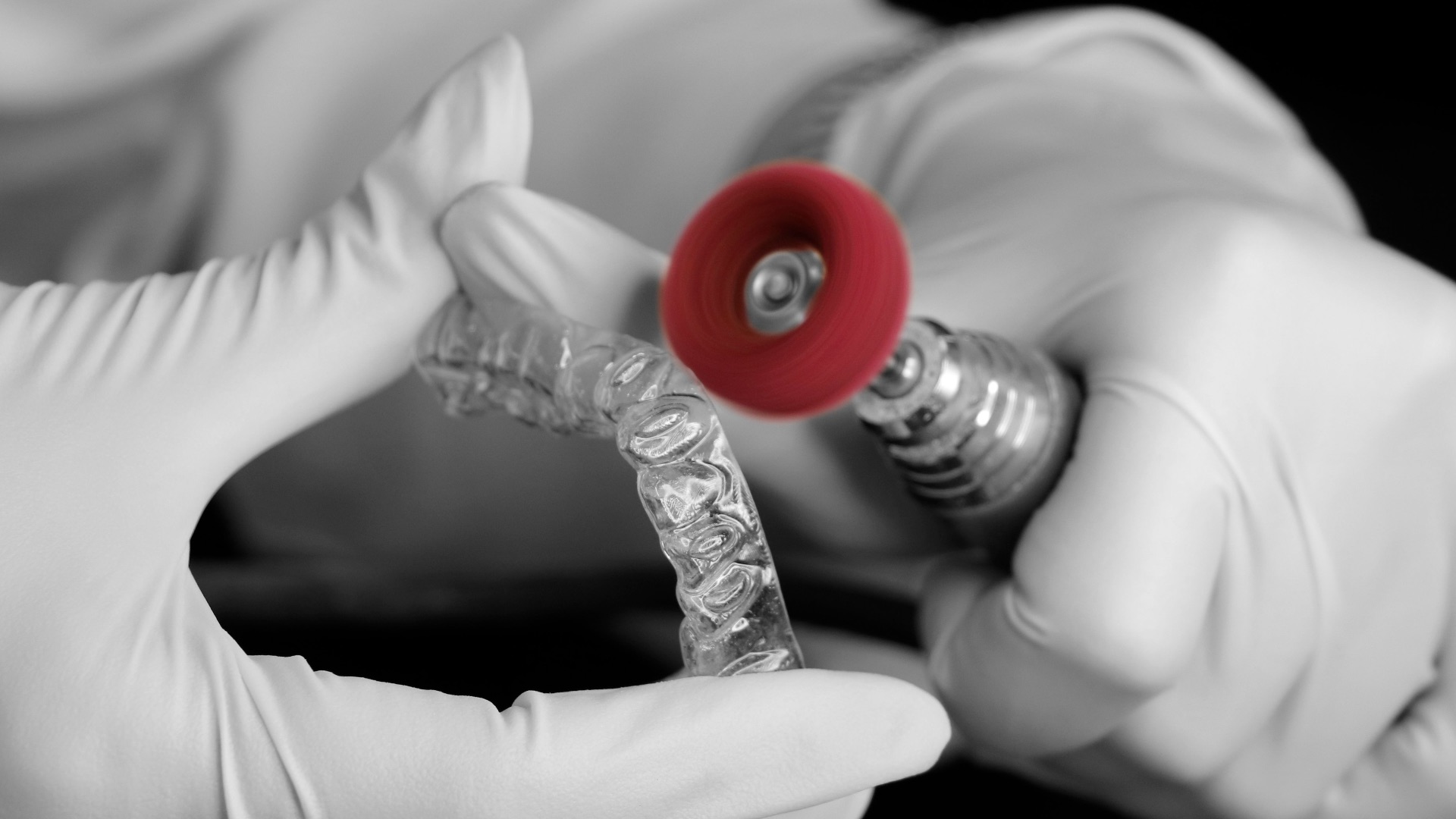
Glue, tape, or at-home adjustments can make a damaged retainer worse. Even if the repair seems small, it can change the fit and stop the retainer from working correctly. A broken retainer should be checked by an orthodontist, because a quick professional solution is usually safer than a homemade one.
Now that we've covered some of the most common mistakes, let's jump into what you should be doing every day to keep your retainer (and your teeth) in perfect shape.
1. Wear It Exactly as Your Orthodontist Instructs
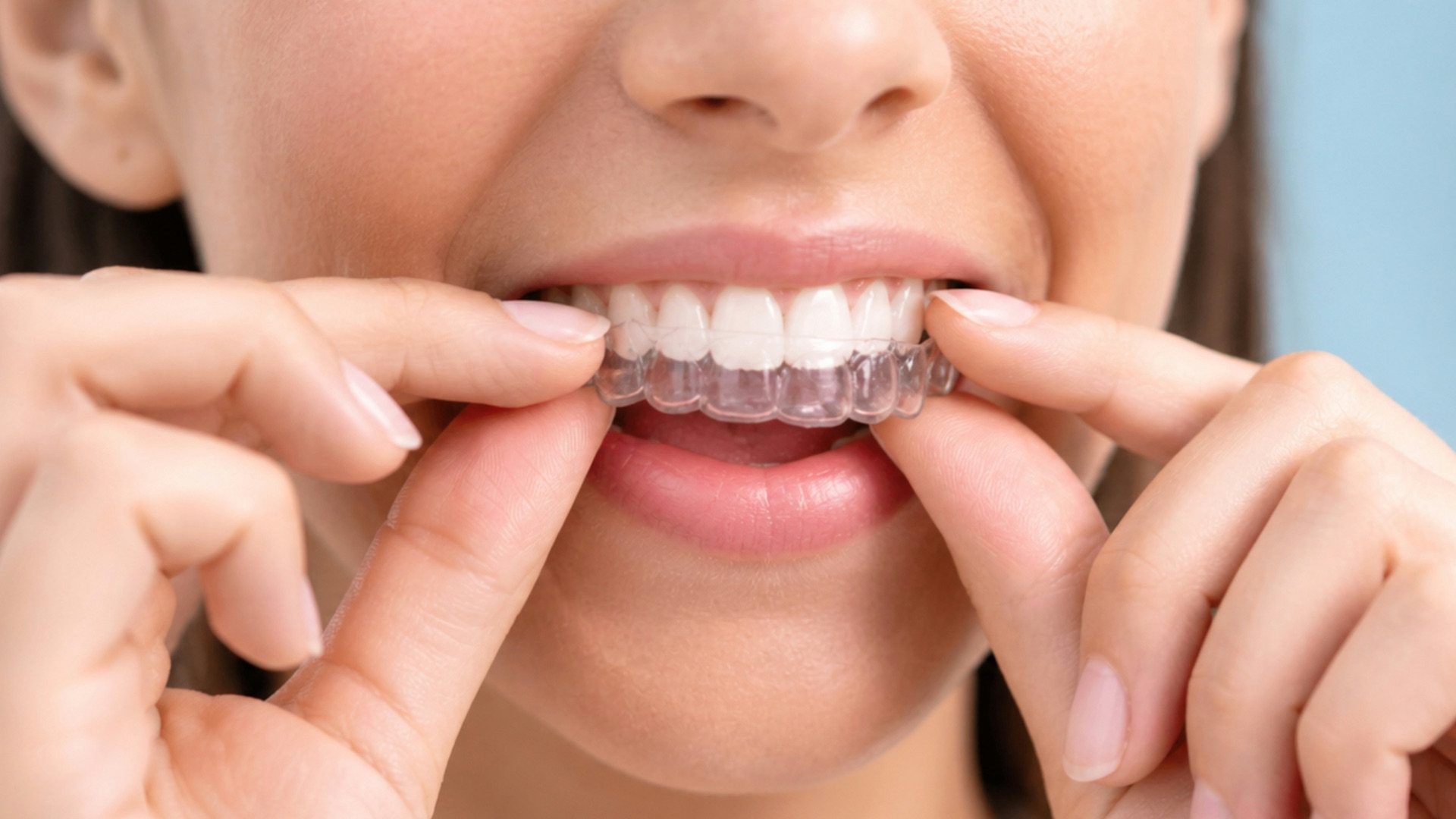
Your retainer schedule is based on your teeth, treatment, and how likely your smile is to shift, so don't shuffle it at random. Some people need full-time wear at first, while others may only need nighttime wear after a certain point. Always follow the instructions you were given by your dentist or orthodontist.
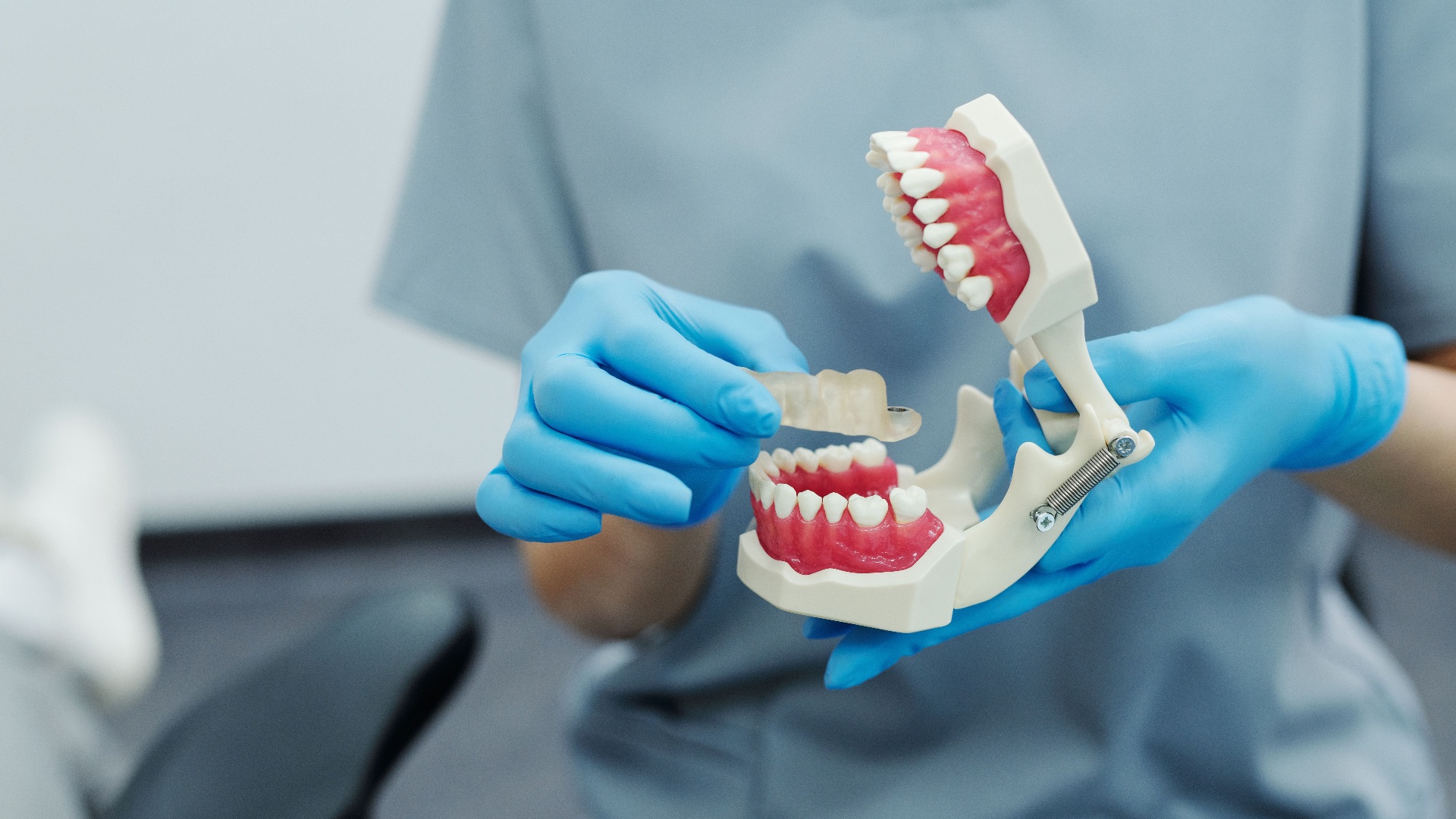
2. Store It in Its Case Every Time
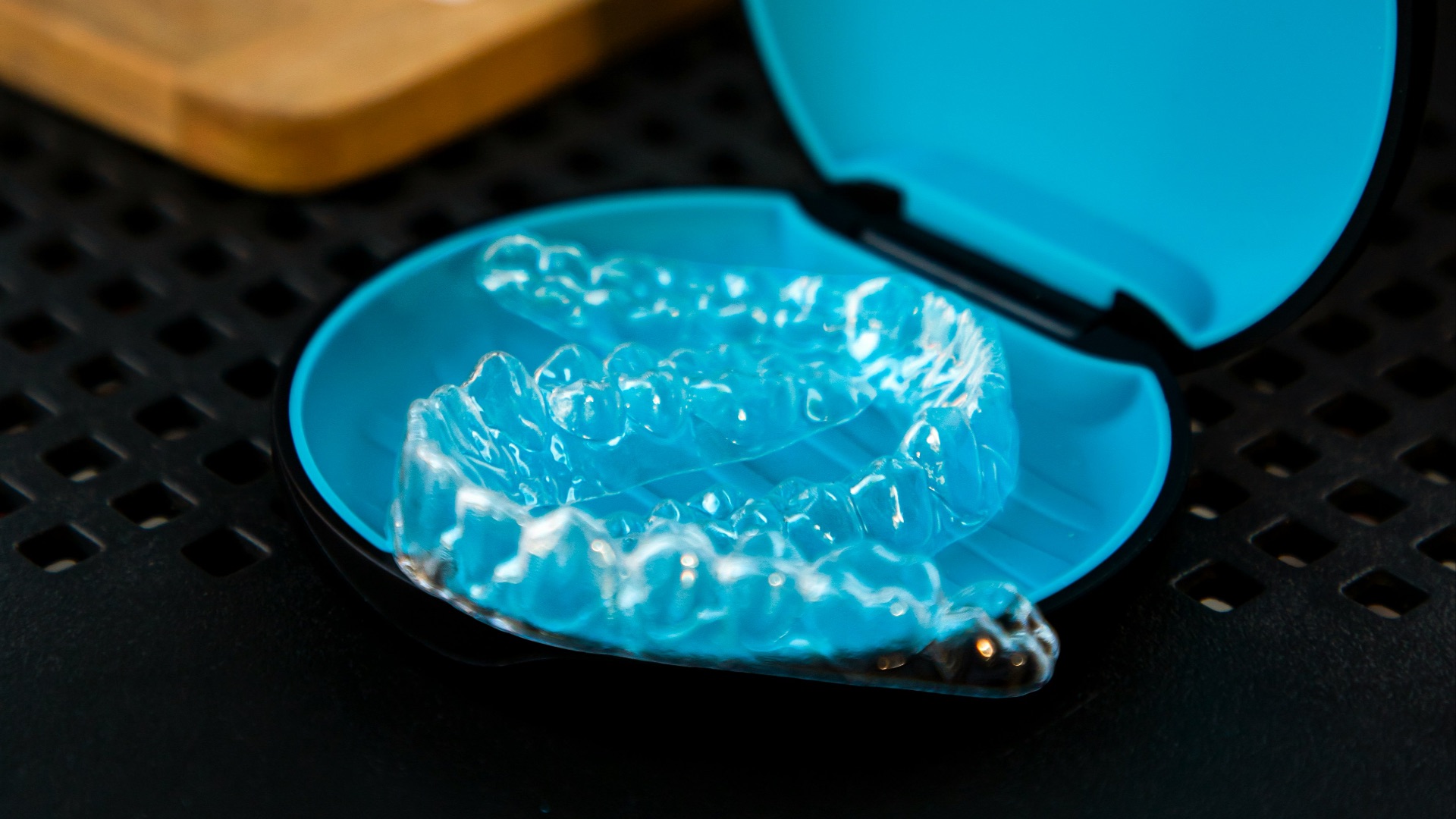
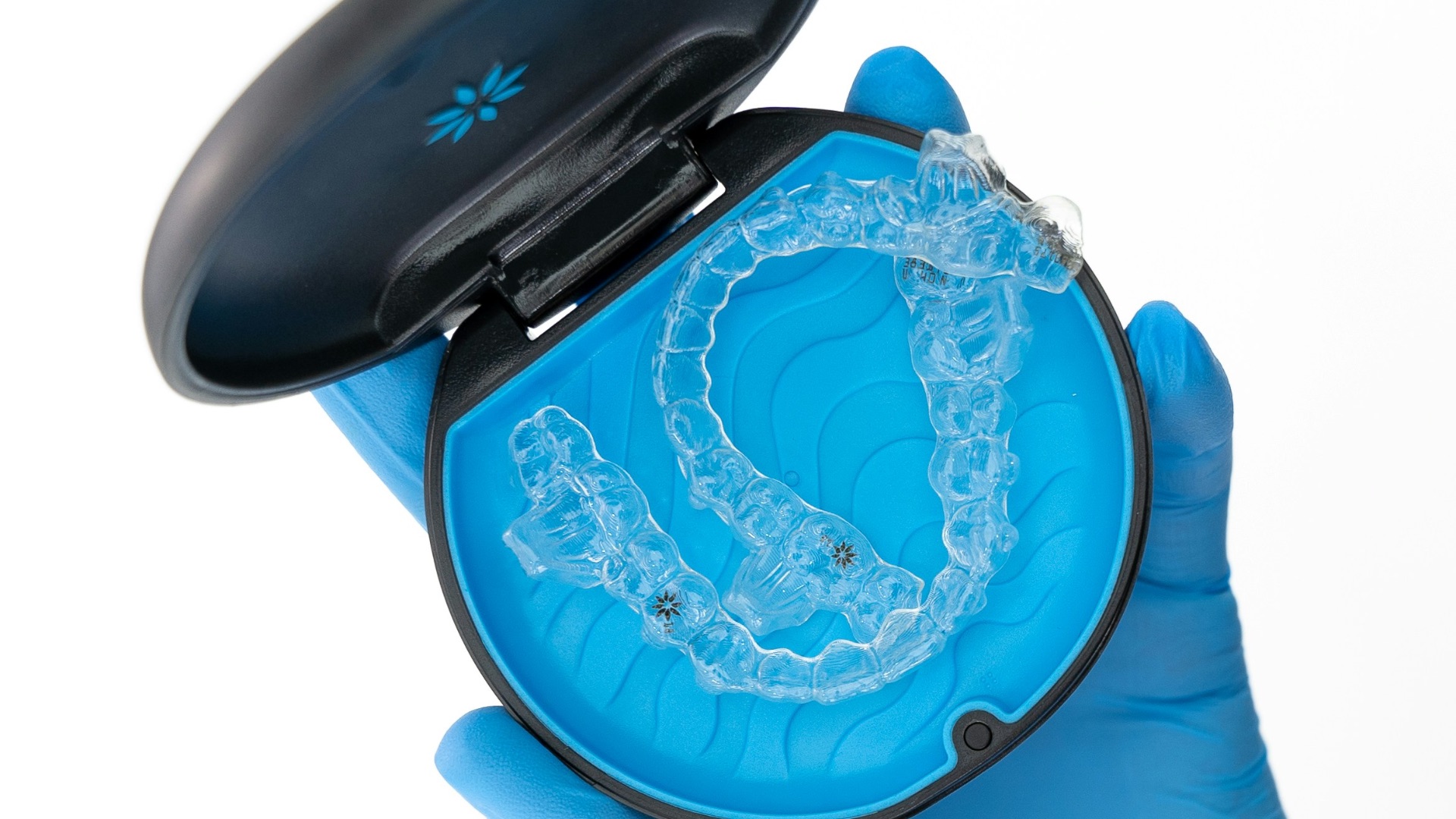
The case should be your retainer’s home whenever it isn’t in your mouth. This helps protect it from damage, germs, pets, and accidental loss. Getting into the habit of using the case every single time can save you the cost and stress of replacing it later.
 Katarzyna Zygnerska on Unsplash
3. Rinse It When You Take It Out
Rinsing your retainer right away helps remove saliva before it dries on the surface. Once saliva and plaque harden, they can be harder to clean and may leave the retainer looking cloudy. A quick rinse only takes a few seconds, but it makes daily care much easier.
4. Clean It Daily with the Right Method
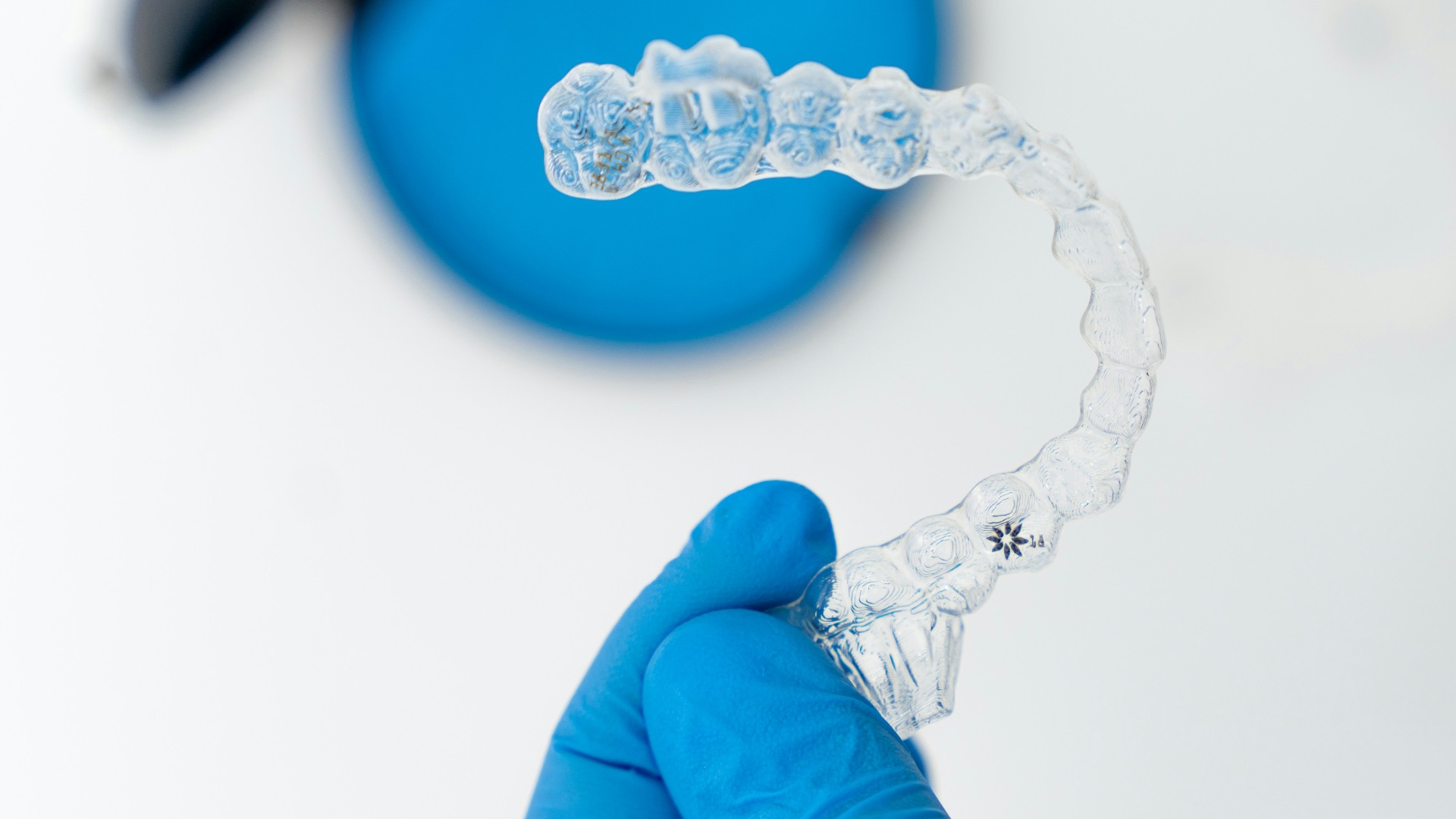
Your retainer needs more than an occasional rinse if you want it to stay fresh. Depending on the type you have, your orthodontist may recommend gentle brushing, retainer-cleaning tablets, or another safe method. Daily cleaning keeps buildup under control and makes the retainer more pleasant to wear.
 Katarzyna Zygnerska on Unsplash
5. Brush and Floss Before Putting It Back In
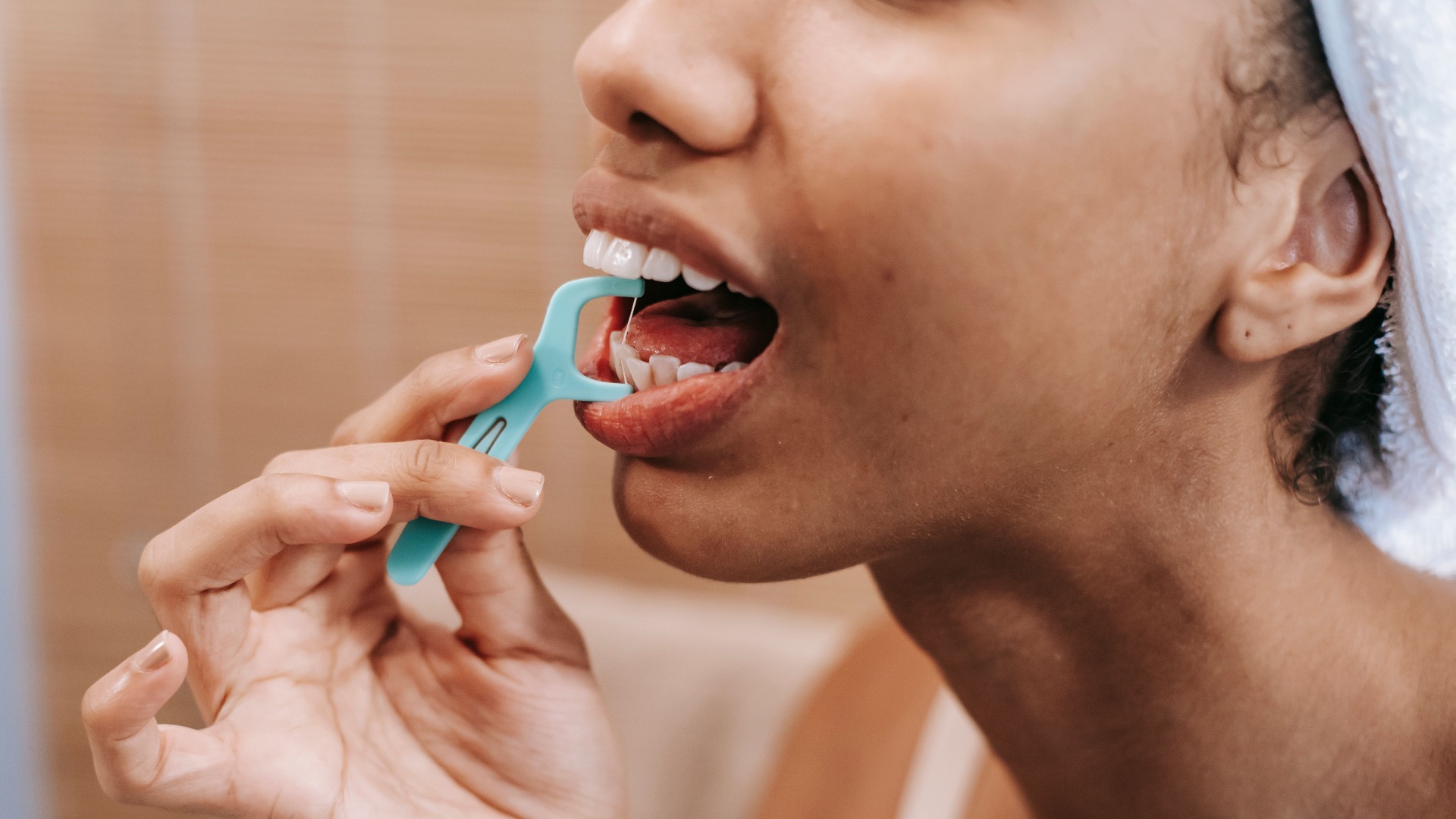
Putting a retainer over dirty teeth can trap food particles, plaque, and bacteria against your enamel. This is especially important before bedtime, when the retainer may stay in place for hours. Clean teeth and a clean retainer work together, so don’t treat one as a substitute for the other.
6. Bring It to Dental and Orthodontic Appointments
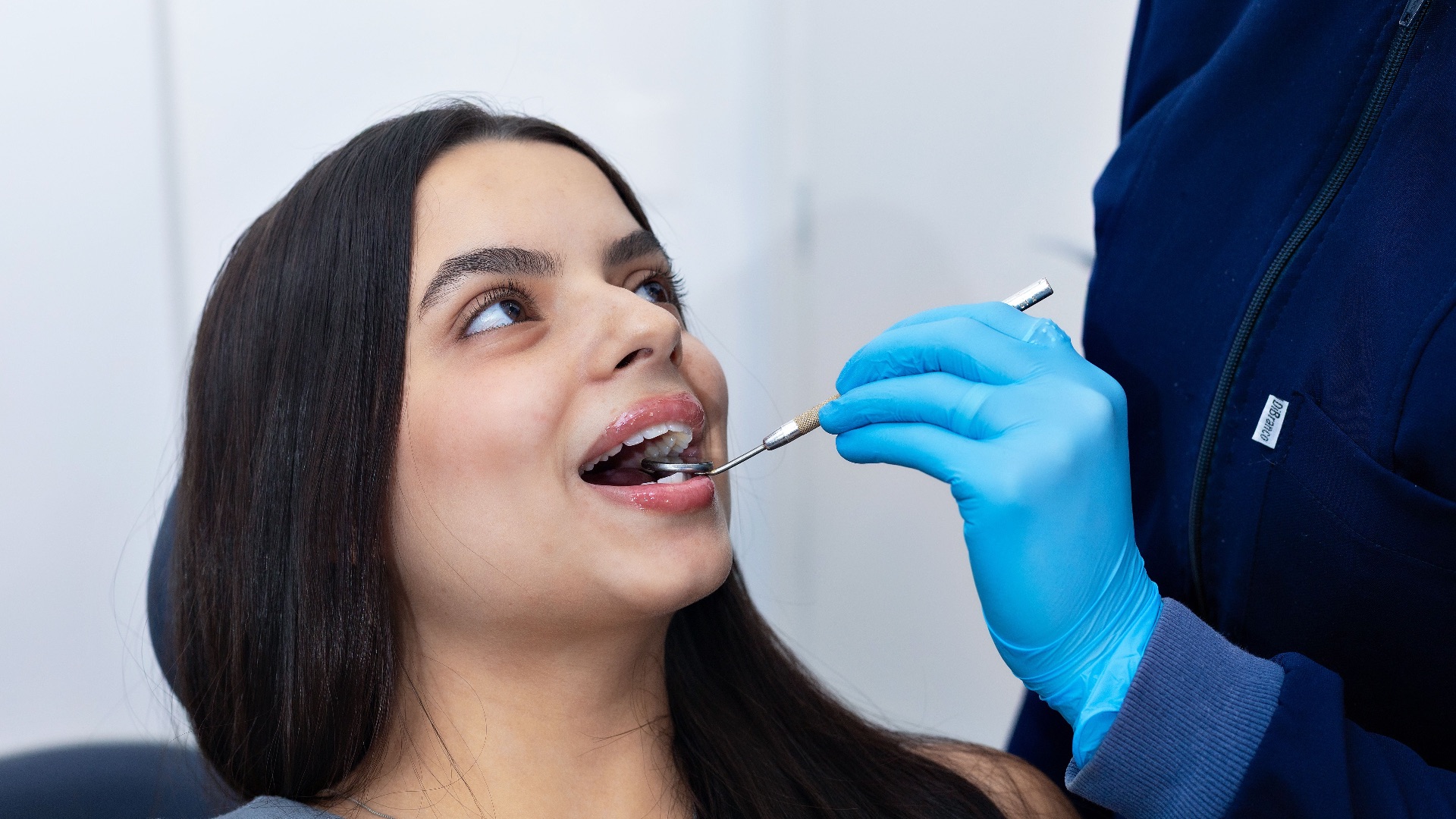
Your retainer should be checked just like your teeth are checked. A dental professional can look for cracks, buildup, fit issues, or signs that it may need replacement. Bringing it with you also gives you a chance to ask whether your cleaning routine is working well.
 Laura Beauty Designer | Brasil on Pexels
7. Keep It Away from Heat
Heat can change the shape of a retainer faster than you might expect. Don’t leave it in a hot car, near a heater, in direct sunlight, or beside a sink where hot water might run over it. If the fit changes, it may no longer hold your teeth properly.
8. Replace It When It’s Worn Out
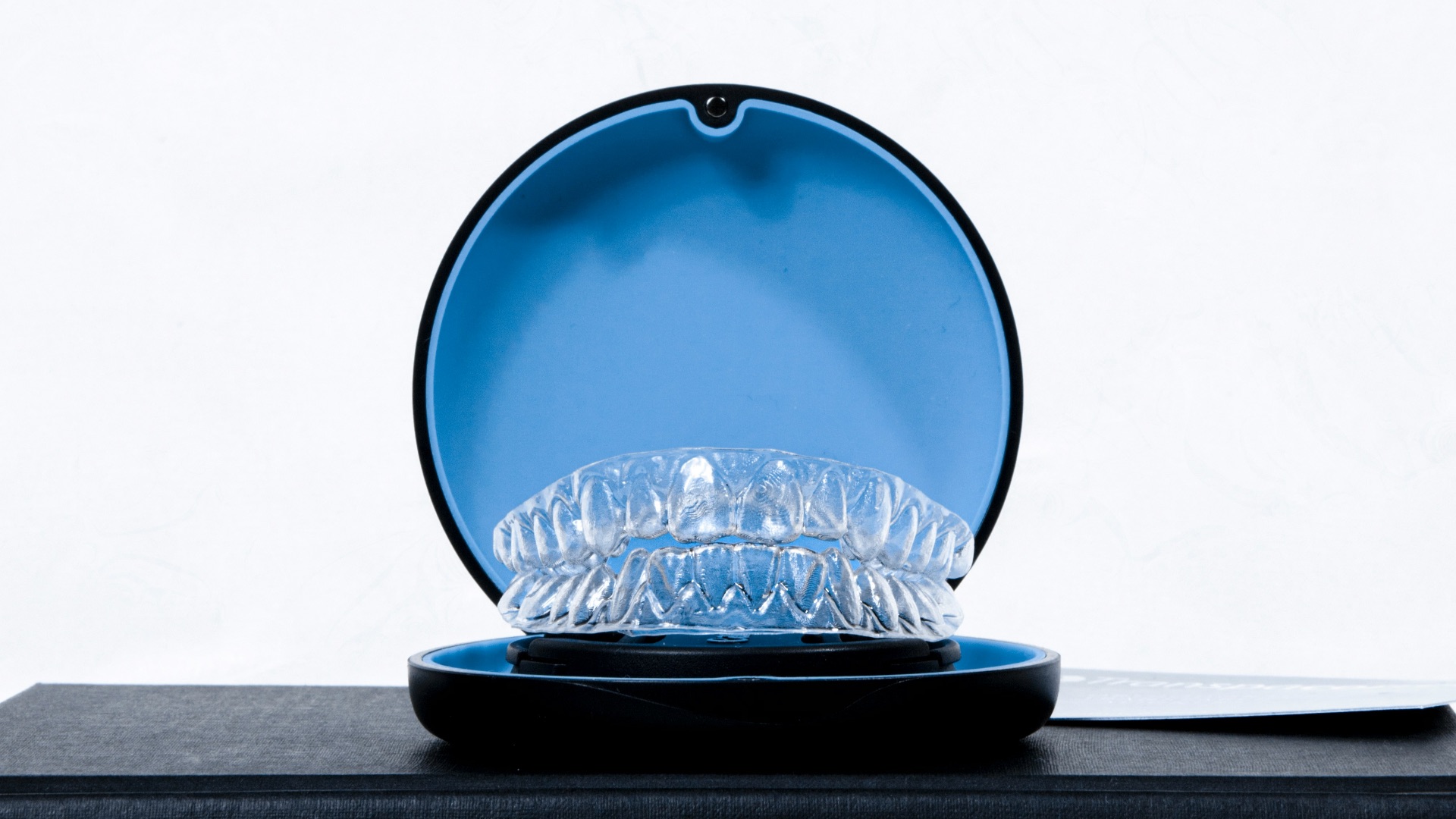
Retainers don’t last forever, even with careful care. Over time, they can loosen, discolor, crack, or stop fitting the way they should. If yours looks damaged or doesn’t feel right, it’s better to ask about replacement than to keep wearing something that may no longer be effective.
9. Pay Attention to How It Fits
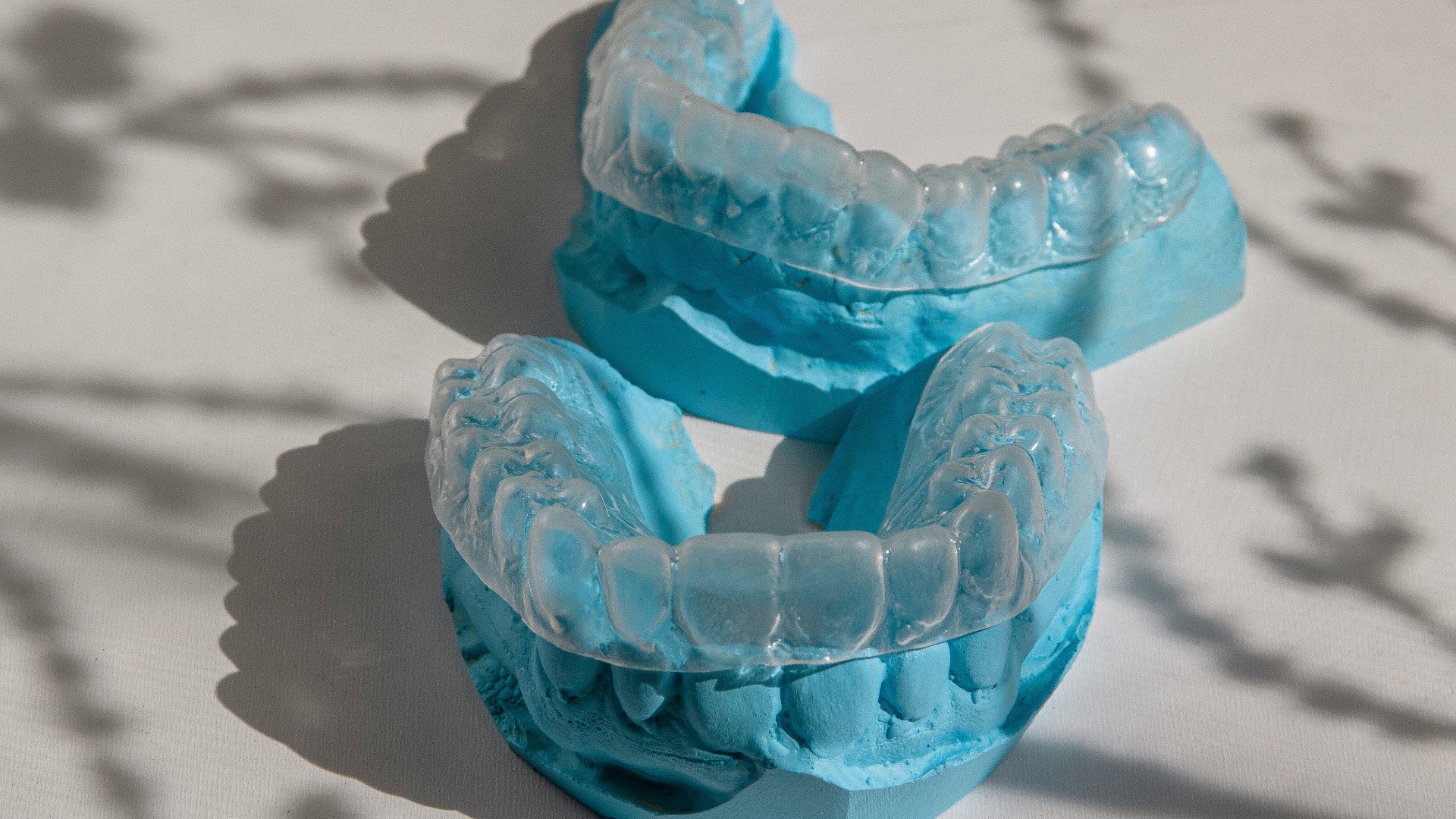
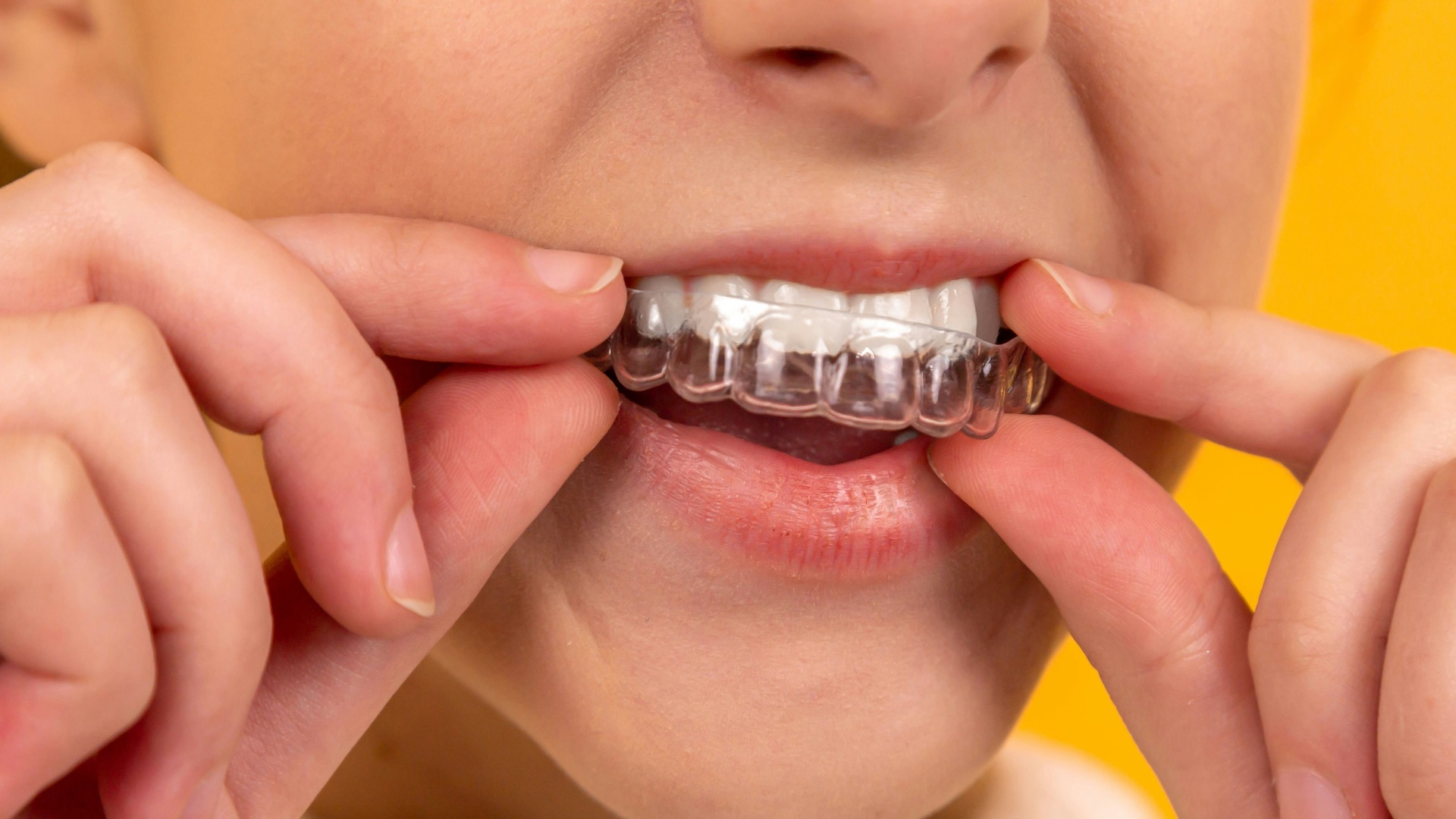
A well-fitting retainer should feel secure without causing severe discomfort. If it suddenly feels different, pops out, rubs your gums, or no longer seats fully, something may have changed. Catching fit problems early can help prevent shifting and may make the solution simpler.
10. Make Retainer Care Part of Your Routine
The easiest way to stay consistent is to connect retainer care with habits you already have, like brushing your teeth at night. Keep your case in a familiar place, clean the retainer on a schedule, and check that it’s stored safely before you go to bed. When retainer care becomes automatic, you’re much less likely to lose it, damage it, or forget to wear it.
KEEP ON READING

20 Ways Perimenopause Changes Fitness and Appetite


20 Unhealthy Obsessions People Have

20 Gut-Friendly Fermented Foods For Everyday Meals