Is Your Brushing Routine Working Against You?
Do you rinse your mouth after you brush? Do you gargle mouthwash immediately after brushing? If so, you might actually be doing it wrong, even if your minty fresh breath is making you believe the opposite. Brushing your teeth may seem like a simple thing to do, but looks can be deceiving, and following bad habits could actually be making your oral health worse. If you want to make sure you're doing everything right for your mouth, don't make these common mistakes.
1. Rinsing with Water Right After Brushing
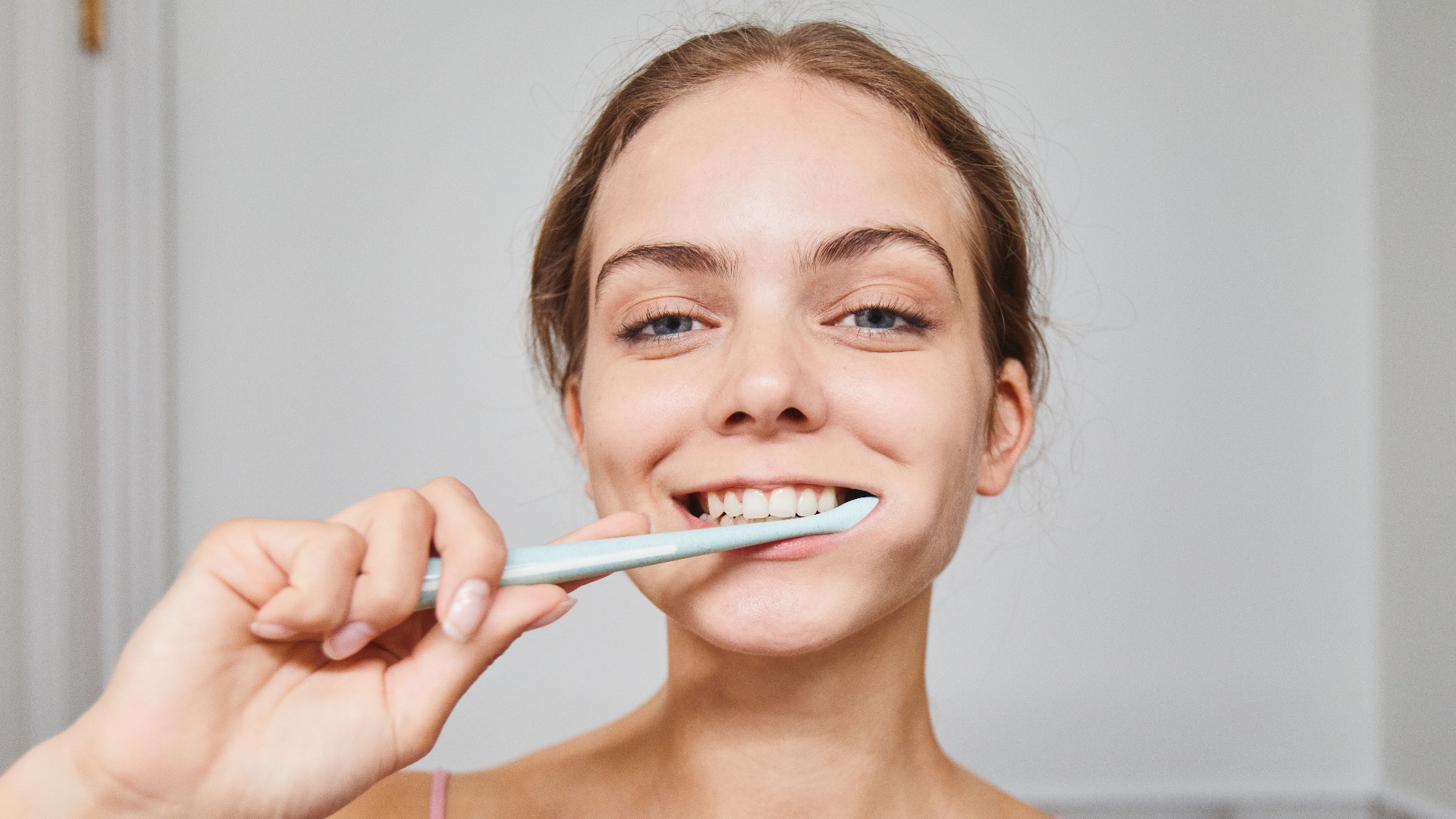
Rinsing thoroughly after brushing might feel like the natural final step, but it can actually wash away the fluoride your toothpaste leaves behind. Fluoride needs a little time on your teeth to help strengthen enamel and protect against cavities. Instead of swishing with water, spit out the excess toothpaste and let the remaining fluoride do its job. It may feel strange at first, but it can support stronger enamel protection.
2. Brushing Too Soon After Eating
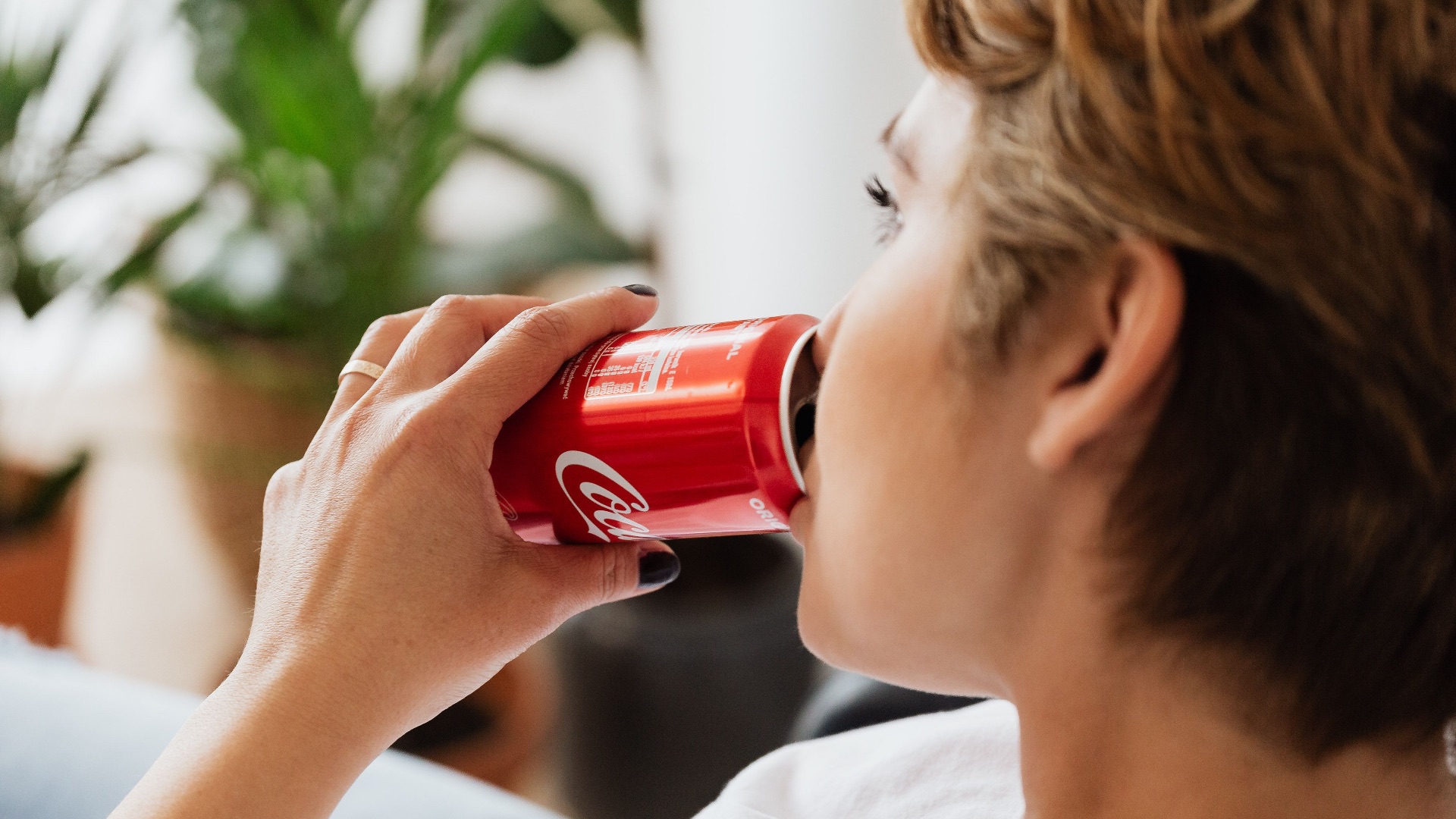
If you brush immediately after eating anything sugary or acidic, such as coffee, orange juice, or soda, you may be working against your enamel. Acid can temporarily soften the tooth surface, and brushing right away may increase wear. A better move is to rinse with water and wait about 30 minutes before brushing; this gives your saliva time to help neutralize the acid first.
 National Cancer Institute on Unsplash
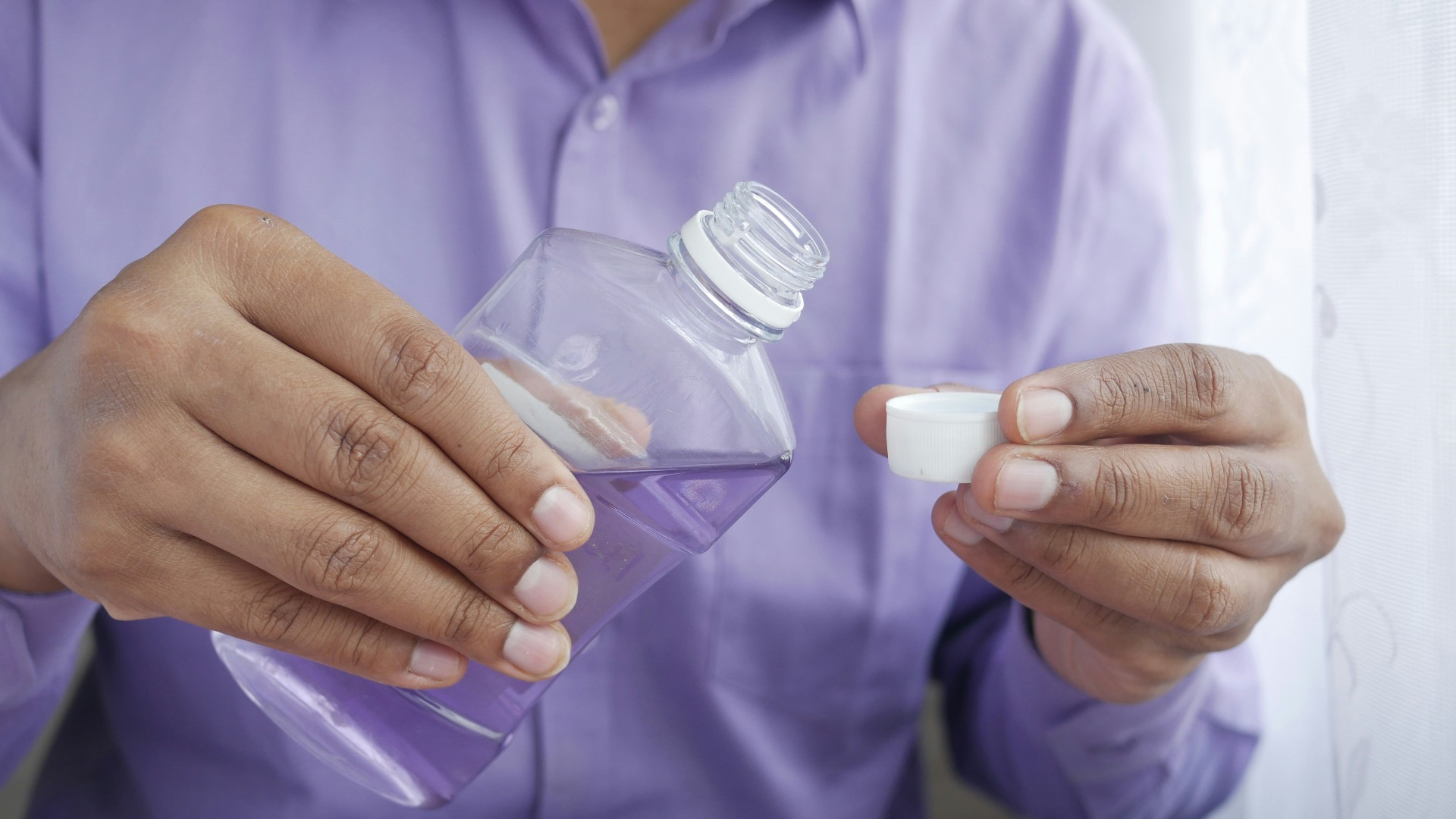
3. Using Mouthwash Immediately After Toothpaste
Mouthwash can be helpful, but using it right after brushing may rinse away the concentrated fluoride from your toothpaste. Many mouthwashes have less fluoride than toothpaste, so the swap doesn’t always give your teeth the same level of protection. If you like using mouthwash, try using it at a different time of day instead. This keeps it from interrupting the benefits of brushing.
4. Brushing with Too Much Toothpaste
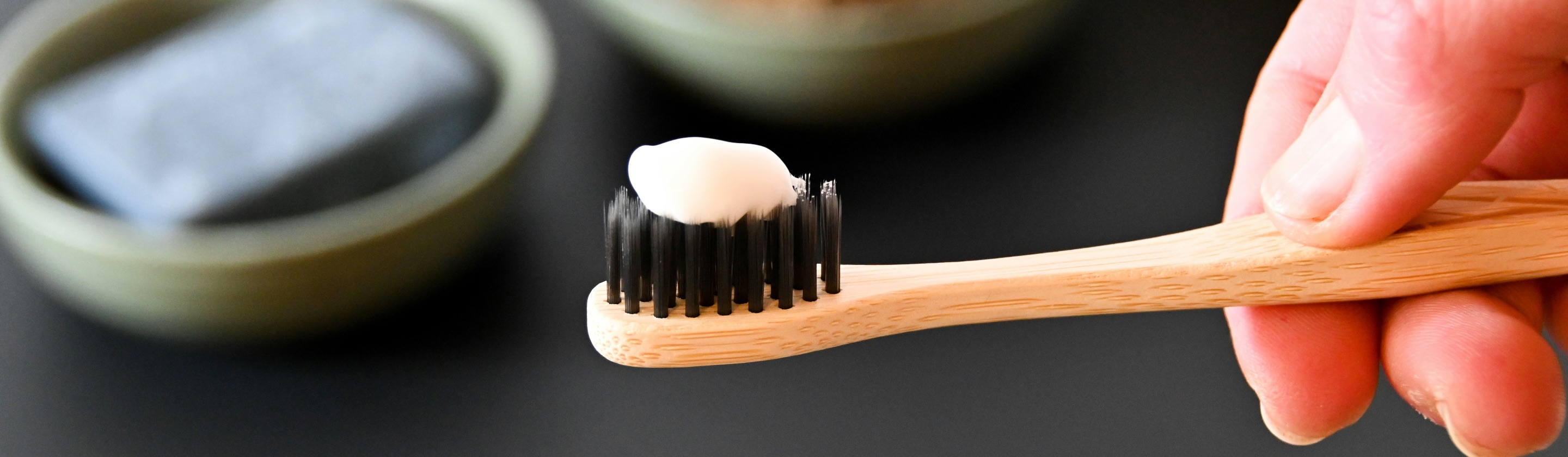
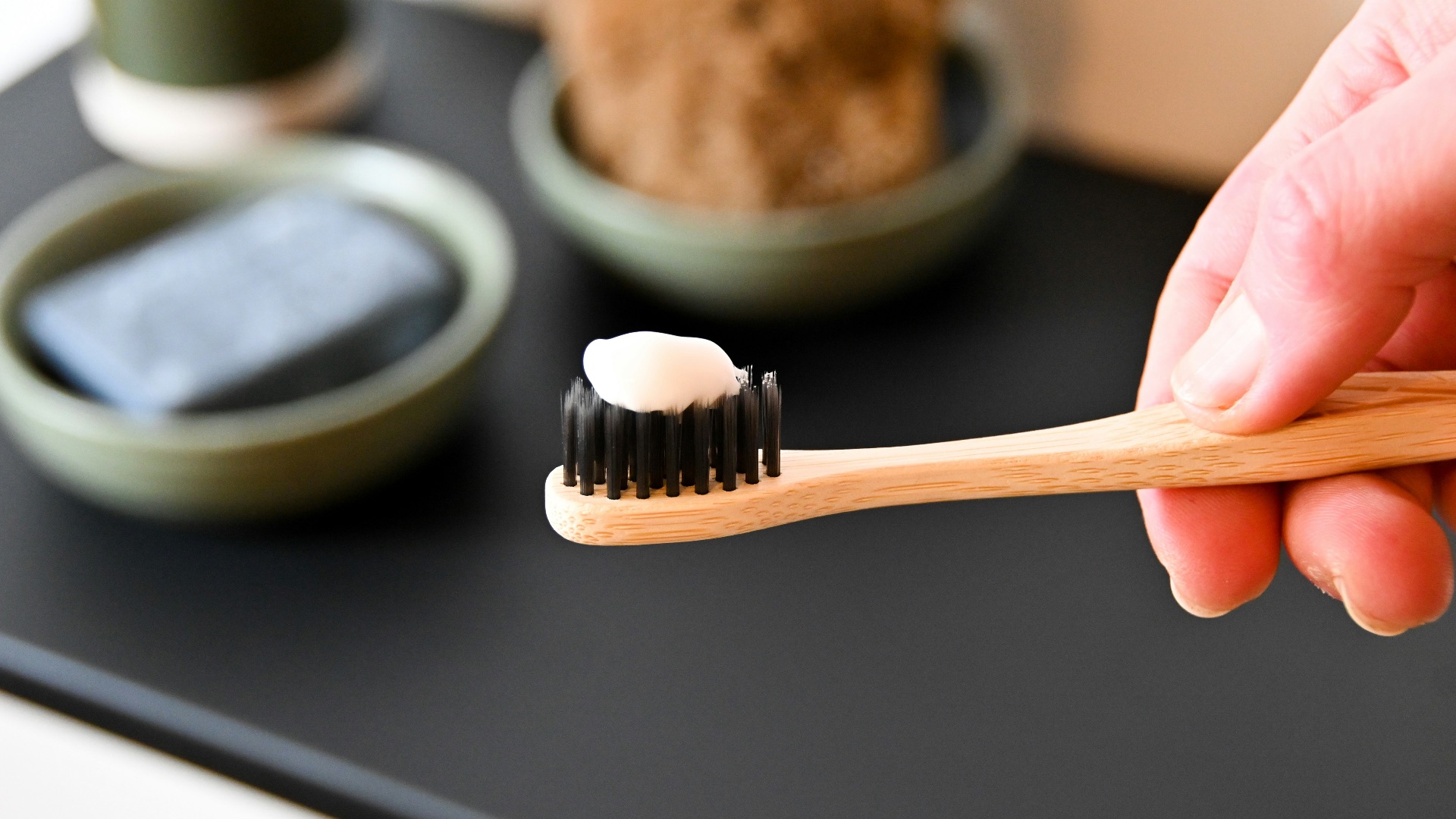
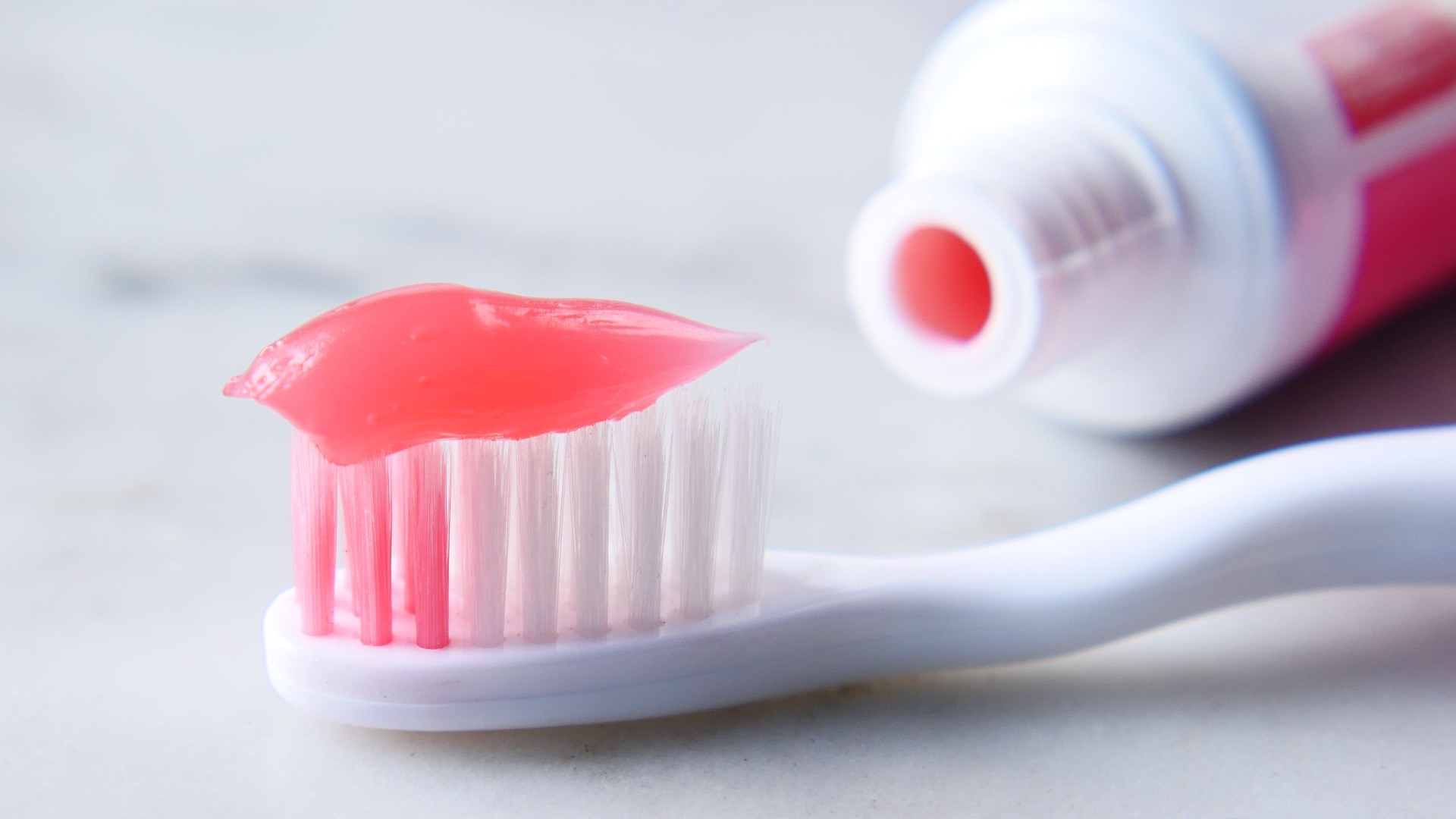
A big stripe of toothpaste may look right in commercials, but more toothpaste doesn’t automatically mean cleaner teeth. For most adults, a pea-sized amount is enough to do the job. Using too much can create extra foam, which may make you feel like you’ve brushed thoroughly before you actually have. It may also cause a condition called fluorosis, or an overexposure to fluoride, which primarily affects children.
5. Brushing Too Hard
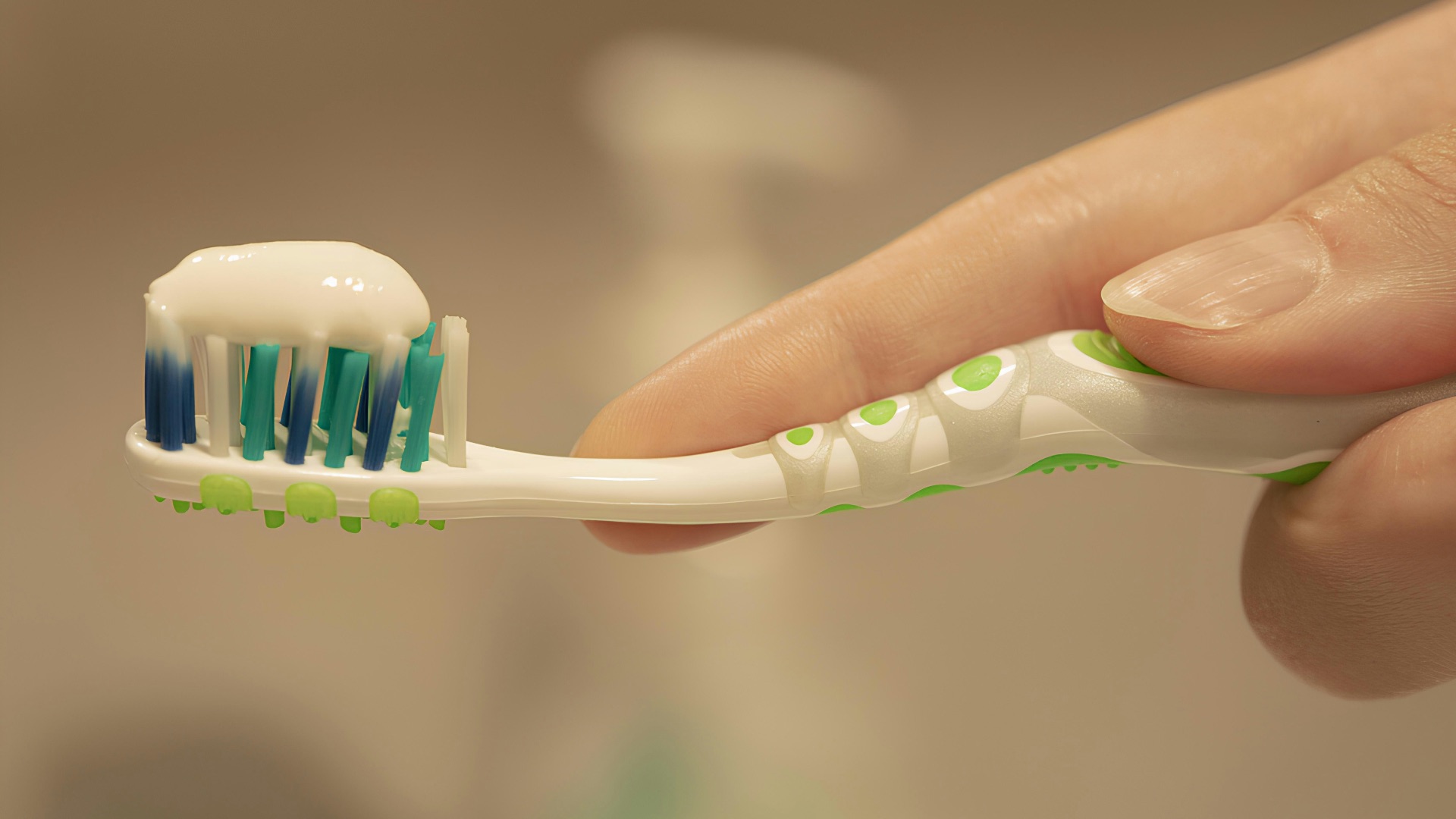
It’s easy to assume that harder brushing means cleaner teeth, but too much pressure can wear down enamel and irritate your gums. Your toothbrush bristles only need gentle contact to remove plaque from the surface of your teeth. When you scrub aggressively, you may actually create sensitivity and gum recession over time. A lighter hand is usually much more effective than forceful brushing.

6. Using the Wrong Toothbrush
A toothbrush that’s too large, too stiff, or uncomfortable to handle can make it harder to clean your mouth properly. Many people do best with a soft-bristled brush because it’s gentle on the gums while still being effective against plaque. The brush head should also fit comfortably around your teeth, including the harder-to-reach spots near the back. When your toothbrush feels awkward, you’re more likely to rush or miss areas.
7. Using the Same Toothbrush for Too Long
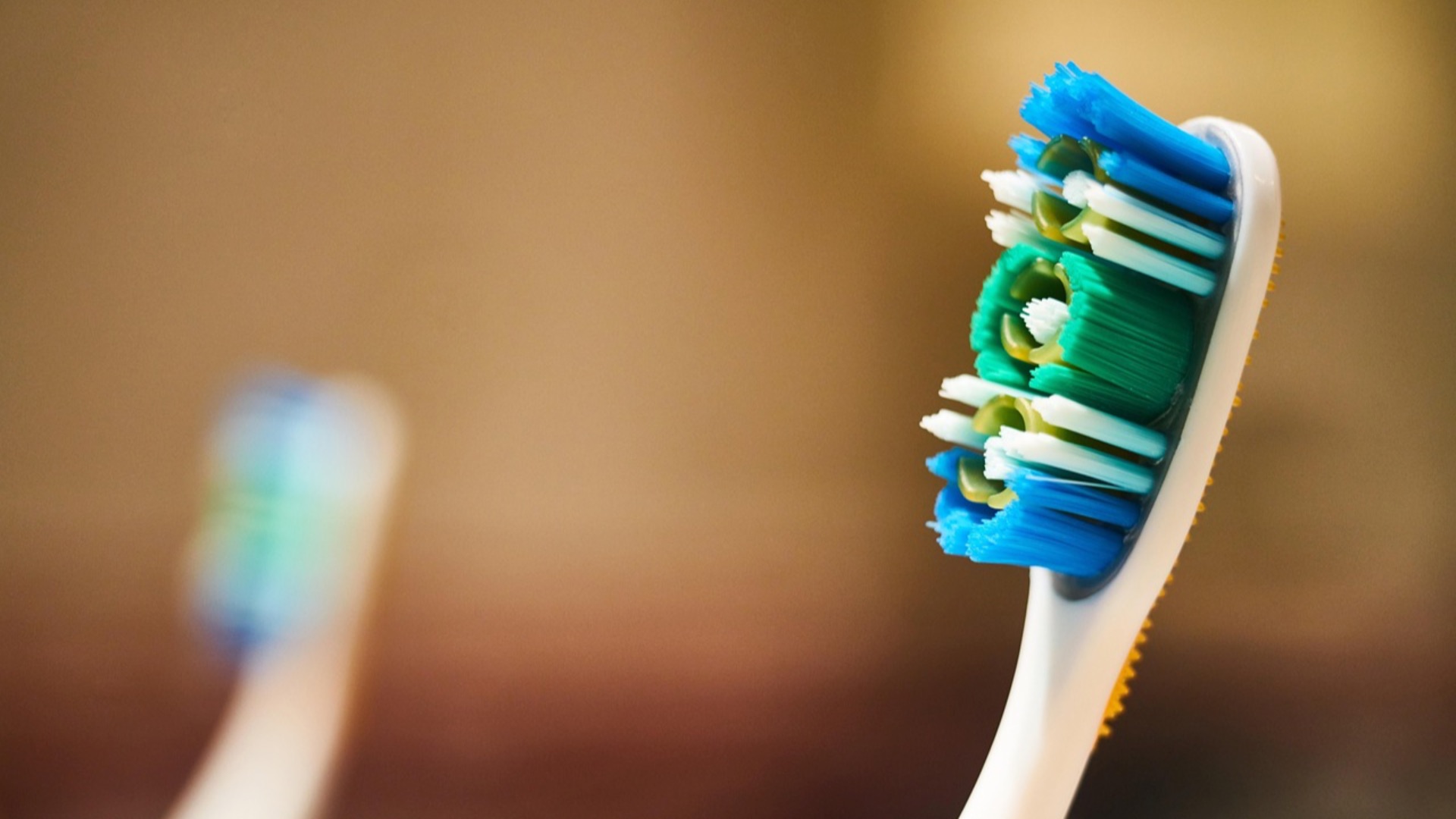
An old toothbrush may look usable, but worn bristles don’t clean as well as they should. Once the bristles are frayed, bent, or flattened, they lose their ability to reach surfaces properly. Many people also forget that toothbrushes can collect debris and bacteria over time. Replacing yours every three to four months, or sooner if it looks worn, helps keep your routine effective.
8. Brushing for Too Long
Most people hear about underbrushing (i.e., brushing for less than two minutes), but brushing for too long can also cause problems. Spending several minutes repeatedly going over the same areas may contribute to enamel wear and gum irritation, especially if you use too much pressure. Once you've brushed thoroughly for about two minutes, there's usually little benefit to continuing. Focusing on good technique is far more important than extending the time.

9. Forgetting to Brush the Tongue
Your teeth aren’t the only surfaces in your mouth that need attention. The tongue can hold bacteria and leftover particles that contribute to bad breath. Brushing it gently, or using a tongue scraper, can make your mouth feel cleaner and fresher. Just avoid pressing too hard, since the tongue can become irritated.

10. Treating Brushing as a Substitute for Flossing
Brushing is important, but it can’t fully clean between your teeth. Toothbrush bristles don’t reach the tight spaces where plaque and food particles often collect. If you skip flossing, you’re leaving those areas more vulnerable to buildup and gum problems. Brushing and flossing work best as partners, not as replacements for each other.
Thankfully, while these brushing mistakes are common, they’re not hard to fix. Here are 10 smart tips to follow for a healthier, cleaner mouth:
1. Brush Twice a Day Consistently
Brushing in the morning and before bed helps control plaque and keeps your mouth fresher throughout the day. The nighttime brushing session is especially important because it removes food particles and bacteria before you sleep. Skipping it gives plaque more time to sit on your teeth. A consistent schedule is one of the simplest ways to protect your oral health.

2. Choose Fluoride Toothpaste
Fluoride toothpaste helps strengthen enamel and makes teeth more resistant to decay. While whitening claims and flavors may get more attention, fluoride is one of the most important ingredients to look for. You don’t need a large amount of toothpaste for it to work well. For most adults, a pea-sized amount is enough.
3. Floss Once a Day
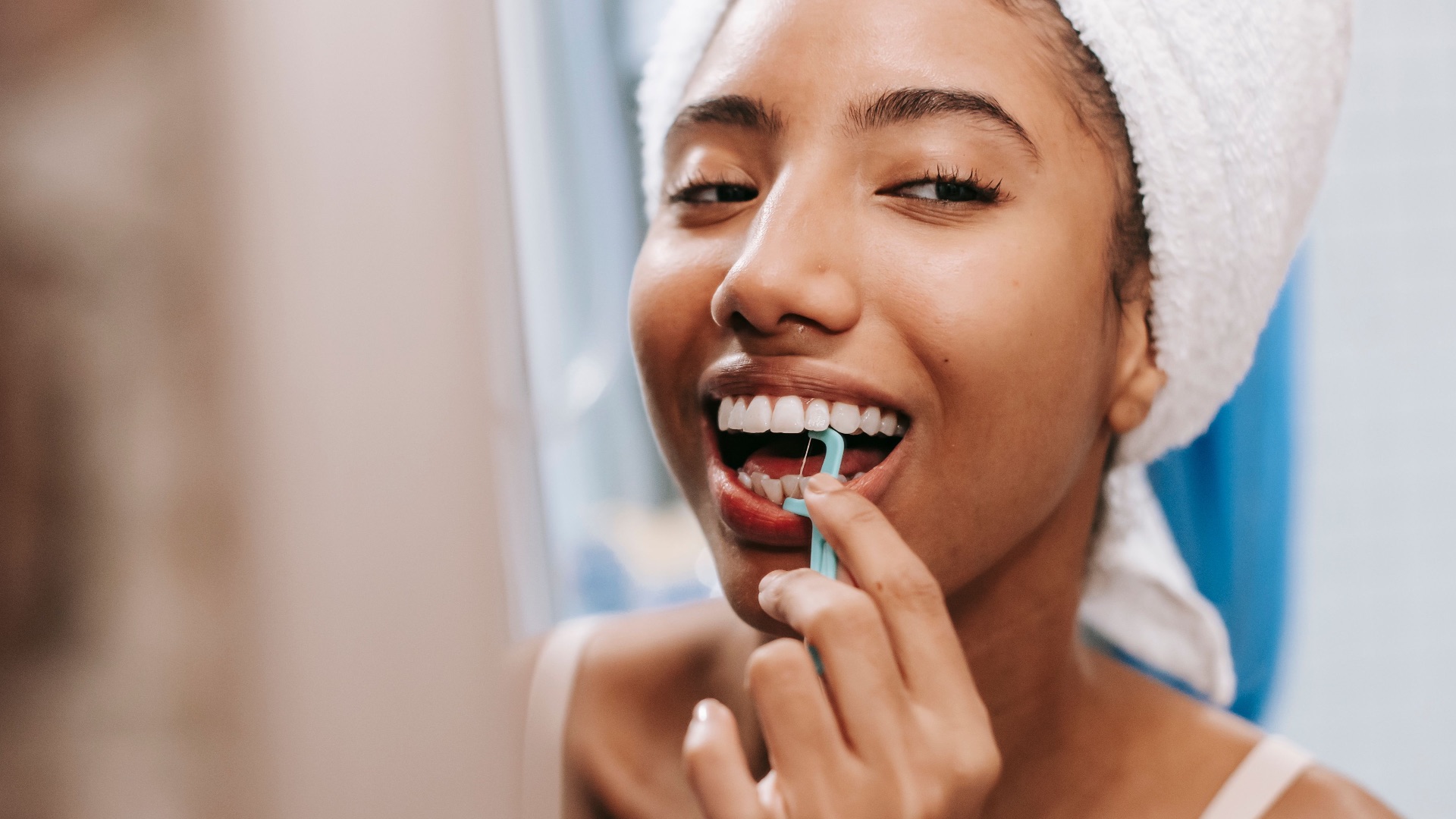
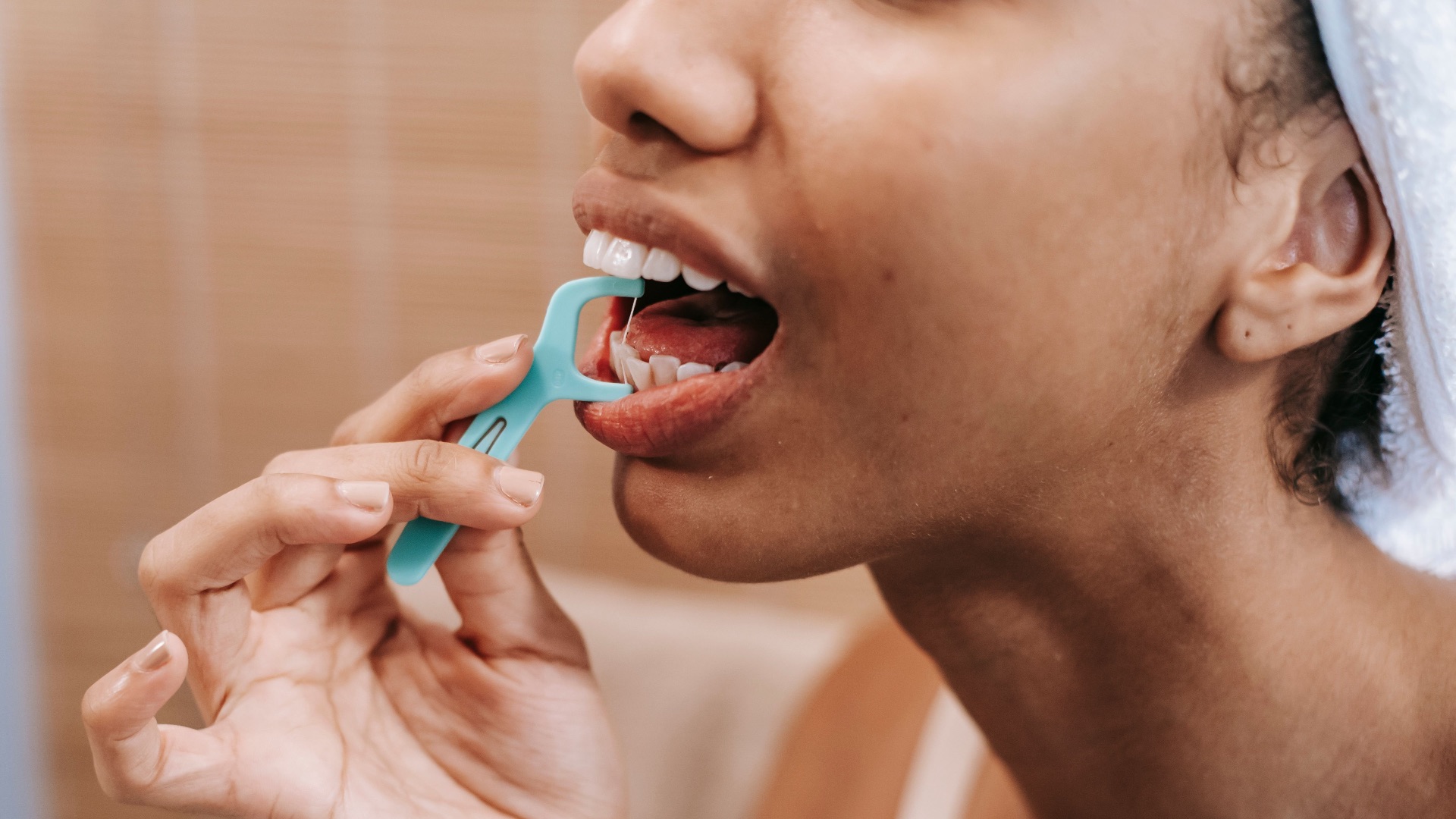
Daily flossing helps clean the places your toothbrush can’t reach. It removes plaque and food particles from between your teeth and under the gumline. If traditional floss feels difficult, floss picks or water flossers may make the habit easier to keep. The best option is the one you’ll use regularly and correctly.
4. Drink More Water
Water helps rinse away food particles, supports saliva production, and can reduce the impact of sugary or acidic drinks. It’s especially helpful after meals or snacks when you can’t brush right away. Drinking water throughout the day also helps with dry mouth, which can increase the risk of bad breath and tooth decay. For a healthier mouth, water should be your everyday default.

5. Limit Sugary Snacks and Drinks
Sugar feeds the bacteria that produce acids in your mouth, which can increase your risk of cavities. Frequent snacking can be especially hard on teeth because it keeps exposing them to those acids. You don’t have to avoid sweets completely, but it helps to have them less often and with meals when possible. Rinsing with water afterward can also reduce residue.
6. Pay Attention to Bleeding Gums
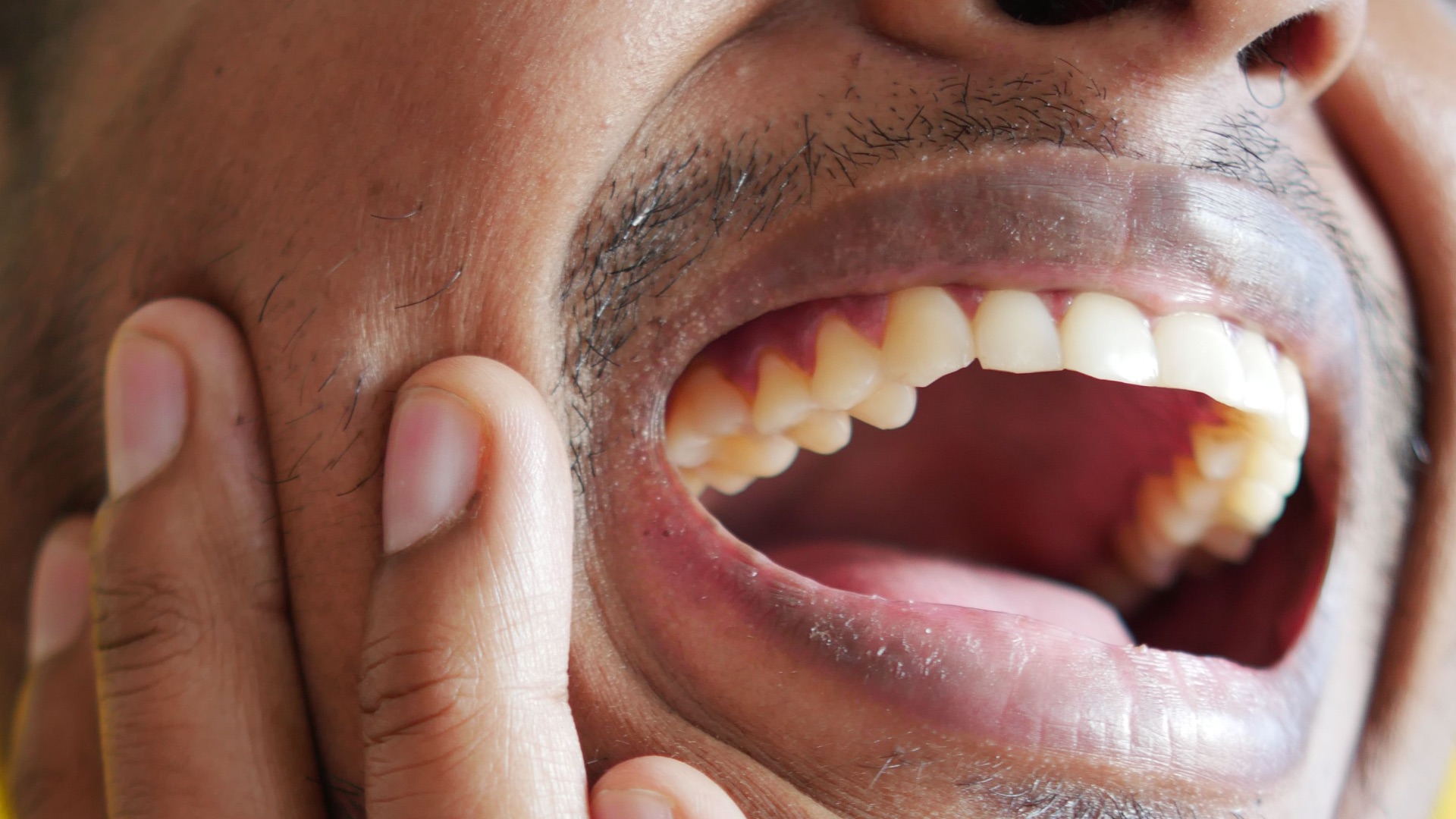
Bleeding gums shouldn’t be ignored, especially if it happens often. It may be a sign that plaque is irritating your gum tissue or that your flossing routine needs improvement. Sometimes gums bleed when you first start flossing regularly, but that should improve with consistent, gentle care. If bleeding continues, it’s a good idea to check in with a dental professional.
7. Clean Dental Appliances Properly
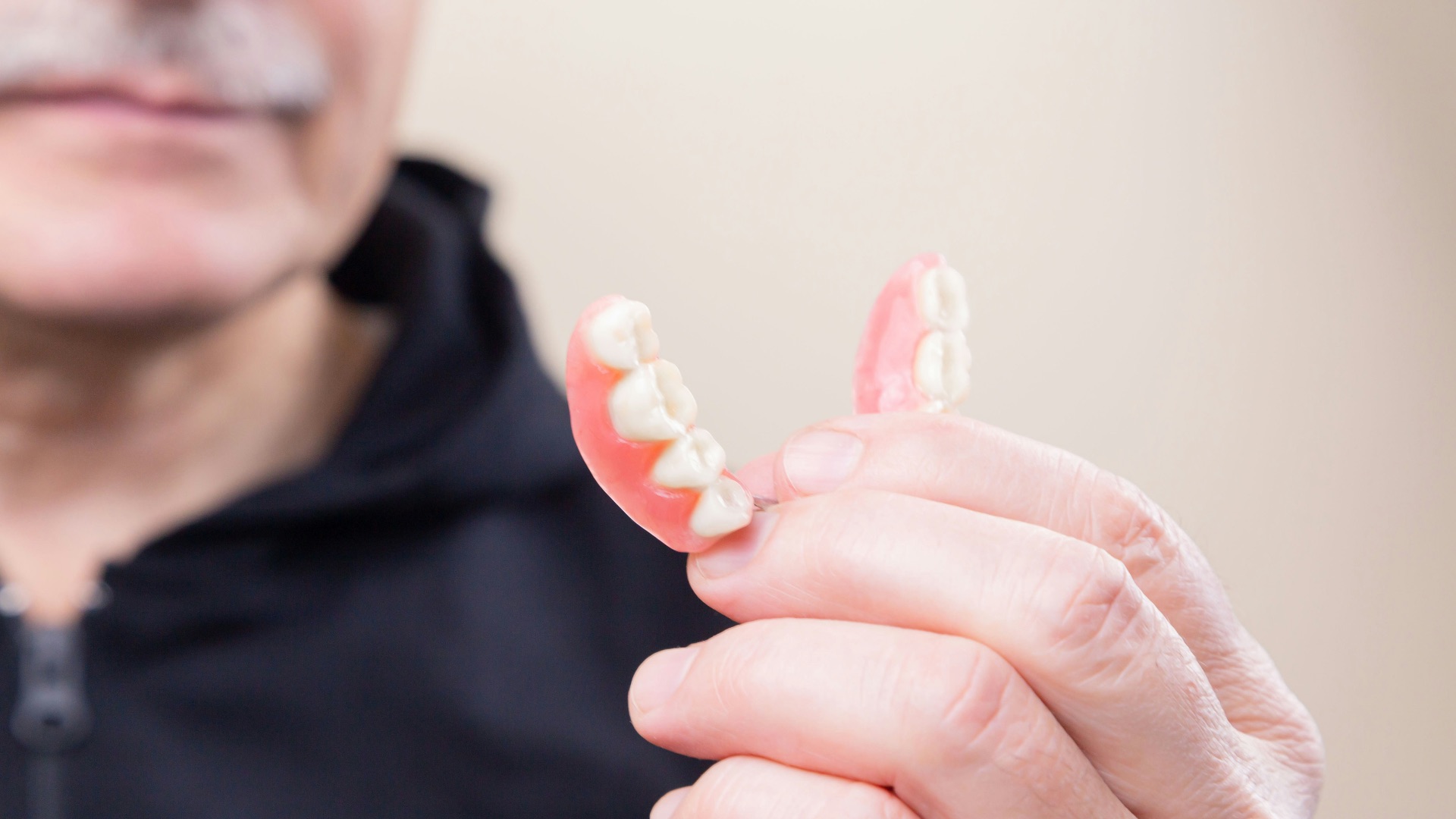
Retainers, mouthguards, dentures, and aligners can collect bacteria if they’re not cleaned as directed. Rinsing them quickly may not be enough to remove buildup. Follow the care instructions from your dentist or orthodontist, and avoid using harsh cleaners that could damage the appliance. Keeping these items clean helps protect both your mouth and the appliance itself.
8. Don’t Ignore Dry Mouth
Saliva plays an important role in protecting your teeth because it helps wash away particles and neutralize acids. When your mouth feels dry often, your risk of cavities and bad breath can increase. Drinking water, chewing sugar-free gum, and discussing medications with a healthcare provider may help. Persistent dry mouth is worth bringing up at your next dental visit.

9. Schedule Regular Dental Checkups
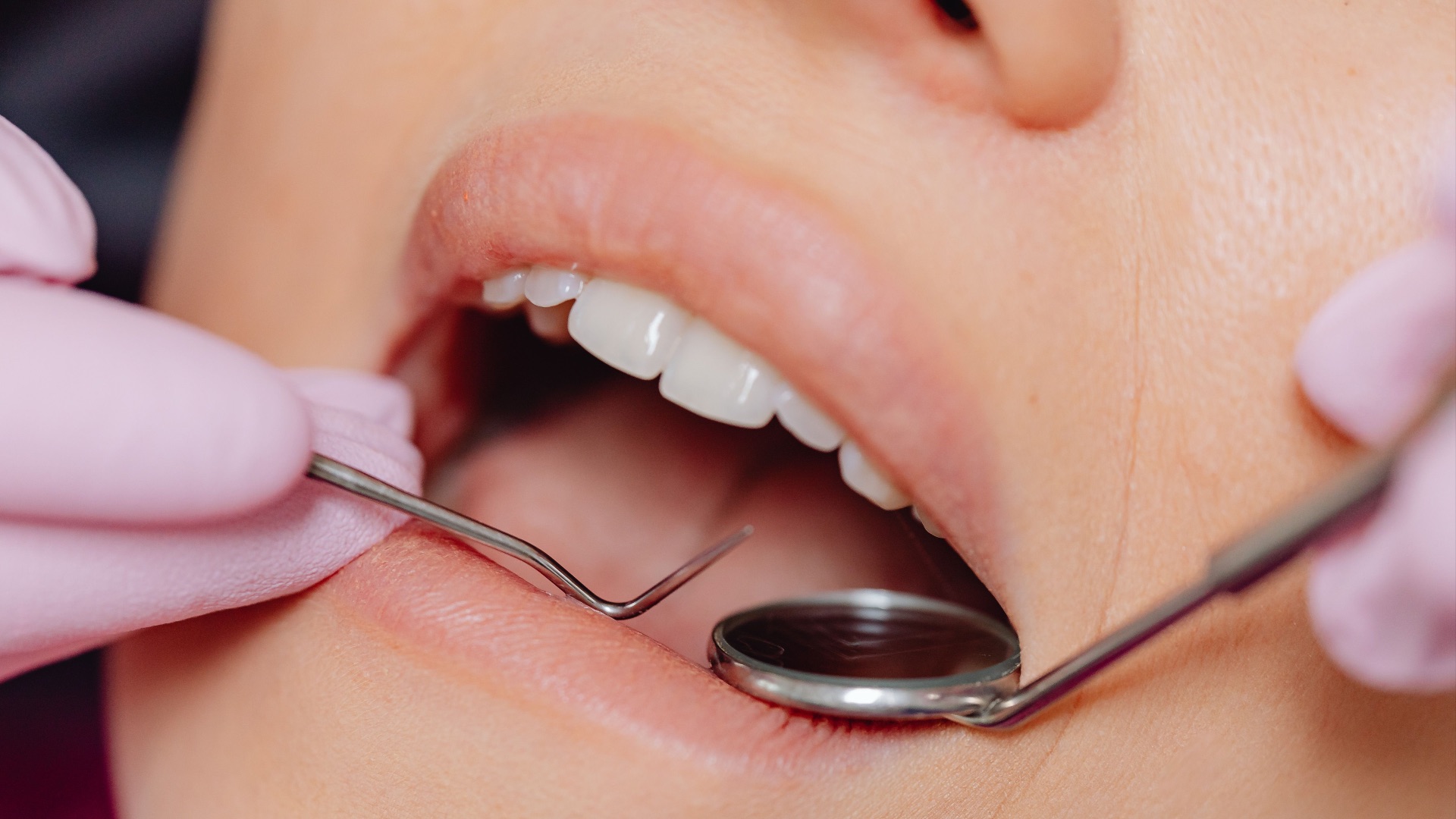
Even a strong home routine can’t replace professional cleanings and exams. Dentists and hygienists can remove hardened buildup, spot early signs of problems, and give advice based on your specific mouth. Regular visits can also help prevent small issues from becoming more expensive or uncomfortable later. Keeping up with appointments is an important part of long-term oral care.
10. Make Your Routine Easy to Repeat
The best oral care routine is one you can actually maintain. Keep your toothbrush, floss, and any other tools where you’ll see and use them every day. Small steps, like replacing your toothbrush on schedule or flossing before you’re too tired at night, can make consistency easier. When your routine fits naturally into your life, your mouth benefits from it every day.
KEEP ON READING

20 Shocking Things the Human Body Can Survive