

Small Daily Habits That Can Make a Big Difference
Many people with diabetes experience periods of fatigue, even when they're managing their condition responsibly. Blood sugar fluctuations, poor sleep, dehydration, medication timing, and lifestyle habits can all affect energy levels throughout the day. While there's no single solution that works for everyone, a combination of healthy routines often helps reduce tiredness and improve overall well-being. If you're looking for practical ways to feel more energized, these 20 tips are a great place to start.
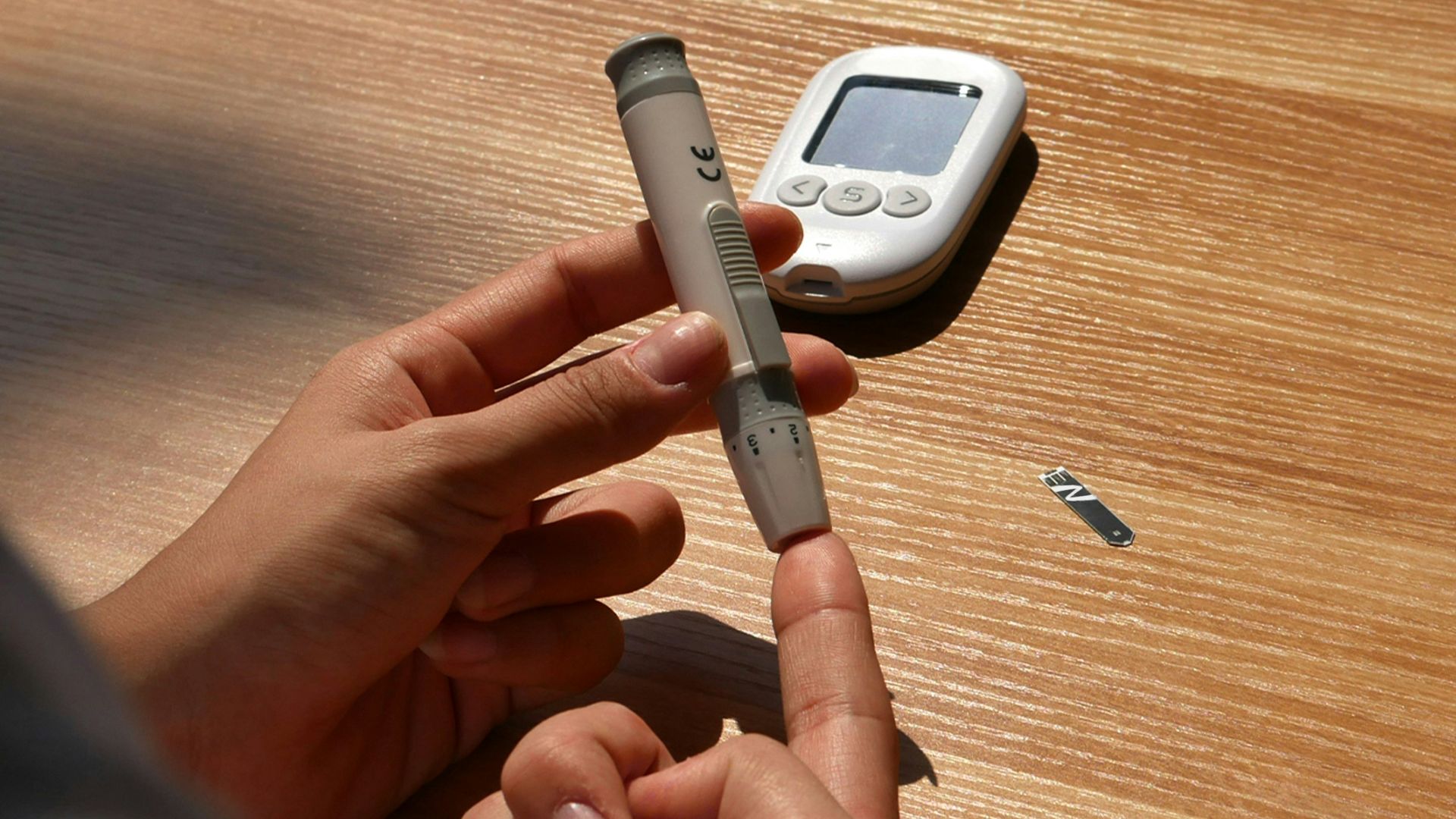
1. Monitor Blood Sugar Consistently
Energy levels often rise and fall alongside blood sugar levels. Regular monitoring can help you identify patterns that may be contributing to fatigue. The more information you have, the easier it becomes to make adjustments with your healthcare provider.
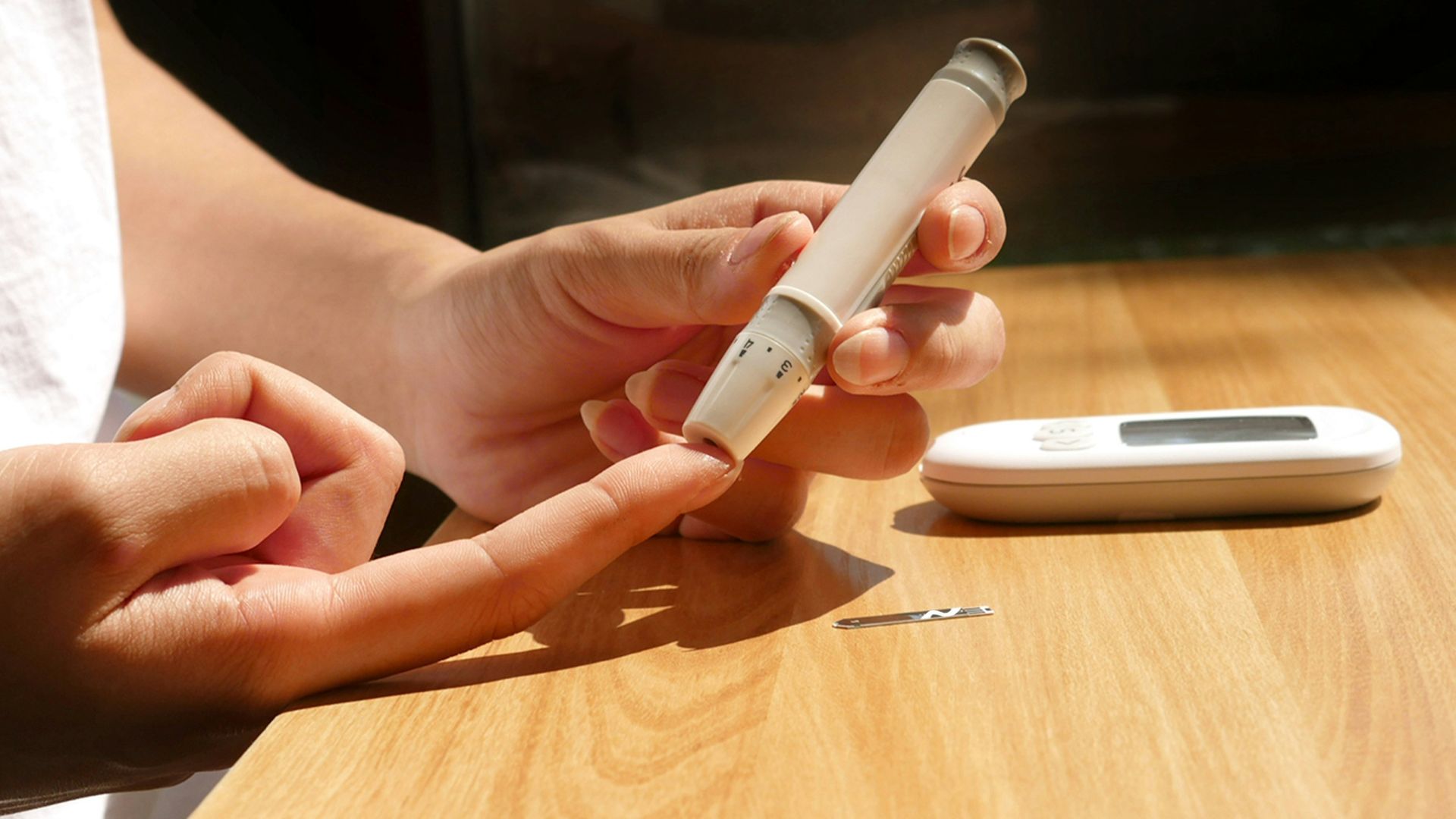
2. Stay Properly Hydrated
High blood sugar can increase fluid loss, making dehydration more common among people with diabetes. Even mild dehydration can leave you feeling sluggish and unfocused. Drinking water consistently throughout the day helps support both energy levels and overall health.

3. Don't Skip Meals
Missing meals can contribute to blood sugar swings that leave you feeling drained. Eating at regular intervals helps provide a steadier supply of energy. Consistency is often more beneficial than waiting until you're extremely hungry.

4. Prioritize Quality Sleep
Poor sleep can make blood sugar management more difficult while also reducing daytime energy. Creating a consistent sleep schedule may improve both issues at the same time. Many people underestimate how strongly sleep quality affects their daily well-being.

5. Include Protein With Meals
Protein helps promote fullness and can slow the absorption of carbohydrates. This may contribute to more stable blood sugar levels after eating. Balanced meals often provide more sustained energy than meals dominated by refined carbohydrates.

6. Take Short Walks After Eating
Light physical activity after meals can help the body use glucose more effectively. A brief walk may also reduce feelings of sluggishness that sometimes occur after eating. You don't need an intense workout to experience benefits.

7. Limit Sugary Drinks
Sweet beverages can cause rapid spikes and drops in blood sugar. Those fluctuations may leave you feeling tired shortly afterward. Choosing water or other low-sugar options often supports more stable energy levels.

8. Eat More High-Fiber Foods
Fiber slows digestion and can help reduce dramatic blood sugar swings. Foods such as vegetables, beans, and whole grains often provide longer-lasting energy. They also support overall metabolic health.

9. Review Your Medications
Some medications may contribute to fatigue in certain individuals. If low energy has become a persistent problem, it's worth discussing with your healthcare provider. Never stop taking prescribed medications without professional guidance.

10. Manage Stress Levels
Chronic stress affects hormone levels and can interfere with blood sugar control. It may also leave you feeling mentally and physically exhausted. Relaxation techniques can help reduce that burden over time.

11. Avoid Long Periods of Sitting
Remaining inactive for hours at a time can contribute to feelings of sluggishness. Standing up and moving periodically helps improve circulation and alertness. Even brief activity breaks can make a noticeable difference.

12. Choose Smart Carbohydrates
Not all carbohydrates affect the body in the same way. Foods that digest more slowly often provide steadier energy than highly processed options. Paying attention to carbohydrate quality can be just as important as quantity.

13. Maintain a Healthy Weight
For many people, reaching and maintaining a healthy weight can improve blood sugar management and reduce fatigue. Even modest weight loss may provide meaningful benefits. Progress doesn't have to be dramatic to be worthwhile.

14. Watch for Low Blood Sugar
Hypoglycemia commonly causes symptoms such as weakness, shakiness, and exhaustion. Recognizing the warning signs allows you to respond quickly. Understanding your personal triggers can also help prevent future episodes.

15. Don't Ignore Sleep Apnea
Sleep apnea occurs more frequently in people with diabetes than in the general population. Untreated cases can lead to poor sleep quality and significant daytime fatigue. If you snore heavily or wake up tired regularly, it's worth discussing with a doctor.

16. Build Exercise Into Your Routine
Regular physical activity can improve insulin sensitivity and increase overall energy over time. The key is consistency rather than intensity, and activities you genuinely enjoy are often easier to maintain long-term.

17. Eat Plenty of Non-Starchy Vegetables
Vegetables provide important nutrients while generally having a modest impact on blood sugar levels. They can help create balanced meals that support steady energy. Adding more variety may also make healthy eating more enjoyable.

18. Limit Excessive Alcohol
Alcohol can affect blood sugar levels in several ways and may contribute to poor sleep quality. Both factors can leave you feeling less energetic the next day. Moderation is especially important for people managing diabetes.

19. Keep Up With Medical Checkups
Fatigue isn't always caused by blood sugar alone. Conditions such as anemia, thyroid disorders, or vitamin deficiencies can also contribute to low energy. Regular medical evaluations help identify potential issues early.
 National Cancer Institute on Unsplash
20. Work With Your Healthcare Team
Managing diabetes is rarely a one-size-fits-all process. If fatigue continues despite healthy habits, your healthcare team may help identify underlying causes and recommend adjustments. Personalized guidance often leads to better long-term results than trying to solve the problem alone.

KEEP ON READING



20 Natural Ways You Can Boost Your Immune System

20 Ways To De-stress & Relax After Work

The 10 Most Common Diseases & The 10 Most Rare