Small Changes, Big Benefits
As you get older, what you eat becomes increasingly important, but how you eat matters just as much. Many common eating habits develop over decades and can feel completely normal, even when they're quietly working against your health, energy levels, and weight-management goals. If you're over 50, recognizing and correcting these 20 mindless behaviors can help support better digestion, steadier blood sugar, and overall well-being without requiring a major diet overhaul.

1. Eating While Watching Television
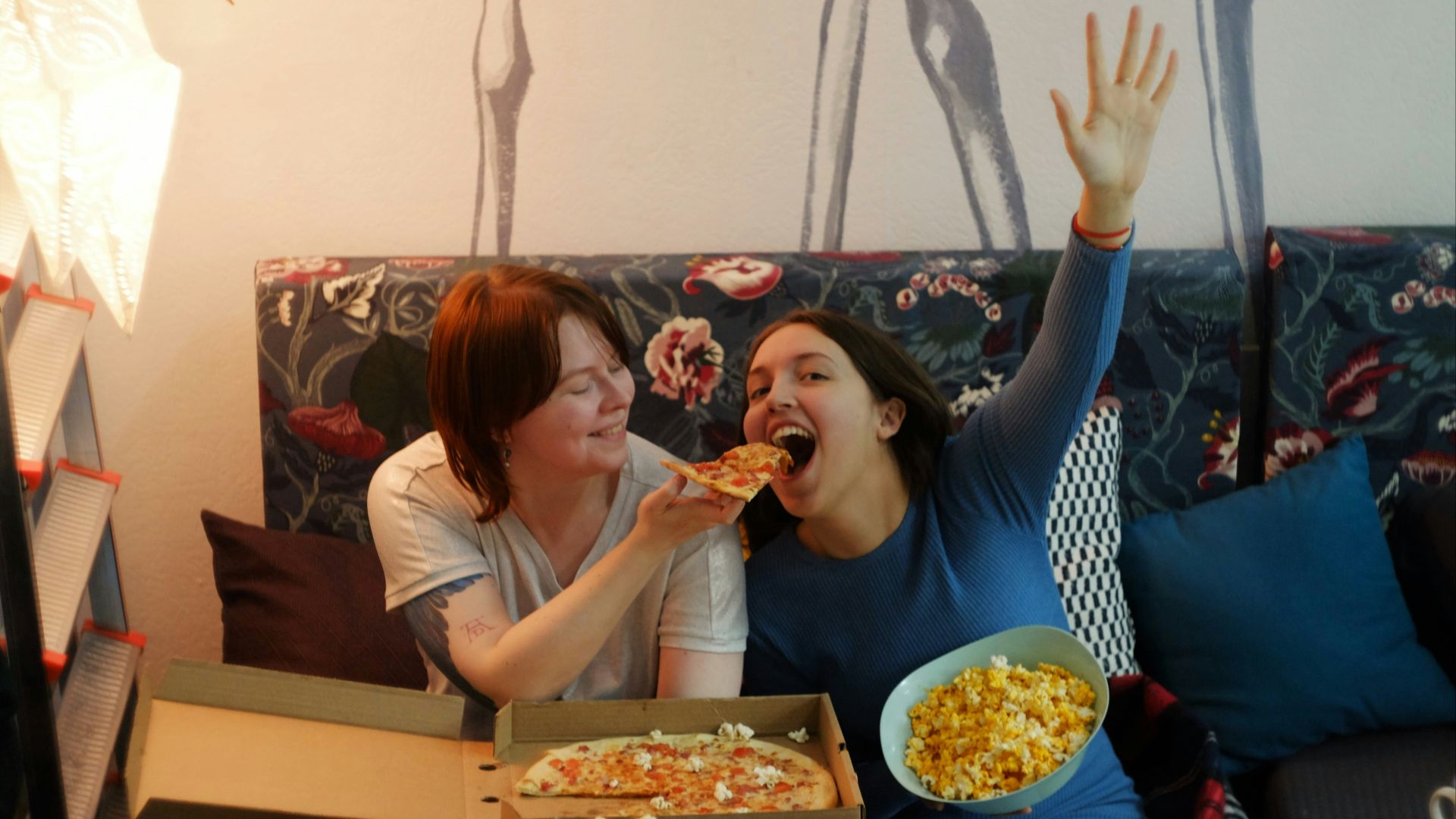
It's easy to lose track of portion sizes when your attention is focused on a show instead of your meal. Research consistently shows that distracted eating often leads people to consume more calories than intended. Sitting down without screens allows you to notice fullness cues more effectively.
 Aleksandra Sapozhnikova on Unsplash
2. Skipping Breakfast Regularly
Many adults skip breakfast out of habit or convenience, but doing so can leave you overly hungry later in the day. That increased hunger often encourages larger portions and less thoughtful food choices. A balanced morning meal can help support stable energy levels and appetite control.

3. Grazing All Day Long
Constantly nibbling on snacks may seem harmless, but those extra bites can add up quickly. Frequent eating also makes it harder to recognize true hunger and fullness signals. Creating some structure around meals and snacks can encourage more mindful eating patterns.

4. Eating Too Quickly
When meals are rushed, your body doesn't have enough time to communicate that it's satisfied. It typically takes about 20 minutes for fullness signals to reach the brain. Slowing down can help prevent overeating and may improve digestion as well.

5. Finishing Every Bite Out Of Habit
Many people were raised to clean their plates regardless of how hungry they felt. While avoiding food waste is understandable, eating beyond fullness isn't beneficial. Saving leftovers for another meal can be a healthier alternative.
6. Treating Thirst Like Hunger
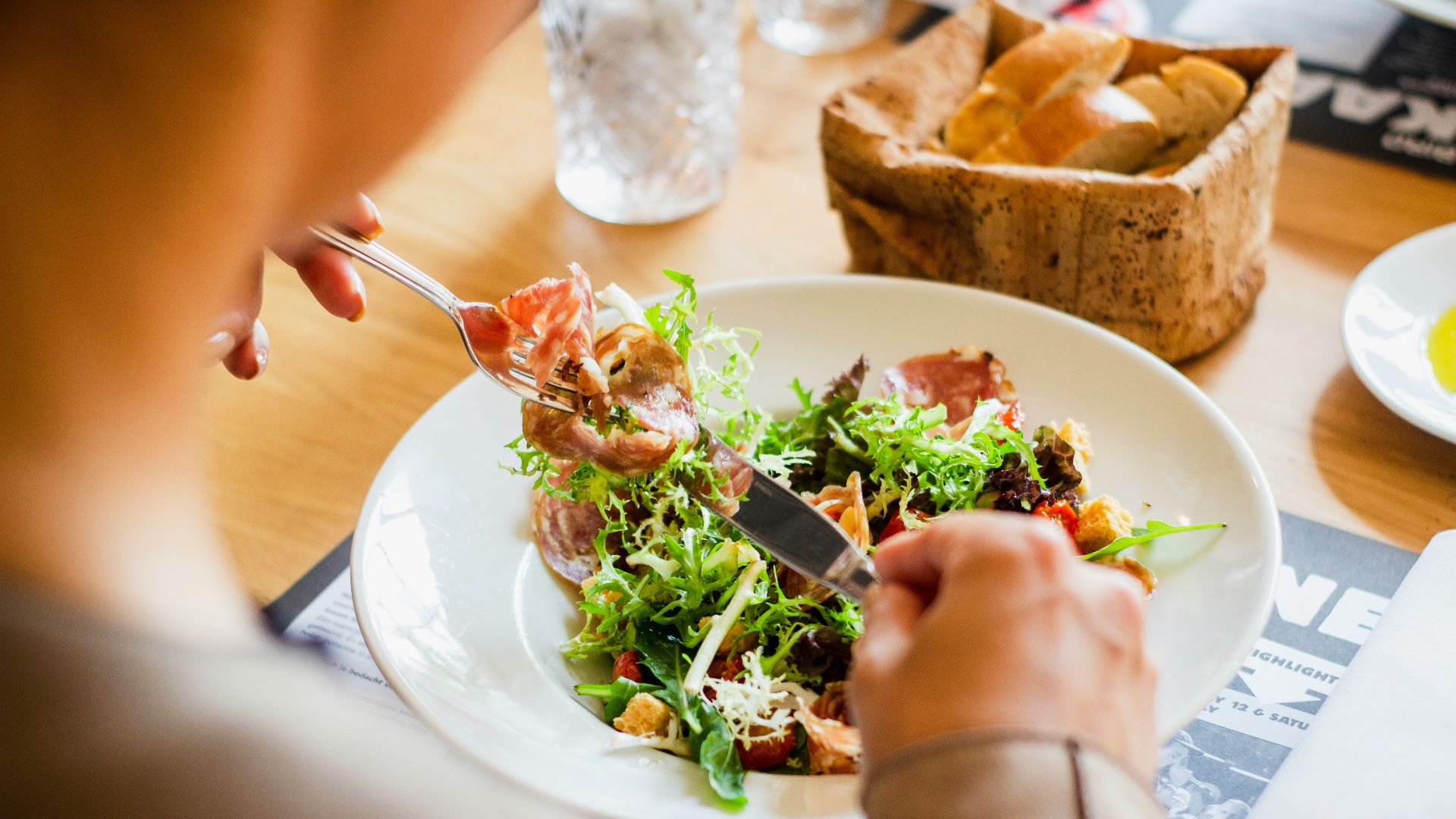
Mild dehydration can sometimes feel surprisingly similar to hunger. As people age, thirst sensations may become less noticeable, making this confusion more common. Drinking water regularly throughout the day may help prevent unnecessary snacking.

7. Snacking Directly From The Package
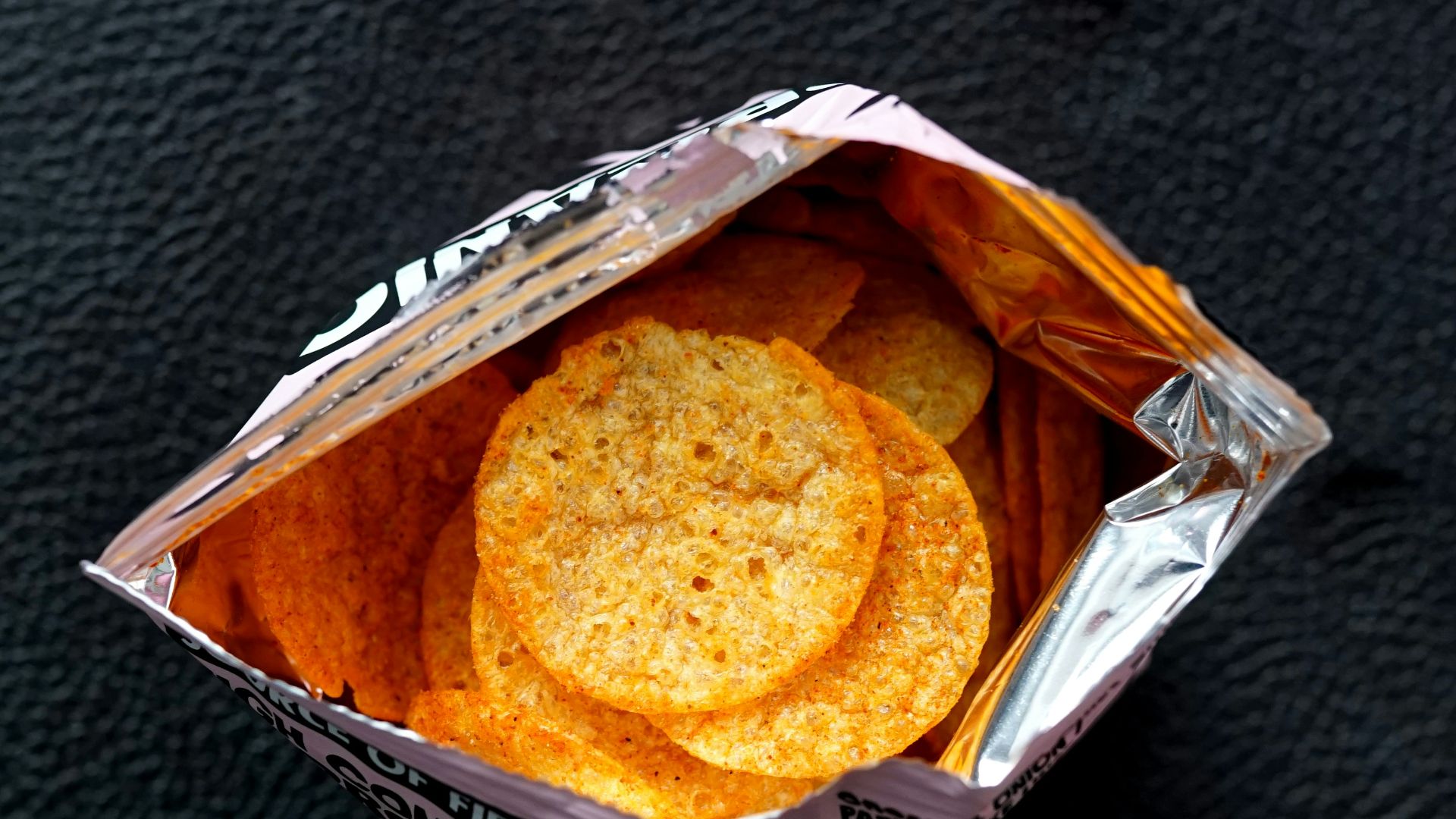
Large bags and containers make it difficult to judge how much you're actually eating. Before you know it, a serving or two can turn into several. Portioning snacks into a bowl or plate creates a natural stopping point.
 THE ORGANIC CRAVE Ⓡ on Unsplash
8. Using Food To Fight Boredom
Reaching for snacks because you're bored rather than hungry is a common habit. Food may provide temporary entertainment, but it doesn't address the underlying lack of activity. Finding another way to occupy your time often breaks this cycle.

9. Eating Late-Night Meals Frequently
Occasional evening snacks aren't necessarily harmful, but large meals close to bedtime can create problems for some people. They may contribute to indigestion, heartburn, or disrupted sleep. Keeping late-night eating to a minimum can support better nighttime comfort.
10. Ignoring Portion Sizes
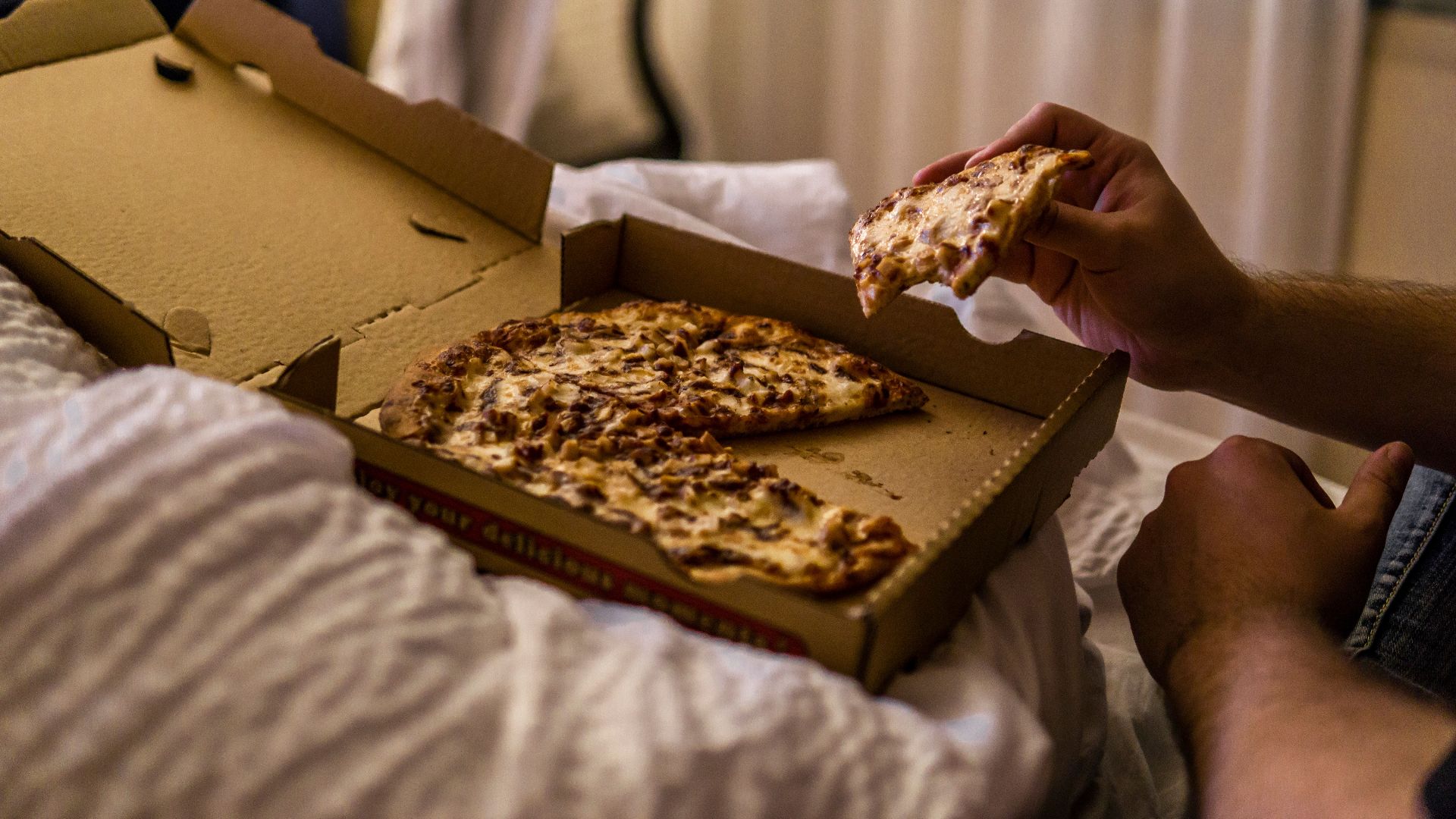
Restaurant servings and packaged foods are often much larger than recommended portions. Without realizing it, you may be consuming significantly more calories than intended. Taking a moment to check serving sizes can provide a useful perspective.
11. Automatically Accepting Free Food
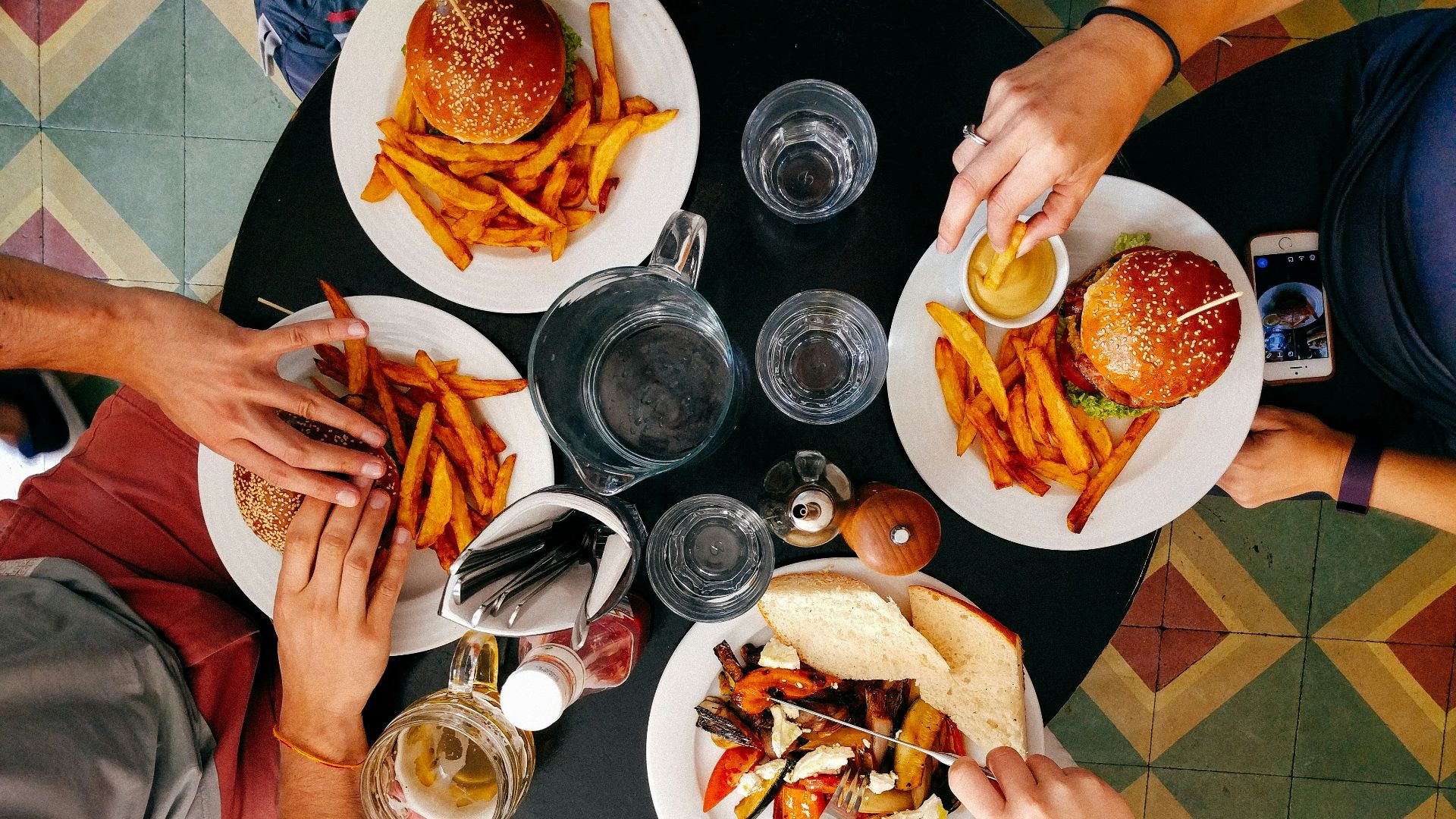
Office treats, social gatherings, and complimentary samples can encourage eating when hunger isn't present. Because the food feels available and convenient, it's easy to say yes without thinking. Pausing to assess your actual appetite can help you make a more intentional choice.

12. Eating Standing Up
Meals and snacks eaten while standing are often consumed quickly and with little awareness. That lack of attention can make it harder to feel satisfied afterward. Sitting down, even briefly, helps create a more mindful eating experience.

13. Rewarding Yourself With Food
Using food as a reward can strengthen emotional connections to eating that have little to do with hunger. Over time, this habit may encourage unnecessary calorie intake. Nonfood rewards can be just as enjoyable without affecting eating patterns.

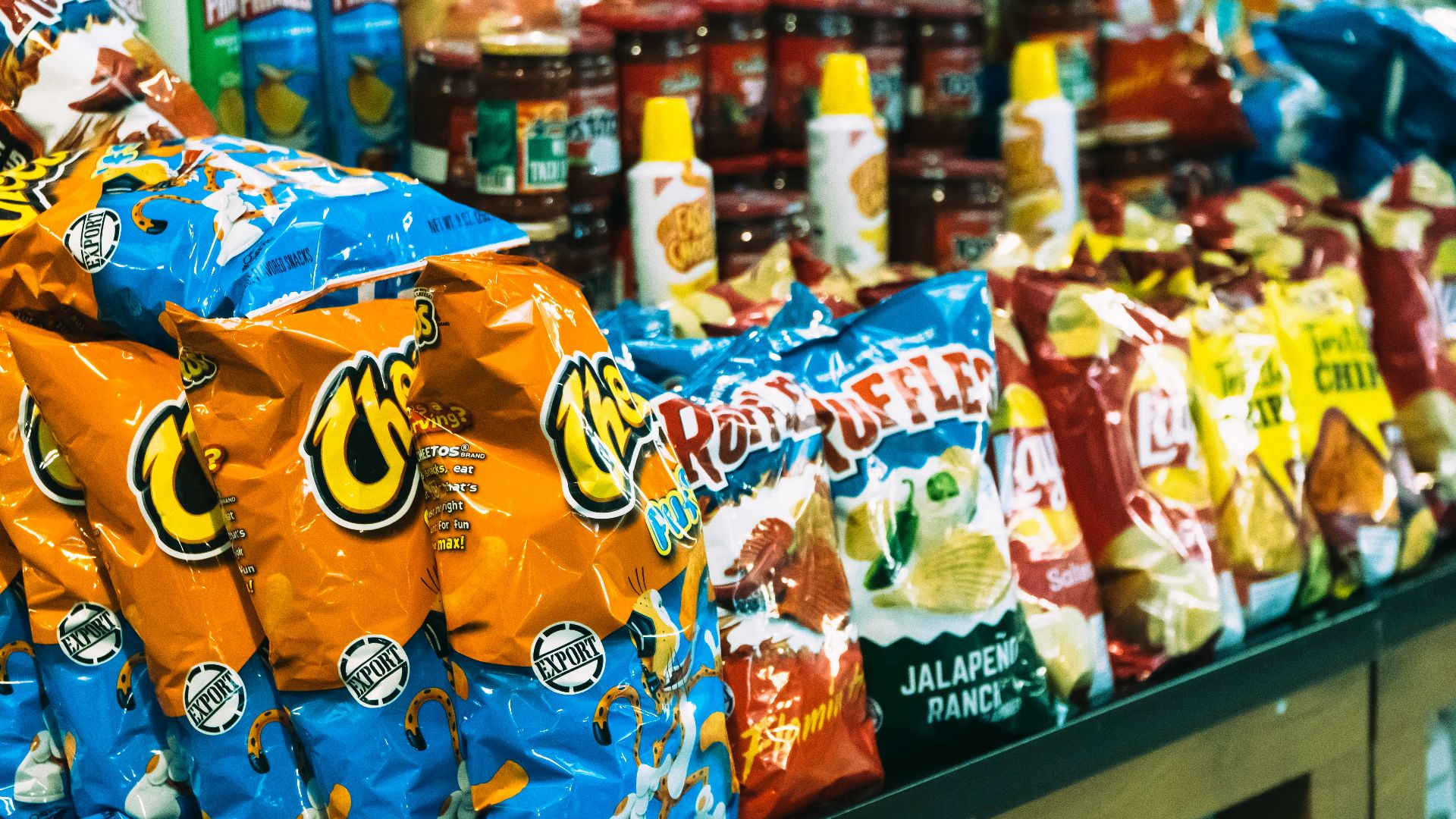
14. Keeping Tempting Snacks Within Reach
When highly processed snacks are constantly visible, they're harder to ignore. Studies have shown that convenience and visibility influence eating behavior. Storing less nutritious foods out of sight can reduce mindless consumption.
15. Eating Out Of Stress
Stress can increase cravings for foods high in sugar, fat, or salt. While comfort eating may provide short-term relief, it doesn't solve the source of the stress. Developing alternative coping strategies can support both emotional and physical health.

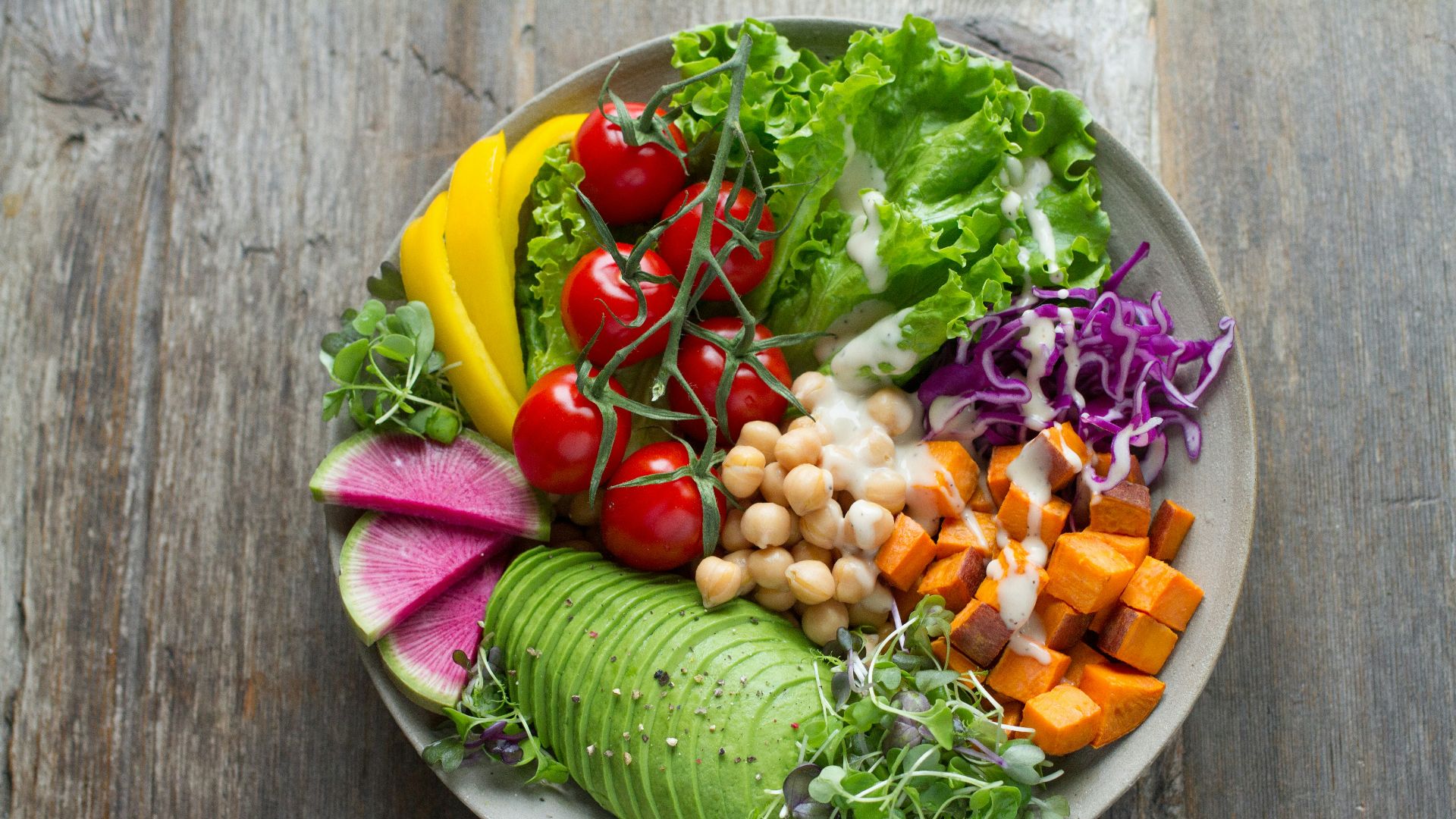
16. Skipping Vegetables At Meals
Vegetables provide fiber, vitamins, minerals, and volume that help make meals more satisfying. Consistently overlooking them often leaves meals less nutritious than they could be. Including vegetables more regularly can support healthy aging and digestive health.
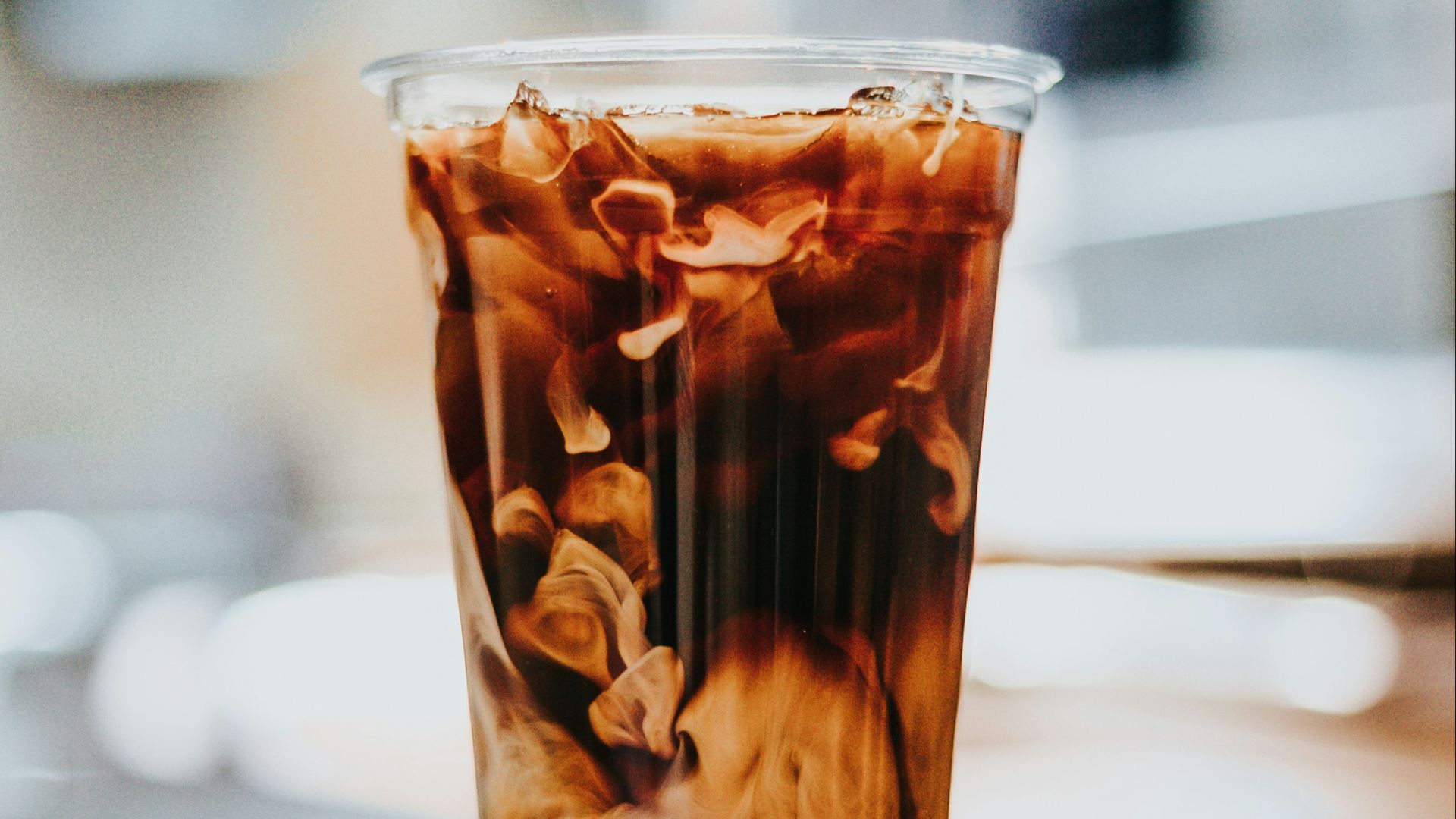
17. Drinking Calories Without Thinking About Them
Sweetened coffee drinks, sodas, and specialty beverages can contribute substantial calories. Because liquids are often less filling than solid foods, it's easy to underestimate their impact. Paying attention to beverages is an important part of mindful eating.
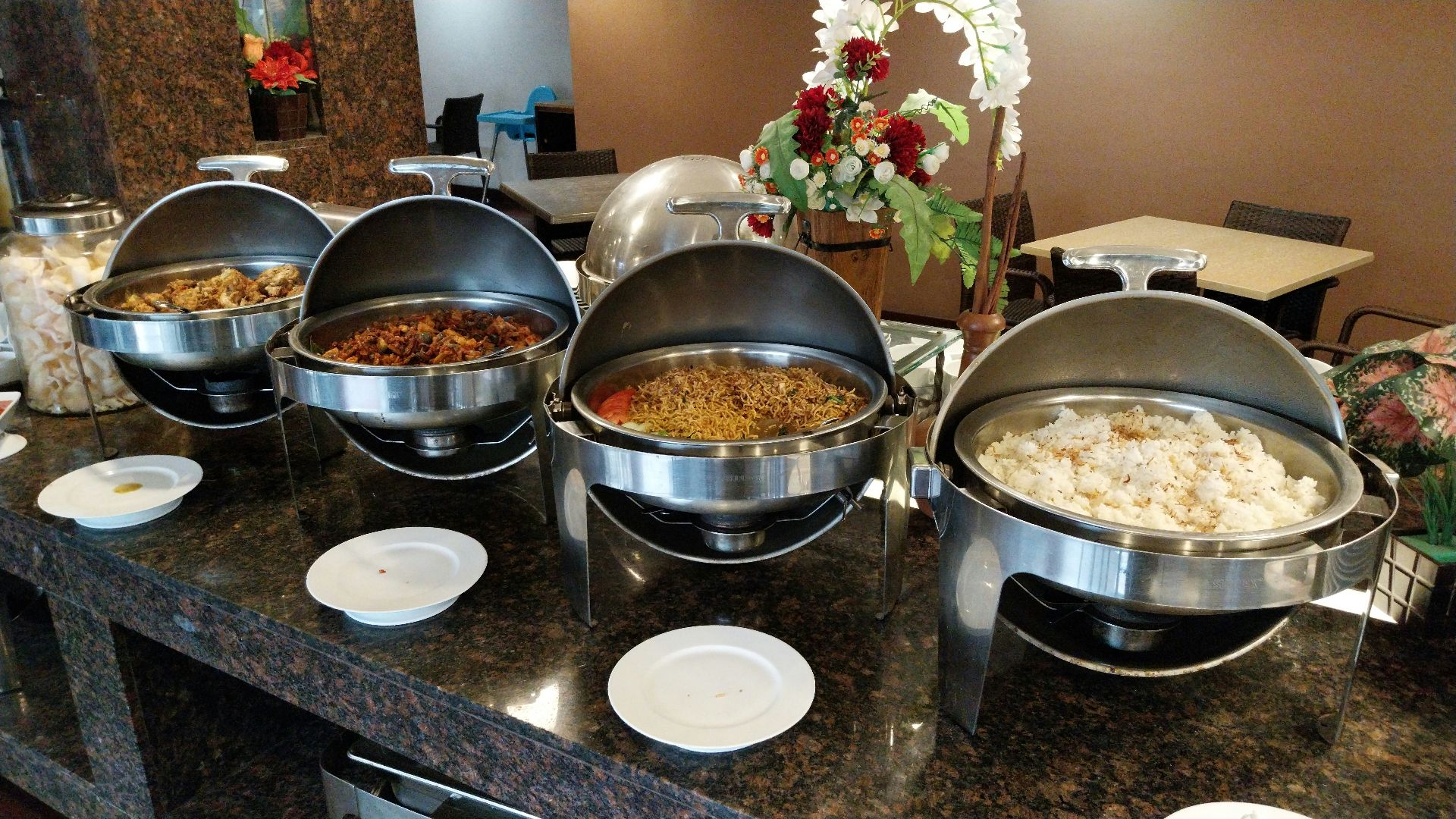
18. Eating Because Food Is Available
Buffets, parties, and family gatherings can encourage eating simply because food is present. Availability doesn't always mean your body needs additional nourishment. Checking in with your hunger level before reaching for more can help prevent overeating.
19. Multitasking Through Every Meal
Answering emails, scrolling through a phone, or working during meals divides your attention. When eating becomes secondary, it's easier to miss signs that you've had enough.

20. Assuming Old Habits Still Work
Eating patterns that seemed fine in your 30s or 40s may not support your current health goals. Metabolism, activity levels, and nutritional needs often change with age.