When Healthy Eating Starts Taking Too Much Away
Being mindful of what you eat is generally healthy, but a diet shouldn’t leave you exhausted, isolated, or afraid of an ordinary meal. Restriction can involve eating too little overall, removing numerous food groups, or following so many rules that food begins controlling your day. One sign alone doesn’t prove that your diet is unhealthy, but a growing collection of symptoms, like fatigue, dizziness, weakness, brittle hair and nails, deserves attention. Here are 20 signs your diet may be too restrictive.
1. You’re Hungry Almost All the Time
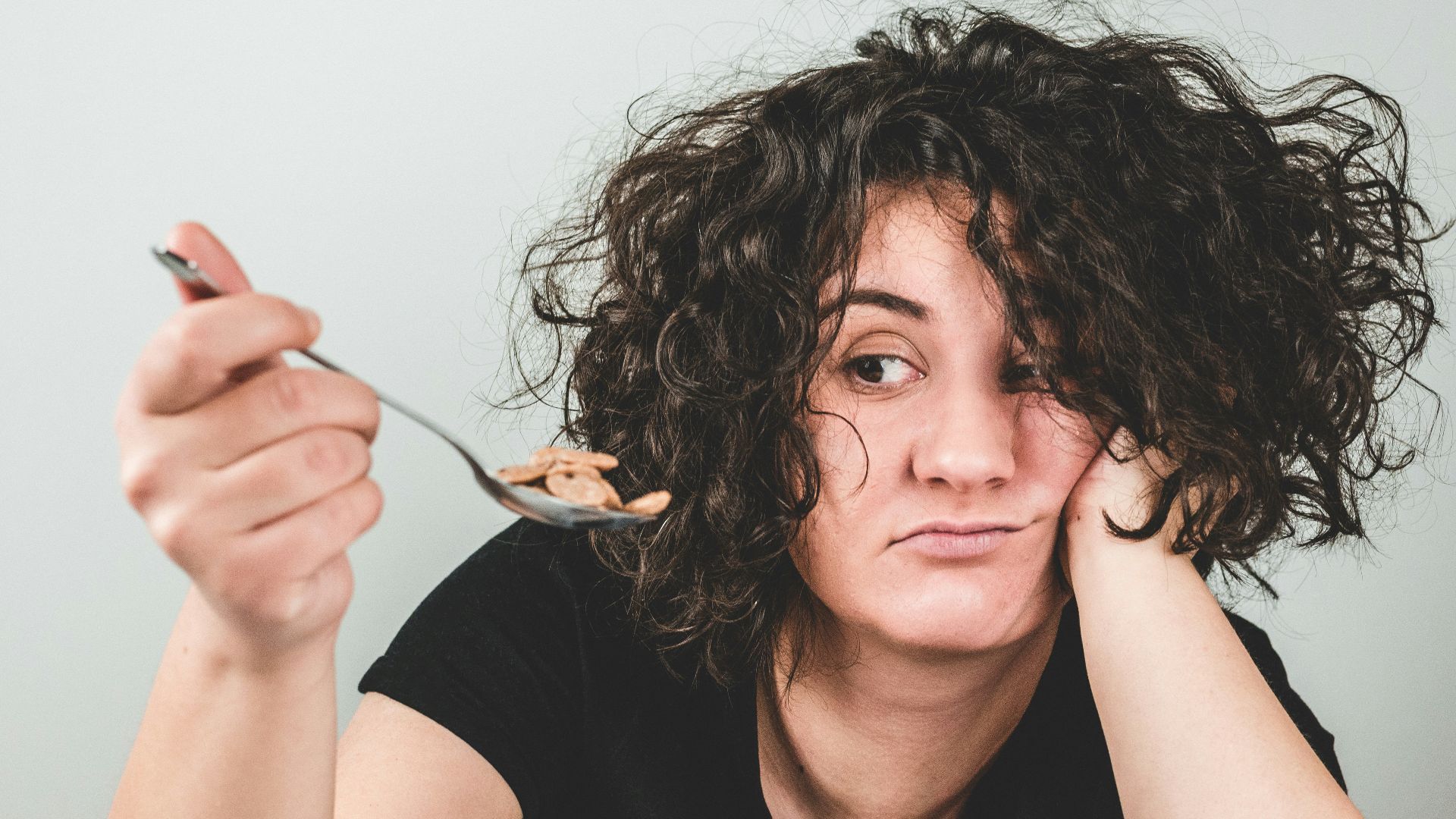
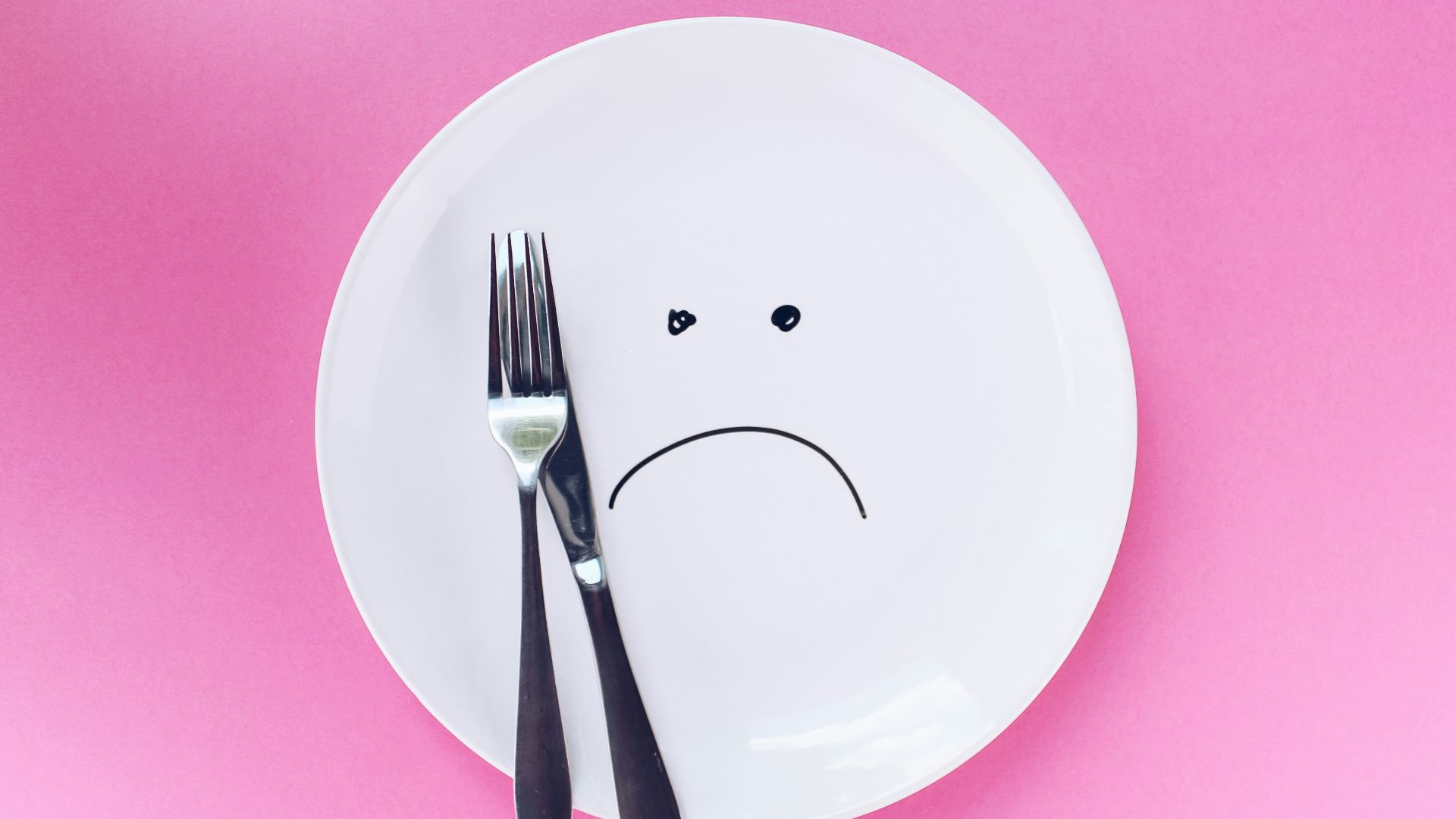
Occasional hunger before a meal is normal, but constant hunger may mean your portions simply aren’t meeting your body’s needs. You might finish eating only to begin thinking about your next snack within minutes. Rather than treating your appetite as a lack of discipline, consider whether your meals contain enough food, protein, fiber, carbohydrates, and fat.
2. Food Occupies Most of Your Thoughts
When you aren’t eating enough, your attention may become increasingly fixed on recipes, restaurants, calories, and upcoming meals. You could spend hours planning what you’re allowed to eat while struggling to focus on anything else.

3. Your Energy Has Disappeared
A very restrictive diet can leave you tired even after what seemed like a decent night’s sleep. Everyday activities such as walking, cleaning, or concentrating at work may suddenly require much more effort.

4. You Frequently Feel Dizzy
Lightheadedness may appear when you stand up, exercise, or go too long without eating. Although one brief episode doesn’t necessarily point to your diet, repeated dizziness isn’t something to accept as part of getting “healthier.”

5. You’re Cold When Everyone Else Is Comfortable
If you’re reaching for a sweater while everyone around you seems perfectly warm, your body may be struggling to conserve energy. Feeling cold all the time is a recognized warning sign associated with restrictive eating disorders, particularly when it accompanies weight loss, tiredness, or dizziness. A consistently low tolerance for normal temperatures deserves more attention than simply adding another blanket.

6. Your Workouts Are Getting Worse
Exercise may feel noticeably harder when your diet doesn’t provide enough fuel for movement and recovery. Perhaps your usual weights seem heavier, your pace has slowed, or soreness lasts much longer than it once did. Pushing harder while eating less can deepen the problem, especially if you continue training through weakness, fatigue, illness, or injury.

7. You’ve Lost Strength
You don’t have to be an athlete to notice that carrying groceries or climbing stairs suddenly feels difficult. When the body receives inadequate nutrition, muscle weakness and even muscle loss can occur. Unexplained weakness should be assessed rather than celebrated as evidence that a strict diet is working.

8. Your Concentration Has Become Unreliable
A restrictive eating plan may be taking up so much mental space that work, conversations, and routine decisions become harder. You might reread the same sentence several times or forget what you were doing halfway through a task.
 Henri Mathieu-Saint-Laurent on Pexels
9. Your Mood Changes Around Mealtimes
You may feel irritable, tense, or unusually emotional when a meal is delayed or doesn’t fit your plan. Sometimes the reaction comes from hunger, while in other cases it reflects growing anxiety about losing control over your food choices.
 Farhad Ibrahimzade on Unsplash
10. You Avoid Eating With Other People
Dinner invitations become difficult when every restaurant menu seems threatening, or every home-cooked meal contains something you’ve banned. You might decline plans, claim you already ate, or attend but avoid the food entirely.
11. Your List of Forbidden Foods Keeps Growing
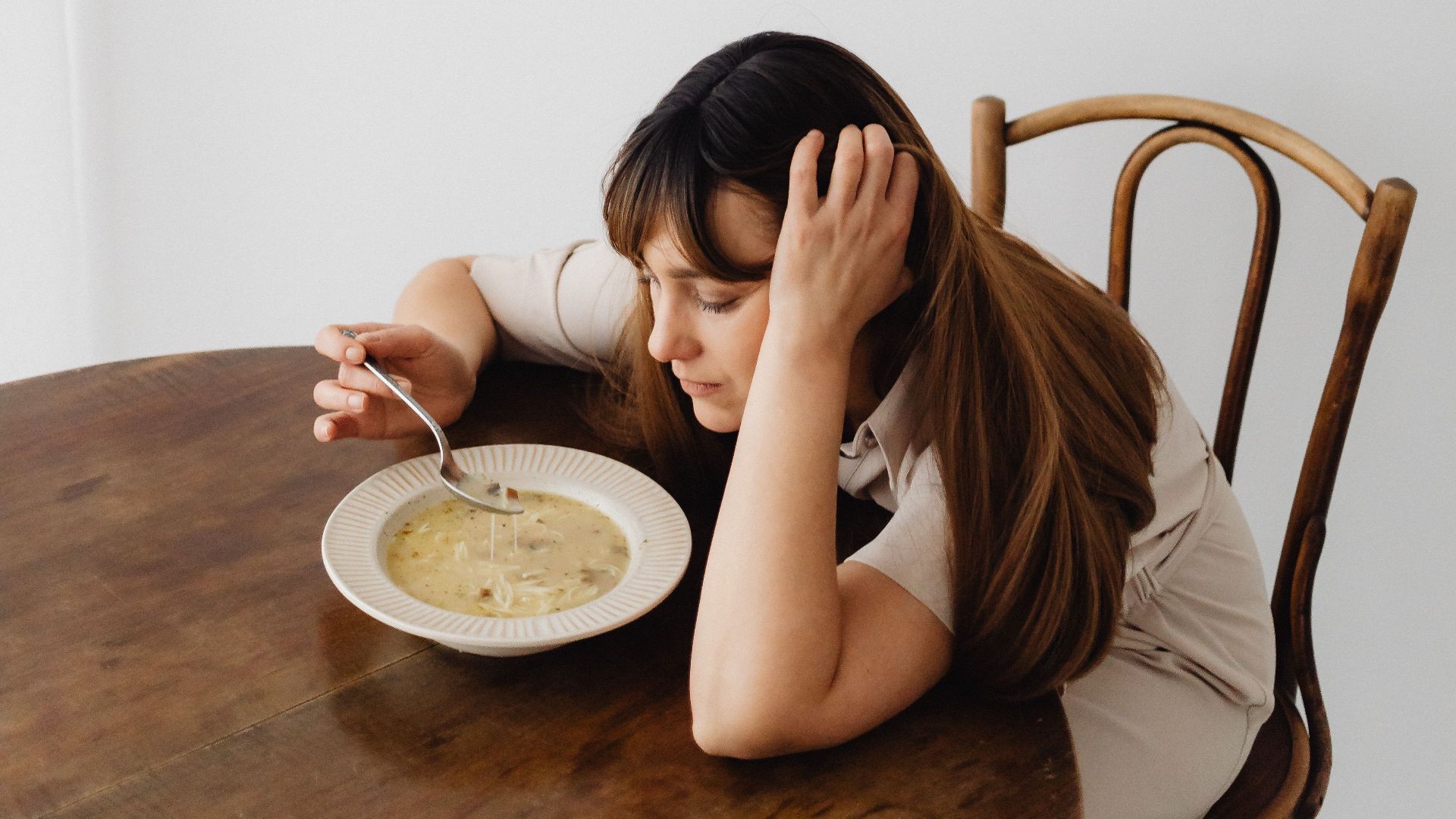
Perhaps you began by cutting back on one ingredient, but now entire categories have disappeared from your plate. Foods may be labeled clean, bad, inflammatory, fattening, or unsafe without a diagnosed medical reason. Eliminating whole food groups and following increasingly rigid rules can be a warning sign of disordered eating.

12. Eating Something Unplanned Makes You Feel Guilty
A spontaneous dessert or restaurant meal shouldn’t leave you feeling as though you’ve done something morally wrong. If one choice leads to shame, panic, or promises to compensate the next day, your diet may have become emotionally restrictive as well as physically limiting.

13. You Compensate for Meals
Skipping breakfast after dinner out, fasting after eating dessert, or exercising to “erase” a meal can signal an unhealthy cycle. These habits may seem like sensible corrections, yet they often make eating more chaotic and keep guilt firmly attached to food.

14. Your Digestion Has Slowed Down
A sudden reduction in food volume, fiber, or dietary variety can change your bathroom habits. You may experience constipation, bloating, or general discomfort after adopting a highly limited plan.
15. Your Hair & Nails Look Different
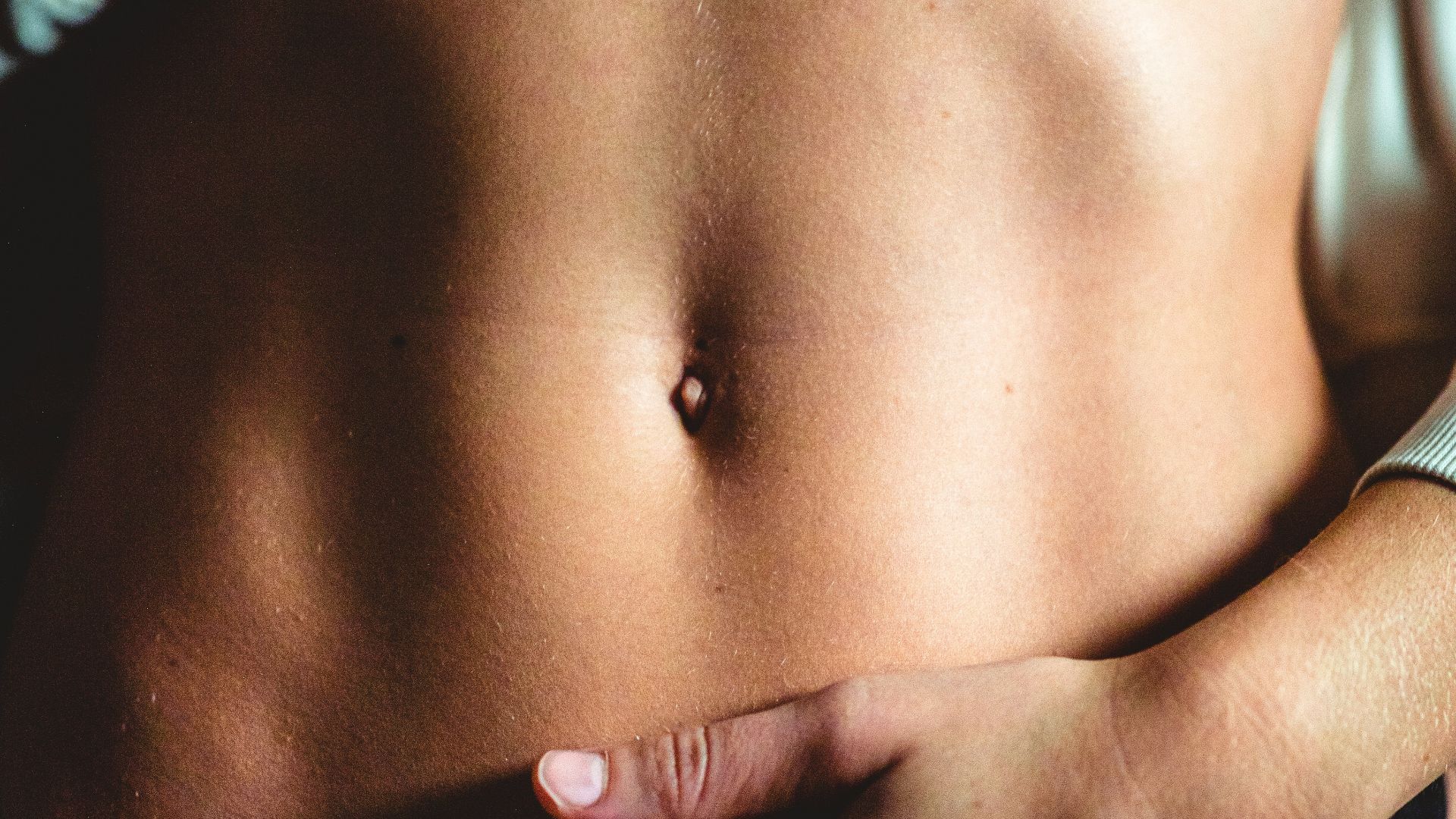
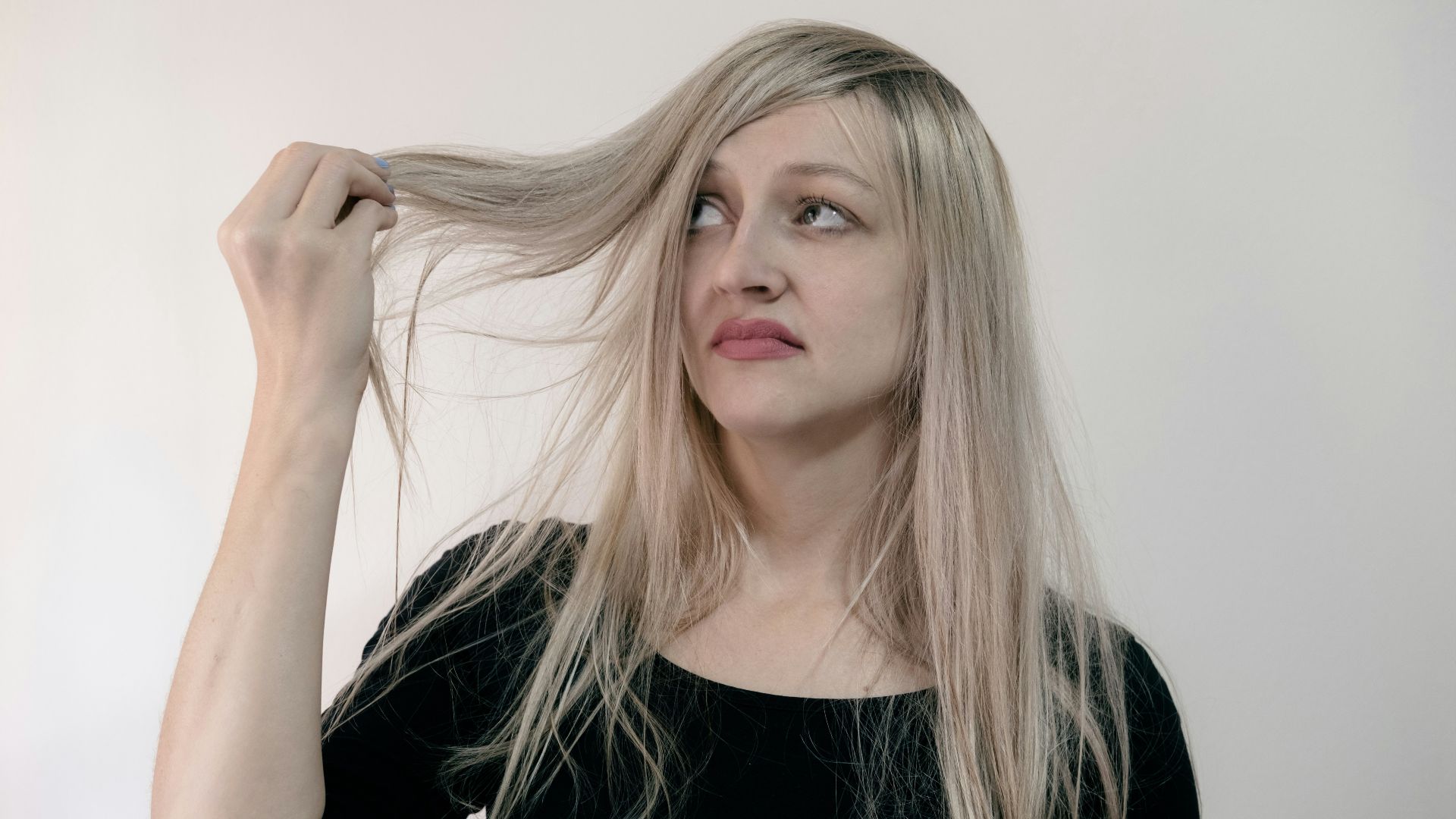
Hair that feels unusually dry or brittle nails that split easily may reflect inadequate nutrition, particularly when other symptoms are present. You could also notice increased shedding, dry skin, or slower healing. These changes aren’t exclusive to restrictive dieting, but they’re among the physical symptoms associated with malnutrition and eating disorders.
16. You’re Getting Sick More Often
If every cold seems to find you and recovery takes longer than usual, inadequate nutrition could be one contributing factor. The body needs sufficient energy and nutrients to support immune function and repair. Frequent infections and slow wound healing are possible signs of malnutrition, although a doctor should investigate other potential causes as well.

17. Your Weight Is Falling Without Meaning To
Weight changes can occur for many reasons, but unintended or rapid loss deserves medical attention. Your diet may be providing far less energy than you realize, particularly if you’ve gradually reduced both portion sizes and food variety. Unintentional weight loss is a recognized symptom of malnutrition and can also indicate other health problems.

18. You Can’t Be Flexible Anymore
A balanced routine should generally survive a schedule change, a vacation, or a meal prepared by someone else. Restriction becomes more concerning when eating thirty minutes late or encountering an unexpected ingredient causes intense distress. The less flexibility your plan allows, the more likely it is that the rules are running the day instead of supporting your health.
19. You Exercise Even When Your Body Needs Rest
You may continue working out through illness, exhaustion, bad weather, or an injury because missing a session feels unacceptable. That urgency can become especially concerning when exercise is tied to how much you ate or whether you think you earned your meals.

20. Your Diet Is Making Life Smaller
The biggest clue may be that food rules now influence where you go, who you see, and how you feel about yourself. Healthy eating shouldn’t require you to give up celebrations, spontaneity, relationships, or peace of mind.

KEEP ON READING


10 Pre-Workout & 10 Post-Workout Tips To Follow