Knees Weak, Arms Are Heavy
Long before the big moment actually arrives, your body has already started reacting to it. That job interview isn't for another hour, but your palms are damp. Dinner is still fifteen minutes from the table, but your stomach is churning like it's already digesting. The phone hasn't rung yet, but your heart is pounding as if it just did. This is anticipation, and it turns out your body takes it far more seriously than your conscious mind does. Some of these reactions are impossible to miss, like sweaty hands or a racing pulse. Others hum along quietly in the background, doing their work without ever announcing themselves. Here are 20 of the strangest, most surprising ways your body gets a head start on whatever's coming.

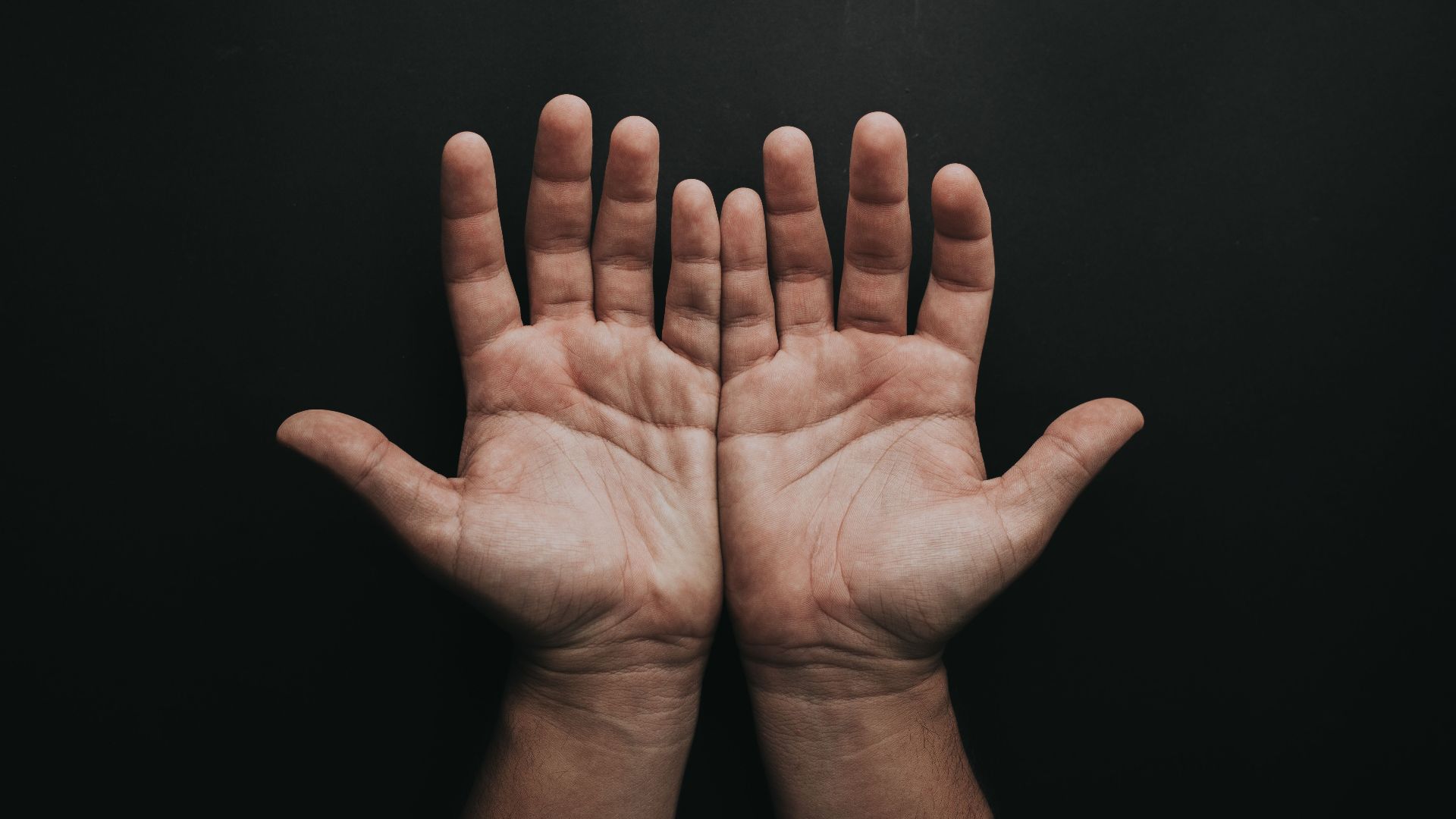
1. Your Palms Get Sweaty
Sitting at your desk, waiting on a call, standing outside a meeting room door: any of these can be enough to flip the switch on your hands' sweat glands. Your body doesn't wait for physical exertion to start sweating; it just needs to sense that something important is on the horizon. Damp, sticky palms are one of the most obvious tells that your nervous system has already clocked the stakes.
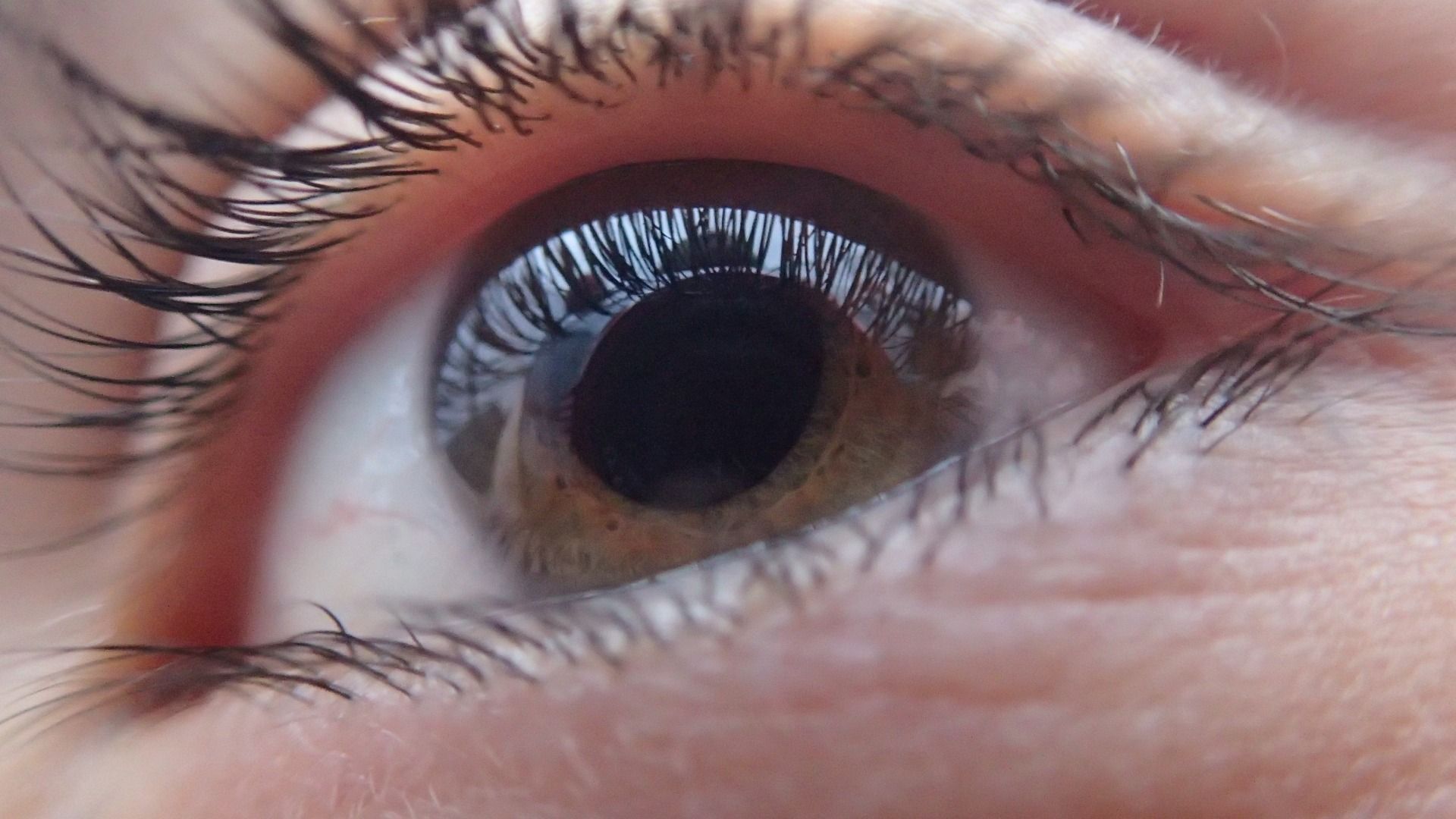
2. Your Pupils Widen
Lighting isn't the only thing that changes your pupil size. Anticipating something you want, gearing up for a tough task, or facing an uncertain outcome can all cause your pupils to dilate. It's a subtle sign that your body has quietly shifted into a more alert state.
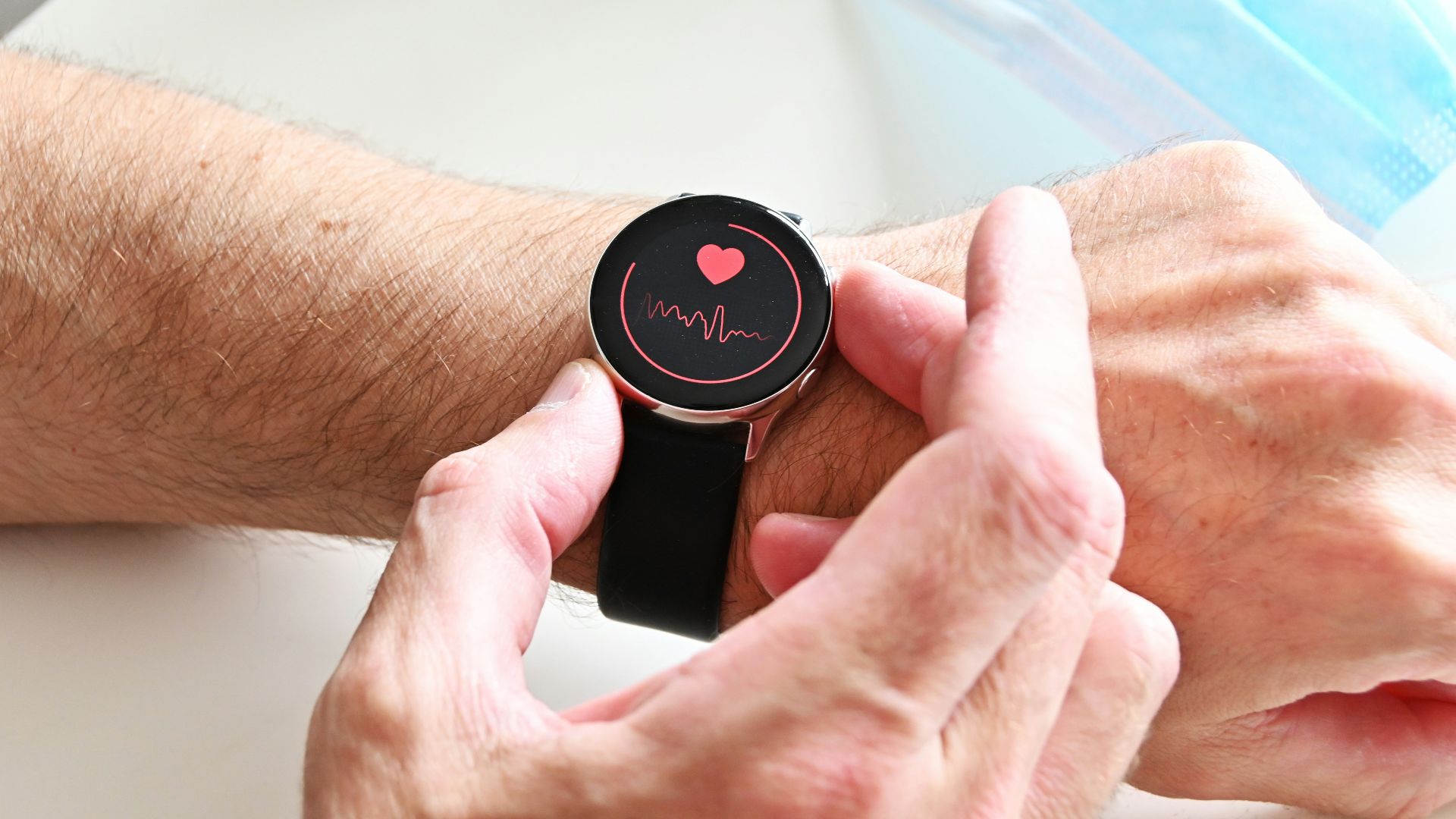
3. Your Heart Quickens
Even just anticipating a challenge can change your heart rate and blood pressure, even while you're sitting motionless on the couch. That's the reason a looming presentation or a difficult appointment can leave you feeling physically wound up hours before it starts.
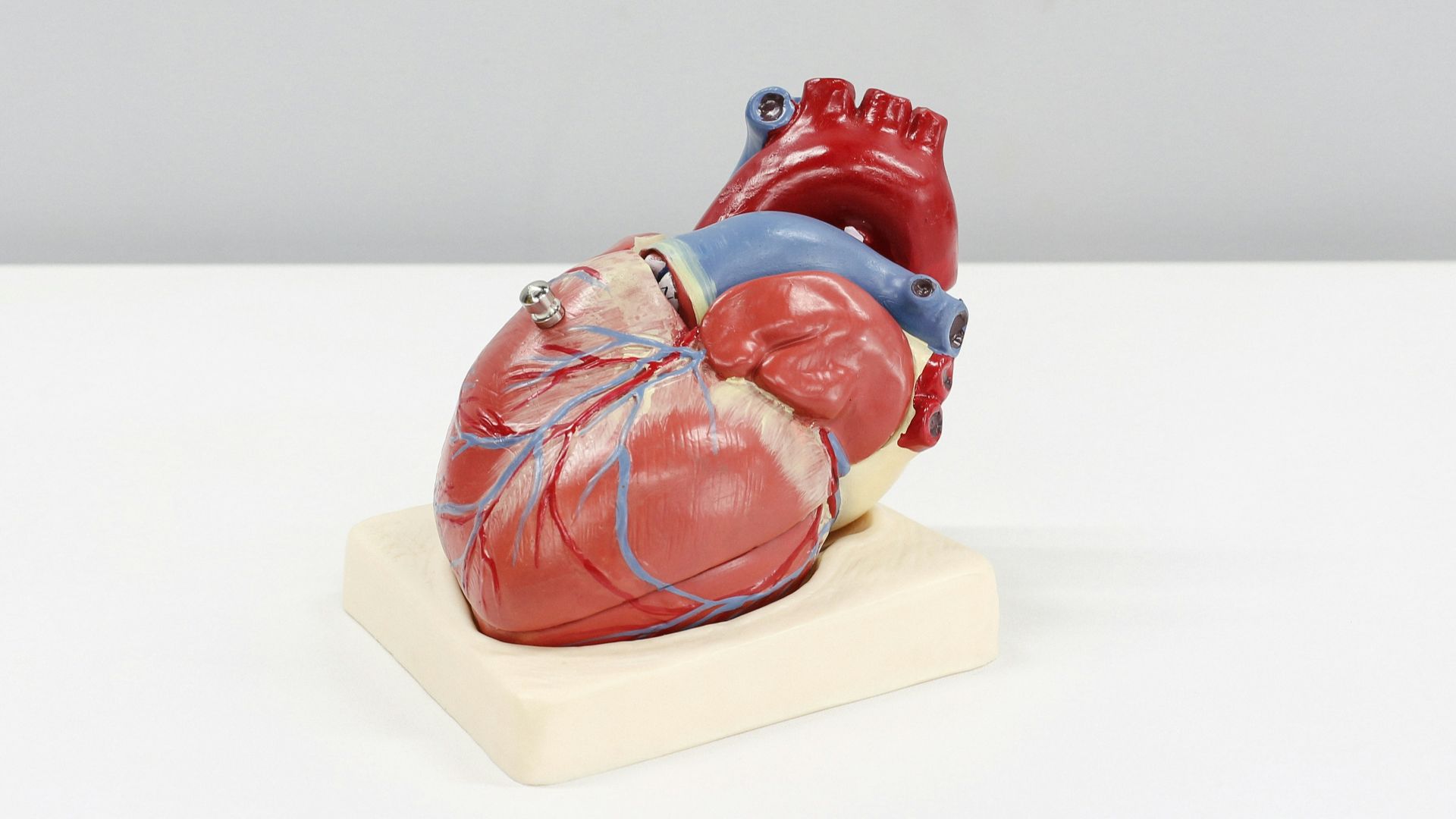
4. Your Heart Slows
Strangely, a racing heart isn't the only possible response. When you feel threatened, your body can slip into a freeze-like state, and your heart rate dips for a moment.
5. Your Breathing Gets Fast and Shallow
Once anticipation tips over into anxiety, your breathing can speed up and grow shallower. You might feel like you can't catch a full breath even while lounging on the couch or sitting in your car. That breathless, tight feeling can make the waiting period feel worse than the actual event.
 Solving Healthcare on Unsplash
6. Small Sounds Make You Jump
A notification ping, a door clicking shut, someone calling your name across the room: these barely-there noises can suddenly feel amplified when you're already on edge. Waiting for something upsetting tends to make you jumpier at sounds that would normally slide right past you.

7. Your Eyes Lock in Place
When you're bracing for something that feels threatening, you tend to stop scanning the room. Your gaze can lock onto a single point while the rest of your body stays alert. This often shows up alongside other freeze responses.

8. Your Muscles Activate
Long before you lift a suitcase, stand up from a chair, or step over an obstacle, your muscles activate to help keep you balanced. This happens automatically, without any conscious instruction from you.
 Niklas Ohlrogge (niamoh.de) on Unsplash
9. Your Brain Starts a Countdown
Your brain can begin gearing up before an expected movement or signal even arrives. This early neural activity sharpens your attention and readies your body to respond before you've consciously decided to do anything at all. You just feel primed to answer, step forward, or react, unaware that your brain already flipped the switch.
10. Your Mouth Waters
Just seeing, smelling, or even thinking about a meal you love can get your salivary glands going. Your body does this to prepare for eating, and it can start well before food ever touches your tongue.
11. Your Stomach
The anticipation of food doesn't stop at your mouth. Just the thought, sight, smell, or taste of a meal can rev up your stomach before you've taken a single bite. Digestive juices can start flowing long before dinner is ready.

12. Your Pancreas
The sights, smells, tastes, and even the act of chewing food can sometimes trigger a small, early burst of insulin, before any nutrients have actually been absorbed. Researchers call this the cephalic phase of insulin release. It's essentially your body front-loading its response to food that's on its way in.
13. Hunger
Ghrelin, often nicknamed the hunger hormone, typically climbs before meals and falls after you eat. If you tend to eat around the same times every day, your body learns that pattern and starts making you hungry right before mealtime.

14. Waiting for Something Good Feels Genuinely Good
Looking forward to something pleasant can light up the parts of your brain tied to motivation and reward. A trip, a concert, a package finally on its way: any of these can give you a jolt of energy before the actual event happens.

15. Expecting Relief Can Reduce Pain
Positive expectations shape how your brain processes pain. If you expect a treatment to work, you may experience genuine pain relief through your body's own internal pain-control systems. That relief isn't imaginary, and neither is the pain that came before it. Expectation is simply part of how the system operates.

16. Negative Expectations Can Amplify Symptoms
The same principle works in reverse. Bracing yourself for pain, itching, or side effects can make those sensations feel more intense once they actually arrive. Expectations obviously don't account for every symptom you experience, but they do shape how your nervous system interprets and reacts to what's happening.

17. Nausea
Anticipatory nausea often develops after someone has felt sick during an earlier round of medical treatment. Familiar sounds, sights, or smells connected to that experience can bring on nausea before the next treatment even starts, simply because the body has linked those cues to what happened before.
18. Cortisol
Cortisol, one of your body's main stress hormones, tends to rise before situations where you expect to be judged or evaluated: exams, presentations, public performances, you name it. Even if the actual event only lasts a few minutes, your body can start reacting to it well in advance.

19. Your Saliva
Even brief stress can alter levels of secretory immunoglobulin A, a germ-fighting antibody found in saliva. This shift varies from person to person and depends heavily on the type and timing of the stress involved, so it's not a reliable health scorecard on its own. Still, it's one more sign that anticipation reaches further than your hands, heart, lungs, and stomach.

20. Needing the Bathroom
For people who deal with urinary urgency, familiar situations and cues can trigger a sudden, strong need to pee. The sound of running water and the act of reaching your own front door are classic triggers, a phenomenon sometimes called the latchkey effect. The urge can hit before you've even made it down the hallway to the bathroom.

KEEP ON READING
20 Weird Ways Your Body Responds to Anticipation