
Support Changes the Position
We like to think of sleep as a time to recharge and rest our bones, but depending on how you hit the hay, that’s not always the case. Awkward angles and hours spent with deeply bent joints can aggravate existing stiffness—but there are ways to readjust! We’re here to break down some of the worst positions to avoid, and which ones you can replace them with.

1. Flat on Your Stomach With Your Head Turned
More often than not, sleeping flat on your stomach forces your head to remain turned to one side for hours. That’s not as comfy as it sounds, and that rotation can actually irritate the joints of the neck while the lower back settles into an exaggerated curve. Anyone who regularly wakes with neck or back stiffness should question this position.
 Vladislav Muslakov on Unsplash
2. Stomach Sleeping With One Knee Pulled Up
Some stomach sleepers bend one knee toward the waist while leaving the other leg straight…and that half-stomach position doesn’t do you any favors. It actually rotates the pelvis and leaves the hips facing a different direction from the upper body. It may feel relaxed at first, but holding that twist all night makes the lower back and hips feel awful by morning.

3. Lying Directly on a Painful Shoulder
Putting your full upper-body weight onto an already sore shoulder? That only adds pressure where you don’t need it. People with arthritis or rotator cuff problems are especially susceptible to noticing sharper pain when they sleep on the affected side.
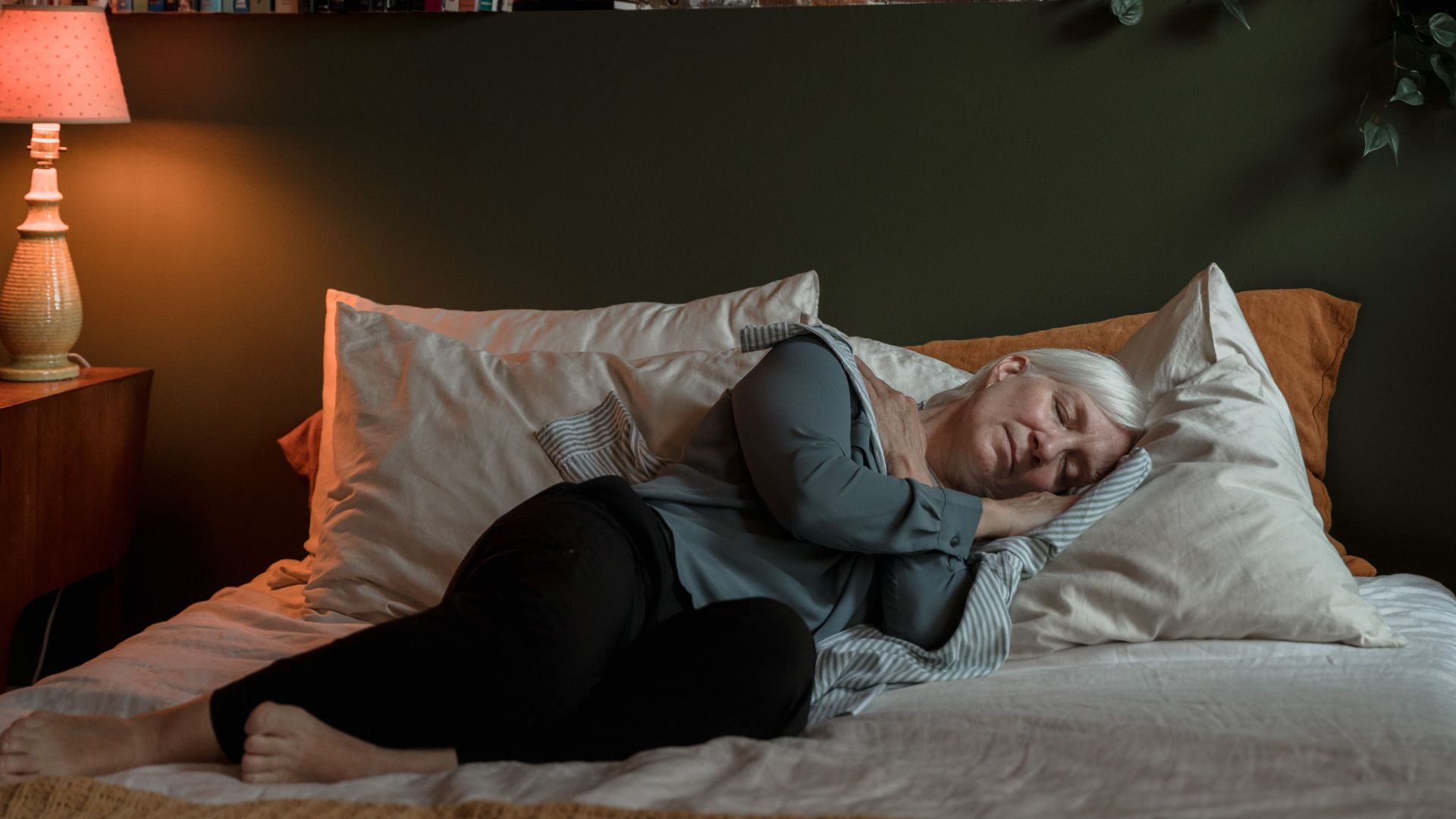
4. Side Sleeping With The Top Knee Falling Forward
When the upper knee drops across the lower leg and rests on the mattress, it pulls the pelvis forward. It might not sound terrible at first, but what that means is that your shoulders remain stacked while the hips rotate, leaving the torso twisted for much of the night. It’s an unsupported position that contributes to morning discomfort.

5. A Tight Fetal Position
A gentle bend can be comfortable, but pulling both knees tightly against the chest is something else entirely. Deeply flexed hips and knees stay in a fixed position for hours, which leaves already-stiff joints reluctant to straighten.

6. Side Sleeping With Your Chin Tucked Down
Pillows are just as important for a good night’s sleep as your position is! One that’s too high can push your chin toward your chest while you sleep on your side. What does that mean for you? Instead of keeping the neck level with the spine, you’re holding the cervical joints in sustained flexion.
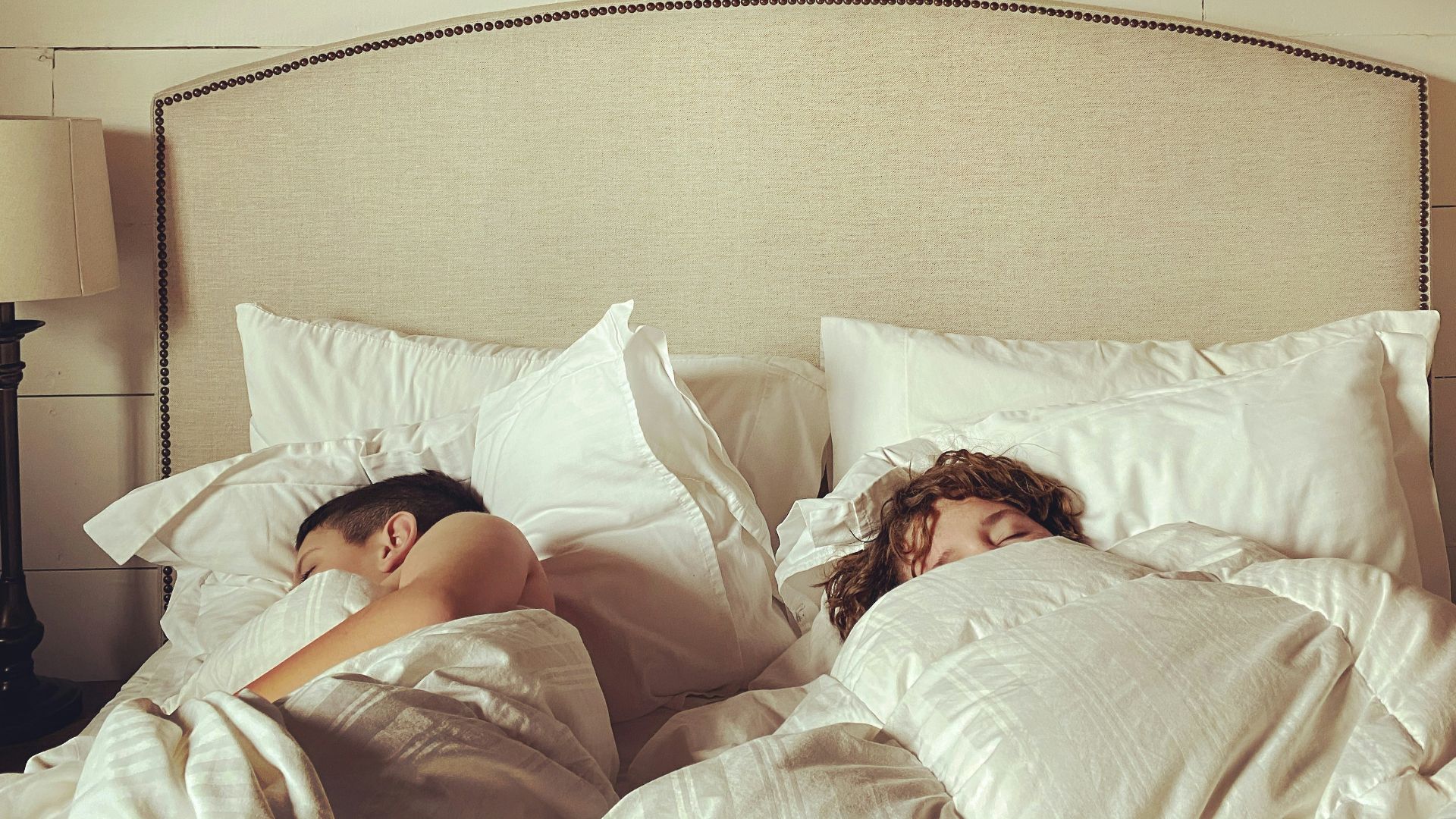
7. Back Sleeping With Both Legs Flat
Lying on your back with straight, unsupported legs is a prime suspect for lower back pain, especially since it causes an uncomfortable arch. The effect is only more noticeable if your hamstrings or hip flexors are tight from sitting at a desk job all day. Even committed back sleepers benefit from giving their knees a little elevation.

8. Back Sleeping With One Arm Overhead
There’s no telling where our arms will go at night, and for many back sleepers, they rest one arm above their heads while the other remains at their side. Unfortunately, that creates an uneven position through the shoulders and upper spine. Worse still, the raised shoulder can stay rotated for several hours without you noticing.

9. An Arm Under Your Pillow
Tucking an arm beneath is pretty common among side sleepers, but you might want to reconsider! Doing that can leave the shoulder raised, rotated, and compressed while the elbow and wrist remain bent. It’s also especially troublesome for the rotator cuff.

10. Sleeping on the Same Side Every Night
We all have a favorite side, but you should think of yourself more as a rotisserie chicken at night—there’s no harm in turning! Consistently loading the same shoulder and hip encourages uneven pressure, particularly when one of those joints is already sensitive. Alternating sides every so often can prevent one area from handling every night shift by itself.
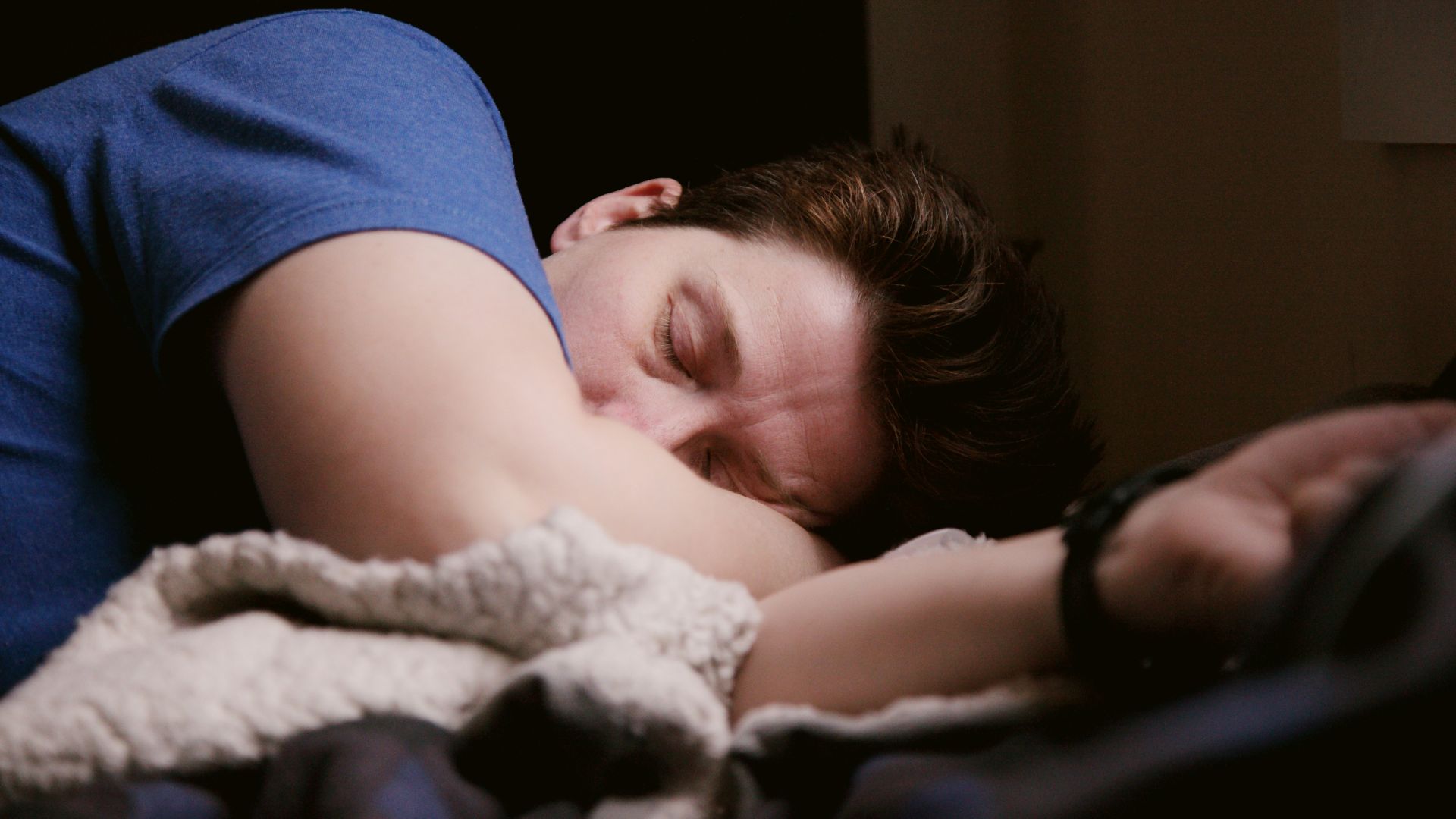
We know it looks like every position is bad for you, but that’s not true! All you need is a little support without forcing yourself into an unfamiliar pose. Let’s explore 10 ways you can get the best rest moving forward.
1. Back Sleeping With a Pillow Under Your Knees
If you love sleeping on your back, that’s okay. Simply place a firm pillow beneath your knees to allow them to remain slightly bent. It’s a small lift, yes, but it can relax the lower-back muscles and help preserve the spine’s natural curve.

2. Side Sleeping With Support
If you sleep on your side, there’s no way around it: you need a pillow that separates both the knees and ankles. With the legs properly supported, your hips and spine are more likely to remain aligned instead of rotating in opposite directions. A long pillow works particularly well since it prevents the ankles from collapsing together.

3. Keeping the Painful Shoulder on Top
If you’re dealing with a little shoulder pain, try to lie on the opposite side and keep the painful one facing upward. You can also rest the upper forearm on a pillow so the shoulder isn’t hanging forward. That small tweak reduces direct pressure while allowing the arm to remain in a more neutral position.

4. Back Sleeping With the Forearms Supported
Don’t assume you’re safe—back sleeping can still bother a sore shoulder if the arm drops backward! That means a folded blanket or low pillow beneath the forearm gives the shoulder just enough lift to stay aligned with the body. The support doesn’t need to be a big production, either; the goal is just to prevent the joint from hanging without assistance.

5. Side Sleeping With a Properly Sized Pillow
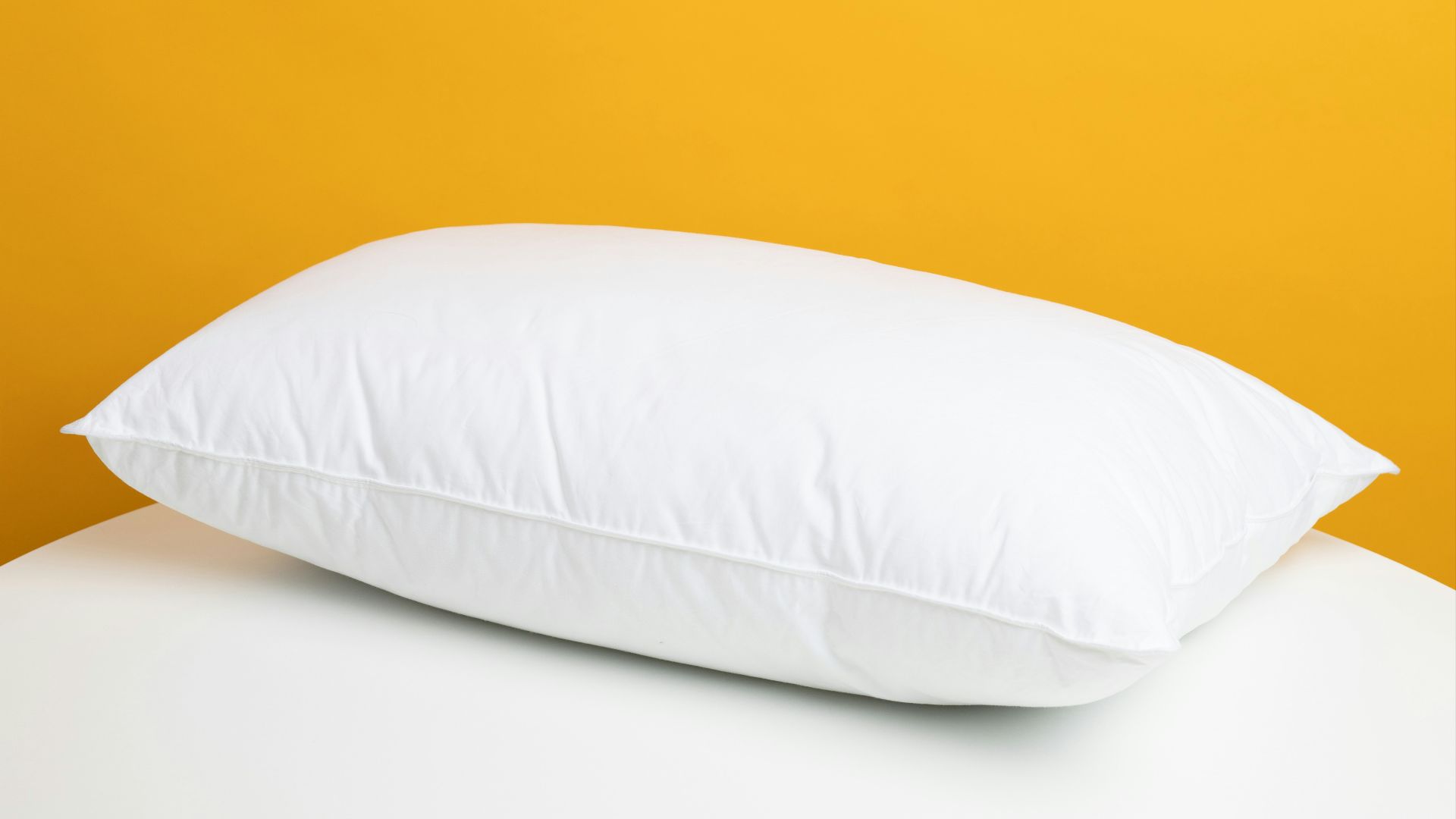
A side sleeper’s pillow should fill the space between the ear and mattress without tilting the head up or down. It’s harder than it sounds, but once you find the right pillow with the correct height, your neck will stay in line with the upper back rather than bending toward your shoulders.
6. A Long Side Position
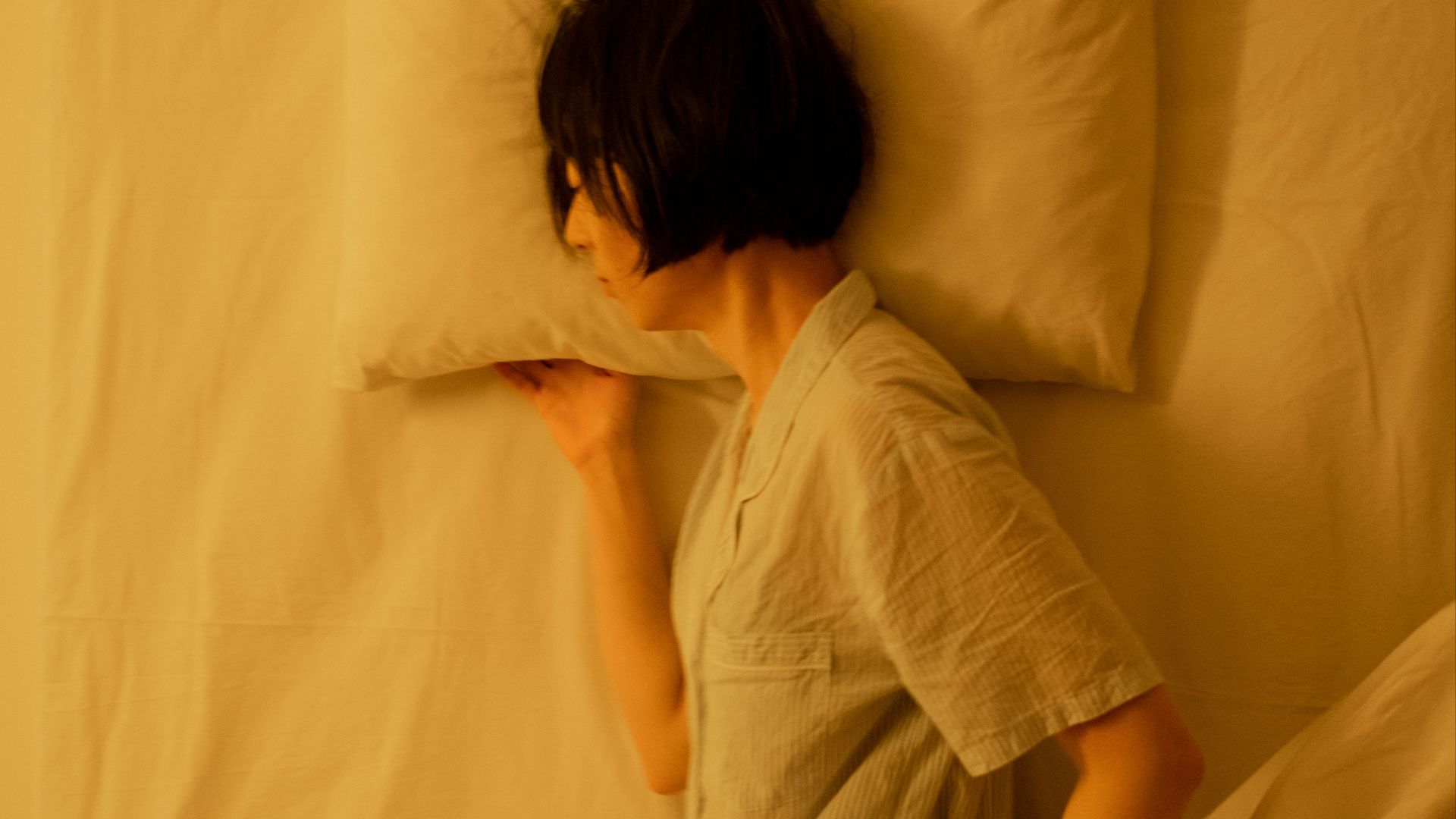
Even fetal position sleepers can make small adjustments to improve their alignment! Instead of curling tightly, stretch your torso out and bend your knees just enough to feel relaxed. This new position avoids holding the hips and knees in deep flexion, but it also offers the comfort many side sleepers can’t live without.
7. Side Sleeping Around a Body Pillow
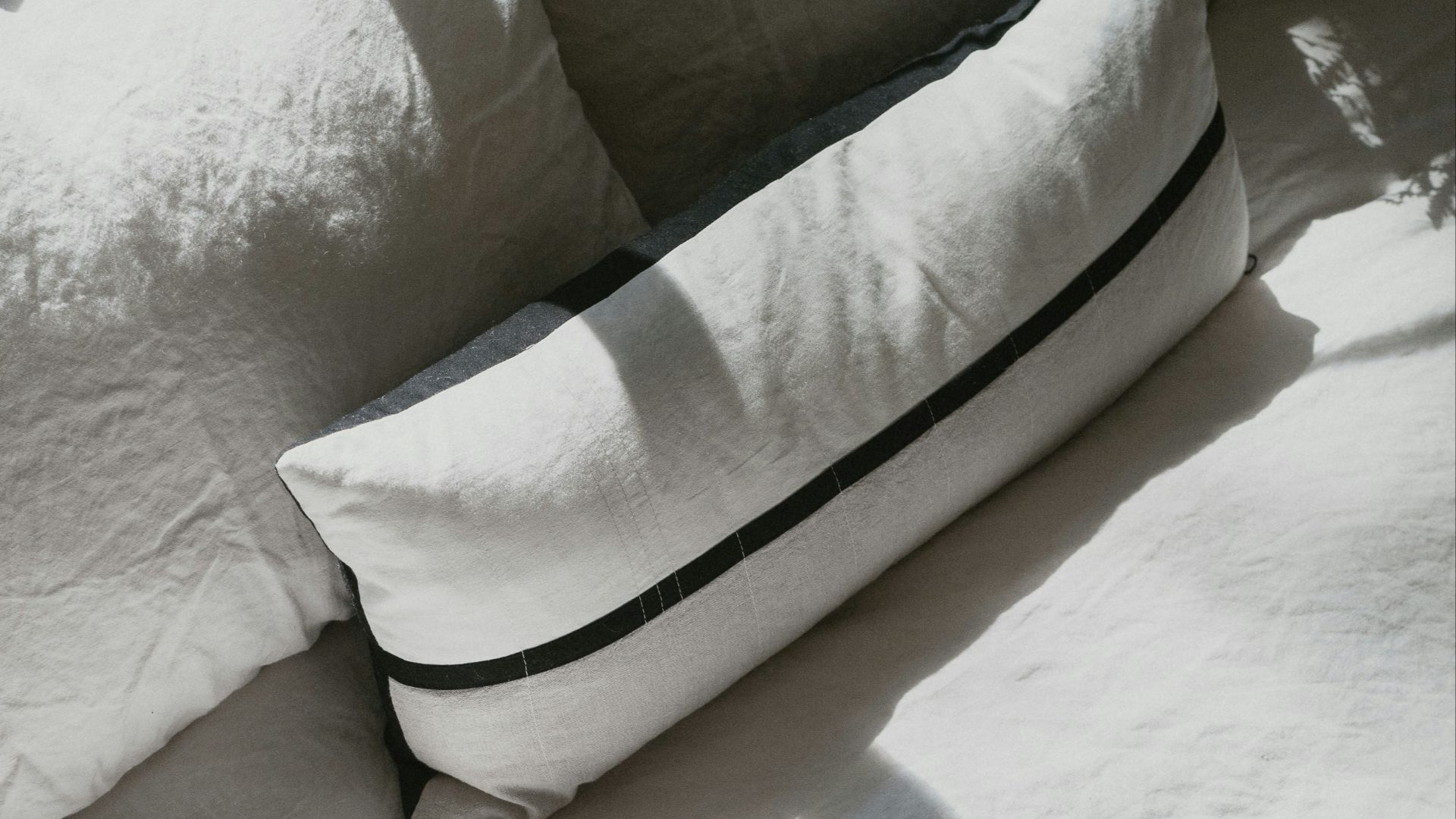
There’s no shame in opting for a full-length pillow—and if you’re a side sleeper, you’ll need one anyway! They support the upper arm, knee, and lower leg at the same time. Hugging it also prevents the top shoulder from falling forward, while placing a leg over it helps keep the hips from rotating.
8. A Three-Quarter Side Position With Support
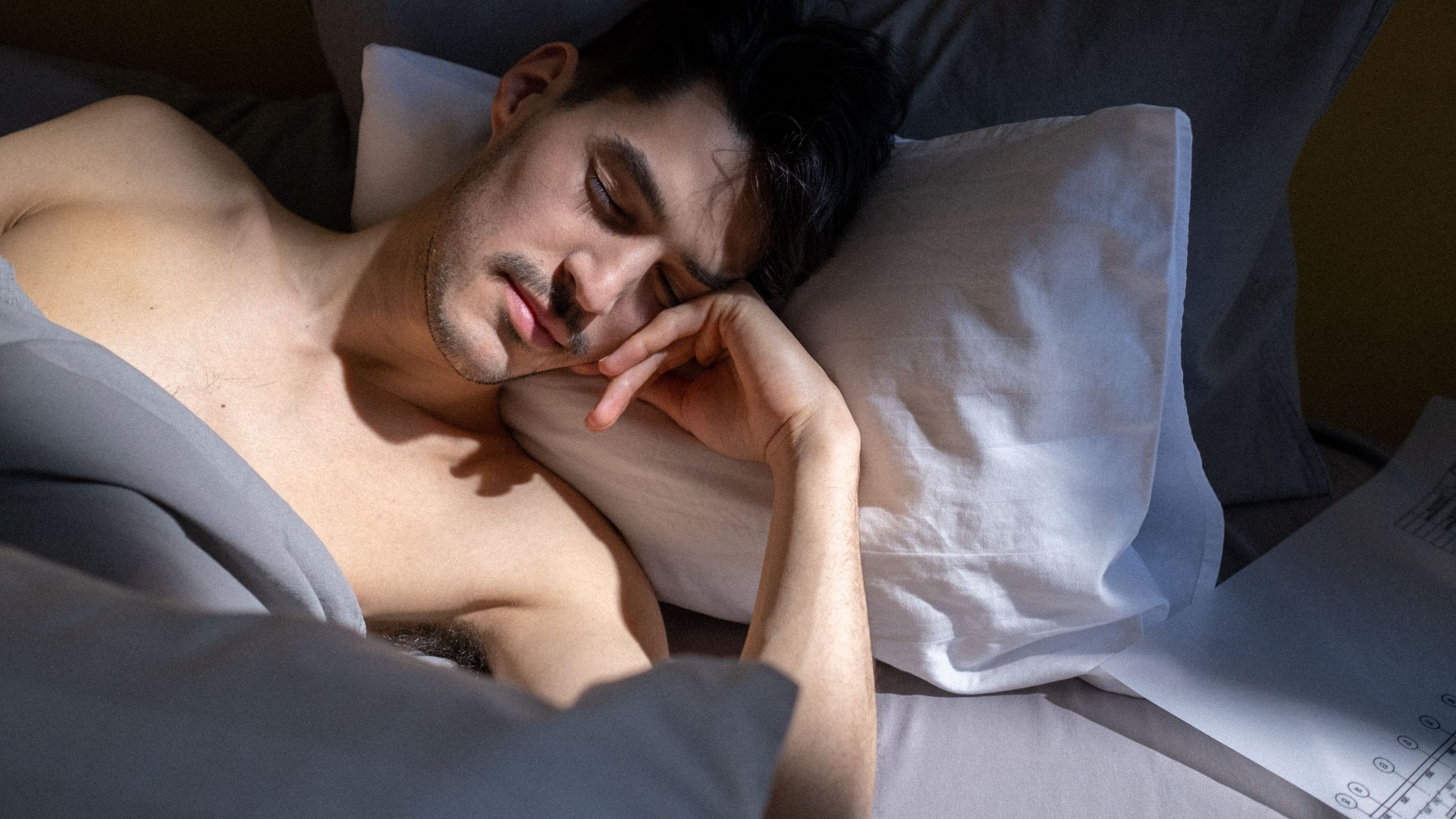
For a simple tweak, you can also place a pillow behind your back while lying partly on your side. The pillow prevents you from rolling fully backward and can even shift some pressure away from a tender outer hip.
9. Symmetrical Back Sleeping With Neck Support
Side sleepers aren’t the only people who’d benefit from a pillow! If you conk out on your back, lie with both arms resting in the same position and a pillow to gently support the neck. Symmetry prevents one shoulder from remaining twisted while the other stays relaxed.
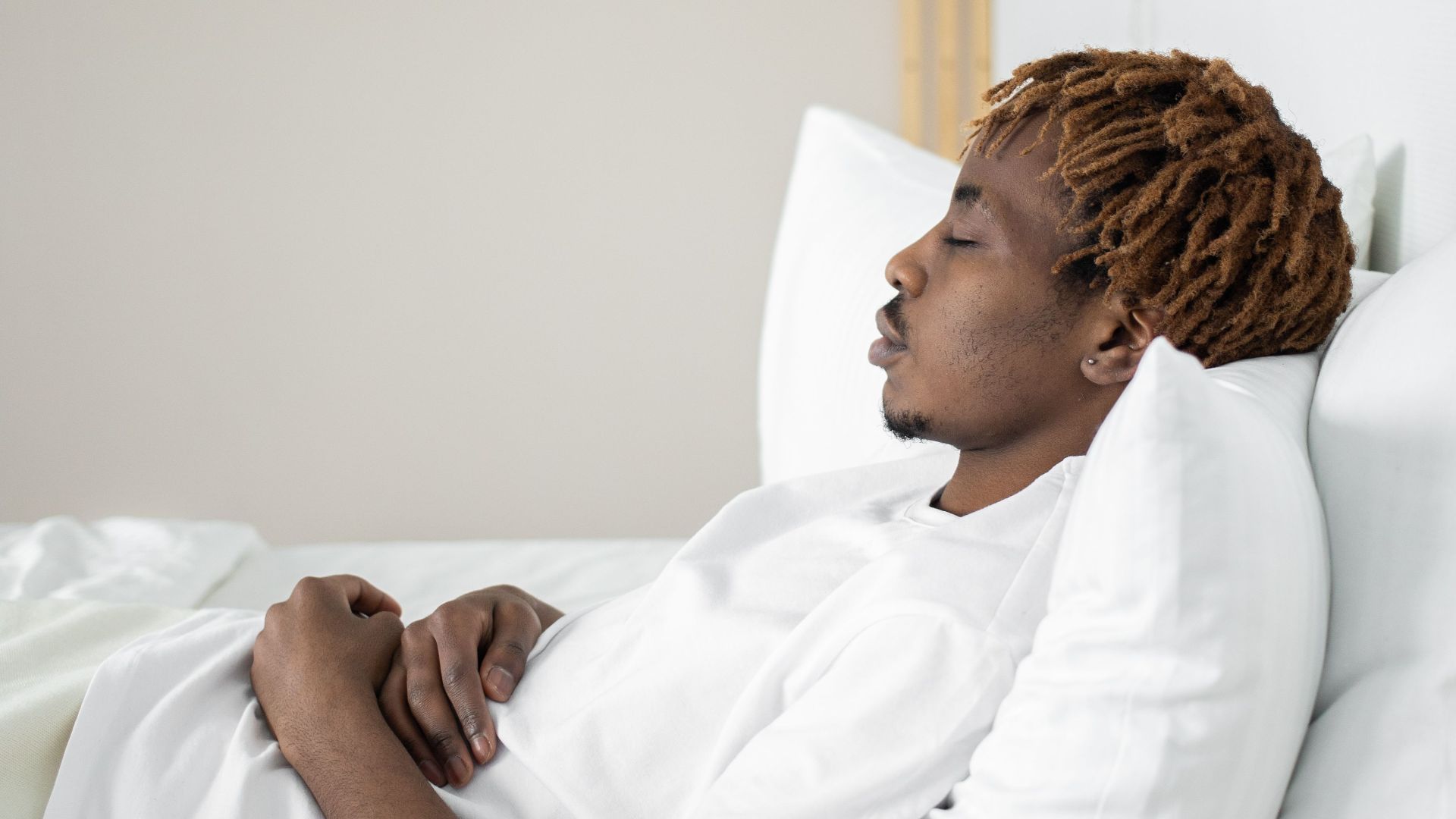
10. Side Sleeping With Support Beneath the Waist
If you don’t want to splurge on a pillow, you don’t need to. Even a small rolled towel beneath the waist can help if your midsection sinks toward the mattress. The main goal is to fill that gap so your spine doesn’t keep bending sideways. The adjustment should feel subtle; too much height just replaces one awkward angle with another.
KEEP ON READING



20 Natural Ways You Can Boost Your Immune System
20 Ways To De-stress & Relax After Work

The 10 Most Common Diseases & The 10 Most Rare