
A Powerful Chemical
Here's a fun fact that might blow your mind: Did you know that your stomach contains hydrochloric acid that can reach a pH of roughly 1 to 3, a range that's similar to battery acid? Crazy, right? That means your digestive system has an environment that's not only strong enough to break down the foods you eat, but powerful enough to weaken certain metals, burn through bone, and even corrode human teeth. Of course, your stomach also relies on enzymes, muscular contractions, and the rest of the digestive tract, so acid rarely does all the work by itself. Still, it's mind-boggling to think that the human body contains a substance so seemingly deadly. Ready to be even more wowed? Here are 10 craziest things your stomach acid can dissolve, and 10 that prove it still has some clear limits.
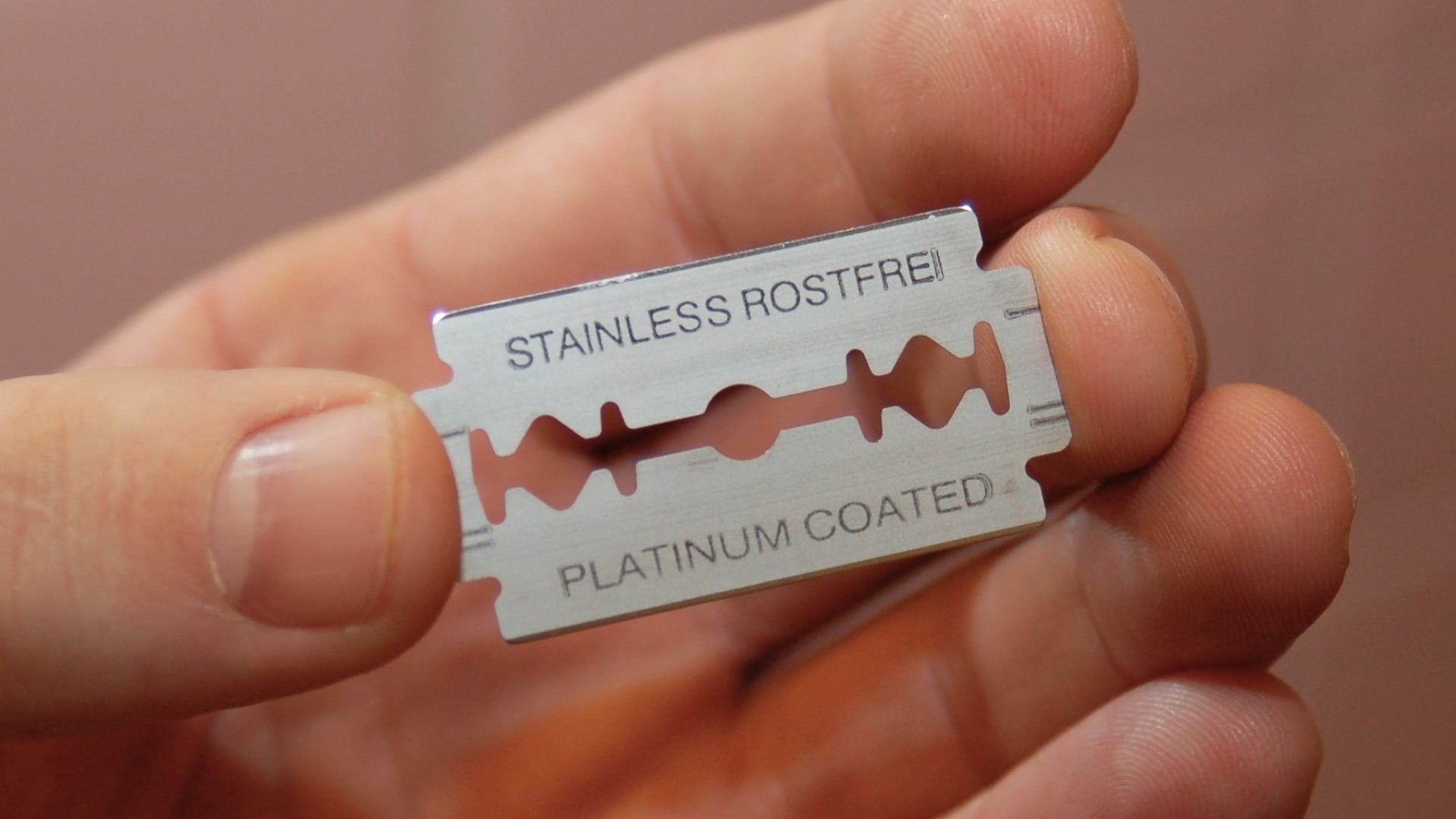 scott feldstein from West Bend, United States on Wikimedia
1. Razor Blades
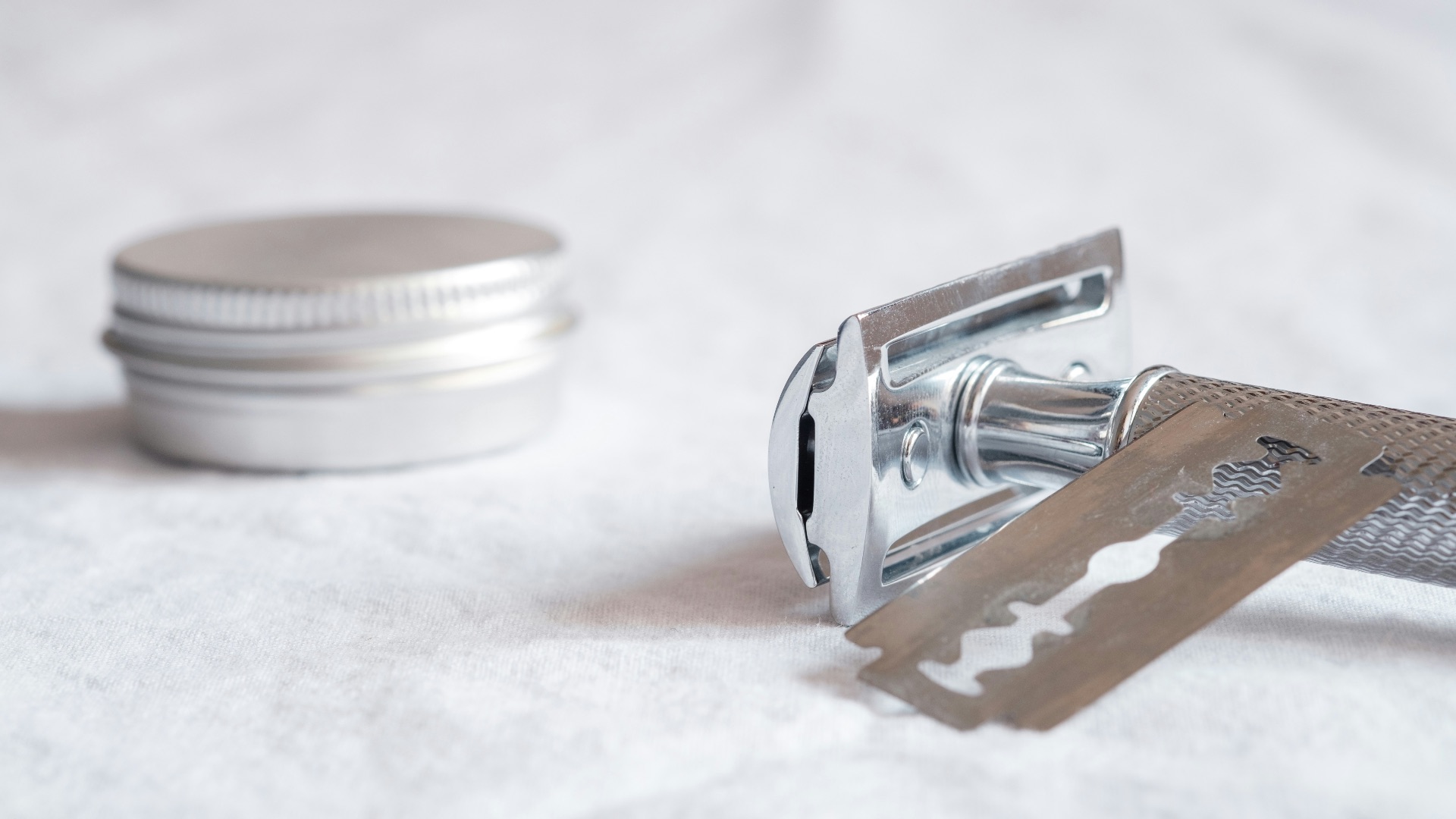
It sounds impossible, but gastric acid can significantly corrode certain steel razor blades. In laboratory testing, double-edged blades exposed to simulated gastric juice became fragile enough to break within 24 hours. That doesn’t make swallowing one remotely safe, since a blade can cause severe internal injuries long before corrosion weakens it.
2. Thin Fish Bones
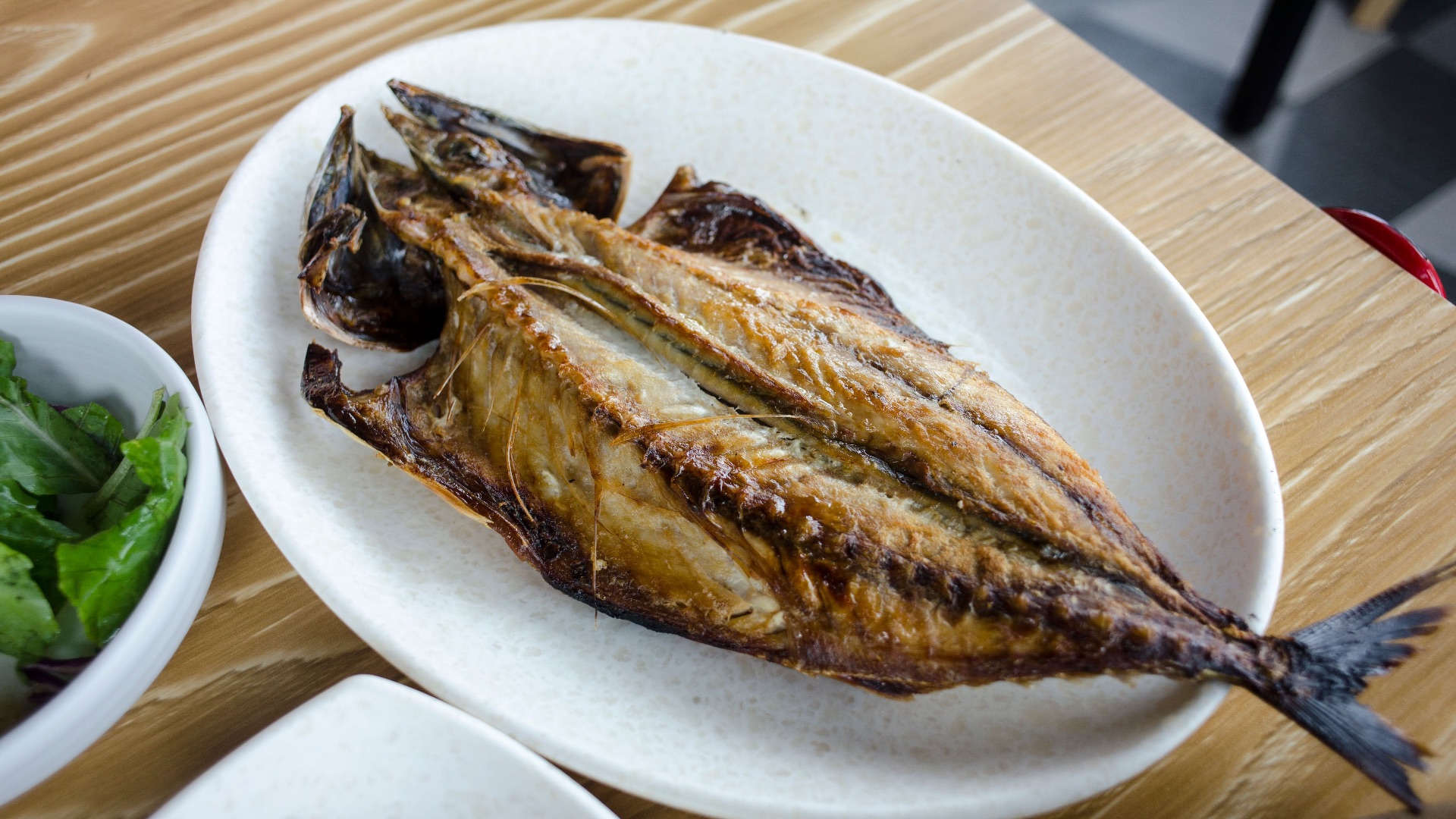
Small fish bones contain calcium-based minerals that hydrochloric acid can gradually dissolve. Acid exposure may soften thin fragments enough for them to lose some of their stiffness while they’re in the stomach. Larger or sharper bones can still puncture the digestive tract, so you shouldn’t assume your stomach will neutralize the danger in time.
3. Small Pieces of Chicken Bone
Stomach acid can begin removing minerals from small chicken-bone fragments, which weakens and softens their structure. The remaining collagen is then more accessible to digestive enzymes, although the process may not finish before the fragment enters the intestines. Keep in mind, though, that chicken bones can cause obstruction or perforation, making accidental ingestion a medical concern.

4. Eggshell
Eggshell is mostly calcium carbonate, a material that reacts readily with acid. A tiny fragment entering the stomach can soften and dissolve as hydrochloric acid attacks its mineral structure. Large or jagged pieces remain capable of scraping tissue, even if the acid would eventually weaken them.
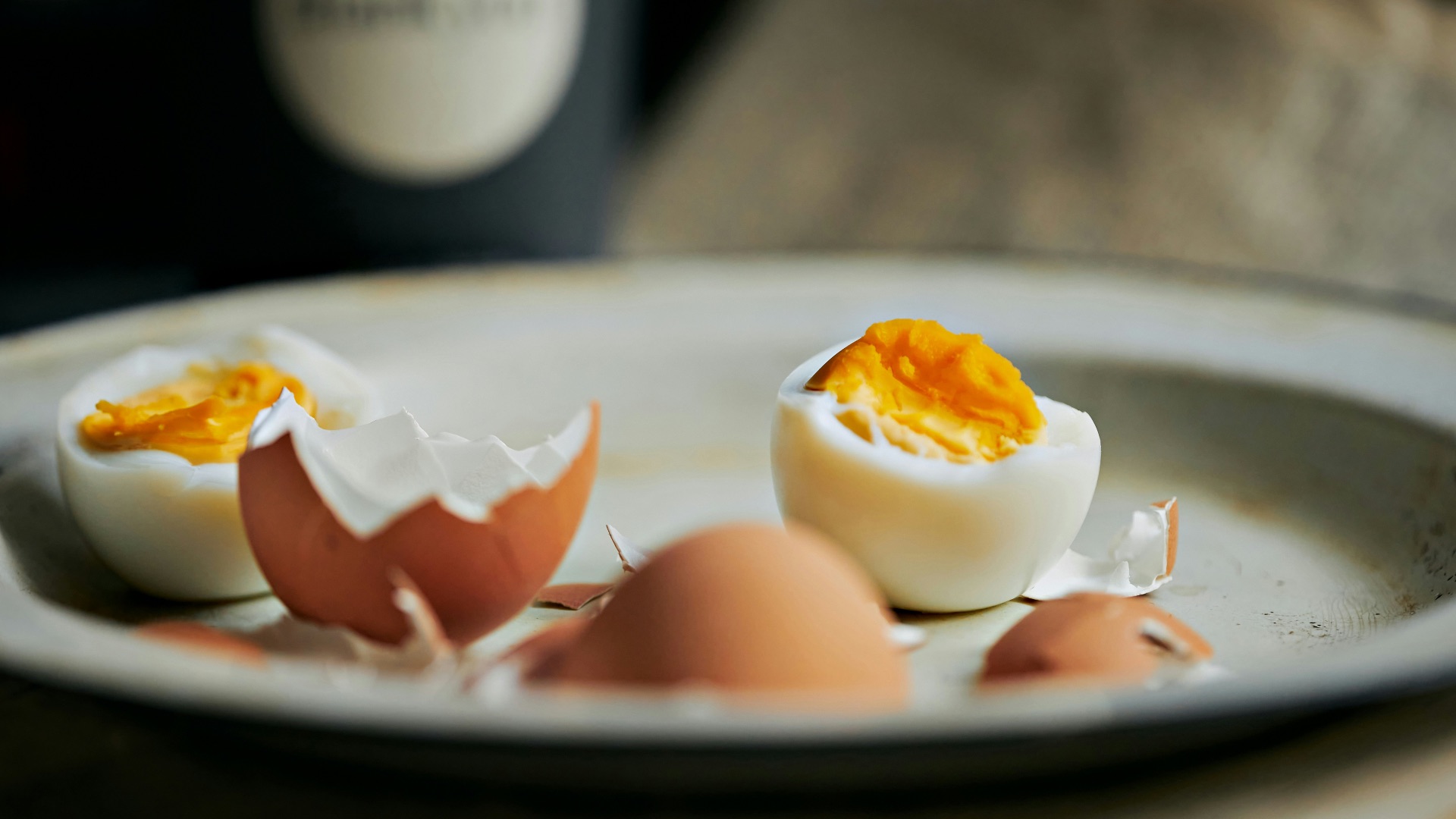 Rasa Kasparaviciene on Unsplash
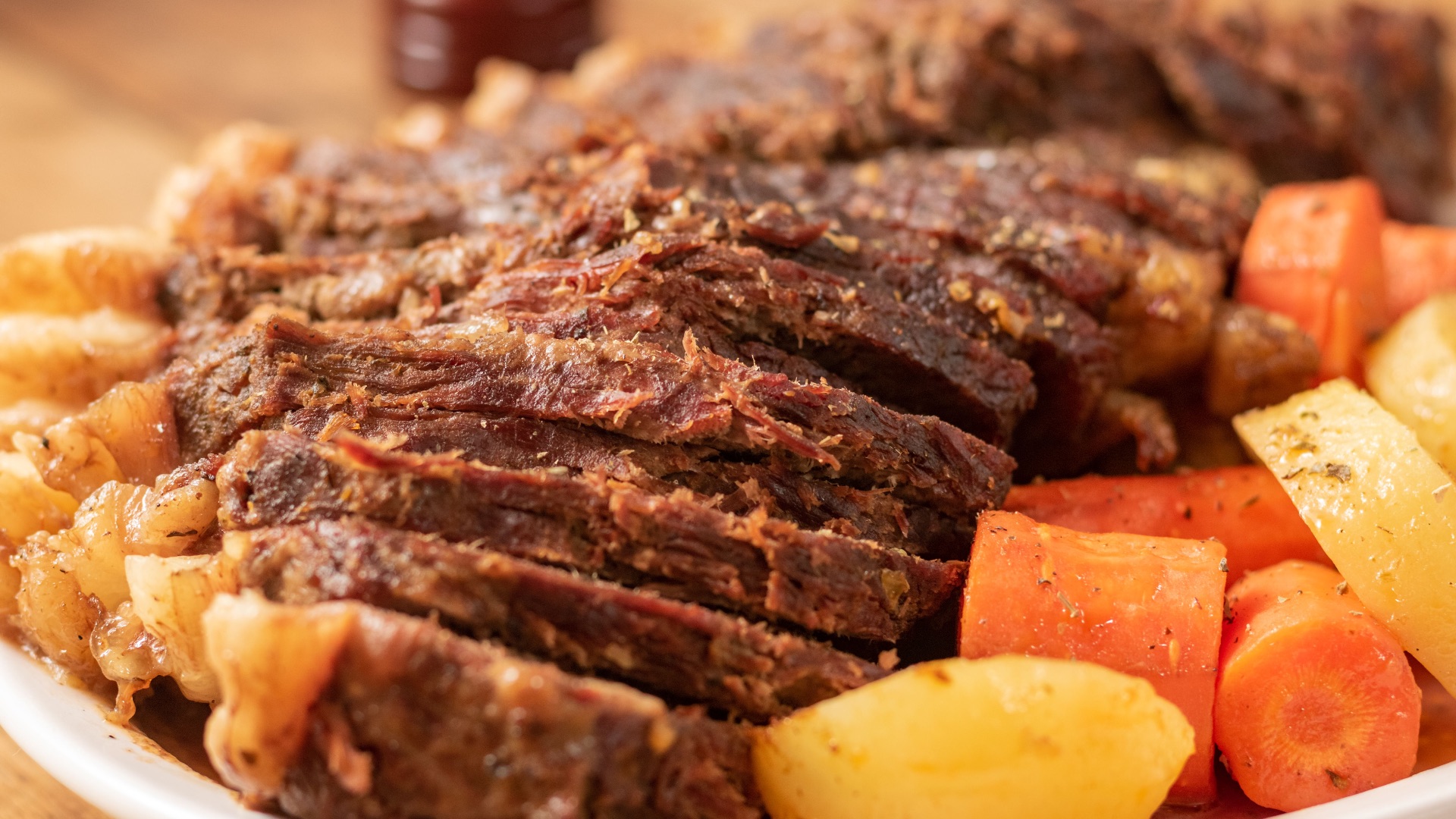
5. Tough Pieces of Meat
Acid helps unravel, or denature, the proteins packed into meat, making them easier for the enzyme pepsin to attack. Your stomach’s muscular movements also churn the food into smaller particles before it moves onward. Even dense steak and other firm cuts are gradually reduced into a semifluid mixture rather than remaining intact.
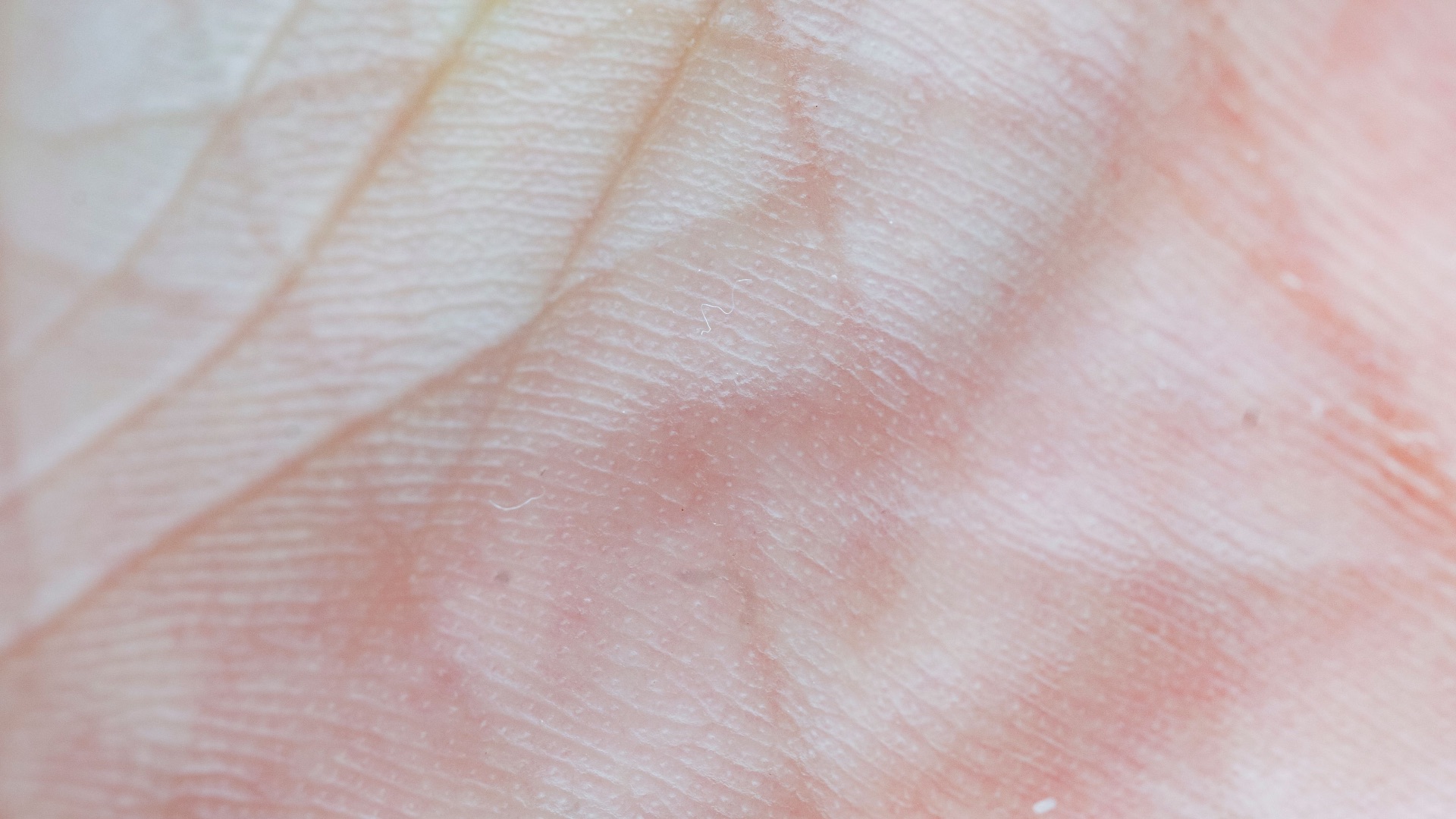
6. Human Skin
Yep, you read that right: without its protective barrier and continual supply of living cells, human skin would be vulnerable to gastric juices. Hydrochloric acid can damage the tissue, while pepsin attacks proteins such as collagen and keratin beneath the surface. Your stomach avoids digesting its own walls because they’re coated in bicarbonate-rich mucus and constantly repaired, protections that loose skin tissue wouldn’t have.
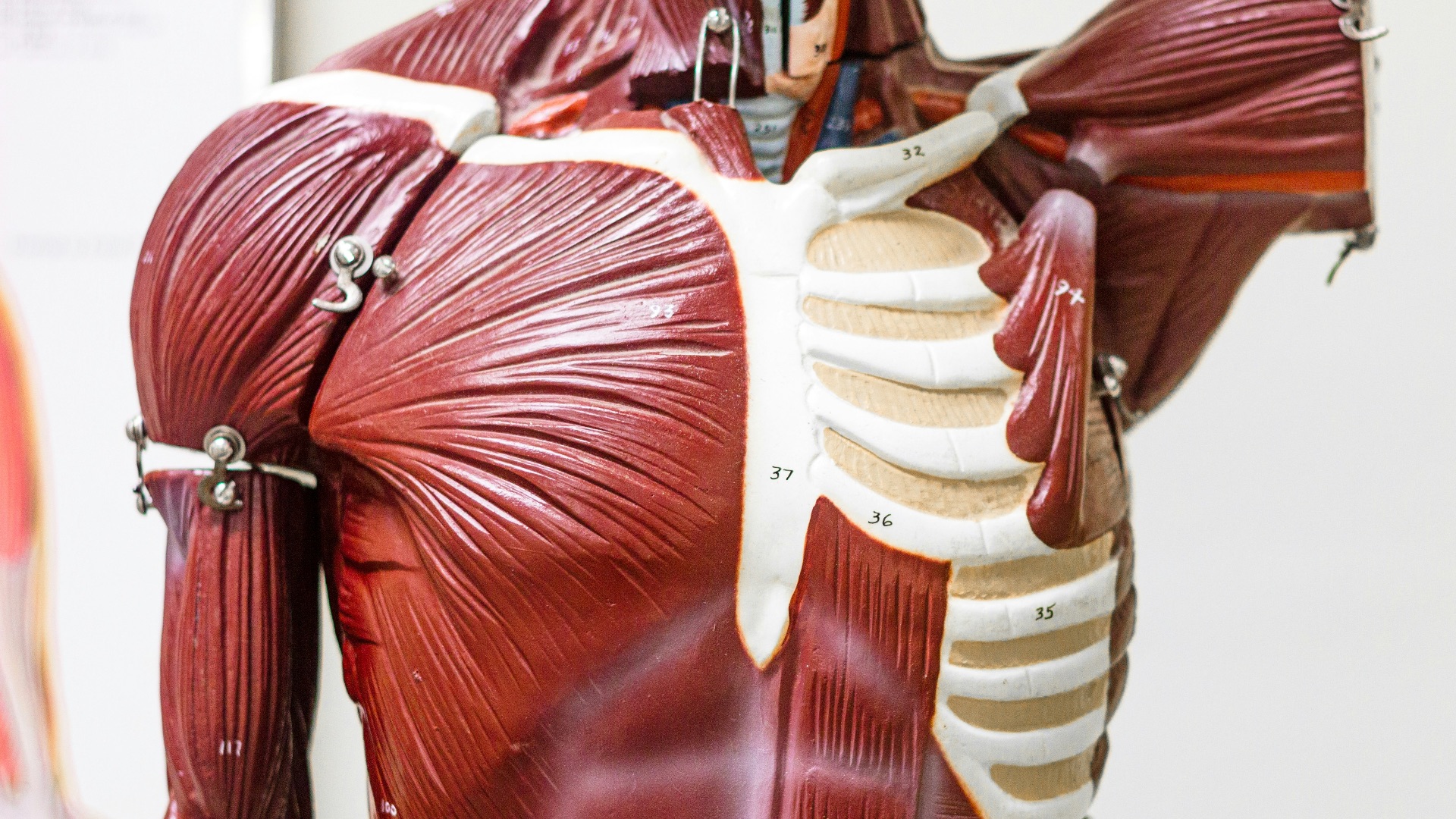
7. Human Muscle
Muscle is largely made from proteins, which places it squarely within the stomach’s digestive capabilities. Acid unfolds those proteins, and pepsin begins cutting them into smaller chains before enzymes in the small intestine continue the process. Human muscle would therefore be handled much like the muscle tissue in beef, pork, or chicken, although this involves the complete digestive system rather than acid acting alone.
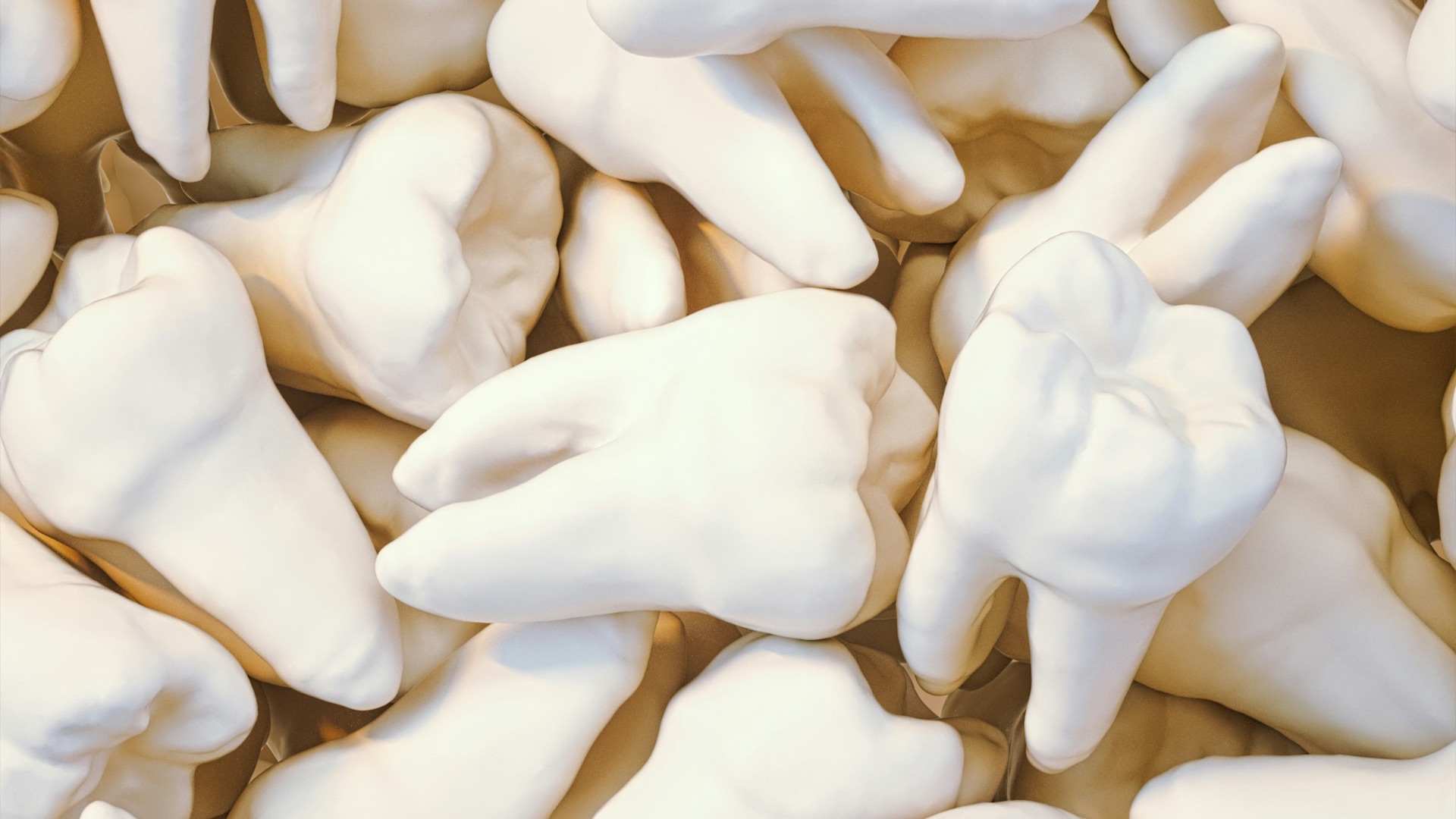
8. Teeth
Teeth are the hardest structures in the human body, but they aren’t immune to strong acid. Stomach acid can strip minerals from enamel and expose the softer dentin underneath, which is why repeated vomiting and severe acid reflux can cause extensive dental erosion. A whole tooth probably wouldn’t disappear during an ordinary trip through the stomach, but prolonged exposure could leave it softened, pitted, and substantially weakened.
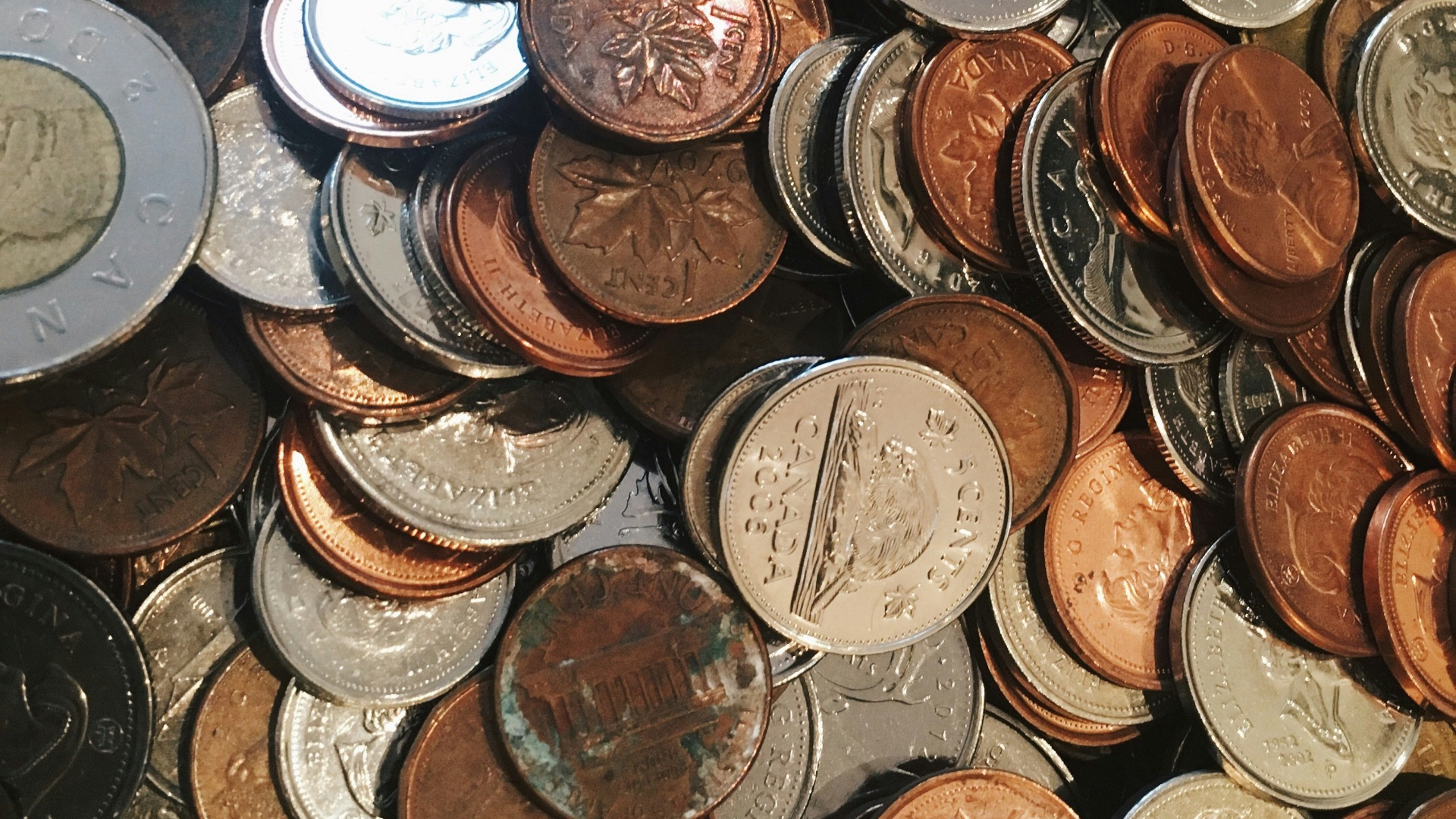
9. Certain Coins
That's right: stomach acid can noticeably corrode coins, though the reaction depends on the metals used to make them. Experiments with euro coins, for example, found visible chemical changes after just several hours in hydrochloric acid comparable to post-meal gastric conditions. But while it's possible that your stomach acid could do enough damage to loose change, it's more likely that it'll come out at the other end sooner than that.
10. Many Harmful Microorganisms
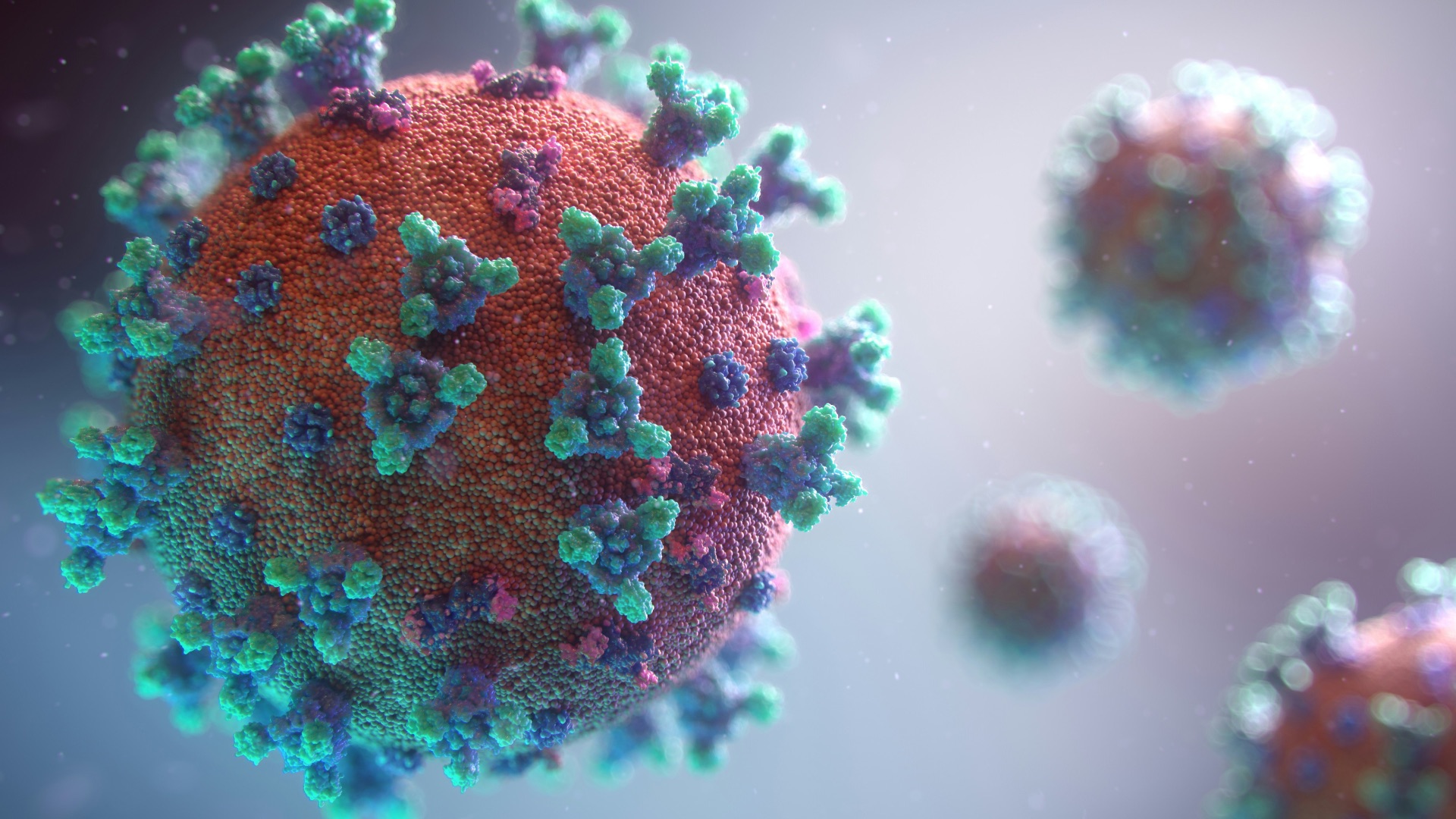
Stomach acid serves as an important defense against bacteria and other microbes arriving with food and drinks. Its low pH damages many organisms before they can reach the intestines and establish an infection. Some pathogens survive because of protective coatings, acid resistance, or a sufficiently large initial dose, so this barrier isn’t foolproof.
As you can see, stomach acid is clearly more capable than its ordinary role in digestion might suggest. However, being corrosive doesn’t mean it can dissolve every object that reaches your stomach. Here are 10 things it can't dissolve.
 Fusion Medical Animation on Unsplash
1. Most Plastic
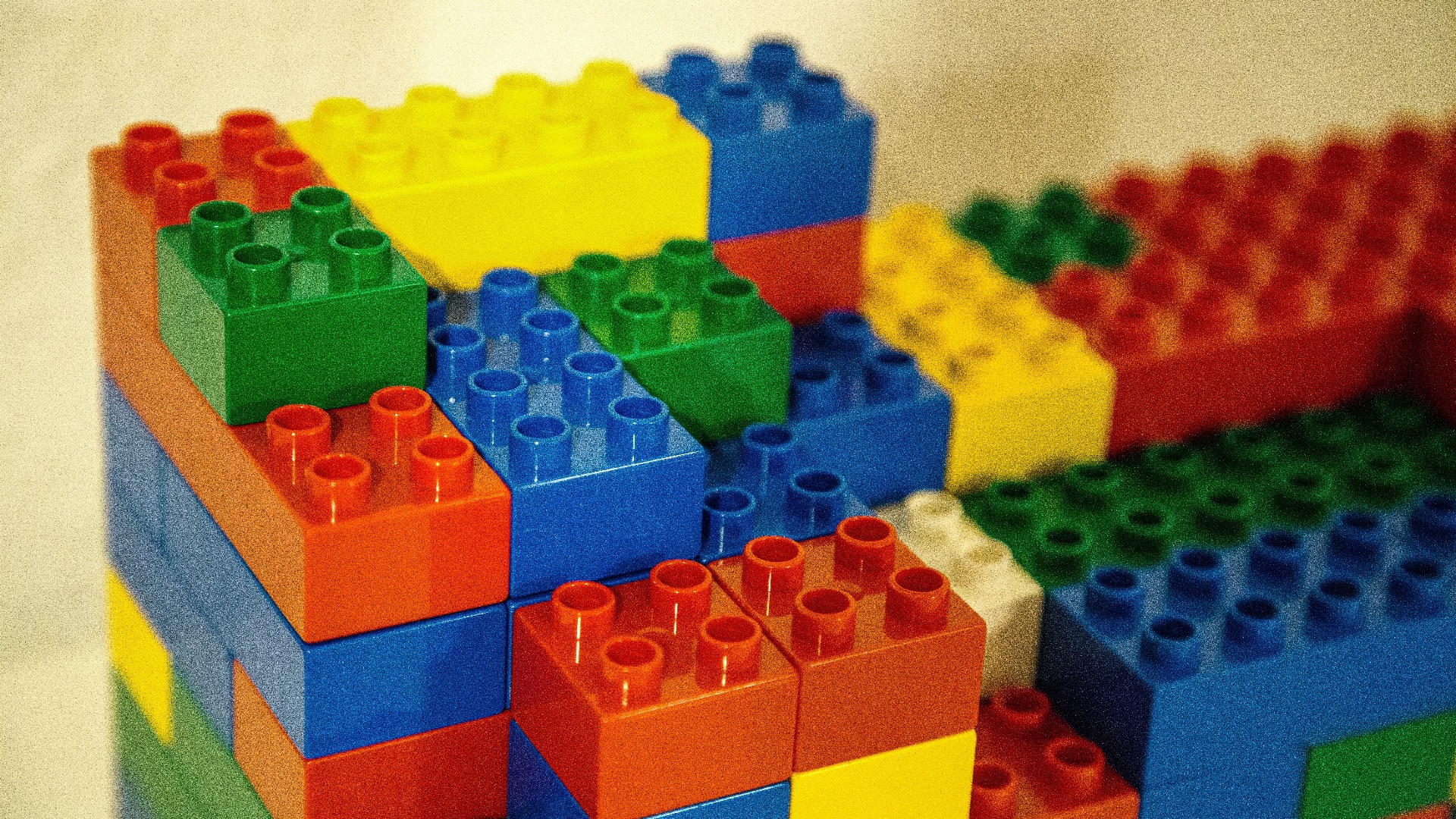
Common plastics are built from long, chemically resistant polymers that hydrochloric acid can’t readily digest. A swallowed plastic item (say, a piece of Lego) will usually remain largely unchanged as it travels through the gastrointestinal tract. Its size and shape may still create a blockage, especially if it’s long, wide, or sharply edged.
2. Glass
Stomach acid isn’t capable of digesting ordinary glass during its journey through the body. Small smooth fragments might pass, but sharp pieces can cut the throat, stomach, or intestines. Anyone who may have swallowed glass should seek expert medical advice instead of waiting for the acid to handle it.
3. Precious Metals
While your stomach acid can dissolve razor blades, it can’t readily break down precious metals such as gold, platinum, and palladium, which are highly resistant to corrosion. Some lower-purity jewelry may tarnish or react because of the copper, silver, or other metals mixed into it, but the precious metal itself usually remains largely intact. That means a swallowed ring or charm can still become lodged or injure the digestive tract, so chemical resistance doesn’t make it harmless.

4. Seeds and Fruit Pits
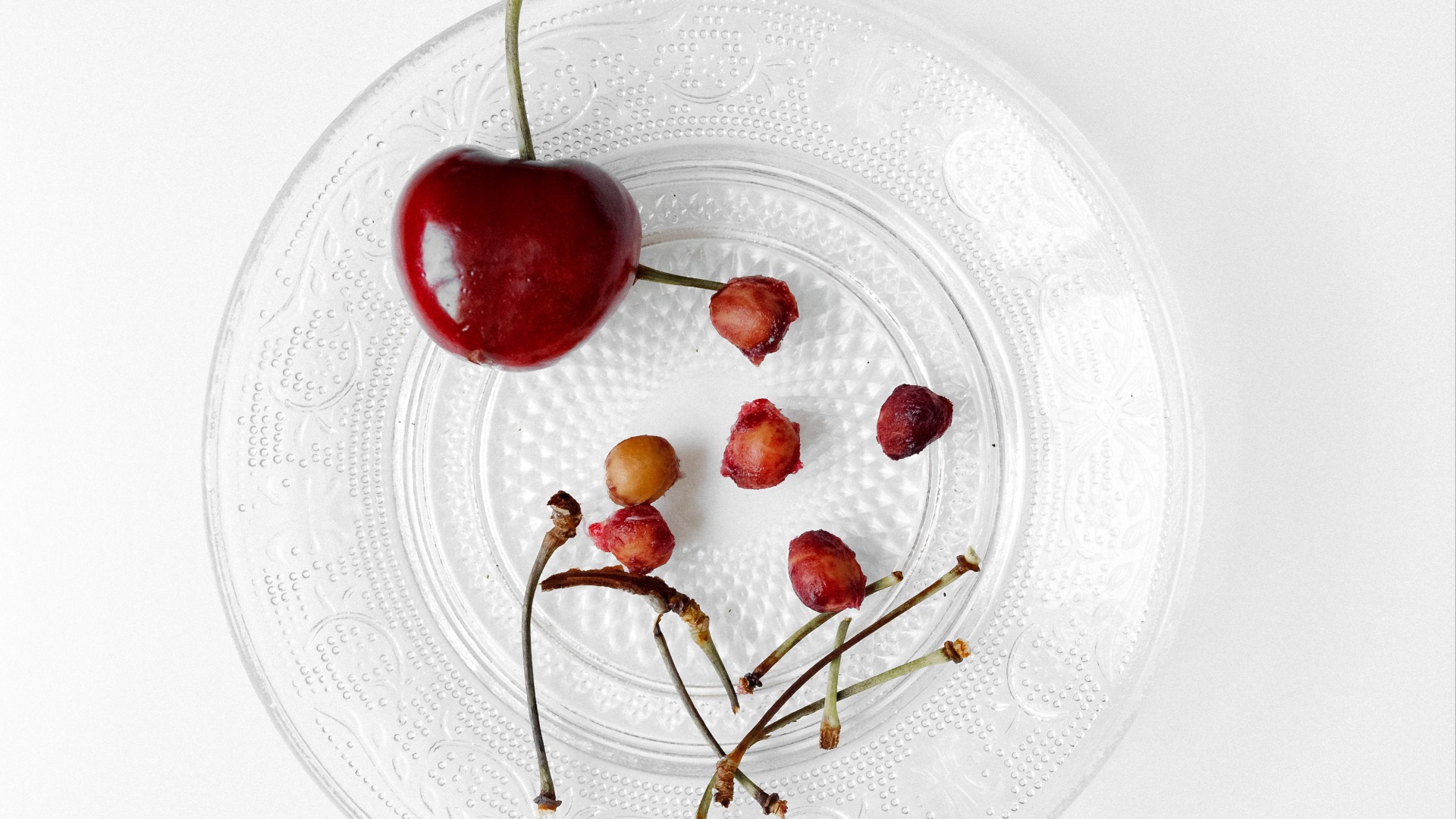
Perhaps surprisingly (or unsurprisingly), many seeds and fruit pits are protected by hard shells or durable outer coatings that stomach acid can’t fully break down during normal digestion. Small seeds may pass through the body largely intact, while larger pits from foods such as cherries, peaches, and plums can become lodged or cause an obstruction if swallowed whole. Some pits also contain compounds that can release cyanide when crushed or chewed, so they shouldn’t be treated as harmless just because the stomach can’t easily dissolve them.
5. Hair
Hair consists primarily of keratin, a tightly structured protein that resists normal human digestive enzymes. Individual strands usually move through the digestive tract, but repeated hair swallowing can cause an accumulating mass known as a trichobezoar. Stomach acid may coat the hair, yet it doesn’t reliably dismantle its durable fibers.

6. Fingernails
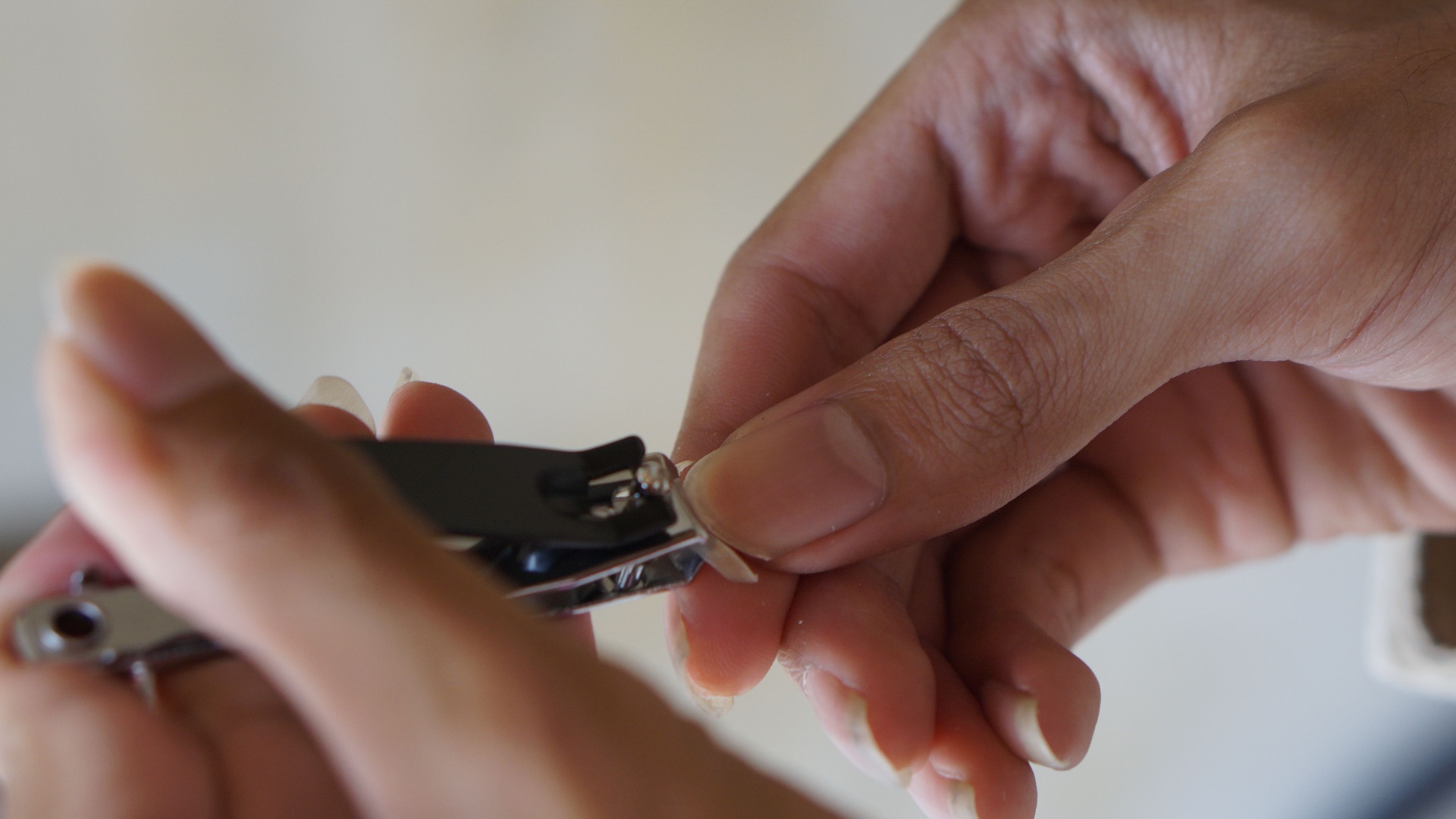
Like hair, fingernails contain hard keratin that the human digestive system struggles to break apart. Small clippings may pass through without creating an obvious problem, but they aren’t converted into nutrients like dietary proteins. Their edges can also irritate the throat or digestive tract.
7. Insoluble Plant Fiber
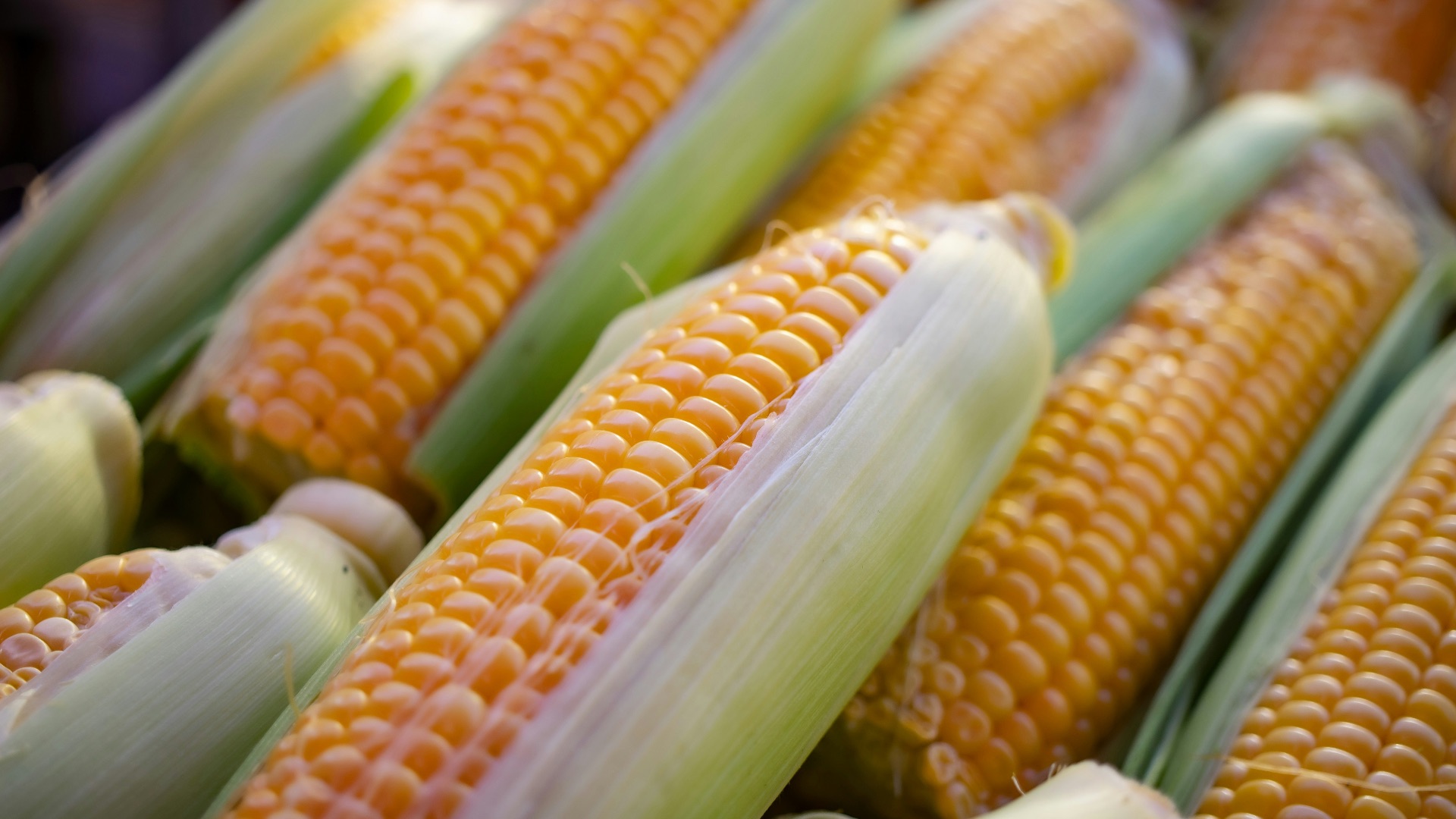
The cellulose-forming plant cell walls withstand both stomach acid and human digestive enzymes. That’s why pieces of corn hull, leafy vegetables, or fruit skins can sometimes remain recognizable after digestion. Gut bacteria may ferment part of the fiber later, but your stomach can’t fully break it down on its own.
 Wouter Supardi Salari on Unsplash
8. Chewing Gum
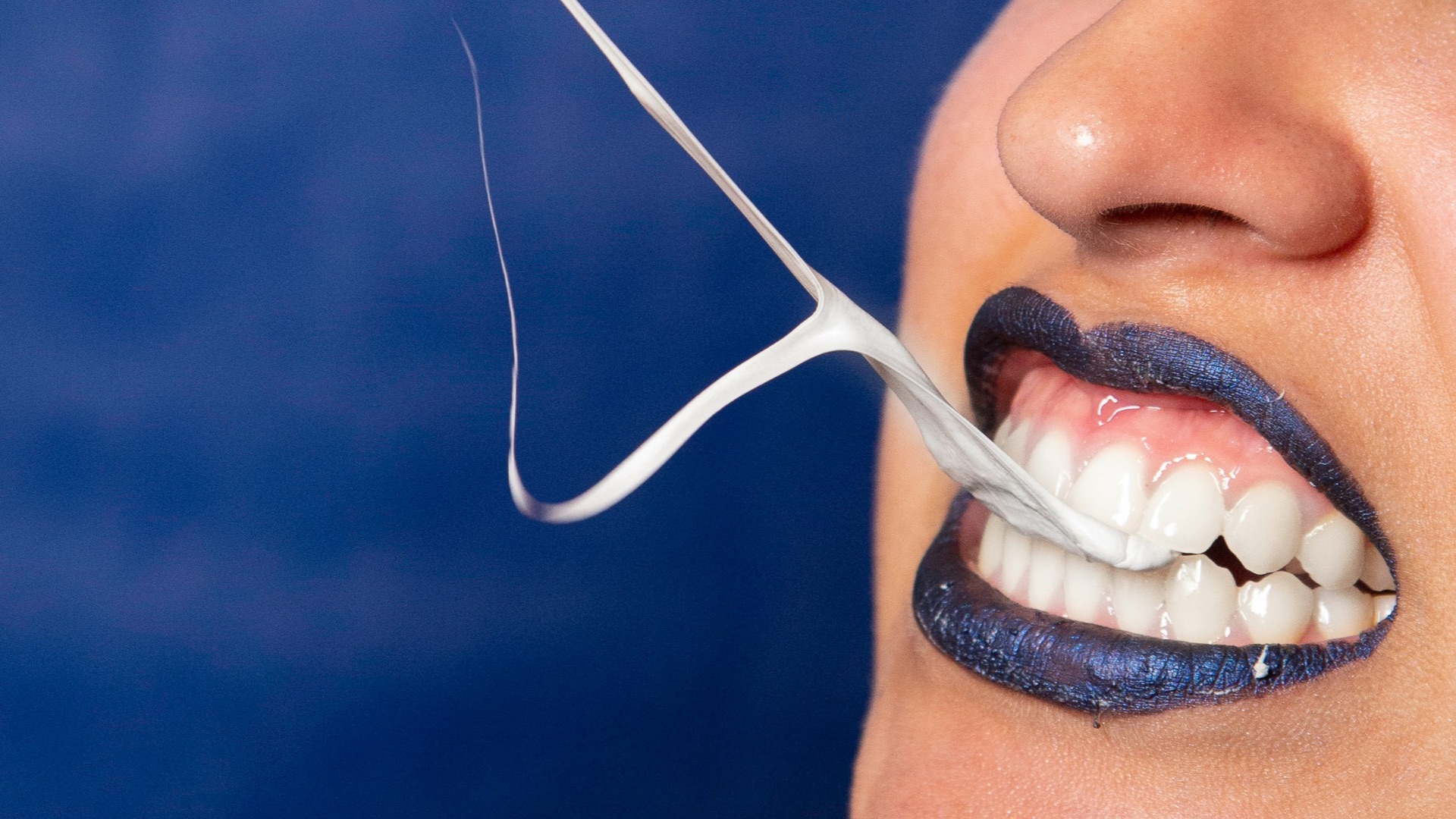
Your stomach can process the sugar, sweeteners, and flavorings in gum, but the synthetic gum base resists digestion. It normally travels through the intestines and leaves the body rather than staying in the stomach for years. Swallowing large amounts or combining gum with other indigestible objects could still contribute to a blockage.
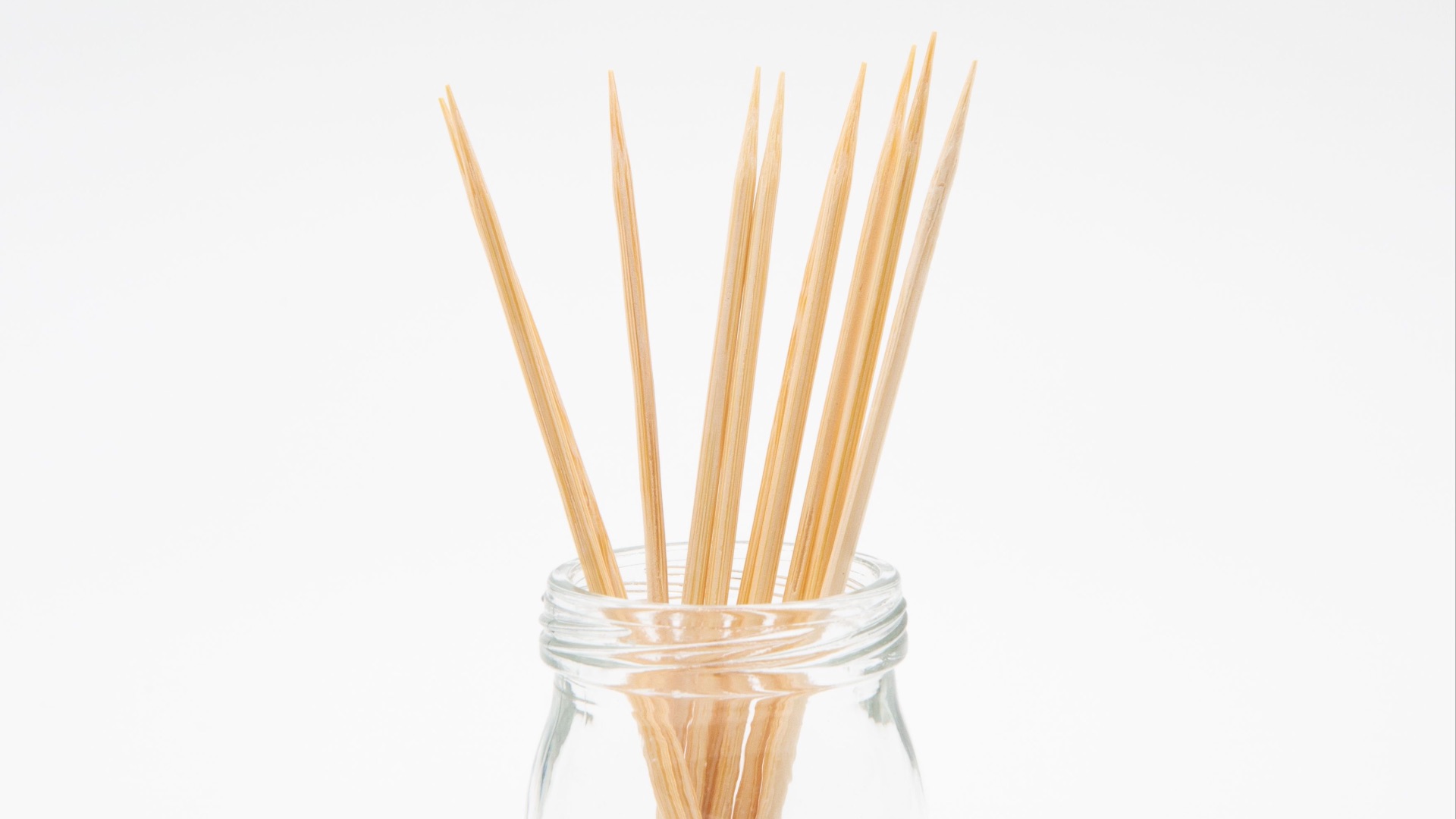
9. Wooden Toothpicks
Wood contains cellulose and other structural compounds that stomach acid can’t quickly dismantle. A toothpick may remain sharp enough to puncture the stomach or intestine even after prolonged exposure to digestive fluids. Because wood often doesn’t appear clearly on standard X-rays, accidental ingestion can also be difficult to diagnose.
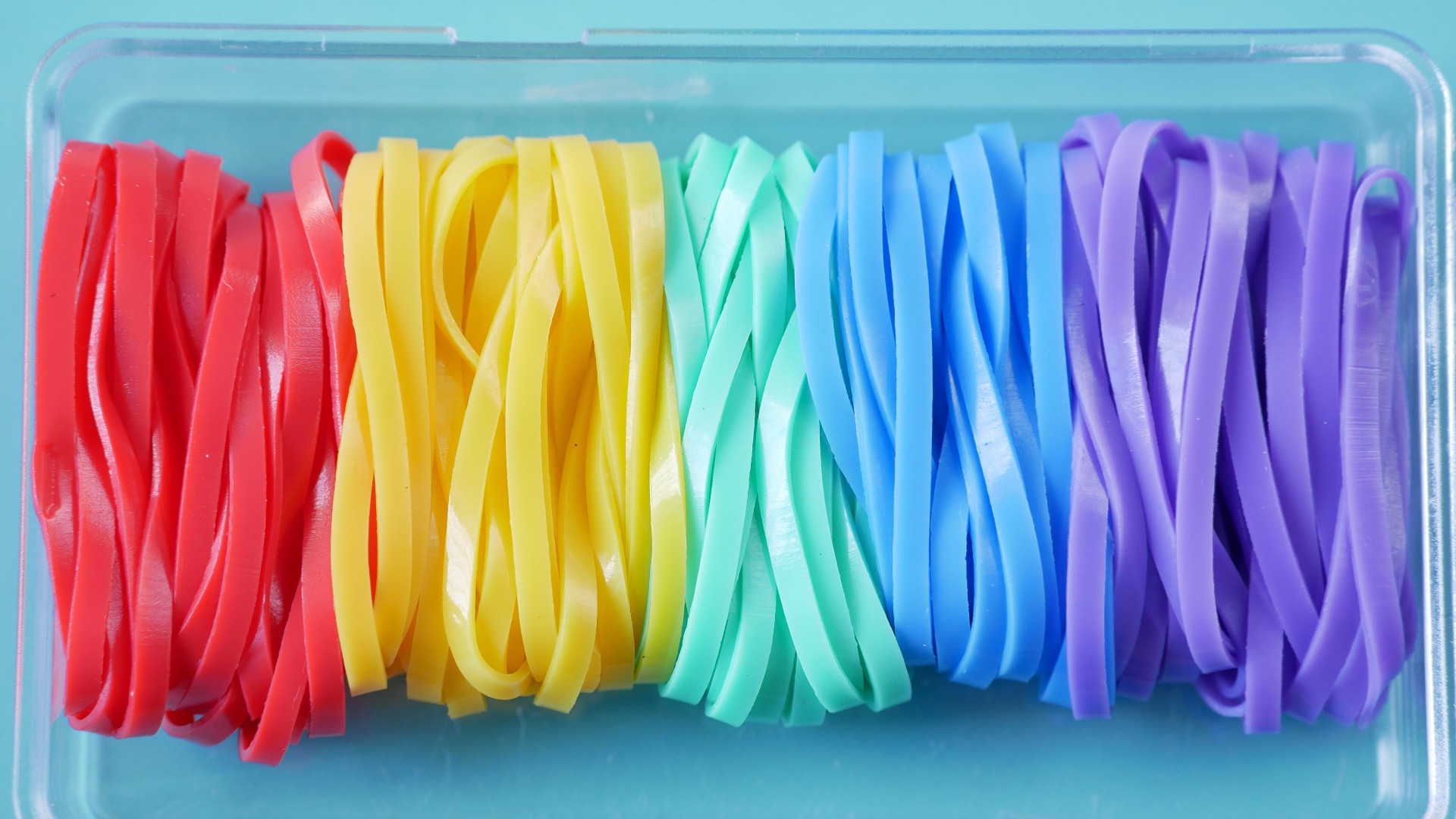
10. Silicone Rubber
Silicone is designed to tolerate heat, moisture, and many reactive chemicals, which makes it highly resistant to stomach acid. A small smooth piece might pass through the body, but larger silicone objects can become trapped or create an obstruction. The fact that a material isn’t digestible doesn’t mean it’s harmless once swallowed.
KEEP ON READING
Is Oat Milk Actually Good for You?

20 Psychology Tricks To Read Anyone Instantly
20 Ways Divorce Can Actually Enrich Your Life