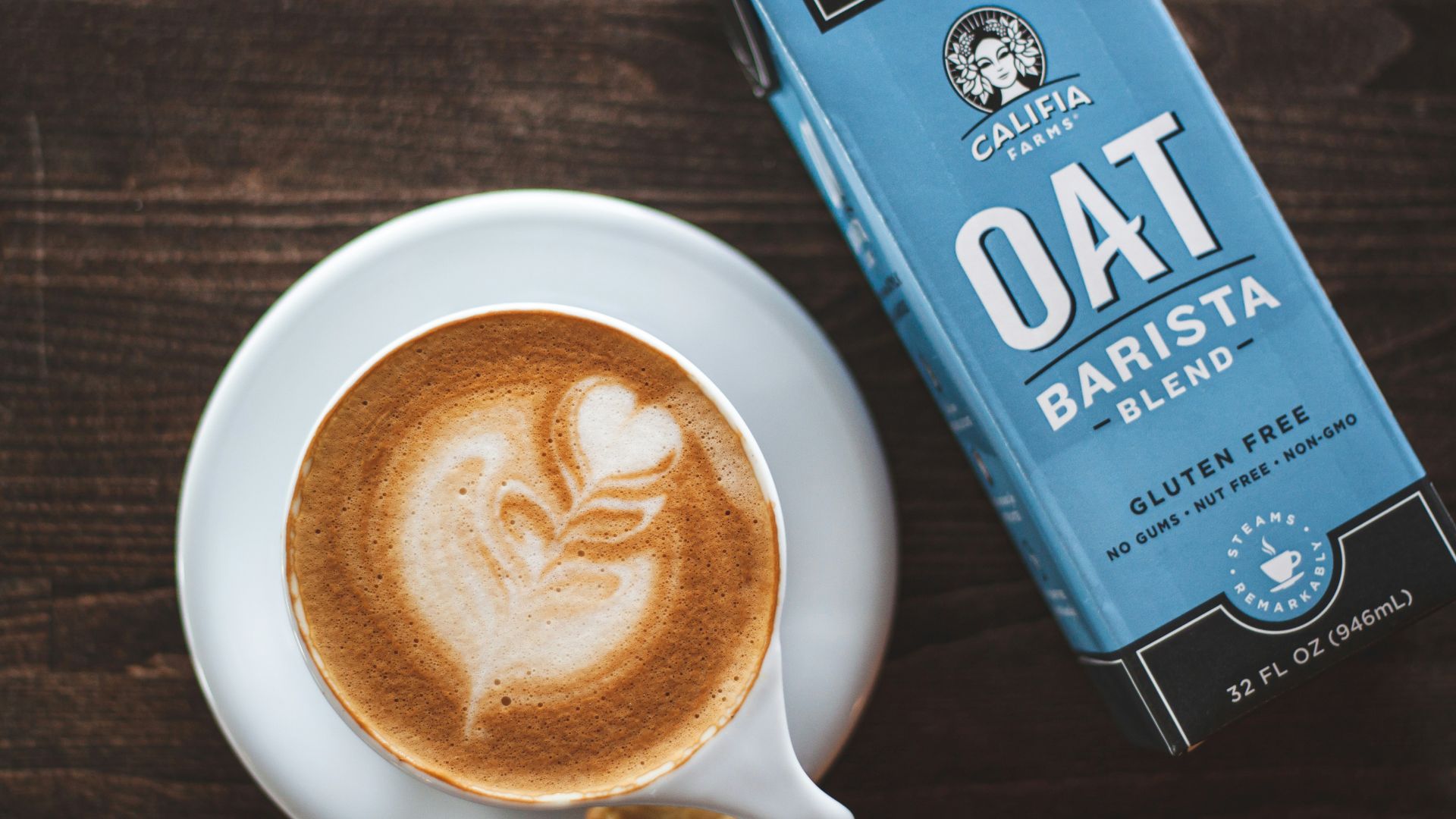
Oat milk has gone from a niche dairy alternative to one of the most popular beverages in grocery stores and coffee shops. Its creamy texture, nutty flavor, and ability to froth well have made it a favorite among people who don't consume dairy, as well as those who simply enjoy different options. As its popularity has grown, so have the claims surrounding its health benefits.
The reality is a little more complicated. Oat milk can absolutely fit into a healthy diet, but not every carton is created equal. Depending on the brand, ingredients, and how you use it, it may be an excellent choice or simply another processed beverage. Understanding what's actually in your glass can help you decide whether oat milk deserves a permanent place in your refrigerator.
What Oat Milk Does Well
One of oat milk's biggest strengths is that it's naturally free of lactose, making it a practical option for people who are lactose intolerant or have dairy allergies. It also tends to have a smooth, creamy consistency that many people find more satisfying than some other plant-based milks. That versatility makes it useful in everything from cereal to smoothies and baked goods.
Many commercial oat milks are fortified with nutrients such as calcium, vitamin D, vitamin B12, and riboflavin. These additions help bring the nutritional profile closer to that of cow's milk, especially for people following vegetarian or vegan diets. If you rely on plant-based beverages regularly, choosing a fortified variety can help support your overall nutrient intake. Reading the label is worthwhile because fortification varies by brand.
Oats also contain beta-glucan, a type of soluble fiber that has been linked to improved heart health when consumed as part of a balanced diet. Beta-glucan may help lower LDL, often called "bad" cholesterol, while also supporting healthy digestion. Although some of that fiber remains in oat milk, the amount can differ depending on how the product is processed. You shouldn't expect every carton to deliver the same nutritional benefits as a bowl of oatmeal.
The Downsides You Should Know About
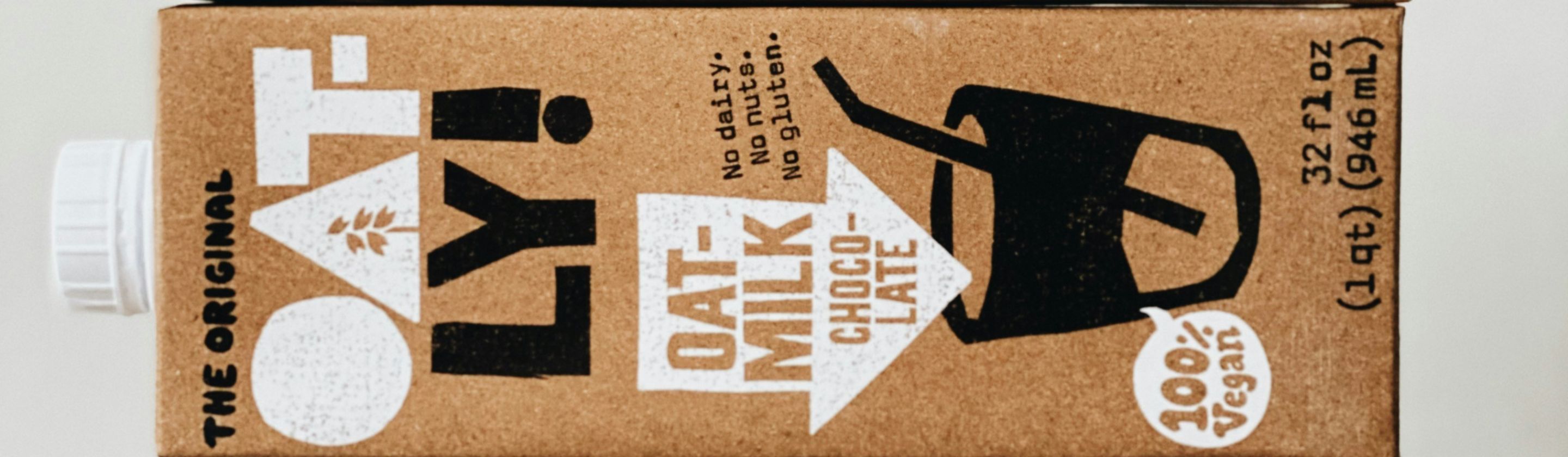
One of the biggest drawbacks of oat milk is that many flavored and sweetened varieties contain added sugars. Vanilla versions and coffee creamers, in particular, can pack considerably more sugar than their plain counterparts. If you're trying to reduce your sugar intake, an unsweetened version is the better option. Taking a quick look at the nutrition label can prevent unwanted surprises.
Protein is another area where oat milk often falls short. Cow's milk typically provides around 8 grams of protein per cup, while many oat milks contain only 2 to 4 grams. If you're depending on your beverage to help meet your daily protein needs, that's an important difference to keep in mind. Pairing oat milk with other protein-rich foods can help balance things out.
It's also worth remembering that oat milk is still a processed product. Manufacturers often add oils, stabilizers, gums, or emulsifiers to improve texture and shelf life. These ingredients aren't necessarily harmful, but they do make some products more processed than many people realize. If simplicity matters to you, compare ingredient lists before choosing a brand.
Is Homemade Oat Milk Better?
Making oat milk at home has become increasingly popular because it gives you complete control over the ingredients. A basic recipe usually requires nothing more than rolled oats, water, and a blender, allowing you to skip the added sugars, oils, and stabilizers found in some commercial brands. The tradeoff is that homemade oat milk typically isn't fortified with calcium, vitamin D, or vitamin B12 unless you add those nutrients elsewhere in your diet.
Homemade versions also tend to have a shorter shelf life and a slightly thinner texture than store-bought options. Still, if you prefer minimally processed foods or simply enjoy making things from scratch, it's an easy and affordable alternative. Whether you buy it or blend it yourself, the healthiest oat milk is usually the one that best fits your nutritional needs and overall eating habits.
Choosing the Best Oat Milk for Your Diet
If you're shopping for oat milk, the ingredient list is one of the best places to start. Ideally, you'll find products with relatively few ingredients and little or no added sugar. Fortified versions can also provide important vitamins and minerals that naturally occur in dairy milk. A little time spent comparing labels can make a meaningful difference.
Your own health goals should also guide your decision. Someone looking for a dairy-free coffee creamer may prioritize taste and texture, while an athlete may place more importance on protein content. There isn't a single oat milk that's perfect for everyone because nutritional needs vary from person to person. Thinking about how you'll actually use it helps narrow your options.
Ultimately, oat milk isn't a miracle health food, but it isn't something you need to avoid either. For many people, it's a perfectly reasonable alternative to dairy when consumed as part of a balanced eating pattern. The healthiest choice usually comes down to selecting an unsweetened, fortified variety and enjoying it alongside plenty of whole foods. Like most nutrition questions, moderation and informed choices matter far more than chasing the latest trend.
KEEP ON READING




20 Ways to Make Errands Count as Exercise