A Lasting Ache
Hip pain doesn’t always begin with a life-ruining injury; ordinary routines gradually overload your precious muscles and tendons. With enough poor habits stacked up, you also increase stiffness or aggravate an existing joint condition! Recognizing the everyday choices that can easily trigger or worsen pain gives you several practical places to start, and we’re here to break down 20 places you can start.

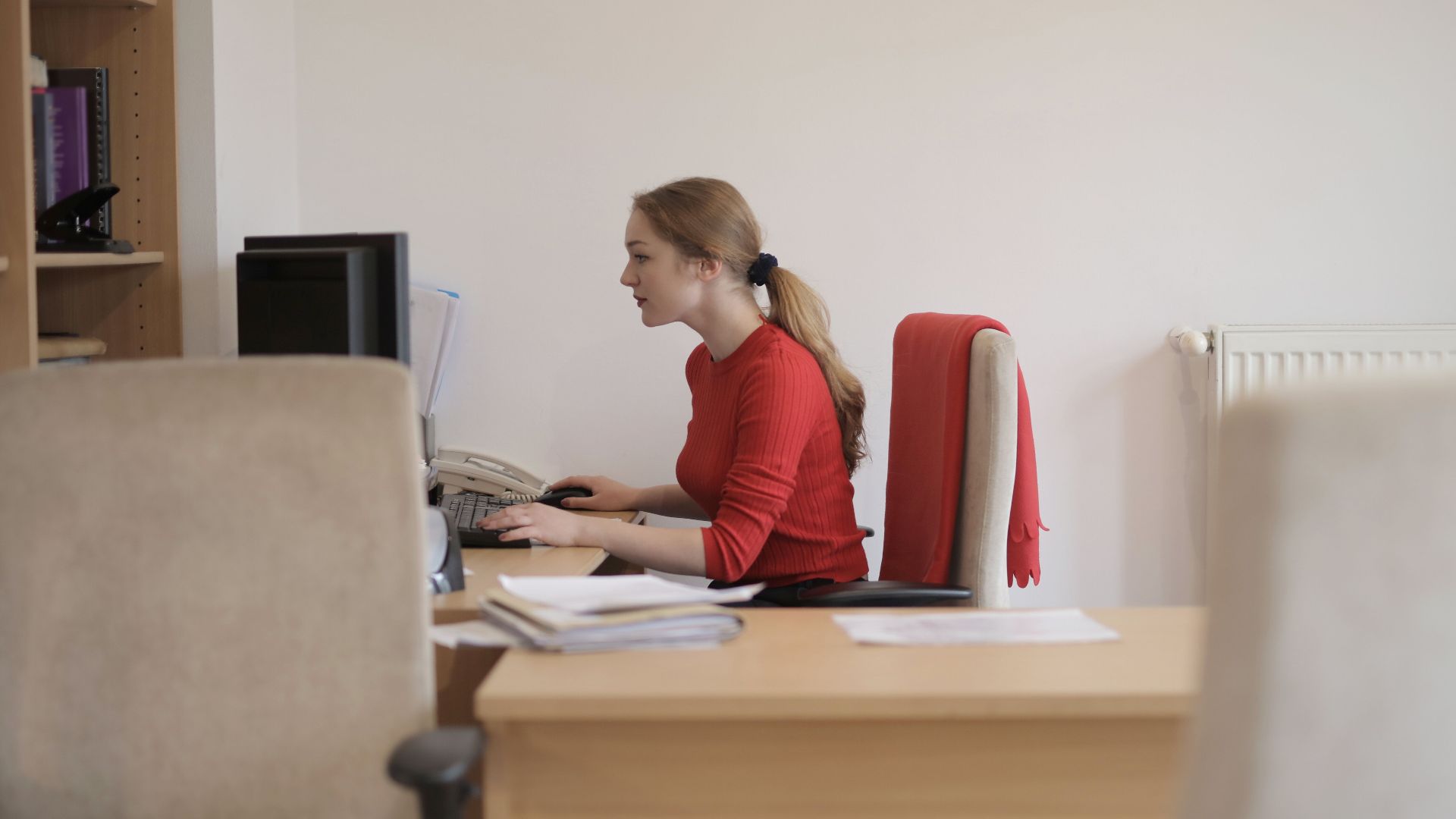
1. Sitting For Hours Without a Break
Long periods on your backside can leave your hips stiff and uncomfortable when you finally have to get up. This tends to be most noticeable in people with hip osteoarthritis, whose pain and stiffness already worsen after sitting or resting. Do yourself a favor and take brief walking or standing breaks throughout the day.
2. Avoiding Movement When You’re Sore
A painful hip often tempts us away from moving at all, but don’t fall into the trap. Complete inactivity can weaken the muscles that support the joint. Regular, appropriately paced movement can actually reduce arthritis stiffness and help preserve mobility over time.
3. Becoming a Weekend Workout Warrior
We don’t always have time to pump iron for an hour during the week—but even small sessions are better than jumping from a quiet workweek to an eight-mile hike. Sudden changes in activity irritate gluteal tendons, particularly when the surrounding muscles are already weak. It’s all about building distance, resistance, and workout frequency gradually.
4. Skipping Warm-Up
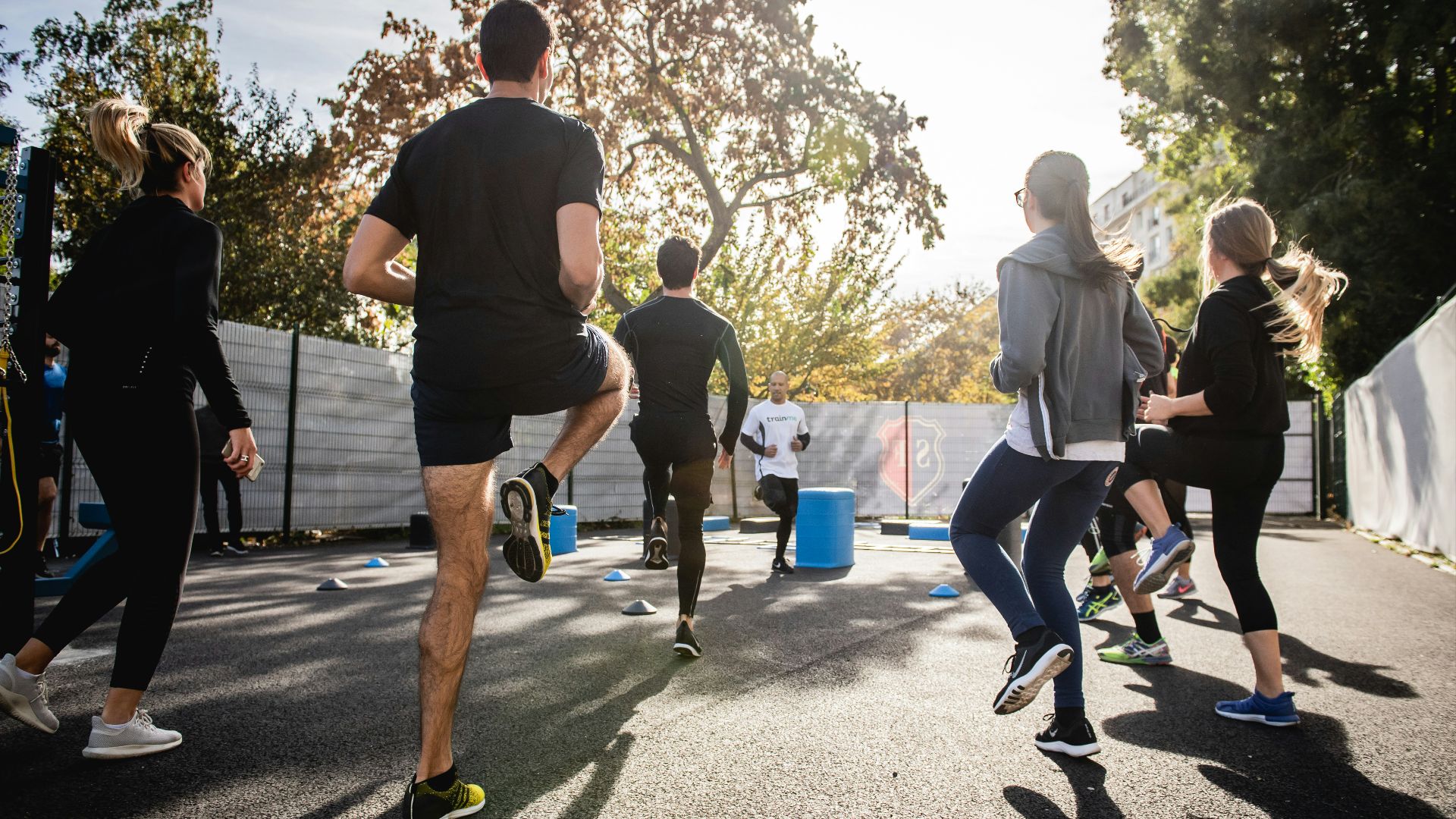
There’s nothing worse for your muscles than going straight from the car to a tennis match. A gradual warm-up increases movement and gets the body ready for exercise before the harder work starts. Even a few minutes of simple walking gives a smoother transition than immediately sprinting or lifting.
5. Neglecting Your Hip Muscles
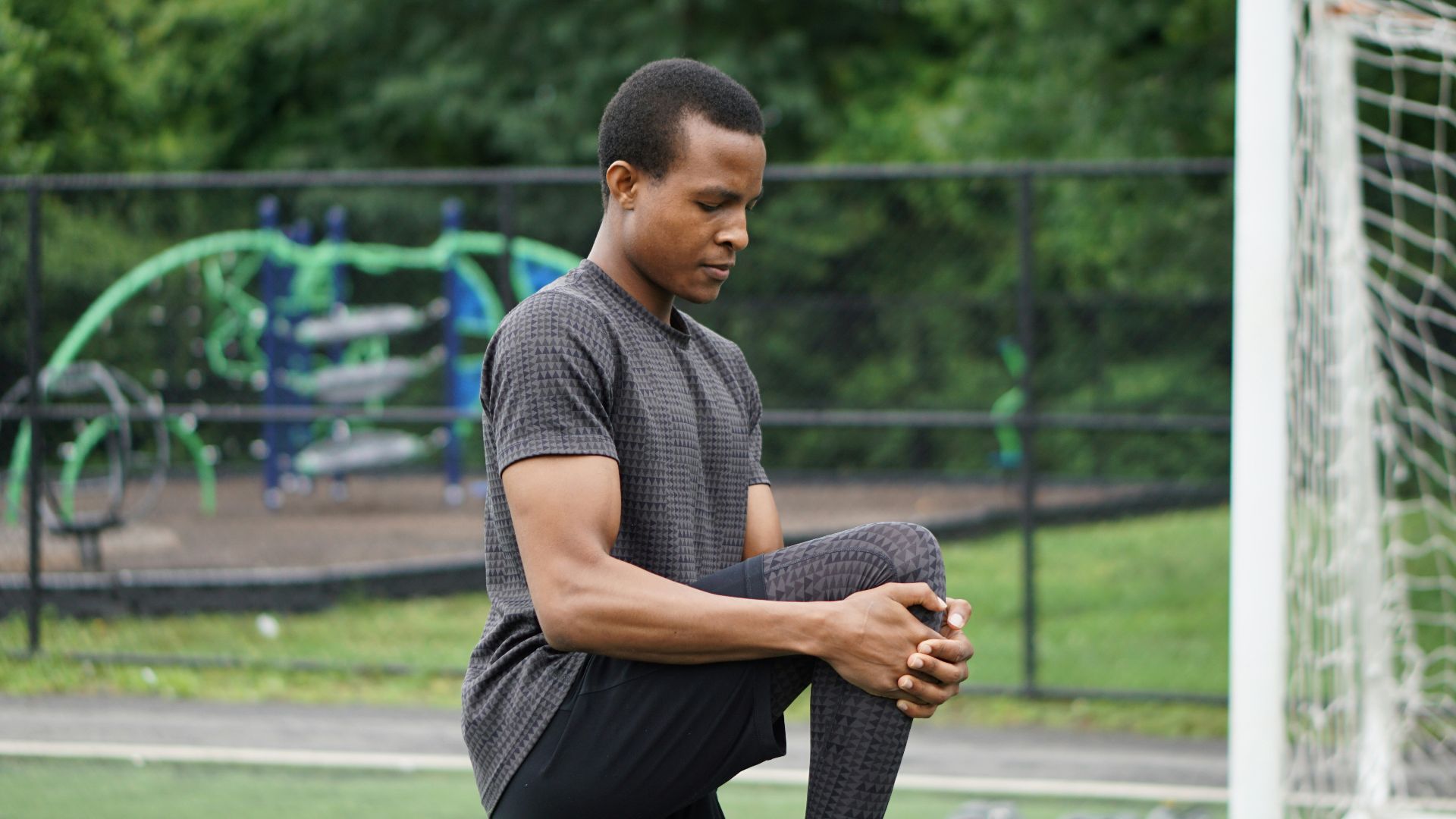
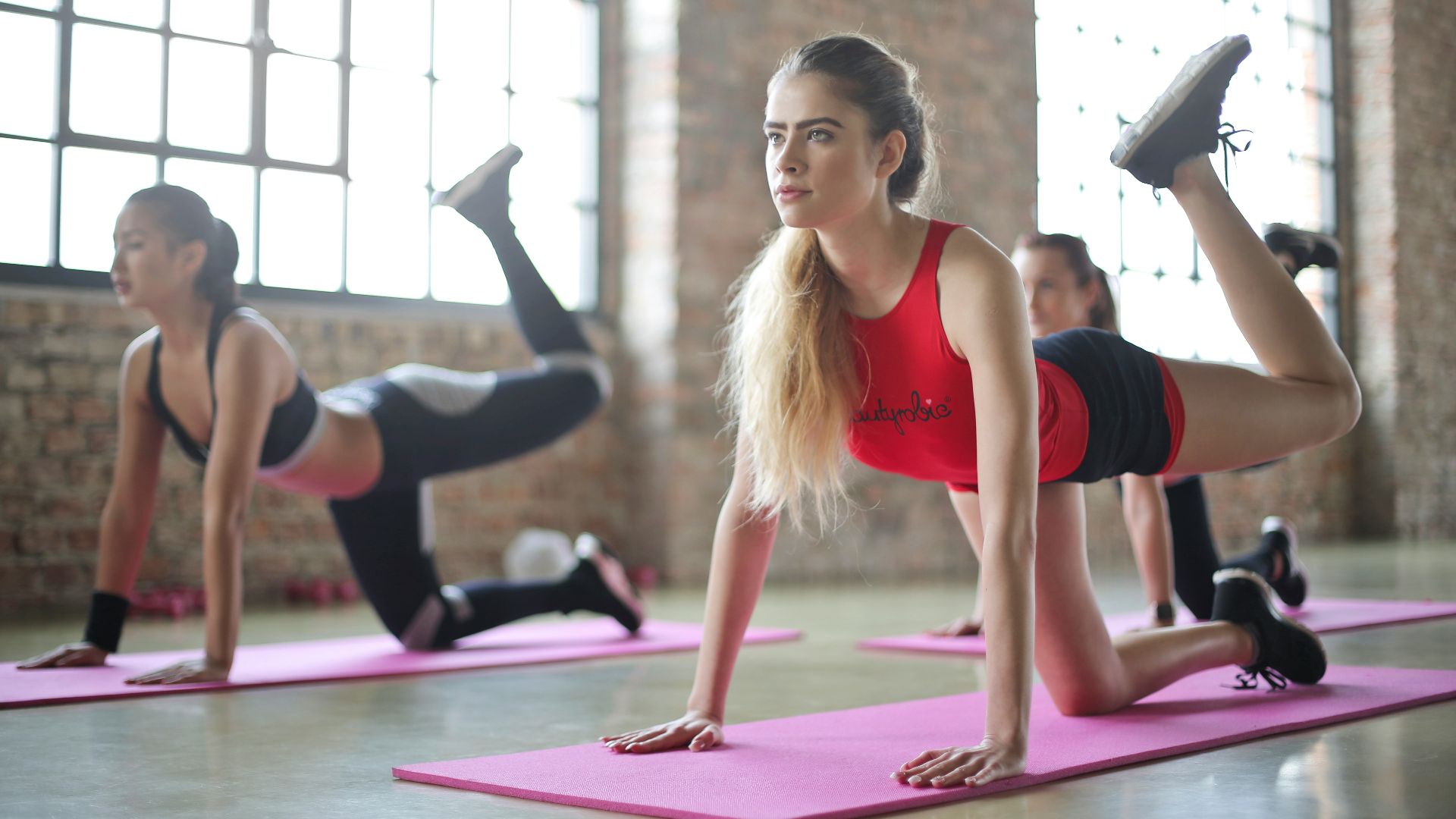
Your hip joint relies on the surrounding gluteal and thigh muscles for strength and stability, which means someone who only walks may still be missing the resistance exercises needed to keep those muscles strong. Bridges, sit-to-stands, and standing hip exercises are all clinician-approved moves that make ordinary activities a bit easier.
6. Standing All Day
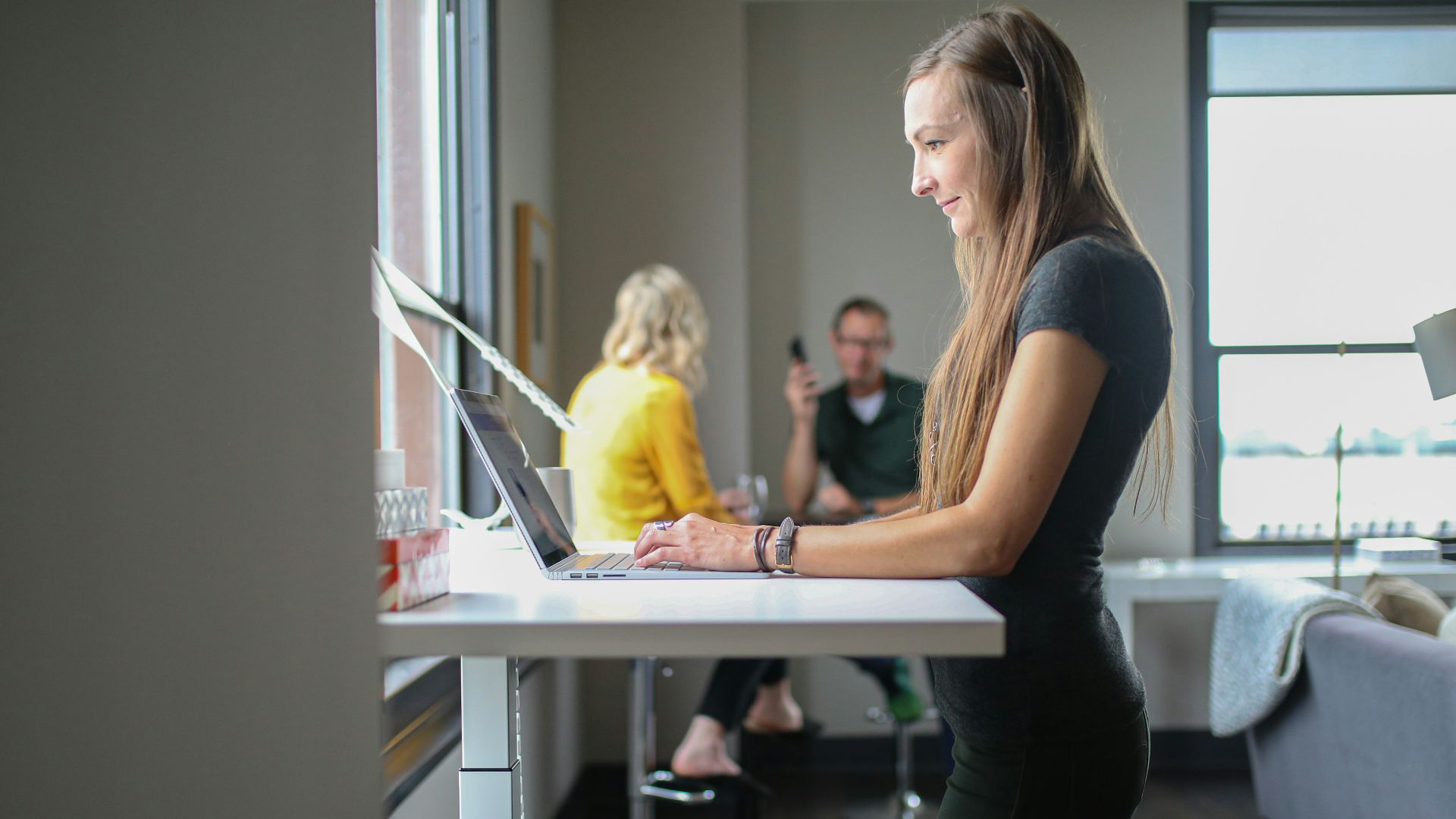
We all know that sitting all day is bad for you, but standing isn’t automatically healthier. Long periods on your feet can contribute to repetitive stress around the outside of the hip, especially during retail shifts or work at a standing desk. You need to alternate between sitting, walking, and standing rather than expecting one position to carry you through the day.
7. Resting All Your Weight On One Hip
Many people love to lean on one leg while chatting or working at the kitchen counter. Though it’s normal, an uneven stance can increase compression on the gluteal tendons and may exacerbate pain along the hip. Keep your weight more evenly distributed between both feet, and you’ll experience happier tendons.
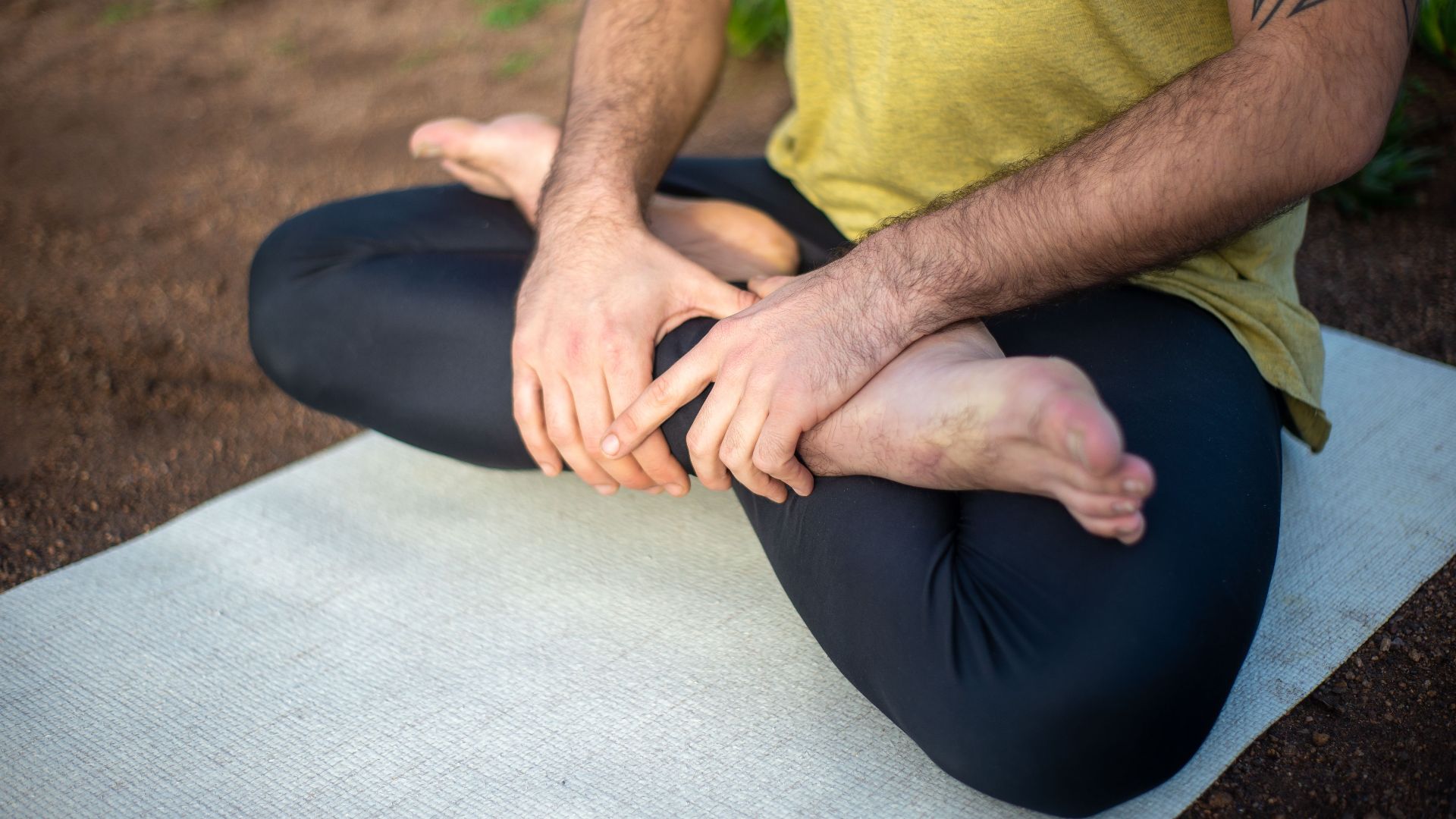
8. Crossing Your Legs
Crossed legs may feel comfortable at first, but that beloved position can compress already irritated tissues, and it’s even worse around the outer hip. You don’t need to give it up altogether, but letting both feet rest on the floor gives the hip a more neutral position during downtime.
9. Sinking Into Low Chairs
That deep sofa may be excellent for movie night, but it’s not a spot you should reach for on the regular. Low seats actually stick the hips in deeper flexion, and rising from them will only aggravate certain forms of lateral hip pain. It doesn’t sound appealing at first, but a firmer chair that keeps your hips slightly higher than your knees is easier to enter and leave.
10. Sleeping on the Painful Side
If your hip is already sore, the last thing it needs is hours of pressure at night. Side sleepers can benefit more from lying on the unaffected side and placing a pillow between the knees to support the upper leg. Now, if both sides hurt, sleeping on your back with pillows beneath your knees may feel more comfortable!

11. Repeating the Same Workout
Running, stair climbing, and cycling all use the hip, which can become a problem when recovery never really happens. The more you do something, the more accustomed your body gets to it, and overuse injuries often develop, too. Rotate harder sessions with lighter movement.

12. Overdoing Hills and Stairs
Uphill walks and staircase workouts also demand more from the muscles and tendons around the hip, which is why it’s harder on your body than simple walking. People with gluteal tendon pain also report worse symptoms on hills or stairs, especially after a sudden increase in either one. There’s no shame in choosing a flatter route while you rebuild strength and tolerance.
13. Exercising Through Increasing Pain
You don’t get any medals for working through the pain—but you might get a hospital visit! Pain that steadily intensifies, changes your movement, or remains worse after exercise are all warning signs that indicate your activity needs modification. Reducing the weight, depth, or number of repetitions is often wiser than ignoring any twinge.
14. Using Sloppy Form
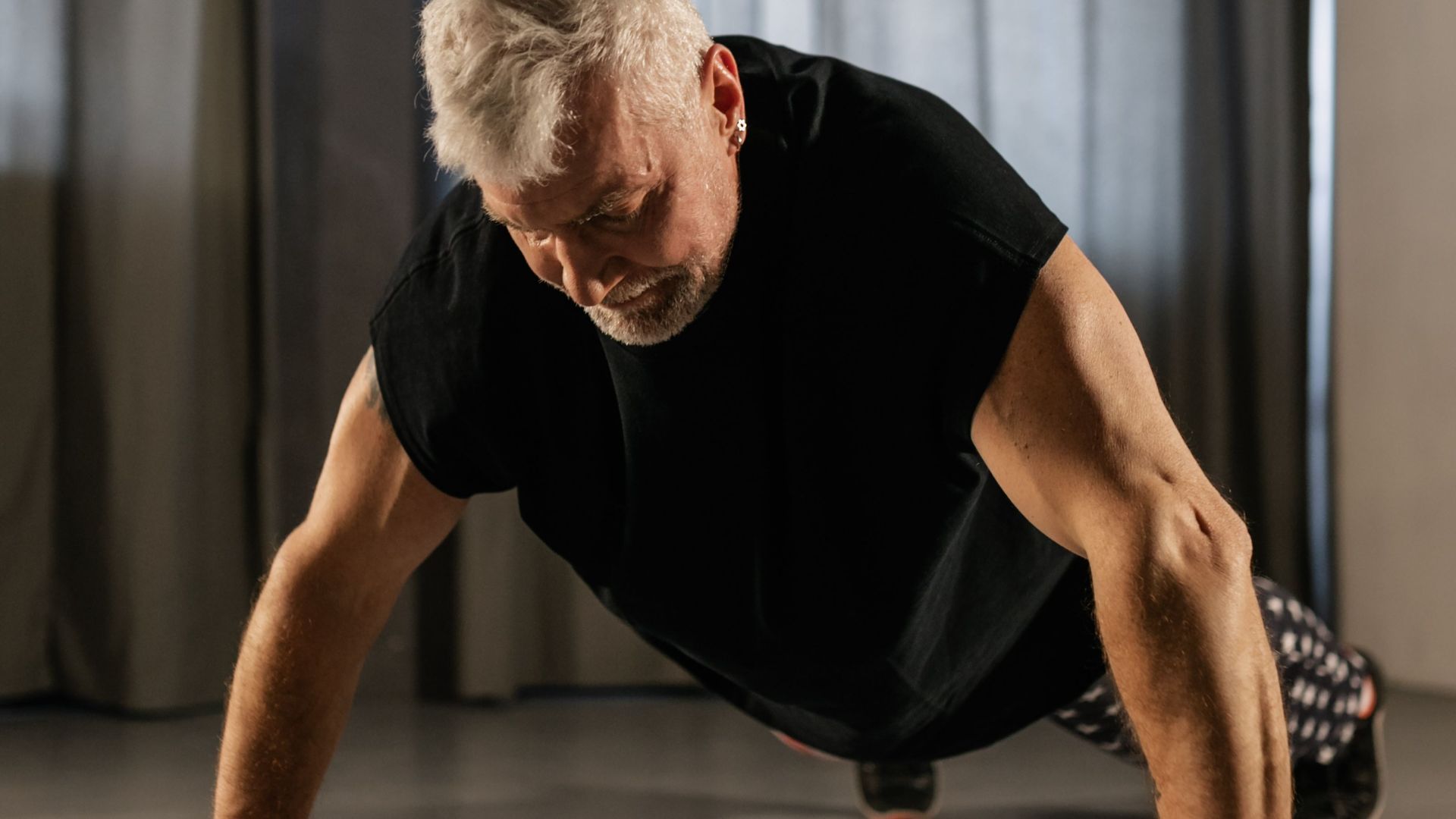
Make no mistake: one of the worst things for your body is poor technique. Don’t forget that sloppy form can repeatedly load the wrong tissues, and twisting under a heavy load or losing control during a lunge contributes to strains. A physical therapist or qualified trainer can help identify problems that aren’t obvious from your point of view, so it’s okay to ask for help.
15. Forcing Aggressive Stretches
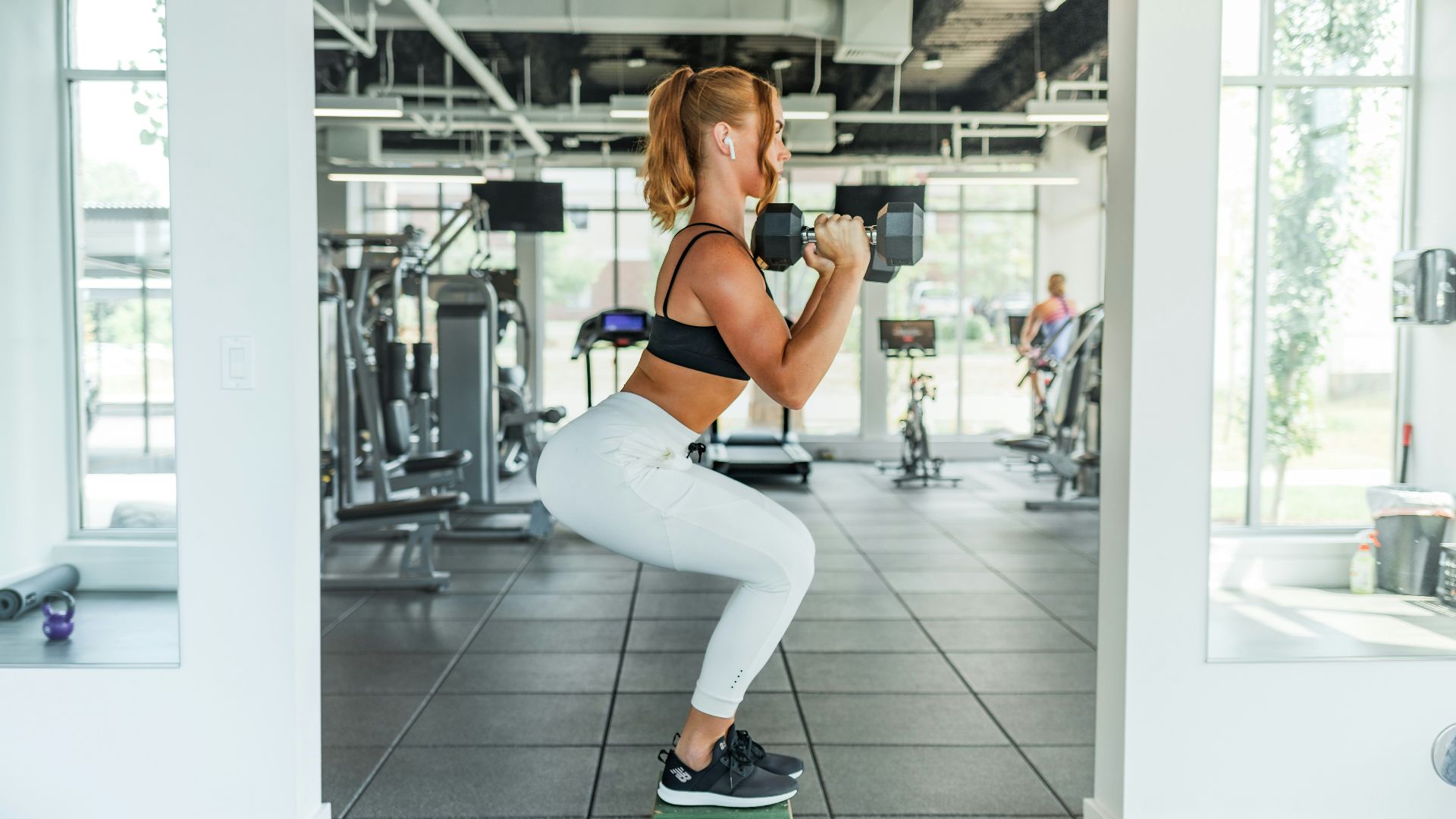
Don’t get us wrong—stretching is helpful, but you don’t need to overdo it. With certain forms of outer hip tendon pain, repeatedly drawing the knee across the body or forcing a strong gluteal stretch can add unwanted compression. You should choose exercises that match the actual cause of your symptoms rather than copying some stretch you saw online.
16. Lifting and Twisting at the Same Time
Picking up a loaded laundry basket while rotating toward the stairs can strain muscles around the hips and lower back. Though it’s not easy to avoid heavy luggage and oversized boxes, those big guys become harder to control when they’re held away from your body or moved with a sudden twist. Use smaller loads or move close to the object to make it easier on yourself.

17. Wearing Shoes That Don’t Support You
We’re all adults now—no more making fun of supportive shoes! A worn-down pair of sneakers alters how forces travel through your feet, legs, and hips, which means anything from flattened soles to uneven heel aggravate existing pain. It’s time to retire footwear that has lost its structure before a long walk feels harder than it should.
18. Ignoring Gradual Weight Gain
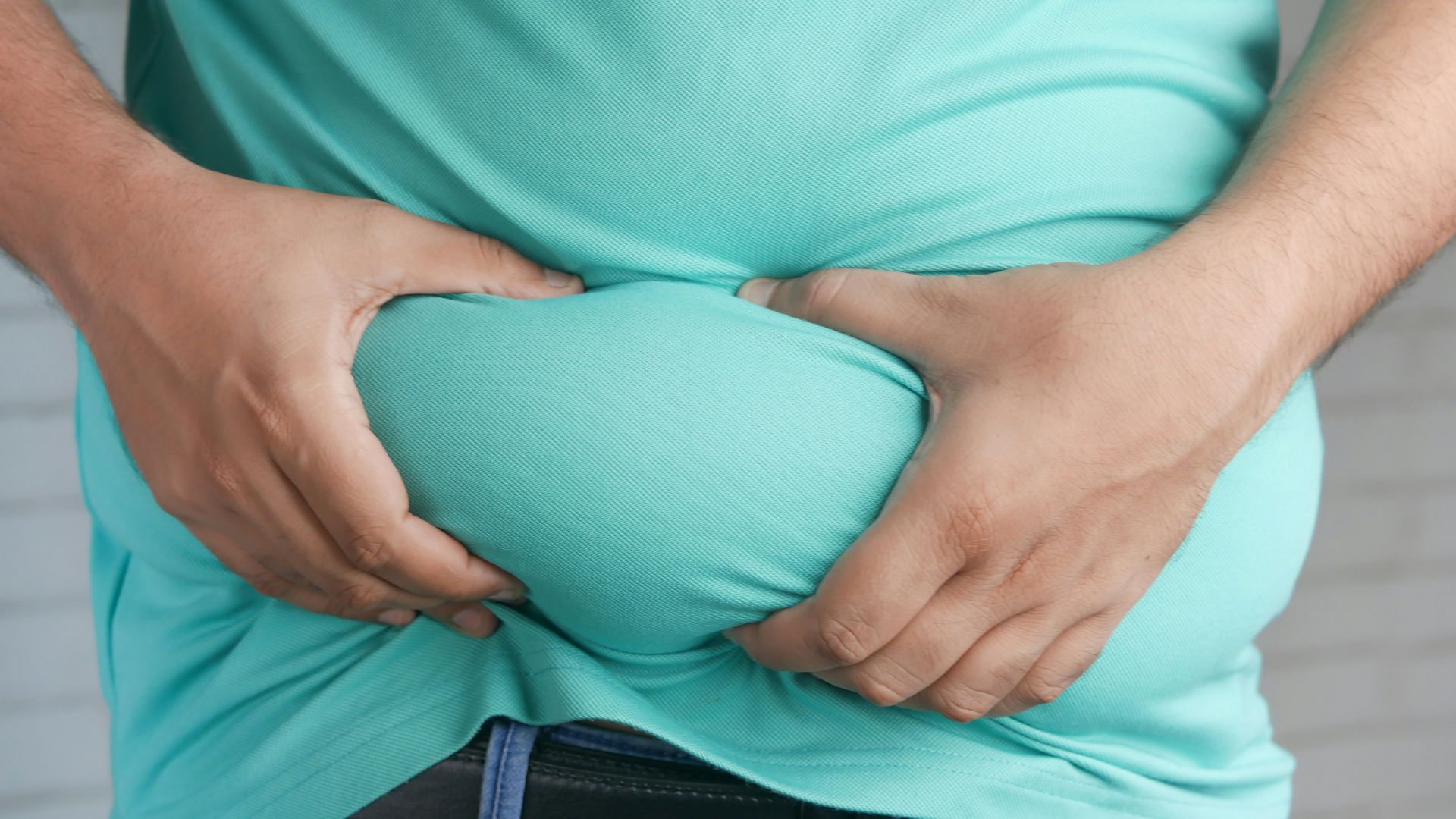
Body weight isn’t the only factor behind hip pain, but additional weight can increase the load placed on the joint and surrounding tissues. It may also make hip pain more noticeable during weight-bearing activities, which means sustainable eating and movement habits are more useful than an extreme diet that crashes after two weeks.
19. Treating Smoking As Unrelated
Smoking may not cause an immediate hip twinge, but don’t get it twisted—it’s connected to poorer long-term joint and bone health. In addition to everything else, it can also increase the risk of rheumatoid arthritis, make arthritis harder to manage, and raise the likelihood of a fracture.

20. Waiting Until You Can’t Walk
You aren’t doing yourself any favors by waiting around until you literally can’t anymore. Seek prompt care if pain worsens, you can’t place weight on the leg, or the hip becomes swollen, misshapen, or intensely painful. Waiting for a serious problem to become impossible to ignore rarely makes the appointment more convenient.
KEEP ON READING
20 Ways Perimenopause Changes Fitness and Appetite


20 Unhealthy Obsessions People Have
20 Gut-Friendly Fermented Foods For Everyday Meals