A Few Simple Steps Can Help You Feel Better After Sun, Sand, And Saltwater
A beach day can be a lot of fun, though it can also leave you tired, thirsty, sticky, and still covered in sand after you get home. Between swimming, walking, sitting in the sun, and carrying half the beach back to the car, your body has put in some work. You don’t need a complicated recovery routine or a cabinet full of products to feel better. A little water, a cool shower, and some gentle skin care can go a long way. These 20 steps can help you wind down after the beach and make the next day feel much easier.

1. Find A Cool Place First
Get inside or sit somewhere shady and breezy before you worry about unpacking bags or starting laundry. Change into loose, dry clothes, take a few minutes to sit down, and let your body cool off.

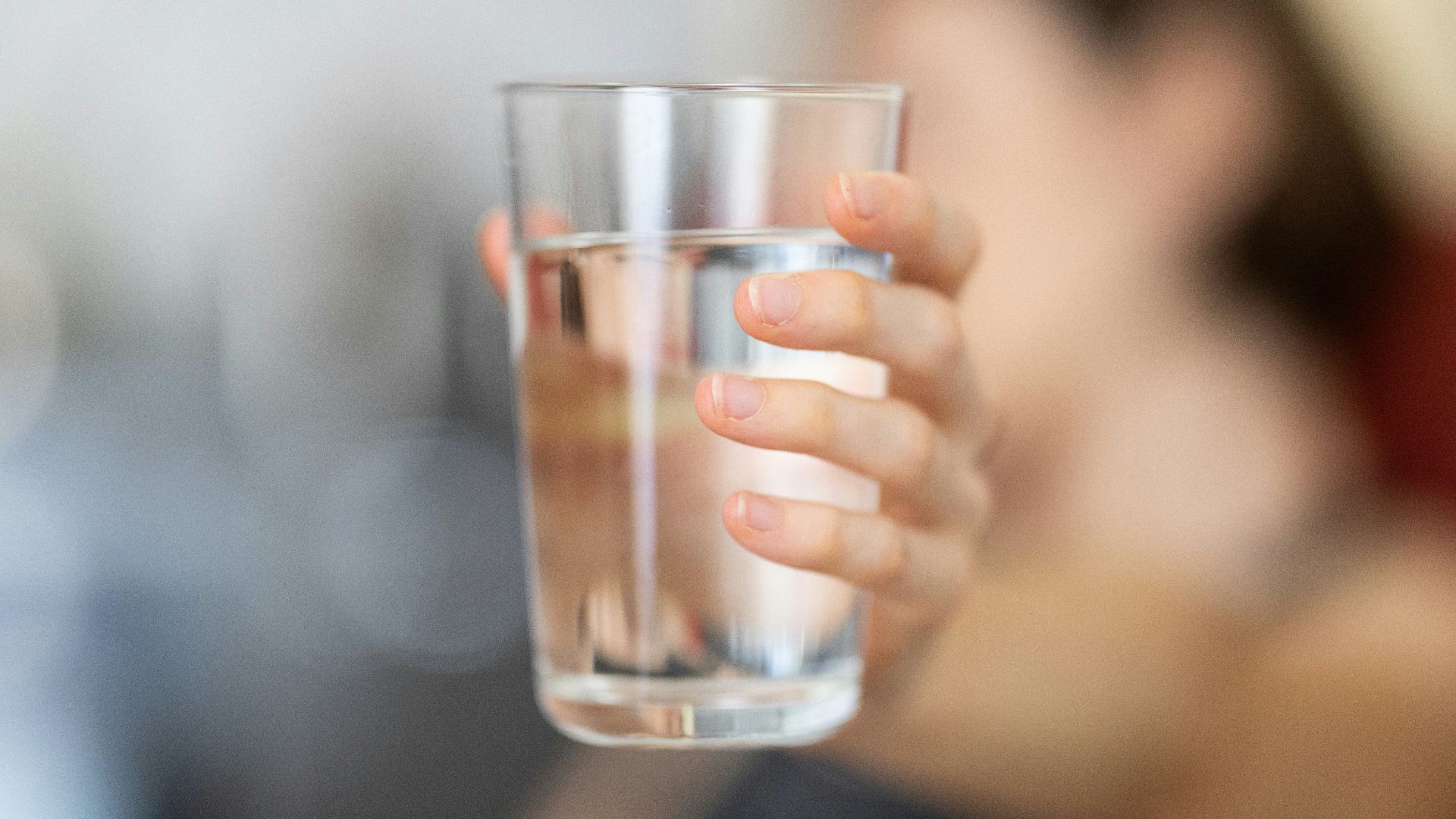
2. Drink Water
Start sipping water once you’re out of the sun, especially if you spent the day sweating, swimming, or walking around. You don’t need to drink a huge amount all at once, and anyone who has been told to limit fluids should follow their usual health plan.
3. Hold Off On The Alcohol
A cold beer or cocktail may sound nice after a beach day, though alcohol can add to fluid loss. Have water and food first, then save any drinks for later when you’re no longer trying to rehydrate.

4. Eat A Proper Meal
You’ll probably feel better with a real meal than another handful of chips from the beach bag. Go for something easy that has carbohydrates, protein, and produce, such as a sandwich and fruit, rice with vegetables, or pasta with a protein you enjoy.

5. Change Out Of Your Wet Swimsuit
Take off your sandy swimsuit as soon as you can and put on something clean and breathable. It’s a small change, though it makes the ride home, dinner, and evening on the couch feel much more comfortable.
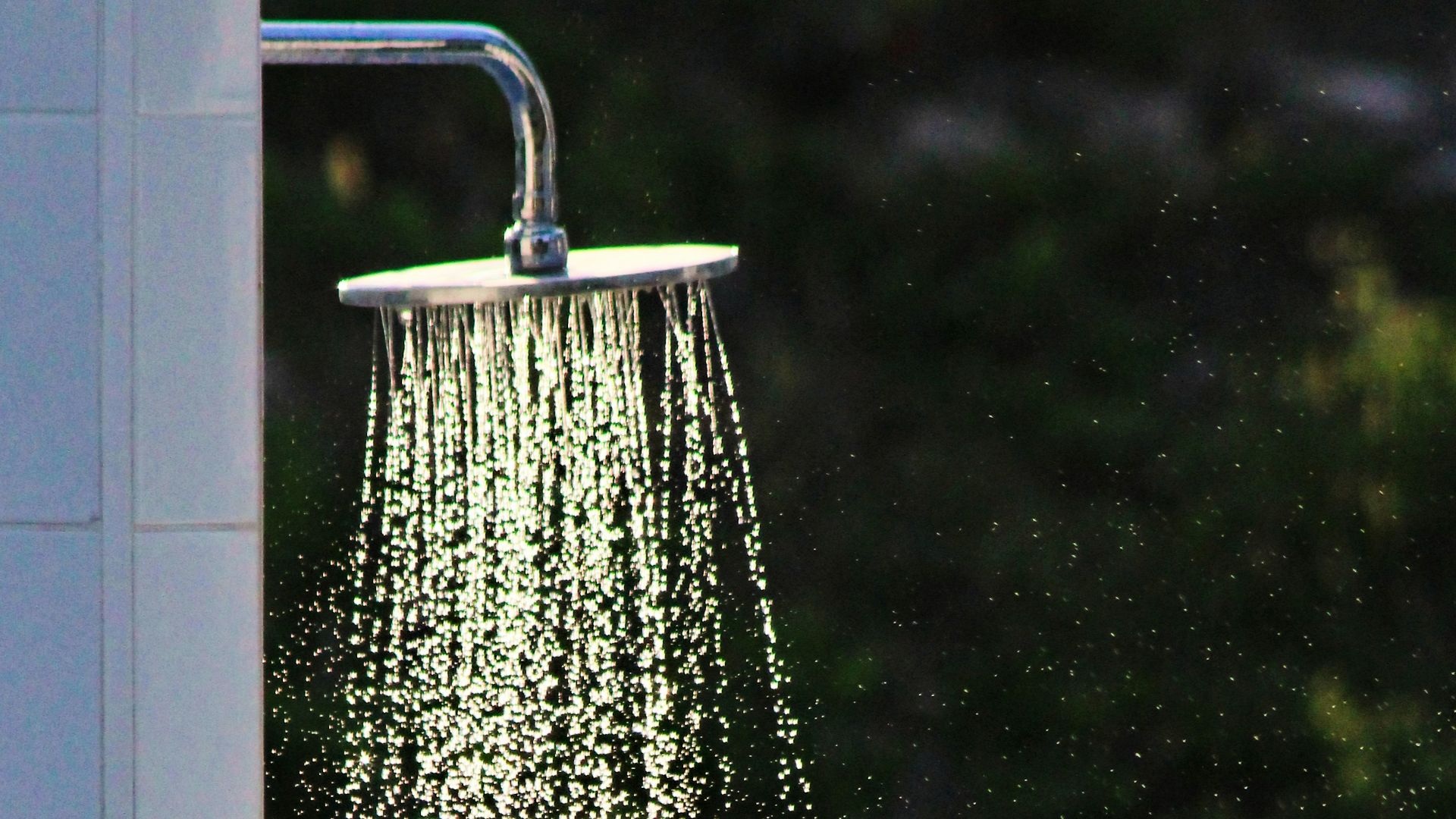
6. Take A Cool Or Lukewarm Shower
Rinse away salt, sand, sweat, and sunscreen with cool or lukewarm water. If your skin feels hot, tight, or sore, skip the steamy shower and give it a gentler reset.
 Chandler Cruttenden on Unsplash
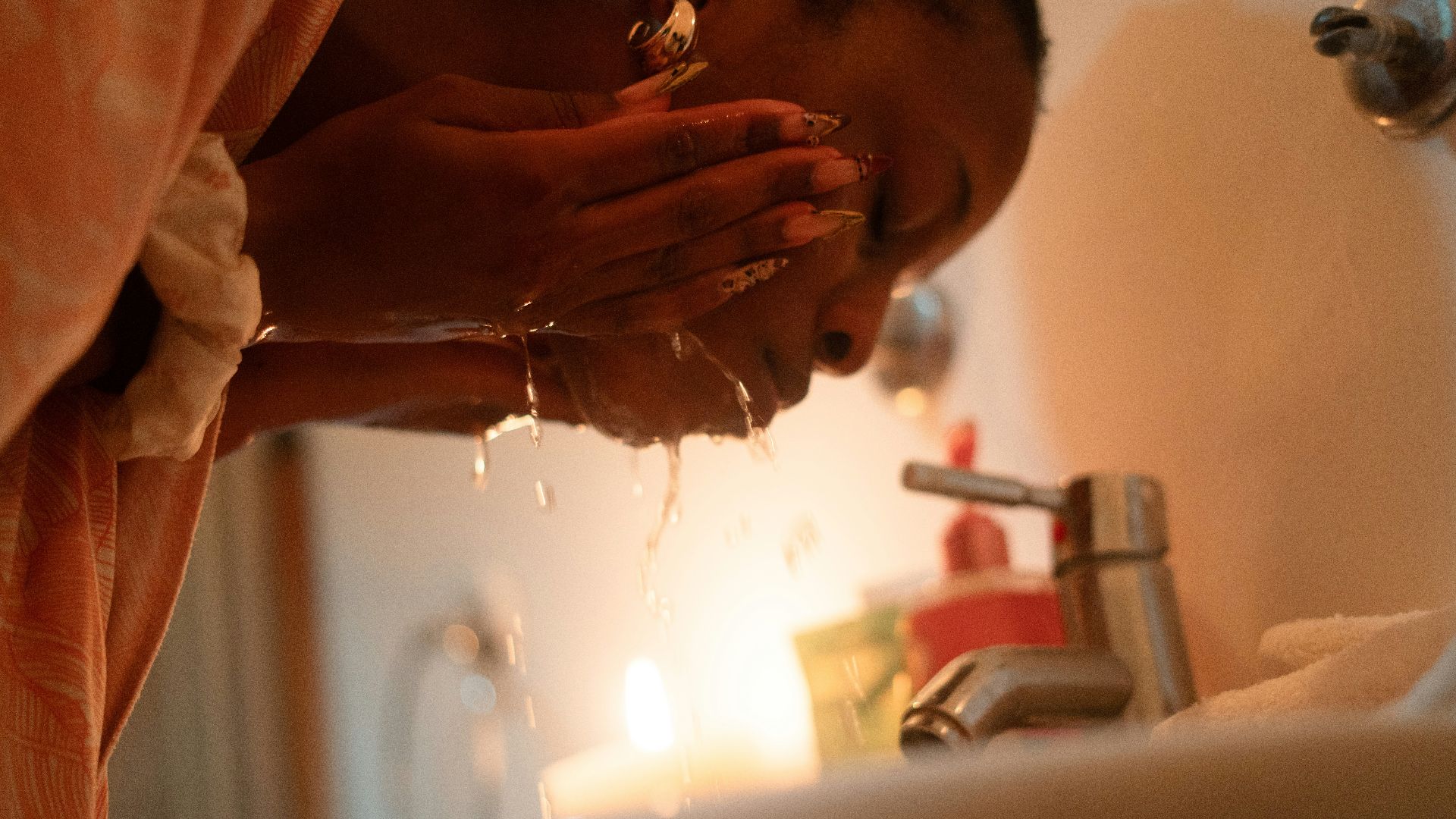
7. Do Some Simple Skincare
Use a mild cleanser where you need it, then leave the scrub, peel, or new skin-care product for another day. Your skin has already dealt with sun and wind, so it’ll usually be happier with a familiar routine.
8. Pat Yourself Dry
Press your towel against your skin instead of rubbing hard, especially over spots that feel tender. Leaving your skin a little damp also helps your moisturizer do its job after a long day around saltwater and wind.

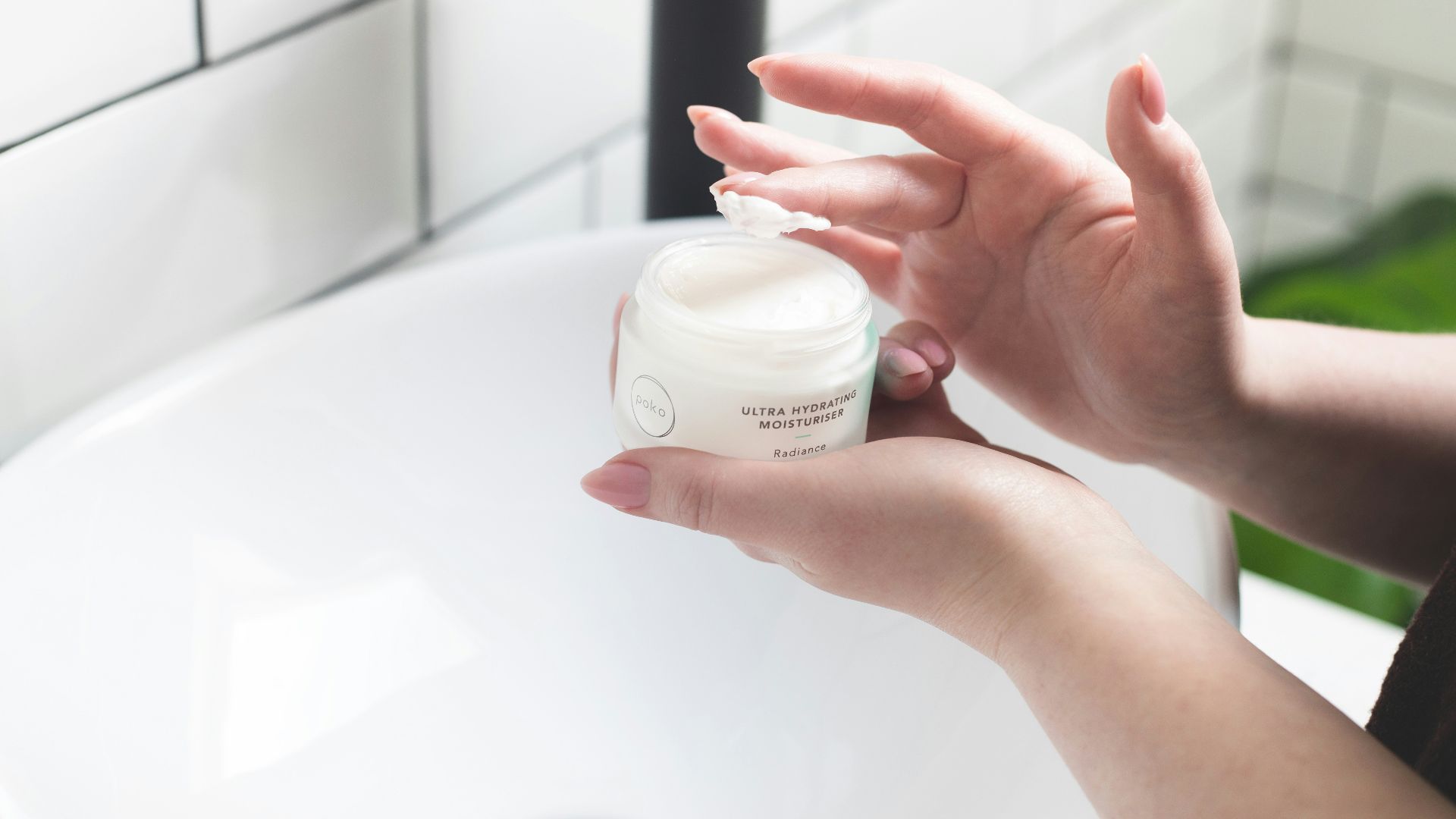
9. Moisturize Before Your Skin Feels Dry
Put on a fragrance-free moisturizer after you shower, while your skin is still a little damp. If you have eczema or another skin condition, stick with the products you already know work for you.
10. Make Sure To Rinse Your Hair
Rinse your hair well to get rid of saltwater, sand, or pool chemicals, then use conditioner if it feels dry or tangled. Blot it with a towel or let it air-dry if you can, since rubbing with a hard towel can leave it feeling rougher.

11. Dry Your Ears - Without Digging Around
Tilt your head so each ear faces down, then dry the outside of your ears with a towel. Keep cotton swabs and other objects out of the ear canal, since they can irritate the skin.
12. Handle Contact Lenses Carefully
If you wore contacts in the water, take them out and follow the cleaning steps for your type of lens. Water-exposed lenses should be tossed or disinfected overnight in contact-lens solution, never rinsed or stored in tap water.
13. Check For Sunburn
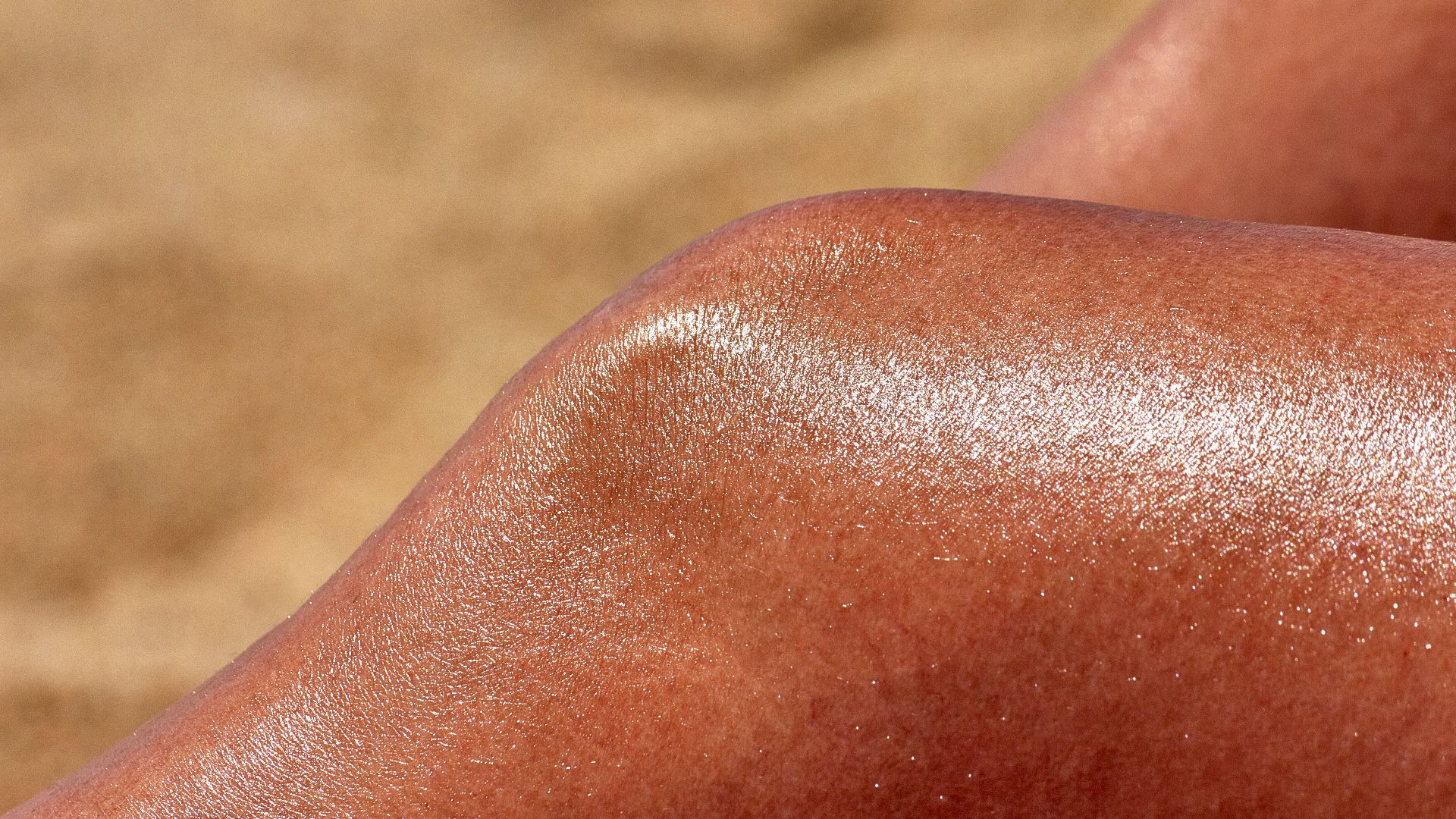
Look over the places that are easy to miss, including your shoulders, ears, scalp part, feet, and the back of your neck. Redness, warmth, tenderness, and swelling can be easier to notice once you’re home and out of the bright light.
14. Mild Sunburns
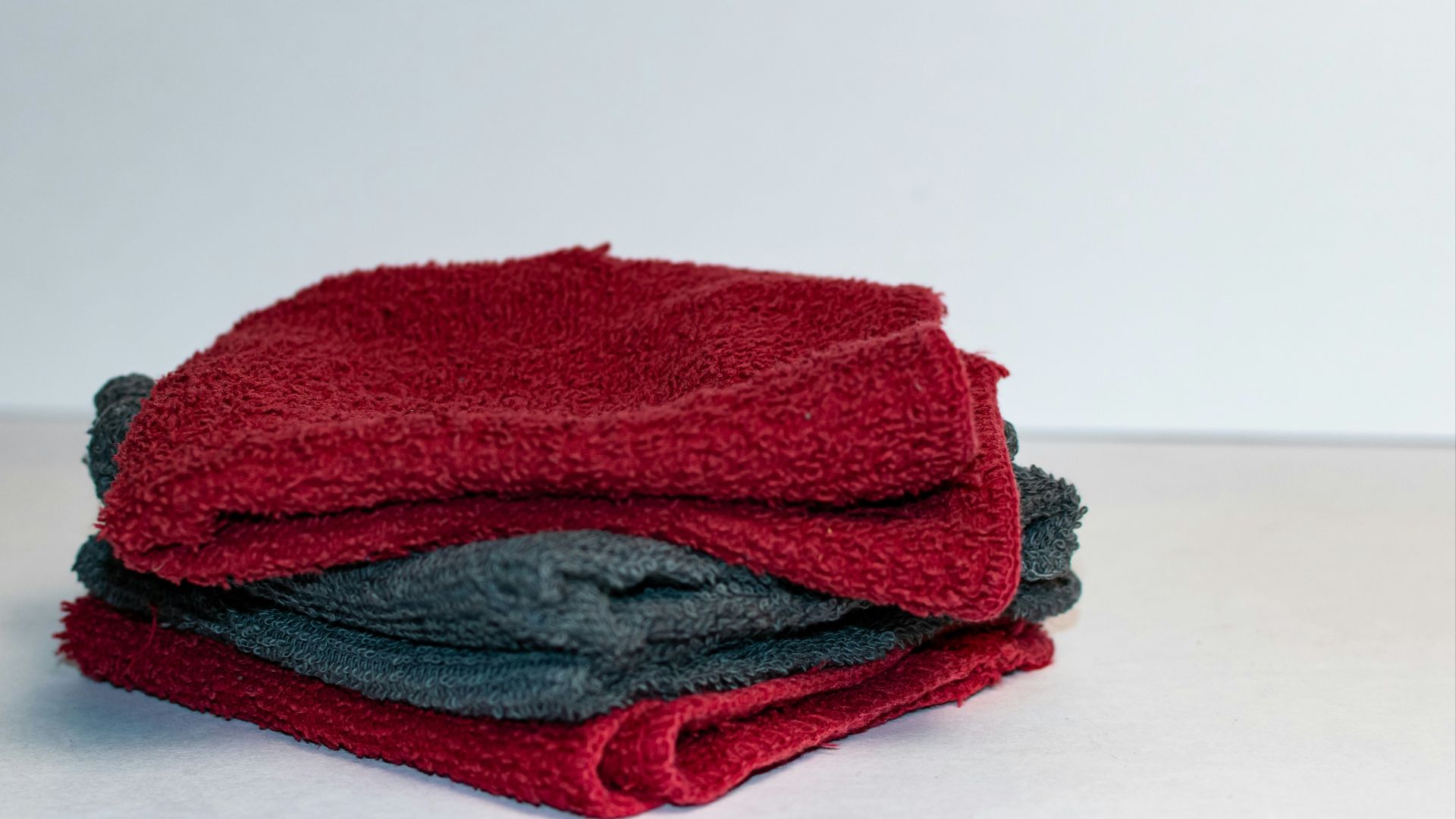
A cool shower, a cool bath, or a damp washcloth can help calm the sting of a minor sunburn. Skip putting ice directly on your skin, since it can feel too harsh on an area that’s already sore.
15. Use A Soothing Moisturizer
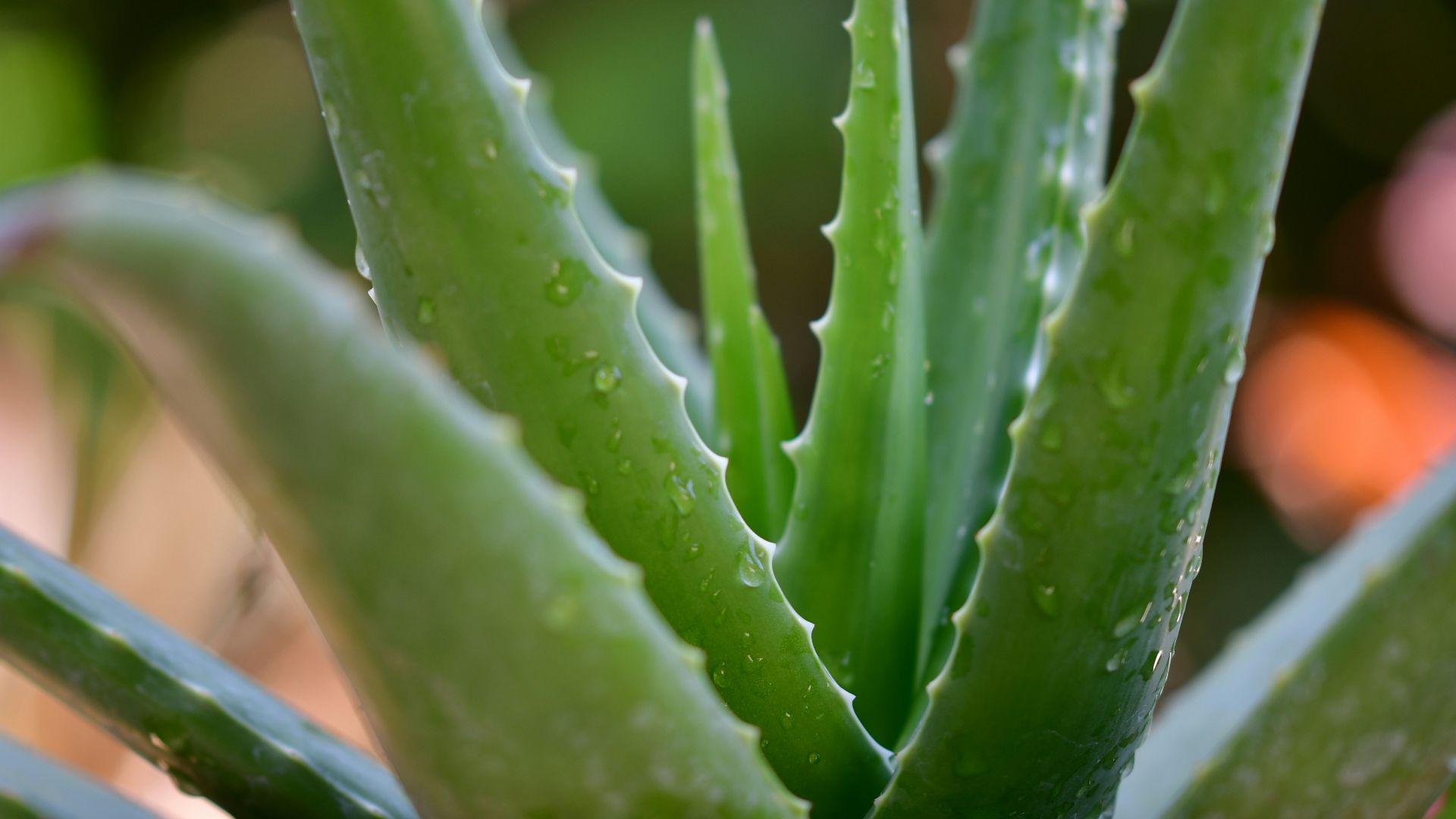
Aloe vera or soy-based moisturizer can help with the dry, tight feeling that comes with a minor sunburn. Apply it to slightly damp skin, use more when you need it, and keep drinking water while you recover.
16. Use Pain Relief Carefully
A nonprescription pain reliever may help with sunburn-related pain and swelling if it’s normally safe for you to take. Follow the label, don’t take more than one product with the same active ingredient, and ask a pharmacist if you aren’t sure.

17. Leave Sunburn Blisters Alone
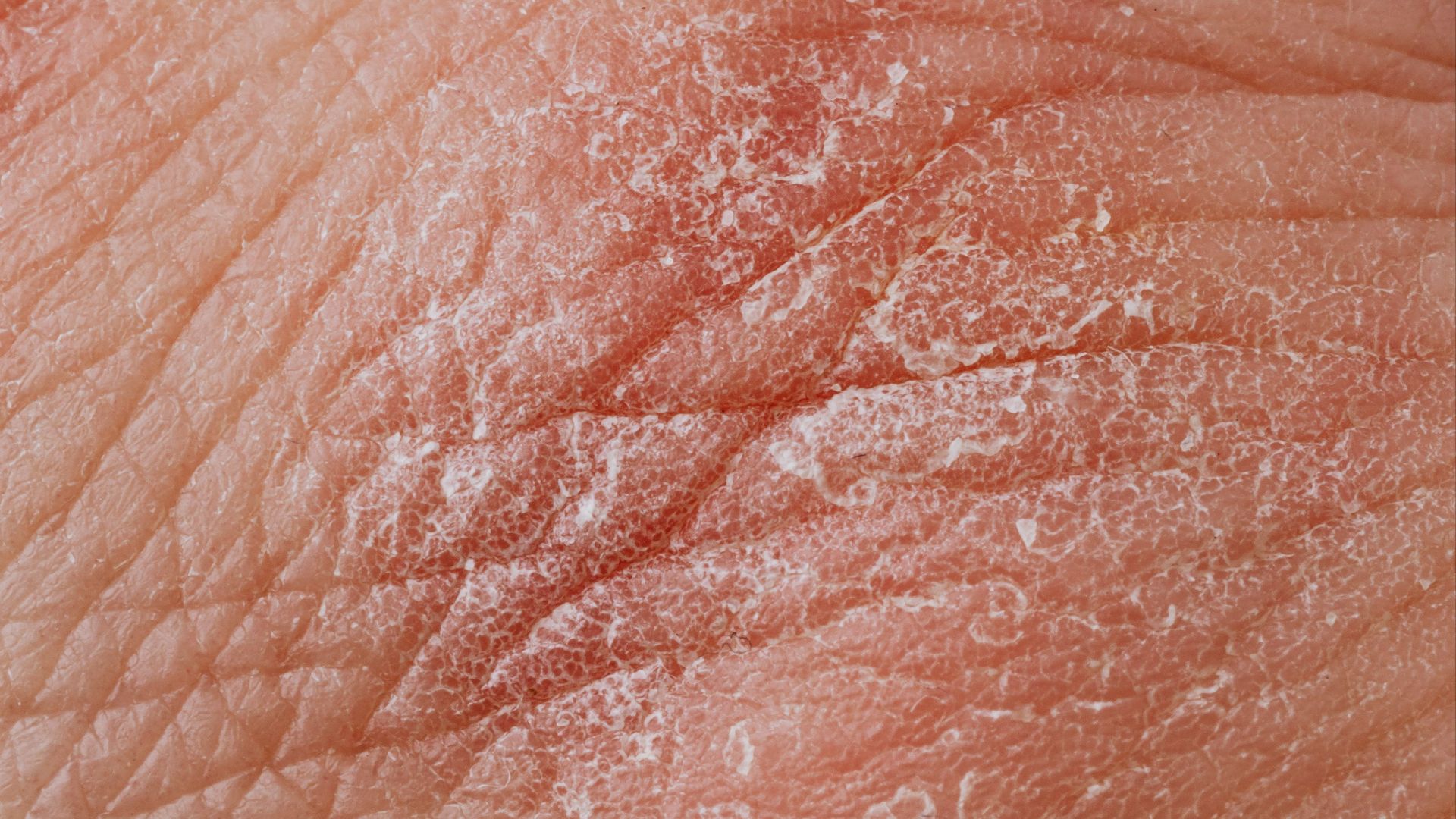
Don’t pop or peel sunburn blisters, even if they’re hard to ignore. Keep them clean, protect them from rubbing, and use a thin layer of petroleum jelly on intact blisters.
18. Skip Numbing Sunburn Products
Avoid sunburn products with benzocaine, which may irritate your skin or cause an allergic reaction. Cool water, gentle moisturizer, soft clothing, and time out of the sun are the better choices.

19. Keep Burned Skin Out Of The Sun
Give sunburned skin time to heal before you expose it to more sunshine. If you need to be outside, look for shade, wear lightweight clothes that cover the area, and use sunscreen on skin that is not covered.

20. Know When To Ask For Help
Heavy sweating, weakness, cramps, dizziness, nausea, or cool and clammy skin can be signs of heat exhaustion and shouldn’t be brushed off as regular tiredness. Seek urgent care for confusion, fainting, seizures, loss of consciousness, or a very high temperature. Contact a health professional for a widespread blistering burn, high fever, worsening swelling, pus, ear pain or drainage, or illness that starts after swimming.

KEEP ON READING

20 Ways To Recover After A Day At The Beach


20 Foods To Eat More Often If Your Joints Feel Stiff