
Aging Can Change What Your Body Absorbs
Getting older doesn’t guarantee that you’ll develop a nutrient deficiency, especially when you eat a varied diet and receive appropriate medical care. However, smaller appetites, digestive changes, limited sun exposure, medications, dental problems, and chronic conditions can make certain nutrients harder to obtain or absorb. Because many symptoms overlap with other health concerns, suspected deficiencies should be confirmed by a health professional rather than treated through guesswork. Here are 20 nutrient deficiencies that become more common with age.
1. Vitamin D
Older skin generally produces less vitamin D from sunlight, while people who spend most of their time indoors receive even less exposure. Low levels can interfere with calcium absorption and contribute to weakened bones and muscles.
2. Vitamin B12
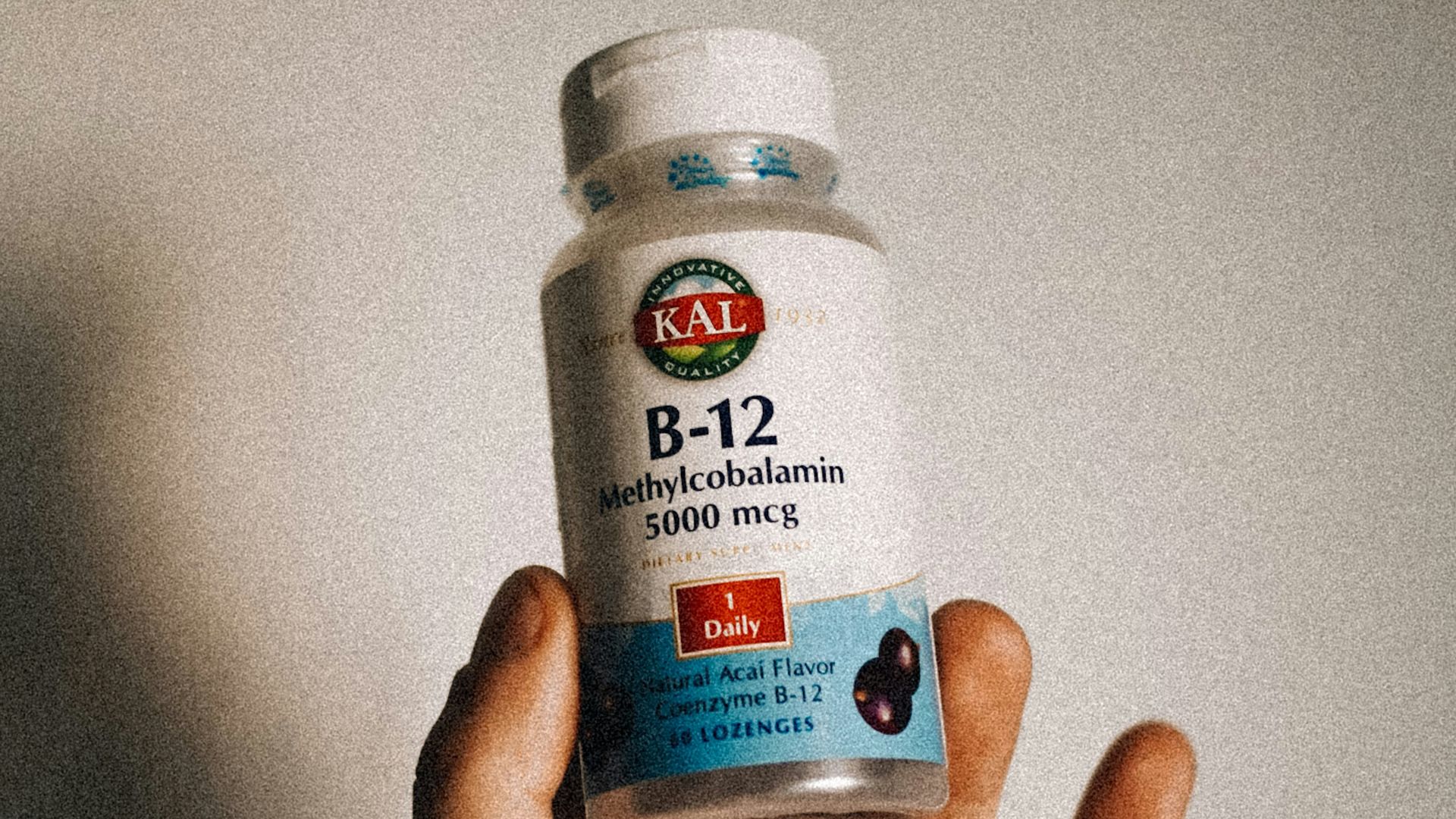
The body may become less efficient at separating vitamin B12 from food as stomach acid production declines with age. Acid-reducing medications, metformin, digestive disorders, and pernicious anemia can further affect absorption. A deficiency may cause anemia, fatigue, numbness, balance difficulties, or memory-related symptoms, and nerve damage can become permanent when treatment is delayed.
3. Calcium
Calcium intake may decline when older adults consume less dairy or avoid fortified alternatives without replacing them appropriately. Vitamin D deficiency can also make it harder for the body to absorb and use calcium effectively. Long-term inadequate intake encourages the body to draw calcium from bones, which can contribute to declining bone strength and an increased fracture risk.

4. Protein
Older adults can require careful attention to protein because aging is associated with a gradual loss of muscle mass and strength. Poor appetite, chewing difficulties, illness, and living alone may result in meals that contain too little.

5. Iron
Iron deficiency isn’t a normal result of aging, and an unexplained deficiency in an older adult should receive medical investigation. Blood loss from the digestive tract, certain medications, poor intake, or difficulty absorbing iron may be responsible. Symptoms can include tiredness, weakness, shortness of breath, and pale skin, although blood testing is required to identify the cause accurately.
6. Folate
Folate deficiency can develop when someone eats few vegetables, beans, fruits, or fortified grain products. Alcohol use, digestive conditions, and certain medications may also reduce absorption or interfere with how the body uses folate.
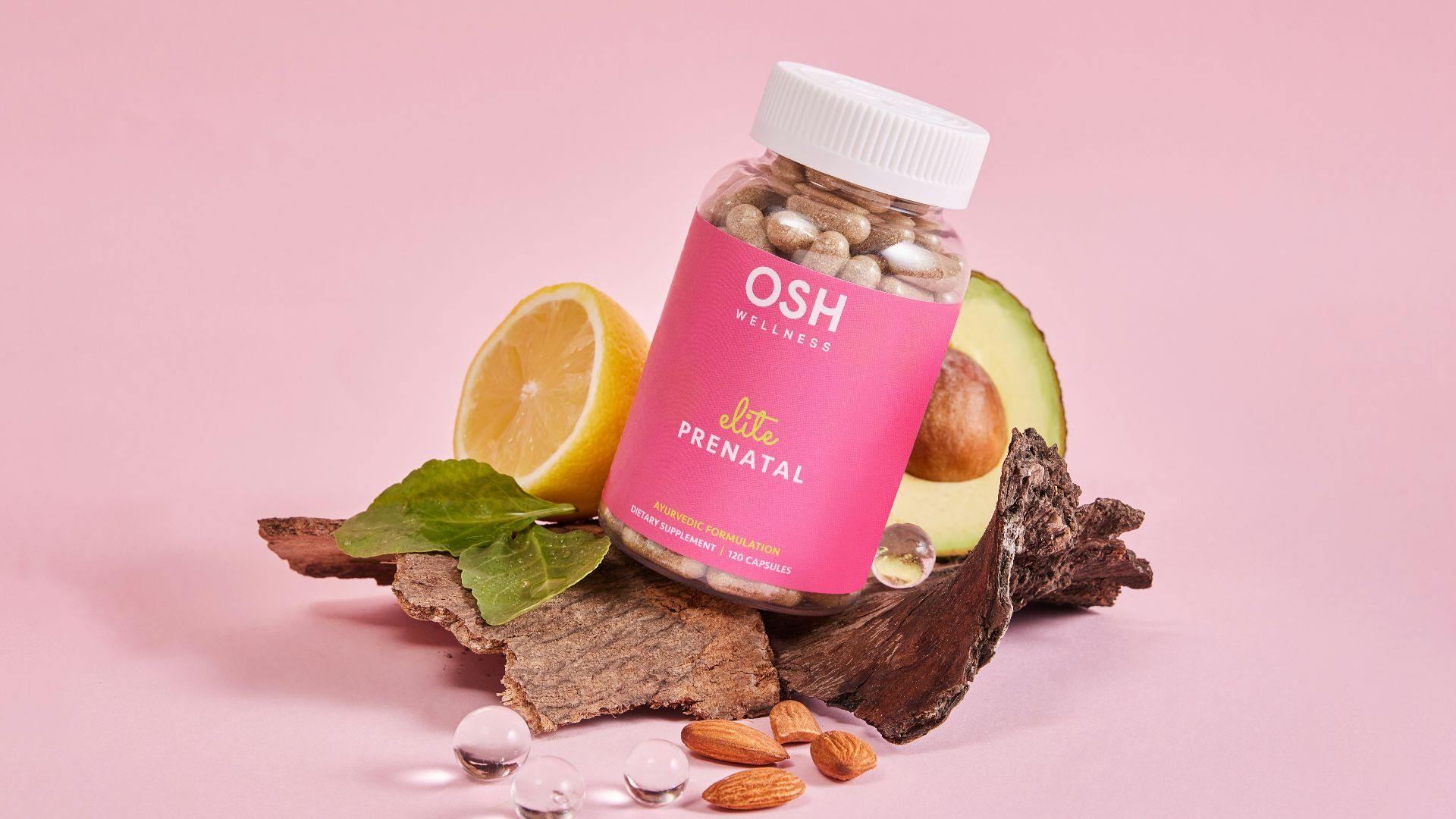
7. Magnesium
Magnesium intake may fall when diets contain few whole grains, nuts, seeds, beans, and leafy vegetables. Some digestive conditions, diabetes, long-term alcohol use, and medications such as certain diuretics can increase losses or affect absorption. Severe deficiency can disturb muscle, nerve, and heart function, although mild shortfalls may produce no obvious warning signs.
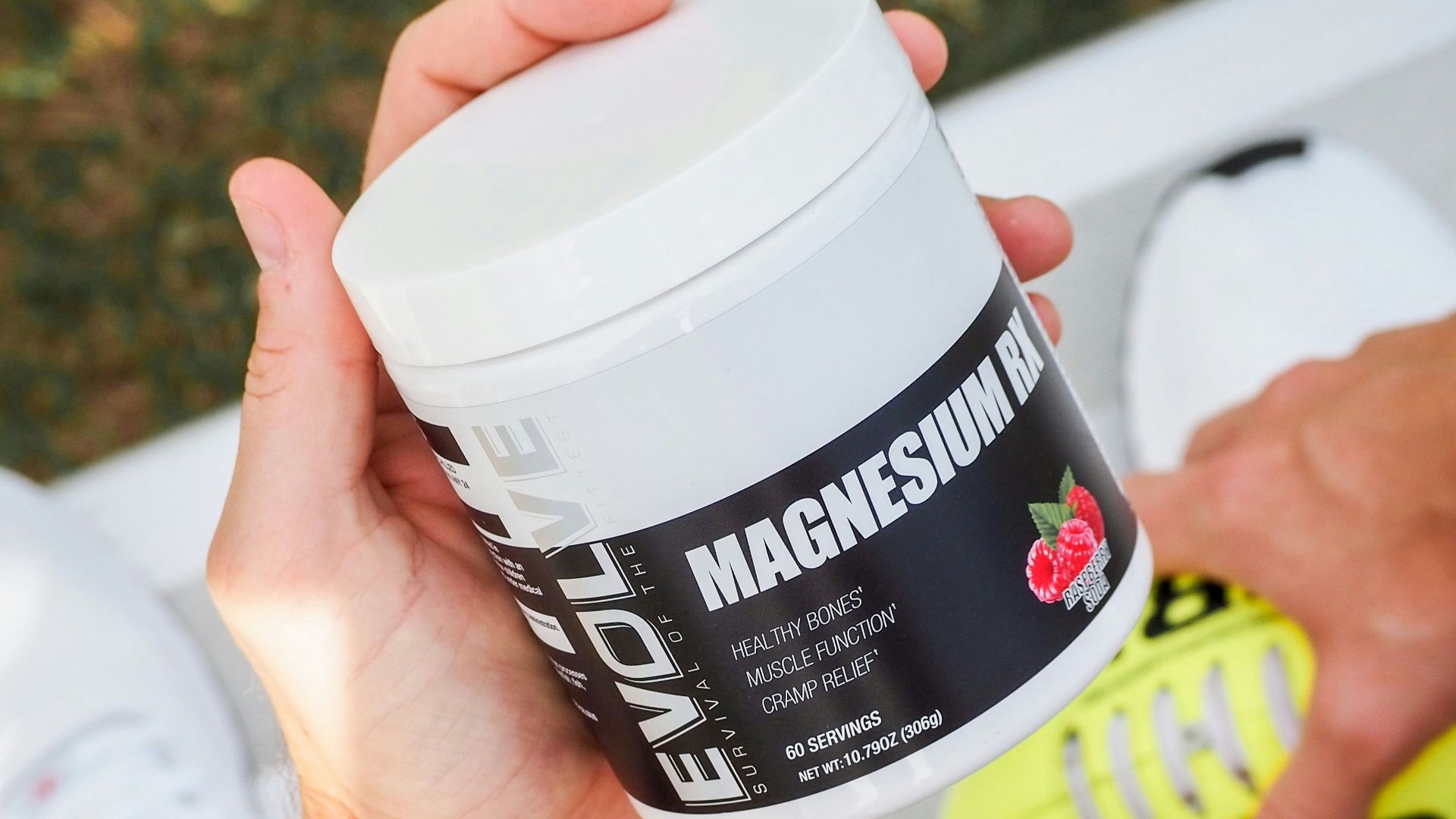
8. Zinc
Zinc supports immune function, wound healing, taste, smell, and many cellular processes. Older adults who eat little meat, seafood, dairy, beans, nuts, or fortified foods may not consume enough, while digestive disorders can reduce absorption. Low zinc status can worsen appetite by affecting taste and smell, potentially making an already limited diet even less varied.
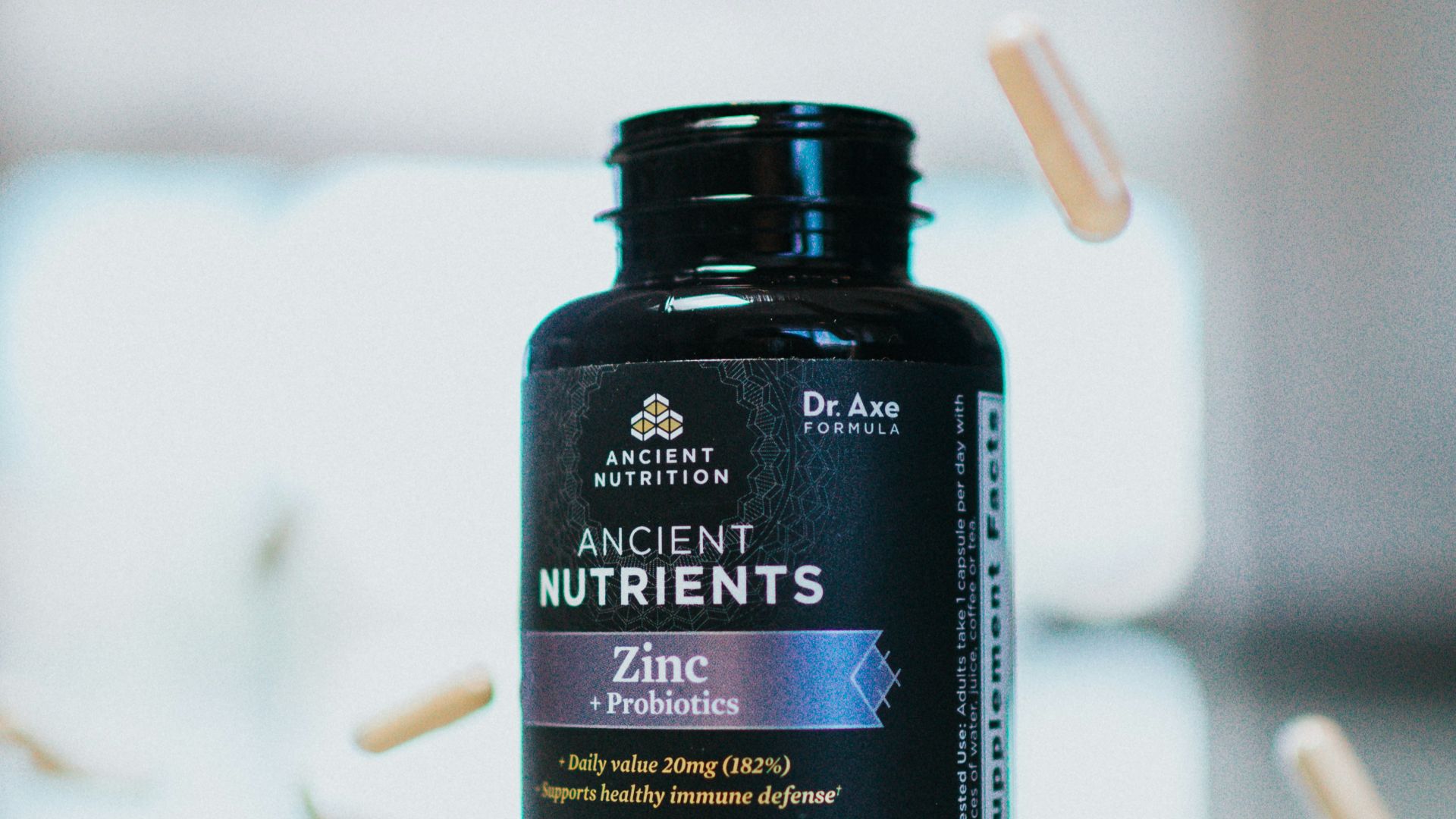
9. Potassium
Potassium helps nerves, muscles, and the heart function properly, but many adults consume less than recommended. Diets low in vegetables, fruits, beans, dairy products, and potatoes can contribute to inadequate intake. However, older people with kidney disease or those taking certain medications shouldn’t increase potassium or use salt substitutes without speaking to a clinician.
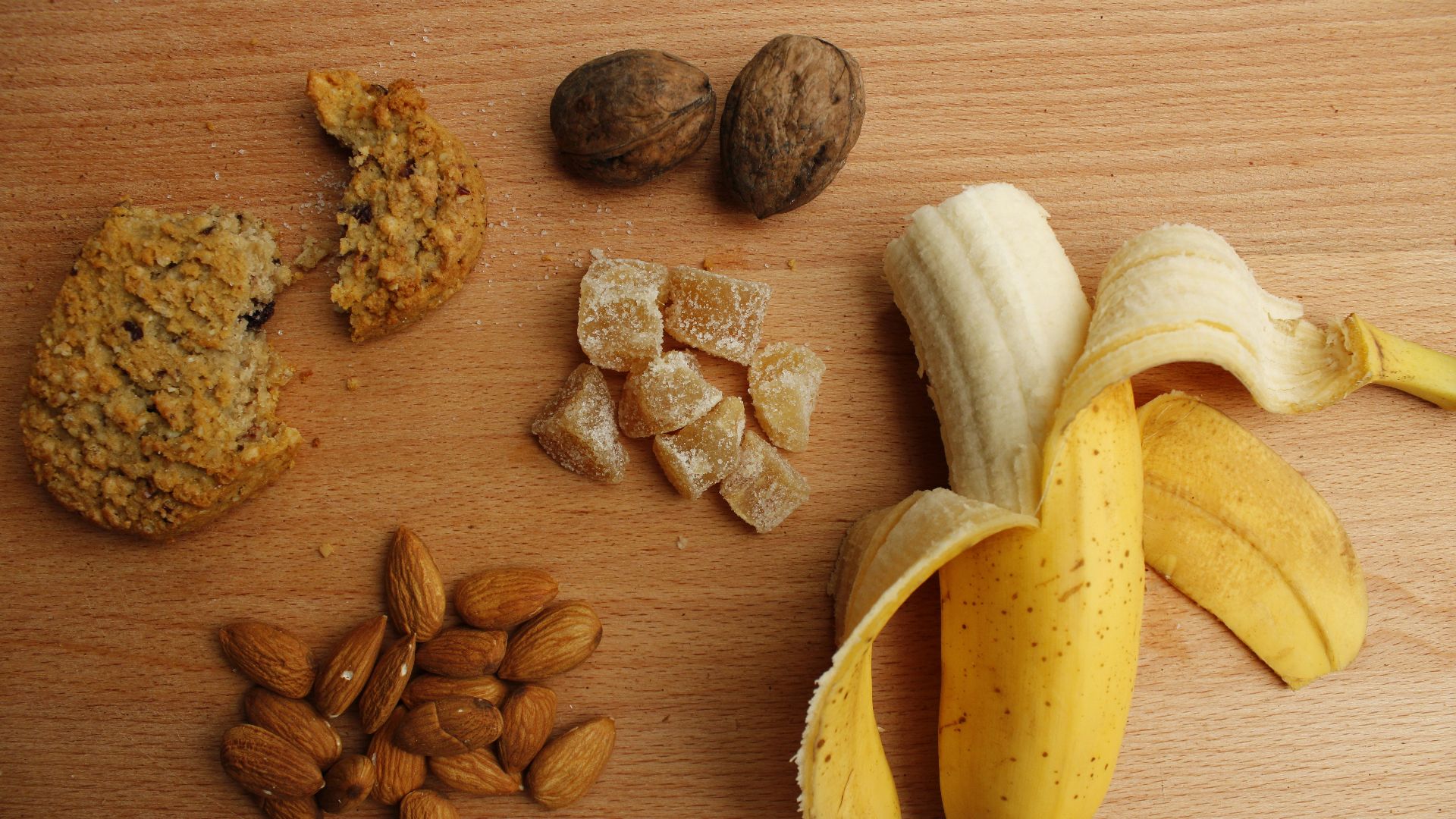 Merve Sehirli Nasir on Unsplash
10. Vitamin B6
Vitamin B6 helps the body process protein, support immune function, and produce neurotransmitters and hemoglobin. Status can decline in people with kidney disease, inflammatory conditions, poor diets, or long-term alcohol misuse.
11. Vitamin C
Fresh fruits and vegetables are the main dietary sources of vitamin C, so people with limited food access or highly repetitive diets may fall short. Smoking also increases the body’s vitamin C requirements.

12. Vitamin A
Vitamin A supports vision, immune defenses, and normal cell growth. Deficiency is uncommon in well-nourished adults in the United States, but it can occur with severe dietary restriction, liver disease, or conditions that prevent fat absorption. High-dose supplements can be harmful, so older adults shouldn’t take extra vitamin A simply because their eyesight has changed.
13. Vitamin E
Vitamin E deficiency is rare and is usually related to disorders that interfere with fat absorption rather than ordinary aging. Because the vitamin acts as an antioxidant and helps support immune function, prolonged deficiency can damage nerves and muscles.
14. Vitamin K
Vitamin K is required for normal blood clotting and contributes to proteins involved in bone health. Deficiency is unusual in healthy adults, although malabsorption disorders, prolonged poor intake, or certain medications can increase the risk.

15. Thiamin
Thiamin, also called vitamin B1, helps convert food into energy and supports normal nerve and muscle function. Deficiency can occur with severe malnutrition, chronic alcohol misuse, heart failure, digestive surgery, or long-term use of certain diuretics.
 Afterave Essentials on Unsplash
16. Riboflavin
Riboflavin, or vitamin B2, plays a role in energy production and the metabolism of other nutrients. Older adults with limited diets, poor appetites, or low dairy consumption may be more likely to consume insufficient amounts.
17. Niacin
Niacin helps the body release energy from food and supports the nervous system, skin, and digestive tract. Severe deficiency is rare where foods are fortified, but it may develop with extreme malnutrition, alcohol use disorder, or medical conditions affecting nutrient absorption.
 Afterave Essentials on Unsplash
18. Selenium
Selenium supports thyroid hormone metabolism, reproduction, DNA production, and protection against oxidative damage. Deficiency is uncommon in North America, although poor intake, digestive disorders, or kidney dialysis may increase vulnerability.
19. Iodine
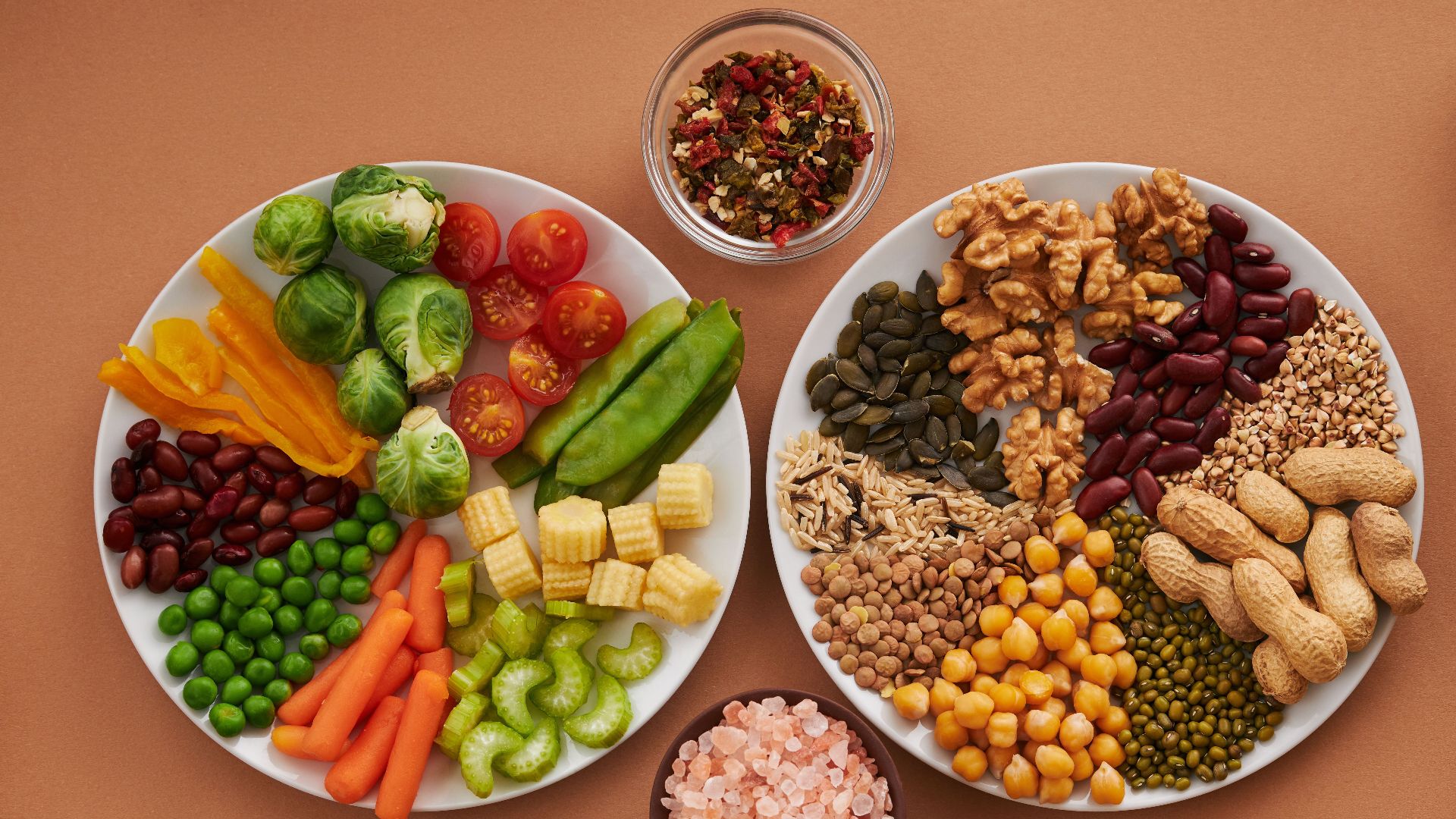
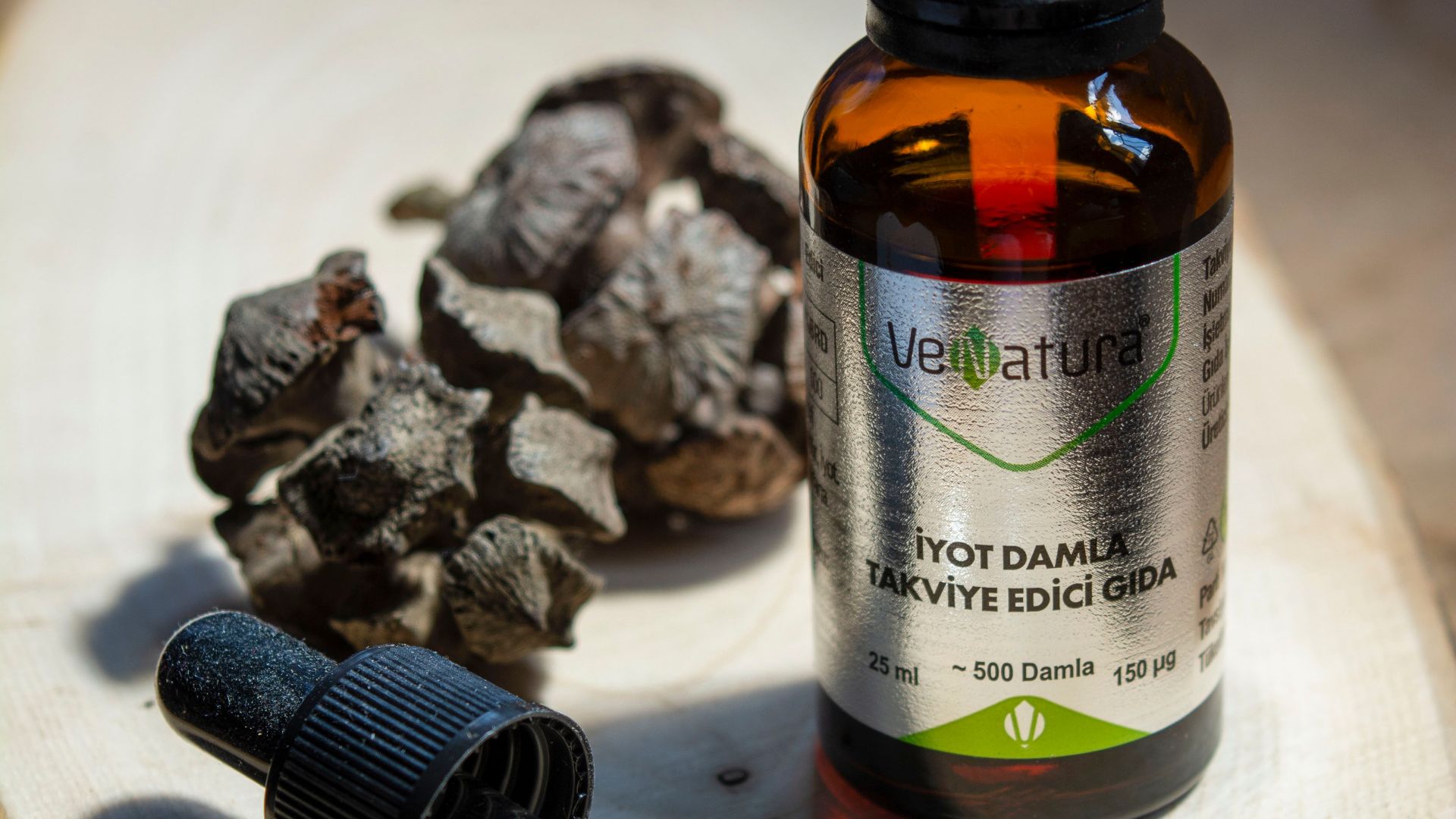
Iodine is needed to produce thyroid hormones, which regulate metabolism and support many essential body functions. People who avoid seafood, dairy products, eggs, and iodized salt may consume less than they realize, particularly when specialty salts replace iodized table salt.
20. Choline
Choline helps form cell membranes and produces acetylcholine, a chemical messenger involved in memory, mood, and muscle control. Many adults don’t consistently reach recommended intake levels, and smaller portions can make that challenge greater later in life.

KEEP ON READING

20 Things That Can Slowly Make Knee Pain Worse


20 Foods That Help Burn Belly Fat Quicker

20 Ways Crowds Mess With Your Nervous System