Small Habits, Bigger Problems
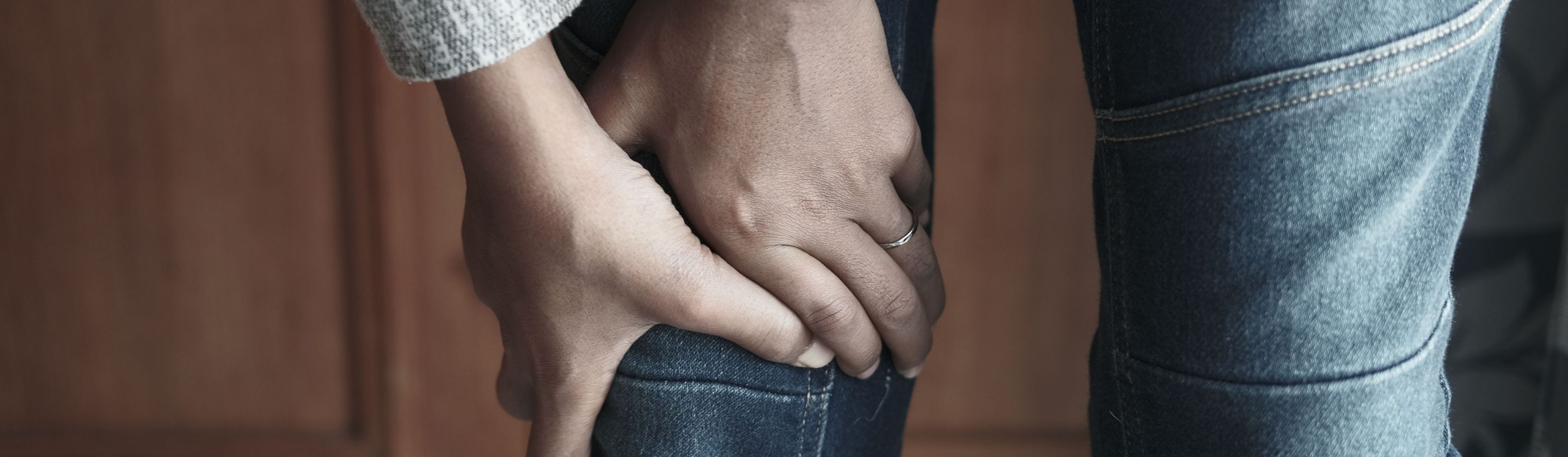
Knee pain rarely gets worse because of one dramatic moment. Most of the time it creeps up through a string of small, forgettable habits that quietly add stress to a joint that was already struggling. None of these things look dangerous on their own, which is exactly why they're so easy to keep doing without noticing the pattern. A knee that's already irritated tends to be far less forgiving of small mistakes than one that isn't. Here's 20 everyday habits that can slowly make knee pain worse over time.
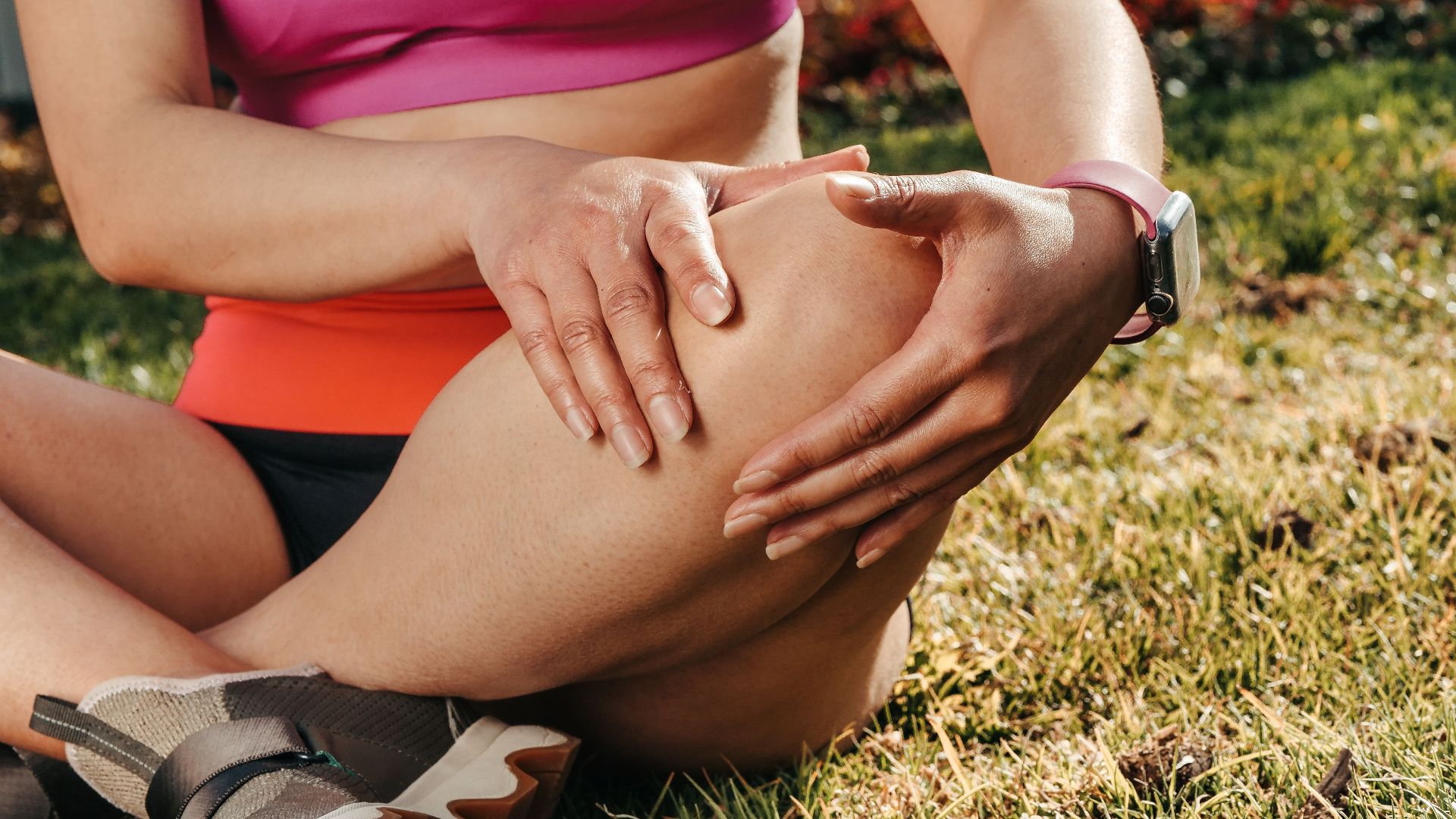
1. Carrying Extra Weight
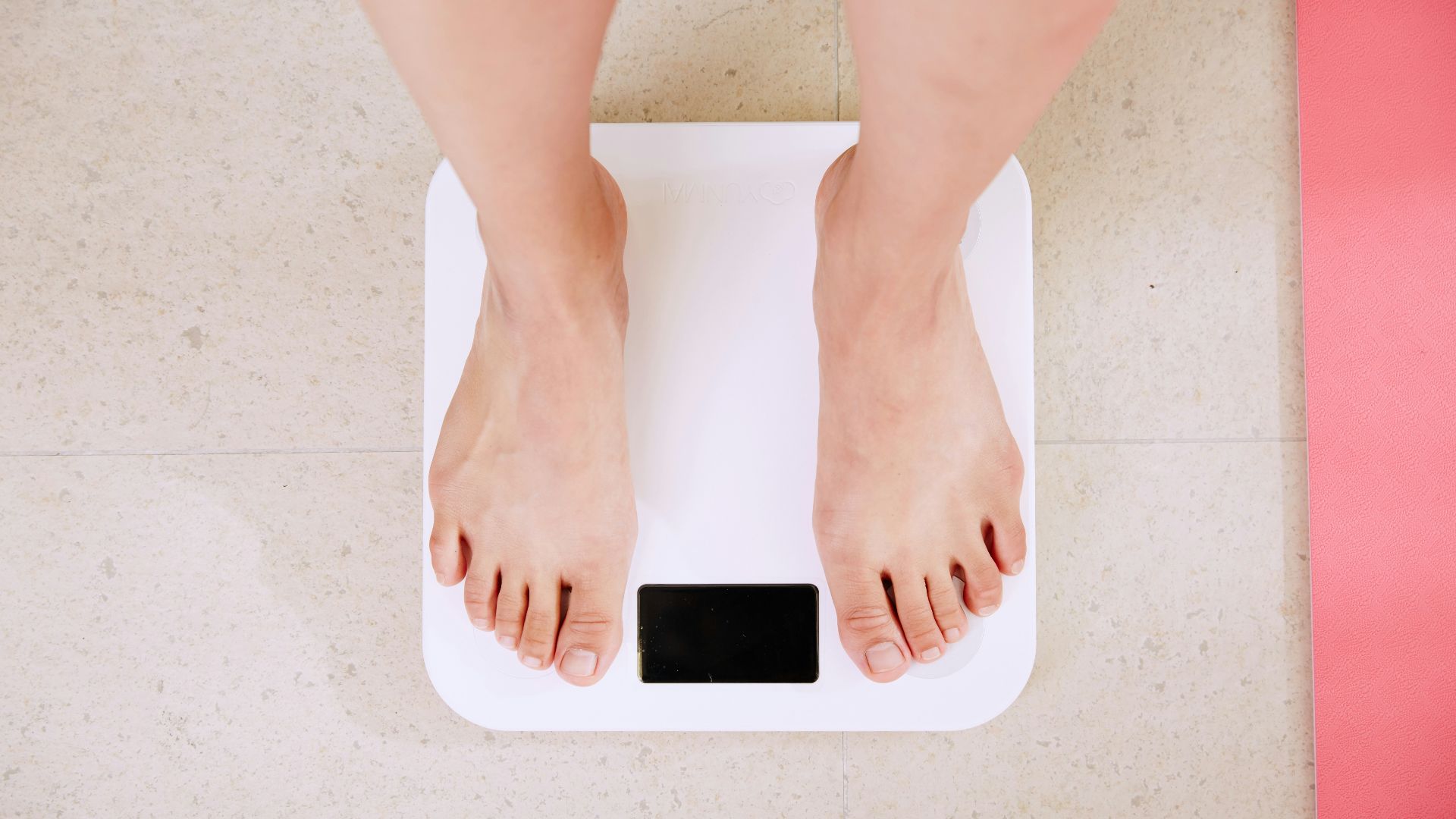
Every extra pound puts several times that amount of pressure on the knee with each step, which adds up fast over the course of a day. Even a modest amount of weight gain can shift how much load the joint absorbs during ordinary walking, long before it shows up on a scale as anything dramatic.
2. Skipping Warmups
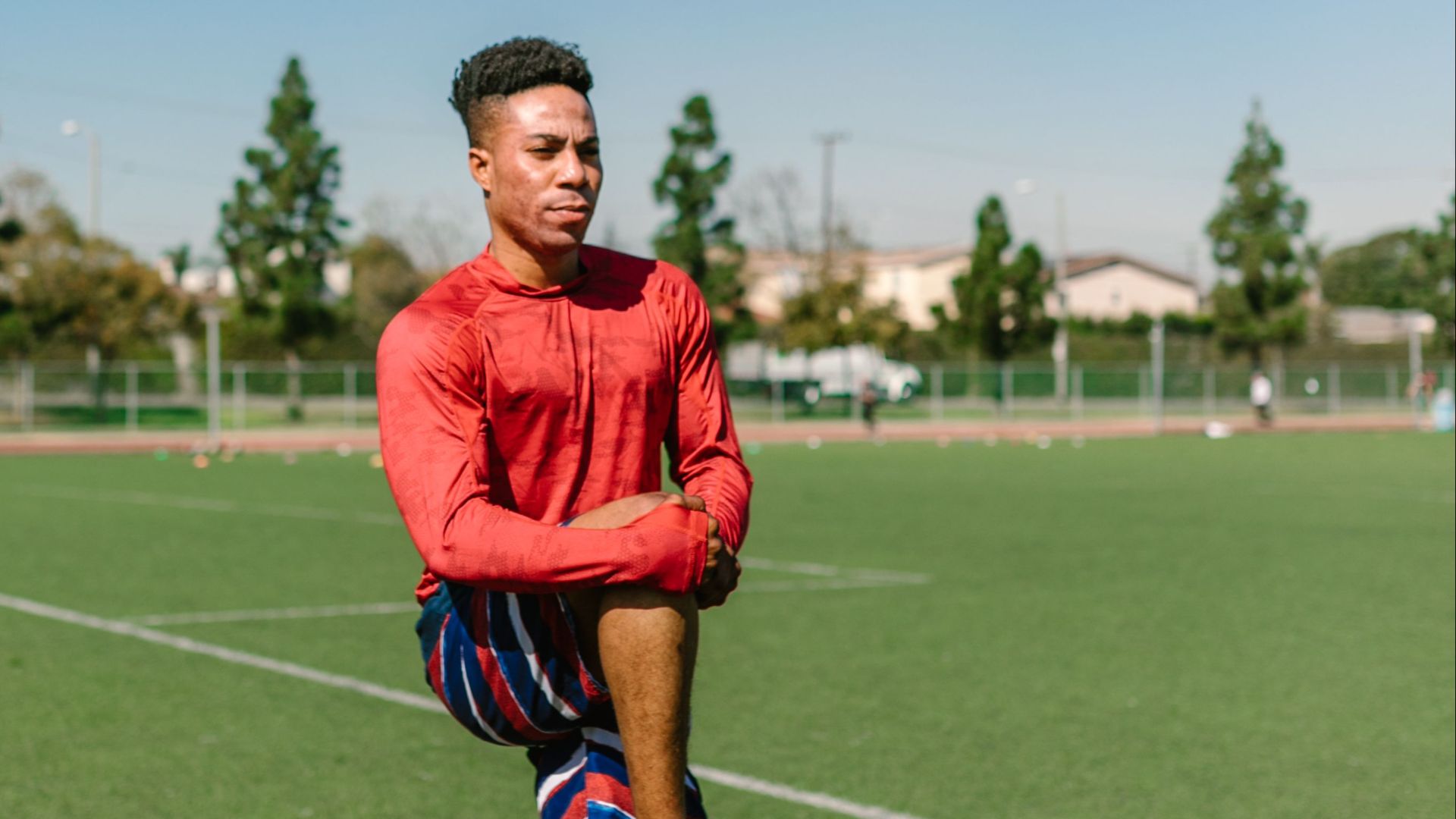
Jumping straight into exercise with cold, stiff muscles puts more strain directly on the knee joint itself instead of the surrounding muscles. A few minutes of movement beforehand would normally take some of that load off, which makes skipping it feel harmless right up until it isn't.
3. Worn-Out Shoes
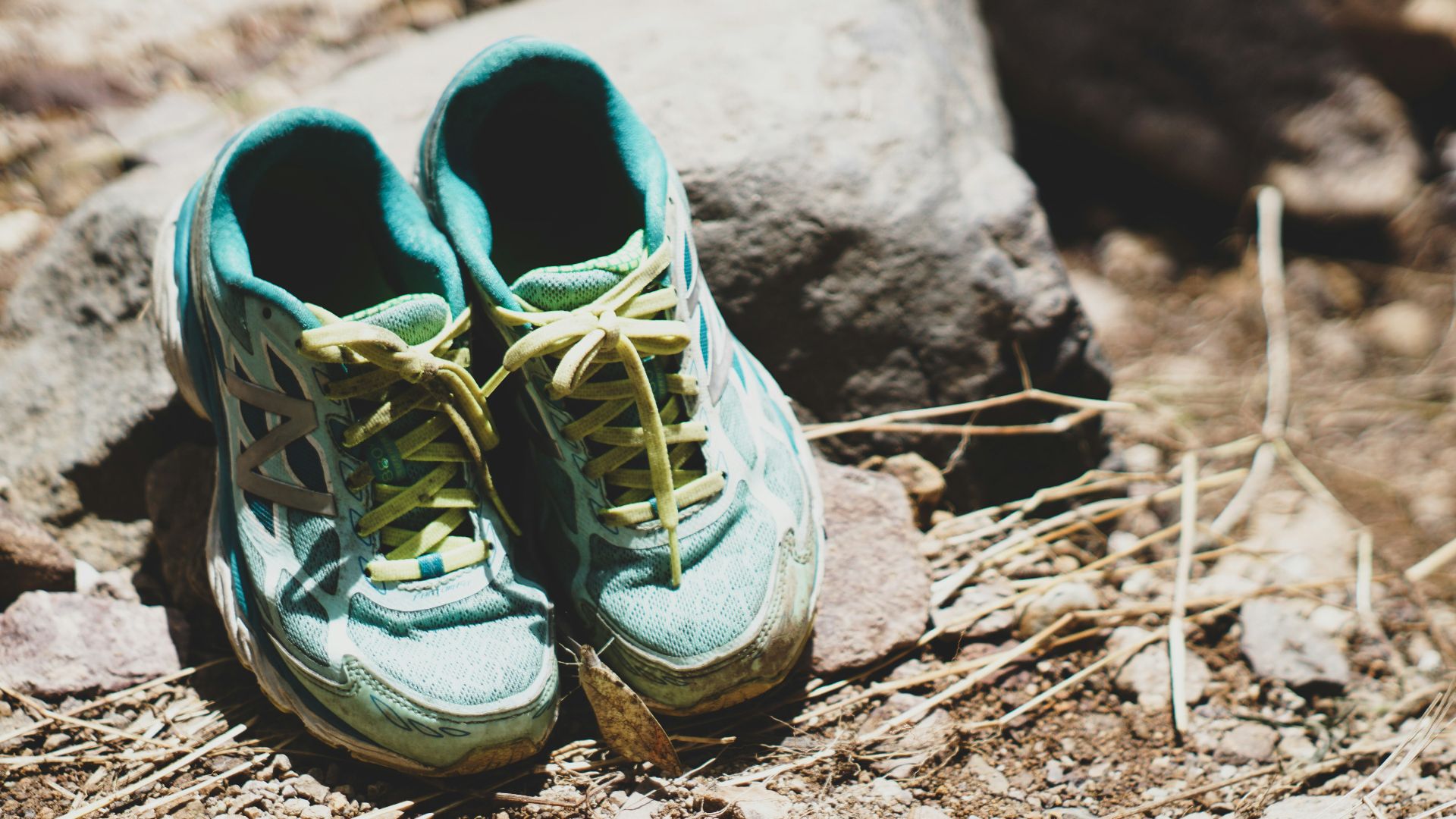
Shoes that have lost their cushioning stop absorbing shock the way they used to, and that impact has to go somewhere. Old sneakers tend to shift alignment slightly with every step, which the knee ends up quietly compensating for over months of wear.
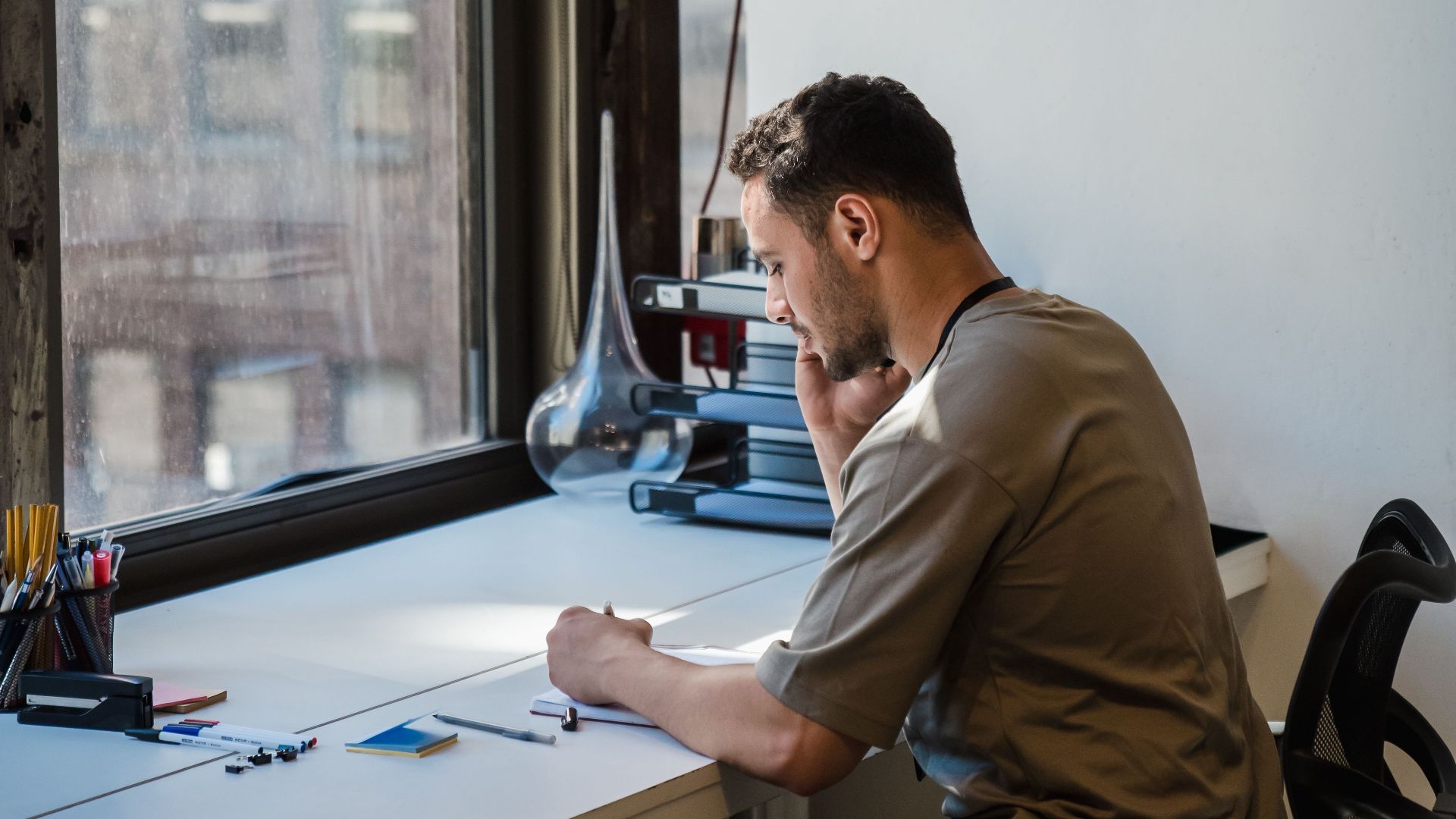
4. Sitting Too Long
Long stretches of sitting let the muscles around the knee go quiet and weak, especially the quadriceps that are supposed to help support the joint. Stiffness tends to build during the sitting itself and then shows up the moment you finally stand.
5. Weak Hip And Glute Muscles
The hips and glutes control a lot of how the knee tracks during movement, and when they're weak, the knee often takes on work it wasn't built to handle. Poor alignment from above tends to show up as pain below, even when the knee itself was never the actual problem.
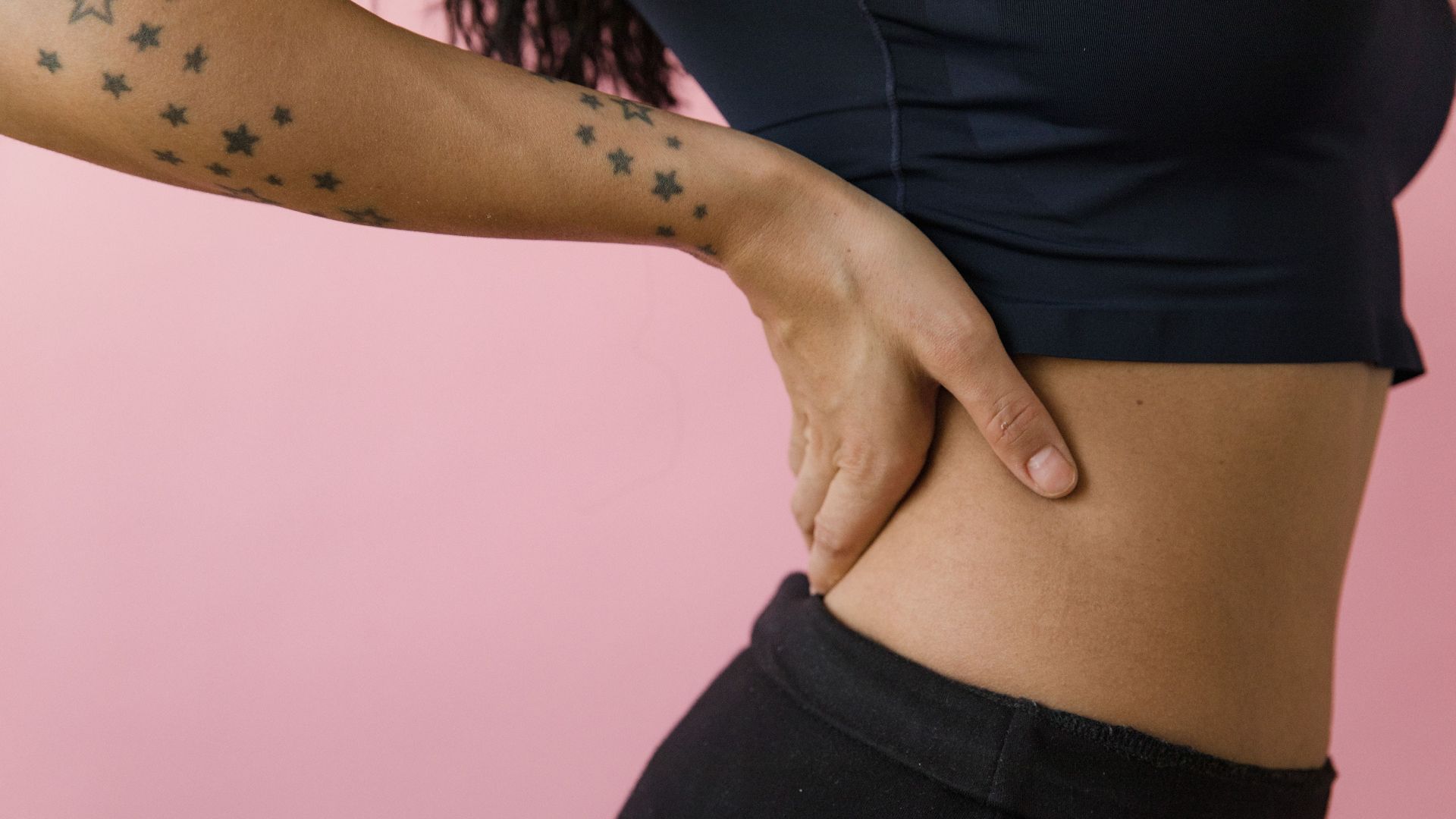
6. Pushing Through Pain
Continuing an activity after the knee starts signaling pain usually just compounds whatever irritation is already there. Pain during movement is typically the joint asking for a break, not a hurdle worth pushing past for one more set.
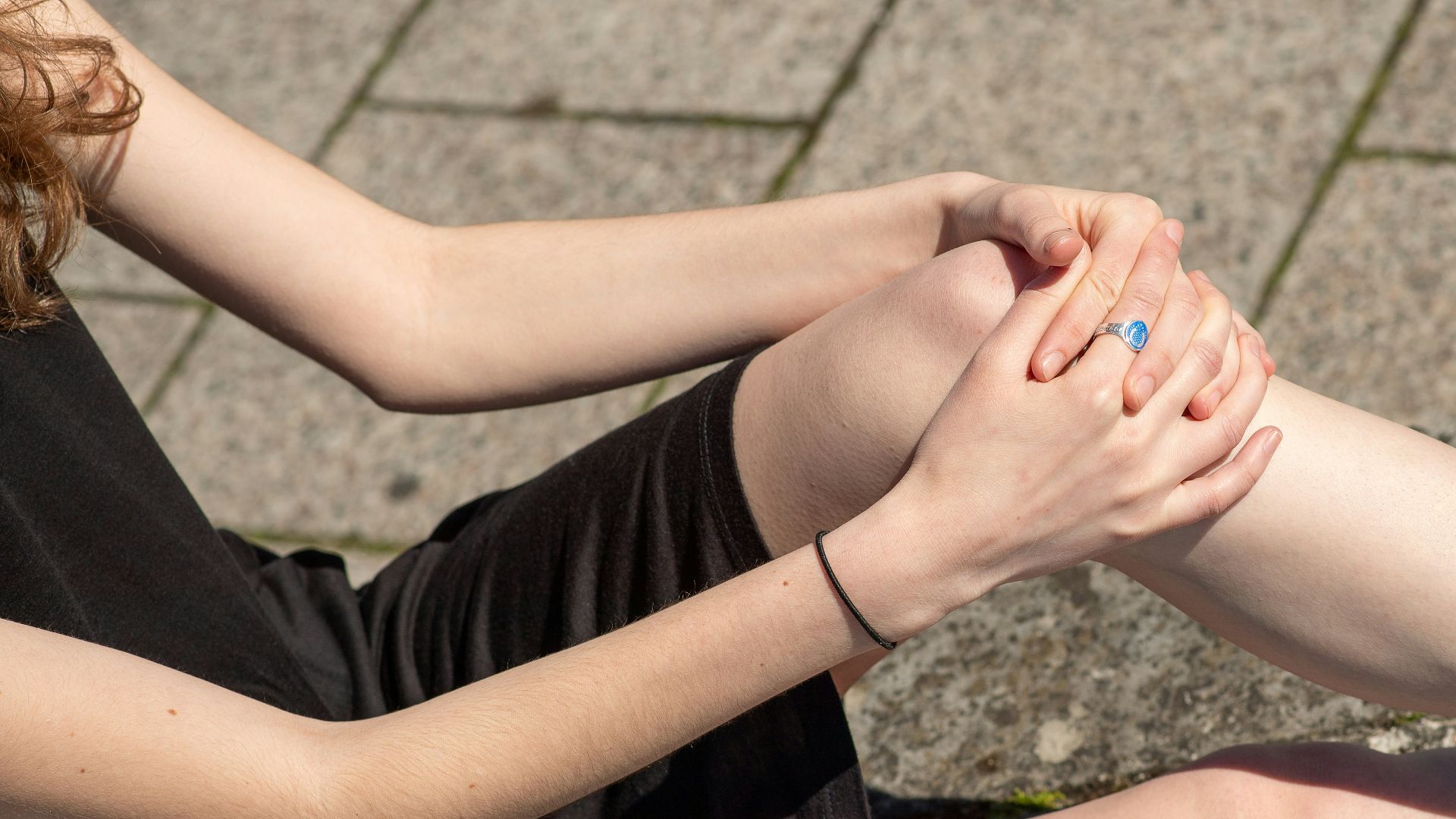
7. Wearing High Heels
Heels shift body weight forward and change the angle of the knee joint with every step, adding pressure it wasn't designed for. Wearing them regularly tends to add up in ways that aren't obvious until the joint starts complaining on its own.
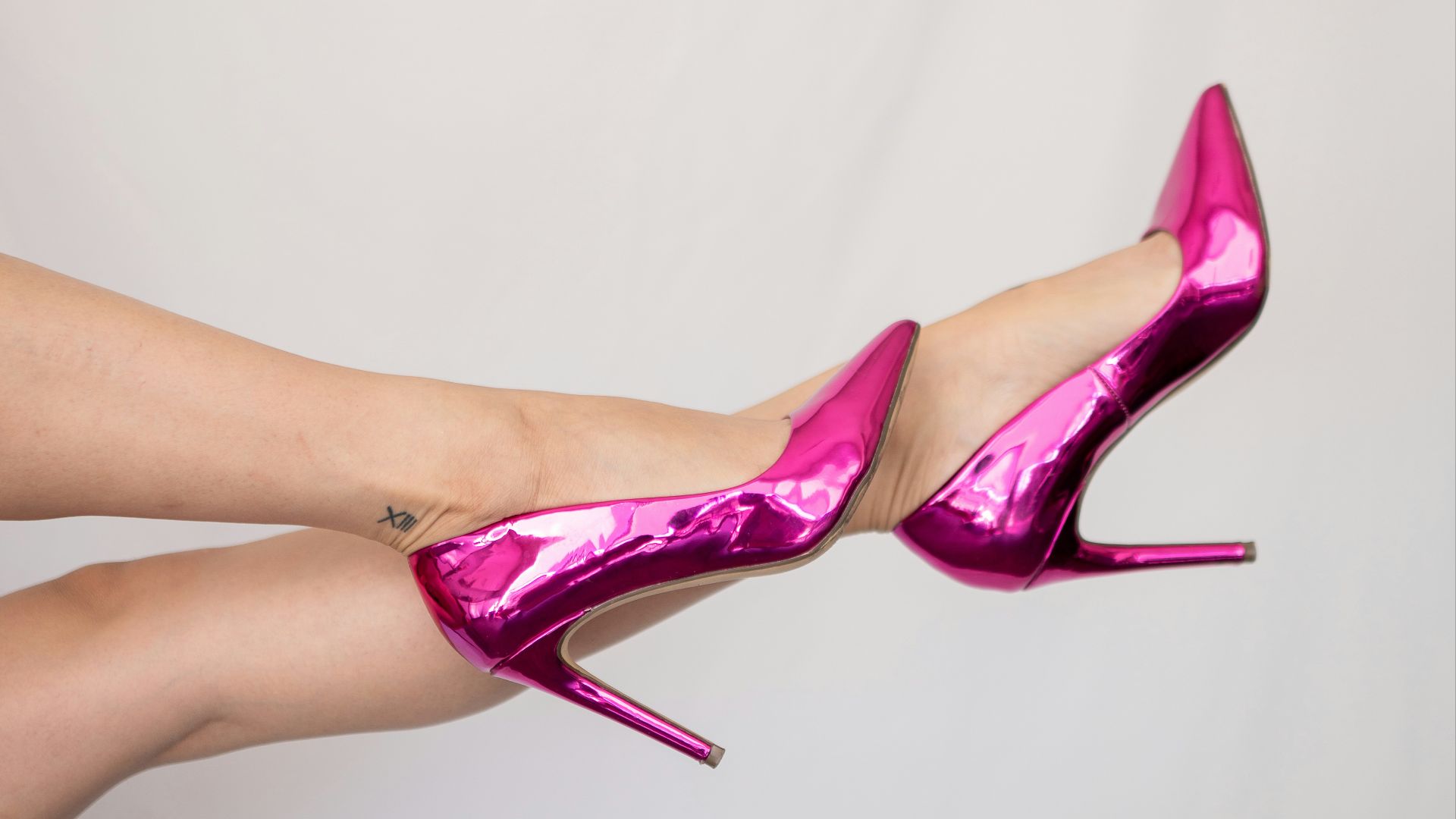
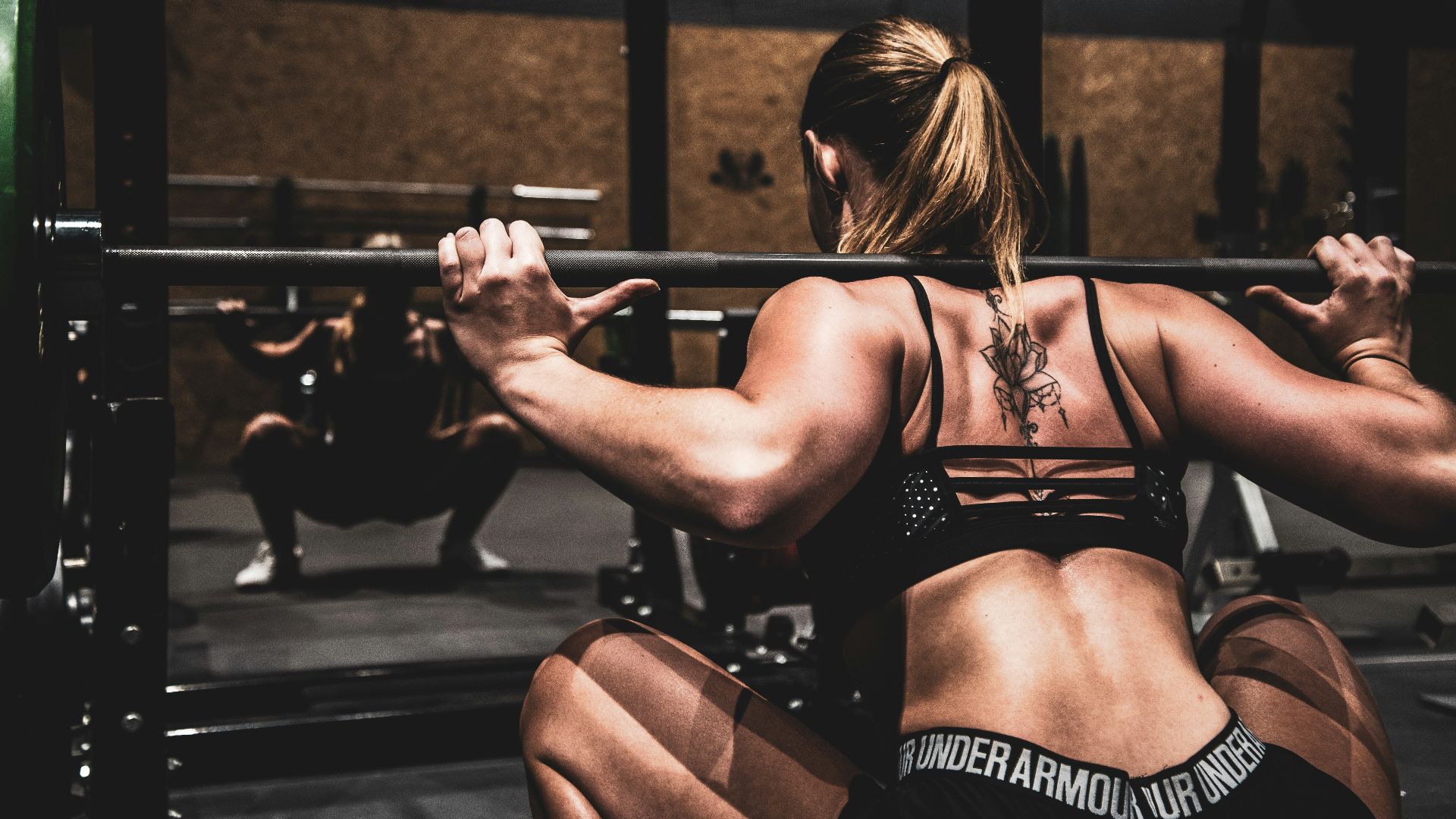
8. Bad Squat Or Lifting Form
Letting the knees cave inward or drift too far forward during a squat concentrates force on parts of the joint that aren't meant to absorb it. Repeating that same flawed movement pattern day after day slowly wears on the exact same spot each time.
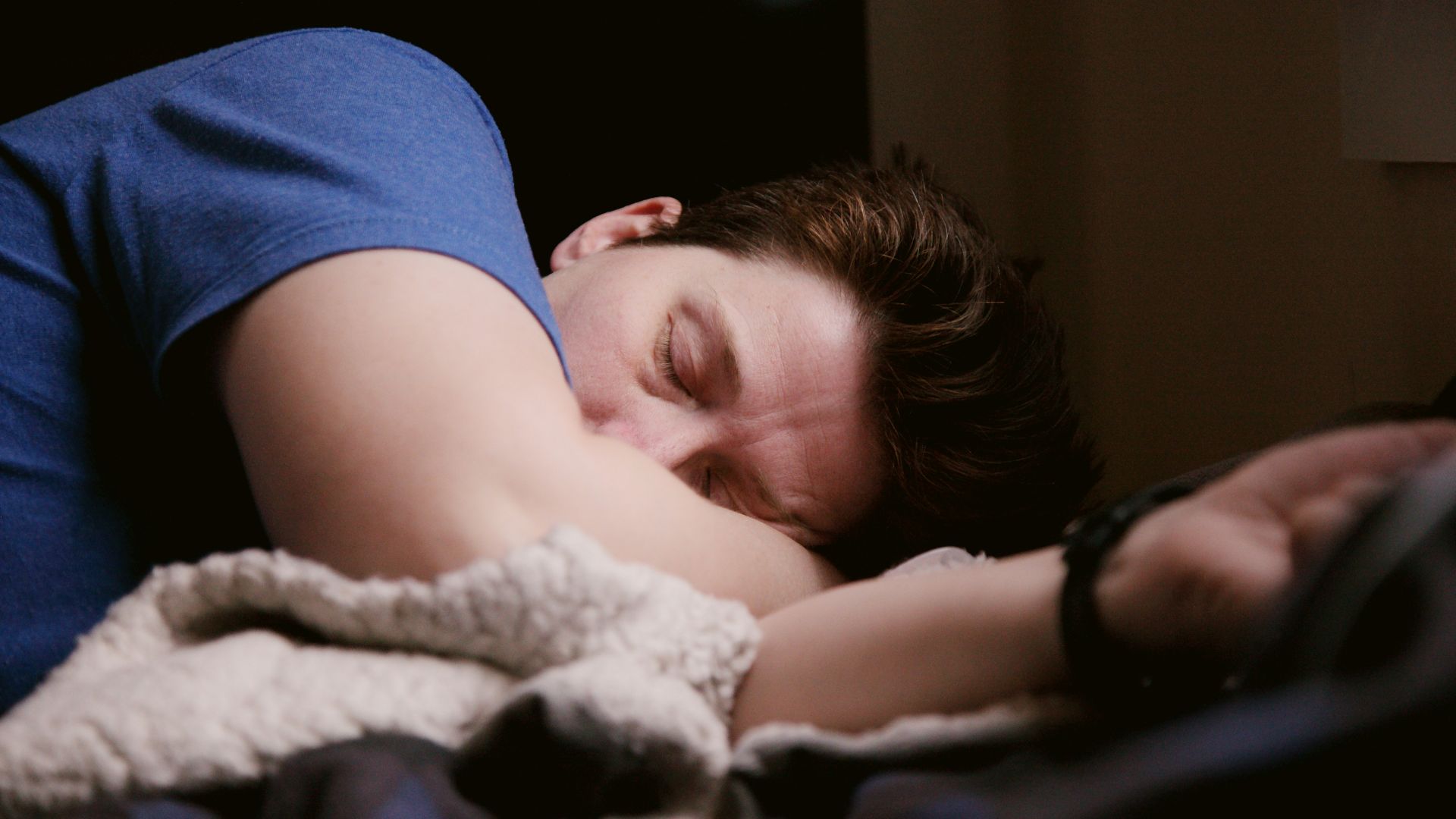
9. Sleeping In A Twisted Position
Sleeping with the knee bent and twisted, especially without support between the legs, keeps the joint under mild strain for hours at a time. A pillow between the knees usually keeps things more neutral overnight, which is a small fix for a habit most people never think about.
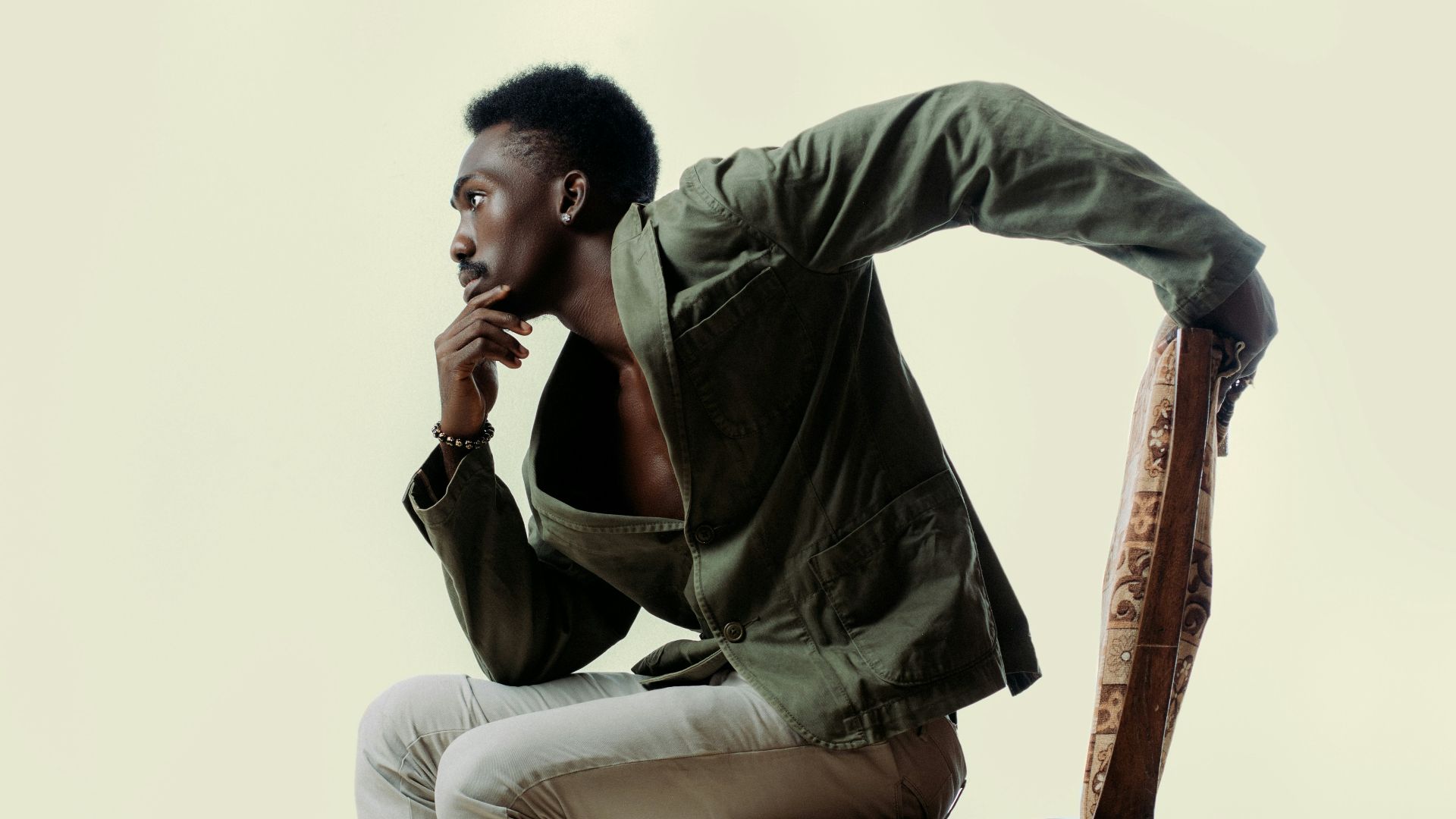
10. Poor Posture
Slouched or uneven posture changes how weight travels down through the hips and knees during everyday movement. Small misalignments at the top tend to show up as extra strain further down the chain, often in a spot that seems unrelated at first glance.
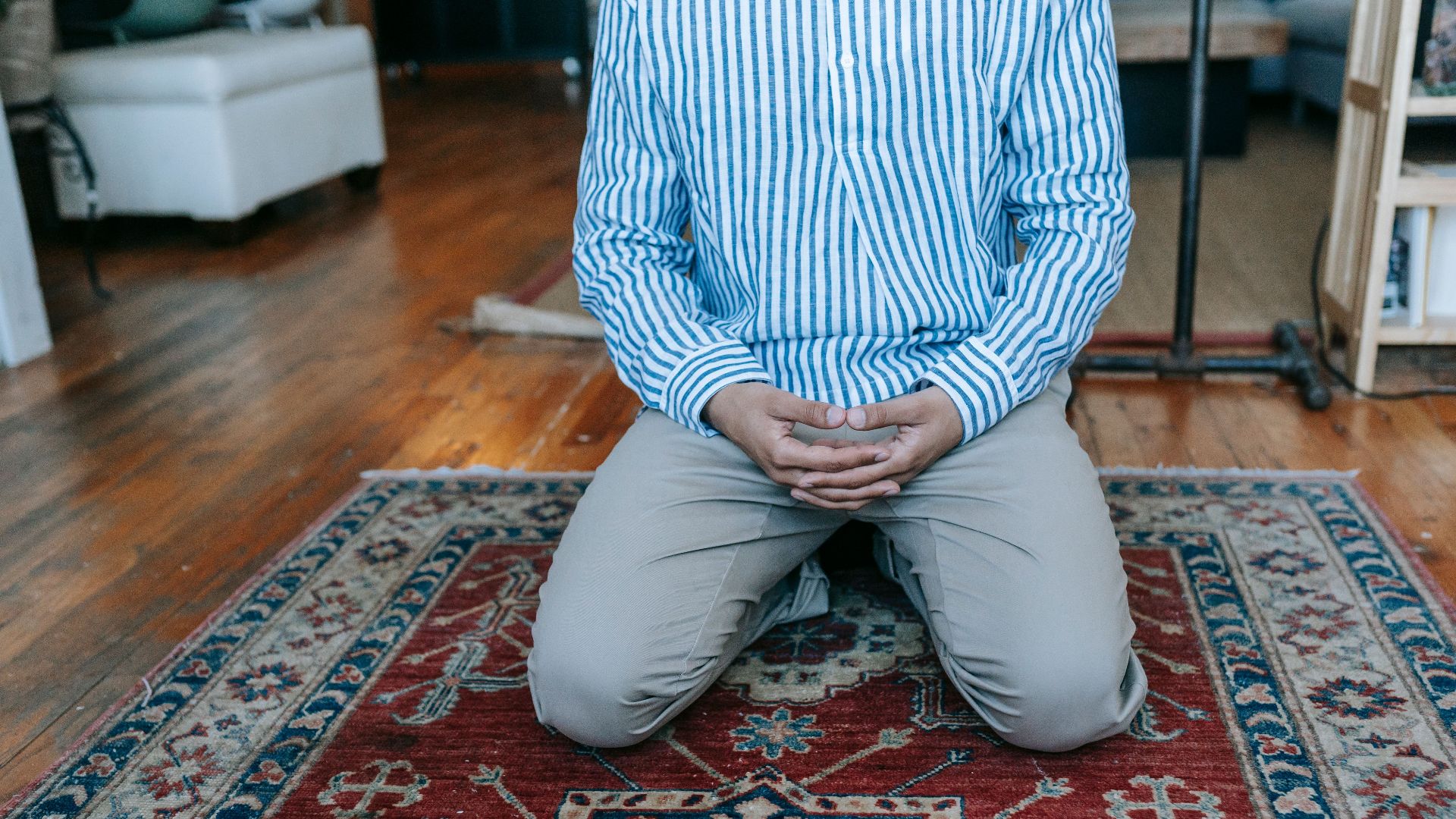
11. Kneeling On Hard Surfaces
Repeated kneeling on hard floors or concrete, whether it's gardening, cleaning, or home repairs, puts direct pressure right on the kneecap and the tissue around it. Skipping a cushion or knee pads lets that irritation build slowly over weeks of otherwise ordinary chores.
12. Overtraining Without Rest
Doing the same high-impact activity day after day without recovery time doesn't give the knee a chance to settle down between sessions. Rest days aren't wasted time for the joint, they're part of how it holds up in the long run.
13. Flat Feet Or No Arch Support
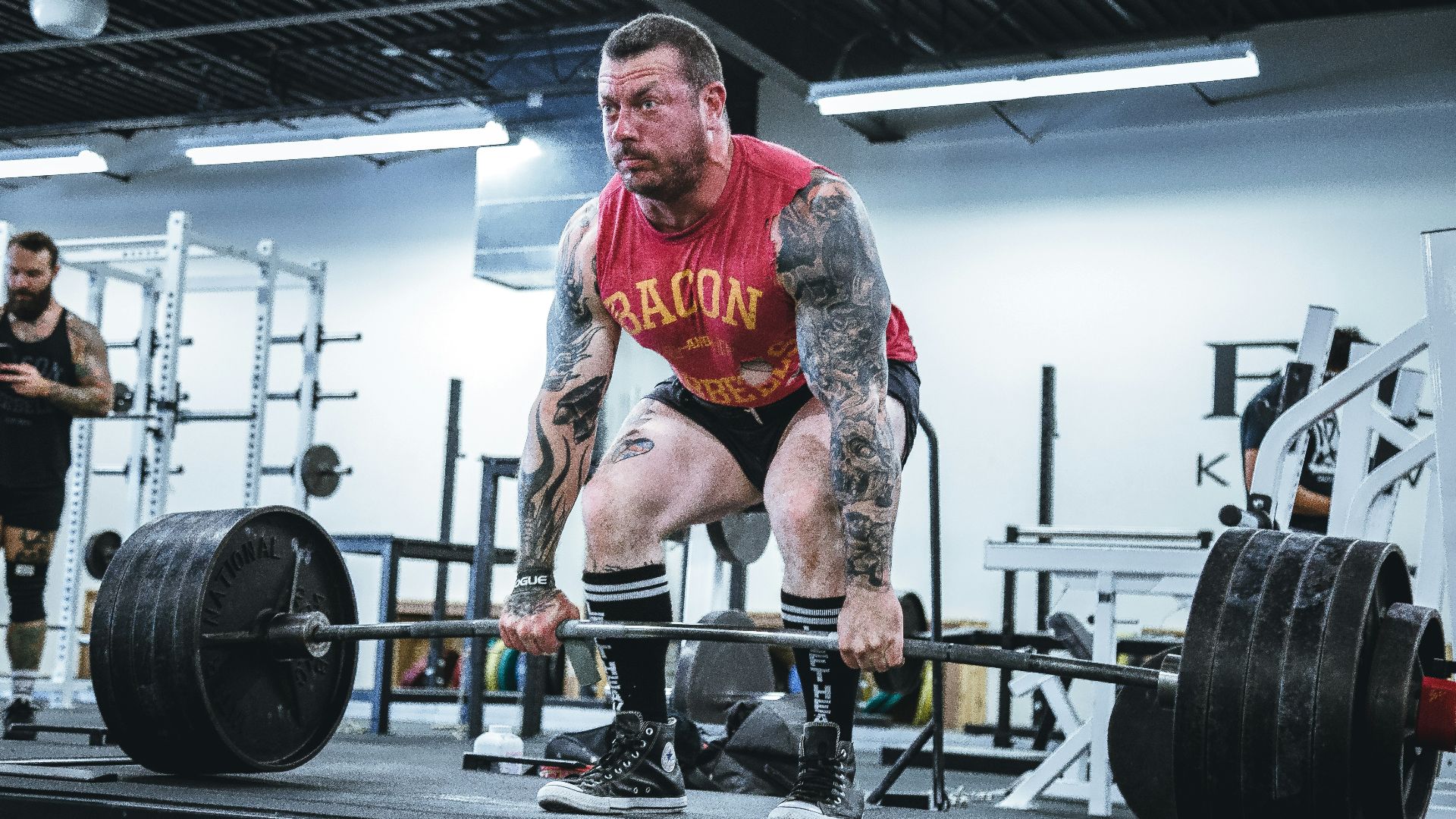
Feet that roll inward change how force travels up through the leg with every stride, and the knee usually absorbs the difference. Supportive footwear or inserts can take some of that pressure off before it turns into a bigger complaint.
14. Sitting Cross-Legged Often
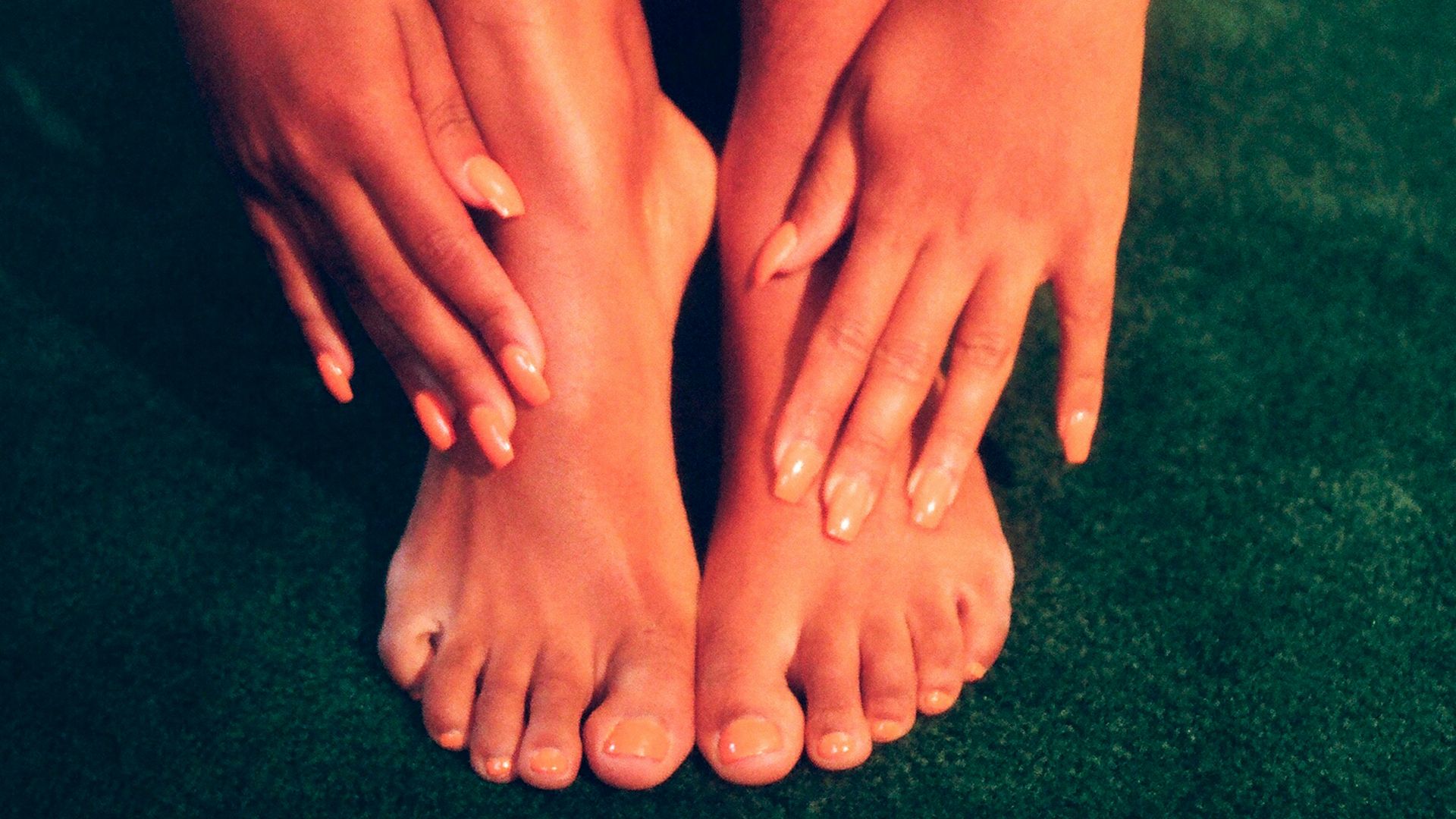
Sitting cross-legged for long stretches puts the knee joint into a tight, rotated position it wasn't really designed to hold for hours. Doing it occasionally is harmless, but doing it as a daily default adds up more than most people expect.
15. Ignoring Clicking Or Popping
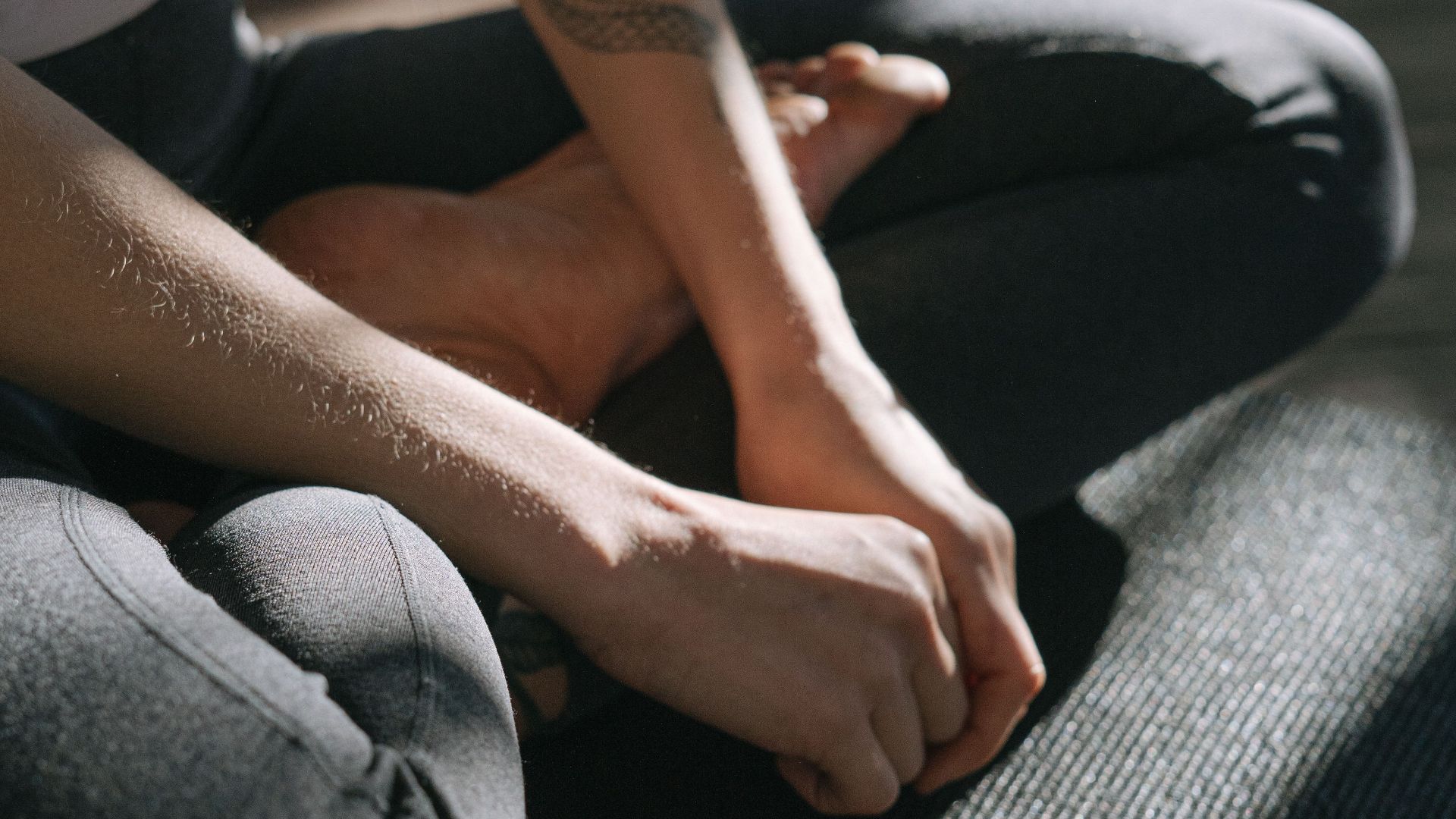
Occasional clicking without pain is usually nothing, but ignoring clicking that comes with soreness or swelling lets a small mechanical issue keep happening unchecked. That repeated motion tends to make the underlying problem worse the longer it goes unaddressed.
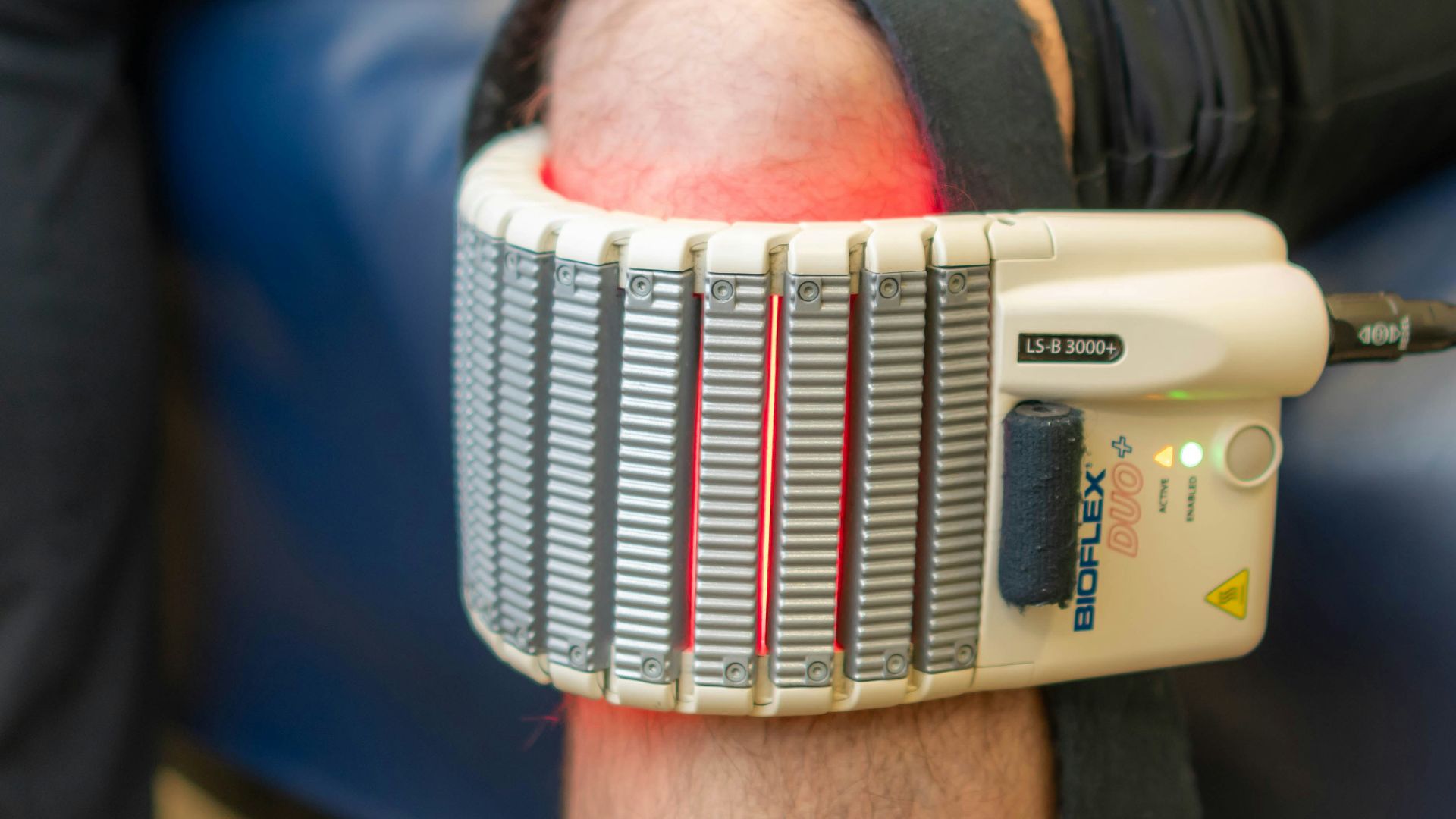
16. Skipping Rehab After An Injury
Walking away from physical therapy early, once the pain fades but the strength hasn't fully returned, leaves the joint more vulnerable to reinjury. The muscles around the knee often need longer to rebuild than the pain takes to disappear, which is easy to underestimate.
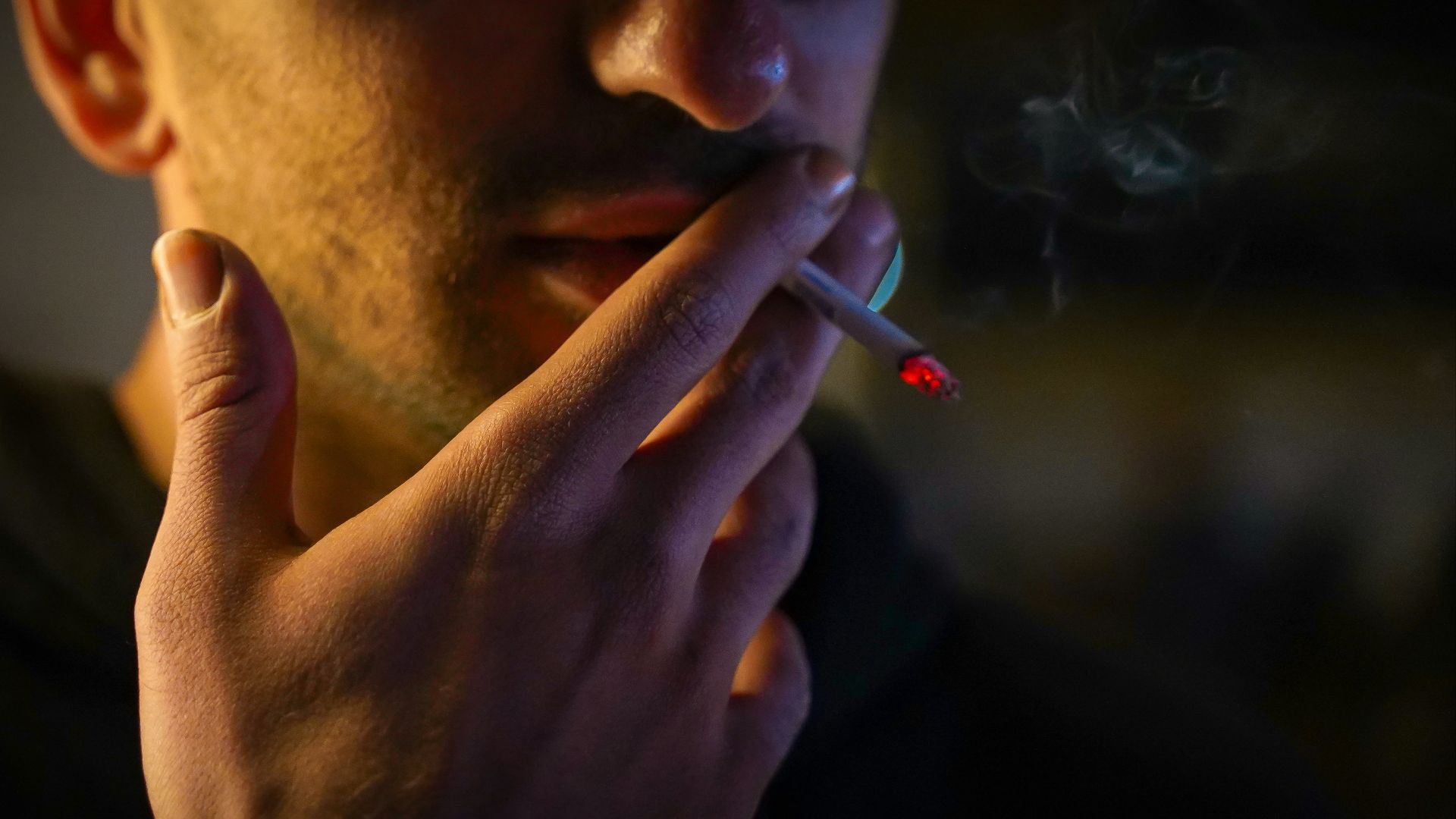
17. Smoking
Smoking reduces blood flow to the tissues around the joint and slows down the body's ability to repair minor wear and tear. Over time, that makes it harder for the knee to keep up with everyday use, let alone anything more demanding.
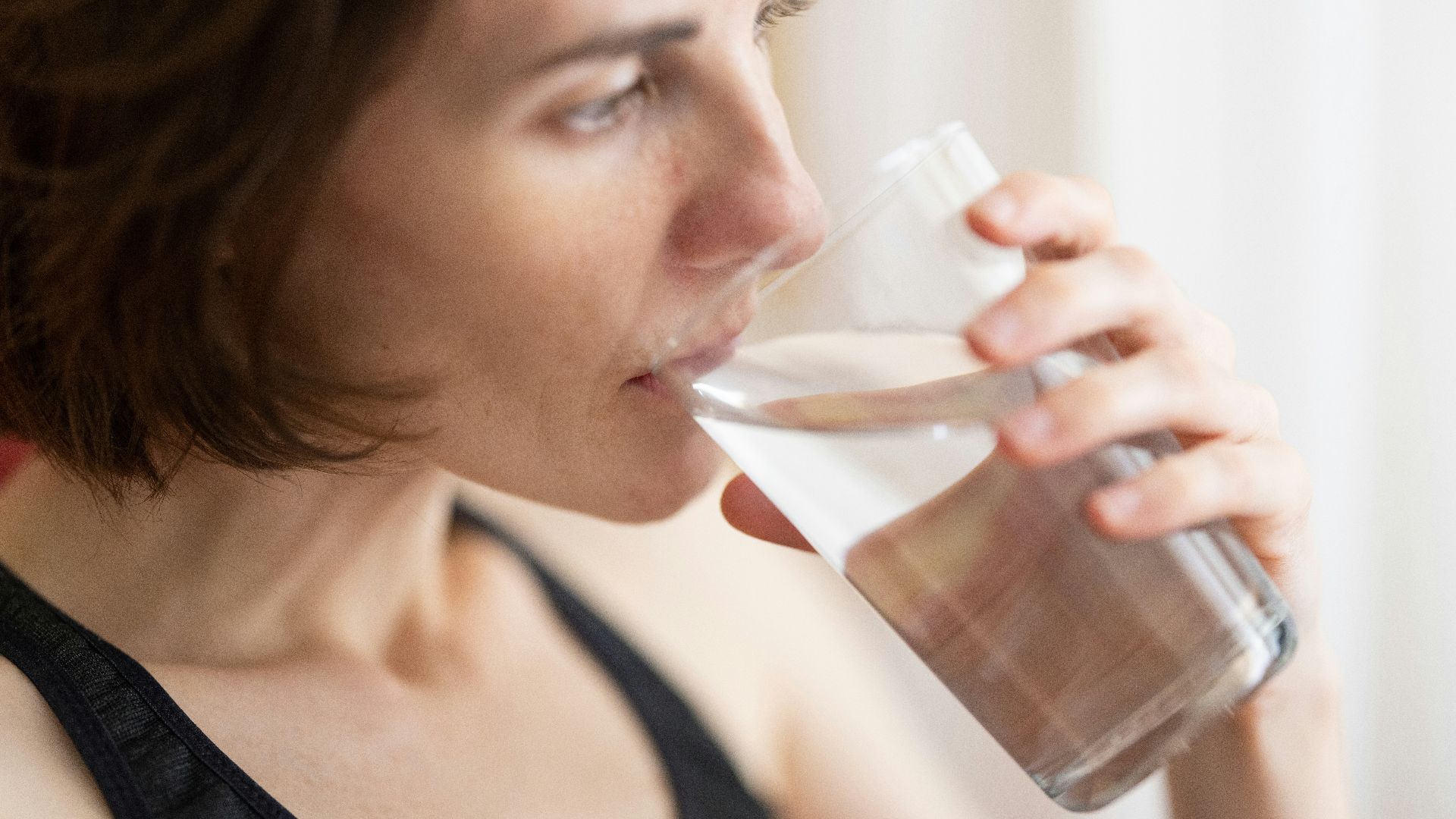
18. Not Staying Hydrated
Cartilage relies partly on hydration to stay cushioned and to keep the joint moving smoothly. Chronic dehydration can leave the knee feeling stiffer and more irritated than it otherwise would, especially after a long day on your feet.
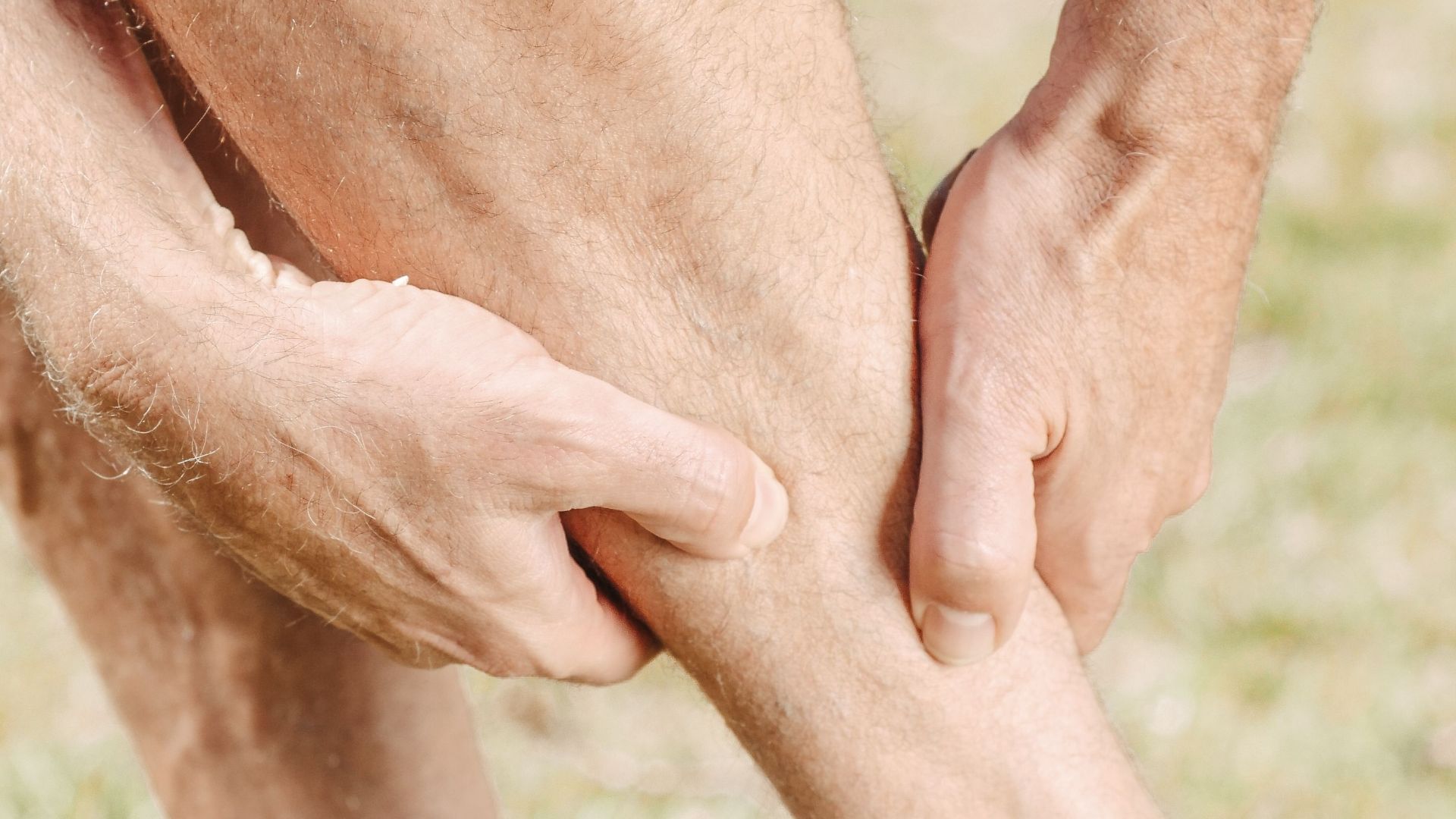
19. Uneven Leg Length Or Muscle Imbalance
A slight difference in leg length or strength between sides changes how weight gets distributed with every step. Over months and years, the knee that's compensating tends to take on more wear than the other, often without anyone noticing until it starts to ache.
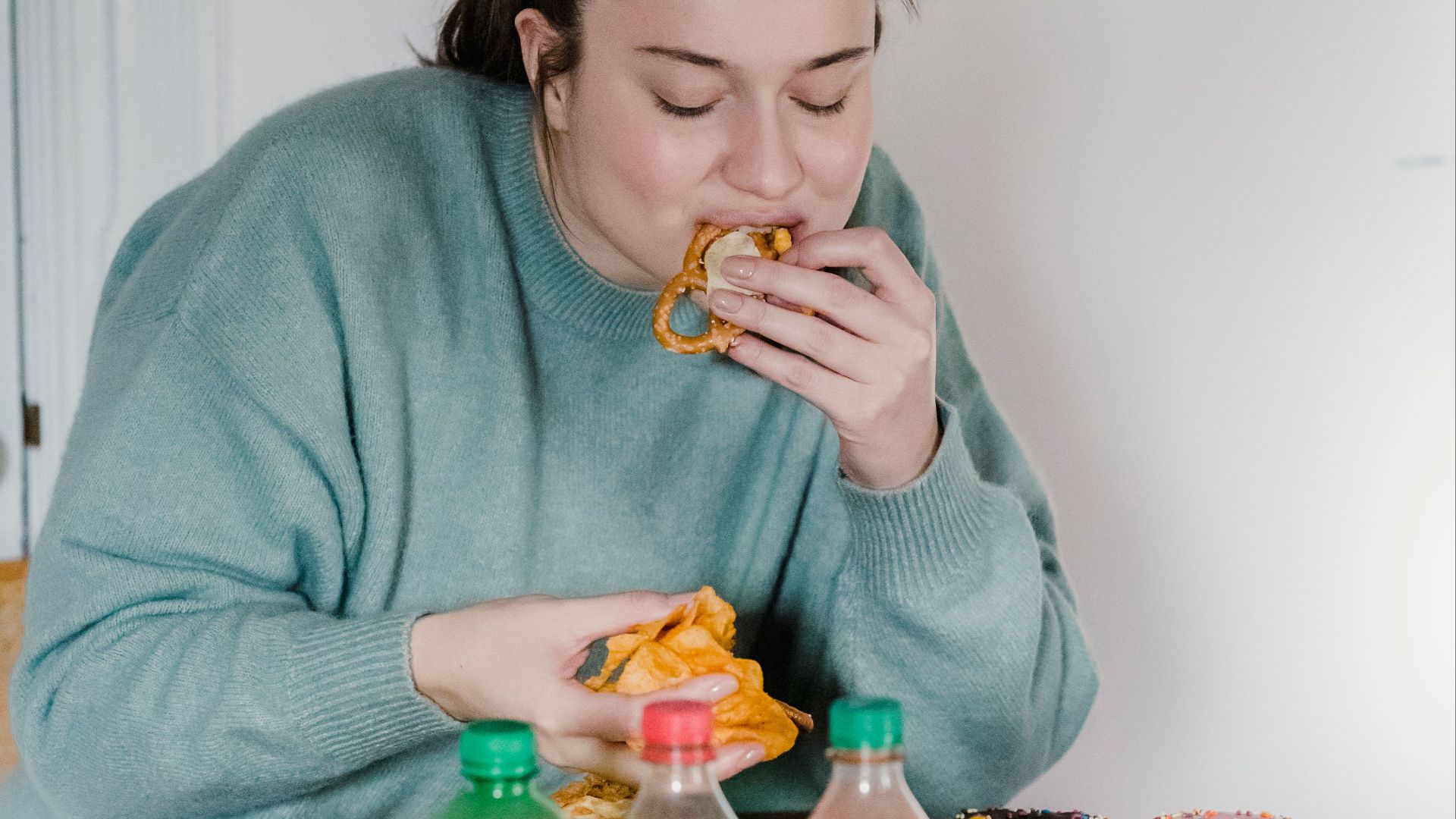
20. Eating A Lot Of Processed Food
A diet heavy in sugar and processed food can quietly raise inflammation throughout the body, including in a joint that's already irritated. Over months, that low-grade inflammation can make the knee feel more reactive to activity than it otherwise would.