
Small Moves, Big Payoff
Hips take a lot of quiet abuse over the decades, absorbing every step, every stair, and every awkward twist to grab something off a low shelf. By the time you hit 60, that wear starts to show up in ways it never did before, whether it's a stiff morning or a twinge that lingers longer than it used to. The good news is that hip health responds well to consistency rather than intensity, so you don't need a dramatic overhaul to feel a difference. Most of what actually helps looks pretty ordinary from the outside, more about repetition than heroics. Here's 20 habits worth building into a normal week, none of which require a gym membership or a complete lifestyle reset.
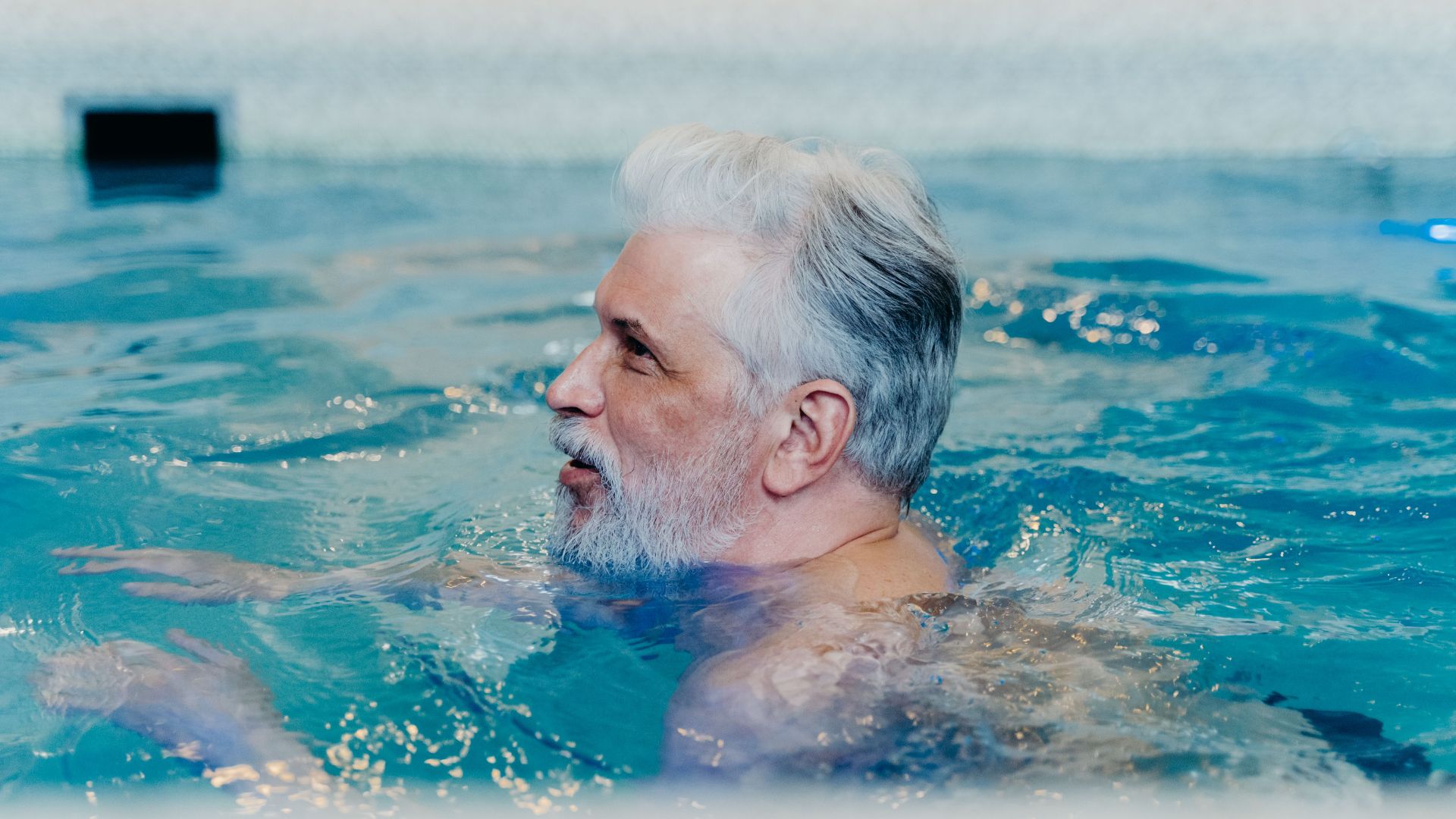
1. Strength Training Twice A Week
Muscles around the hip act like a support system for the joint itself, and that support fades fast without regular use. Simple moves like squats, lunges, or leg presses, done with light weights or even just body weight, keep that surrounding muscle engaged. Two sessions a week is often enough to notice a difference within a couple of months.
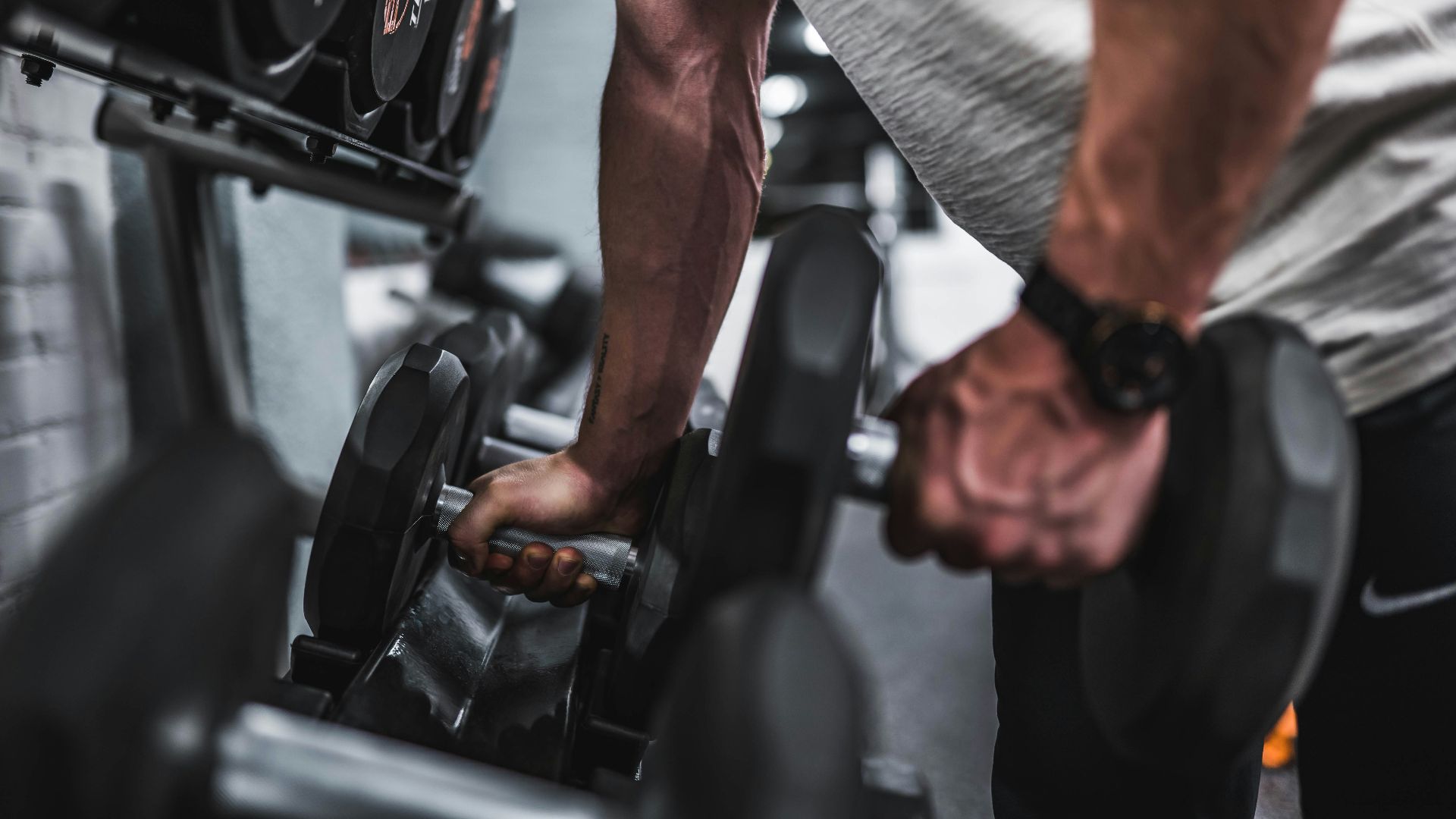
2. Daily Walks
Walking keeps the hip joint moving through its full range without putting it under heavy load. A twenty- or thirty-minute walk most days does more for long-term mobility than people usually give it credit for. It's low-impact, it's free, and it's easy to keep up with even on a busy schedule.
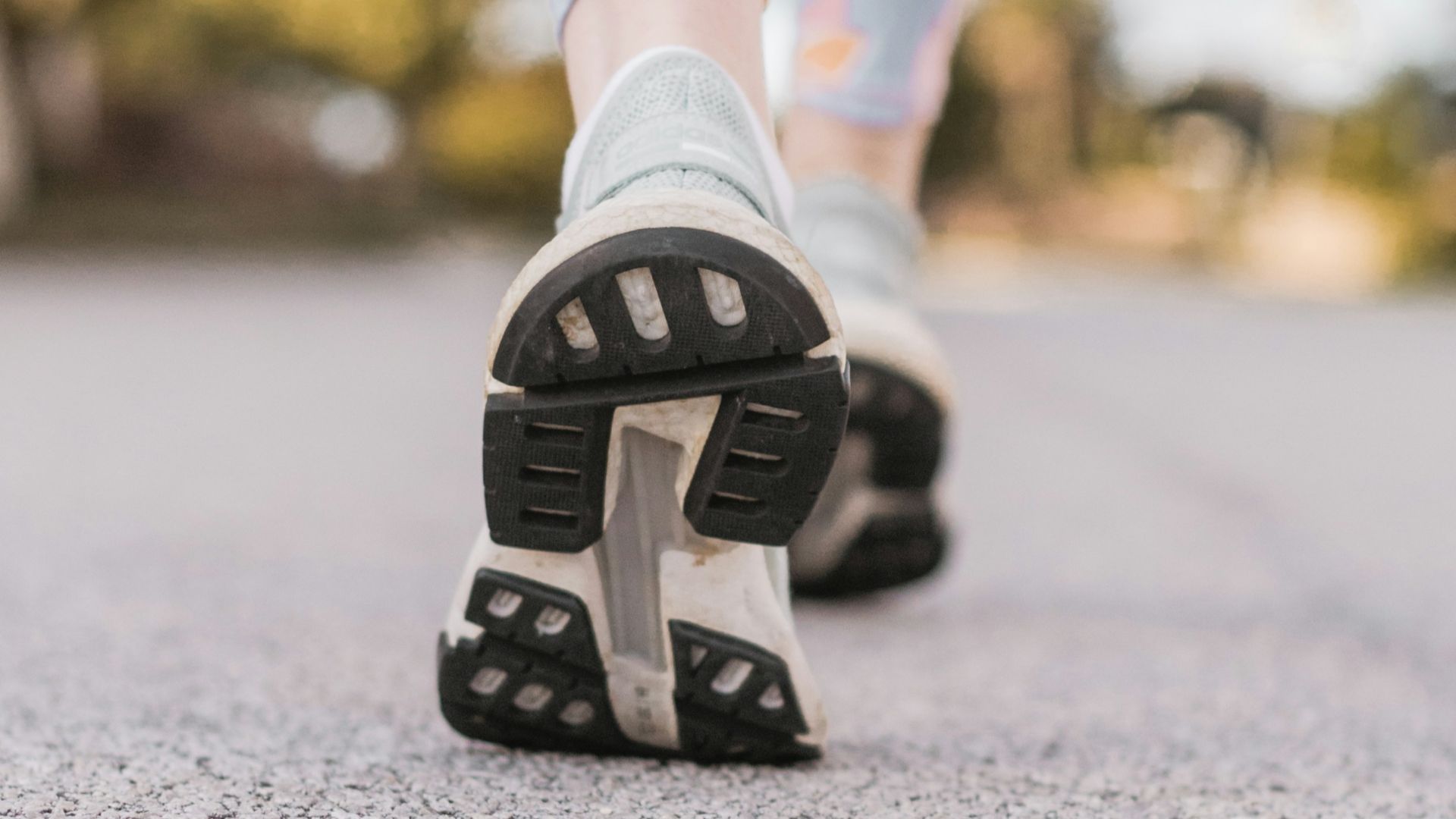
3. Stretching Hip Flexors
Sitting for long stretches shortens the muscles at the front of the hip, and that tightness eventually pulls on posture and gait. A daily stretch, even something as simple as a kneeling lunge held for thirty seconds on each side, keeps those muscles from locking up. It's a small habit that pays off every time you stand up from a chair.
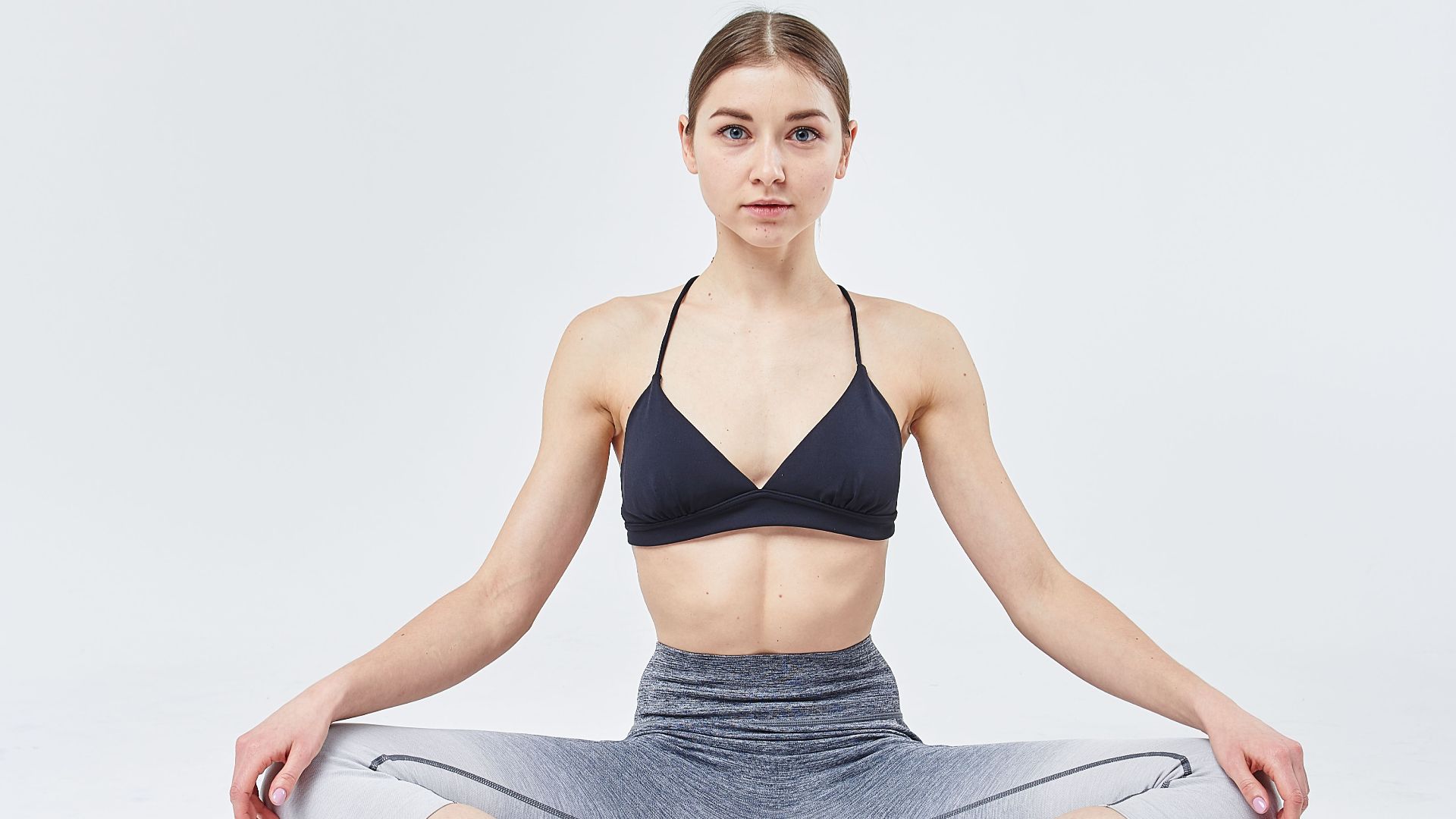
4. Getting Enough Protein
Muscle mass naturally declines with age, and protein is one of the main tools for slowing that down. Aiming for a source of protein at each meal, whether that's eggs, chicken, beans, or fish, helps the body hold onto the muscle that keeps hips stable. It's a quieter fix than exercise, but it matters just as much.

5. Balance Practice
Falls are one of the biggest threats to hip health after 60, and balance work is one of the best defenses against them. Standing on one foot for thirty seconds while brushing your teeth counts, and so does anything that challenges stability in a controlled way. It sounds too simple to matter, but the numbers on fall prevention back it up.
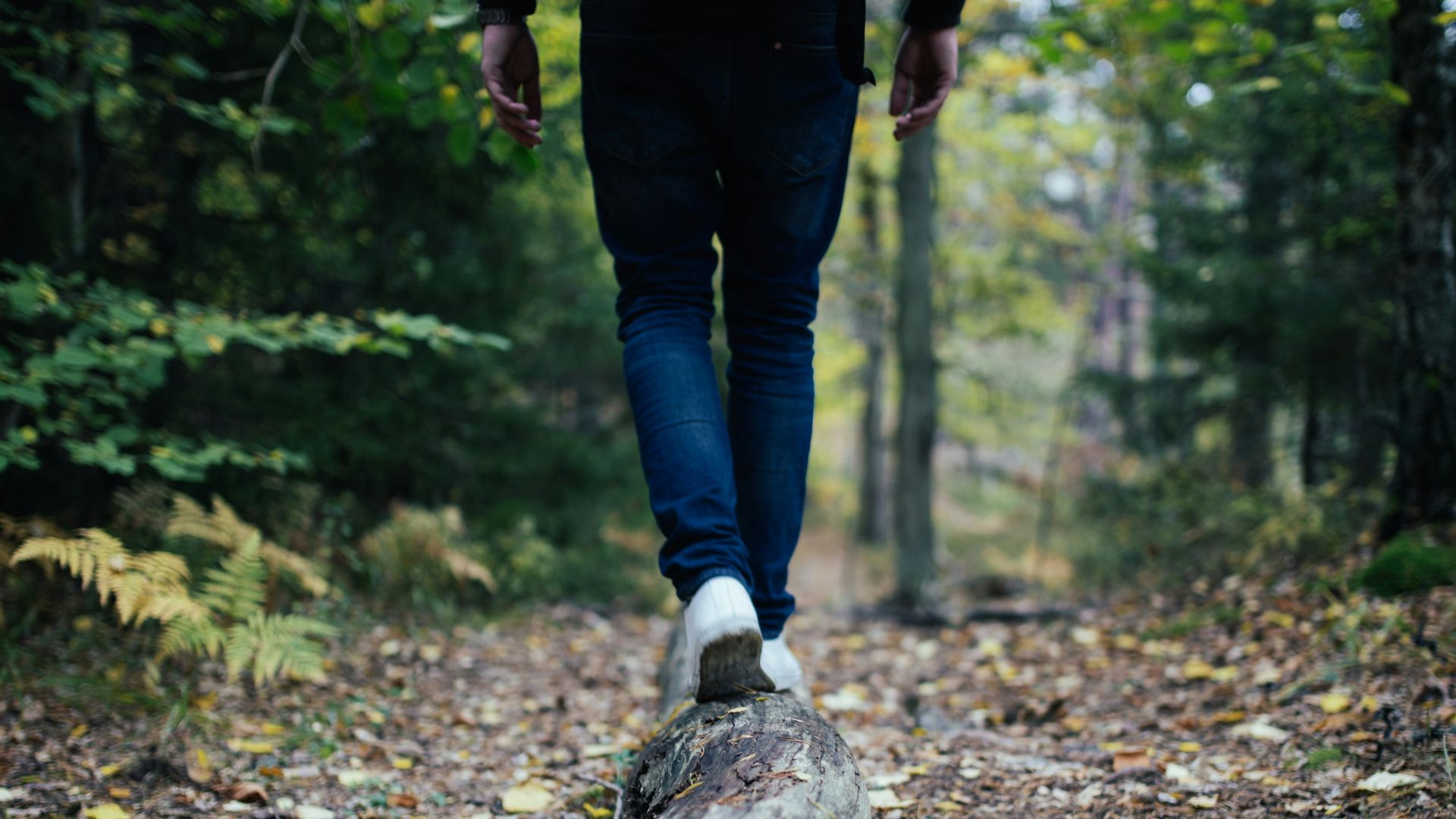
6. Taking The Stairs
Stairs work the hips and glutes in a way flat ground never quite manages. Choosing them over the elevator, even just a flight or two, adds a small strength challenge into an otherwise ordinary day. It's an easy habit to build because it barely requires planning.
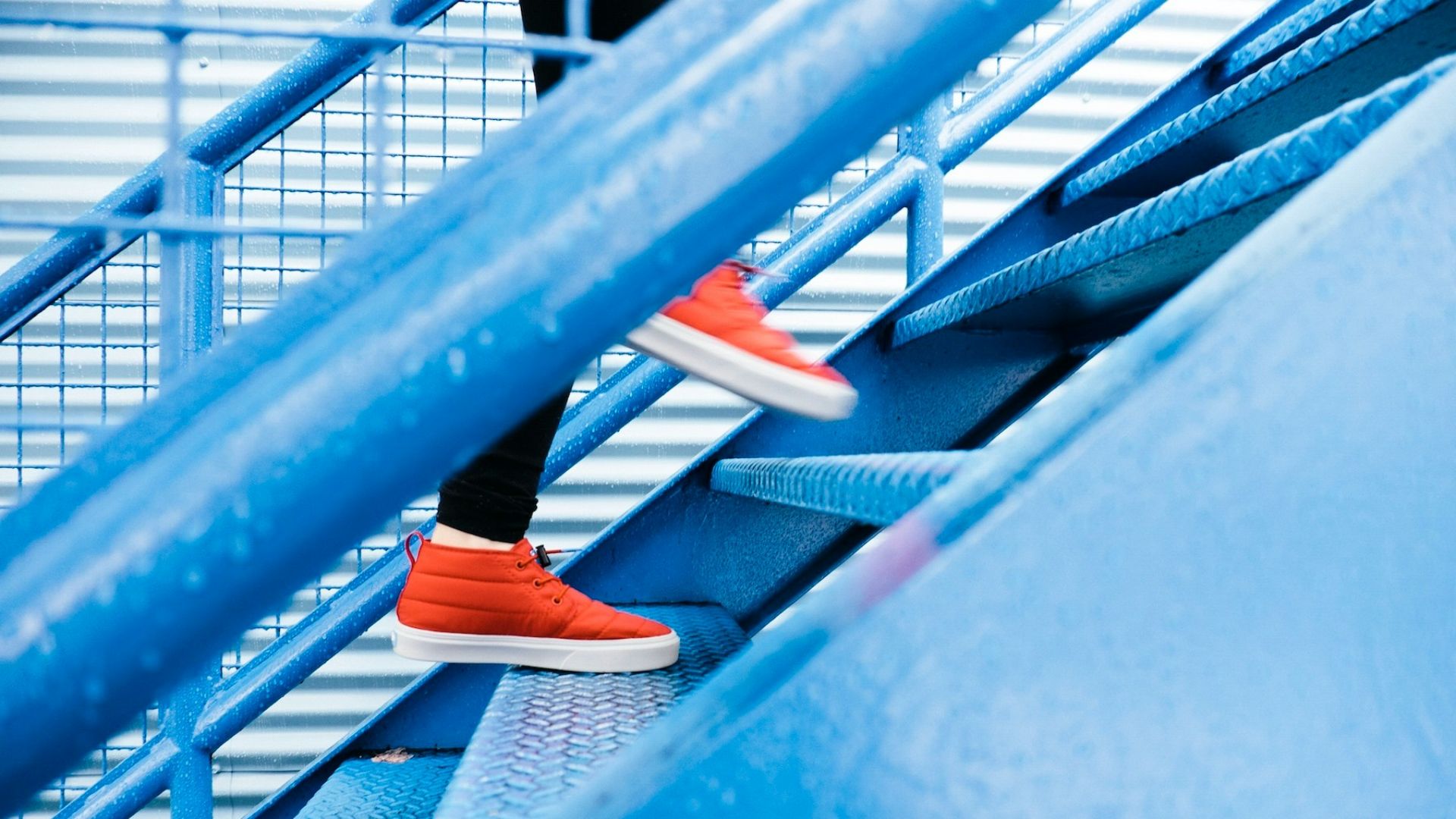
7. Swimming Or Water Aerobics
Water takes weight off the joints while still giving muscles something to push against. For anyone dealing with existing hip discomfort, swimming laps or a water aerobics class offers real exercise without the jarring impact of pavement or a treadmill. It's also one of the easier habits to stick with long-term, since it rarely feels like a grind.

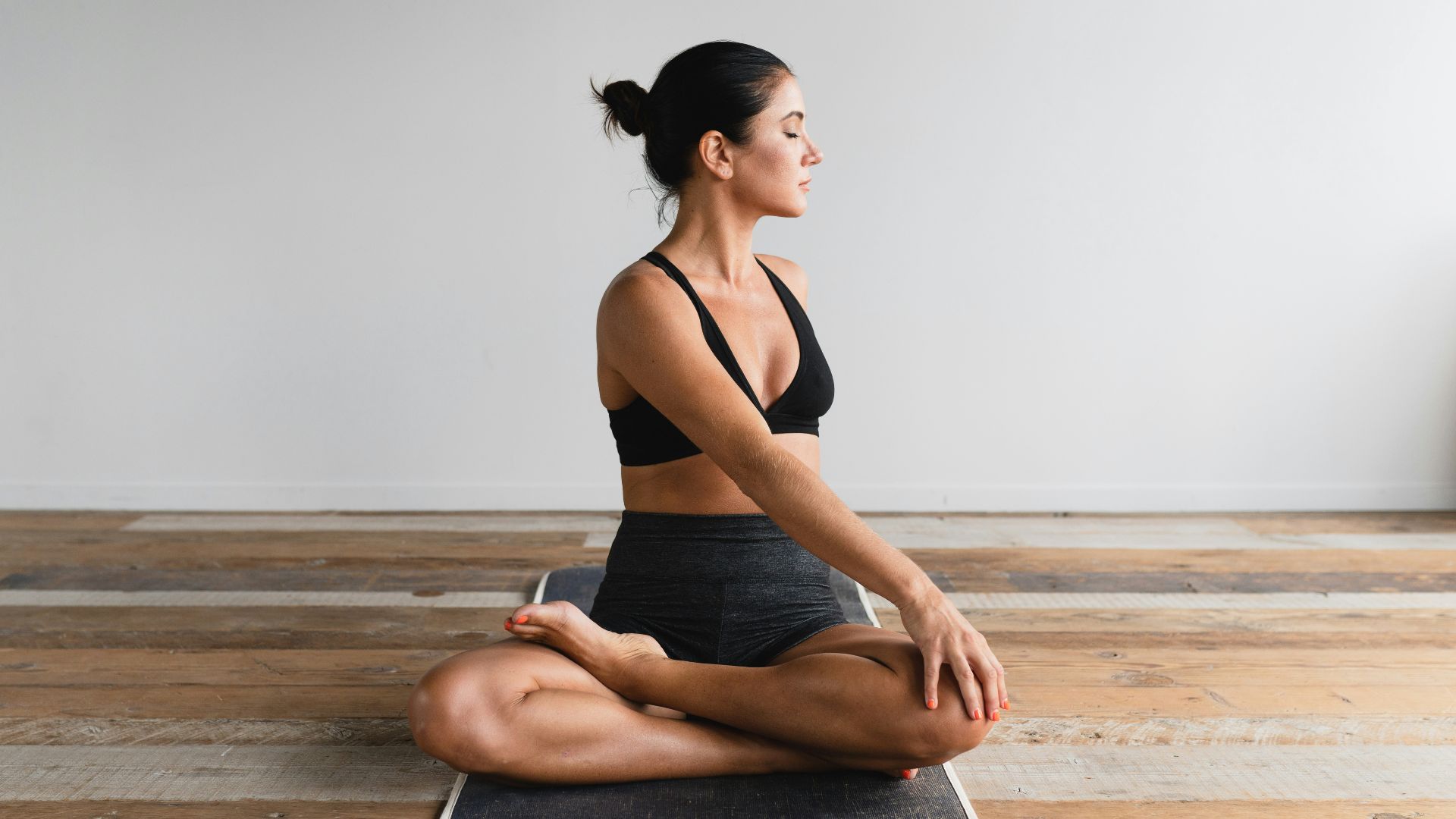
8. Yoga
Yoga combines flexibility work with light strength training, and the hips tend to be a major focus in most classes. Poses like pigeon or warrior stretch and strengthen the same muscles that keep the joint stable. A weekly class, or even fifteen minutes at home with a video, adds up over time.
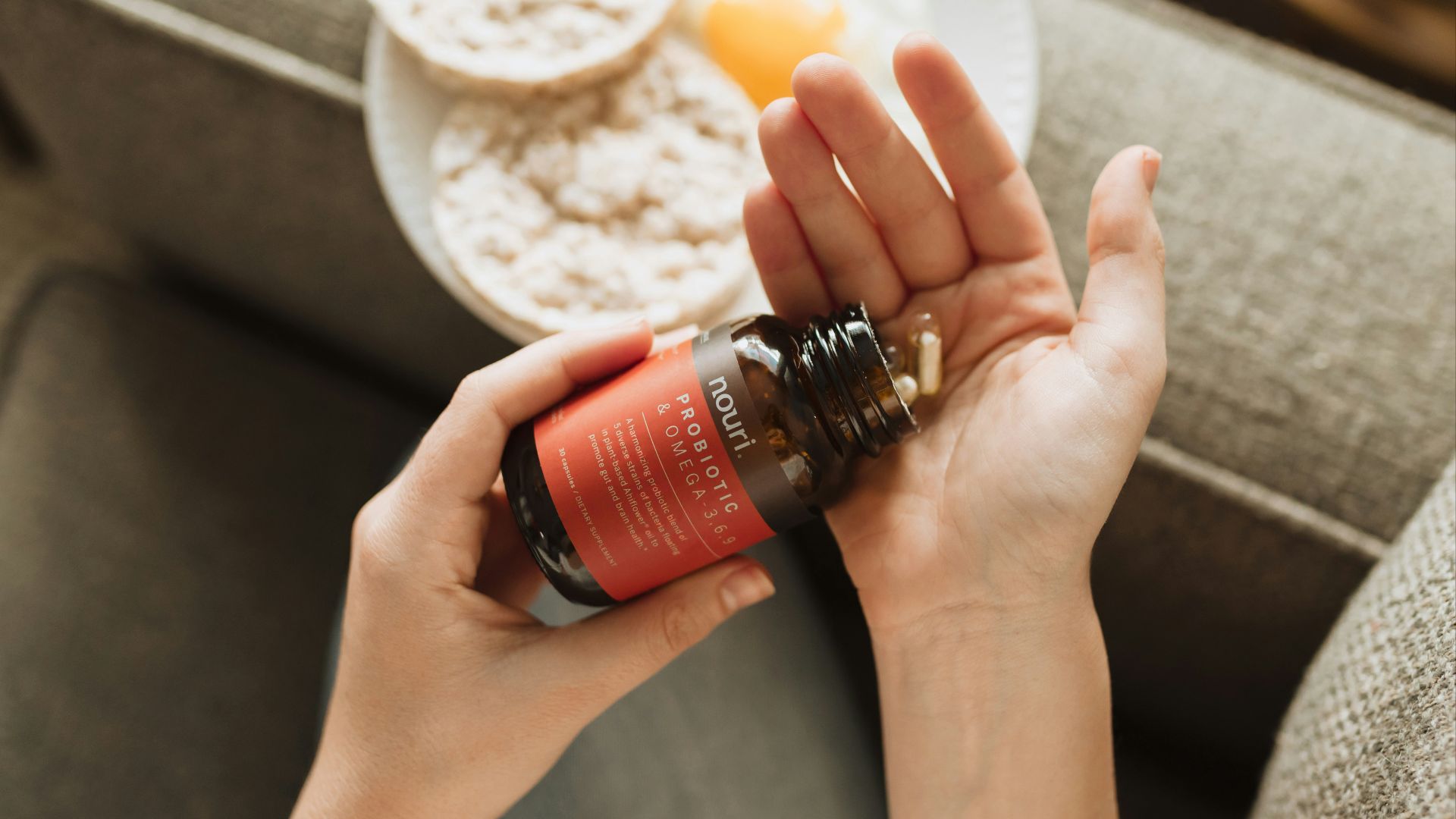
9. Watching Calcium And Vitamin D
Bone density plays a direct role in hip health, and both calcium and vitamin D are central to maintaining it. Dairy, leafy greens, and fortified foods cover a lot of the calcium side, while sunlight and certain foods handle vitamin D. A quick conversation with a doctor can clarify whether a supplement makes sense for your specific situation.
10. Standing Up And Moving Every Hour
Long stretches of sitting stiffen the hips and weaken the muscles around them over time. Standing up every hour, even just to walk to the kitchen and back, keeps that stiffness from building. It's a small interruption that makes the rest of the day's movement noticeably easier.
 Christopher Campbell on Unsplash
11. Wearing Supportive Shoes
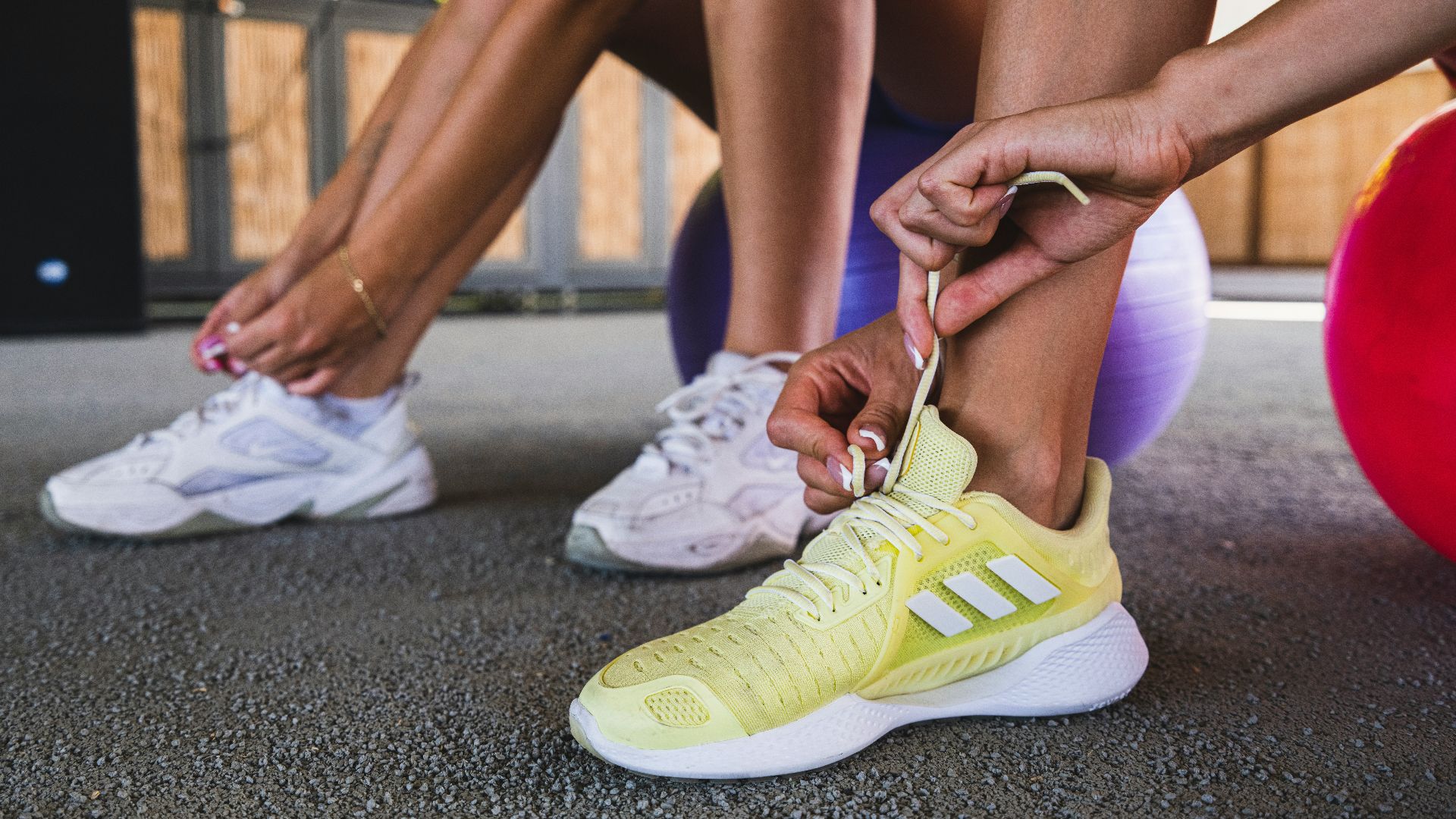
Worn-out or unsupportive shoes change the way you walk, and that altered gait puts extra stress on the hips without you ever noticing. A pair of shoes with real cushioning and arch support helps distribute that impact more evenly. It's an easy fix that a lot of people overlook simply because the shoes still look fine on the outside.
12. Maintaining A Healthy Weight
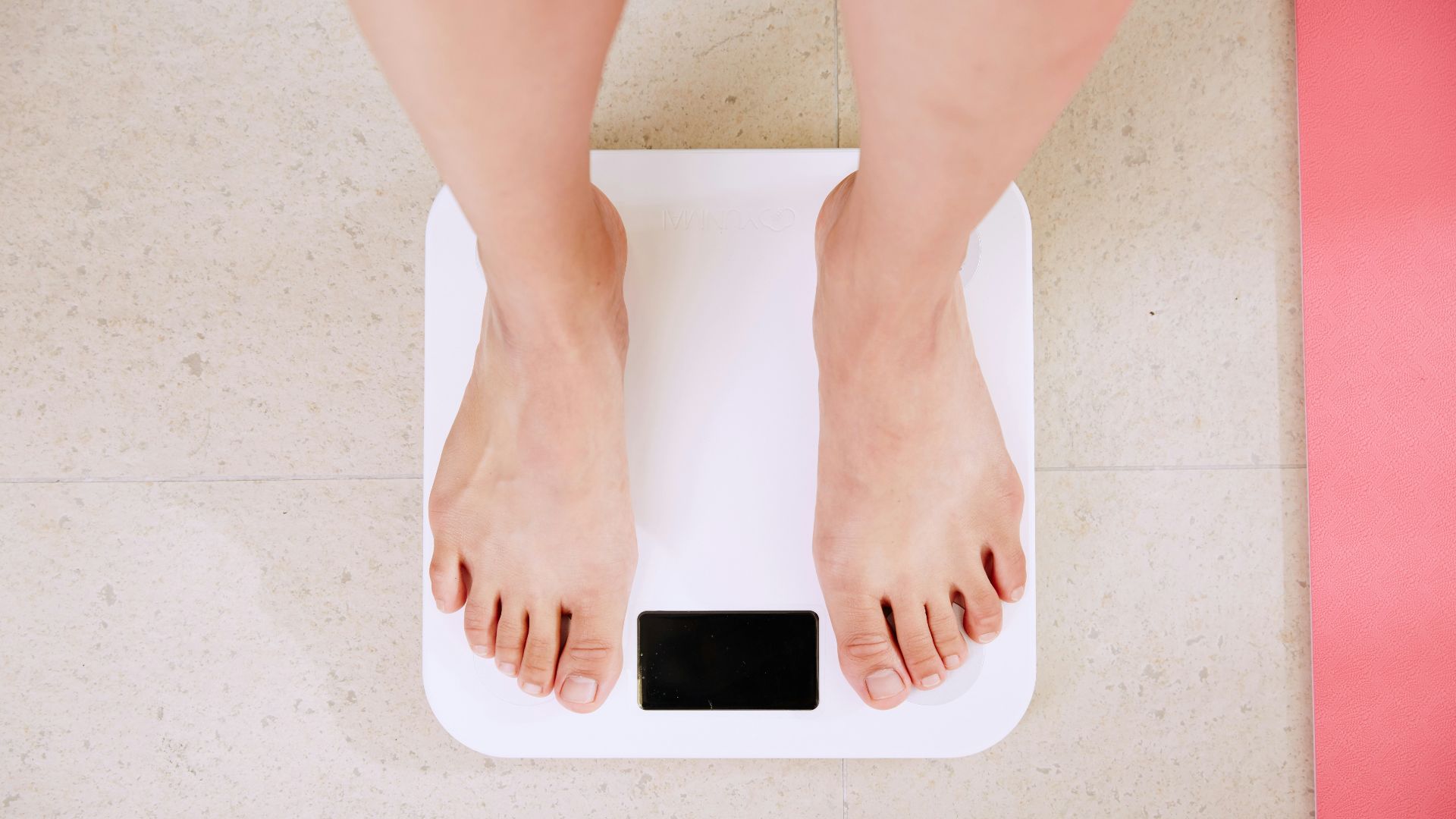
Extra weight adds direct pressure to the hip joint with every single step. Keeping weight in a healthy range, through diet and regular movement, takes real strain off the joint over time. It's not about a number on a scale so much as reducing the daily load the hips have to carry.
13. Resistance Bands At Home
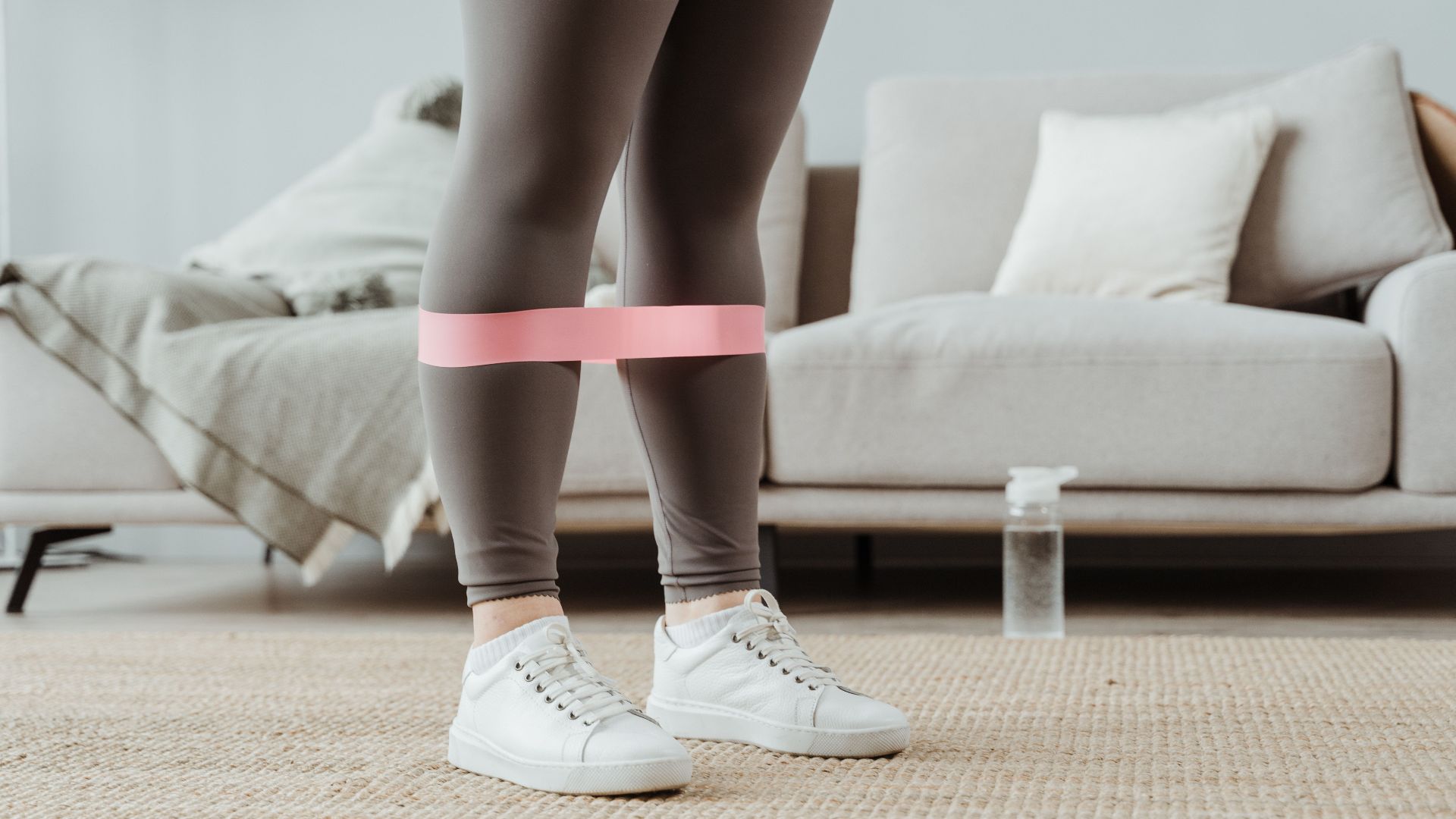
Resistance bands are an easy way to strengthen the hips without needing any equipment beyond the band itself. Simple moves like lateral band walks target the muscles on the side of the hip that often get neglected in regular workouts. A few minutes a few times a week is enough to feel a difference.
14. Tai Chi
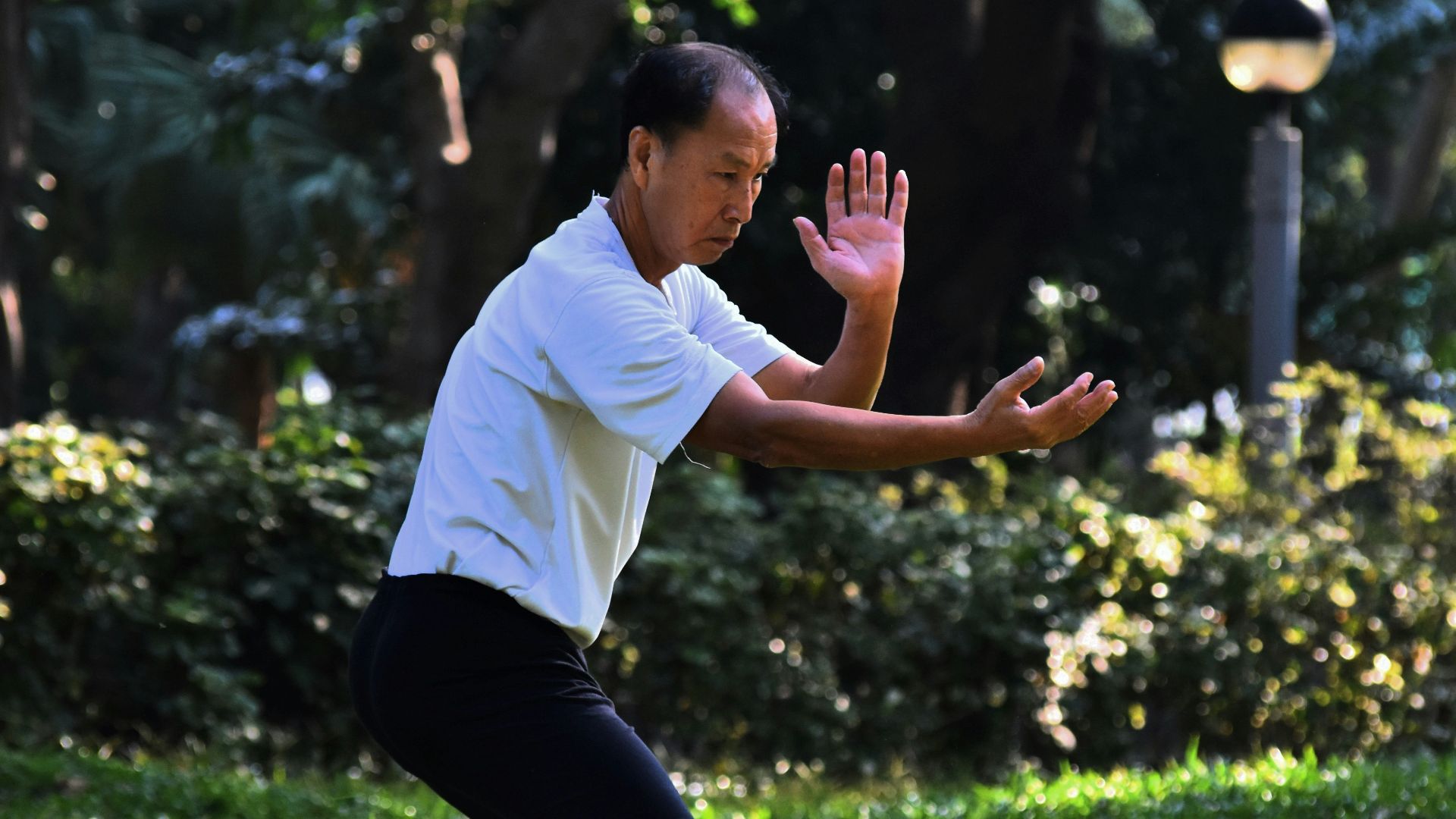
Tai chi's slow, controlled movements build balance and leg strength at the same time, which makes it particularly useful for hip health. Research on older adults has repeatedly linked it to fewer falls and better joint stability. It's also gentle enough to start at any fitness level.
15. Sleeping On Your Side With A Pillow Between Knees
Side sleeping without support can twist the hips out of alignment overnight, every single night, for years. A pillow between the knees keeps the top hip level with the bottom one, easing pressure on the joint. It's a tiny adjustment that a lot of people never think to make.

16. Limiting Alcohol
Heavy drinking has been linked to lower bone density over time, which makes hips more vulnerable to fractures. Keeping alcohol intake moderate protects bone health in a way that's easy to overlook. It's one of those habits that matters more the older you get.

17. Not Smoking
Smoking interferes with the body's ability to absorb calcium, which weakens bones throughout the body, hips included. Quitting, or never starting, is one of the most direct things a person can do for long-term bone health. The benefits extend well beyond the hips, but the hips are part of the picture too.

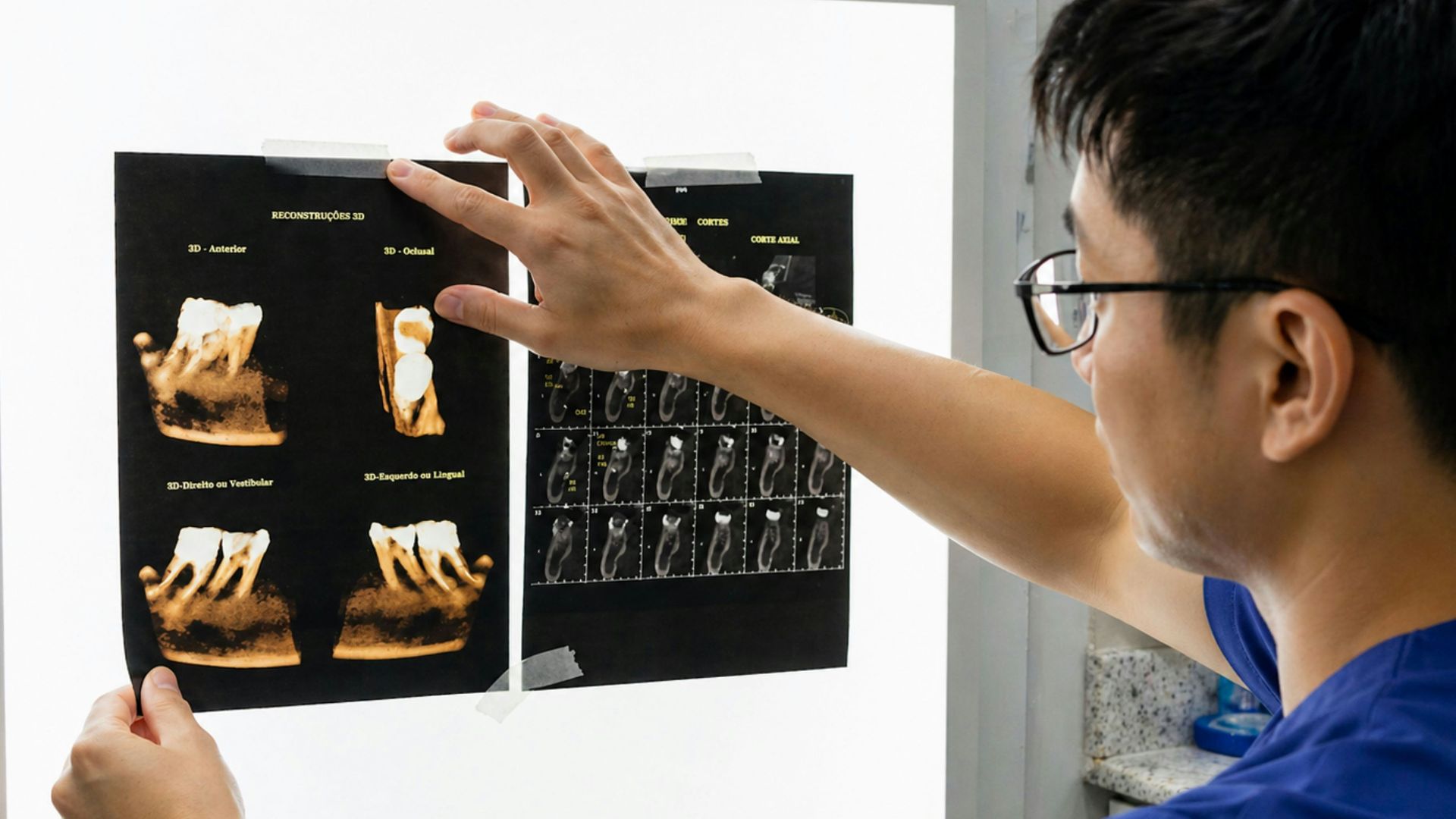
18. Bone Density Checkups
A bone density scan gives a clear picture of hip fracture risk long before any symptoms show up. Doctors typically recommend one starting around 65, sometimes earlier depending on individual risk factors. Catching low bone density early opens the door to treatment options that can make a real difference.
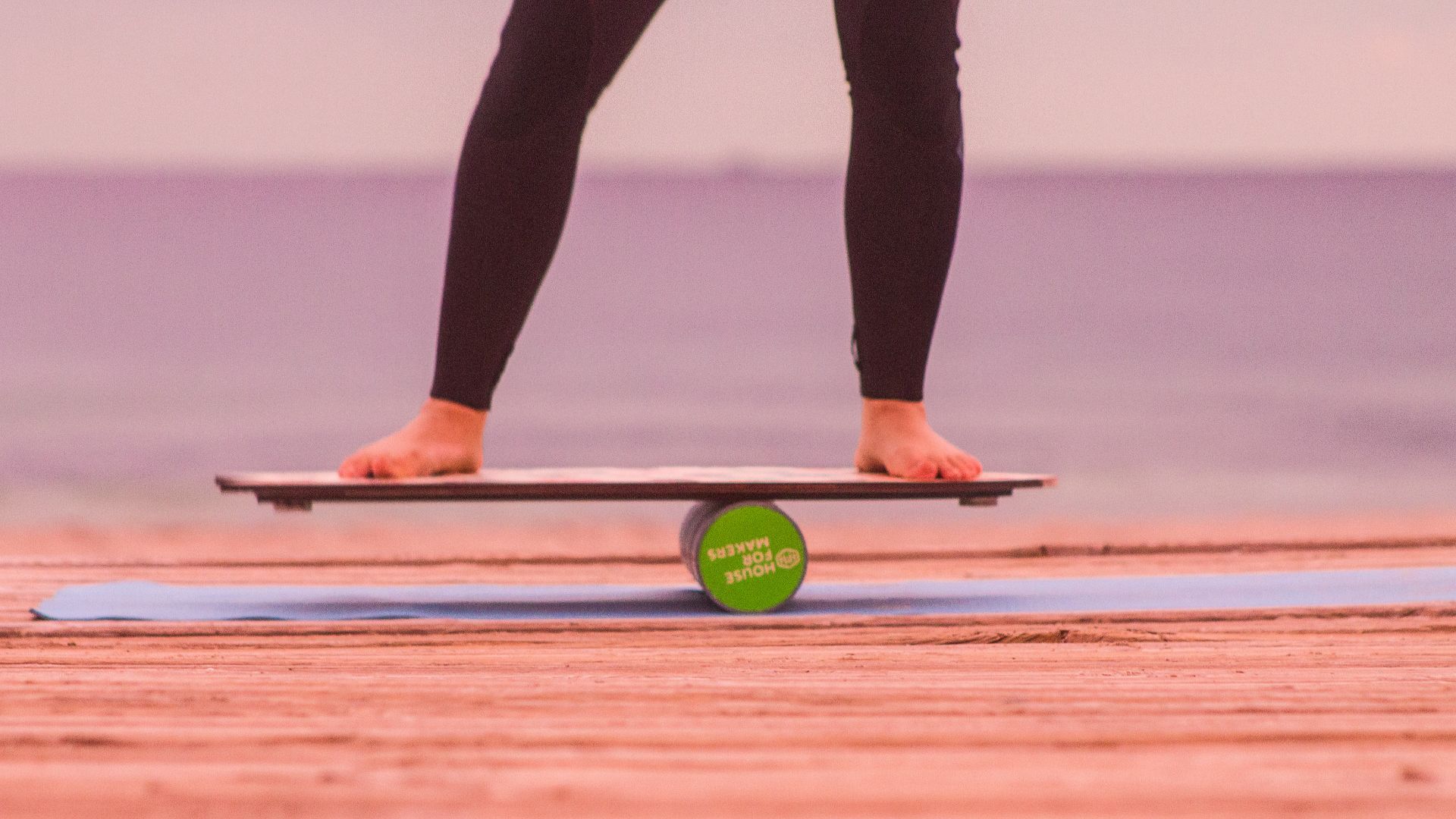
19. Single-Leg Balance Exercises
Standing on one leg challenges the smaller stabilizing muscles around the hip that don't get much attention otherwise. Doing this for a minute or two, a few times a week, builds a kind of stability that shows up in everyday movements like getting out of a car. It's a small exercise with an outsized effect on fall prevention.
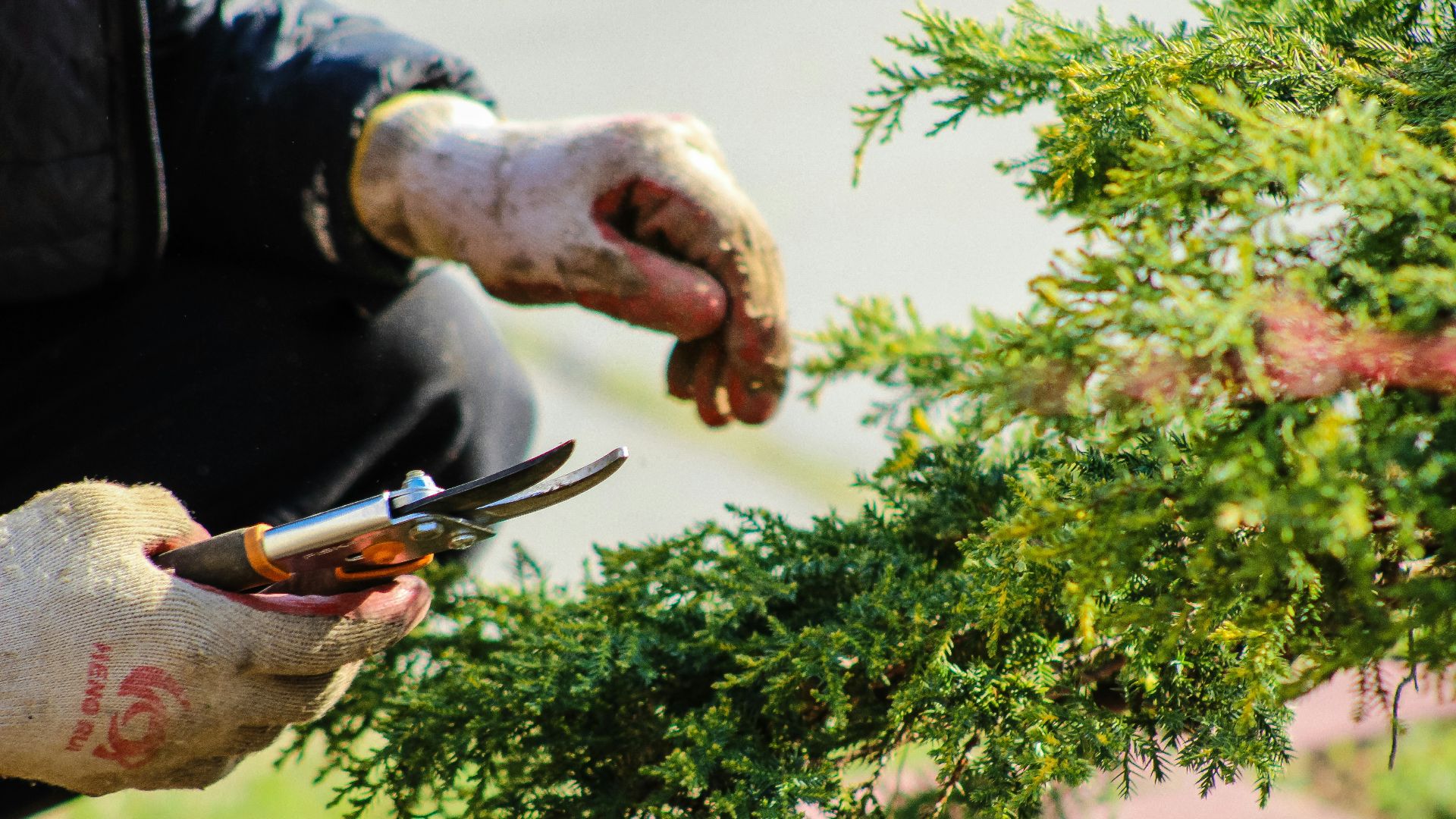
20. Gardening Or Other Low-Impact Movement
Gardening involves a surprising amount of squatting, bending, and reaching, all of which keep the hips moving through a natural range. It doesn't feel like exercise in the traditional sense, which is exactly why a lot of people stick with it. Any activity that keeps you moving regularly, without being harsh on the joints, counts toward the same goal.
KEEP ON READING


20 Natural Ways You Can Boost Your Immune System
20 Ways To De-stress & Relax After Work
The 10 Most Common Diseases & The 10 Most Rare