When Did Meals Become a Race?
Somewhere between the packed workweek, the errands, and the dinner you eat with one eye on your phone, eating fast just became the default. It's an easy habit to fall into and an even easier one to miss. Here's the problem: your body needs time. Time to register fullness, time to break down texture, time to settle into digestion. Speed through a meal too often, and you blow right past the signals that would normally tell you to slow down or stop. Those signals aren't instantaneous, and if you've already finished eating and moved on before they show up, you never get the chance to respond to them. When speed becomes your only setting, the pace you default to at breakfast, lunch, and dinner, day after day, your body starts talking back. Here's what it's trying to tell you, and what actually helps.

1. You're Always The First One Done
Empty plate while everyone else is still eating? Once in a while, no big deal. Who knows, maybe you were just hungrier than usual. Every time, though, you might be eating on autopilot rather than tuning in to your body’s signals. Speed becomes the habit, and the meal itself becomes almost incidental.
2. The Meal Itself Barely Registers
A good meal leaves a trace: the crunch, the warmth, that first perfect bite. If you finish and can't recall much of anything about what you just ate, your attention was elsewhere while your body missed the experience entirely. You technically ate, but you weren't really there for it.

3. A Delay In Feeling Full
You feel okay mid-meal, then suddenly you're stuffed, tight, and uncomfortable. Your body's "I'm full" signal only just caught up with how much you actually ate. By the time it arrives, the damage, so to speak, is already done.

4. Bloating
Bloating has plenty of causes, anywhere from food intolerances, constipation, and various digestive conditions among them. But fast eating, oversized bites, and extra swallowed air can leave your stomach feeling stretched, gassy, and generally unhappy all the same.

5. Heartburn
Eating fast makes it easier to overeat without realizing it. Overeating, especially right before you lie down or head back to your desk, is a recipe for that burning, sour aftertaste that lingers long after the meal is over.

6. You’re Not Chewing
Digestion starts in your mouth, not your stomach. Skip the chewing and swallow after just a bite or two, and you're handing your stomach a much harder job. The result is often a meal that sits heavier and feels less comfortable than it needs to.

7. You're Hungry Right After A Meal
Sometimes that means the meal was missing protein, fiber, or fat — the things that actually keep you full. Sometimes it just means you ate so fast that the full feeling just never got the chance to register before you were already eyeing the next snack.

8. You’re Taking Huge Bites
Giant bites sneak a meal into rush mode before you even notice it happening. They also make it nearly impossible to chew well, notice changing flavors and textures, or catch the moment your hunger subsides.
9. Food Goes Down The Wrong Way
Once in a while, no drama — dry foods and distracted eating happen to everyone. Regularly, though, that's worth paying attention to, because rushed eating, oversized bites, and poor chewing all raise your choking risk over time.
10. Meals Aren’t Prioritized
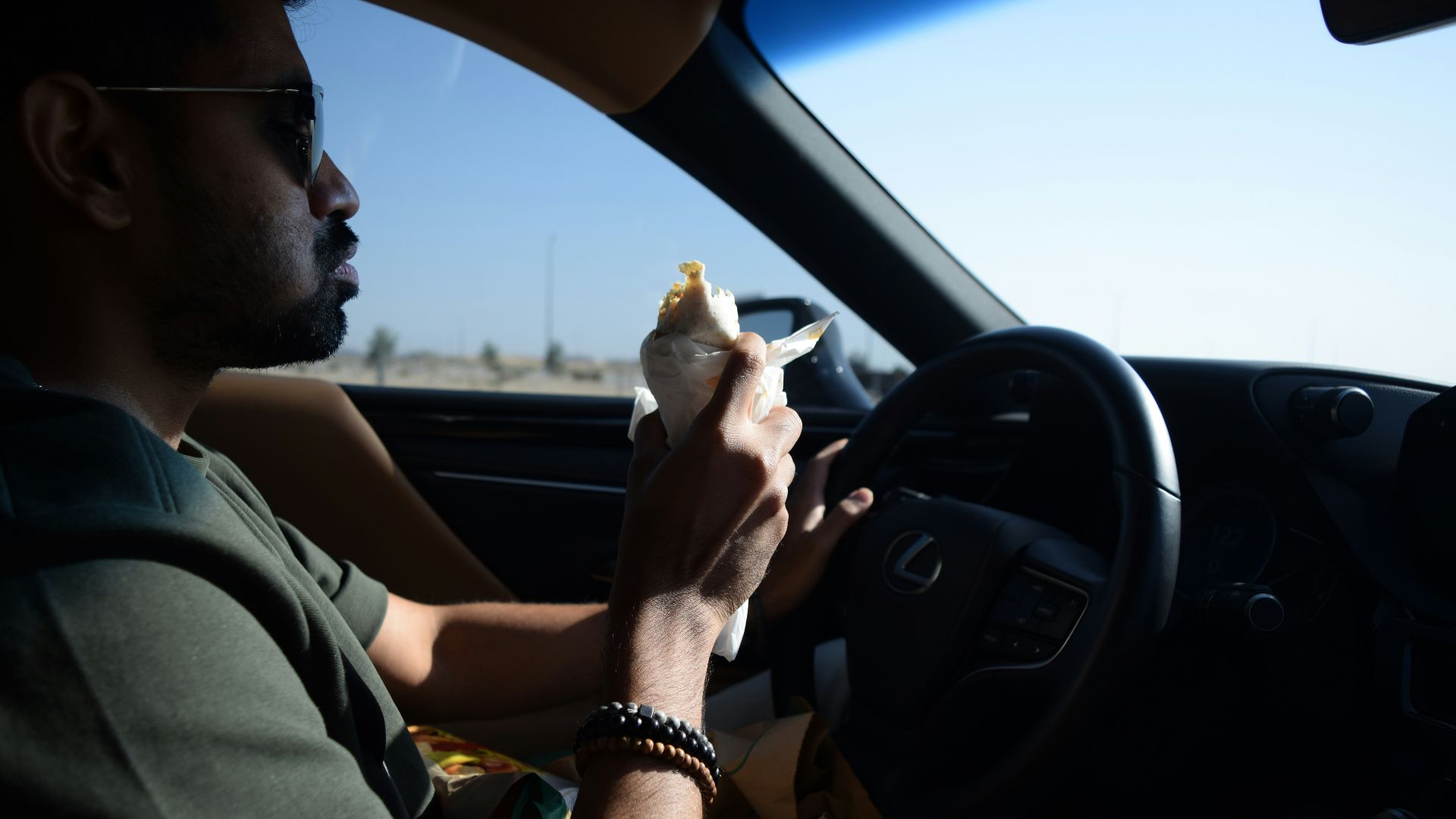
Standing at the counter, driving, rushing between calls — when eating becomes something to get through rather than something your body actually needs, it’s no surprise that you end up eating too fast.
1. Give Yourself 20 Minutes
Twenty minutes gives fullness signals enough time to catch up with what you've eaten before your plate's already empty and you're reaching for seconds out of habit, rather than actual hunger.

2. Put Your Fork Down Between Bites
Taking regular pauses throughout the meal allows you to be more mindful. Set your fork, spoon, sandwich, or wrap down after each bite, chew, swallow, and only then pick it back up. It might feel a little awkward at first, but it’ll help you in the long run.
3. Chew, And Chew, And Chew
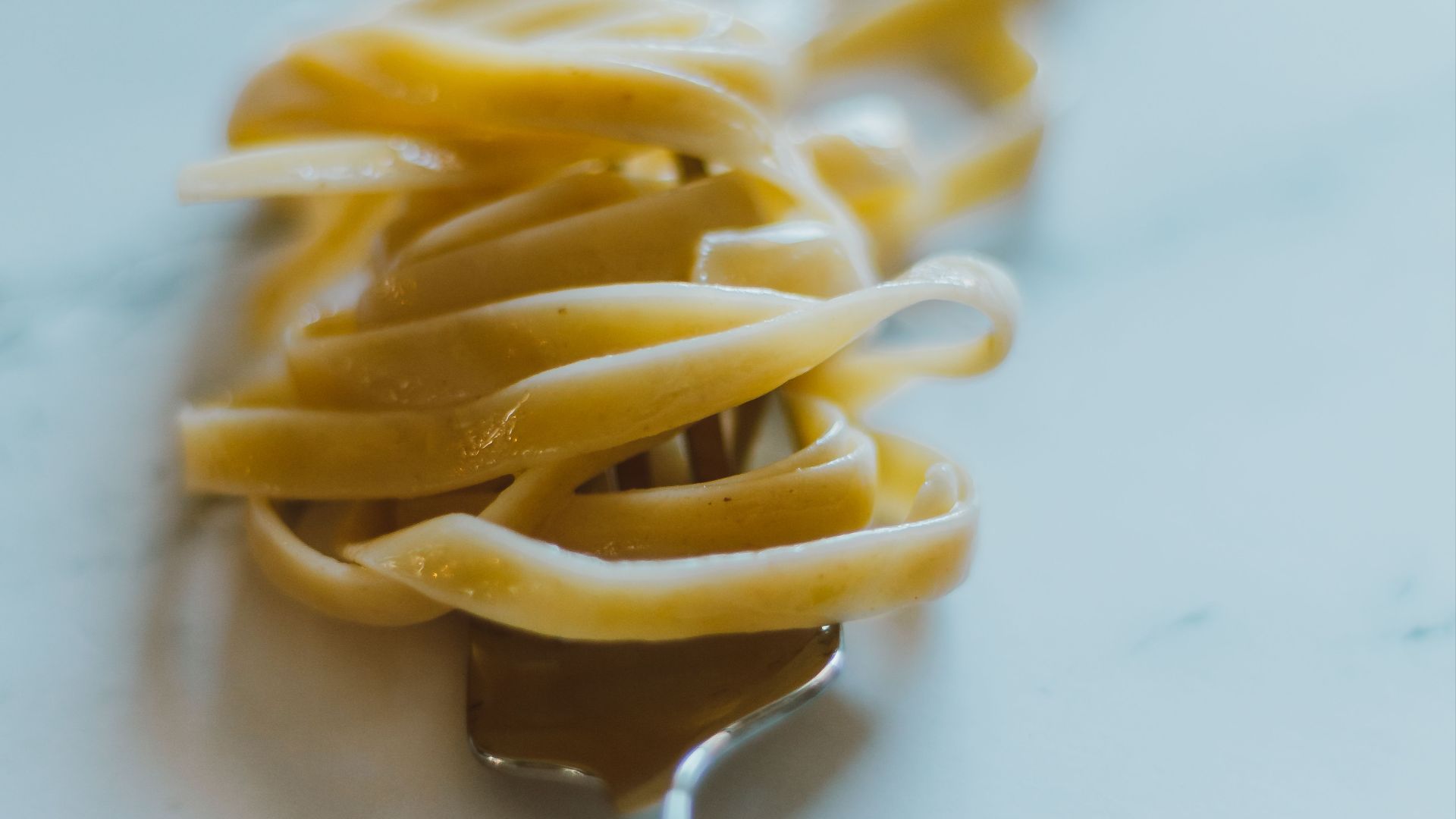
No need to count chews like dinner just became a worksheet. Just pay attention to texture, and wait until the bite feels properly broken down and easy to swallow before you do.

4. Take Smaller Bites
Smaller bites slow your eating pace naturally. This is especially useful with the foods you tend to inhale without thinking — dense bread, meat, raw vegetables, or a really good grain bowl.

5. Kill One Distraction
You don't need to eat your meal in complete silence. Just put the phone face-down, close the laptop, or turn off the TV for one meal, and let your brain stay present enough to actually notice taste, pace, and fullness as they happen.
 Daniel Silva Gaxiola on Unsplash
6. Drink Water Between Bites
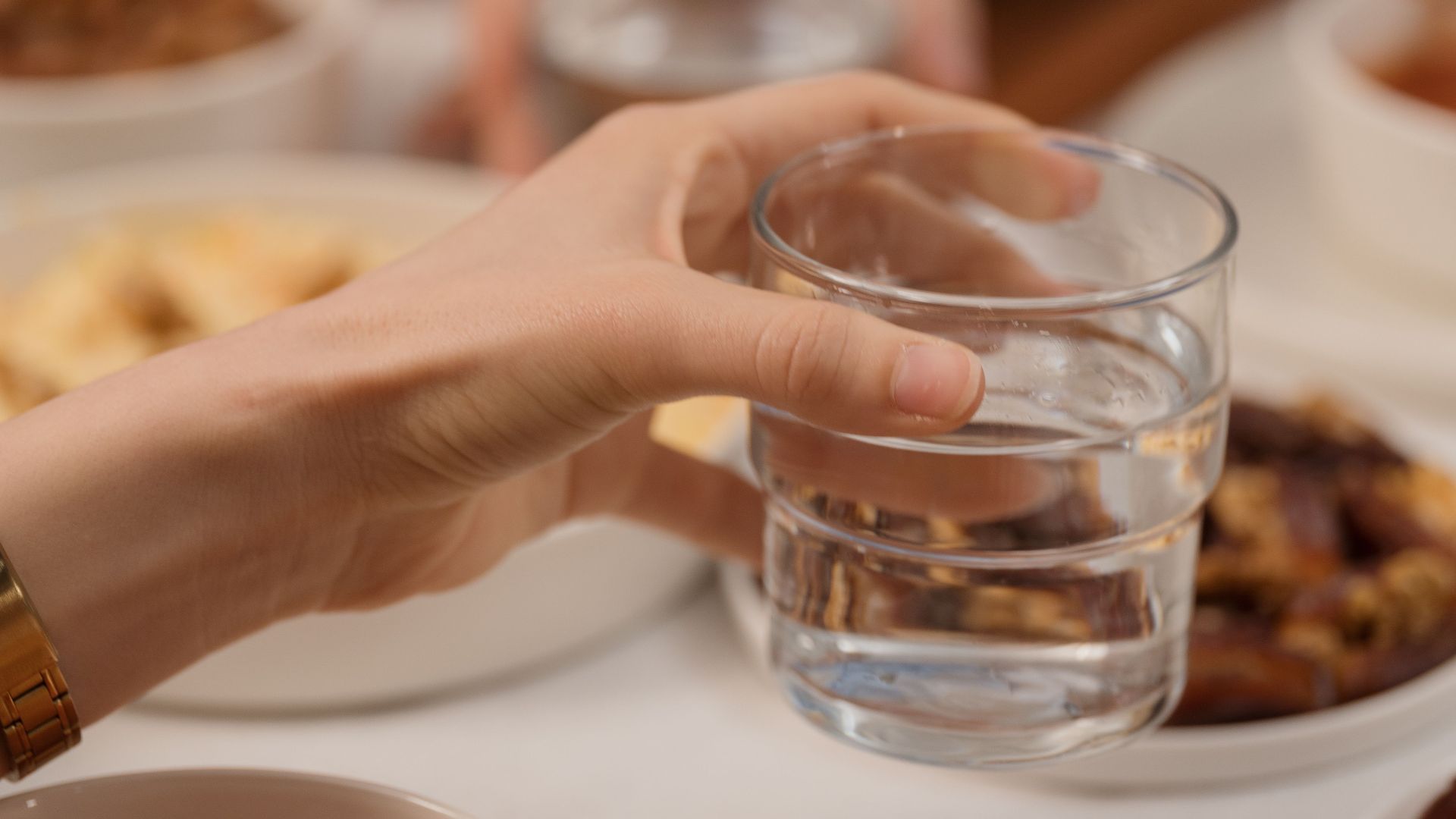
The goal isn't to chug water and force a feeling of fullness; rather, it's to interrupt the fast, automatic hand-to-mouth rhythm that can make an entire plate of food disappear before you've really noticed.
7. Don't Wait Until You’re Starving
Painfully hungry makes slow, mindful eating nearly impossible, because your body is in a rush to catch up on calories it should have gotten earlier. A solid snack or meal with protein, fiber-rich carbohydrates, and satisfying fat earlier in the day takes the edge off before it builds.
8. Use A Smaller Utensil
A little added friction goes a long way toward slowing you down. This is especially useful with foods that are easy to shovel in without thinking — cereal, pasta, chili, oatmeal, rice bowls, and ice cream all qualify.
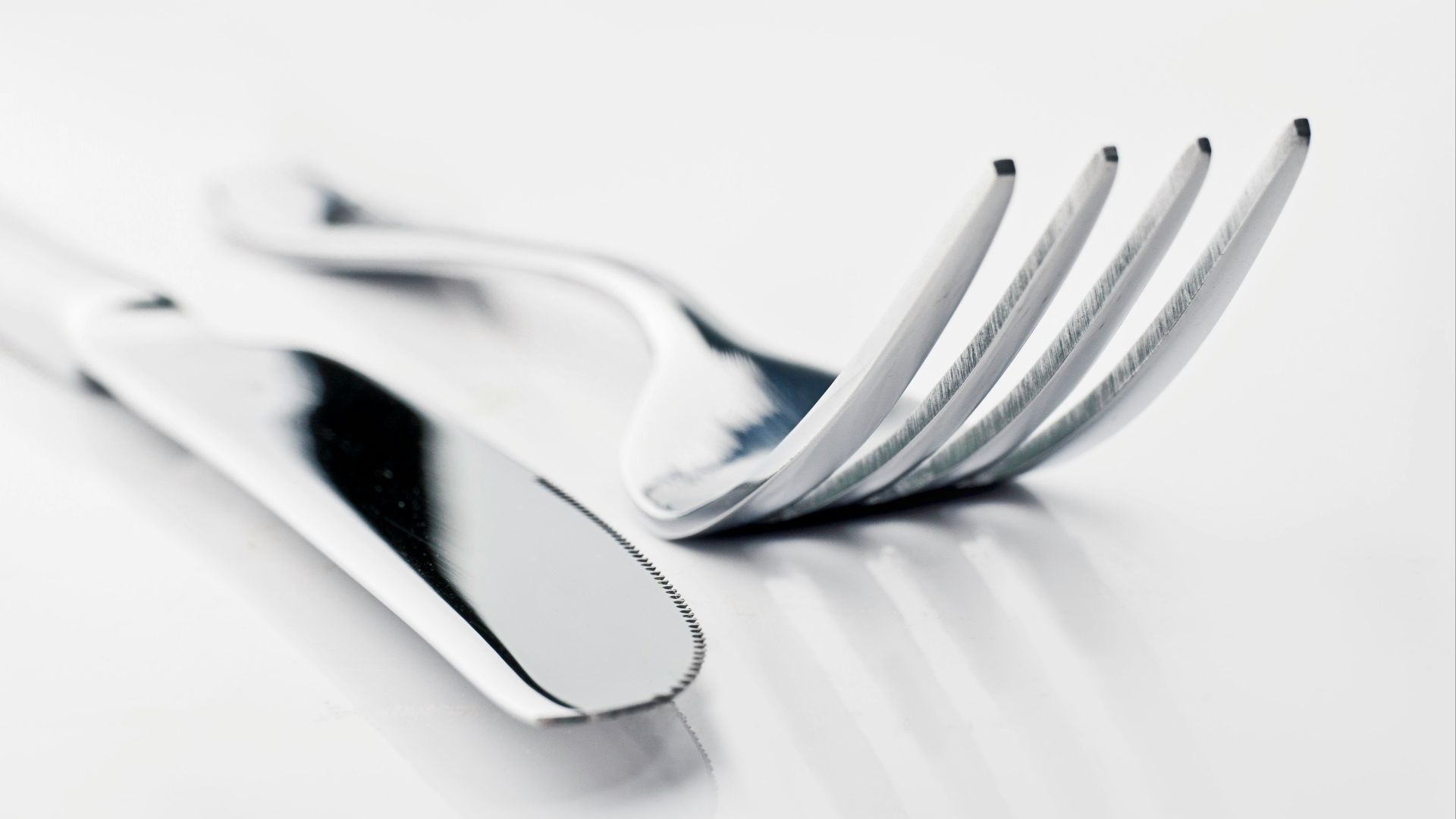
9. Check In With Yourself
Pause around the midpoint of your meal and notice how full you feel. You might decide to keep eating, slow down, save the rest for later, or wait a few minutes before continuing — but the important part is that you're actively choosing, rather than letting momentum finish the plate for you.
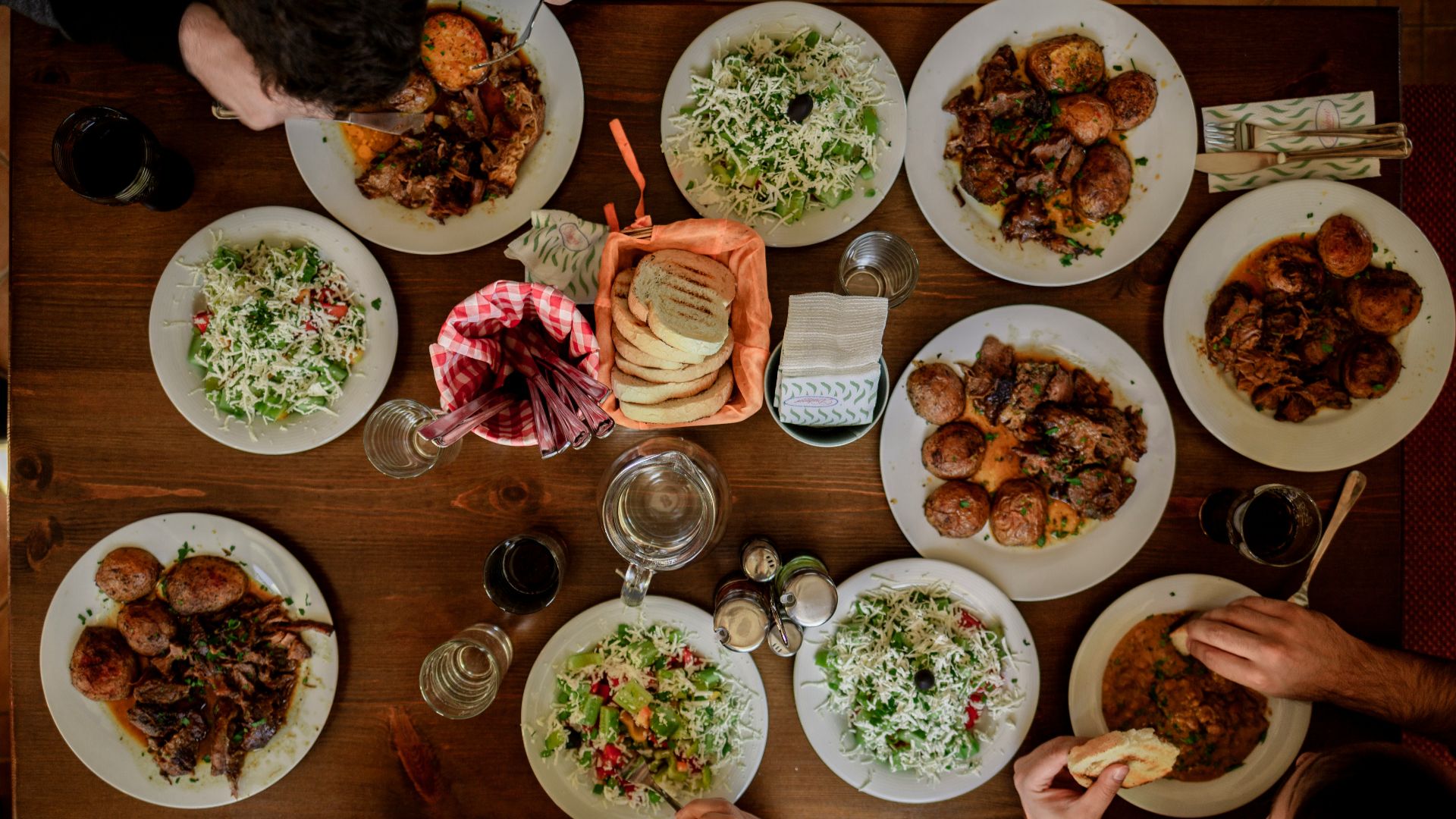
10. Add A Little Variety
Crunchy vegetables, beans, lentils, whole grains, nuts, seeds, and fruit with the skin still on all require more effort to eat. That extra effort naturally slows you down, while also making the meal feel more satisfying.
KEEP ON READING

20 Ways Perimenopause Changes Fitness and Appetite


20 Unhealthy Obsessions People Have
20 Gut-Friendly Fermented Foods For Everyday Meals