
The Small Stuff Adds Up
Aging isn't only about the big, dramatic stuff like genetics or a major illness. A lot of it comes down to small habits repeated so often they stop looking like choices at all. Dermatologists, sleep researchers, and longevity scientists keep circling back to the same handful of everyday patterns that quietly speed things along. None of them show up overnight, which is exactly why they're easy to miss. Here's 20 subtle habits that might be adding years faster than you'd expect.

1. Skipping Daily Sunscreen
Sun exposure is the single biggest driver of visible skin aging, well ahead of anything tied to age itself. Years of unprotected exposure break down collagen slowly enough that most people don't notice until the damage is already showing. Dermatologists tend to call sunscreen the one habit that actually moves the needle.
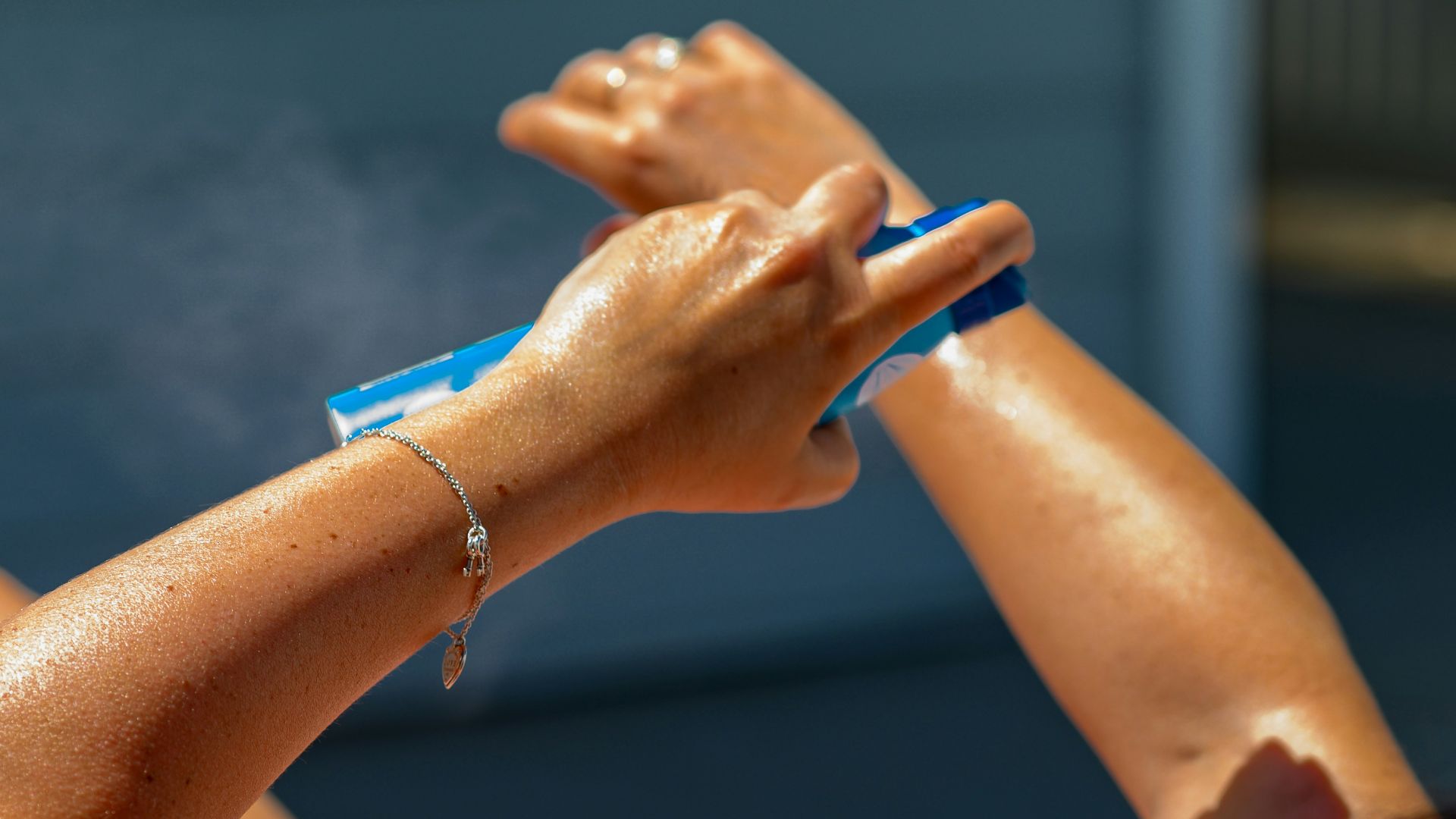 Philippe Murray-Pietsch on Unsplash
2. Not Getting Enough Sleep
Chronic short sleep does more than leave you tired, it's been linked to shorter telomeres, the protective caps on your DNA that shrink as cells age. Consistently getting under six or seven hours a night adds up in ways that don't show up right away.

3. A High-Sugar Diet
Excess sugar in the bloodstream contributes to a process called glycation, where sugar molecules attach to collagen and make it stiffer and less elastic. Over years, that shows up as fine lines and sagging skin earlier than genetics alone would predict. It's one of the quieter ways diet shapes how old you actually look.

4. Sitting for Most of the Day
Long stretches of sitting have been tied to increased inflammation and shorter telomeres, even in people who exercise regularly outside of work hours. The body seems to respond differently to sitting for eight hours than it does to the same total activity spread throughout a day.

5. Chronic Stress
Ongoing stress keeps cortisol elevated for extended periods, and research from psychologist Elissa Epel and others has connected that pattern to measurably shorter telomeres. It's not the occasional stressful week that does the damage, it's the stress that never really resolves. That kind of low-grade, constant tension seems to age cells faster than acute, short-term pressure.

6. Smoking
Smoking remains one of the most well documented accelerants of aging, both inside the body and on the skin. It restricts blood flow and breaks down collagen, showing up as deeper wrinkles and duller skin tone years before it would otherwise appear. Even occasional smoking carries measurable effects over time.

7. Regular Heavy Drinking
Alcohol dehydrates the skin and disrupts sleep quality, and both effects compound with regular, heavy use. It also puts extra strain on the liver, which plays a role in processing toxins that would otherwise contribute to inflammation. Heavy drinkers often show visible skin changes years before non-drinkers of the same age.

8. Not Drinking Enough Water
Chronic mild dehydration makes skin look less plump and can make fine lines more noticeable than they'd otherwise be. It's rarely dramatic enough to notice day to day, but the cumulative effect on skin texture is well documented.

9. Sleeping on Your Stomach or Side
Sleeping in the same position every night presses the same areas of skin against a pillow for hours, and repeated over years, that pressure can contribute to lines that eventually stop disappearing after you wake up. Dermatologists sometimes call these sleep wrinkles, distinct from the ones caused by sun or expression. Switching positions occasionally seems to reduce the effect.

10. Skipping Workouts
Regular movement supports circulation and helps regulate inflammation, both of which play a role in how tissue repairs itself over time. People who stay sedentary for years tend to show more visible signs of aging at the same chronological age as those who don't. It doesn't take extreme exercise, just consistency.

11. Social Isolation
Chronic loneliness has been linked in large studies to increased mortality risk on a scale comparable to smoking or obesity. Researcher Julianne Holt-Lunstad's work on the topic helped establish just how physically significant social connection actually is.

12. Squinting Instead of Wearing Glasses
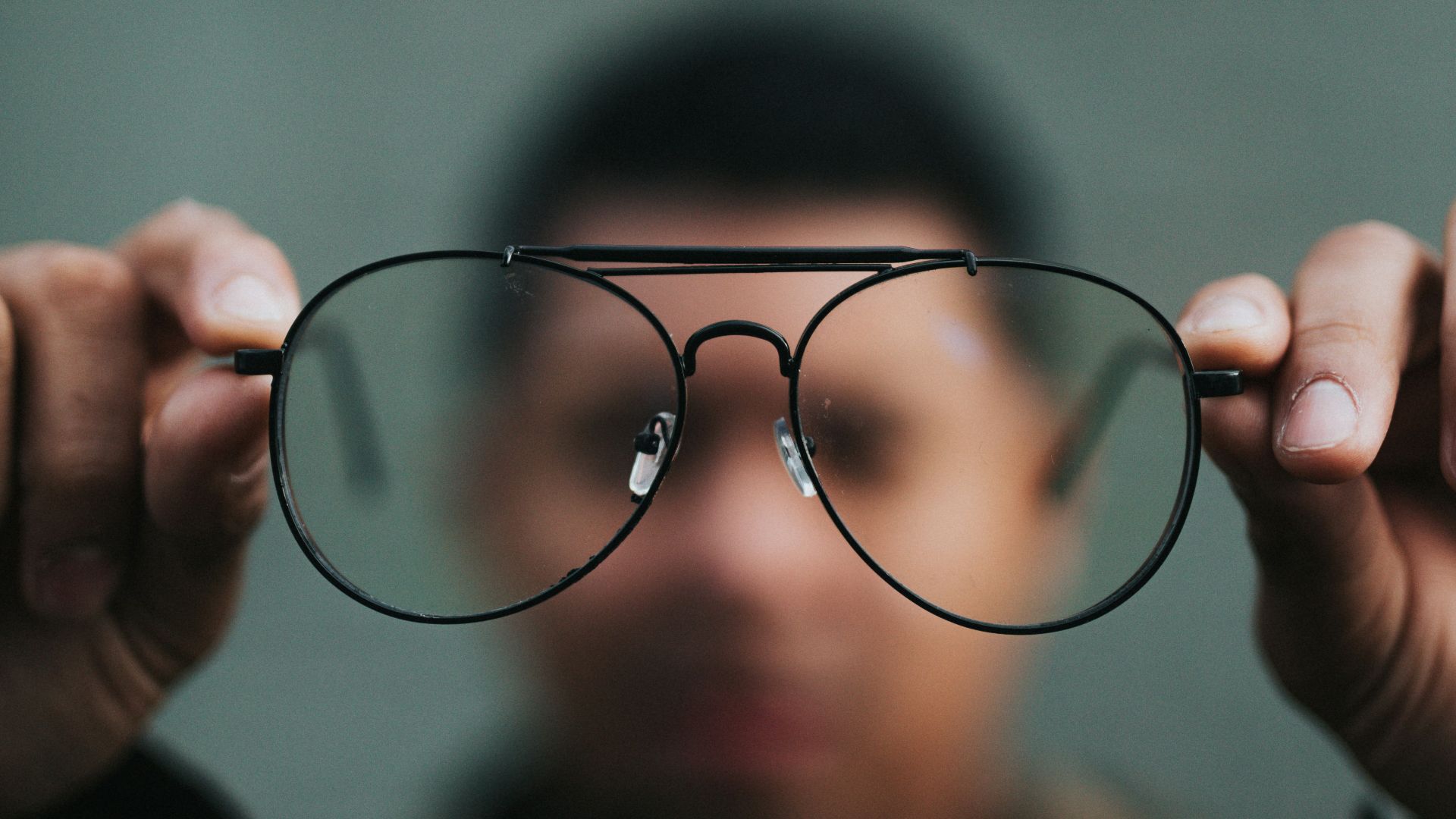
Repeatedly squinting to see without corrective lenses trains the same small muscles around the eyes to contract over and over. Over years, that repeated motion contributes to the fine lines dermatologists sometimes call crow's feet. Wearing the right prescription is one of the simpler fixes on this list.
13. Sipping Through a Straw
The repeated pursing motion used to drink through a straw works the same muscles involved in smoking, just without the smoke. Dermatologists have pointed to it as a small but real contributor to lines forming around the mouth over time. It's a habit most people never think to connect to how their skin ages.

14. Scrolling Your Phone in Bed
Screen use before sleep delays melatonin release and tends to push bedtime later than intended, which chips away at both sleep duration and quality over time. The downstream effects loop back to most of the other items on this list, since poor sleep affects both stress and inflammation at once. It's a small habit with an outsized ripple effect.

15. Yo-Yo Dieting
Repeated cycles of losing and regaining weight put more strain on the body than steady weight maintenance does, according to research on weight cycling. It's been associated with increased inflammation and cardiovascular strain, independent of a person's actual weight at any given time.
 Farhad Ibrahimzade on Unsplash
16. Tech Neck
Looking down at a phone or laptop for hours creates a habitual crease across the neck that can deepen with repetition, along with straining the muscles that support your posture. Over years, that posture pattern affects both how the neck looks and how the spine ages. Physical therapists have started treating it as its own category of complaint.

17. Grinding Your Teeth
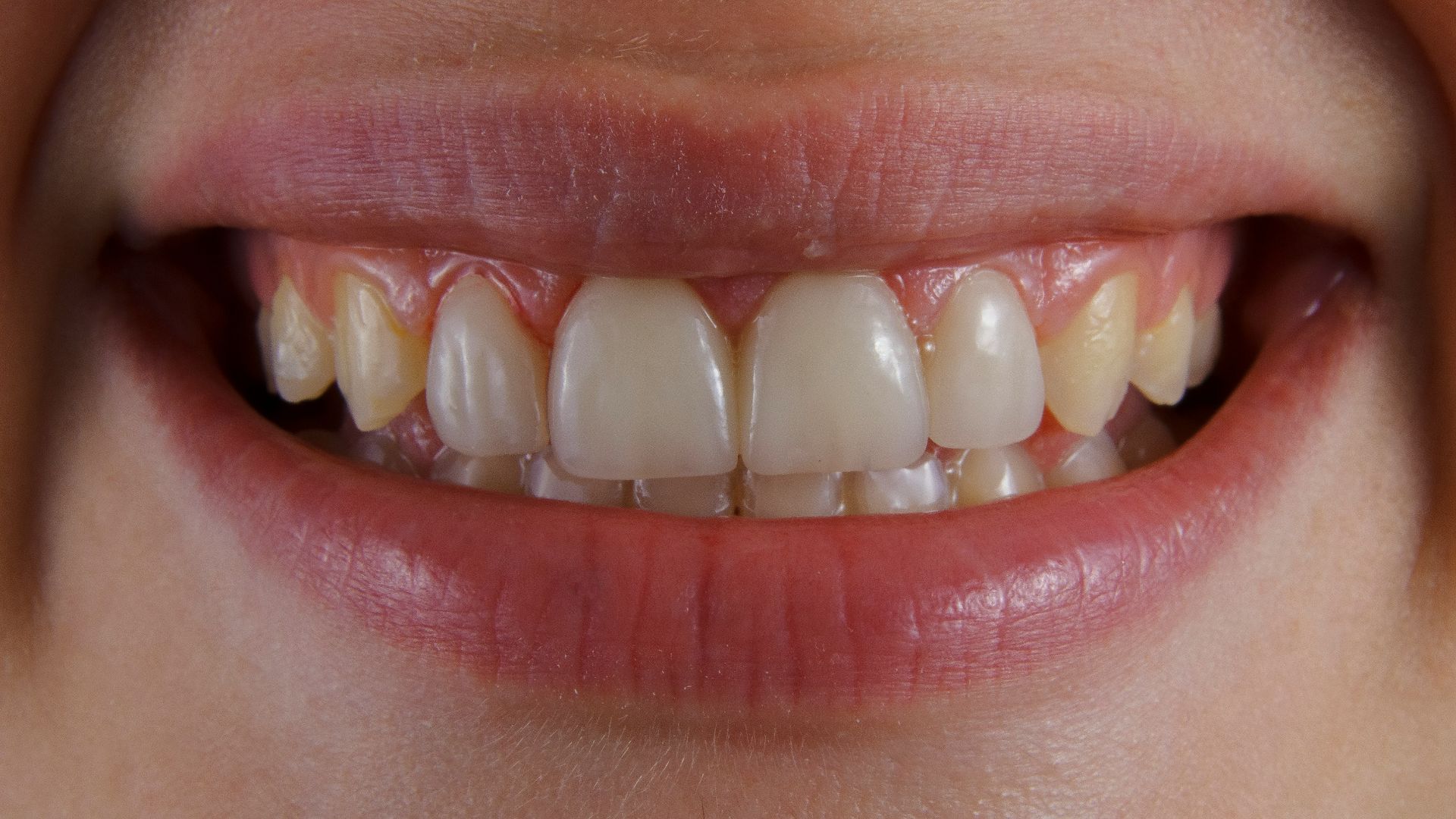
Teeth grinding, often tied to unresolved stress, wears down enamel faster than normal use would and can change the shape of the jawline over time. Most people who do it aren't aware until a dentist points out the damage. It's one of the more literal ways chronic stress leaves a physical mark.
18. Skipping Sunglasses
Beyond sun damage to the skin itself, repeated squinting in bright light without sunglasses adds to the same fine lines caused by uncorrected vision. It's a habit people tend to treat as optional, especially on cloudy days when UV exposure is still significant. Consistency matters more than most people assume.

19. Ignoring Air Quality
Long-term exposure to air pollution has been linked in dermatology research to the same kind of oxidative stress and collagen breakdown caused by sun exposure. People living in high-pollution areas tend to show visible skin aging earlier than those in cleaner environments, independent of sun exposure alone.

20. Chronic Pessimism
Research led by psychologist Becca Levy found that people with more positive beliefs about aging tended to live measurably longer than those with negative expectations about getting older. The mechanism isn't fully settled, but the pattern has shown up across multiple long-term studies. How you expect to age may end up shaping how you actually do.

KEEP ON READING