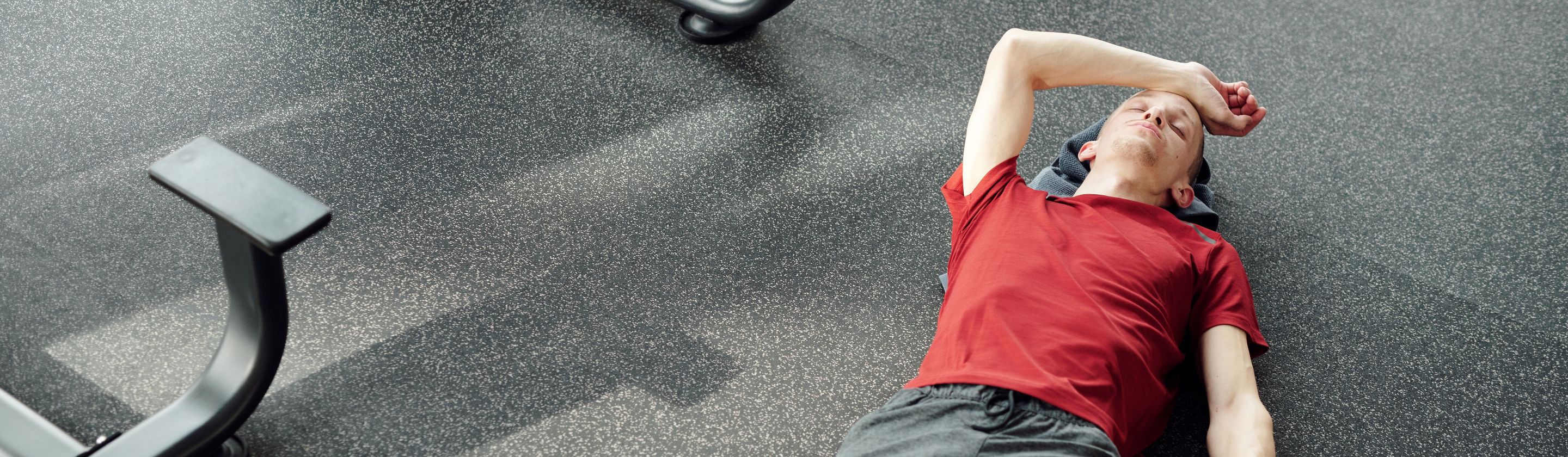
What Happens When The Couch Wins
You don't notice it right away. A few days of skipped walks, a week of working from the recliner instead of the desk, and everything still feels basically normal. But your body keeps score in ways you can't see at first, and the bill eventually comes due. Muscles start negotiating themselves down, blood starts moving like it's got somewhere else to be, and your mood picks up on all of it before your brain fully clocks what's going on. None of this happens overnight, but it happens faster than most people think. Here's 20 things that start shifting the moment movement drops off your daily list.
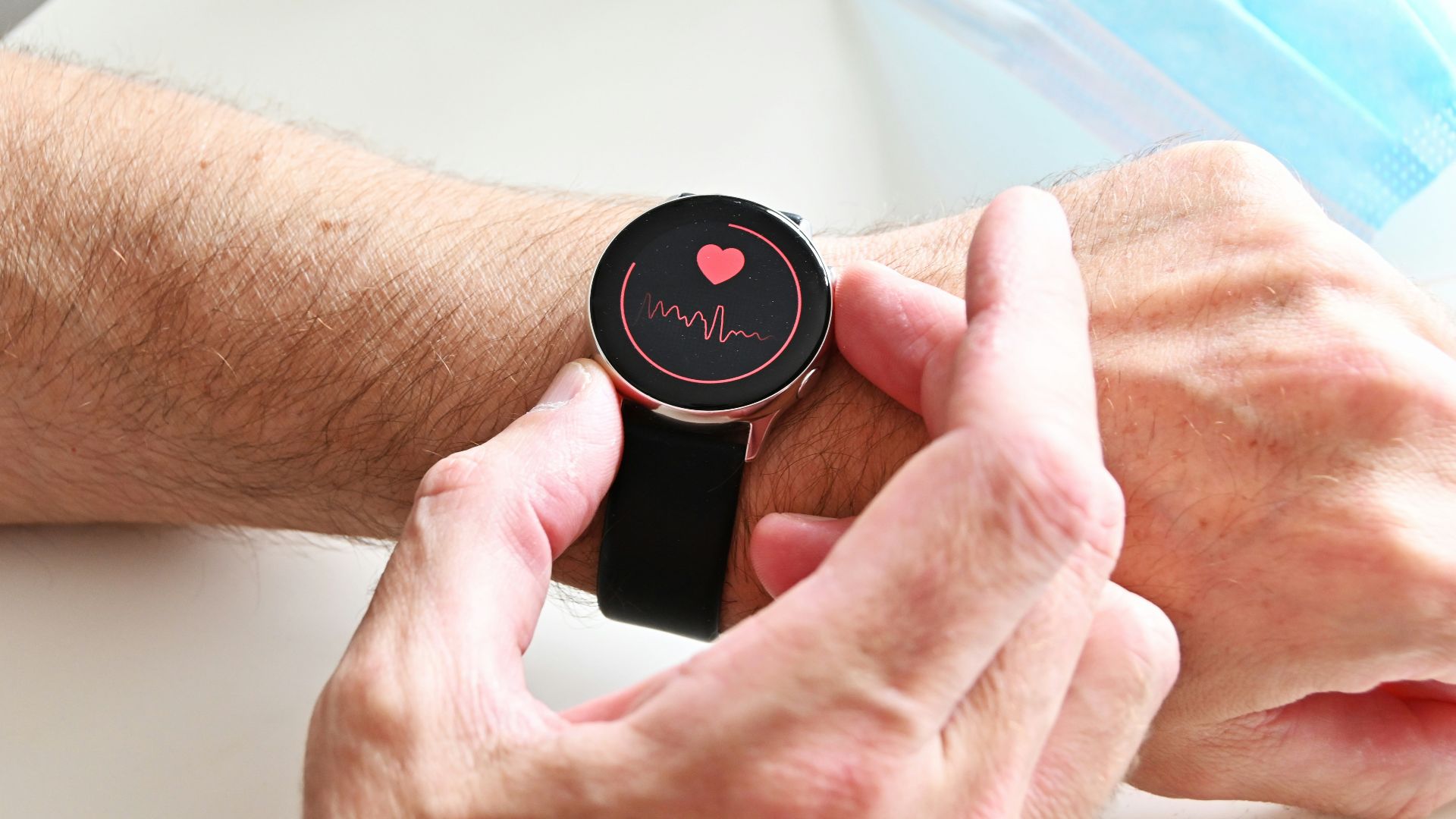
1. Your Resting Heart Rate Creeps Up
Without regular movement, your heart has to work a little harder to do the same job it used to do with ease. You might notice your resting heart rate climbing five or ten beats over a few weeks, even though nothing else in your life changed. It's not dramatic, but it's your cardiovascular system quietly losing its edge.
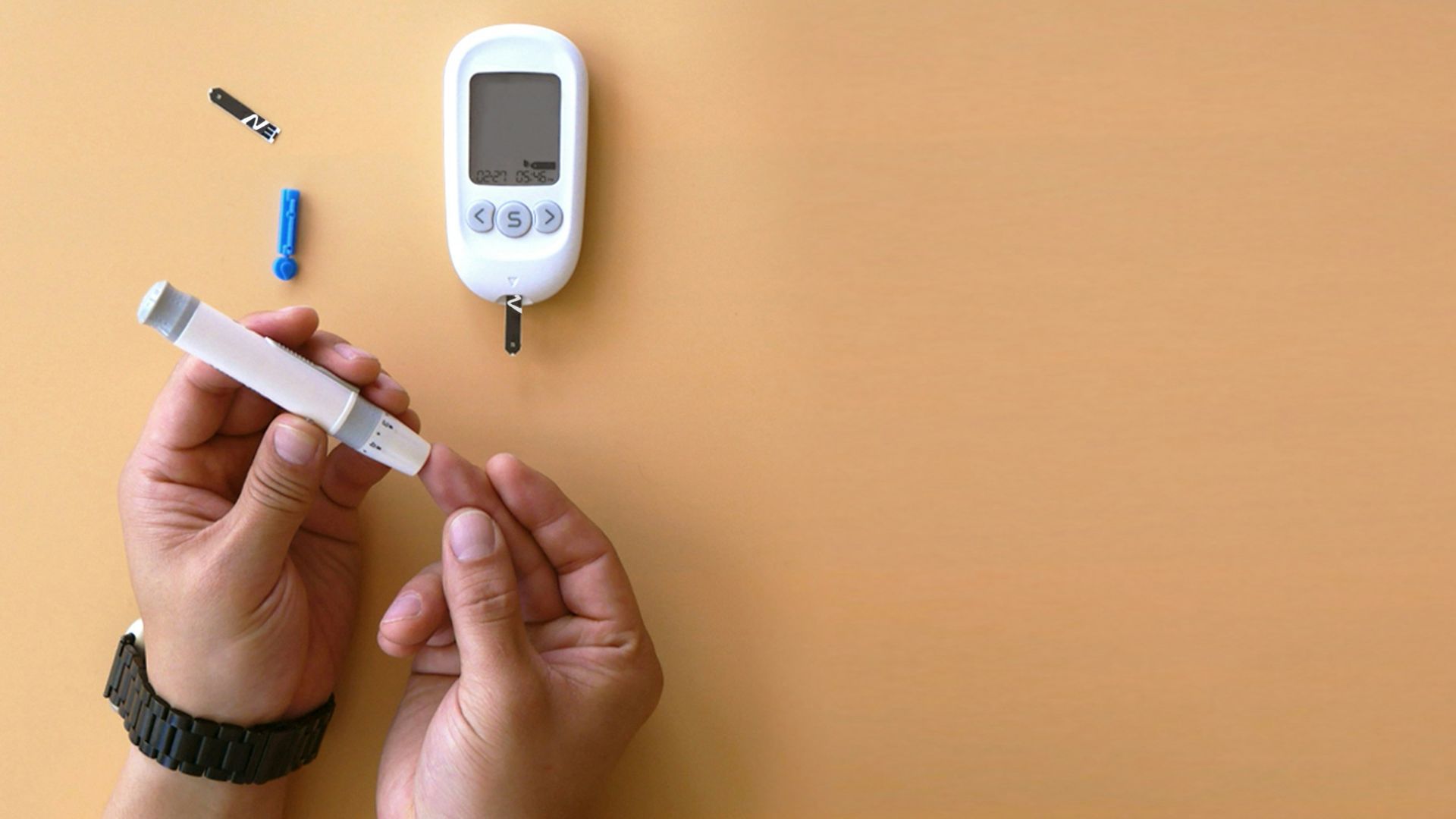
2. Blood Sugar Gets Harder To Regulate
Muscles are one of the biggest sponges for glucose in your body, and when they're not being used, they stop soaking it up as efficiently. Blood sugar spikes linger longer after meals, and insulin has to shout a little louder to get the same response. This is often one of the first internal changes, well before anything shows up on a scale.
3. Your Joints Start Feeling Stiffer
Cartilage relies on movement to stay lubricated, almost like a sponge that needs squeezing to keep working. Sit still for long stretches and your knees, hips, and lower back start to feel tighter, especially first thing in the morning. It's not injury, it's just disuse doing its slow work.
4. Muscle Mass Starts To Shrink
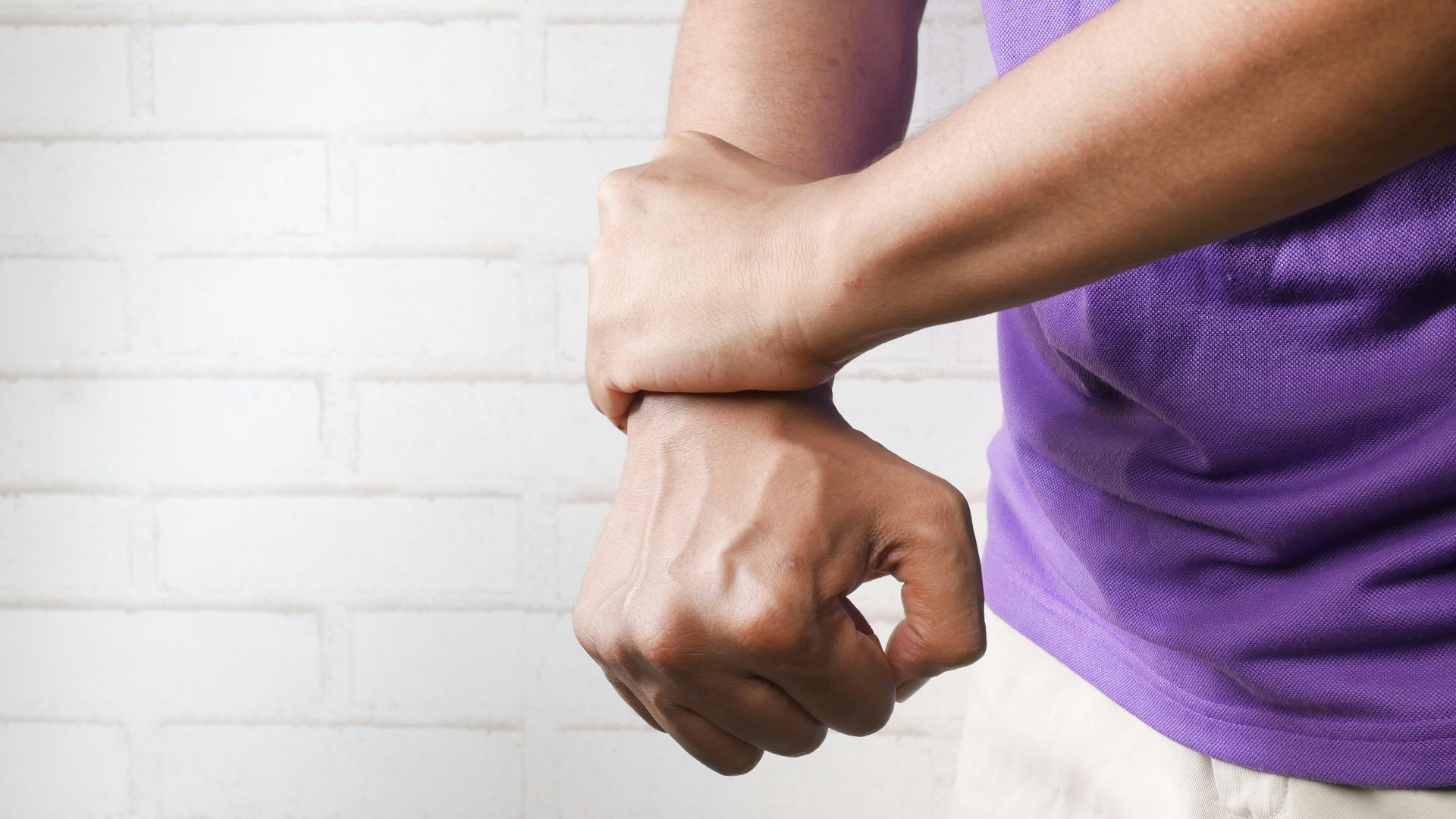
This one moves faster than most people expect. Within a couple of weeks of significantly reduced activity, you can lose a noticeable percentage of muscle fiber, particularly in the legs. Your body is efficient that way; it doesn't keep tissue around that isn't being used.
5. Your Posture Slowly Collapses
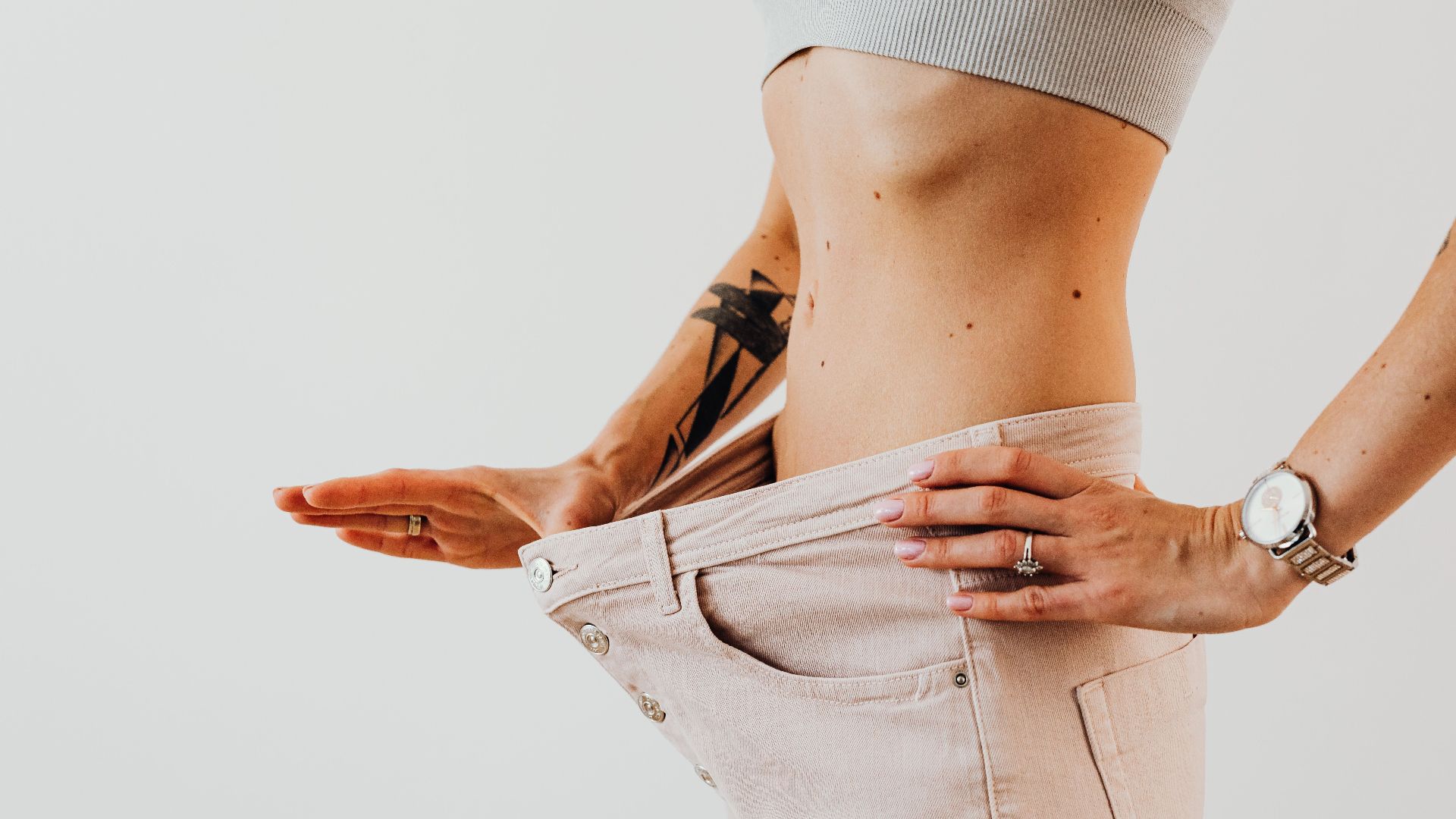
Sitting for hours pulls your hip flexors tight and lets your upper back round forward, and your body adapts to whatever position you spend the most time in. Give it enough weeks and standing up straight starts to feel like an active effort rather than a default. Your shoulders creep toward your ears without you asking them to.
6. Sleep Gets Less Restorative
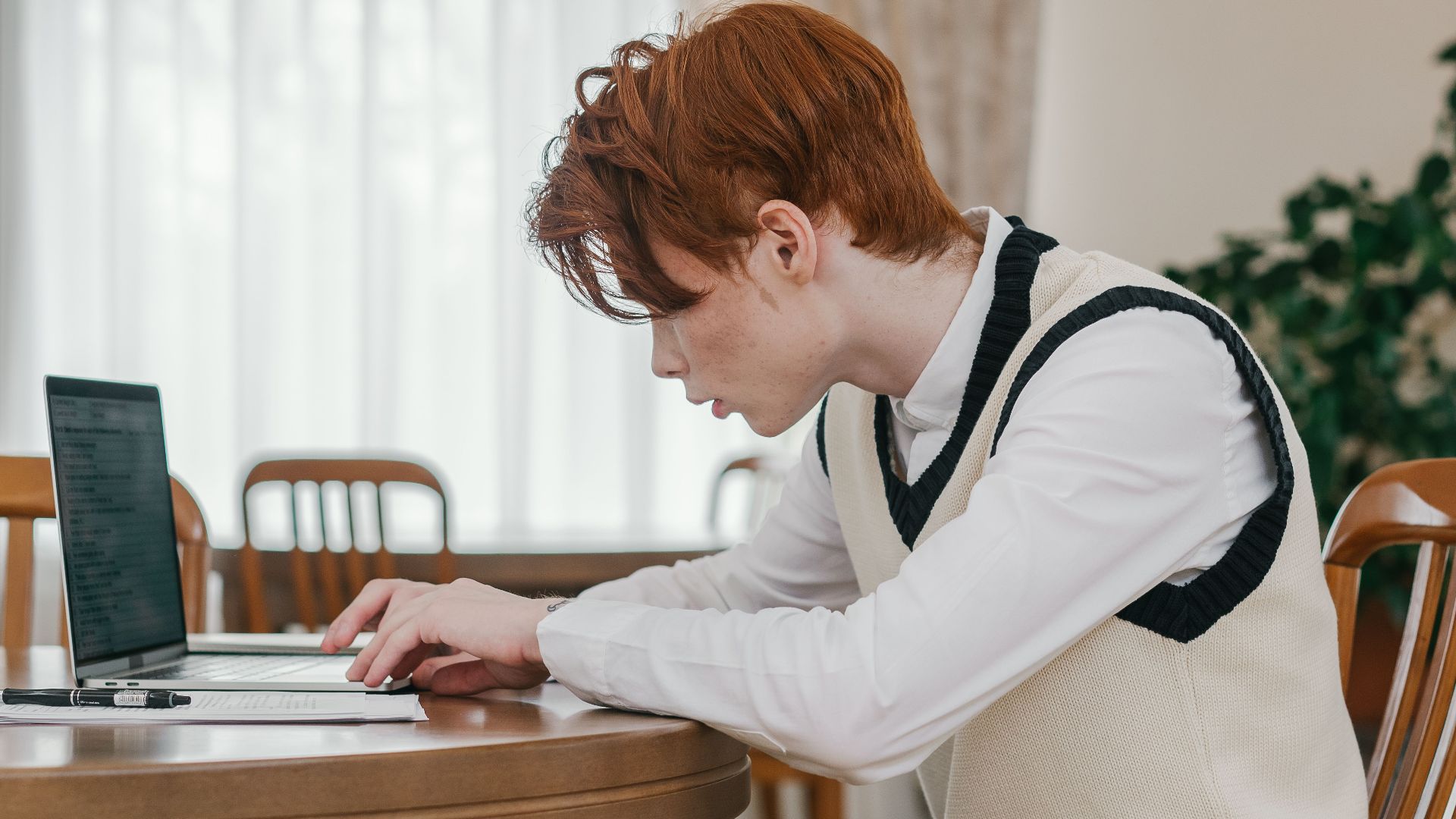
Physical activity helps regulate your body's sleep pressure, the biological nudge that tells you it's time to actually feel tired. Without it, you might still sleep the same number of hours but wake up feeling like you barely dozed off. The quality drops even when the quantity stays the same.
7. Your Digestion Slows Down
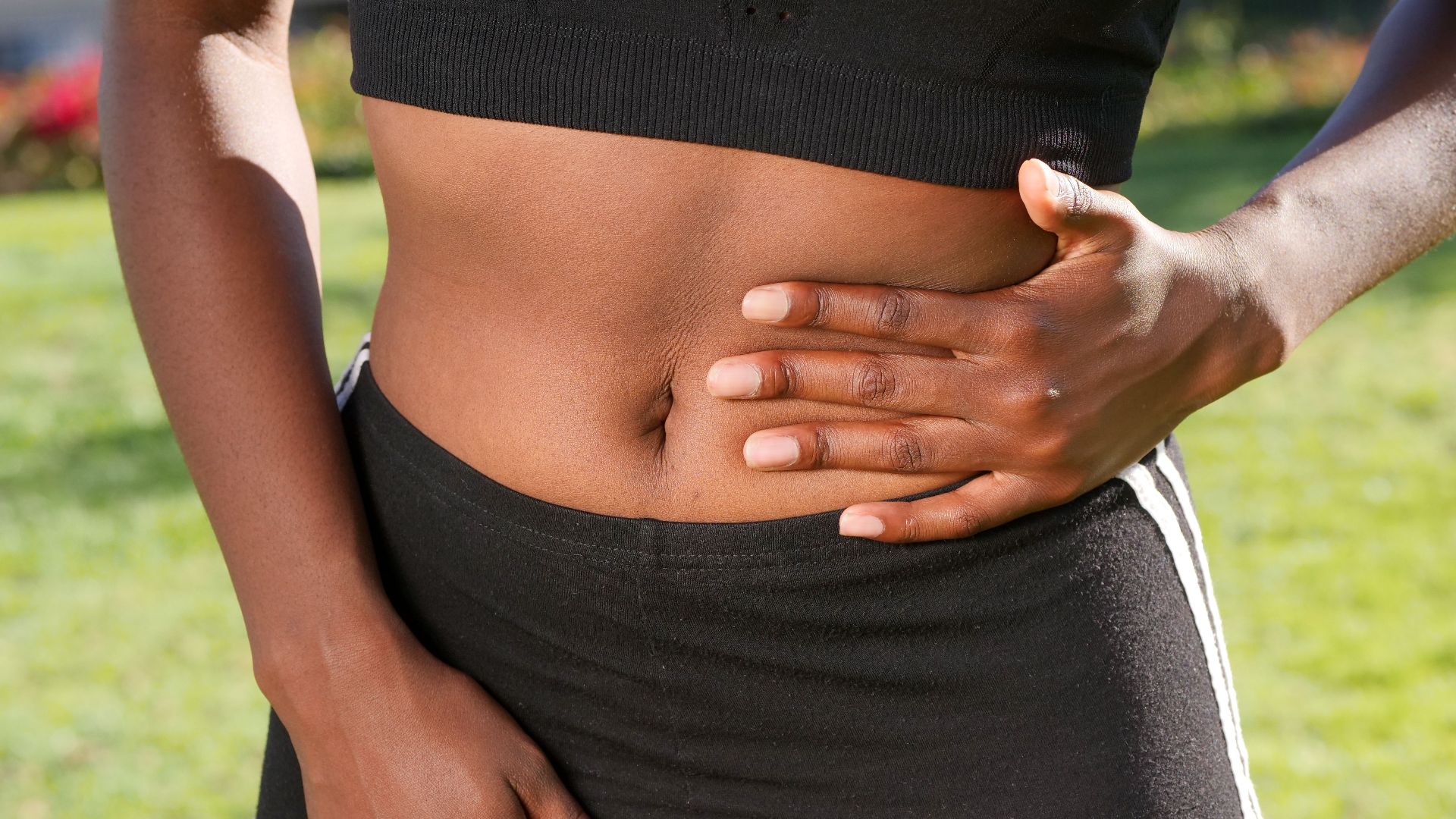
Movement helps push things along through your gut, quite literally. Less activity often means slower transit time, more bloating, and a general feeling of sluggishness after meals that wasn't there before. It's one of those changes people notice but rarely connect back to how little they've been moving.
8. Circulation Starts To Suffer
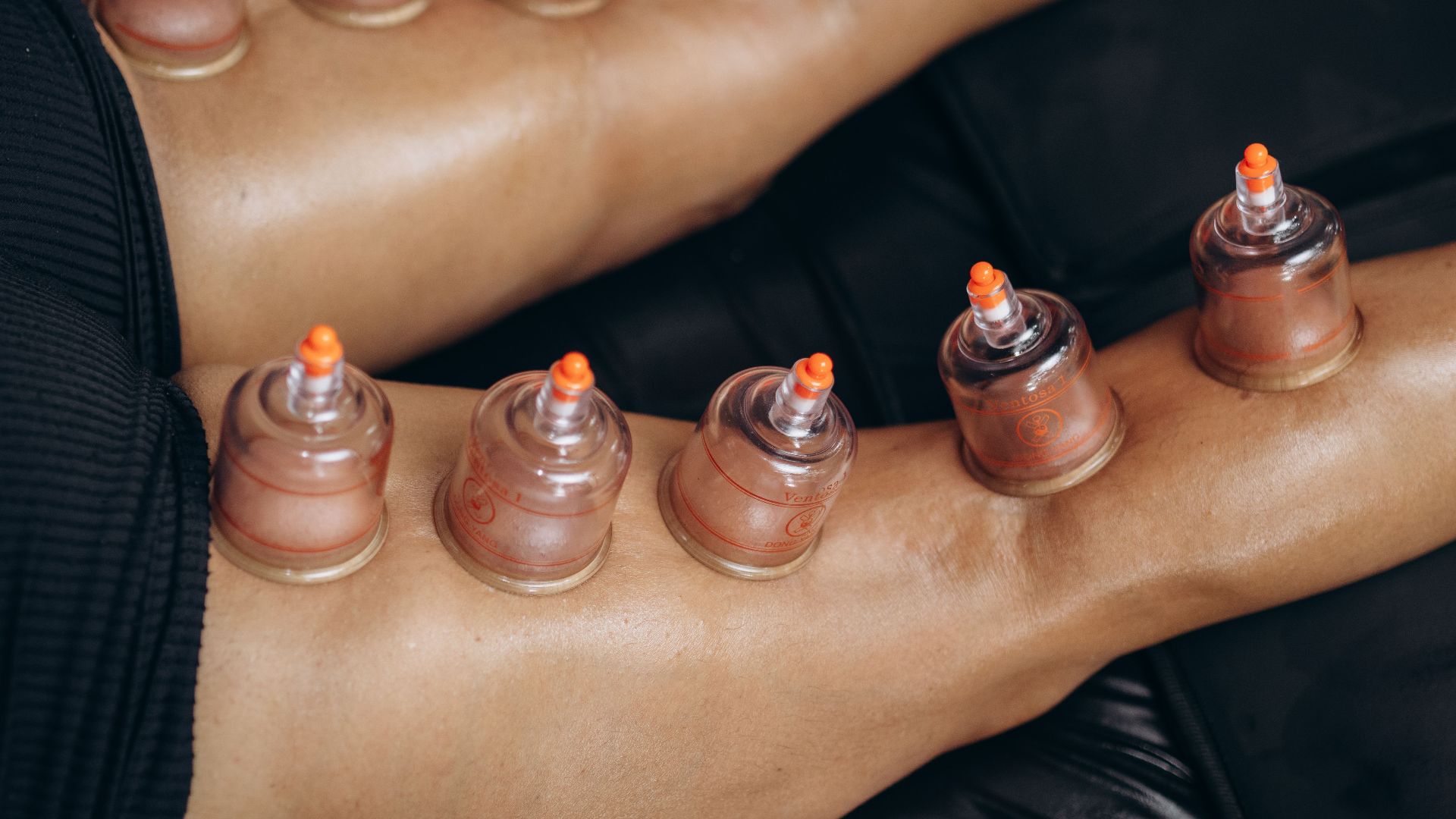
Veins in your legs rely partly on muscle contractions to help push blood back up toward your heart. Sit for too long, too often, and you might notice your feet swelling by evening or a heavier feeling in your calves. It's your circulatory system asking for a little help it isn't getting.
9. Bone Density Begins To Drop
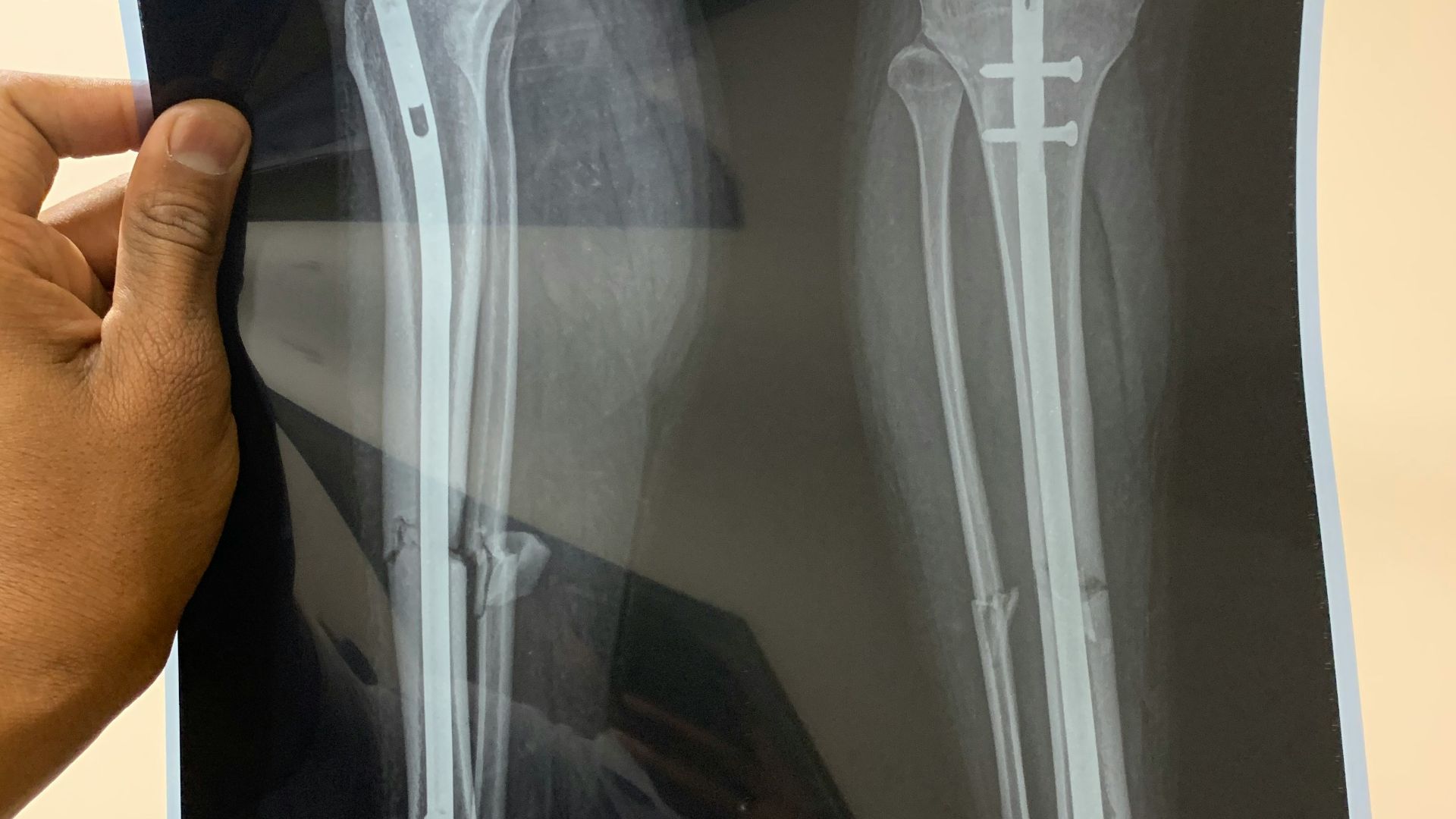
Bones respond to load the same way muscles do, getting weaker when they're not asked to bear weight regularly. This process is slower than muscle loss, but it starts sooner than most people assume, sometimes within a few months of consistent inactivity. It's part of why long periods of bed rest are so hard on older adults specifically.
10. Your Mood Takes A Quiet Hit
Exercise triggers a cascade of chemicals that help regulate mood, and without it, that regulation gets shakier. You might feel a little more irritable, a little flatter, without any single obvious cause. It's subtle enough that people often blame it on work stress or the weather instead of the real culprit.

11. Your Metabolism Slows Its Roll
Muscle tissue burns more calories at rest than fat does, so as muscle mass drops, so does your baseline calorie burn. This isn't the dramatic metabolic collapse some people imagine, but it's a real, measurable dip. Over months, it adds up in ways that are easy to miss until pants fit differently.
12. Balance Gets Shakier
Balance is a skill your nervous system has to keep practicing, and it fades quietly without regular challenge. You might notice yourself wobbling a bit more getting out of a low chair or stepping off a curb. It's one of the first things physical therapists check for exactly because it declines so fast.
13. Your Lungs Do Less Work, So They Get Worse At It
Cardiovascular fitness isn't just about your heart; your lungs adapt too, becoming more efficient at pulling in oxygen when you use them regularly. Skip that regular demand and you'll notice getting winded faster during things that used to feel easy, like climbing a couple flights of stairs. It's a fast decline and a fairly fast recovery too, which is one small silver lining.
14. Inflammation Levels Tend To Rise
Regular movement helps keep low-grade inflammation in check throughout your body. Without it, markers like C-reactive protein can creep upward, contributing to that generalized achy, tired feeling people sometimes describe as just "getting older." It's often movement, not age, doing the damage.
15. Your Brain Gets A Little Foggier
Exercise boosts blood flow to the brain and supports the growth of new neural connections. Cut that out and you might notice your focus wandering more easily or words taking a beat longer to find. It's mild, but people who return to regular movement often report the fog lifting within weeks.

16. Appetite Regulation Gets Weird
You'd think moving less would mean needing less food, but the hormones that signal hunger and fullness, like ghrelin and leptin, don't always cooperate that neatly. Some people find themselves hungrier despite burning fewer calories, which makes the whole situation feel unfair. It's a hormonal mismatch, not a willpower failure.
17. Your Skin Loses Some Of Its Glow
Movement increases blood flow to your skin, delivering oxygen and nutrients that help it look and feel healthier. Less activity means that circulation drops off, and skin can start looking a bit duller or more sallow. It's subtle, but people who ramp activity back up often notice their complexion perking up within a couple of weeks.

18. Grip Strength Declines Faster Than You'd Guess
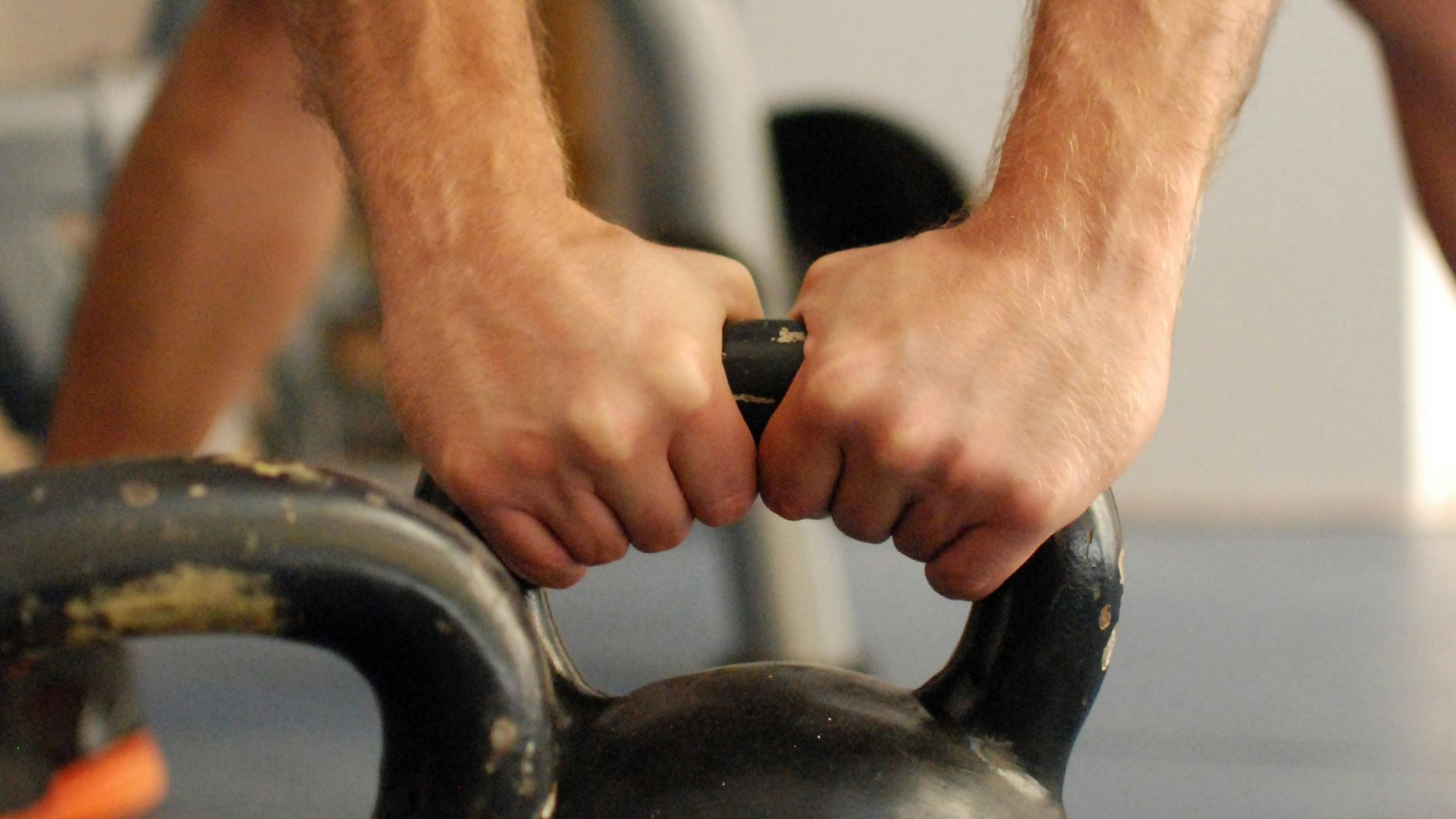
Grip strength is actually one of the better overall markers of physical decline, and it drops noticeably with inactivity. Jars get harder to open, grocery bags feel heavier, and it happens quicker than most other strength losses. Researchers pay attention to this one because it tends to predict broader health trends.
19. Your Resting Blood Pressure Can Climb
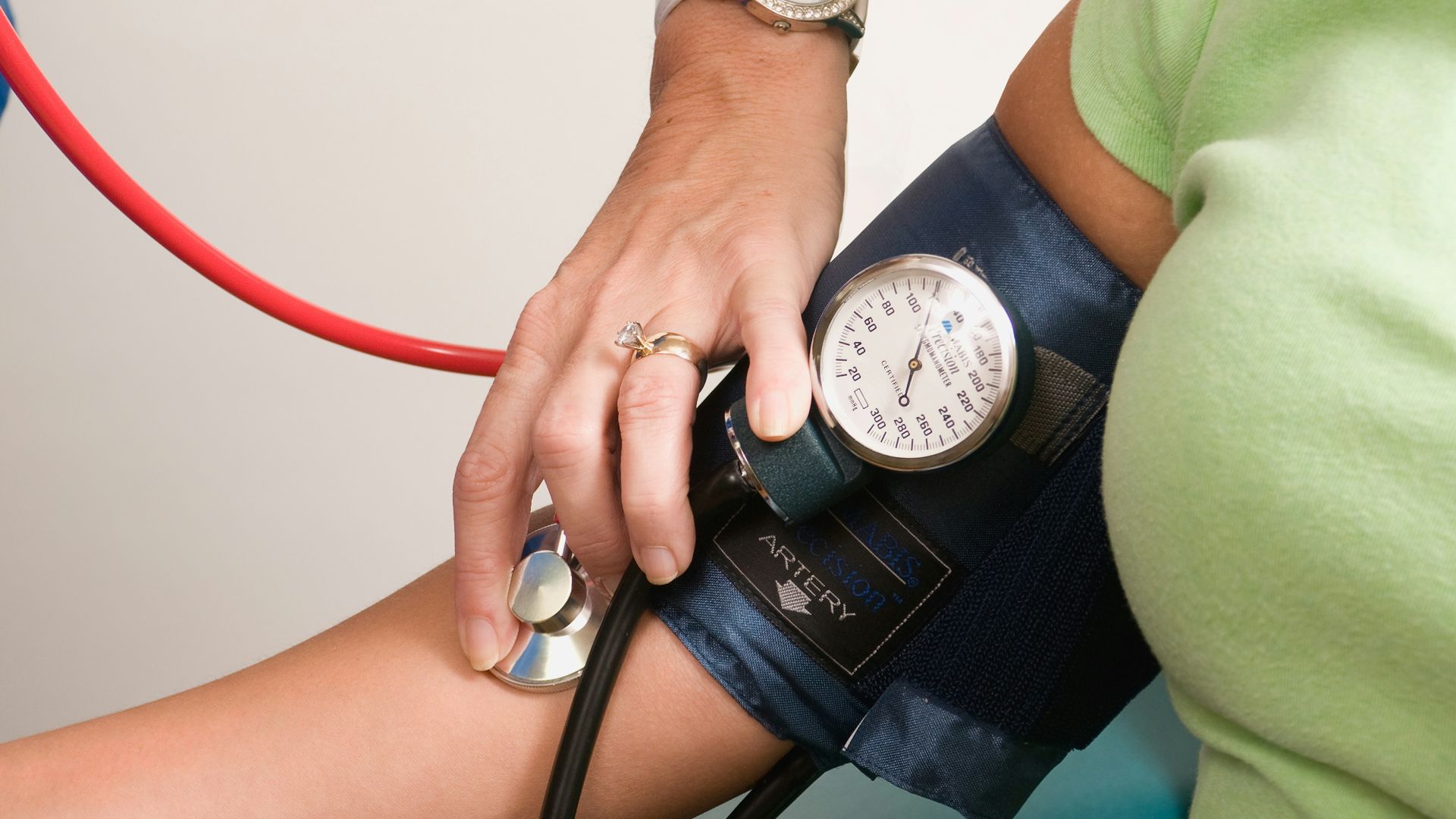
Regular movement helps keep blood vessels flexible and responsive. Without it, blood pressure can tick upward even without other lifestyle changes, particularly in people who were already borderline. It's often one of the quieter, more concerning shifts because it doesn't come with obvious symptoms.
20. Recovery From Everything Takes Longer
Whether it's a minor cold, a stressful week, or a small injury, an inactive body tends to bounce back more slowly than one that's used to regular movement. Circulation, immune function, and even sleep quality all play a role in recovery, and all of them dip together. It's less about any single system failing and more about the whole network losing its usual resilience.
KEEP ON READING