Retirement Changes More Than Your Schedule
Retirement can feel like a health reset, but after all the cake and celebrating your new chapter, it’s easy to forget about some of the brutal realities that come with it, too. Retirement doesn’t automatically make life easier or harder. Some people finally have the time to walk every morning and see friends. Others lose structure and purpose. Because retirement can affect your body and mind in different ways, we’re here to break down the good, the bad, and the ugly side of things.

1. It Gives You More Time to Move
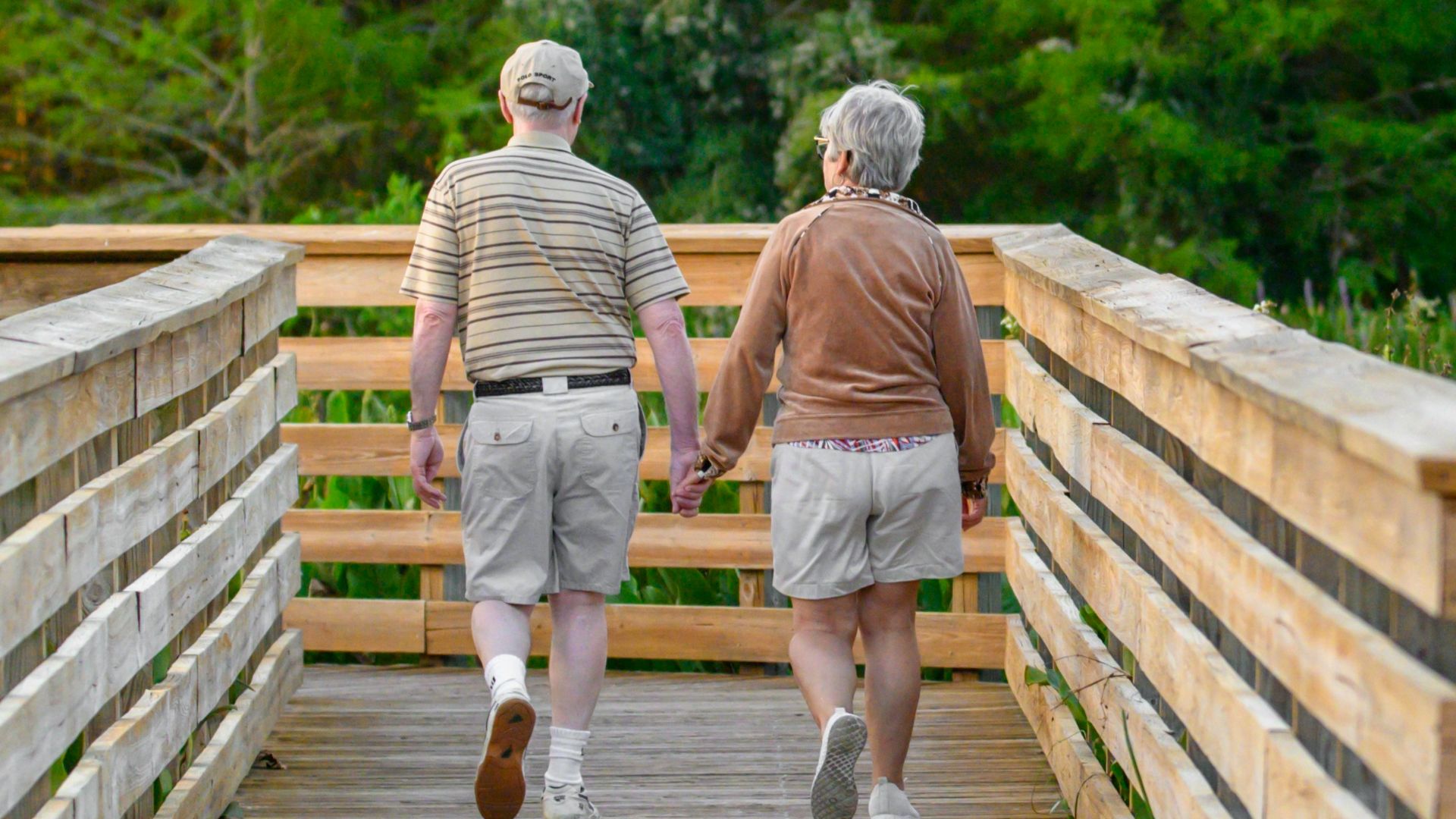
One of the best parts of retirement is that exercise no longer has to compete with a packed schedule. You can take a morning walk, garden to your heart’s desire, or finally try strength training without rushing back to your desk. That extra movement can help with everything from balance and blood pressure to joint stiffness and improved mood.
2. It Can Make Sitting Too Easy
On the flip side, without regular reasons to leave the house, some retirees become much more sedentary than they expected. A quiet day can turn into hours in a recliner, especially when TV, reading, and scrolling become the new routine. Over time, all that sitting only makes muscles weaker, too.

3. It Can Lower Work-Related Stress
Honestly, it’s hard to find someone who actually likes their job—retirees included! Leaving a stressful environment can be a major relief for your nervous system. No more tense staff meetings, impossible deadlines, or sitting in traffic. For many people, that drop in pressure not only improves mood, but also betters sleep, digestion, and even the way they handle small daily frustrations.

4. It May Leave You Feeling Aimless
Work can be annoying, yes, but it also gives the day a built-in purpose. Oddly enough, when that disappears, some retirees feel strangely lost, even if they were excited to stop working. It makes sense when you think about it: if your calendar suddenly looks empty, it’s easy for boredom to creep in.

5. It Makes Healthy Cooking More Realistic
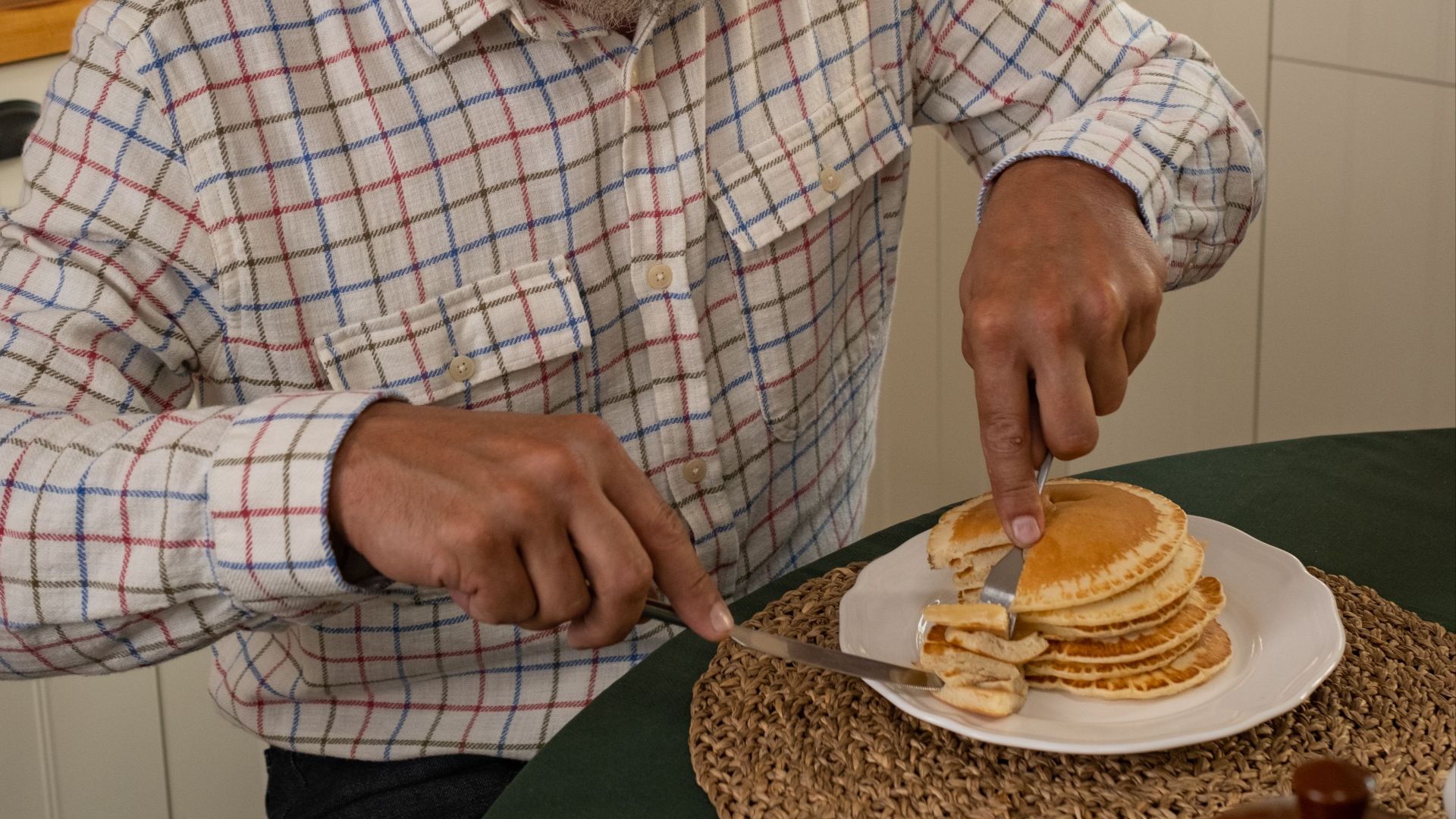
Packed schedules make it hard for anyone to meal prep. Retirement, on the other hand, can give you the time to make meals that don’t come from a drive-thru window. You also have plenty of time to learn more about what makes sense for you and your diet! When food becomes less rushed, it’s often easier to make choices that actually help your health.

6. It Can Lead to More Snacking
The flip side of that coin is that your kitchen is now a little too nearby, which becomes very convenient. Some retirees find themselves grazing all day because there’s no office schedule breaking up the day. Those extra bites can quietly affect weight, but they can also spike blood sugar and appetite.
7. It Can Improve Your Sleep Schedule
Not everyone misses the alarm clock, and that’s who could blame them? Retirement lets you wake up naturally and build a bedtime routine that isn’t wrecked by work stress. When sleep becomes more consistent, a ton of health benefits follow, too, like better energy, sharper thinking, and fewer cranky afternoons.

8. It Can Throw Off Your Body Clock
Too much freedom can also make sleep messy. Without anything to corral you into a proper nighttime routine, retirees often stay up late to watch shows or nap for hours, and both can confuse your body’s natural rhythm. Before long, you may feel less refreshed even after spending plenty of time in bed.

9. It Opens The Door to Preventive Care
Retirement usually makes it easier to keep up with appointments you used to postpone. After all, there’s no excuse to put off your bi-annual teeth cleaning now! The best perk is that catching small issues early can make a real difference, especially with blood pressure, vision changes, diabetes risk, and medication side effects.
10. It Can Make Health Costs More Stressful
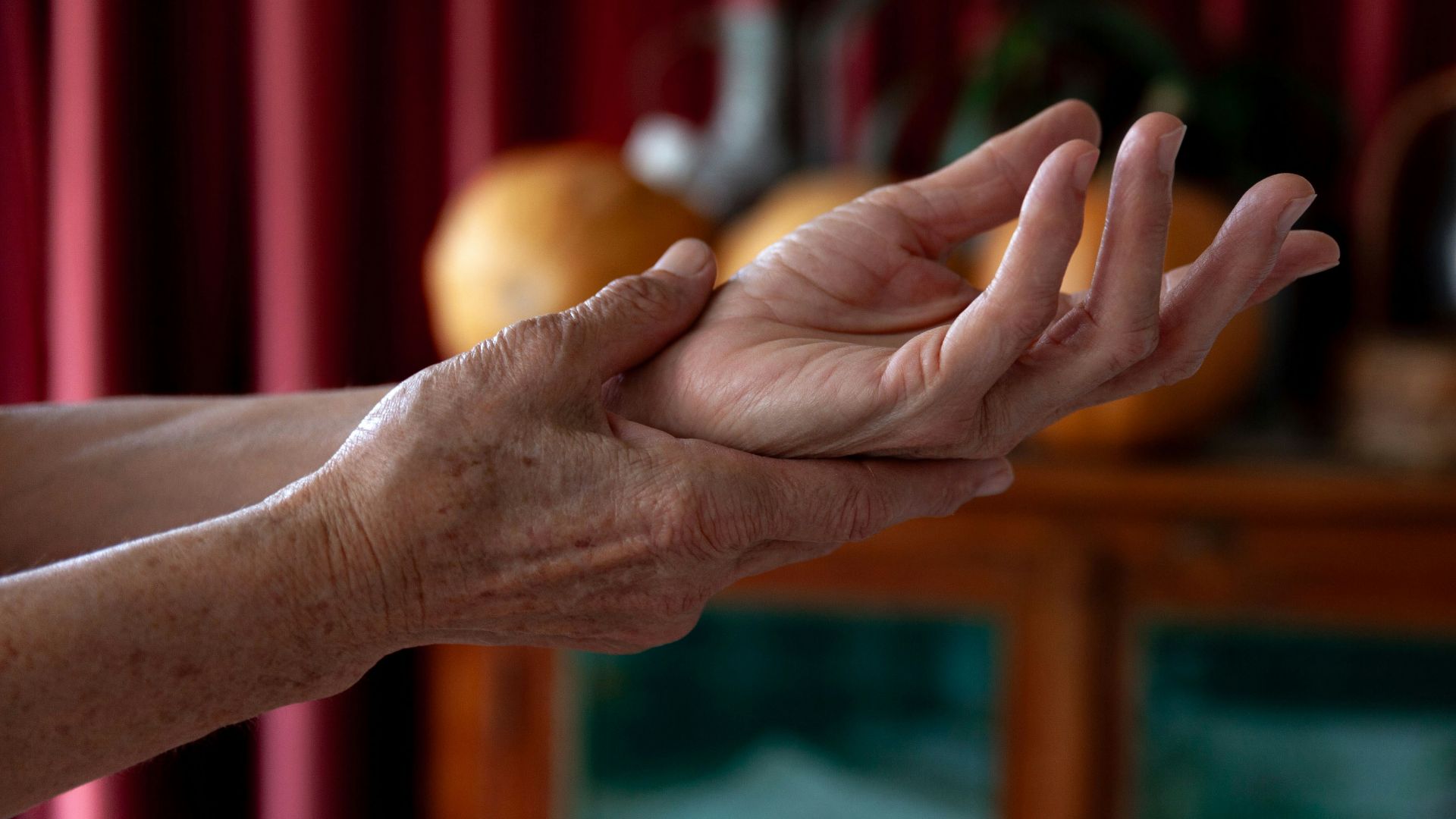
There’s no way around it: even with insurance, medical bills can become a bigger concern after retirement. A new prescription, hearing aids, or a surprise specialist visit can weigh heavily when you’re surviving on a fixed income. The associated stress only adds to the health concerns, too.

11. It Can Strengthen Your Social Life
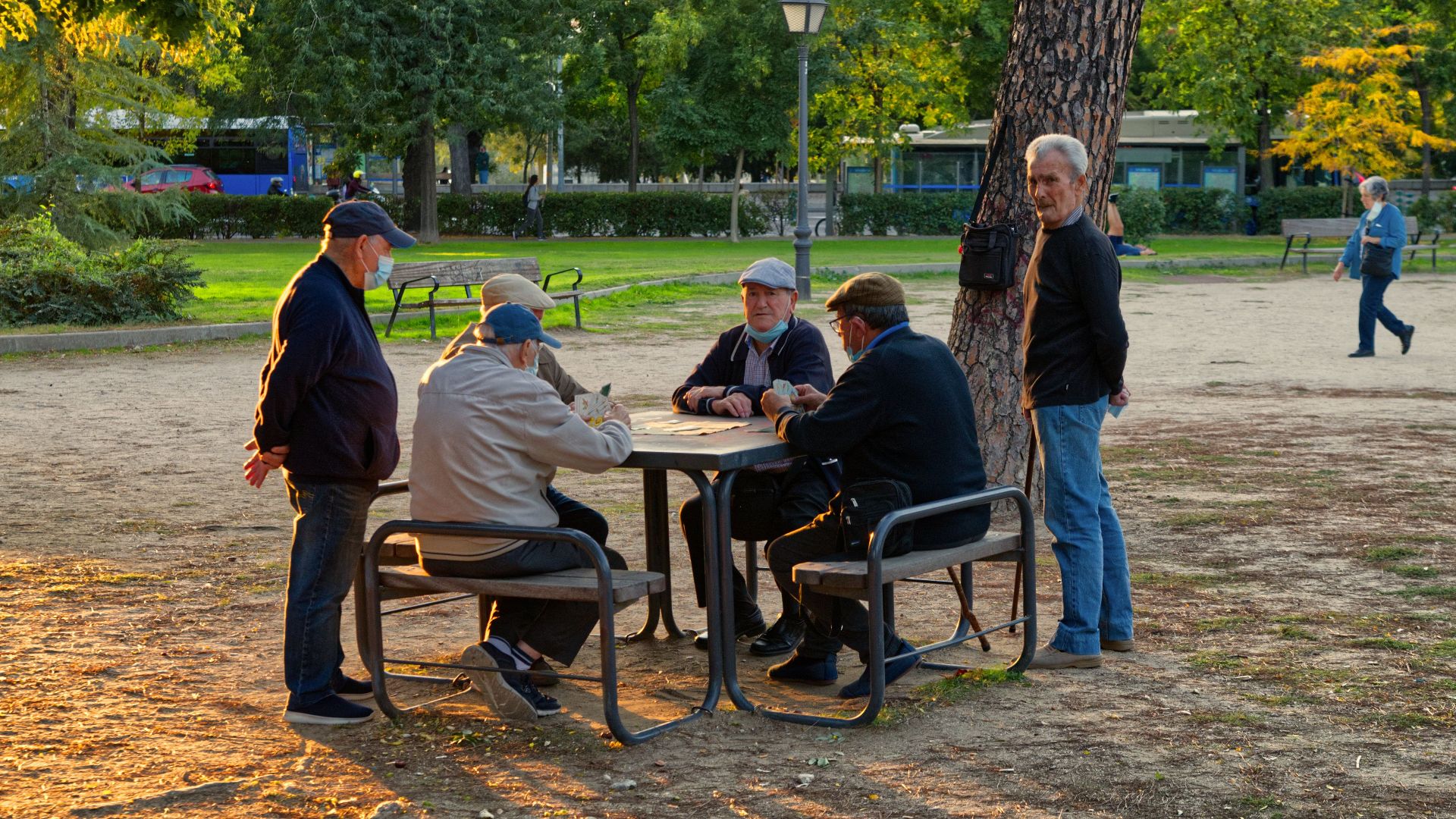
Retirement can give you more room for the people you actually enjoy. Nothing’s stopping you from meeting a friend for lunch. You can watch the grandkids after school. You can join a walking group or take a class at the community center. Make no mistake—those connections also support emotional health!
 Gonzalo Carlos Novillo Lapeyra on Pexels
12. It Can Increase Loneliness
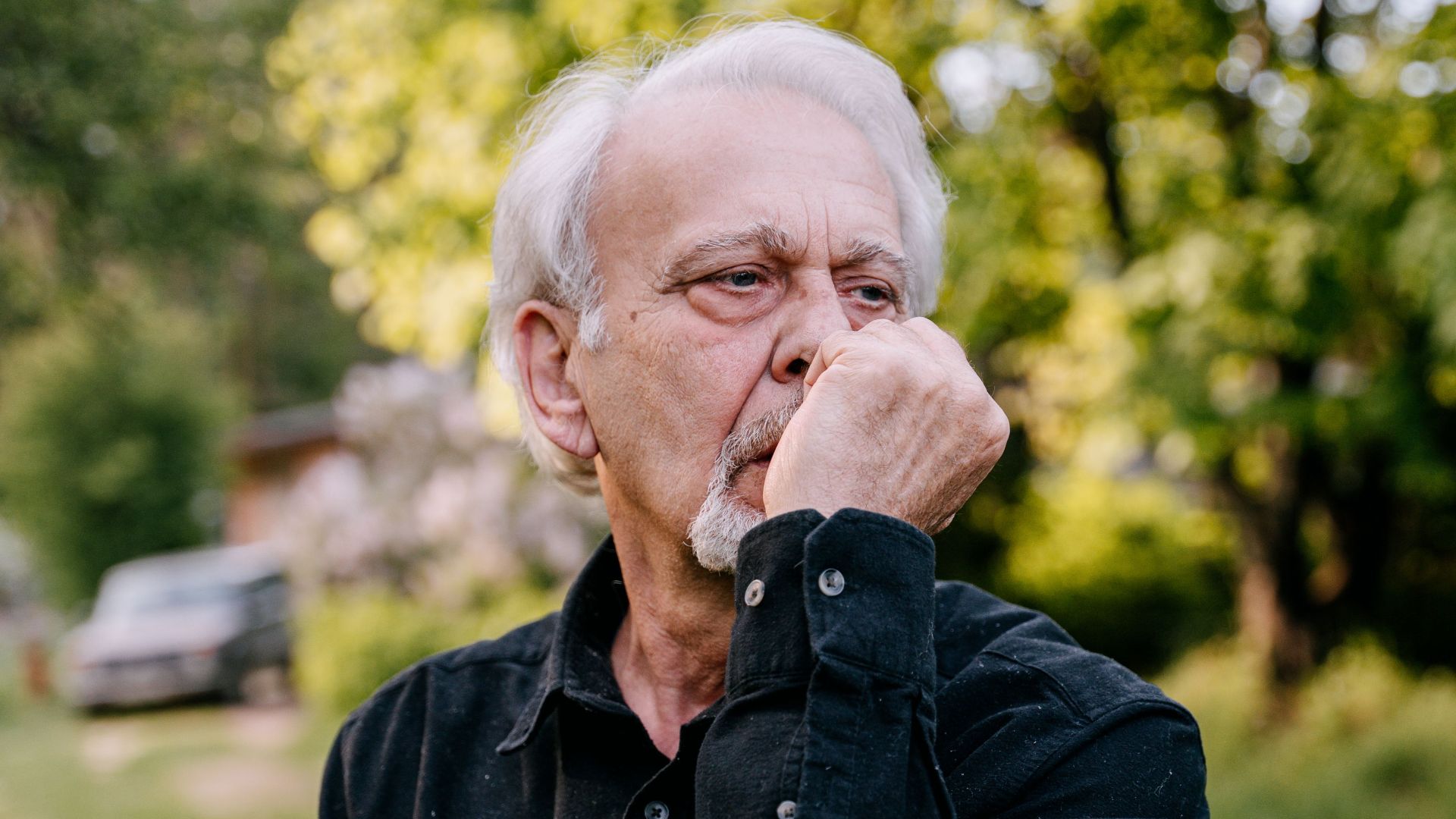
The office may not have been your favorite place, but it still gave you regular contact with other people. After retirement, casual conversations can vanish quickly, and if you live alone (or your friends haven’t retired), the silence can start to feel unhealthy.
13. It Gives Your Brain New Room to Learn
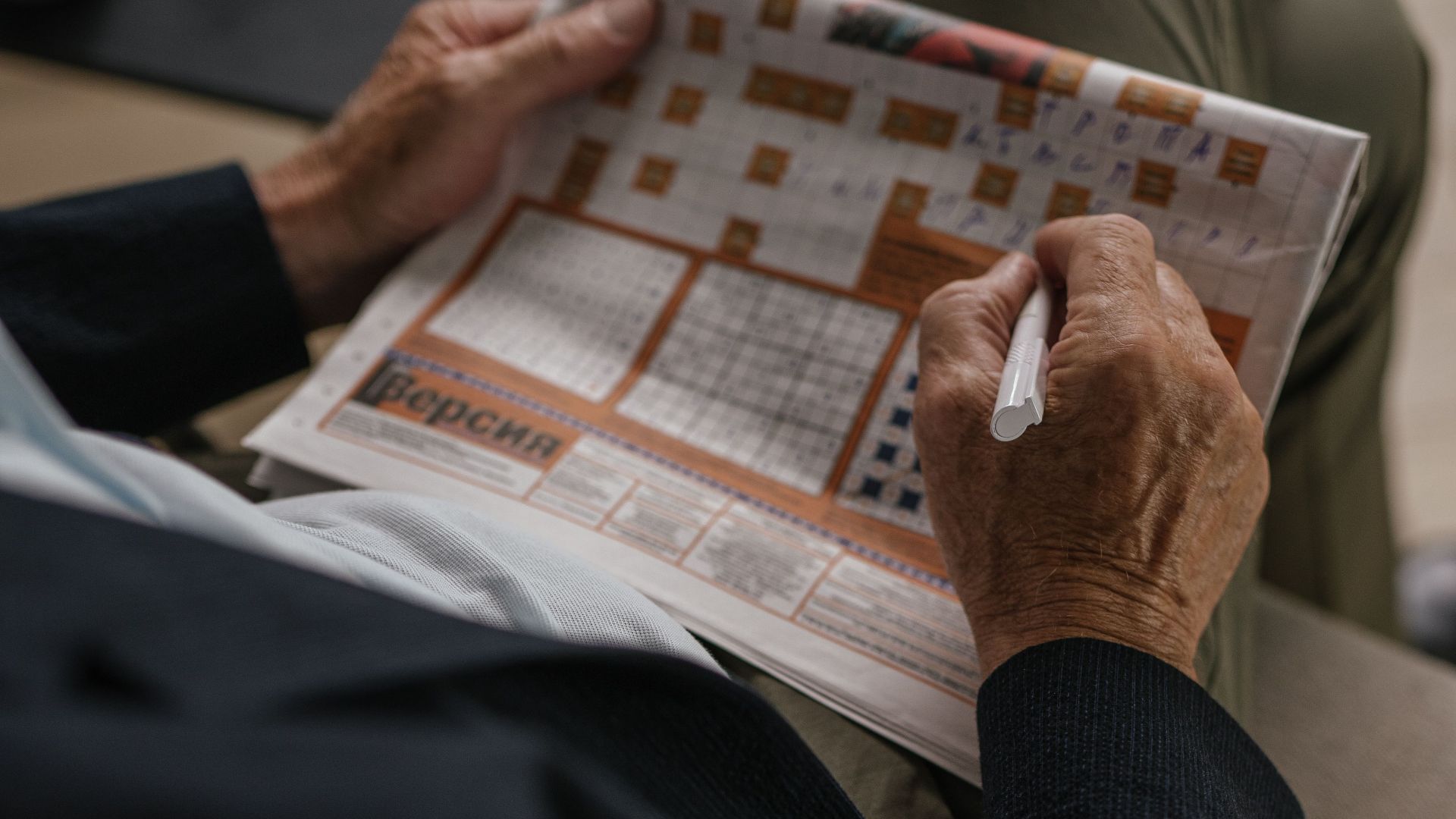
Retirement can be excellent for your brain, especially since you have all the time in the world to learn new things. Mental challenge doesn’t need to feel like school, but it does help when it’s regular and engaging. The coolest part? You can do whatever makes you happy.
14. It Can Reduce Mental Stimulation
The brain still needs something to do, even if you lounge around all day. If retirement turns into the same few routines every day, your mind doesn’t get the variety it used to get from problem-solving and interacting with different people. Don’t get us wrong, you need to be busy all the time, but too little stimulation makes your days foggy.

15. It Can Help You Spend More Time Outdoors
Retirement can make it easier to get outside when the weather is actually nice. No more kissing a beautiful day goodbye because you’re stuck in the office! You can walk in the park, stretch on the patio, tend a vegetable garden, bird-watch, or take a slower route through the neighborhood.

16. It Can Shrink Your Daily World
For some people, retirement actually makes life smaller without them even really noticing. The grocery store, the doctor’s office, and the mailbox can become the whole weekly circuit—and that can bring a person down. When your world gets too narrow, your physical activity and even your confidence may all take a hit.
17. It Lets You Build a Better Morning Routine
A calmer morning can do more for your health than people give it credit for. Instead of rushing through coffee and traffic, you can stretch, take medication on time, or walk before the day gets hot. That newfound routine can also make healthy habits feel less like a chore and more like normal life.

18. It Makes Vices a Little Too Casual
Retirement can blur the line between a special drink and an everyday habit, so it’s important to keep tabs on your consumption. A glass of wine with dinner can become two, simply because there’s no work tomorrow. Don’t forget: too much alcohol can worsen sleep, raise fall risk, and make blood pressure harder to manage. You don’t need to give it up entirely (unless your doctor says otherwise), but you do need to be careful.

19. It Can Give Your Body Time to Recover
After years of pushing through fatigue and stress, retirement can give your body a chance to catch its breath. You can finally schedule physical therapy for that sore shoulder. You can finally rest after surgery. You can honestly just pace yourself instead of pretending everything is fine.

20. It Can Make You Feel Older
Retirement sometimes changes how people see themselves, even if they don’t want it to. Try not to fall victim to those thoughts! If you start thinking of yourself as too old to try new things, you may stop learning or saying yes to invitations. The danger isn’t retirement itself, but letting the label talk you out of a life that still has plenty of energy left in it.
KEEP ON READING


10 Pre-Workout & 10 Post-Workout Tips To Follow