Your Daily Choices Are Shaping Your Blood Vessels
Arterial stiffness is one of those things most people don't think about until a doctor brings it up, but the habits driving it build quietly over years. Healthy arteries expand and contract with each heartbeat to keep circulation smooth. When they stiffen, the heart works harder, blood pressure climbs, and the risk of heart attack and stroke rises. Here's 20 habits research has linked to accelerating that process.

1. Eating Too Much Salt
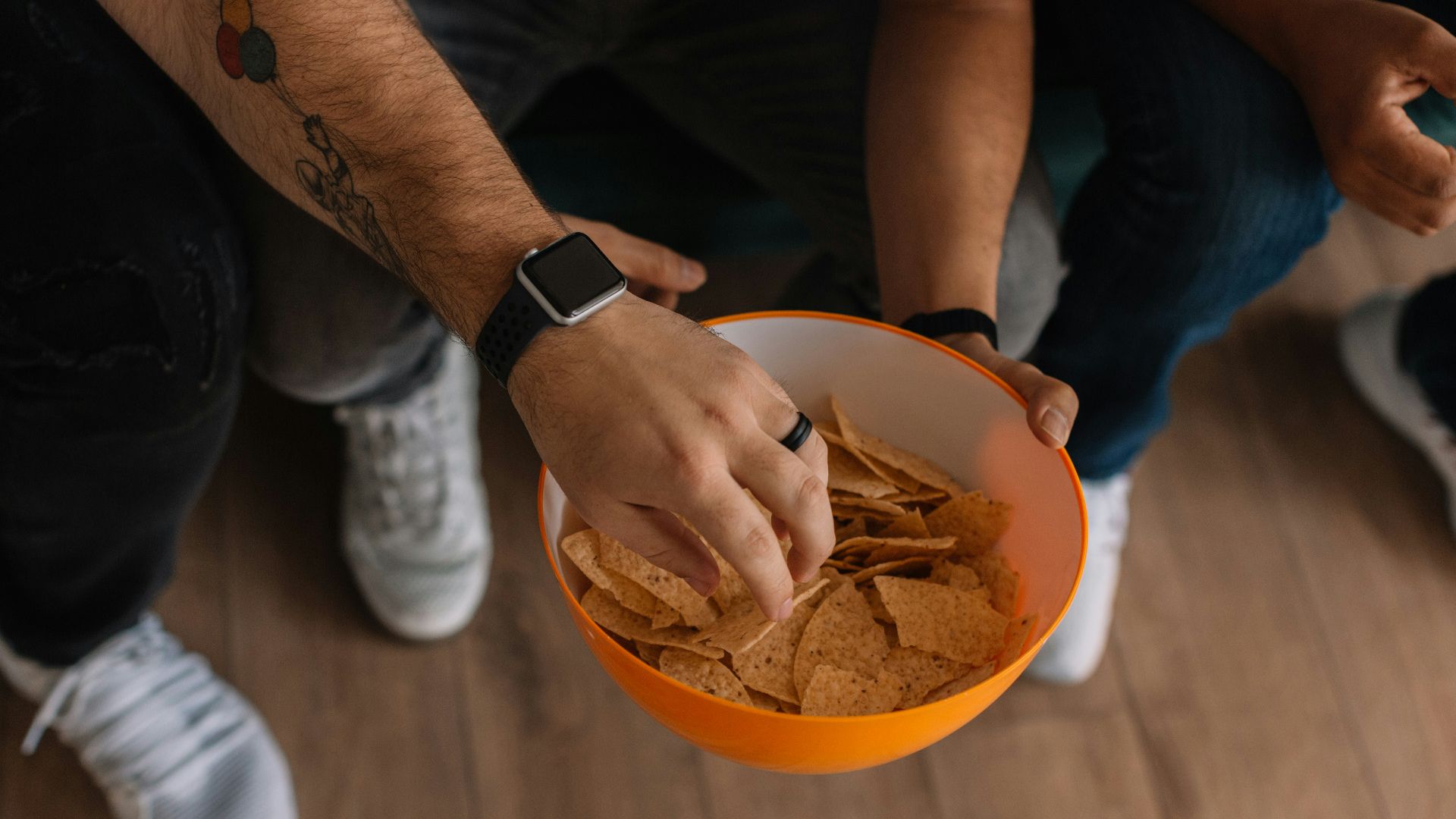
High sodium intake raises blood pressure, and sustained high blood pressure is one of the strongest drivers of arterial stiffening over time. Most of the sodium people consume comes not from the salt shaker but from processed foods, bread, canned soups, and restaurant meals. The damage compounds gradually, which is part of why it's easy to underestimate.
 Phillip Goldsberry on Unsplash
2. Sitting for Most of the Day
Prolonged sedentary time is independently associated with arterial stiffness, even in people who exercise regularly. Sitting for long stretches reduces blood flow and impairs the mechanical stretch arteries need to stay flexible. Breaking up sitting with short walks throughout the day appears to help more than a single workout compensating for hours of stillness.

3. Smoking
Tobacco smoke damages the inner lining of blood vessels, triggers inflammation, and accelerates arterial plaque buildup. Smokers consistently show higher measures of arterial stiffness than non-smokers, and the effect scales with how much and how long someone smokes. Former smokers show improvement after quitting, but some structural changes are not fully reversible.

4. Drinking Too Much Alcohol
Heavy alcohol use raises blood pressure, promotes inflammation, and is associated with increased arterial stiffness. The relationship is dose-dependent: moderate consumption shows a more mixed picture in research, but regular heavy drinking is clearly damaging. Binge drinking in particular produces acute blood pressure spikes that stress arterial walls.

5. Sleeping Too Little
Short sleep duration, generally under six hours a night, is associated with elevated blood pressure and arterial stiffness. Sleep is when the cardiovascular system gets its deepest recovery, and chronic deprivation keeps stress hormones elevated and disrupts the overnight dip in blood pressure that healthy circulation depends on.

6. Chronic Stress
Sustained psychological stress keeps cortisol and adrenaline elevated, raising blood pressure and promoting vascular inflammation. People with high-stress jobs, chronic anxiety, or unmanaged psychological burdens show higher rates of arterial stiffness in population studies. The mechanism is partly direct and partly through the behaviors stress drives, like poor sleep, overeating, and inactivity.

7. Eating a High-Sugar Diet
Diets high in added sugar promote inflammation, raise triglycerides, and are linked to insulin resistance, all of which contribute to arterial stiffening. Fructose in particular, found heavily in sweetened beverages and processed foods, has shown associations with vascular damage. The effect is separate from weight gain, though excess sugar often drives that too.

8. Not Eating Enough Vegetables and Fruit
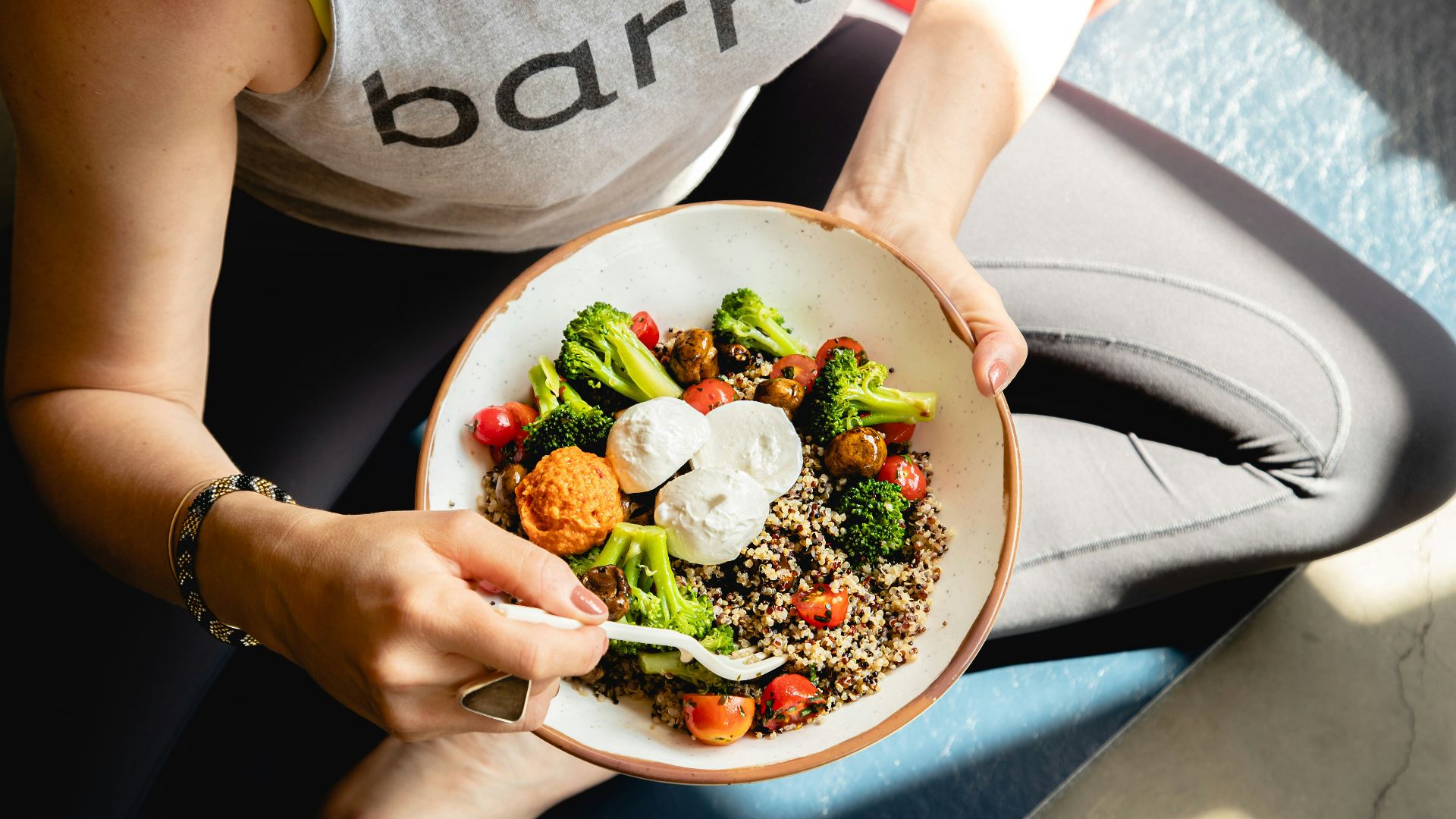
A diet low in fruits and vegetables means low intake of potassium, antioxidants, and nitrates, all of which support vascular health. Potassium in particular helps counteract the blood-pressure-raising effects of sodium. People who consistently eat more produce show better arterial elasticity across multiple studies.
9. Being Overweight
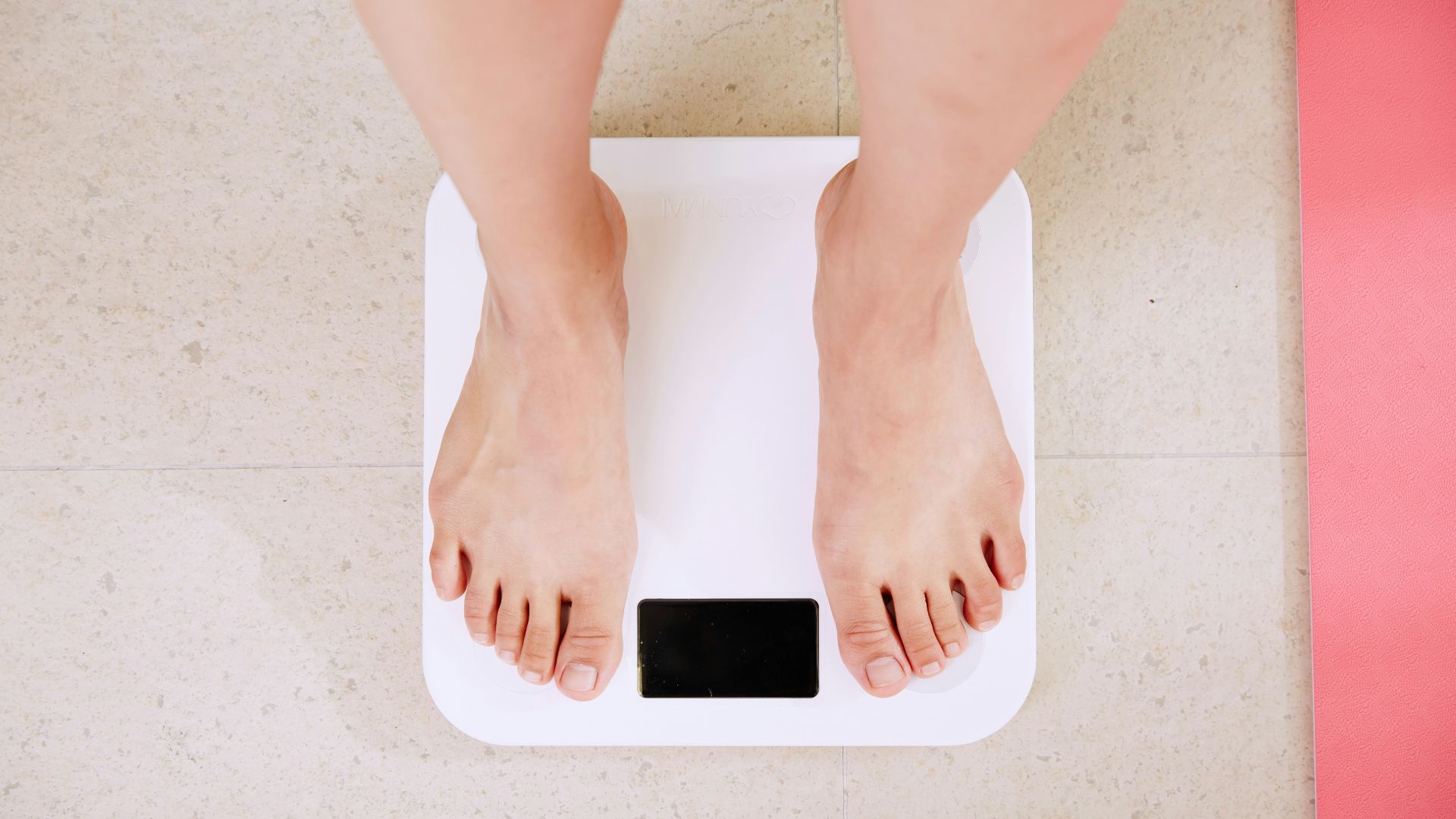
Excess body fat, particularly around the abdomen, is associated with chronic low-grade inflammation and metabolic changes that accelerate arterial stiffening. Visceral fat drives insulin resistance and releases inflammatory compounds that directly affect blood vessel walls. Even modest weight loss is associated with improvements in arterial flexibility.
10. Not Exercising
Physical inactivity is one of the most consistent predictors of arterial stiffness across age groups. Aerobic exercise keeps arteries flexible by repeatedly exposing them to increased blood flow and pressure, stimulating nitric oxide release and supporting endothelial function. The benefits are dose-responsive, meaning more exercise generally produces greater protection.

11. Eating a Lot of Red and Processed Meat
High intake of red and processed meat is associated with higher cardiovascular risk partly through arterial health. The saturated fat content, combined with compounds like TMAO produced during digestion, appears to promote vascular inflammation and stiffening. Processed meats like sausage and deli cuts carry the strongest associations.

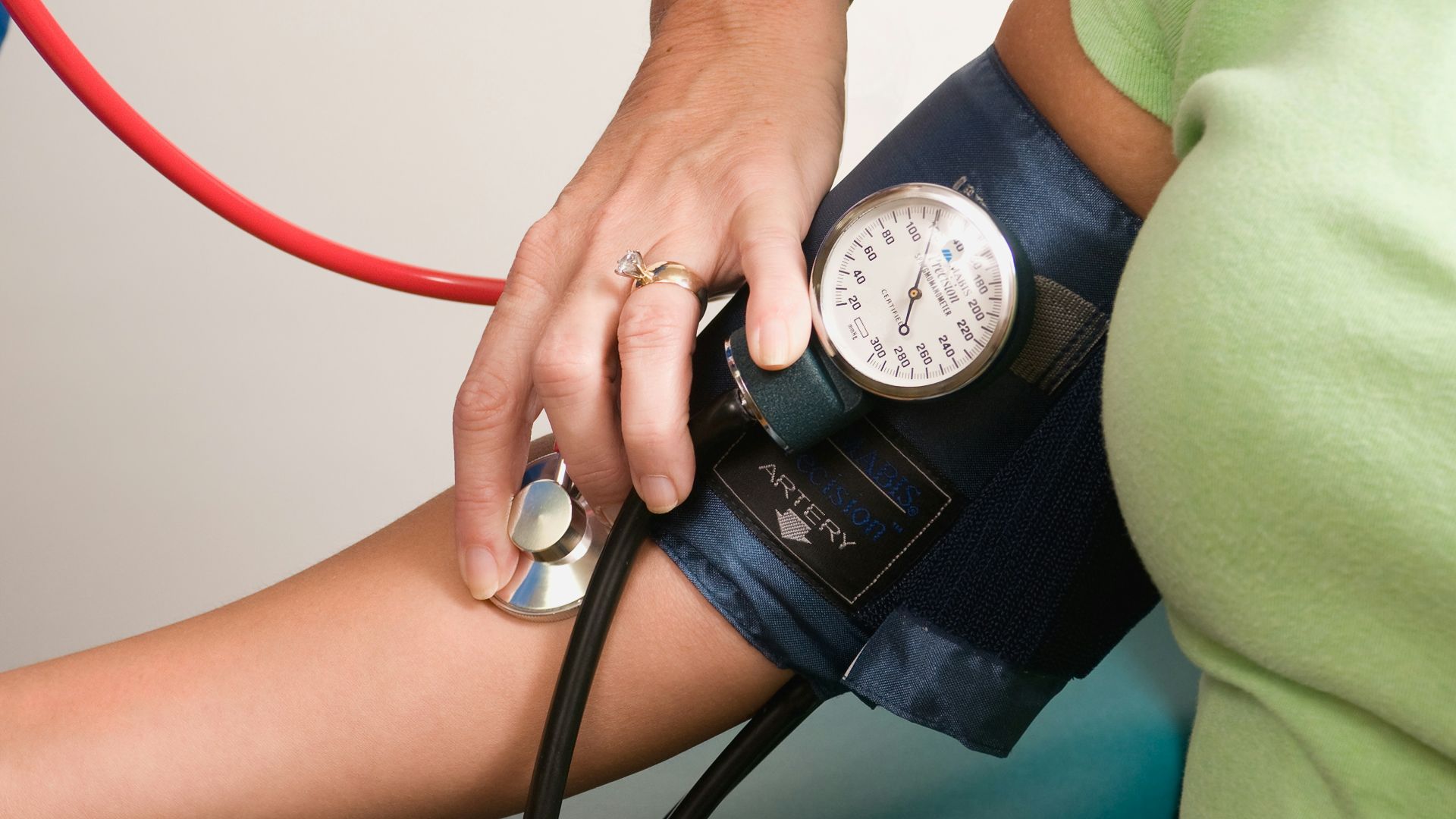
12. Ignoring Your Blood Pressure
High blood pressure is both a cause and a consequence of arterial stiffness, and the two reinforce each other. Many people with elevated blood pressure have no symptoms and don't know it. Going years without checking or treating it means years of excess mechanical stress on artery walls, accelerating the structural changes that reduce elasticity.
13. Drinking Too Many Sugary Beverages
Sweetened drinks, including sodas, energy drinks, and fruit juices with added sugar, deliver large amounts of fructose quickly and are strongly associated with metabolic and vascular harm. Studies have specifically linked higher consumption of sugar-sweetened beverages to greater arterial stiffness, independent of other dietary factors.

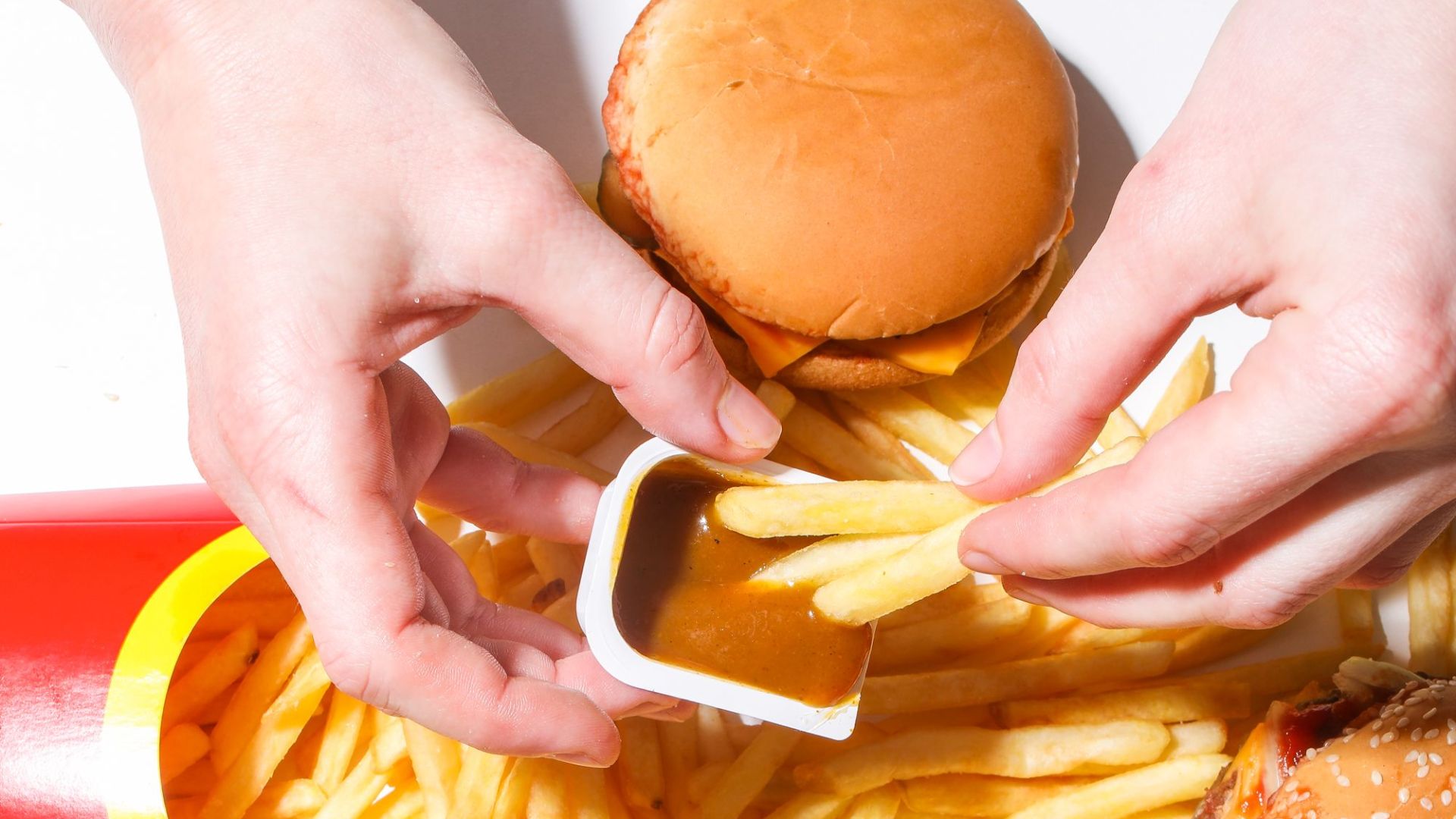
14. Eating a Lot of Ultra-Processed Foods
Ultra-processed foods are high in sodium, added sugar, refined carbohydrates, and unhealthy fats while being low in fiber and micronutrients. Regular consumption is linked to cardiovascular disease through multiple pathways, including arterial stiffening. The combination of ingredients, rather than any single one, appears to drive the harm.
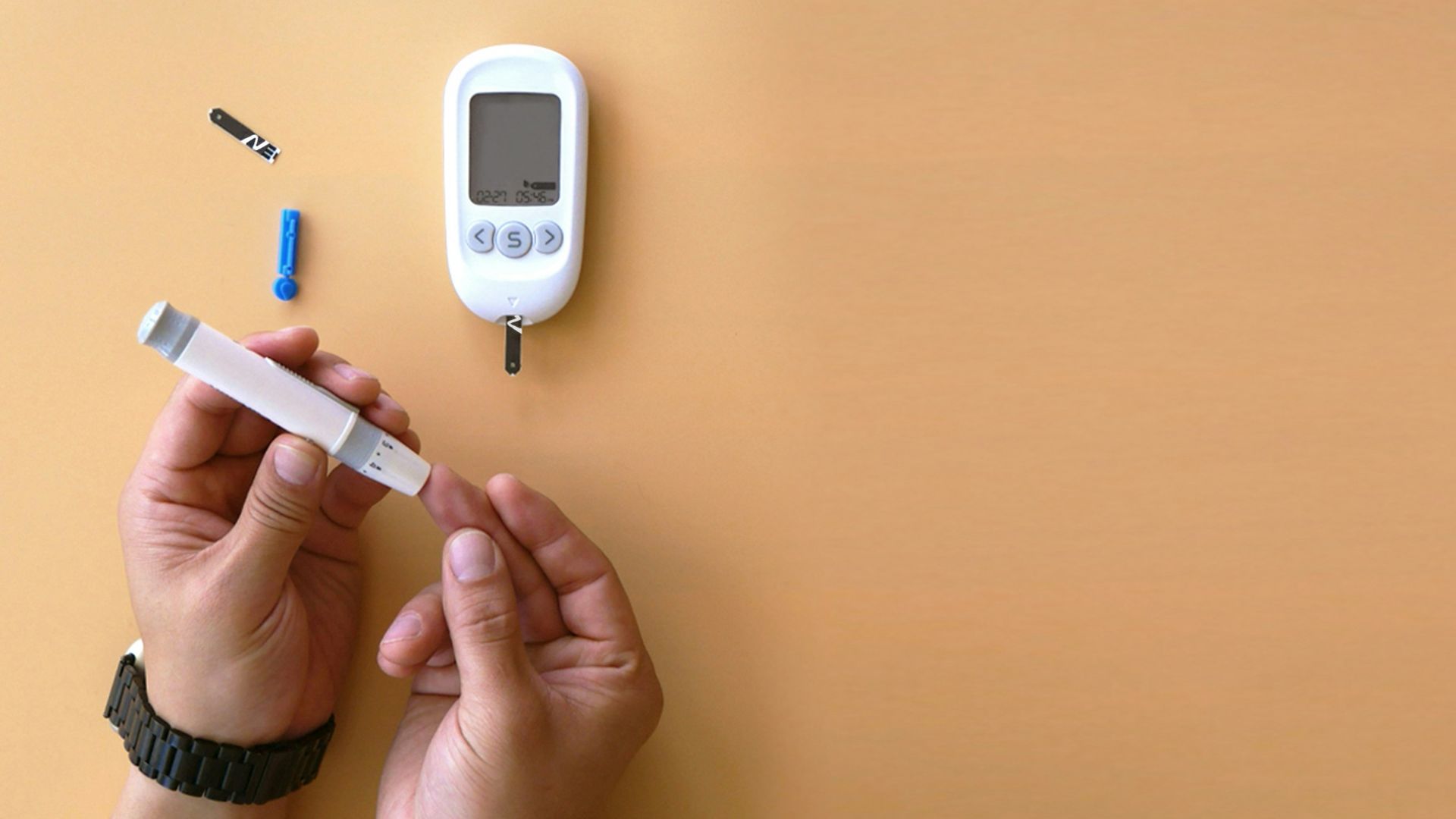
15. Not Managing Diabetes or Prediabetes
Chronically elevated blood sugar damages blood vessel walls through glycation, where sugar molecules bind to proteins and make tissues stiffer. People with poorly controlled type 2 diabetes show significantly accelerated arterial stiffening compared to those without the condition. Even prediabetes is associated with measurable vascular changes.
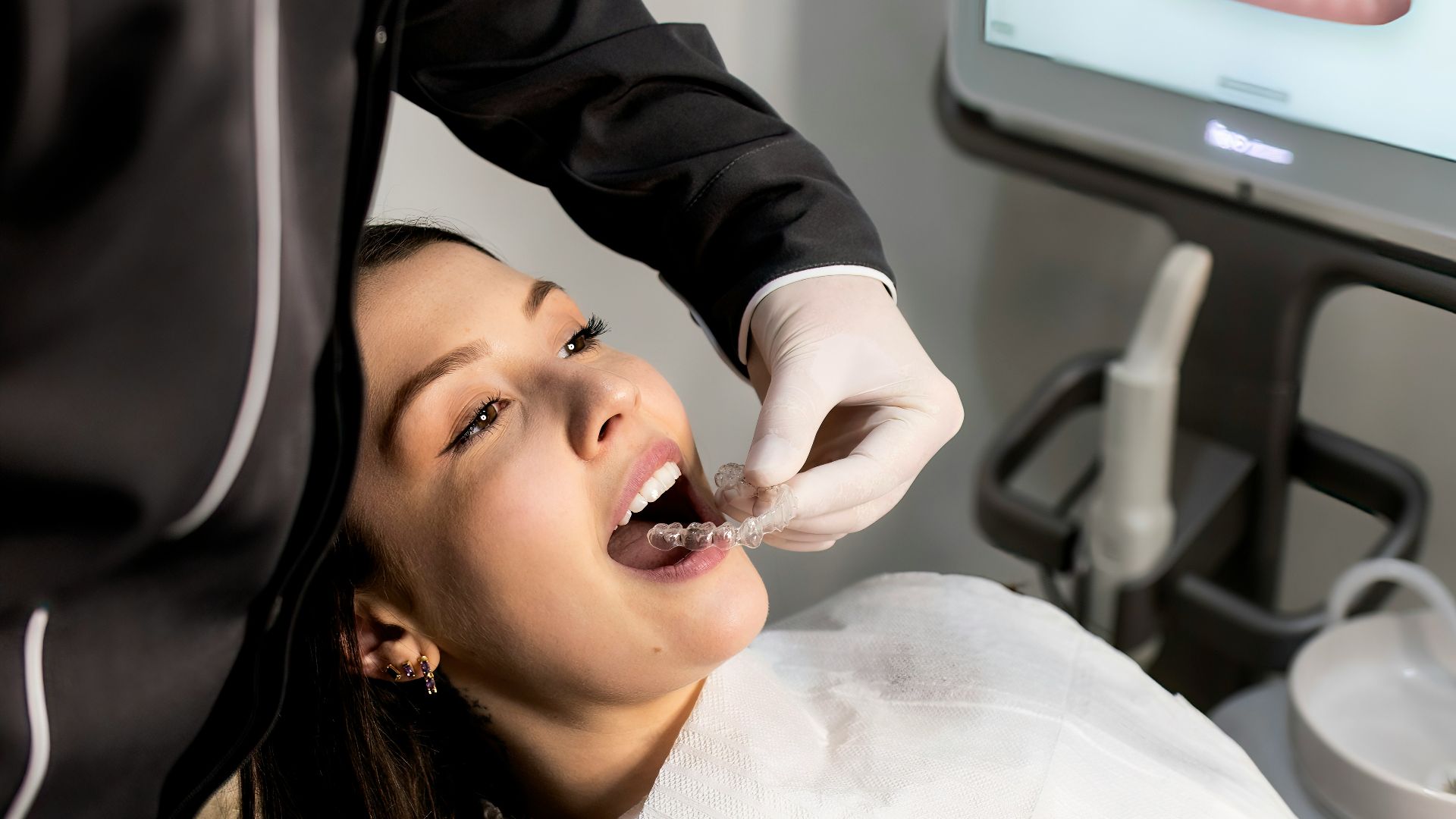
16. Skipping Dental Hygiene
Chronic gum disease, or periodontitis, is associated with systemic inflammation and has been independently linked to cardiovascular risk including arterial stiffness. The bacteria involved can enter the bloodstream and contribute to vascular inflammation. Several cardiovascular guidelines now mention dental health as a relevant factor.
 Filip Rankovic Grobgaard on Unsplash
17. Spending Little Time Outdoors
Low sun exposure is associated with lower vitamin D levels, and deficiency has been linked to higher blood pressure and arterial stiffness. Sunlight also supports production of nitric oxide in the skin, which has direct vasodilatory effects. People who spend very little time outside, particularly in northern latitudes in winter, may be missing a cardiovascular benefit that's easy to overlook.

18. Eating Too Many Refined Carbohydrates
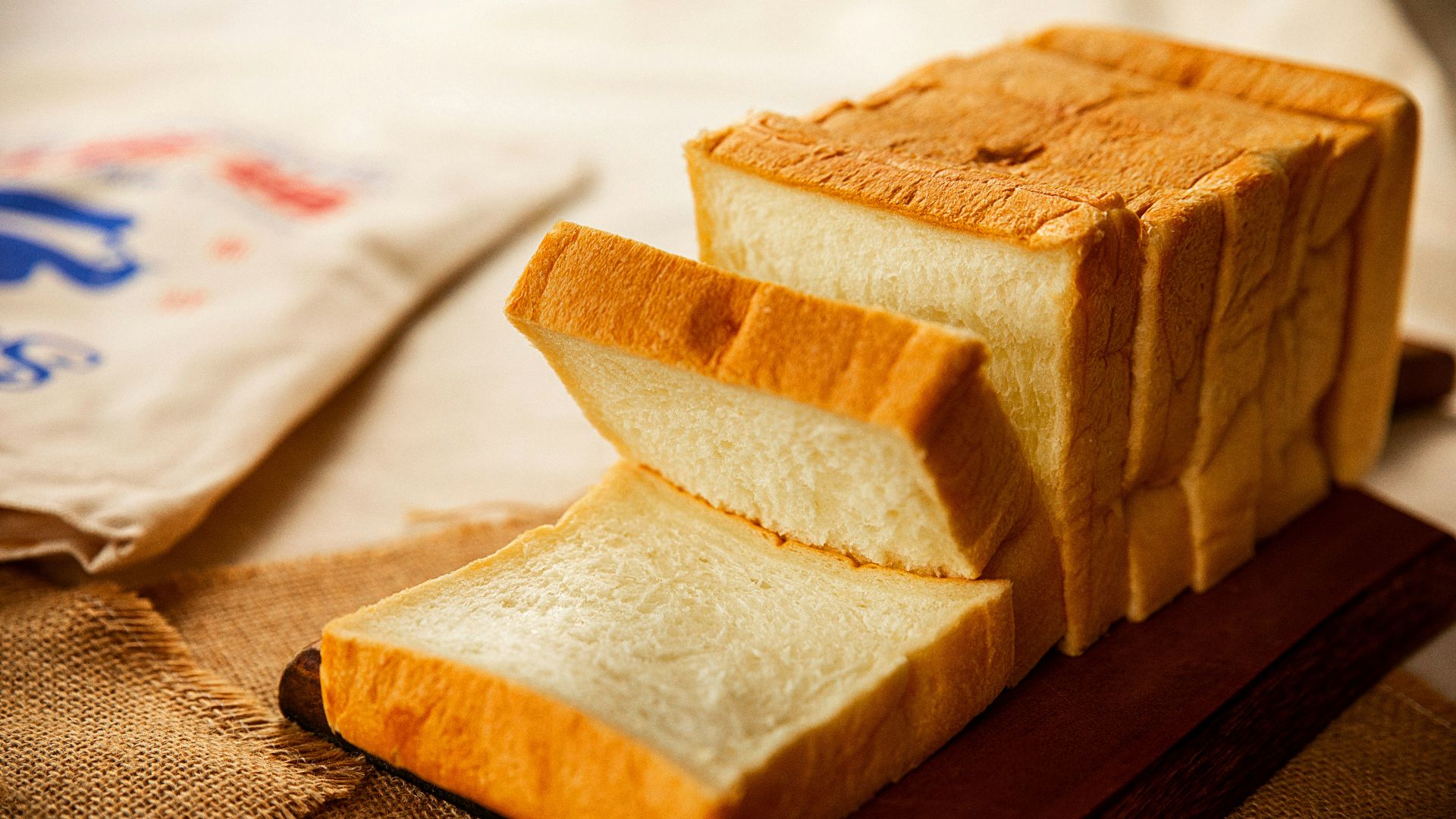
White bread, white rice, pastries, and other refined carbohydrates spike blood sugar quickly and repeatedly. Over time this pattern promotes insulin resistance and inflammation, both associated with arterial stiffening. Replacing them with whole grains and fiber-rich foods consistently shows up in research as beneficial for vascular health.
19. Being Socially Isolated
Loneliness and social isolation are associated with elevated inflammatory markers and higher rates of cardiovascular disease, including arterial stiffness. The mechanisms are partly behavioral, through the worse health habits isolation tends to accompany, and partly physiological, through the chronic stress response that sustained loneliness activates. Some researchers now treat it as a cardiovascular risk factor in its own right.

20. Neglecting Strength Training
While aerobic exercise gets most of the attention for heart health, strength training also matters for vascular health. Regular resistance exercise has been shown to improve arterial flexibility in previously sedentary people and supports the metabolic changes that reduce arterial stiffness risk over time.

KEEP ON READING

20 Ways Perimenopause Changes Fitness and Appetite


20 Unhealthy Obsessions People Have

20 Gut-Friendly Fermented Foods For Everyday Meals