

The Stress Response Hot Spot
Recently becoming a major topic in wellness circles, it’s easy to understand why the vagus nerve has garnered some interest. Considered to be the longest nerve in your body, the vagus nerve plays a role in regulating one's heart rate, breathing, swallowing, digestion, and stress response. Much of the conversation online has to do with "activating" or “resetting” this nerve, but it’s good to know what you’re actually dealing with before you start trying out random TikTok trends. As always, we recommend actually speaking to a health professional before implementing new health and wellness routines into your day.
 The New York Public Library on Unsplash
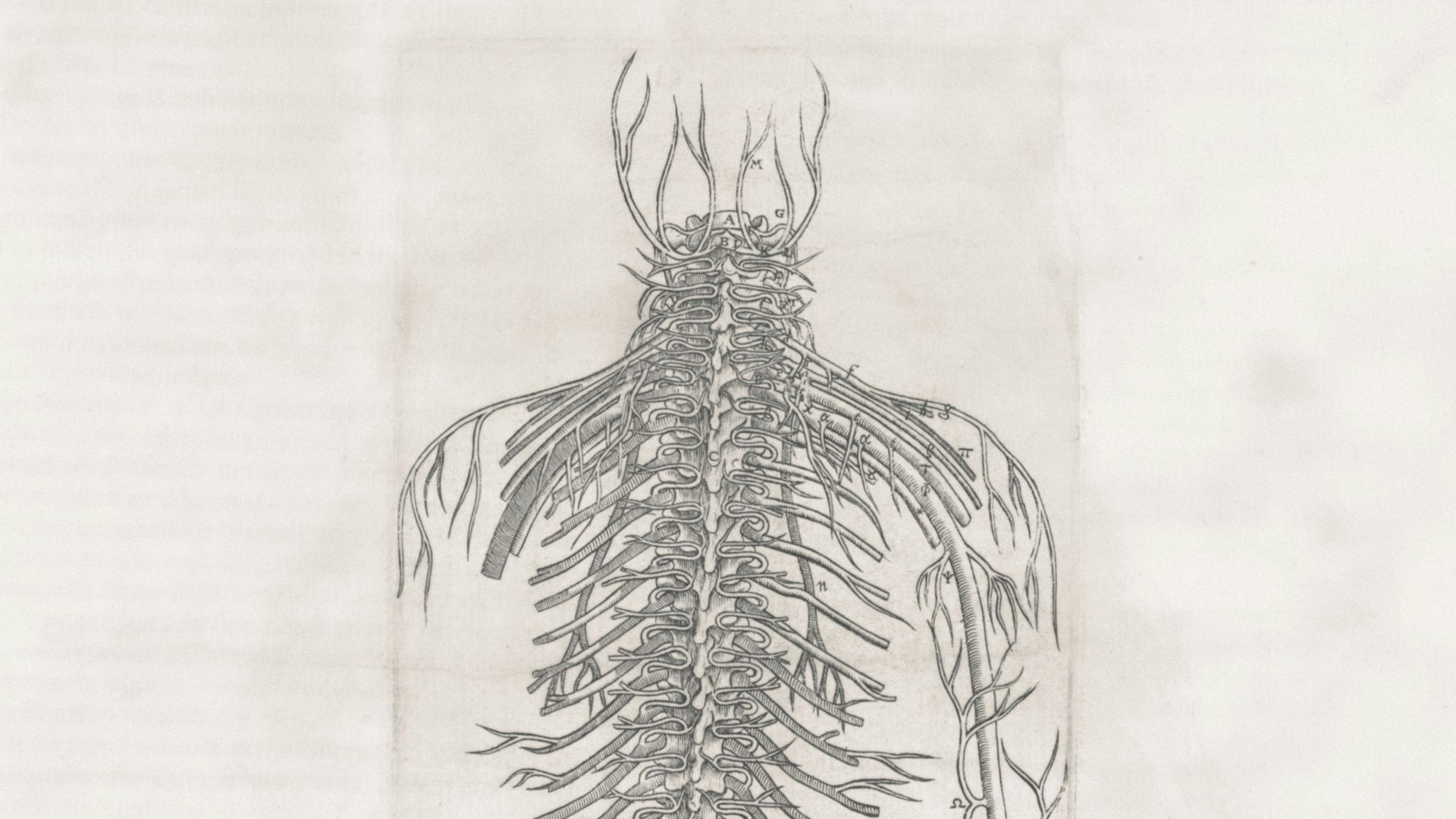
1. It’s The Tenth Cranial Nerve
The vagus nerve is also called cranial nerve X, with “X” standing for the Roman numeral 10. Cranial nerves connect directly to the brain, and this one starts in the brainstem before traveling well beyond the head.
 The New York Public Library on Unsplash
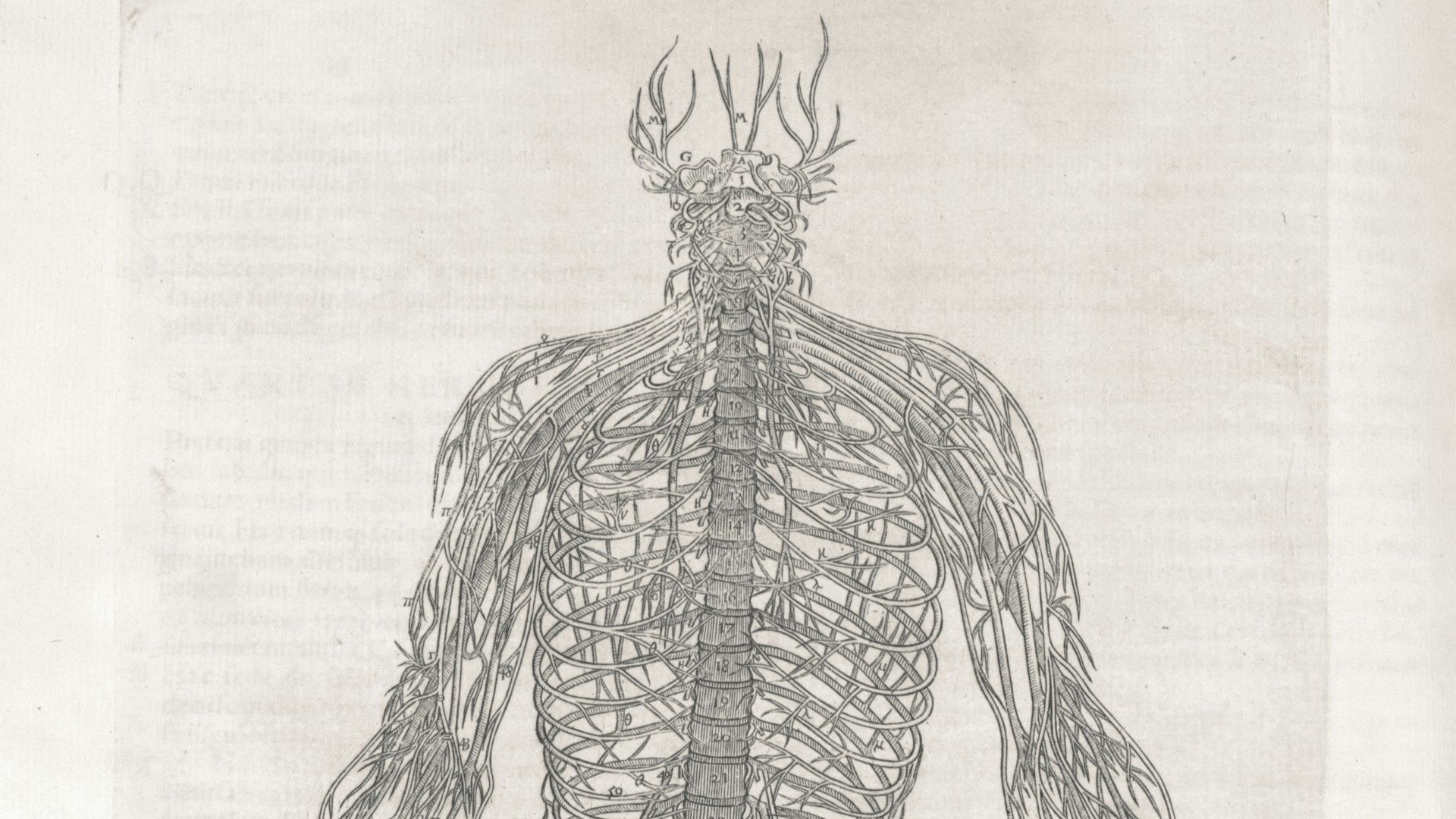
2. More Precisely, It’s The Longest Cranial Nerve
The vagus nerve is often called the longest nerve in the body, and some medical references describe it that way because of how far it travels. More precisely, it’s the longest cranial nerve. The sciatic nerve is usually described as the largest and longest peripheral nerve, which travels from your lower back all the way into your feet.
3. Its Name Means “Wandering”
The word “vagus” comes from Latin and means wandering or straying. The name fits its route, since the nerve travels from the brainstem through the neck, chest, and abdomen.
 Joel & Jasmin Førestbird on Unsplash
4. You Have One On Each Side
People usually talk about “the vagus nerve” as one singular piece, but the body has a right and left vagus nerve. They start as a pair and then take slightly different paths as they branch through the chest and toward nearby organs.
 BUDDHI Kumar SHRESTHA on Unsplash
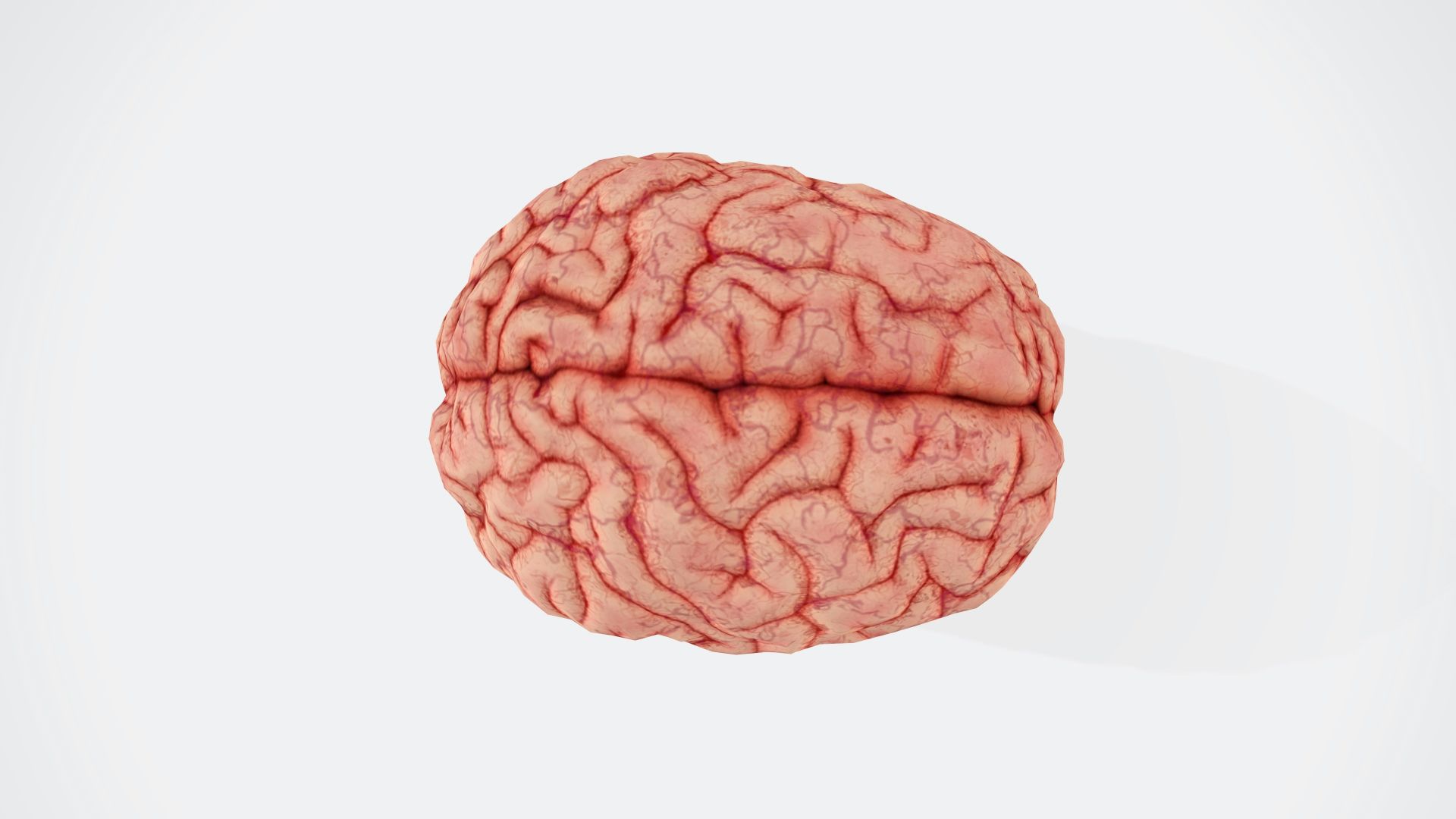
5. It Starts In The Brainstem
The vagus nerve begins in the medulla oblongata, a part of the brainstem involved in basic automatic functions. From there, it exits the skull and travels downward, which helps explain why this nerve is involved in so many body systems.
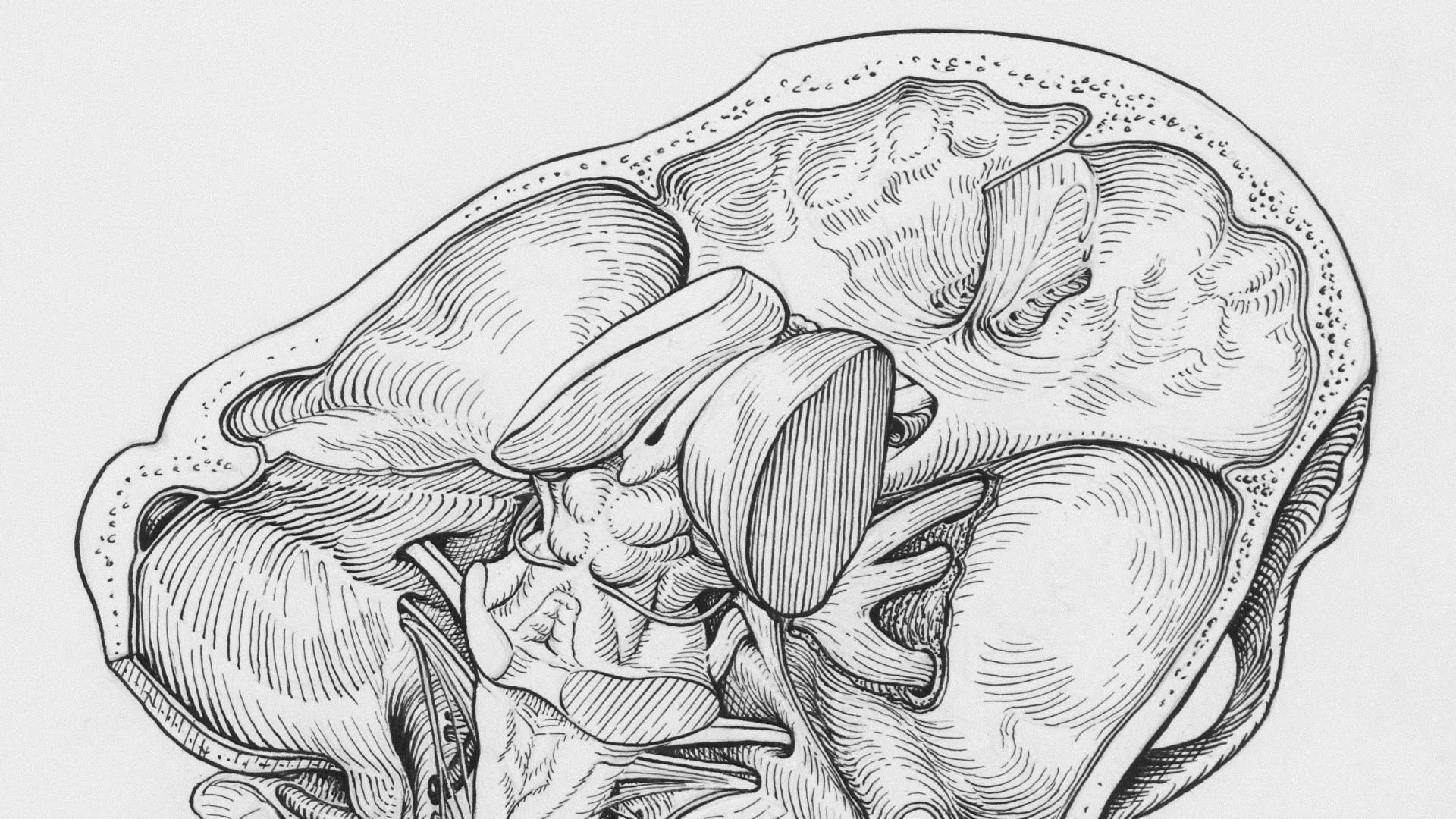
6. It Leaves The Skull Through A Small Opening
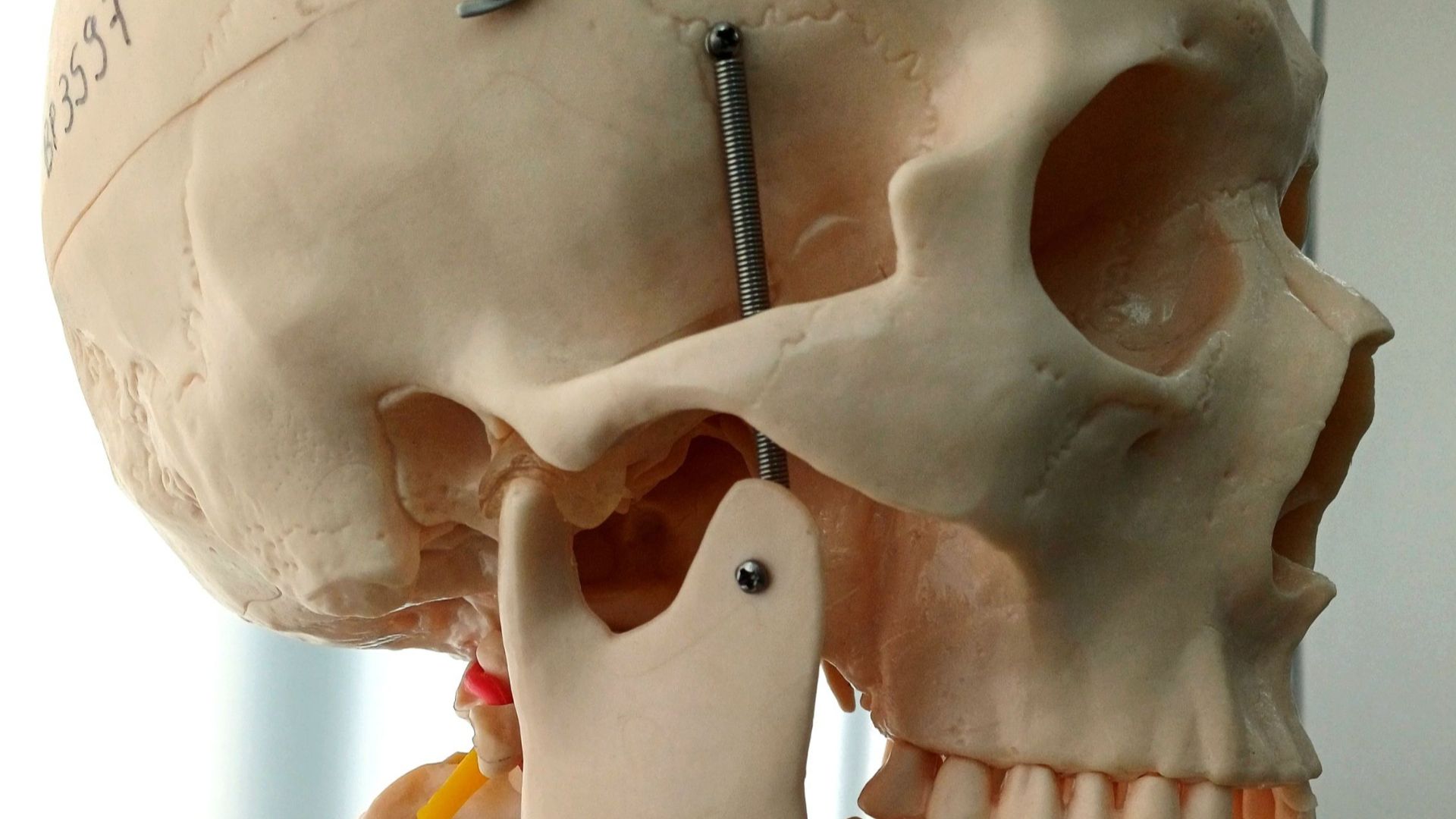
After starting in the brainstem, the vagus nerve passes through an opening in the skull called the jugular foramen. That small opening also carries other important nerves and blood vessels, acting as the physical interpretation of where our circulatory and nervous system information goes.
7. It’s A Major “Rest And Digest” Nerve
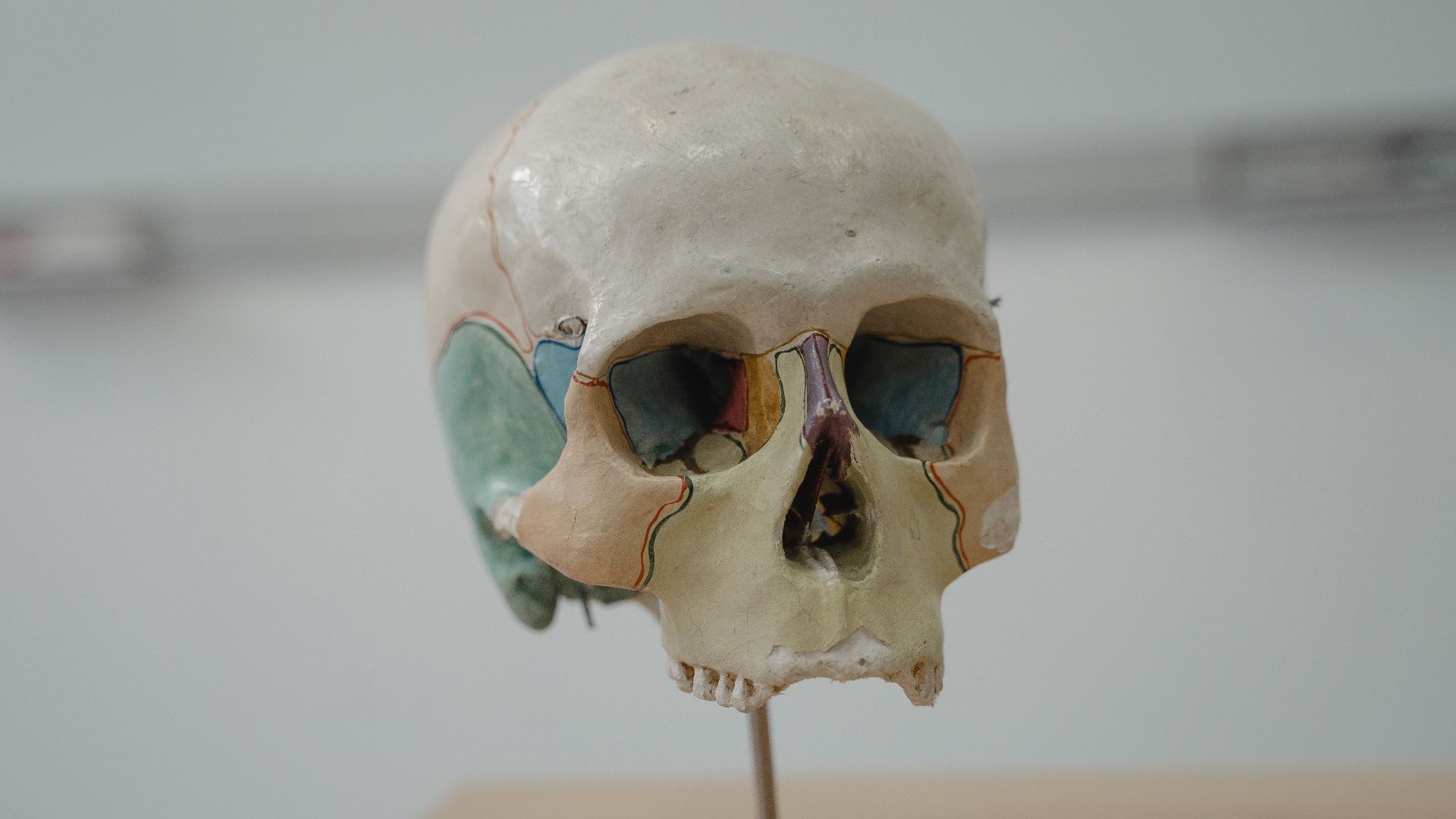
The vagus nerve is a key part of the parasympathetic nervous system, often called the “rest and digest” system. This system helps support your body’s digestion, heart rate regulation, and certain glandular activity when it’s feeling calm and safe.

8. It Helps Balance Stress Responses
When the body shifts into fight-or-flight mode, heart rate, alertness, and energy use can rise quickly. Vagal activity helps support the other side of that process by helping the body move back toward a steadier, calmer baseline.

9. It Carries Messages Both Ways
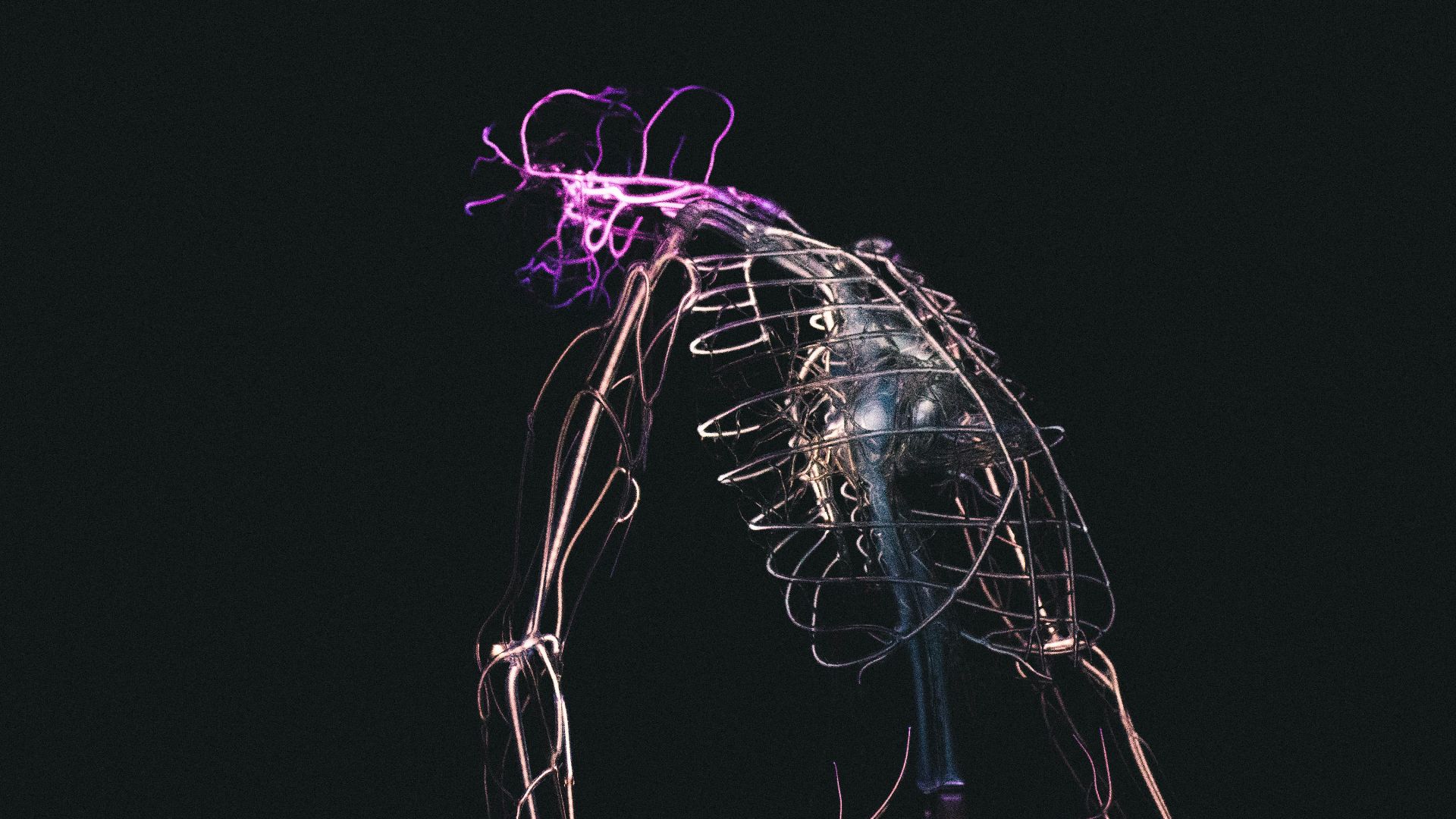
The vagus nerve doesn’t only send signals from the brain to the body. It also carries sensory information from organs back toward the brain, which makes it a two-way communication route between the brain and several major body systems.
 Federico Lancellotti on Unsplash
10. It Helps Regulate Heart Rate
One of the vagus nerve’s best-known roles is helping influence heart rate. Through parasympathetic signaling, it can help slow the heart’s rhythm, especially when you’re resting, recovering, or no longer dealing with an immediate stressor.
11. Breathing And Heart Rhythm Are Connected
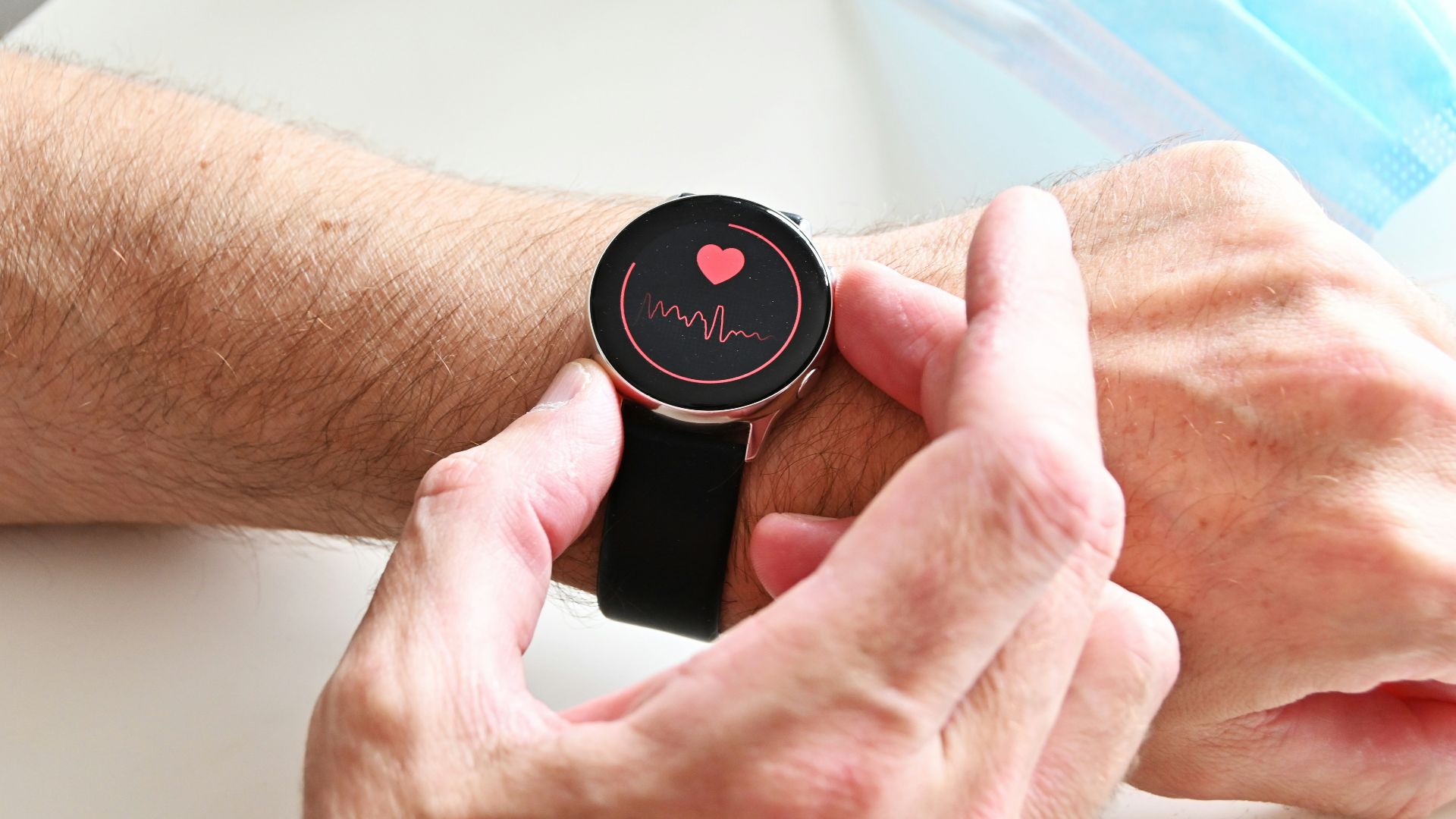
Your heart rate naturally changes a little as you breathe in and out. That subtle pattern is tied to vagal activity, which is one reason slow, steady breathing can feel settling when your body is wound up.

12. It Supports Digestion
The vagus nerve helps coordinate digestive signaling, especially around the stomach and small intestine. It plays a role in the muscle activity that helps move food along, making it a helpful part of everyday gut function.

13. Damage Can Slow Stomach Emptying
When the vagus nerve is damaged or not working properly, the stomach may empty more slowly than it should. That delayed emptying can contribute to symptoms like nausea, bloating, feeling full too quickly, and generally feeling uncomfortable as you digest.

14. It Helps With Swallowing
Branches of the vagus nerve help control muscles in the soft palate, throat, and larynx. Since those structures help move food and liquid safely, vagus-related problems can sometimes show up as having trouble swallowing or coughing while eating.

15. It Helps Shape Your Voice
The vagus nerve connects with the larynx, which most of us casually call the voice box. If certain branches are irritated or injured, a person may notice hoarseness, voice changes, or difficulty projecting their voice.
 LinkedIn Sales Solutions on Unsplash
16. The Detouring Branch
The recurrent laryngeal nerve, a branch of the vagus nerve, has one of anatomy’s more roundabout routes. On the left side, it loops down around the aortic arch before heading back up toward the larynx, while the right side loops under a nearby artery in the upper chest.

17. It Plays A Role In The Gag Reflex
The gag reflex involves more than one cranial nerve, and the vagus nerve is part of the motor response. When the back of the throat is irritated, vagal pathways help activate muscles in the throat as part of that protective reflex.
 Luiz Rogério Nunes on Unsplash
18. It’s Tasty Connection
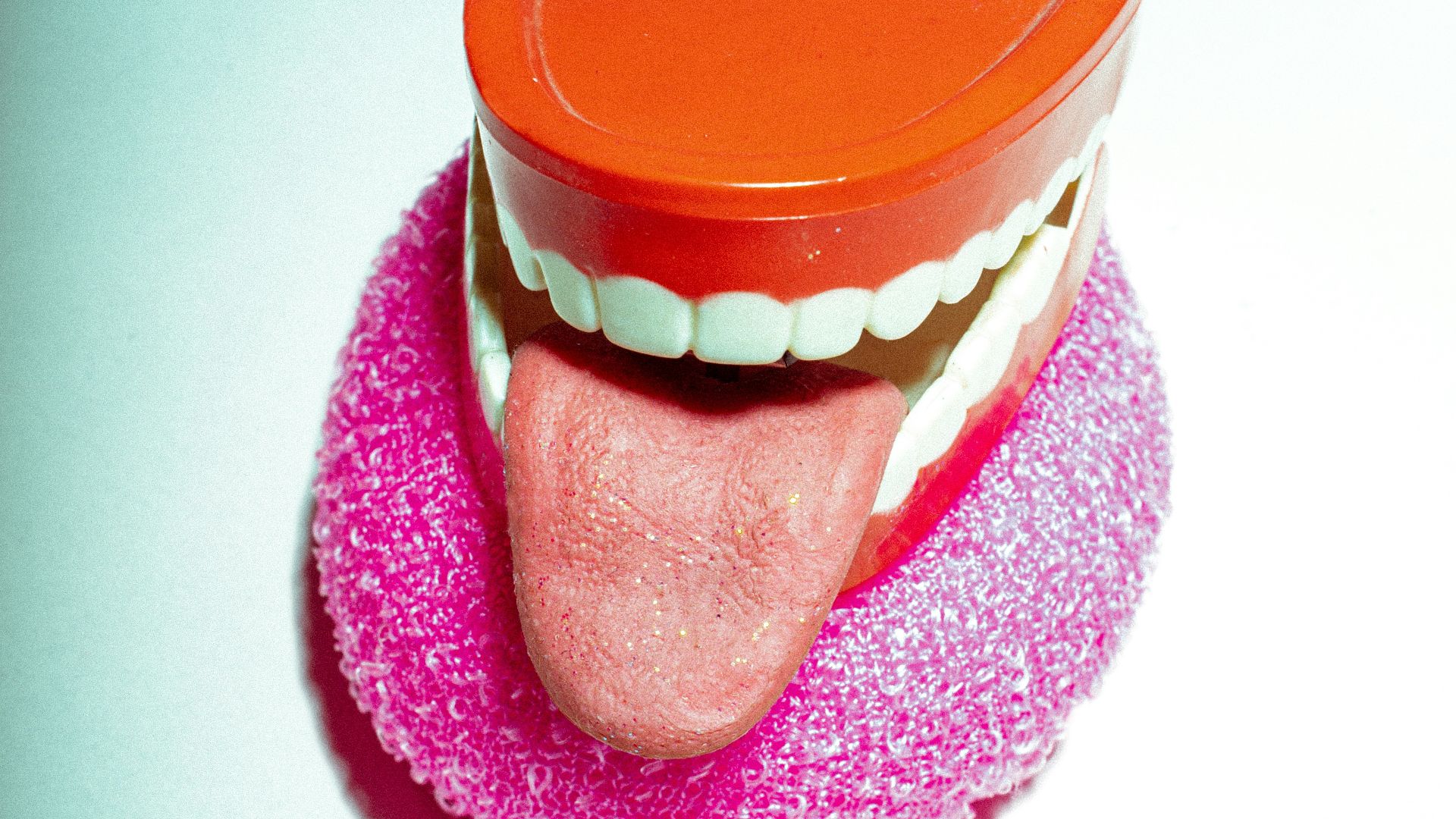
While taste is mostly handled by other cranial nerves, the vagus nerve can carry taste-related information from the epiglottis region, which is a small but telling example of how far its reach goes.
19. It’s Part Of The Gut-Brain Conversation
The gut-brain connection isn’t just a trendy phrase. The vagus nerve is one real pathway between the digestive system and the brain, which helps explain why gut function, stress, and nervous system activity can overlap.

20. It’s Used In Medical Treatments
Vagus nerve stimulation is a real medical treatment, not just a wellness catchphrase. Medical devices are used in specific clinical situations, including certain seizure disorders, treatment-resistant depression, and some headache conditions.

KEEP ON READING



20 Ways to Deal With Your Sweet Tooth

20 Low-Impact Exercise Ideas For People Over 50