Your Hands Tell A Story
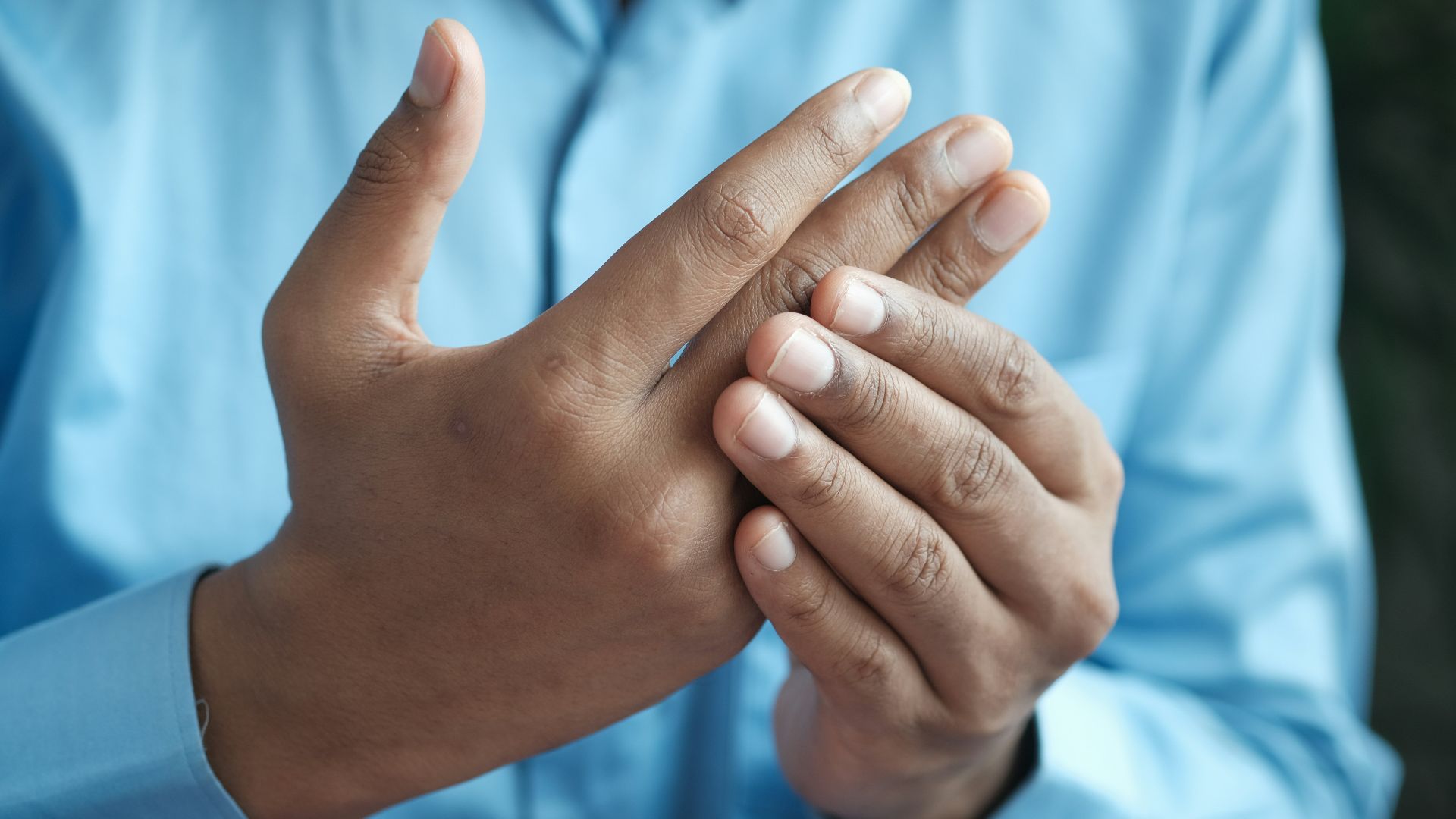
Often overlooked, hands are constantly in use. They grip grocery bags, tap through messages, wash dishes, open jars, and do just about every other thing you can think of. Most changes to the nails, skin, and fingers are harmless and related to everyday wear, cold weather, aging, irritation, or perhaps an overly enthusiastic manicure. However, hands can also reveal early visible signs of issues such as oxygen levels, circulation problems, inflammation, nerve health, hormone imbalances, nutrient deficiencies, and fluid balance. Here are 20 changes in your hands to watch for before they blend into the background.
1. Pale Nail Beds
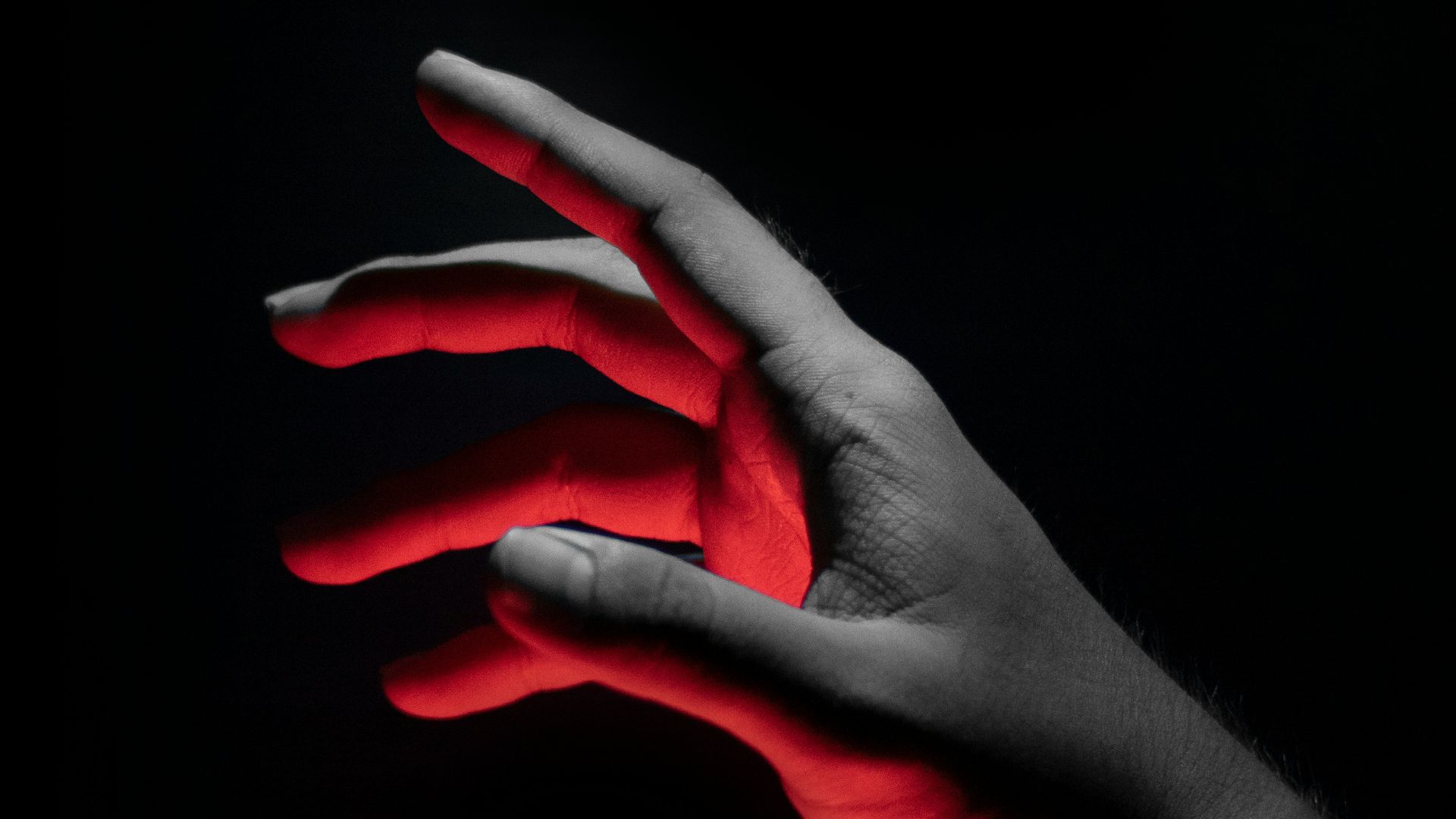
Nail beds usually appear pink due to the blood flow beneath them. If they look excessively pale and you experience fatigue, dizziness, weakness, or shortness of breath, it’s possible you’re seeing signs of anemia.
2. Spoon-Shaped Nails
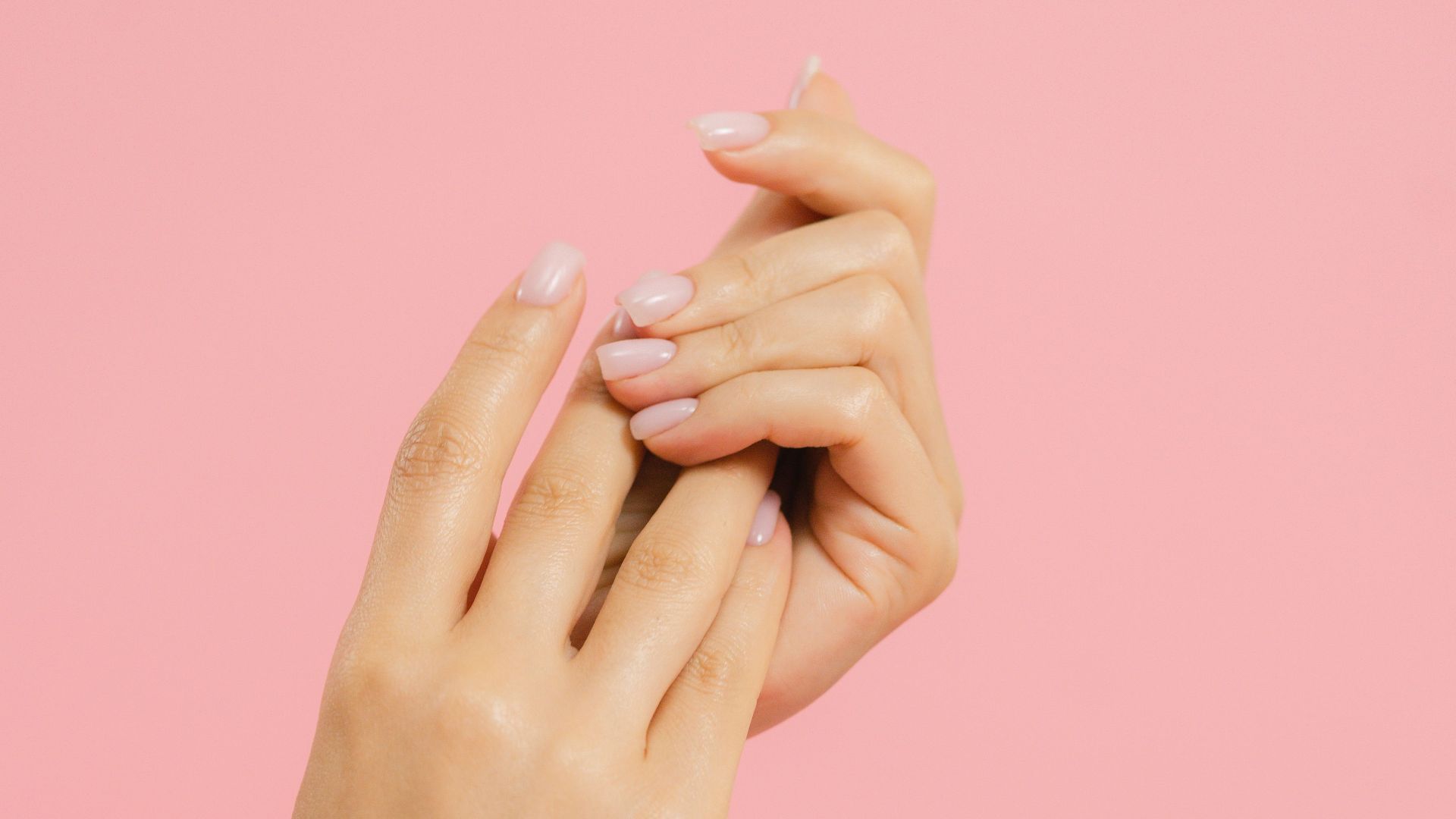
Spoon-shaped nails appear thin, soft, and slightly scooped inward. This change can indicate iron deficiency, though nail trauma, chemical exposure, and other health conditions may also affect nail shape.
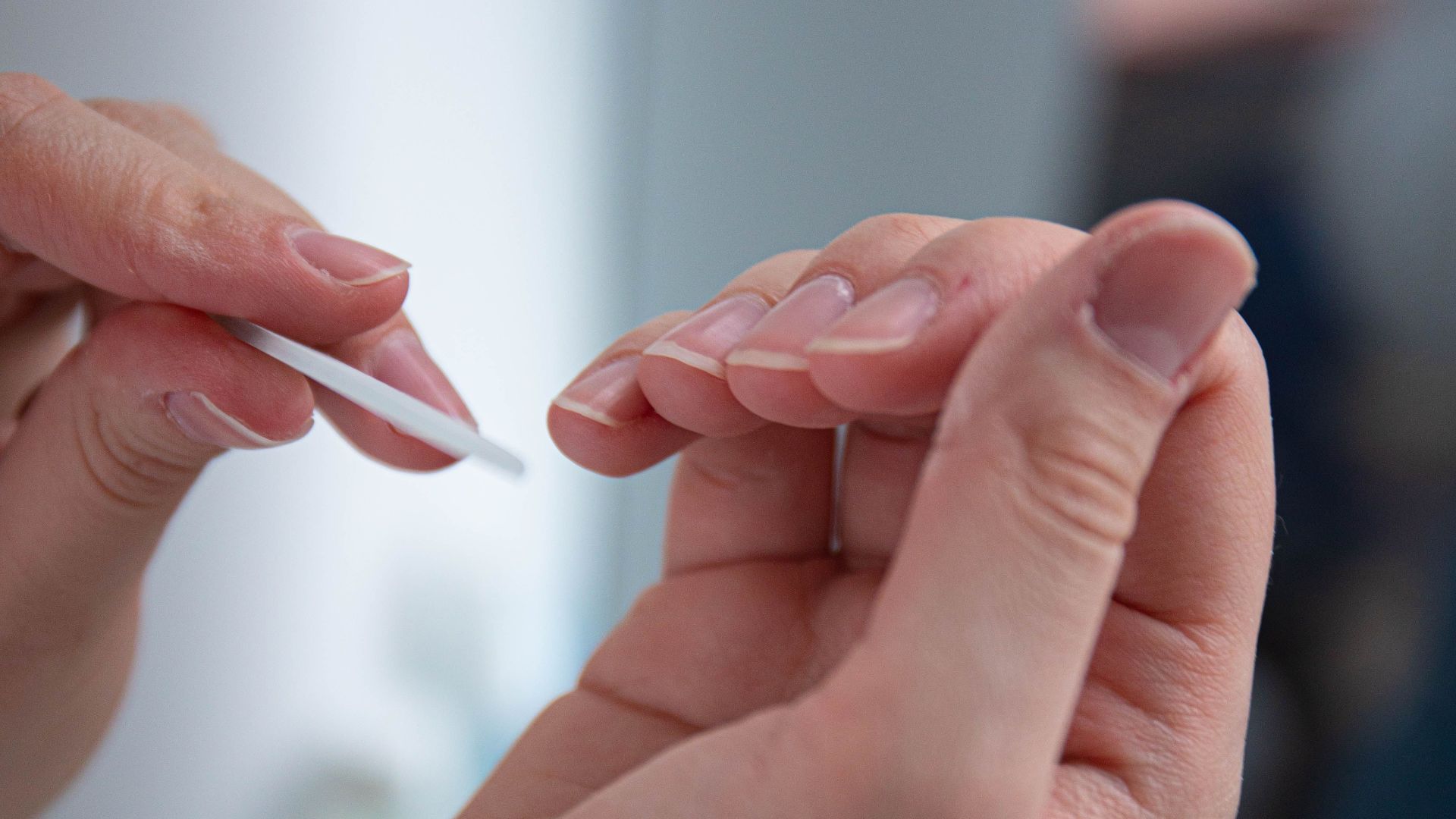
3. Rounded Fingertips
Wider, rounder, or bulbous fingertips can indicate a condition called clubbing. This change may be linked to long-term heart, lung, or oxygen-related problems, especially if it develops gradually.
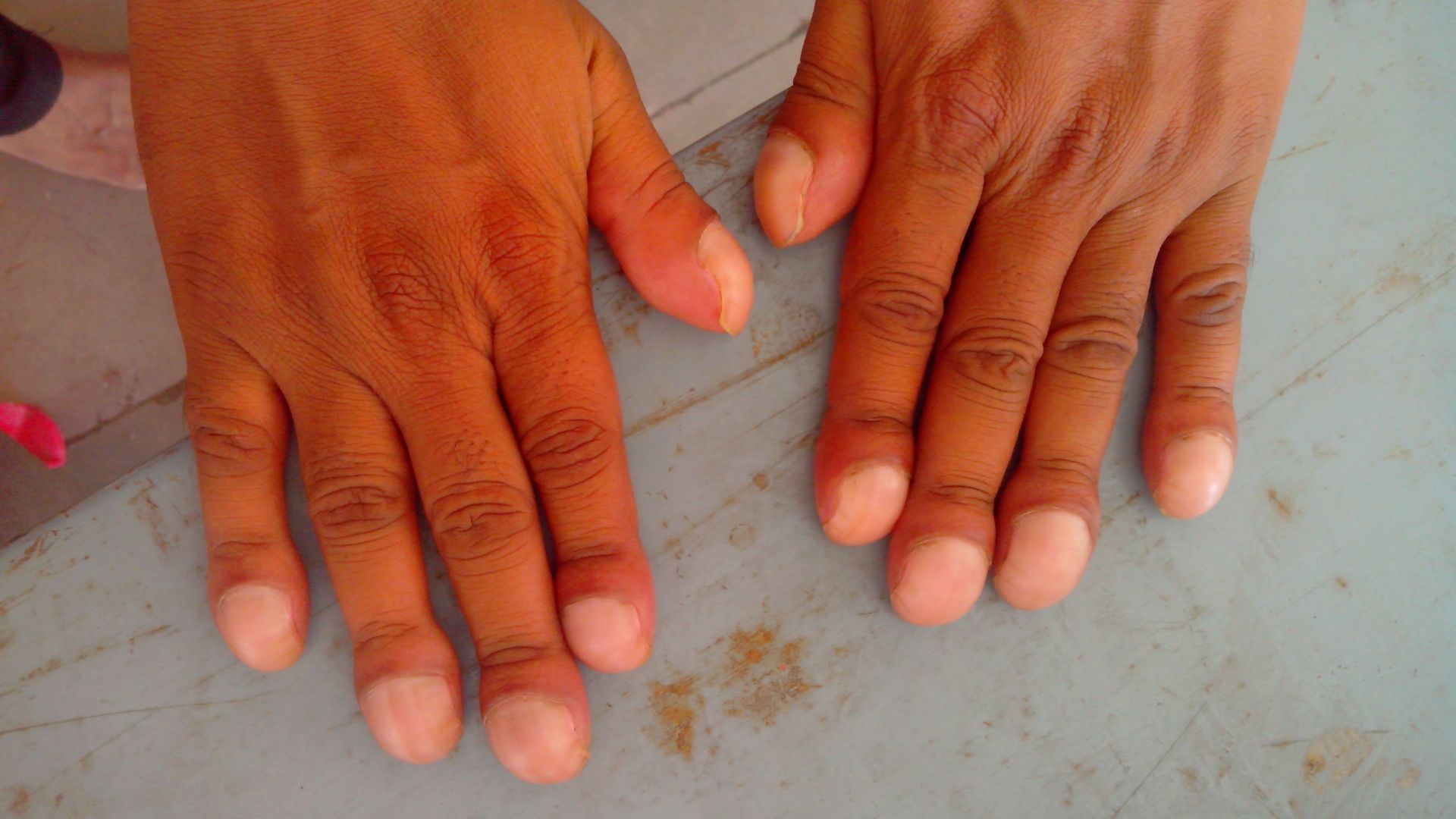
4. Blue or Purple Nails
Nails that turn blue or purple can occur when your hands are cold, and the color should return to normal once you warm up. If the discoloration persists or is accompanied by symptoms such as shortness of breath, chest pain, dizziness, confusion, or blue lips, it may indicate an oxygen-related issue.
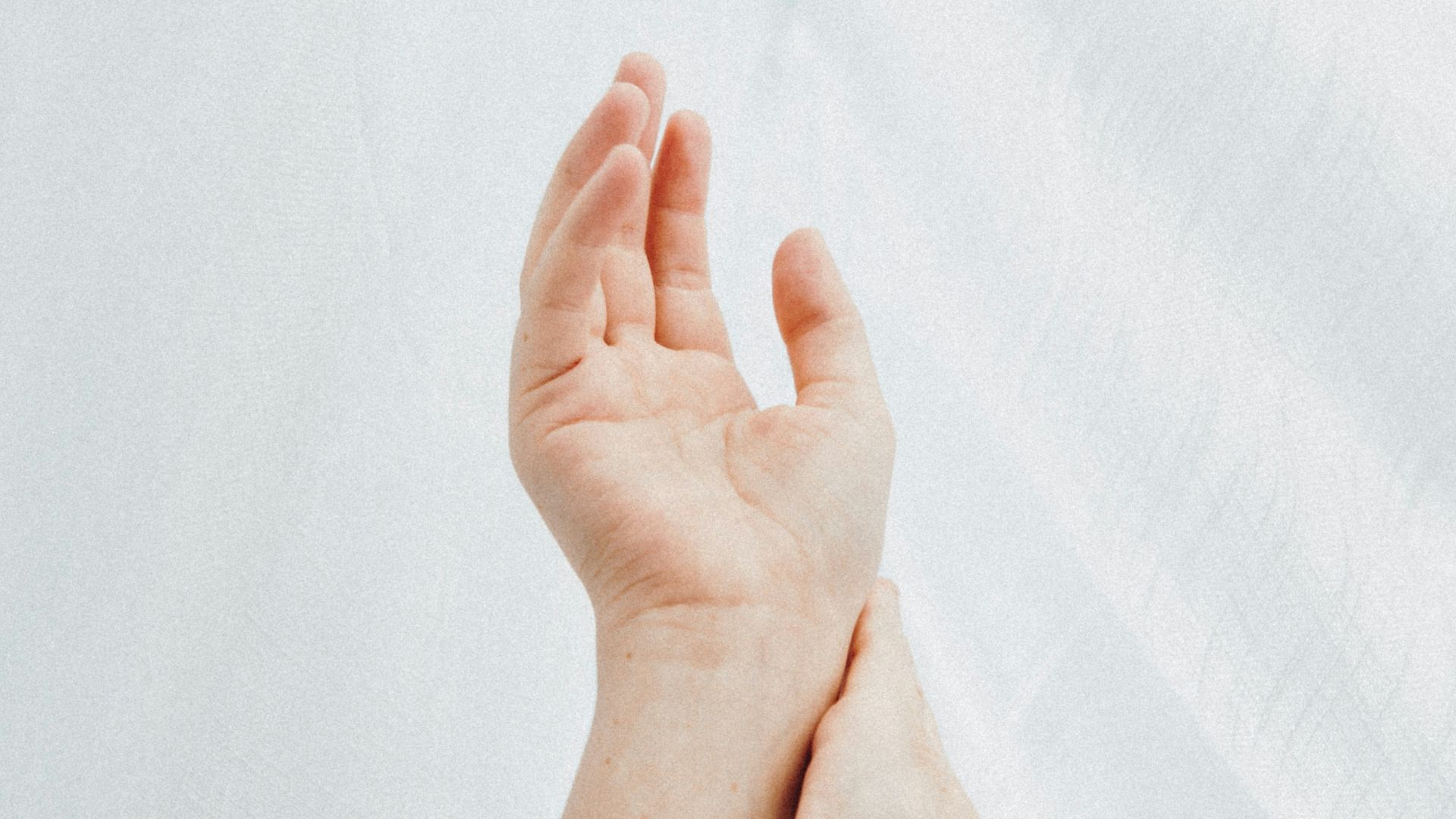
5. Mostly White Nails
Nails that are predominantly white with a narrow pink or darker band near the tip can sometimes indicate chronic health conditions. Aging can also affect nail color, so the key sign to watch for is a new change that occurs across several nails.
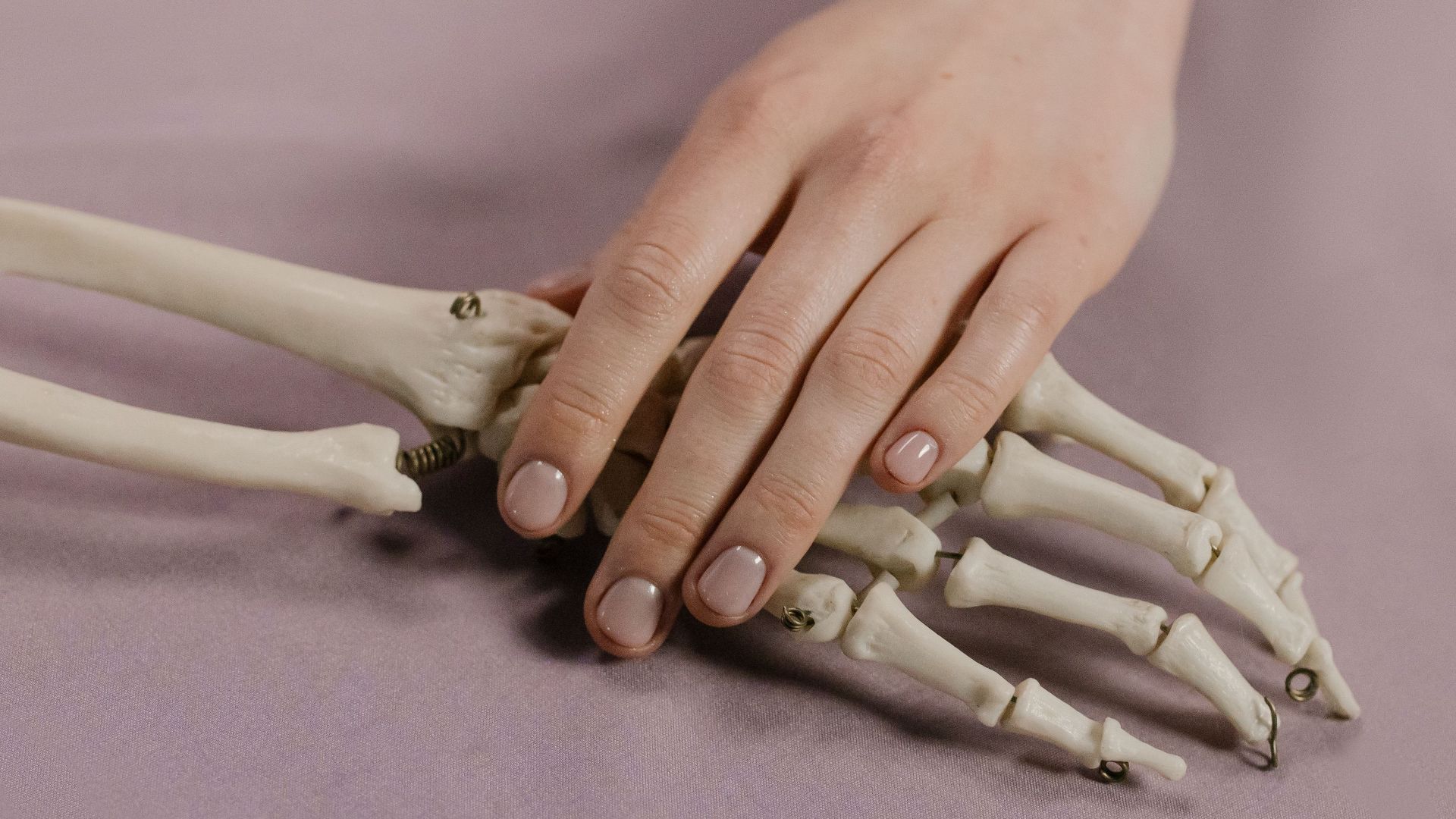
6. Horizontal Nail Grooves
Horizontal grooves on the nails can appear after an illness, fever, injury, poor nutrition, or any period of physical stress. Since nails grow slowly, you might not see the groove until weeks after your body has gone through the disruption.
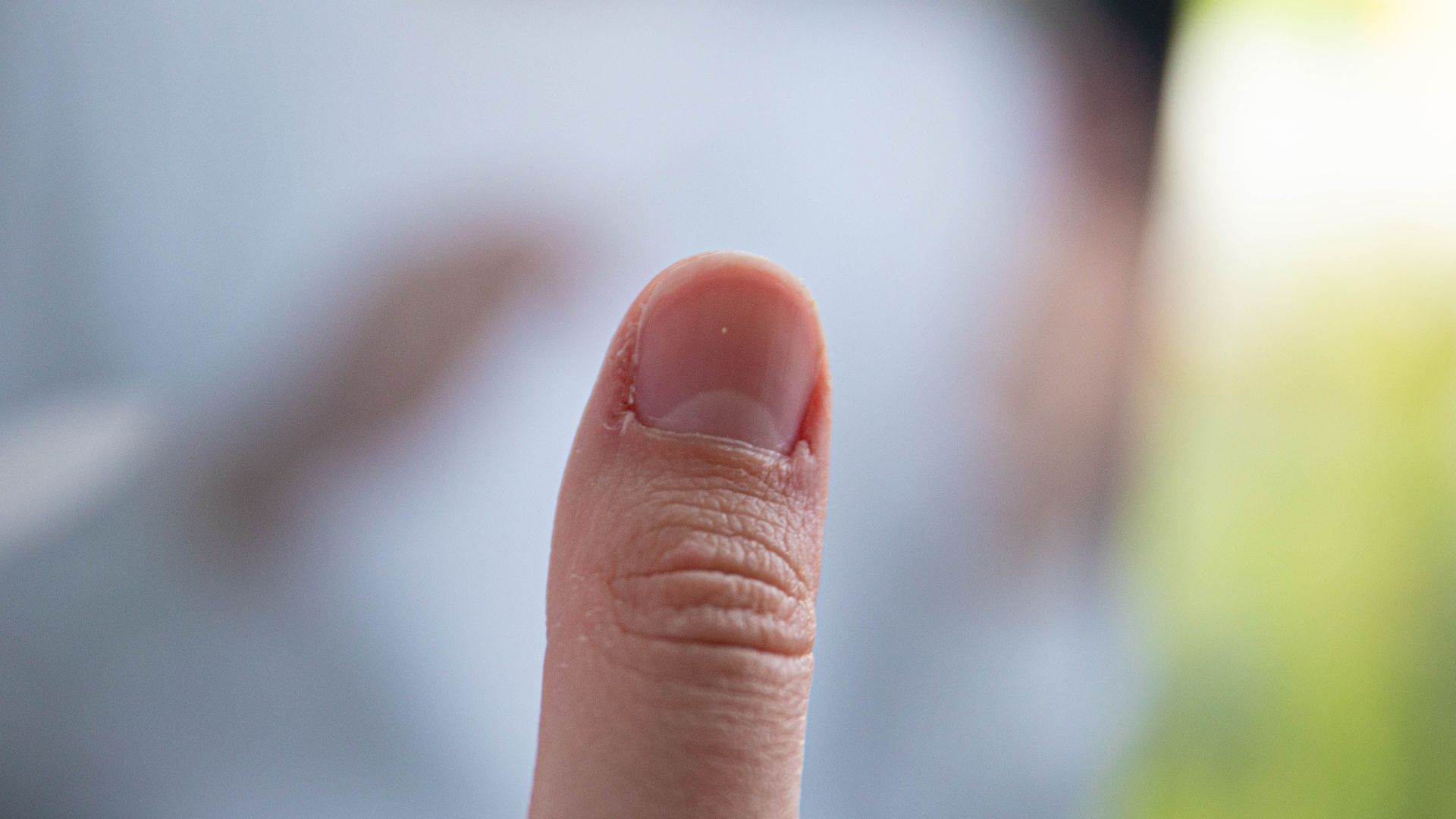
7. Tiny Nail Dents
Small pits or pinprick-like dents on the nail surface can be linked to psoriasis. If the nails also thicken, crumble, lift, or change color, the issue might be more serious than everyday nail damage. Additionally, joint stiffness or sore fingers can make this sign more significant.
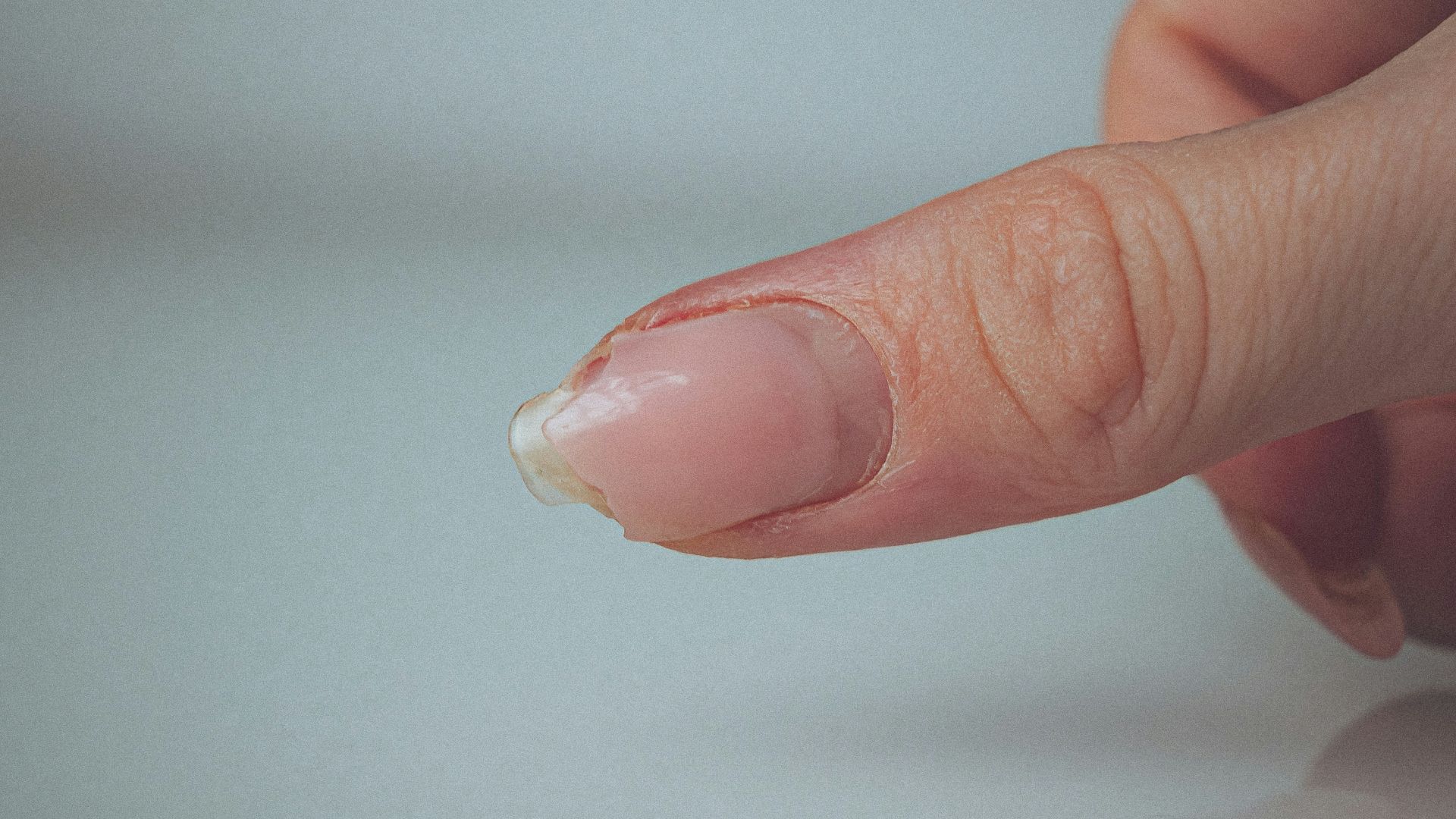
8. Yellow, Thick Nails
Nails that are yellow, thick, or crumbly often suggest a fungal nail infection. Other factors, such as polish staining, psoriasis, and smoking, can also change nail color, so it’s best to have persistent changes checked.
 Alexander Krivitskiy on Pexels
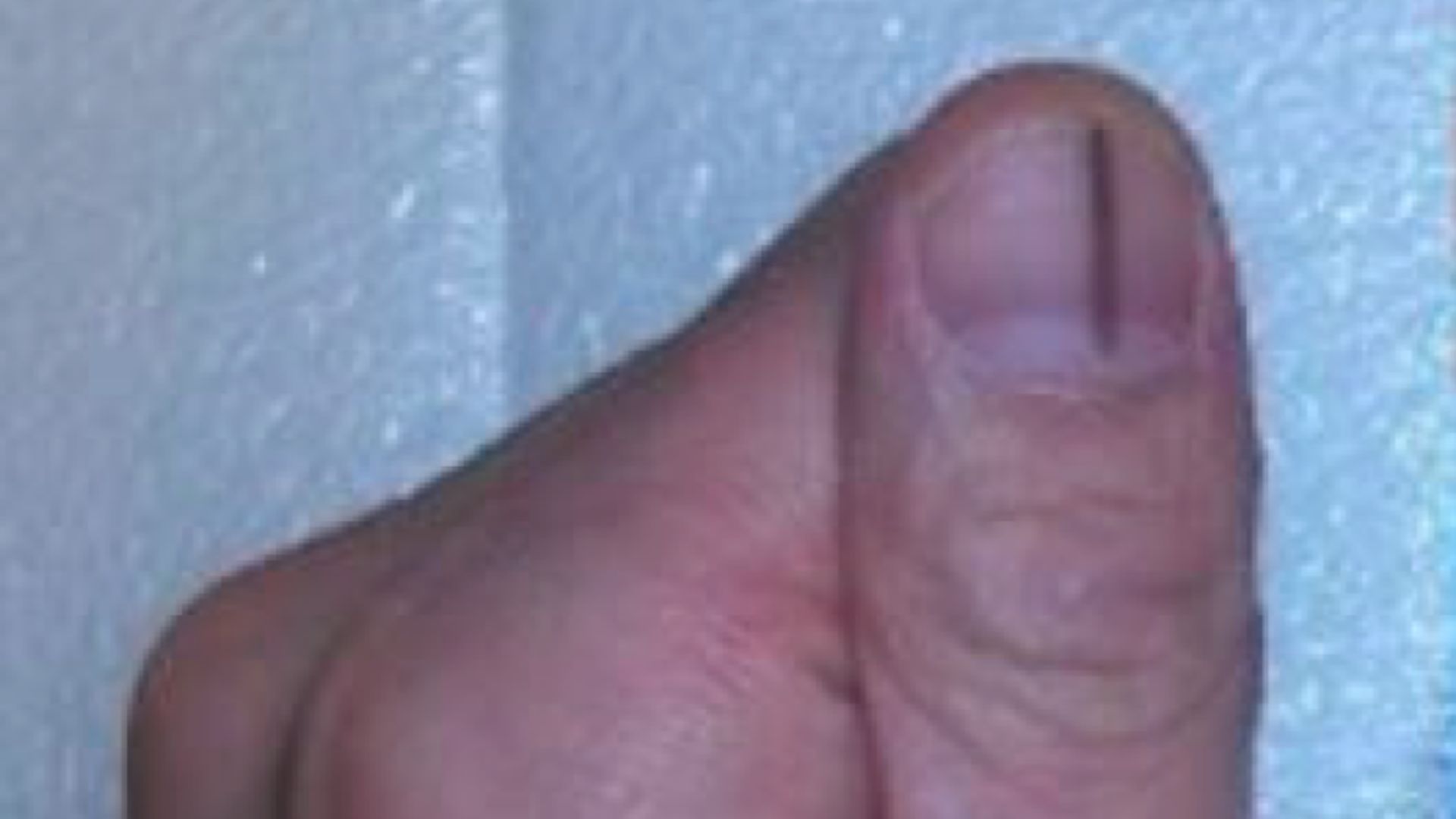
9. A Dark Nail Streak
A dark vertical streak under a nail can be harmless, especially if nail pigmentation is normal for you. However, a new, widening, irregular, or changing streak should be evaluated, as rare skin cancers can develop under or around the nail.
 Seungjun Lee & Seokchan Eun on Wikimedia
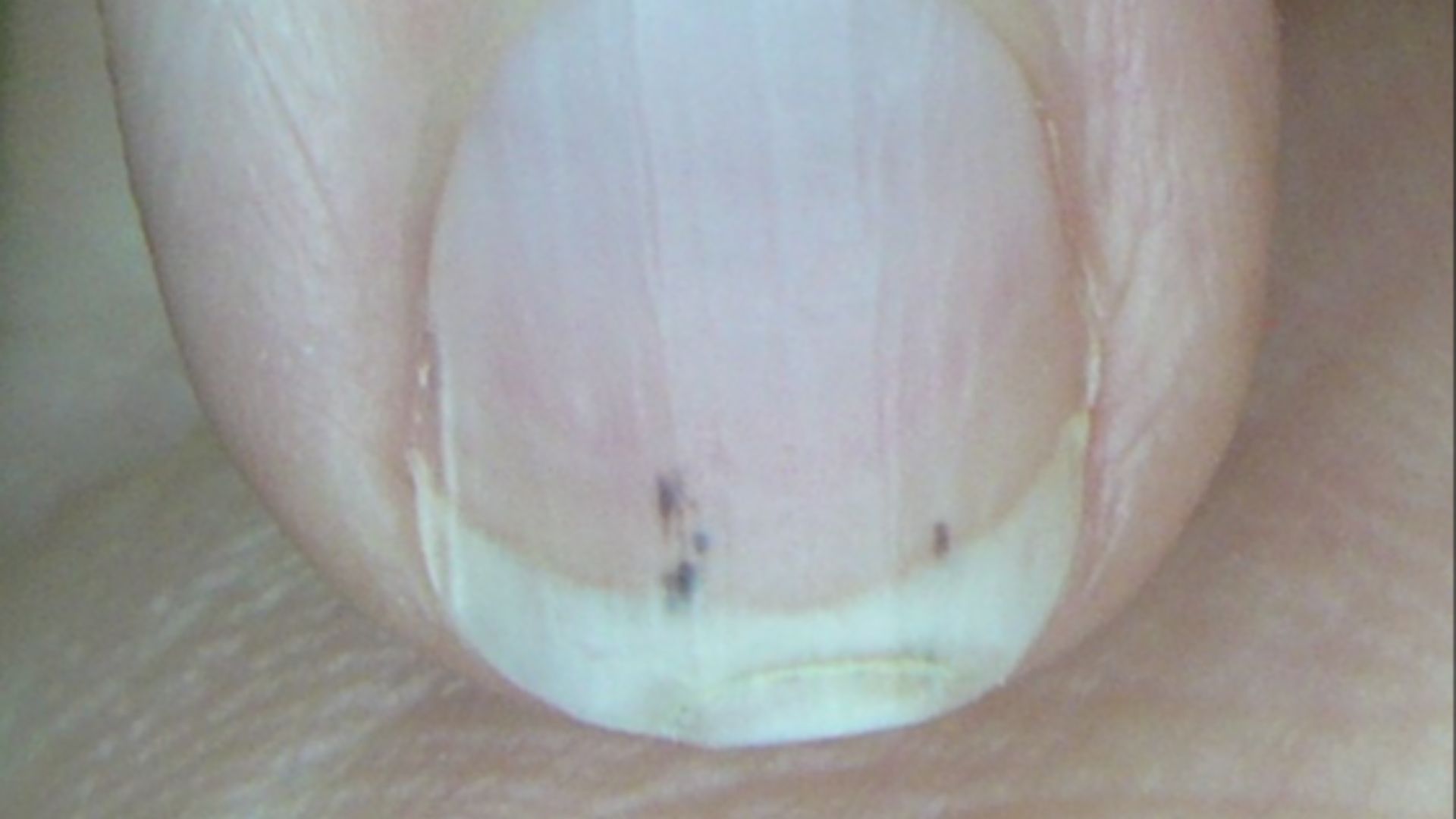
10. Splinter-Like Nail Lines
Tiny red, brown, or black lines under the nails may resemble little splinters. They are often caused by trauma, but if there are multiple unexplained lines, especially accompanied by fever, chills, night sweats, or a general feeling of unwellness, medical attention may be necessary.
11. Red Palms
Redness across the palms can occur for various harmless reasons, such as pregnancy or inherited skin patterns. However, if the redness is new, persistent, or accompanied by fatigue, yellowing of the skin, joint pain, or swelling, it may be related to liver, thyroid, autoimmune, or inflammatory conditions.

12. Fingers That Change Color
Fingers that turn white, blue, and then red in response to cold weather or stress may indicate a reaction to changes in blood flow. This pattern can occur with Raynaud’s phenomenon, which may be mild on its own or associated with an underlying autoimmune condition.

13. Puffy, Tight Fingers
Fingers can swell due to heat, exercise, salty food, travel, or hormonal changes. If the puffiness persists, causes the skin to appear shiny or tight, or limits finger movement, it may signal an early indication of connective tissue or inflammatory disease.
14. Tingling at Night
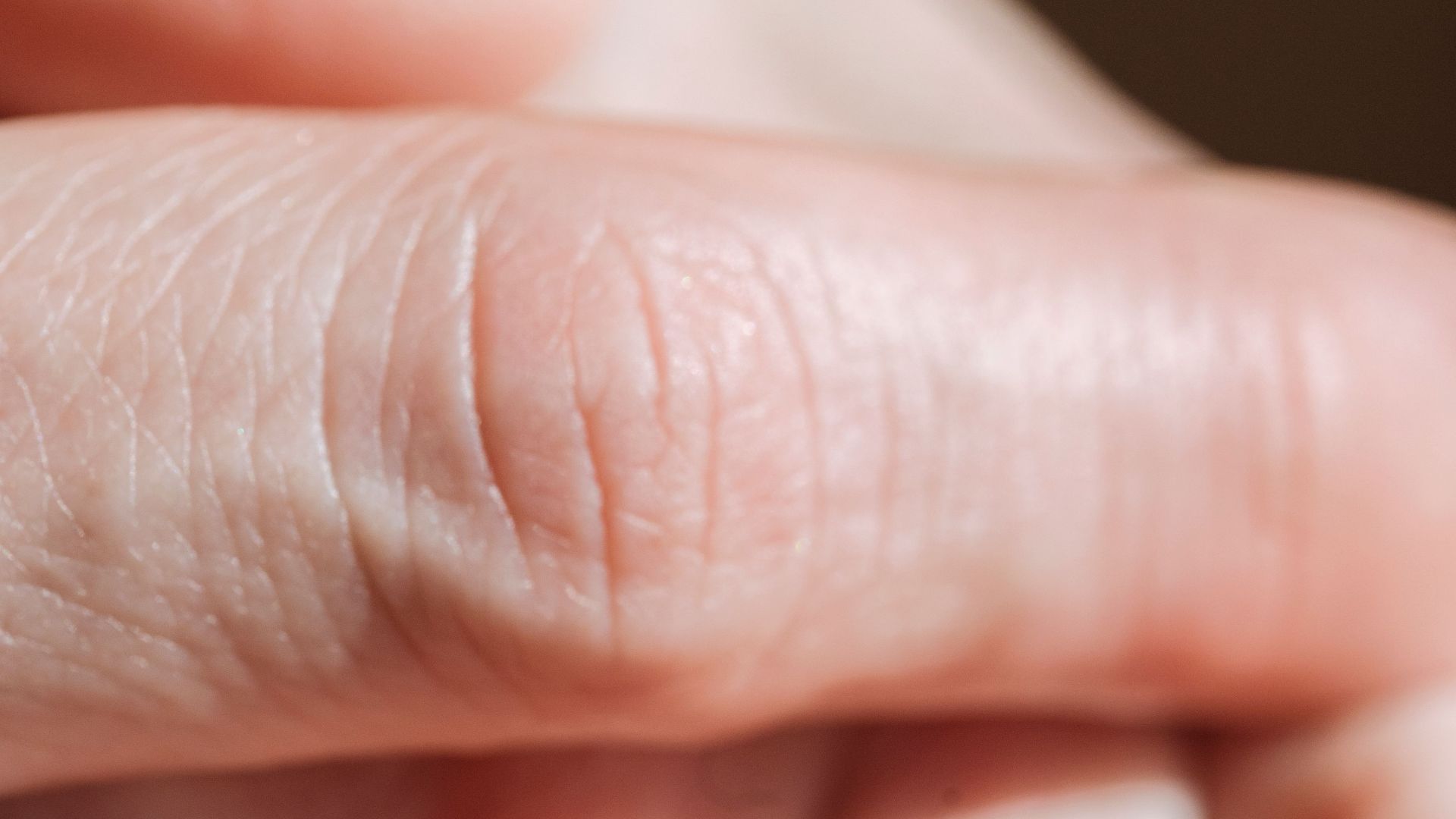
Tingling, numbness, or a pins-and-needles sensation in the hands can result from sleeping in an awkward position. However, if this occurs frequently at night or is accompanied by weakness, clumsiness, or dropping objects, it could indicate nerve compression, such as carpal tunnel syndrome.
15. Burning or Numb Hands
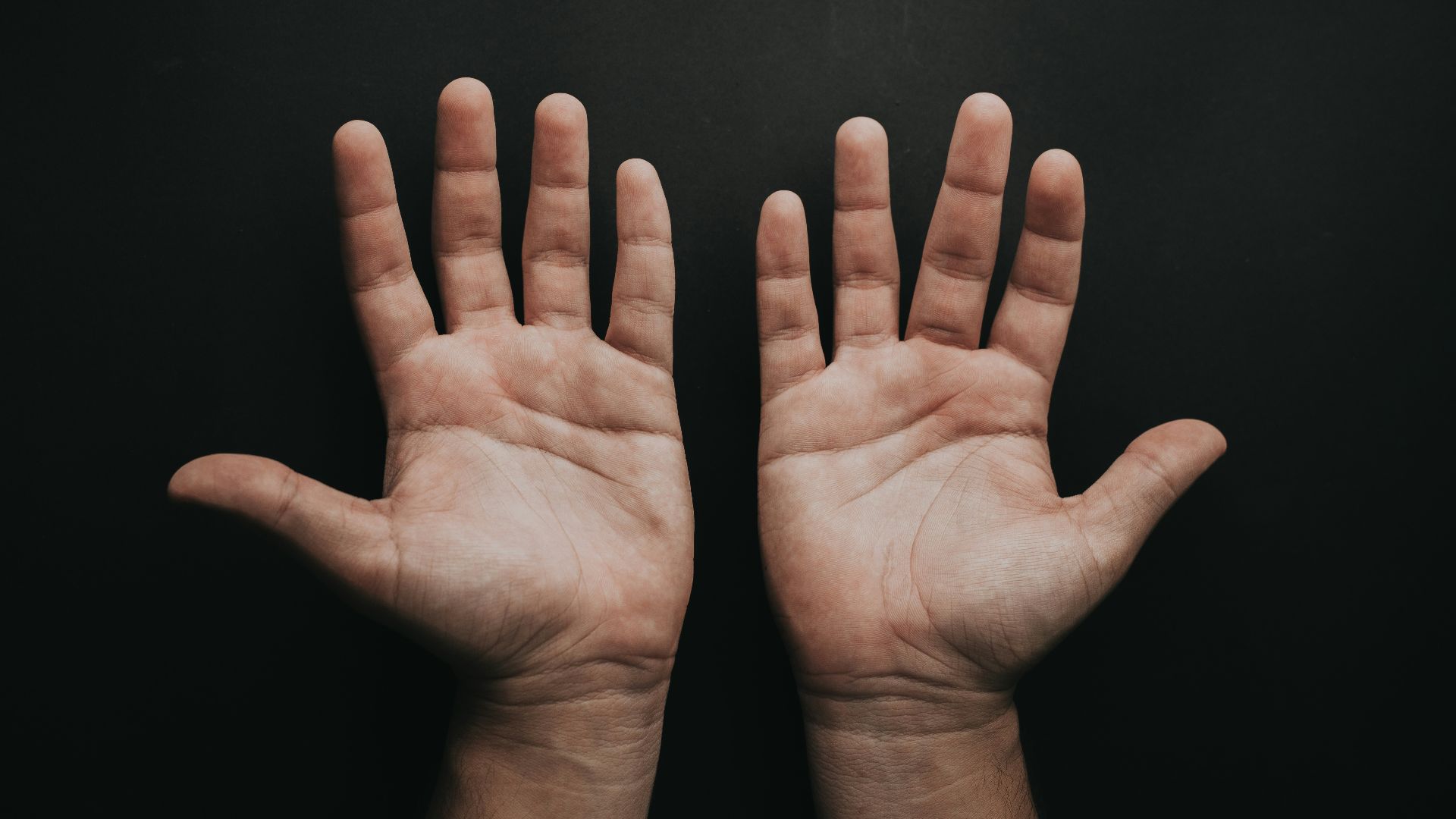
Burning, prickling, numbness, or weakness in the hands may indicate nerve irritation or damage. Conditions such as diabetes and vitamin B12 deficiency are potential causes, especially when symptoms persist, spread, or are accompanied by balance problems or unusual fatigue.
16. Swollen Knuckles
Swollen, tender knuckles accompanied by morning stiffness may be an early sign of inflammatory arthritis. If both hands are affected and stiffness lasts longer than the brief achiness from ordinary overuse, early evaluation is important, as ongoing inflammation can impact joint function over time.

17. Palm Lumps
Firm lumps or cord-like bands in the palm may indicate Dupuytren’s contracture. Over time, this condition can cause one or more fingers to pull inward, often affecting the ring or little finger, making it difficult to flatten the hand.
18. Shaky Hands
Mild shakiness can result from caffeine, stress, low blood sugar, poor sleep, or certain medications. A new or worsening tremor, especially when associated with weight loss, sweating, heat sensitivity, anxiety, or a racing heartbeat, may be linked to an overactive thyroid.

19. Cracked, Itchy Skin
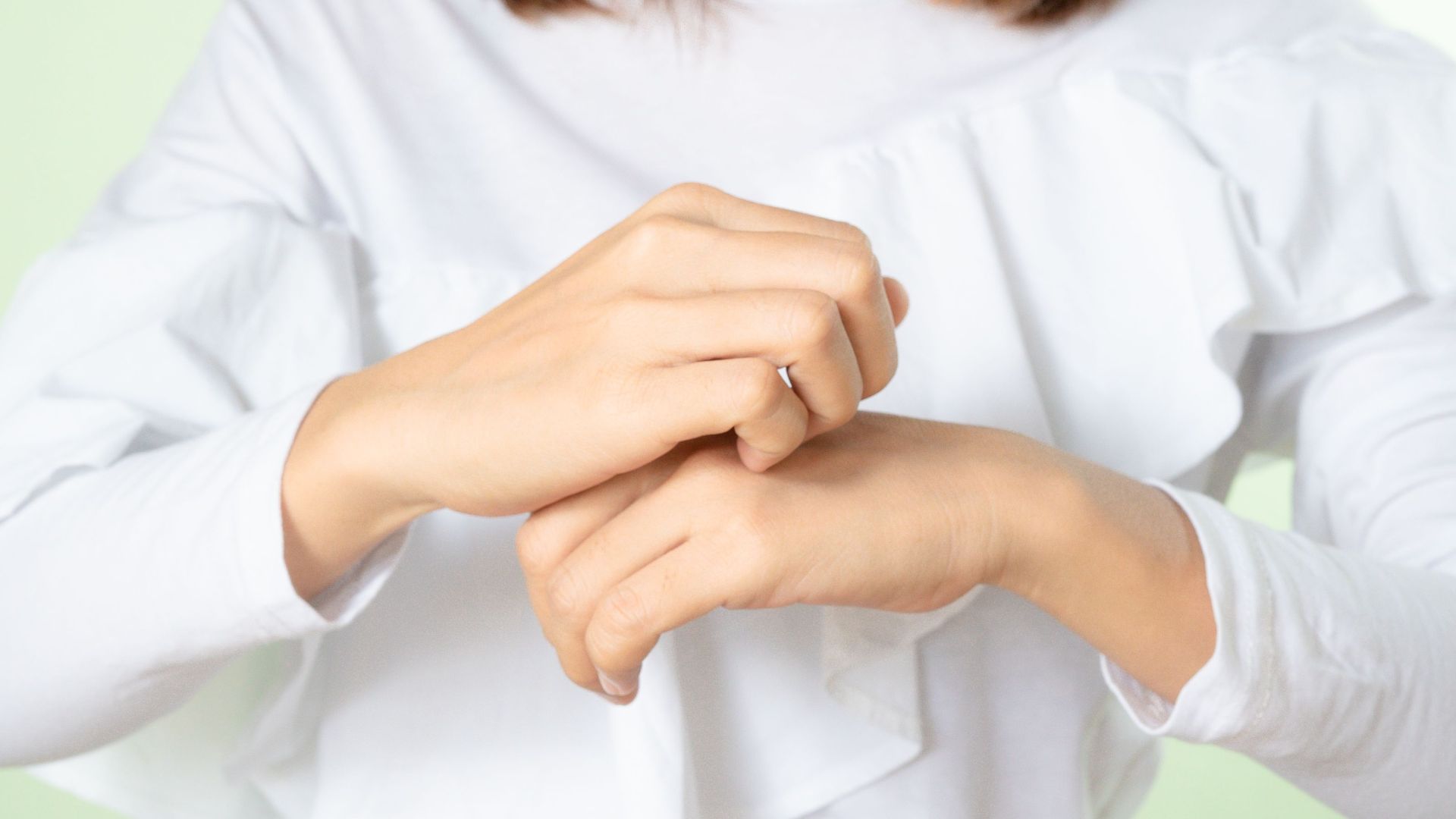
Dry hands are common, particularly in cold weather, with frequent washing, or exposure to harsh cleaners. However, if the skin becomes itchy, cracked, blistered, red, painful, or slow to heal, it may indicate hand eczema or contact dermatitis.
20. Persistent Hand Swelling
Temporary swelling in the hands can occur after exercise, heat exposure, travel, injury, or eating salty foods. However, sudden, severe, one-sided swelling that is painful or accompanied by shortness of breath, reduced urination, leg swelling, or chest discomfort should be taken seriously. It may reflect fluid retention, inflammation, injury, medication effects, or another issue that requires medical review.