
20 Things That Happen to Your Body When You Quit Coffee Cold-Turkey
Your Body Notices the Missing Caffeine Fast
Quitting coffee cold-turkey can feel surprisingly dramatic if your body is used to getting caffeine every day. Caffeine affects alertness, mood, blood vessels, digestion, and your daily routine, so removing it suddenly can create a few very obvious complaints. Most caffeine withdrawal symptoms are temporary, but they can still make the first few days feel rough, especially if you were a heavy coffee drinker. Here are 20 things that happen to your body when you quit drinking coffee.

1. Frequent Headaches
Headaches are one of the most common caffeine withdrawal symptoms. Caffeine affects blood vessels in the brain, so stopping suddenly can lead to changes that trigger pain. If you normally start every morning with coffee, your head may notice the missing ritual before your calendar does.
2. Your Energy Can Drop Hard
Coffee often masks tiredness by making you feel more alert. When you quit abruptly, your body has to adjust without that usual stimulant boost. This can leave you feeling heavy, slow, or ready for a nap at extremely inconvenient times.

3. You Might Feel Foggy
Difficulty concentrating can show up quickly after quitting coffee. Tasks that normally feel simple may suddenly require more effort, especially in the morning. Since caffeine blocks adenosine, a chemical involved in sleepiness, your brain may feel extra aware of fatigue for a while.
4. Your Mood May Dip
Caffeine can slightly influence brain chemicals involved in alertness and mood. Without it, some people feel flatter, gloomier, or less motivated for a few days. This doesn't mean coffee was your entire personality, even if it briefly feels suspiciously close.

5. You May Feel Irritable
Irritability is another classic caffeine withdrawal complaint. Little noises, slow walkers, cheerful emails, and unnecessary questions may all seem more annoying than usual. Giving people a warning that you quit coffee may be an act of kindness.

6. Your Sleepiness Can Increase
Caffeine helps keep drowsiness away, so quitting suddenly can make sleepiness much more noticeable. You may feel tired earlier in the day or struggle to stay alert through normal routines. This is especially common if coffee was covering up too little sleep.
7. You Might Feel Less Anxious Eventually
For some people, quitting coffee can reduce jitteriness, racing thoughts, or caffeine-related anxiety over time, but the first few days may not feel peaceful because withdrawal can be uncomfortable. Once your body adjusts, though, you may notice fewer caffeine spikes and crashes. If coffee made you feel wired more than energized, this can be one of the better surprises.

8. Your Digestive Routine May Change
Coffee can stimulate the digestive system, which is why many people associate it with morning bathroom habits. When you stop suddenly, things may slow down for a bit. Some people notice constipation, less urgency, or a disrupted routine.
9. You May Have Strong Coffee Cravings
Cravings can hit because your body and brain remember the caffeine, the taste, and the routine. The smell of coffee may feel personally unfair during the first few days. Cravings aren't only about the drug effect; they're also tied to habit, comfort, and timing.

10. Your Morning Routine May Feel Off
Coffee is often part of a larger routine, not just a beverage. You may miss the mug, the smell, the first sip, the coffee shop stop, or the feeling of beginning the day a certain way. When that disappears overnight, mornings can feel strangely incomplete.

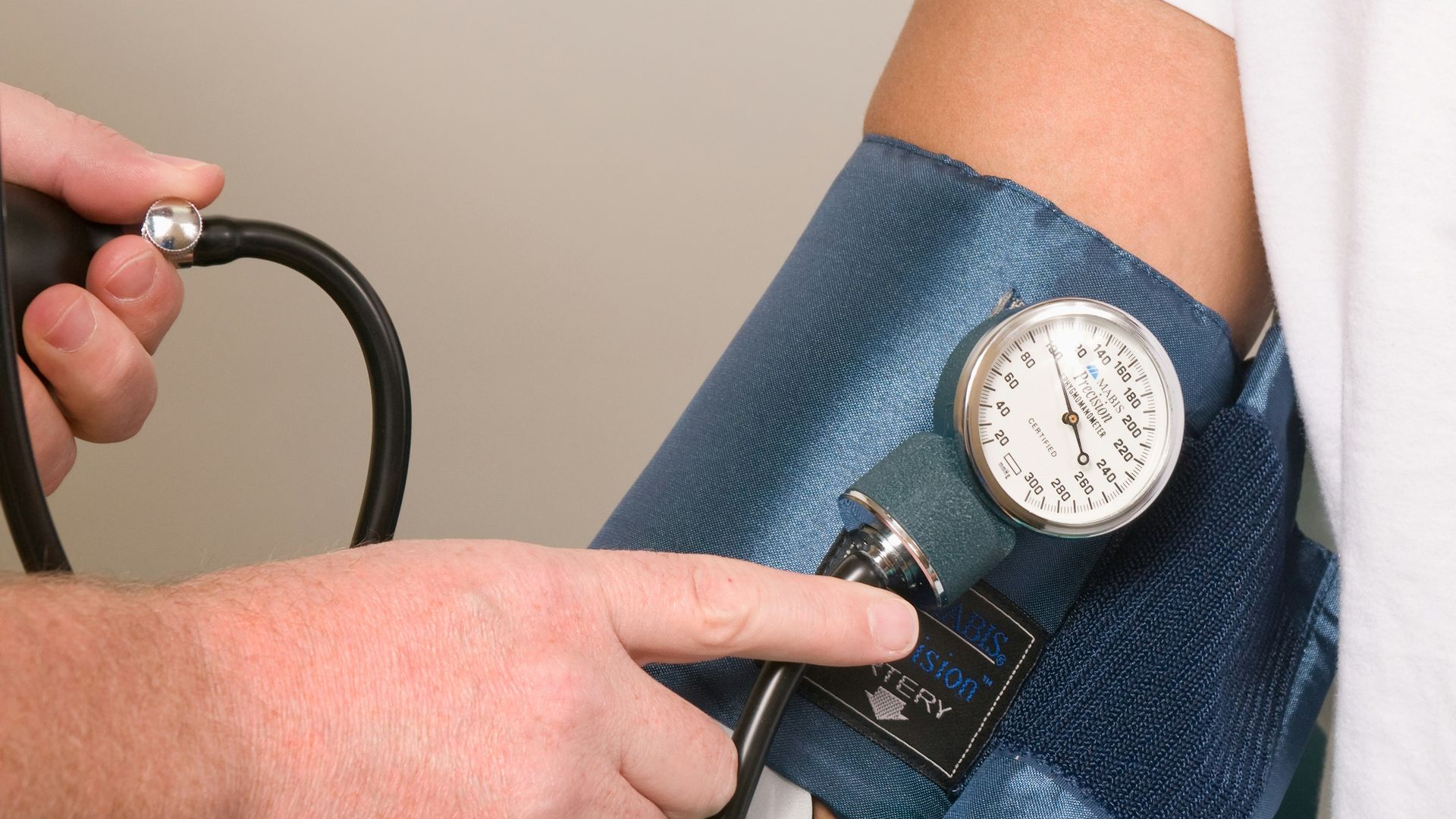
11. Your Blood Pressure May Shift
Caffeine can temporarily raise blood pressure in some people. When you quit, those short-term caffeine-related bumps may decrease, though individual responses vary. This doesn't mean quitting coffee is automatically a blood pressure treatment, but it may help for some.
12. You Could Feel Flu-Like
Some people describe caffeine withdrawal as feeling a little sick. Muscle aches, tiredness, nausea, and general discomfort can show up, especially after heavy daily use. It's not the flu, but it can make you feel run-down enough to resent every beverage decision you ever made.

13. Your Workouts May Feel Harder at First
Caffeine can improve perceived energy and alertness, so exercise may feel tougher when you suddenly remove it. A workout that normally feels manageable might seem heavier or less exciting for a few days. Your body can still move without coffee, but it may complain during the adjustment period.
14. Your Appetite Might Change
Coffee can affect appetite differently from person to person. Some people feel hungrier when they quit because caffeine was muting their appetite, while others notice less stomach irritation and feel more normal. If your usual coffee came with sugar, cream, or flavored syrups, quitting may also change your calorie intake.

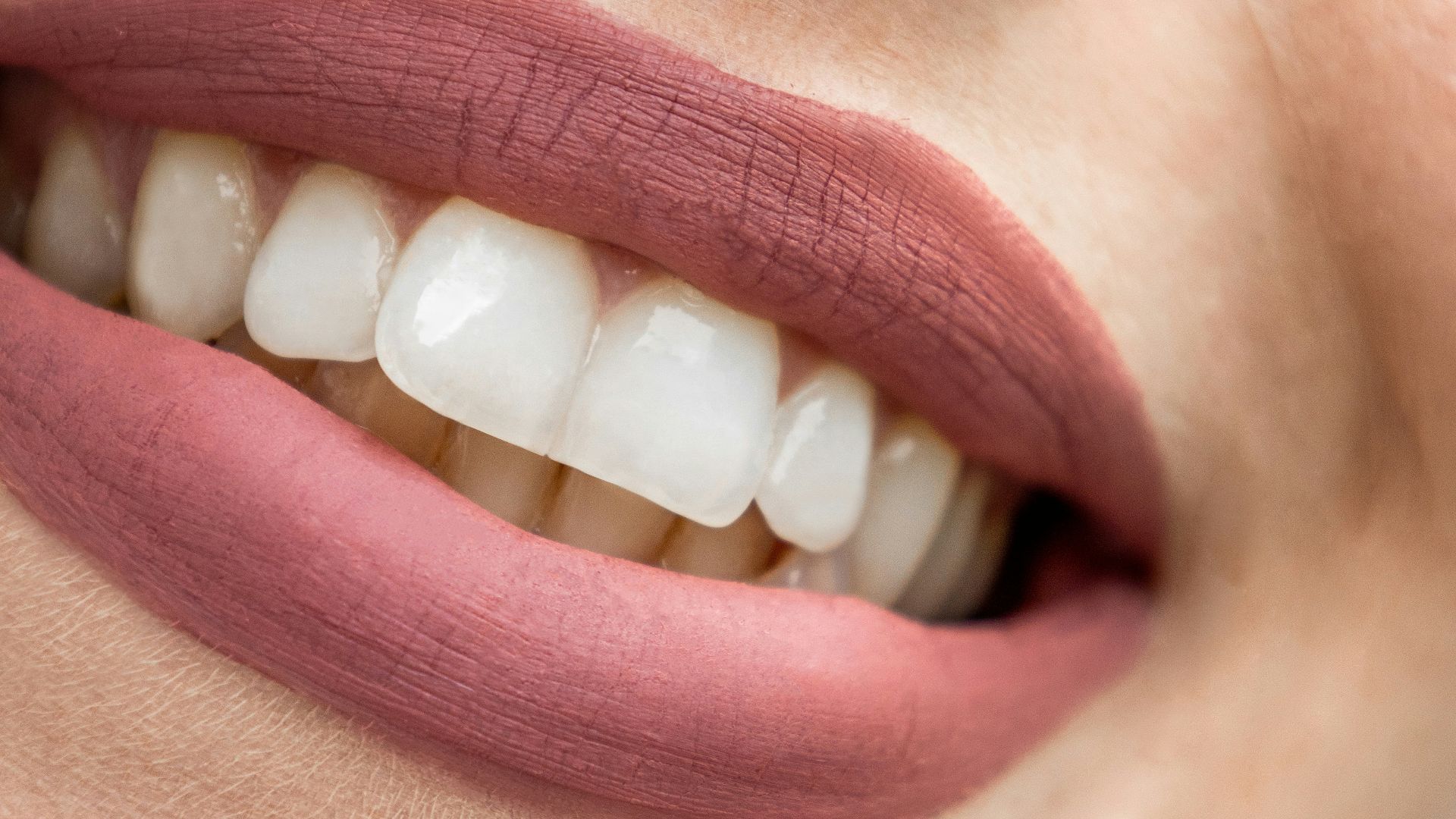
15. Your Teeth May Stain Less Over Time
Coffee is famous for leaving stains on teeth. When you stop drinking it, you remove one of the daily sources of discoloration. This doesn't instantly make your smile brighter, because existing stains may still need cleaning or whitening.
16. Your Hydration Habits May Improve
Coffee can contribute fluid, but some people use it as a stand-in for water all day. When you quit, you may become more aware of how little plain water you were drinking. Replacing coffee with water or herbal tea can support hydration habits.

17. Your Sleep May Improve After Adjustment
Caffeine can interfere with sleep, especially when consumed later in the day or by people who are sensitive to it. Once caffeine is out of your routine, you may fall asleep more easily or sleep more deeply. This improvement may not happen immediately if withdrawal makes you feel off, but after the rough patch, better sleep can become one of the clearest benefits.

18. Your Energy May Become More Even
Coffee can create noticeable highs and lows for some people. Without caffeine, you may eventually feel less of a sharp morning lift followed by a midafternoon slump. Your energy may start depending more on sleep, food, movement, and stress instead of a cup with steam coming out of it.

19. Your Symptoms Usually Peak & Then Fade
Caffeine withdrawal often begins within about 12 to 24 hours after stopping. Symptoms commonly peak within the first couple of days and may last several days, though the timeline varies. Knowing that there is usually an endpoint can make the process feel less mysterious.

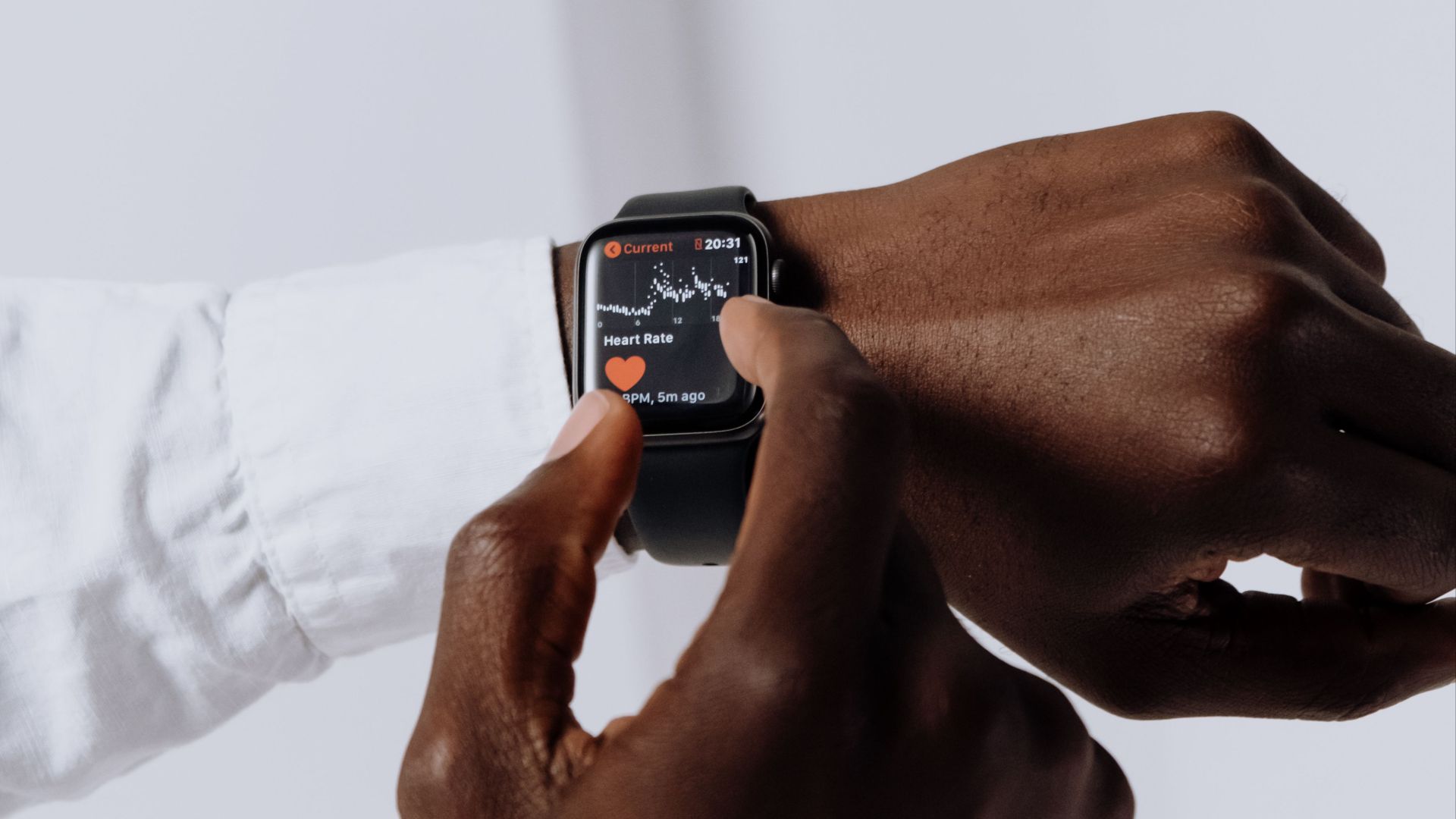
20. Your Heart Rate May Settle Down
Caffeine can make some people feel their heart beating faster or more noticeably, especially if they're sensitive to it. When you quit coffee, those caffeine-related flutters or wired feelings may ease over time. This doesn't happen for everyone, but for some former coffee drinkers, a calmer heartbeat is one of the more noticeable physical changes.