Small Things Add Up
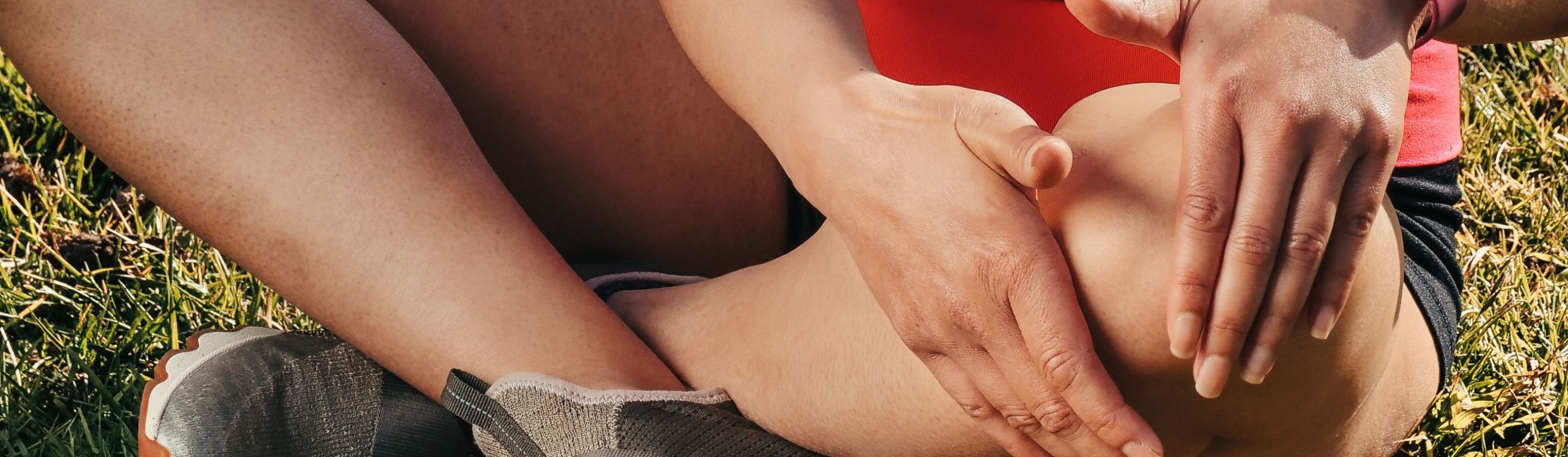
Joint stiffness has a way of turning up in the small, irritating parts of the day. You stand up after a long drive and need a second before everything cooperates. You wake up after sleeping badly and feel older than you did the night before. Sometimes there is a clear reason, like arthritis or an old injury, and sometimes it feels like your body is simply objecting to how the week has gone. Either way, everyday habits can make stiffness hang around longer than it needs to. Here’s 20 common habits that can make joint stiffness worse.

1. Sitting For Too Long
Long stretches of sitting can make standing up feel harder than it should. When the body stays in one position for hours, movement can feel awkward at first, especially after a full workday at a desk. A short break before you actually feel stiff can help.

2. Skipping A Warm-Up
Cold joints usually do not respond well to sudden effort. If you go straight from sitting to exercise or heavy chores, stiffness may show up before your body has had time to settle into the work. A slower start gives everything a chance to adjust.

3. Avoiding Movement Completely
Rest can help during a rough flare, but too much stillness can make stiffness dig in. Joints tend to feel better when they get steady, gentle movement across the day. The goal is not a heroic workout; it is keeping the body from staying quiet too long.

4. Doing Too Much At Once
A quiet week followed by one ambitious afternoon can leave you sore for days. The issue is often the sudden jump, not the activity itself. Joints usually prefer a gradual return, even when your motivation arrives all at once.
5. Letting Muscles Get Weak
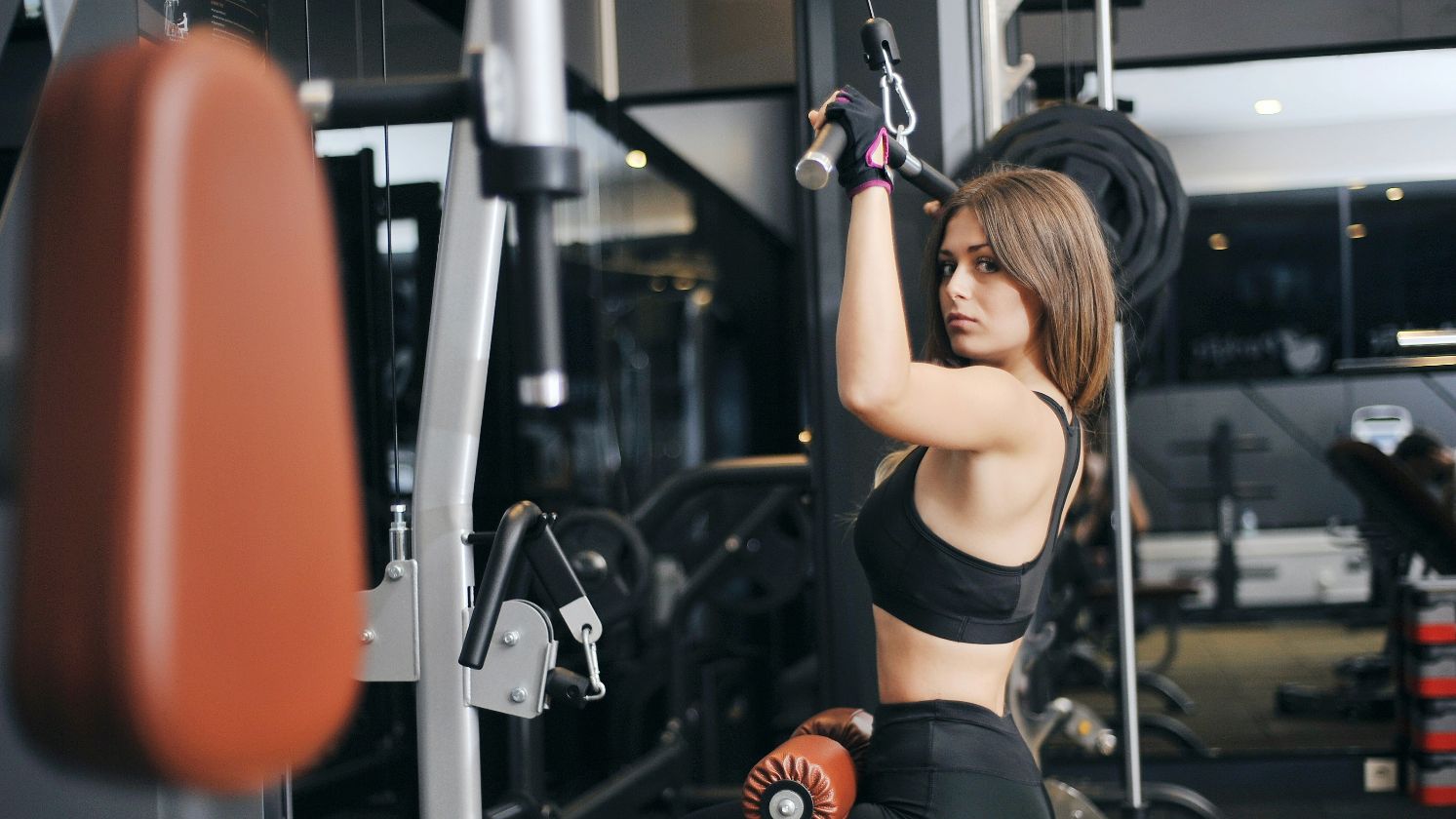
Joints rely on the muscles around them more than most people notice. When those muscles lose strength, everyday movement asks more from the joint itself. That can make ordinary things feel more demanding.

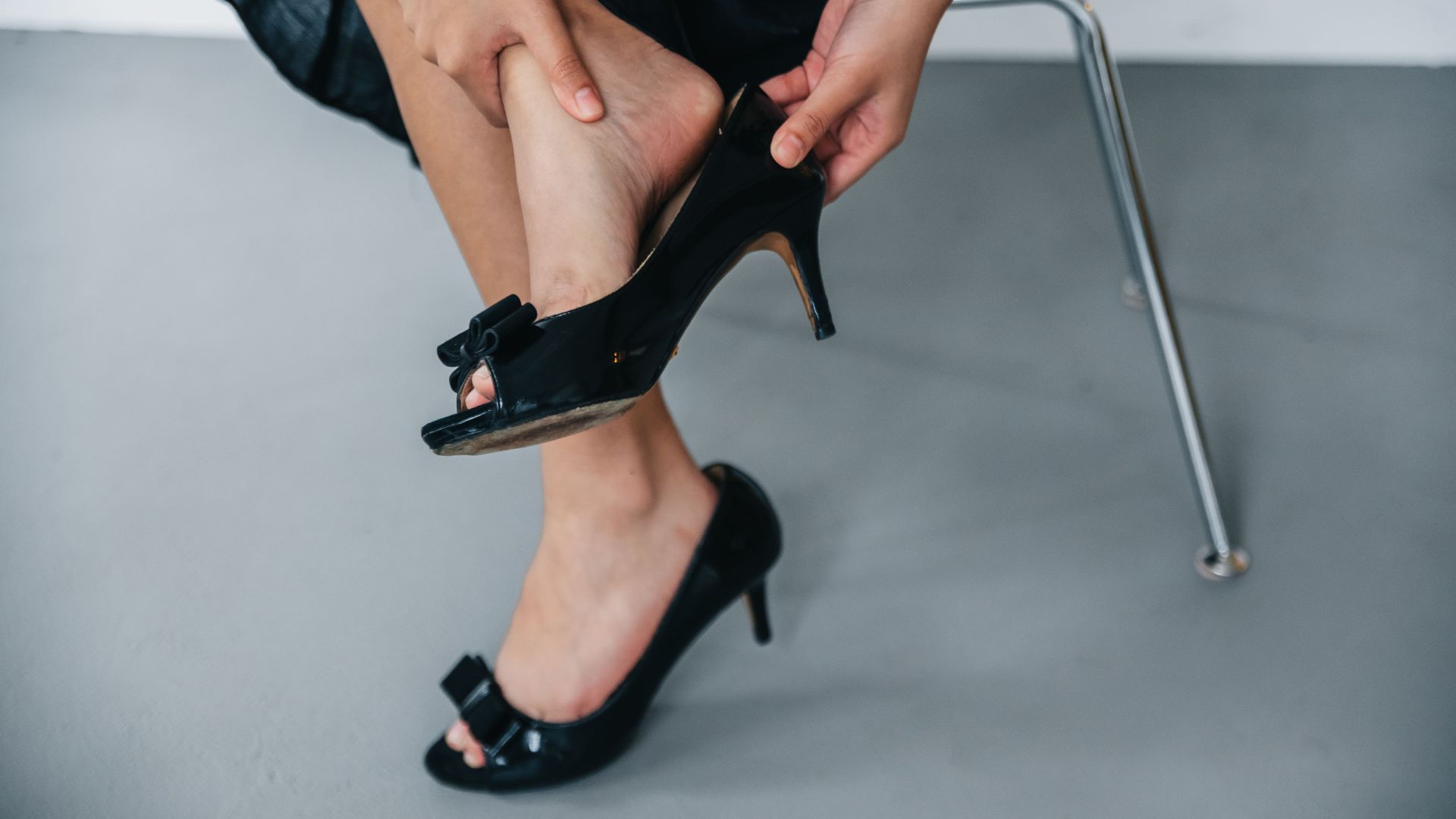
6. Wearing Shoes That Do Not Support You
Shoes change how your body absorbs each step. If they are worn down or too flimsy, your joints may feel the difference long before the shoes look truly finished. The wrong pair can quietly change your stride.
7. Staying In The Same Position
Stiffness can build when the body holds one shape for too long. Even standing can become uncomfortable if you always shift your weight onto the same side. Changing position regularly keeps one area from taking the whole job.
 LinkedIn Sales Solutions on Unsplash
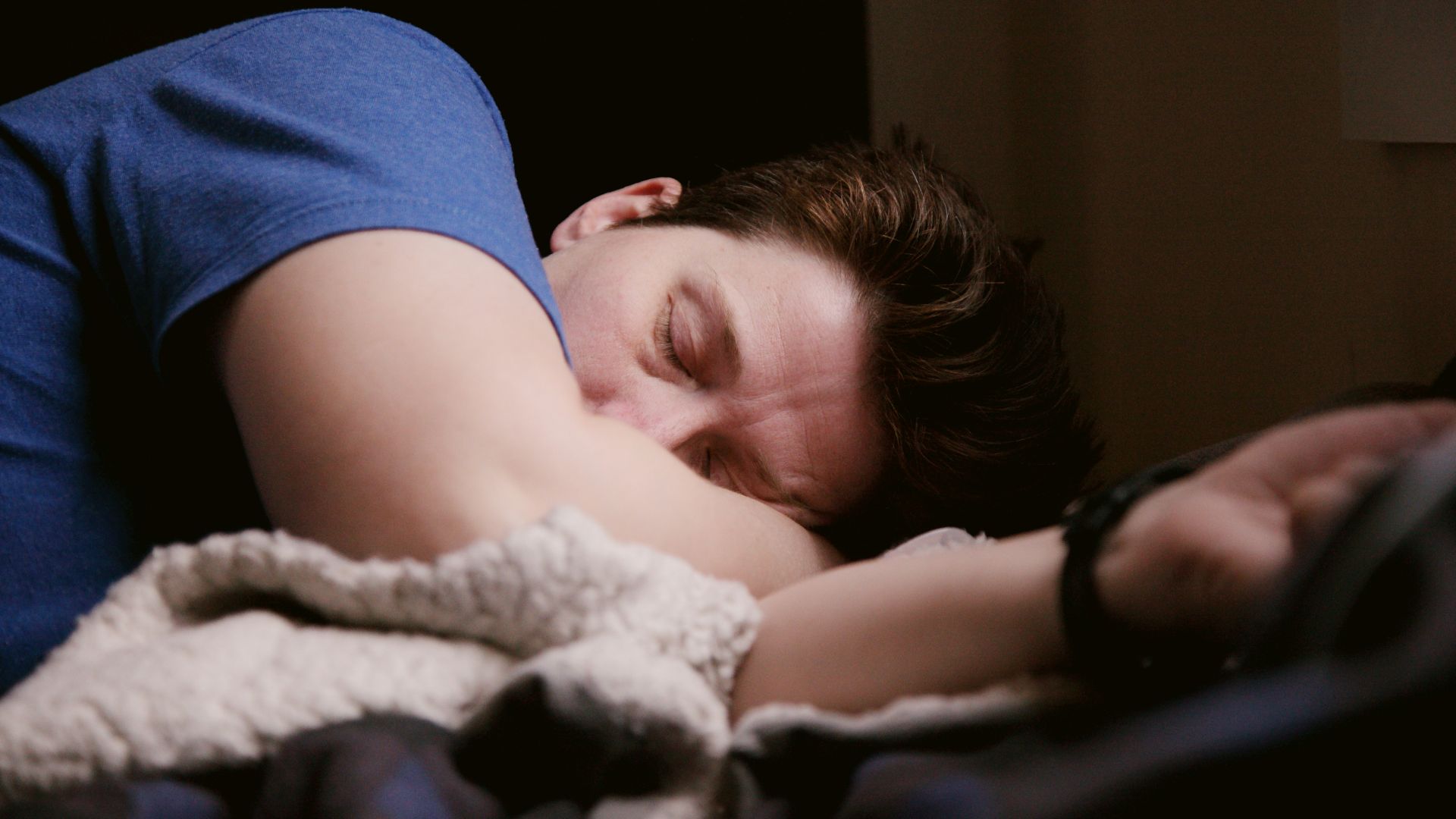
8. Sleeping In A Bad Position
A strange sleep position can make the morning feel harder. If one joint stays bent or pinned for hours, it may feel tight before your feet hit the floor. Sometimes the issue is the shape your body held all night.
9. Getting Poor Sleep
Bad sleep can make pain feel louder. It also makes small helpful habits easier to skip, especially when you wake up tired and behind. Stiffness feels more irritating when your patience is gone before breakfast.

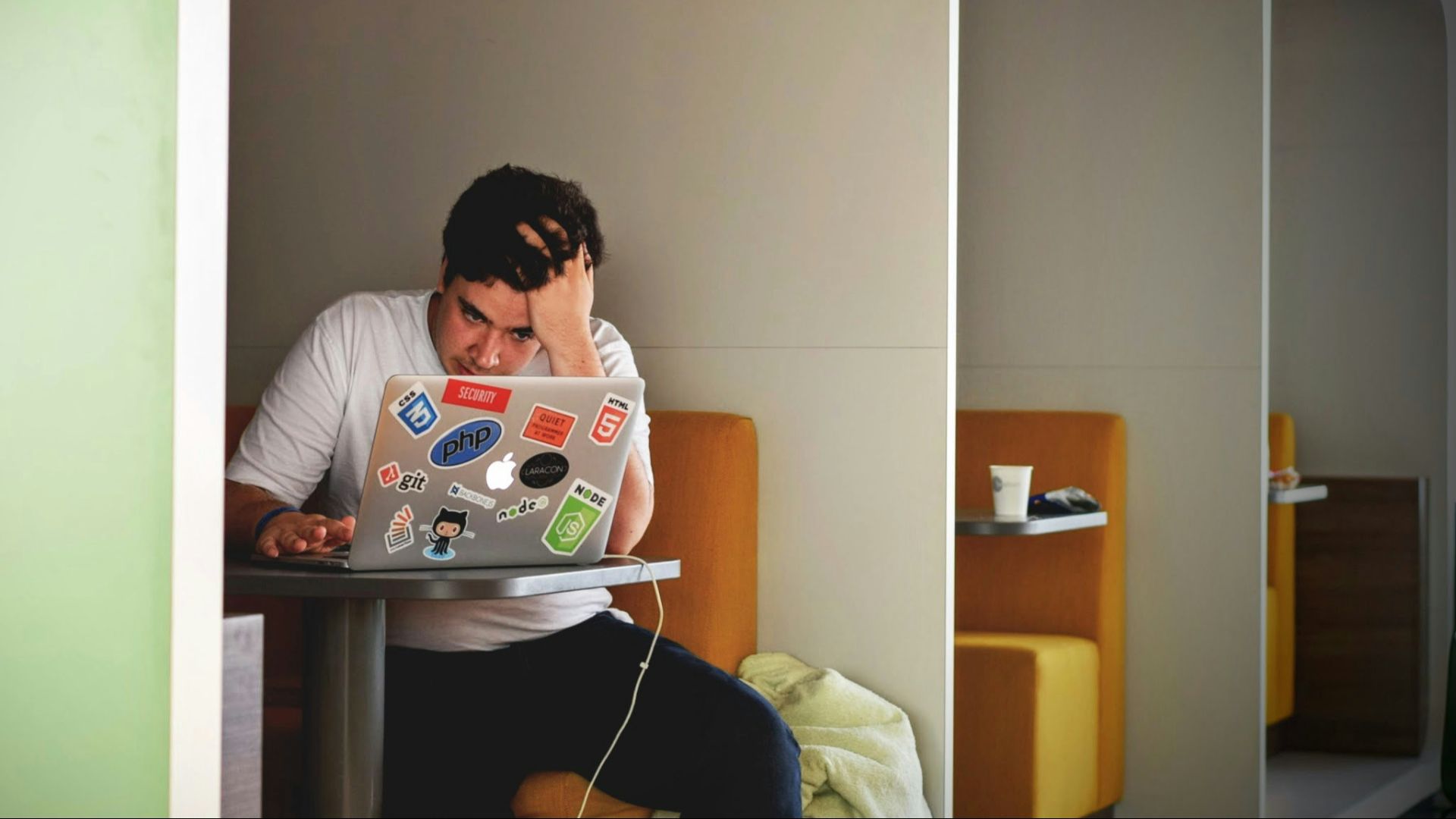
10. Letting Stress Build Up
Stress often shows up as muscle tension before you fully register it. When the body stays braced for hours, nearby joints can feel more restricted. You may not notice until your shoulders finally drop at the end of the day.
11. Stretching Only When You Hurt
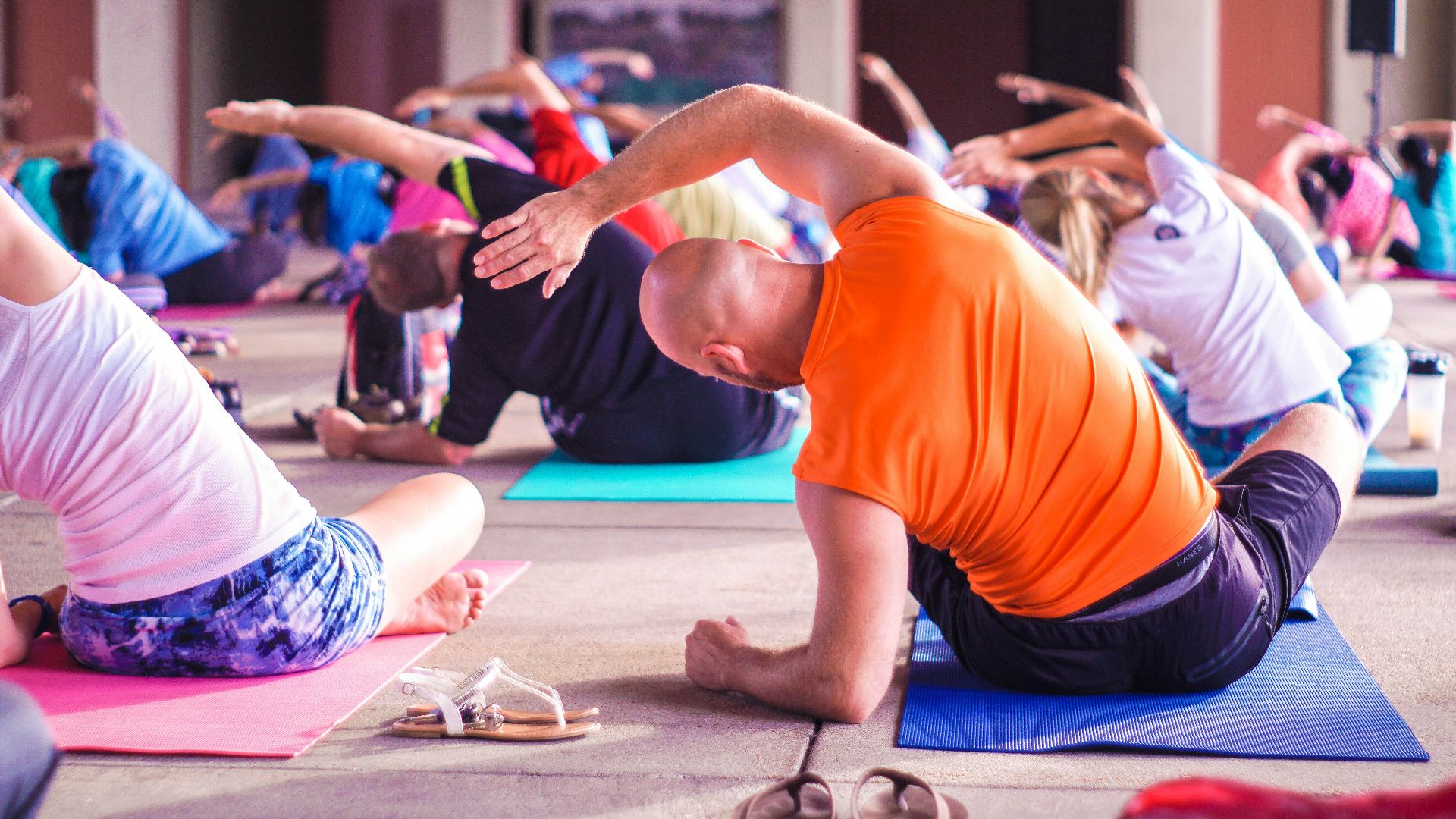
Stretching does not have to be intense to help. Waiting until stiffness is already uncomfortable can make it harder, while a few easy movements during the day often feel more natural. It works better as maintenance than as a last-minute fix.
 Christopher Campbell on Unsplash
12. Pushing Through Sharp Pain
There is a difference between effort and pain that feels wrong. If a movement causes sharp or worsening pain, forcing it can leave the joint more irritated. Backing off early is often smarter than waiting until the body makes the decision for you.

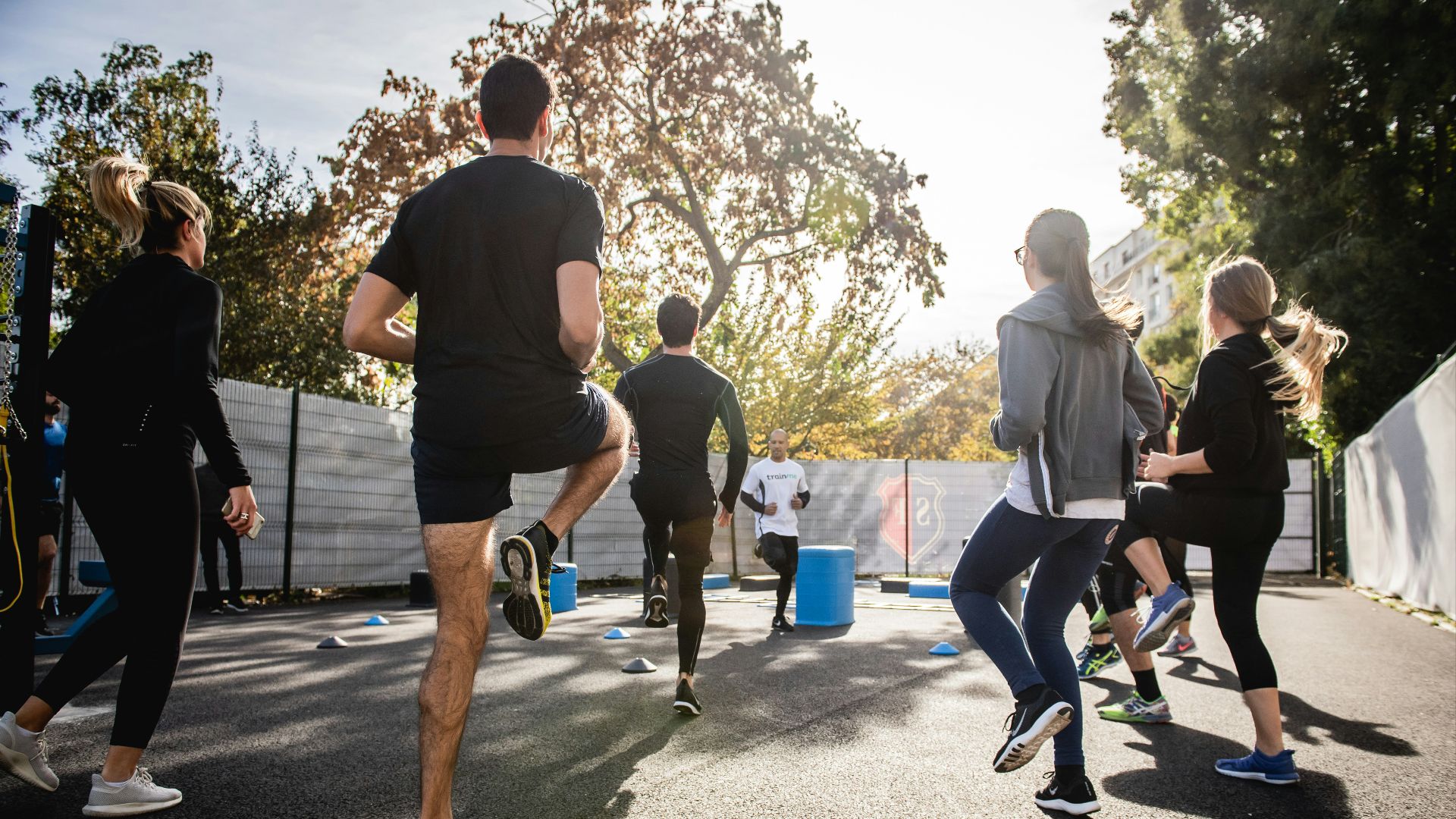
13. Overdoing High-Impact Exercise
Some bodies tolerate impact well, and some do not. If a certain workout leaves you stiff for several days, it may be worth changing the pace instead of treating soreness as proof of progress. Lower-impact work can still be real work.
14. Skipping Recovery Days
Recovery is not only for serious athletes. Joints and soft tissue need time to calm down after harder activity, especially when you are coming back from a less active stretch. Taking a lighter day is not the same as doing nothing.

15. Ignoring Your Desk Setup
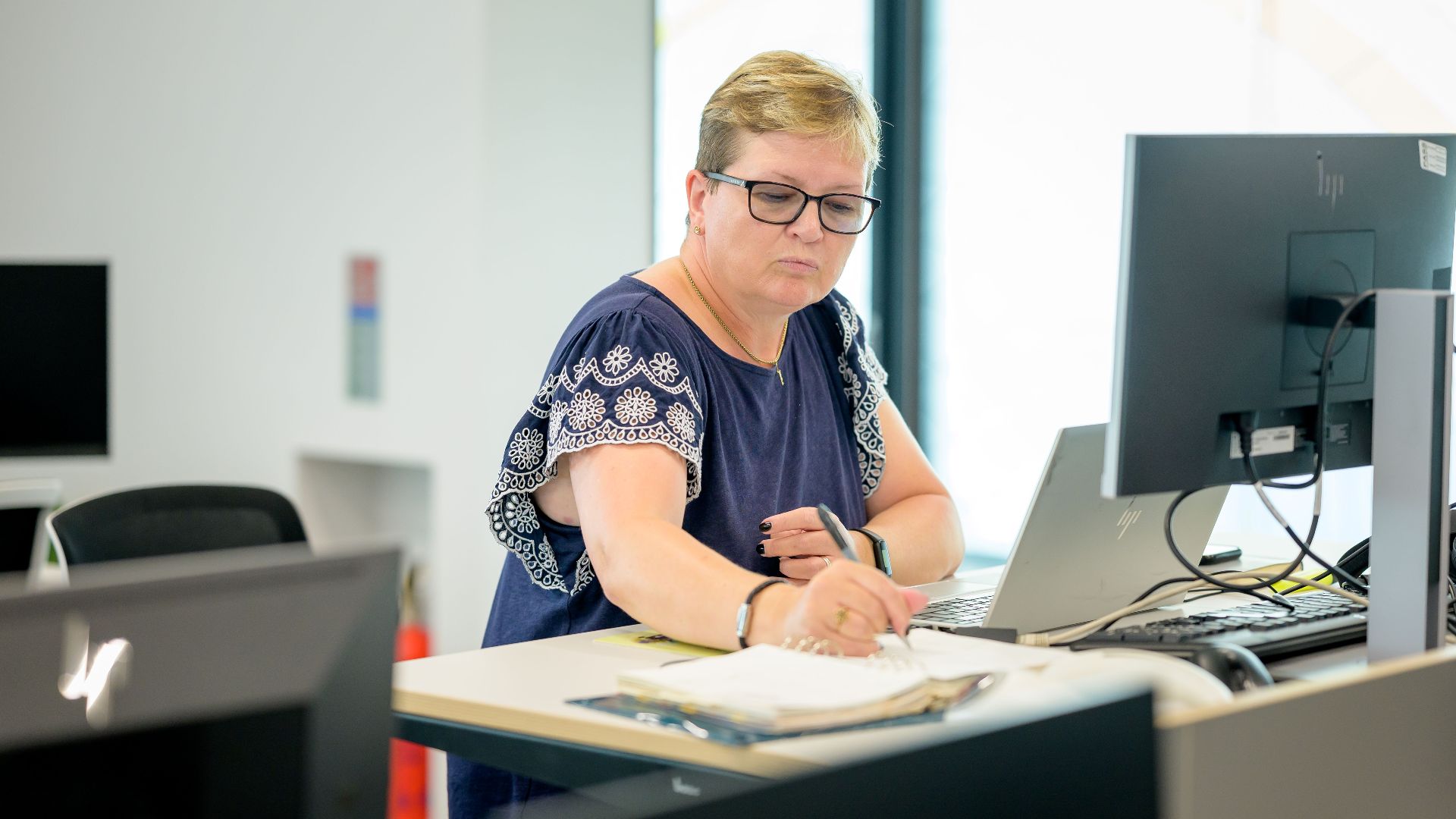
A laptop on the couch may be fine for a short task, but it can wear on you over a full day. A screen set too low or a chair with no support can make stiffness creep in slowly. You often feel the problem later, when work is already done.
 Centre for Ageing Better on Pexels
16. Carrying A Heavy Bag On One Side
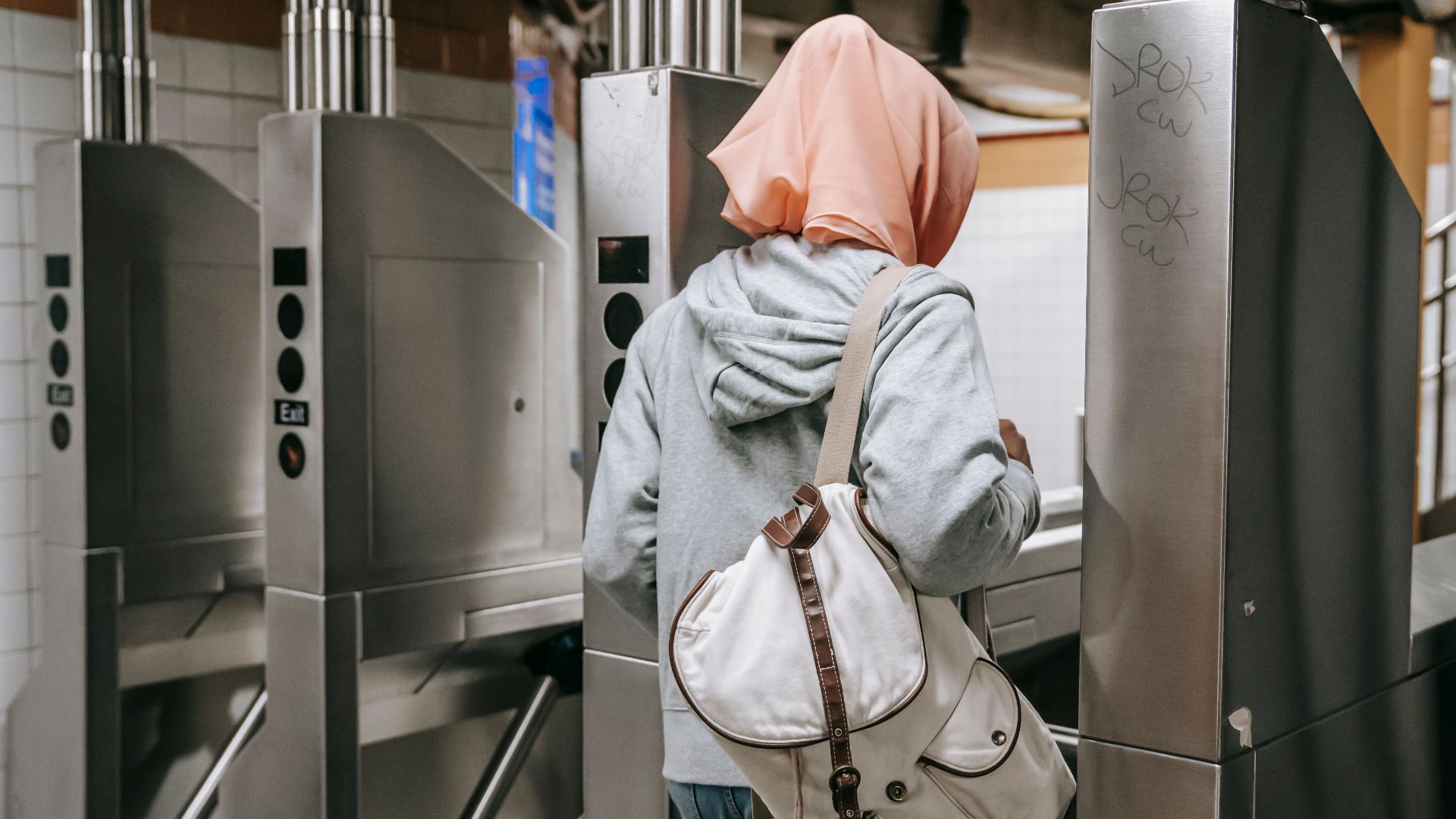
A heavy bag on one shoulder can change how you stand and walk. Over time, that uneven load may make stiffness more likely, especially if you carry it the same way every day. Switching sides helps, but so does carrying less when you can.
17. Repeating The Same Motion
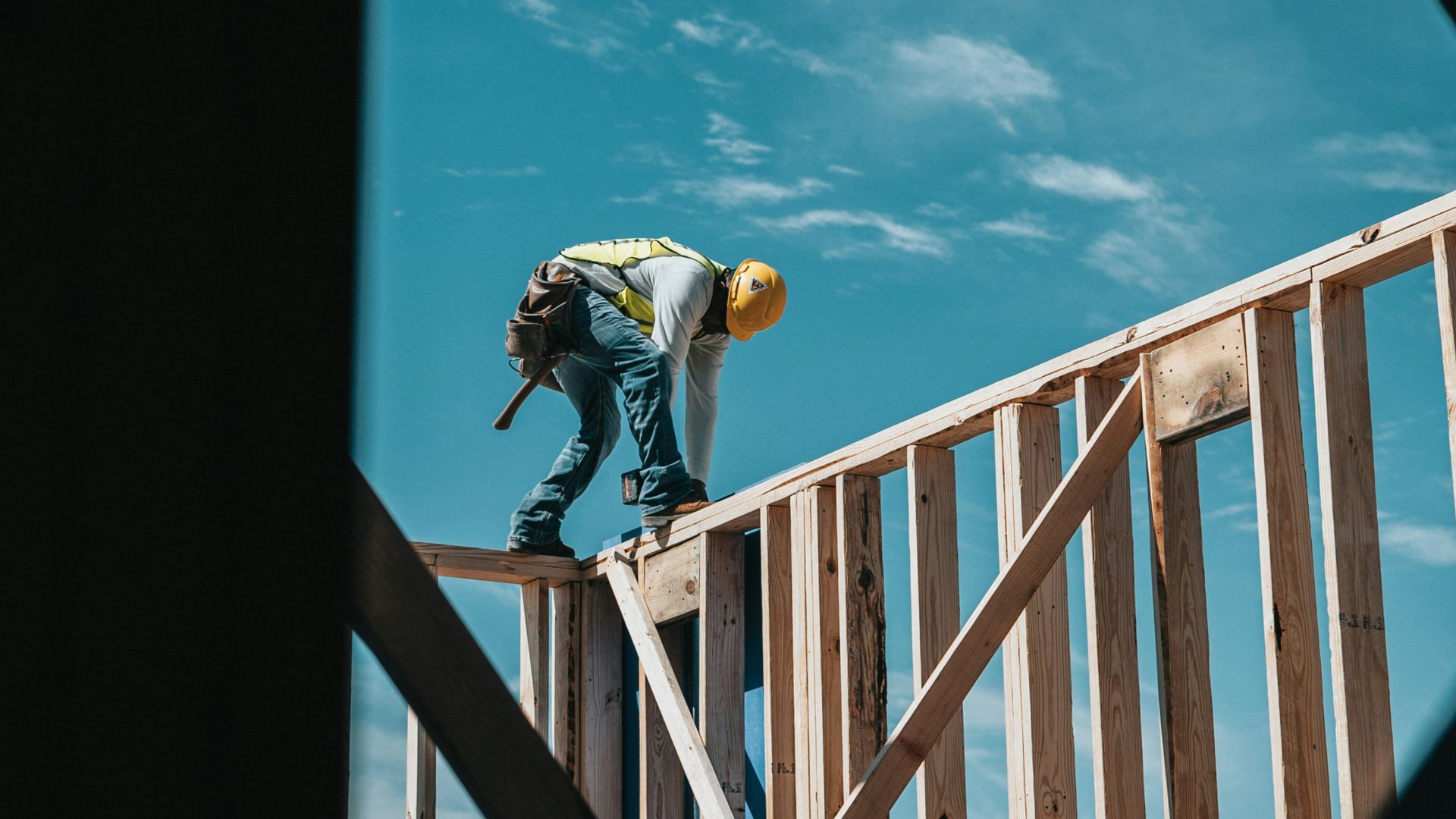
Small repeated motions can bother joints more than expected. Typing with tense hands or gripping tools too tightly may not seem like much at first, but irritation can build. The body notices repetition even when the task feels ordinary.
18. Relying Too Much On Braces
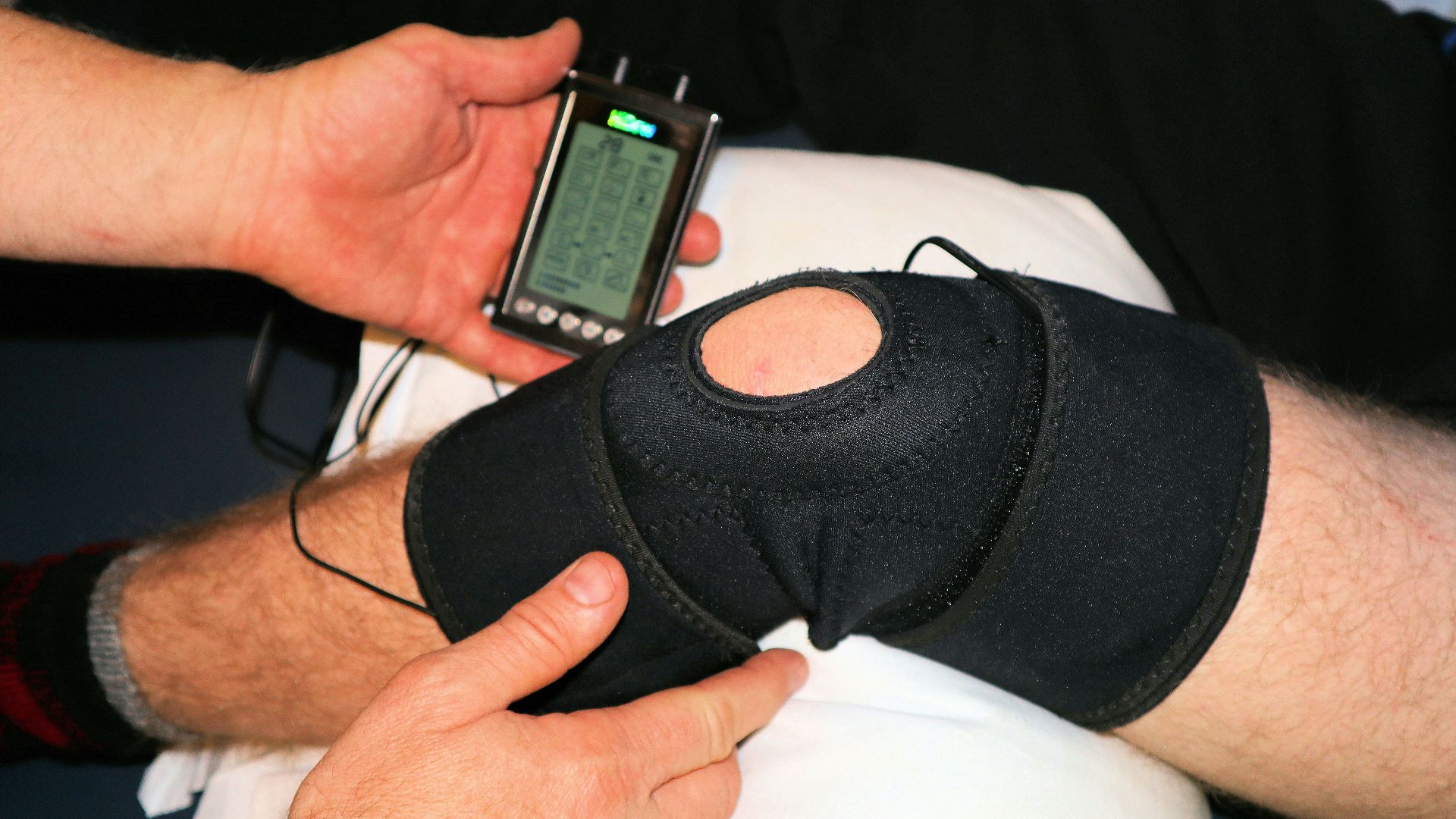
A brace can be useful during a flare or after an injury. But wearing one constantly without guidance may keep the supporting muscles from doing enough work. Support helps most when it is part of a plan, not the whole plan.
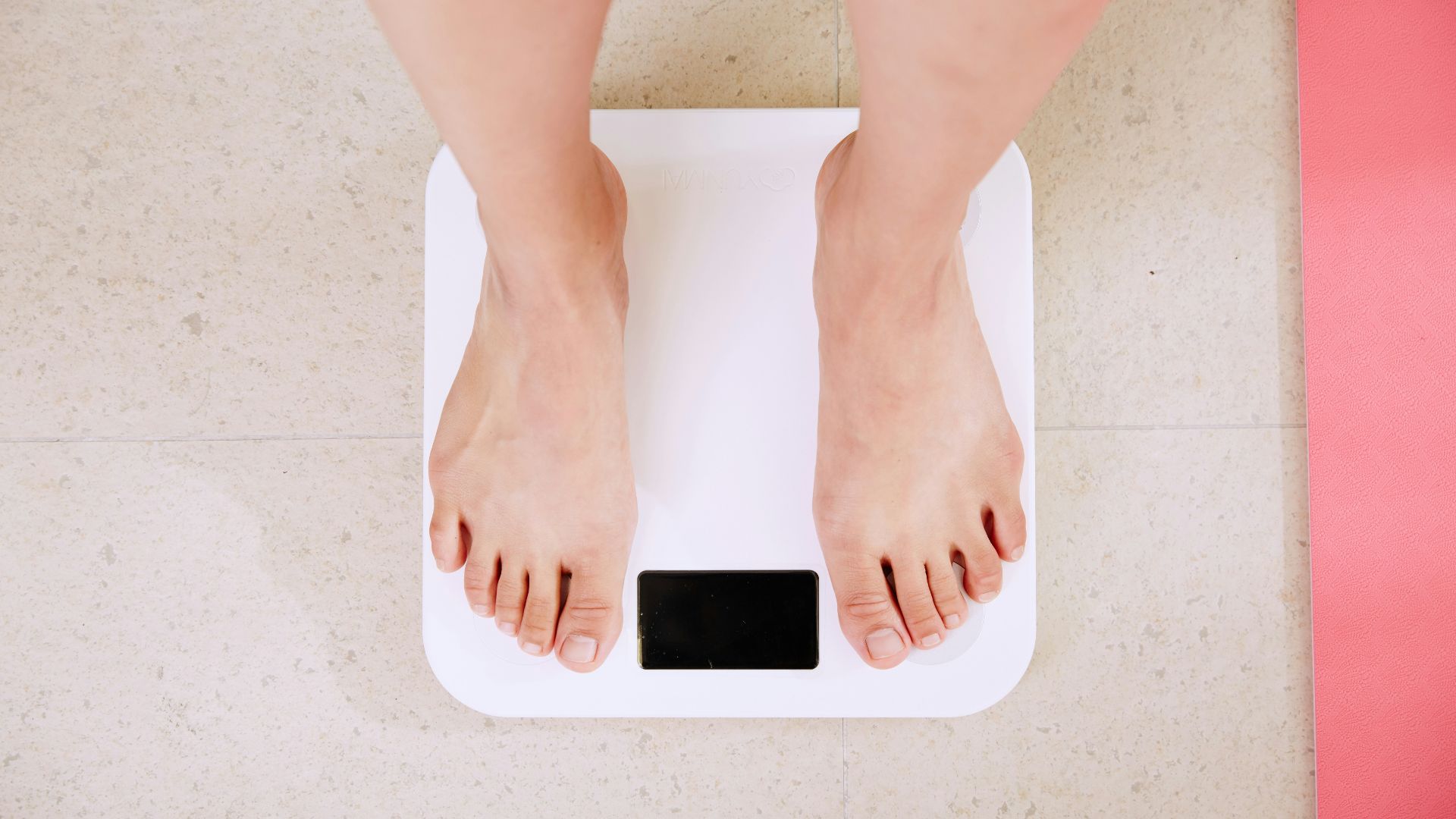
19. Ignoring Extra Load
Extra weight or heavy carrying can make stiff joints feel worse over time. This is not about blame; it is about noticing how much force the body absorbs during ordinary movement. Even small reductions in strain can feel meaningful.
20. Putting Off Medical Advice
Stiffness that keeps coming back deserves attention. If a joint is warm, swollen, suddenly painful, or hard to move, it is better to get it checked than to keep guessing.

KEEP ON READING



20 Ways to Deal With Your Sweet Tooth

20 Low-Impact Exercise Ideas For People Over 50