
How Much of a Mental Workout Are Escape Rooms?
If you've ever attempted an escape room with a group of friends, you probably know how much they challenge your brain and your sense of logic. But while the puzzles nested in them can definitely make you think, can they really help train your brain and make you smarter? Whether you’re searching for clues, testing ideas, discussing with teammates, or adjusting your problem-solving skills in real time, here are 10 ways escape rooms can sharpen certain mental habits, along with 10 ways they might fall short.

1. They Strengthen Problem-Solving Skills
Escape rooms push you to look at a problem from several angles before deciding what to try next. You might need to connect a symbol to a number, match a clue to a lock, or figure out which pieces of information actually matter. This process trains your brain to move beyond the first obvious answer. Over time, it can help you become more comfortable working through uncertainty instead of freezing when a solution isn’t immediate.
 Airman 1st Class Tryphena Mayhugh on Wikimedia
2. They Encourage Pattern Recognition
Many escape room puzzles depend on noticing repeated shapes, colors, numbers, sounds, or sequences. Your brain has to sort through visual and written information to identify what’s meaningful. This can help improve your ability to spot patterns in a busy environment, which is useful because real-life problems often involve noticing subtle connections.
 Gerrie van der Walt on Unsplash
3. They Build Attention to Detail
Small details often matter in escape rooms, whether it’s a misplaced object, a hidden mark, or a word that seems slightly unusual. You learn to slow down enough to inspect your surroundings without overlooking important clues. This kind of careful observation can strengthen your focus. It also reminds you that rushing can cause you to miss information that would have made the task much easier.

4. They Improve Short-Term Memory
During a game, you may need to remember a code, a symbol, a clue someone mentioned, or the location of an item you found earlier. Since escape rooms often involve several puzzle threads at once, your short-term memory gets a steady workout; you'll need to hold onto useful information long enough to apply it. That makes the experience more active than simply trying to remember a list.
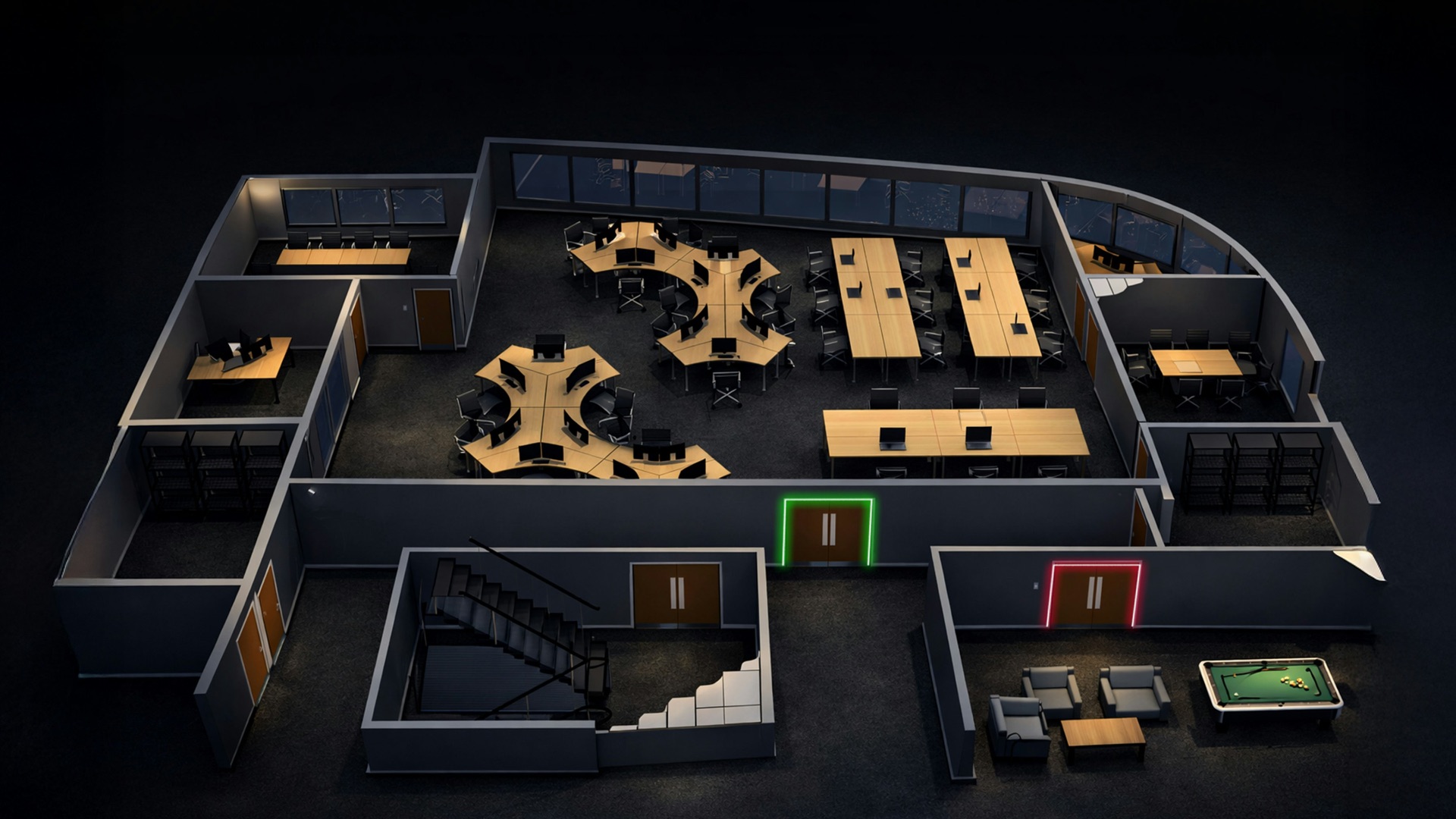
5. They Support Flexible Thinking
Escape rooms reward players who can change direction when an idea doesn’t work. You may start with one assumption, test it, and then realize the clue points somewhere else entirely. That kind of mental flexibility helps you practice letting go of a wrong approach without feeling stuck. It’s a useful habit because many everyday challenges require adjusting your plan as new information appears.

6. They Teach Better Team Communication
A successful escape room team usually needs people to share discoveries clearly and listen when others notice something important. You can’t solve much if everyone keeps information to themselves or talks over one another. The game trains you to explain what you found, ask useful questions, and build on someone else’s thinking. That makes it a helpful exercise in communication, not just puzzle-solving.

7. They Help You Practice Time Management
The ticking clock in an escape room forces you to decide how long to spend on one puzzle before moving on. You have to balance persistence with efficiency, which isn’t always easy. This can make you more aware of how time pressure affects your thinking. It also gives you practice recognizing when a task needs fresh eyes or a different strategy.

8. They Develop Logical Reasoning
Many escape room puzzles require you to follow a sequence of clues and understand how one answer leads to another. You have to test whether your conclusion fits the available evidence. This trains logical reasoning because guessing usually isn’t enough to move forward. The more carefully you connect cause, clue, and result, the better your chances of solving the room.
 Volodymyr Hryshchenko on Unsplash
9. They Increase Comfort with Ambiguity
Escape rooms rarely tell you exactly where to begin, and that can feel uncomfortable at first. You have to start exploring before you fully understand the structure of the challenge. This teaches your brain to tolerate incomplete information while still making progress. That’s valuable because many real decisions begin with partial knowledge rather than perfect clarity.

10. They Boost Collaborative Confidence
When a team solves a puzzle together, each person can see how their contribution matters. Someone may notice a hidden clue, another person may interpret it correctly, and someone else may connect it to a lock or object. This kind of shared success can make people more confident in group problem-solving. It also shows that different thinking styles can be useful in the same challenge.
Still, escape rooms aren’t flawless brain-training tools. They can be stimulating and useful, but their benefits depend on how the room is designed and, ultimately, how the group works together. Here are 10 ways they may also fall short:

1. They Don’t Measure Intelligence Accurately
Doing well in an escape room doesn’t mean someone is smarter than everyone else, and struggling doesn’t mean the opposite. Many factors affect performance, including prior experience, puzzle style, group dynamics, stress level, and even how well the room is designed. A person might be excellent at reasoning but unfamiliar with escape room conventions. Because of that, these games shouldn’t be treated as serious tests of intelligence.
 BUDDHI Kumar SHRESTHA on Unsplash
2. They Can Reward Familiarity More Than Skill
People who have played several escape rooms often know what kinds of clues to look for. They may recognize common puzzle formats faster than beginners, even if their general reasoning skills aren’t stronger. This can make experience look like raw ability. While practice is valuable, it also means the game may favor players who already understand the format.
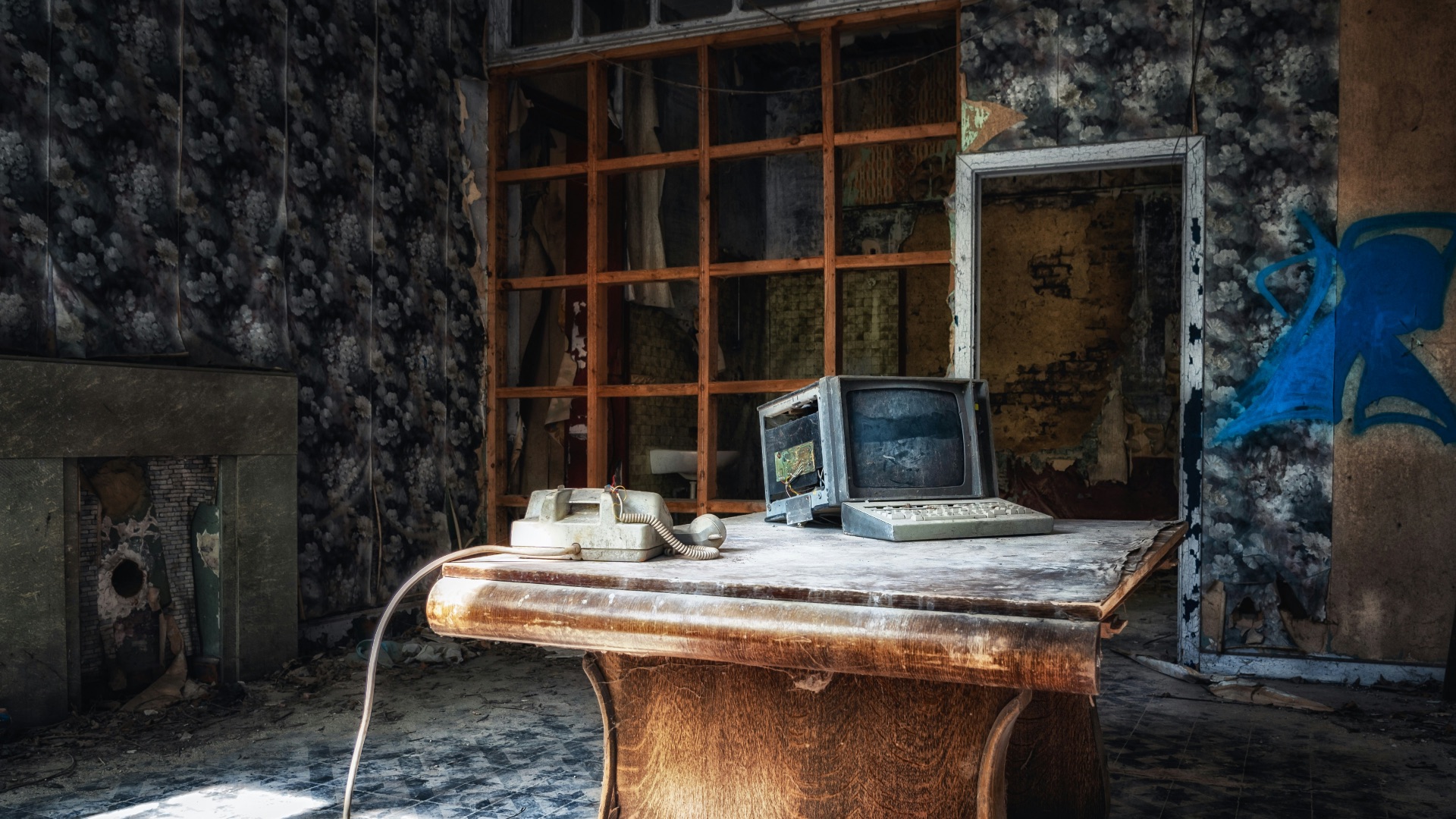
3. They Sometimes Rely on Artificial Puzzle Logic
Not every escape room puzzle reflects the way problems work outside the game. Some clues only make sense because the designer created a very specific path to the answer. If that path feels forced, players may end up trying to guess what the designer intended rather than reasoning naturally. This can limit how much the puzzle actually trains practical thinking.

4. They May Create Too Much Pressure
Time limits can make the experience exciting, but they can also make some players anxious or overwhelmed. When stress gets too high, people may stop thinking clearly and start rushing through clues. That doesn’t always produce useful mental training. For some players, the pressure may distract from learning rather than sharpen their focus.

5. They Can Leave Some Players Out
A group may unintentionally let one or two confident players dominate the room. When that happens, quieter participants may not get many chances to solve, search, or contribute. The experience becomes less helpful for the people who are mostly watching from the side. Escape rooms work best as brain training when everyone has meaningful opportunities to engage.

6. They Don’t Always Build Deep Knowledge
Escape rooms can strengthen mental habits, but they usually don’t teach much lasting subject knowledge. A history-themed room, for example, might include historical decorations without requiring real historical understanding. The goal is typically entertainment and puzzle progression, not education. That means the learning value may be broad but not especially deep.

7. They Can Encourage Guessing
When a team feels stuck, players may start entering random codes or trying combinations without understanding the clue. Sometimes that works, especially if the lock or puzzle allows repeated attempts. This can weaken the reasoning process because the team moves forward without knowing why. If guessing becomes the main strategy, the brain-training value drops.

8. They Depend Heavily on Room Quality
A well-designed escape room can feel challenging, fair, and satisfying. A poorly designed one can feel confusing, arbitrary, or frustrating for reasons that have little to do with the players’ abilities. Bad lighting, unclear instructions, broken props, or misleading clues can all interfere with the experience. In those cases, the room may test patience more than problem-solving.

9. They Offer Limited Repetition
Many mental skills improve through repeated practice, but most escape rooms are designed to be played only once. After you know the answers, the challenge loses much of its value. This makes it harder to use one room as an ongoing training tool. You can keep playing new rooms, but each one may train slightly different skills in a less controlled way.
10. They Don’t Guarantee Real-World Transfer
Solving puzzles in a themed room can feel mentally rewarding, but the skills don’t always carry over automatically into daily life. You may become better at escape room puzzles without becoming noticeably better at planning, studying, managing work, or making decisions. Transfer usually requires reflection on what you practiced and how it applies elsewhere. Without that step, the experience may remain fun but limited.

KEEP ON READING



20 Signs Your Body Is Asking for More Sleep

20 Ways Your Sleep Needs To Change After 50