Why Iron Matters More Than You Might Think
Iron plays a critical role in helping your body produce hemoglobin, the protein in red blood cells that carries oxygen throughout the body. When iron levels drop too low, everyday activities can start feeling surprisingly difficult as your tissues receive less oxygen than they need. While iron deficiency is one of the most common nutritional deficiencies worldwide, recognizing the warning signs and making smart dietary changes can often help improve your iron status over time. Here are 10 signs your iron is too low and 10 ways to improve your intake.
1. Persistent Fatigue
Feeling tired after a busy day is normal, but iron deficiency often causes exhaustion that doesn't improve with rest. Many people describe feeling drained even after getting a full night's sleep. This occurs because the body struggles to deliver enough oxygen to tissues and muscles.

2. Shortness Of Breath
Low iron levels can leave you feeling winded during activities that previously felt easy. Climbing stairs, carrying groceries, or taking a brisk walk may suddenly require more effort. Reduced oxygen transport is often responsible for this symptom.

3. Pale Skin
Paler-than-usual skin can sometimes indicate low iron levels. This change may be particularly noticeable in the face, inner eyelids, or nail beds. Reduced hemoglobin levels can decrease the healthy red coloration associated with good circulation.

4. Frequent Dizziness
People with iron deficiency may occasionally feel lightheaded or dizzy, especially when standing up quickly. The brain depends on a steady oxygen supply to function properly. When oxygen delivery decreases, dizziness can become more common.

5. Headaches
Recurring headaches can sometimes be linked to iron deficiency. Researchers believe reduced oxygen delivery to the brain may contribute to this symptom. While headaches have many possible causes, persistent episodes shouldn't be ignored.

6. Cold Hands And Feet
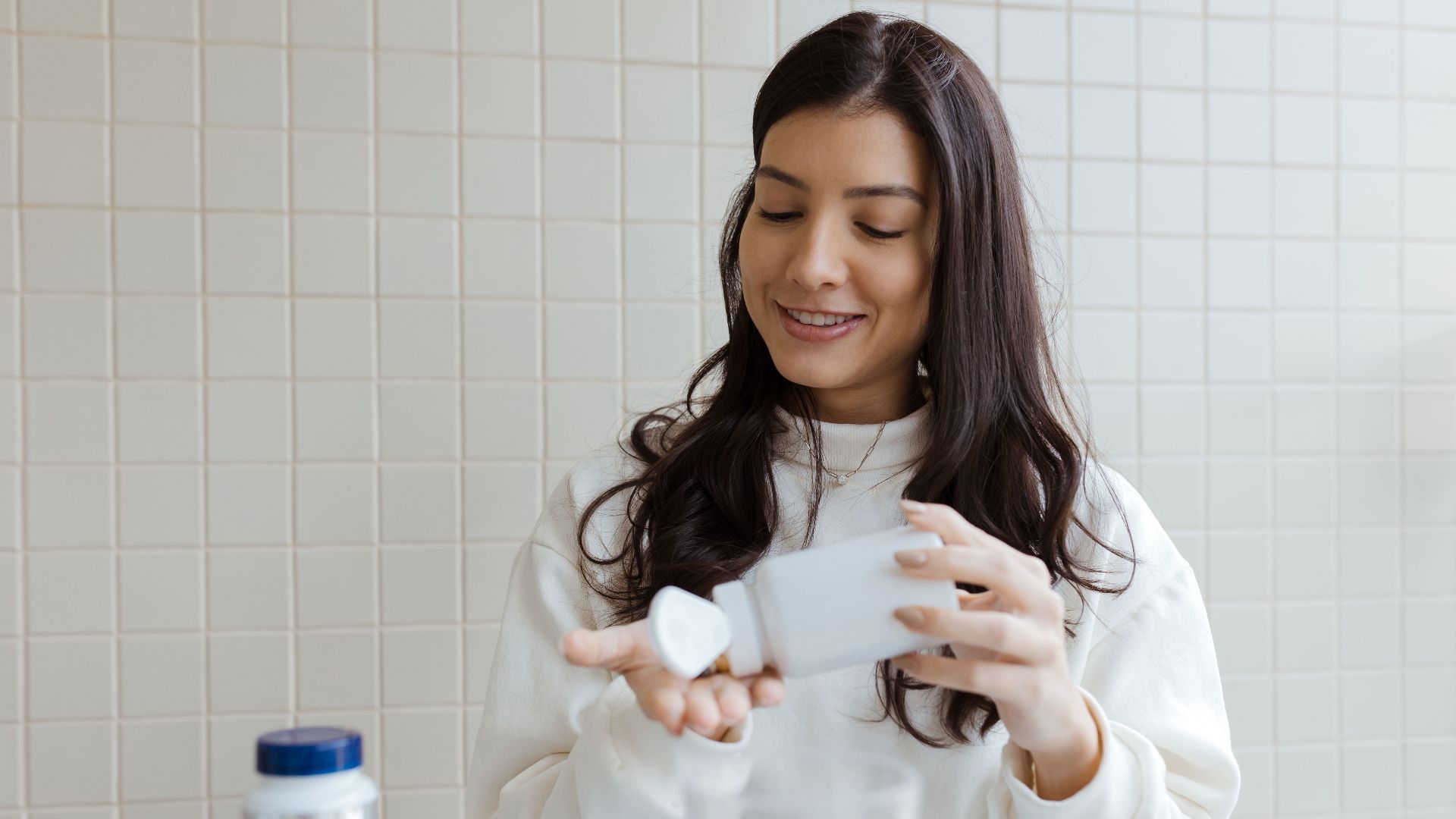
If your hands and feet often feel unusually cold, low iron could be a contributing factor. Reduced oxygen circulation may affect the body's ability to regulate temperature efficiently. Some people notice this symptom even when others around them feel comfortable.
7. Brittle Nails
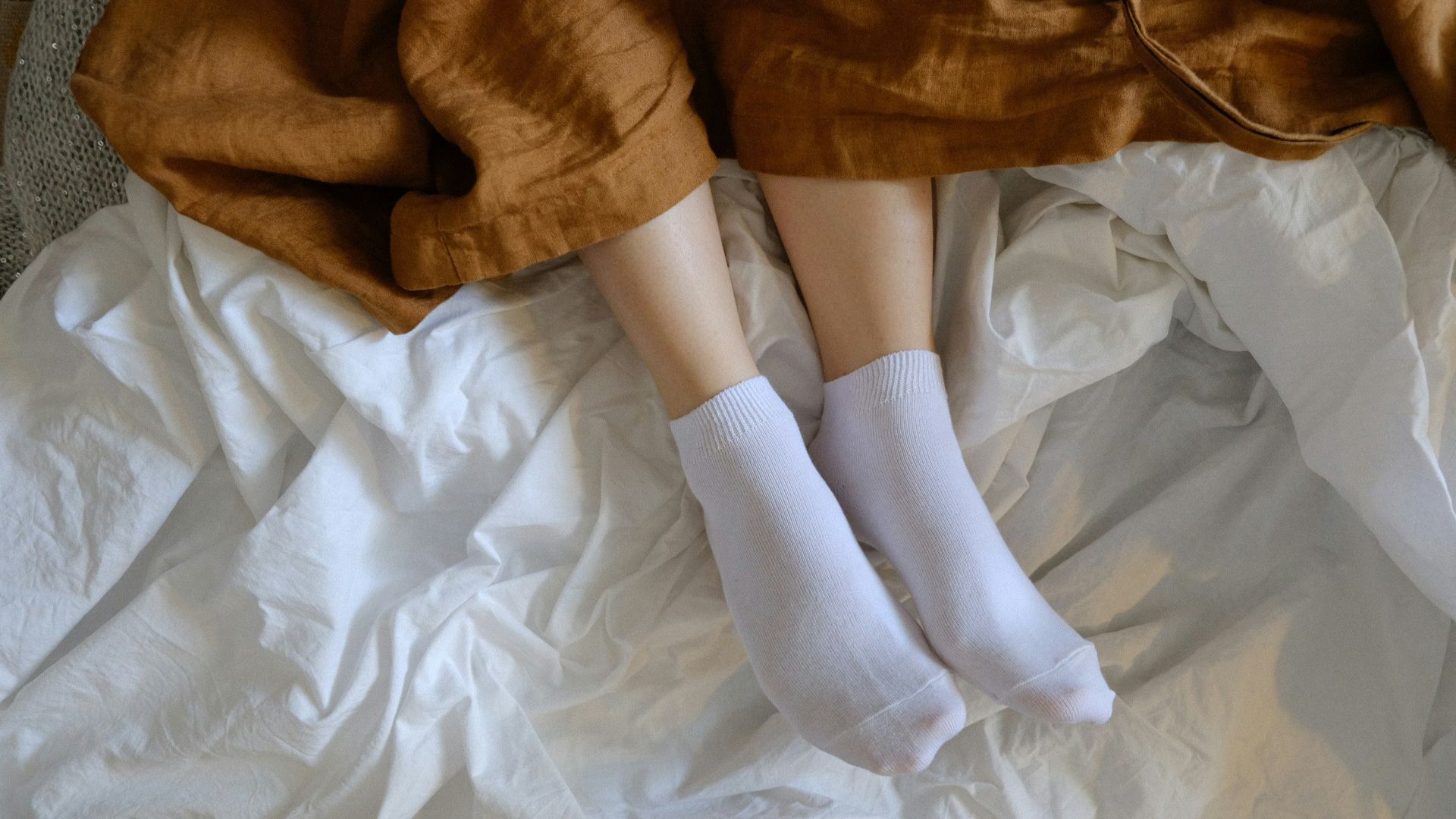
Iron deficiency can affect nail health over time. Nails may become thin, brittle, or more prone to cracking and splitting. In some cases, nails can even develop a spoon-like shape known as koilonychia.
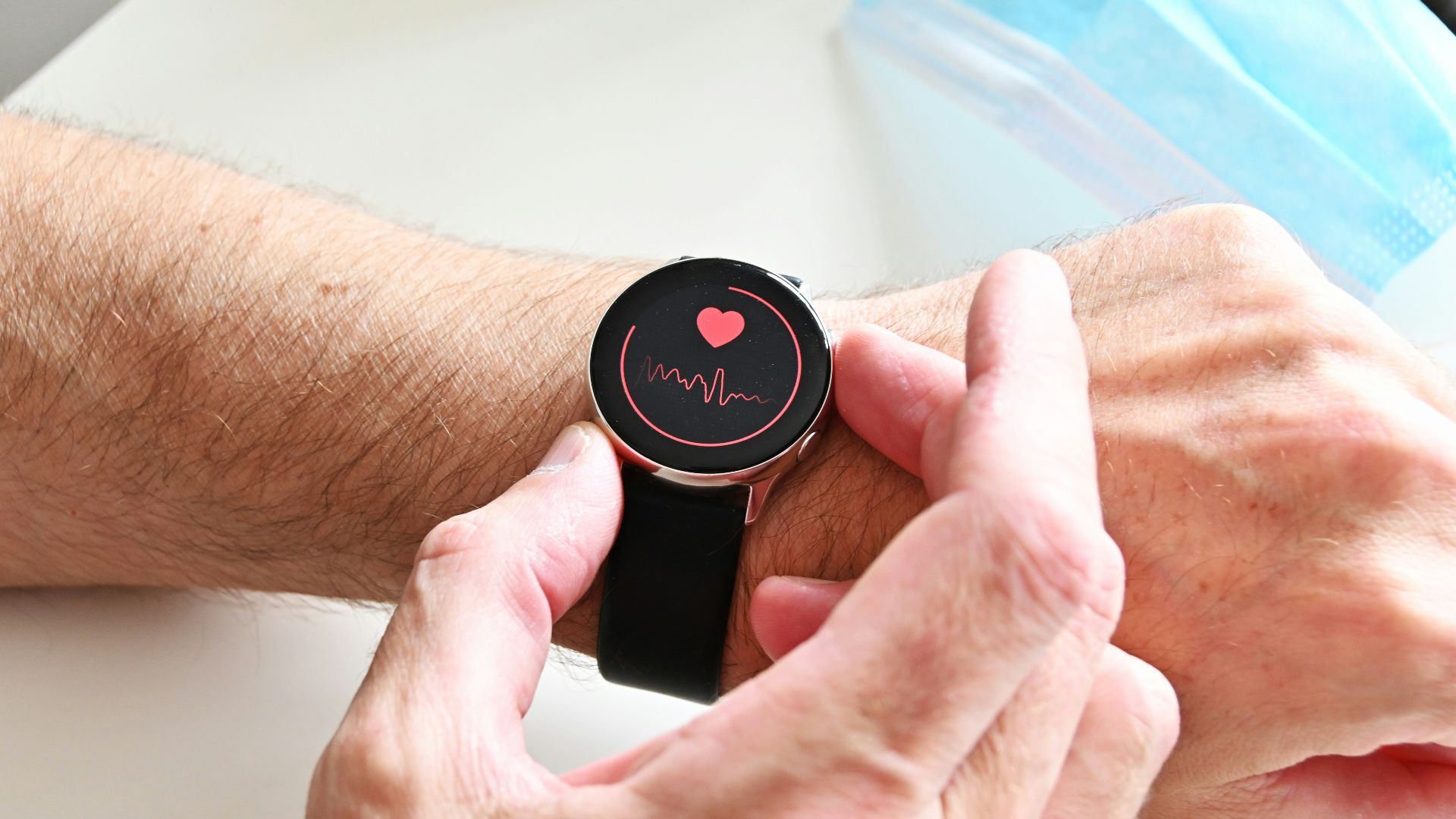
8. Rapid Heartbeat
When oxygen delivery drops, the heart may work harder to compensate. This can result in a noticeably faster heartbeat or occasional palpitations. Individuals experiencing this symptom should discuss it with a healthcare professional.
9. Difficulty Concentrating
Many people with low iron report trouble focusing or thinking clearly. Tasks that normally require little effort may suddenly feel more challenging. The brain relies heavily on oxygen, making concentration problems a common symptom.

10. Unusual Cravings
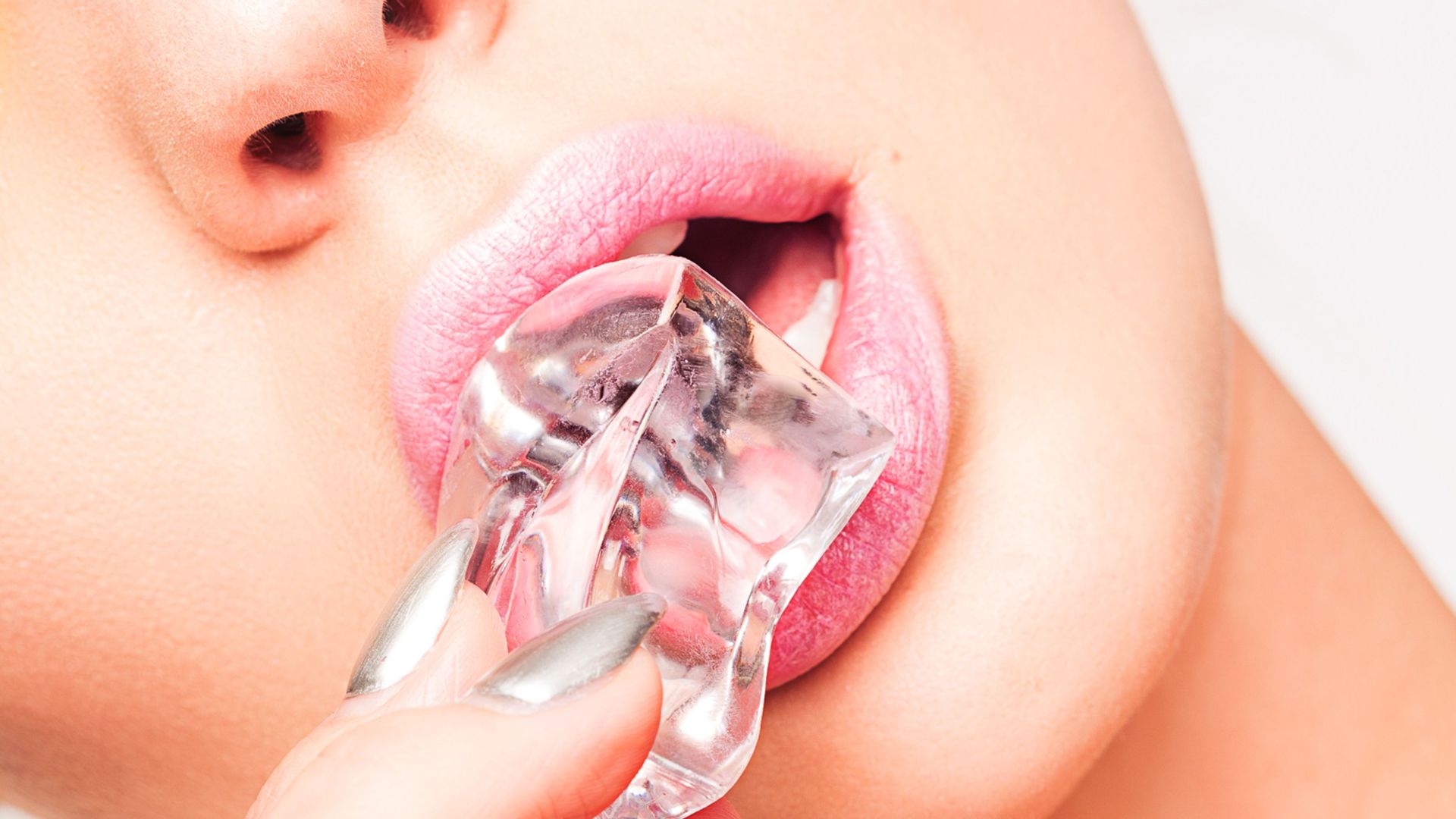
Some individuals with iron deficiency develop cravings for non-food items such as ice, clay, or dirt, a condition known as pica. Craving and chewing ice is one of the most commonly reported forms. While unusual, it can be an important clue that iron levels should be checked.
1. Eat More Lean Red Meat
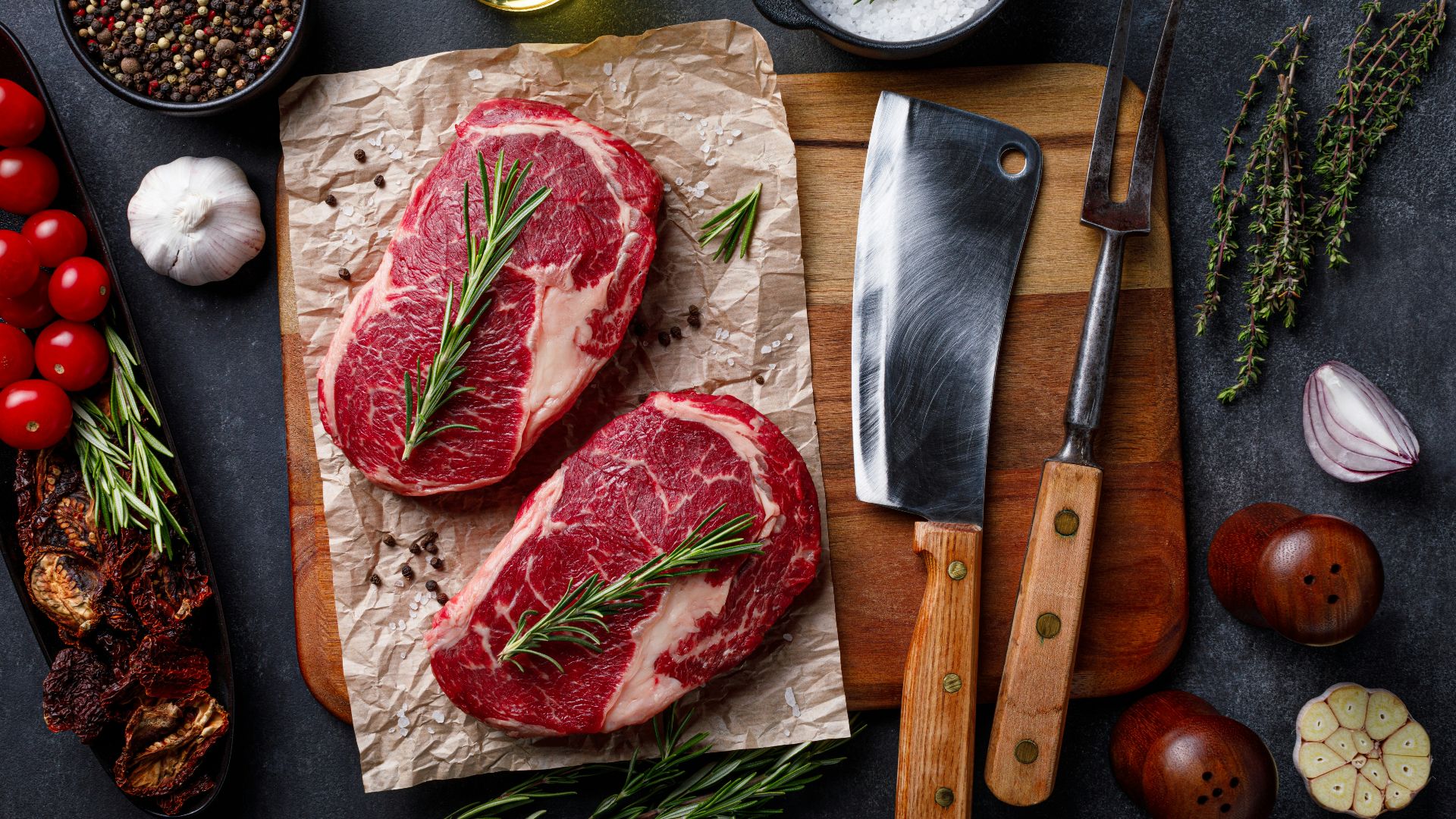
Lean beef is one of the richest sources of heme iron, which is absorbed more efficiently than plant-based iron. Even moderate portions can contribute significantly to daily iron intake. Choosing lean cuts can help balance nutrition and overall health goals.
2. Include More Poultry
Chicken and turkey provide heme iron while also offering high-quality protein. Although they contain less iron than red meat, they can still make a meaningful contribution. Regular inclusion in meals can help support healthy iron levels.

3. Enjoy More Seafood
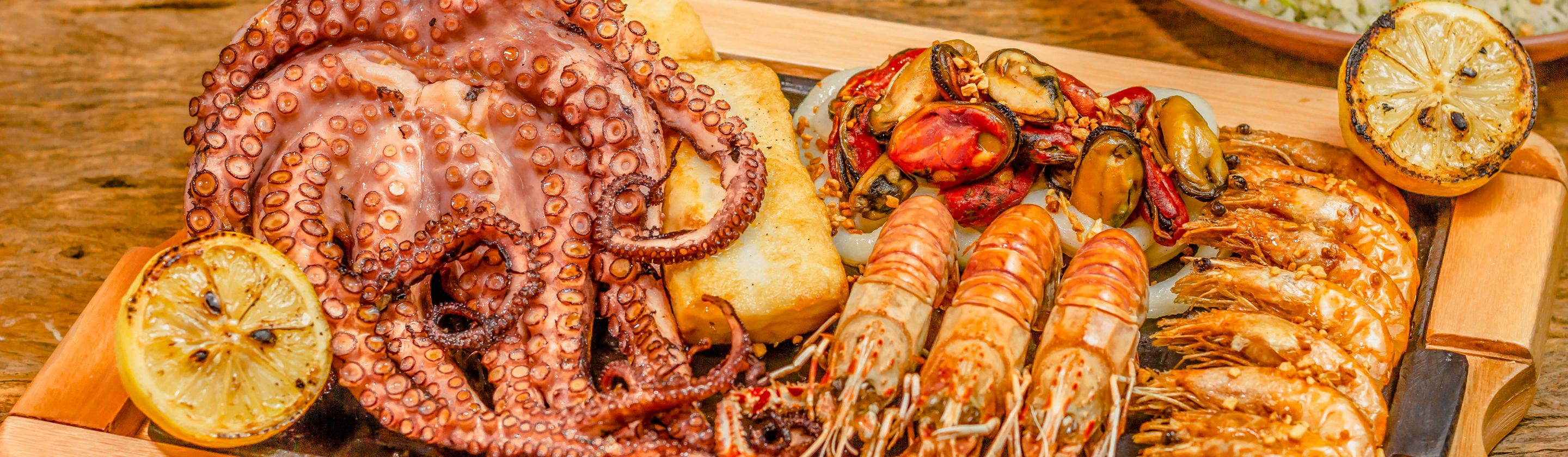
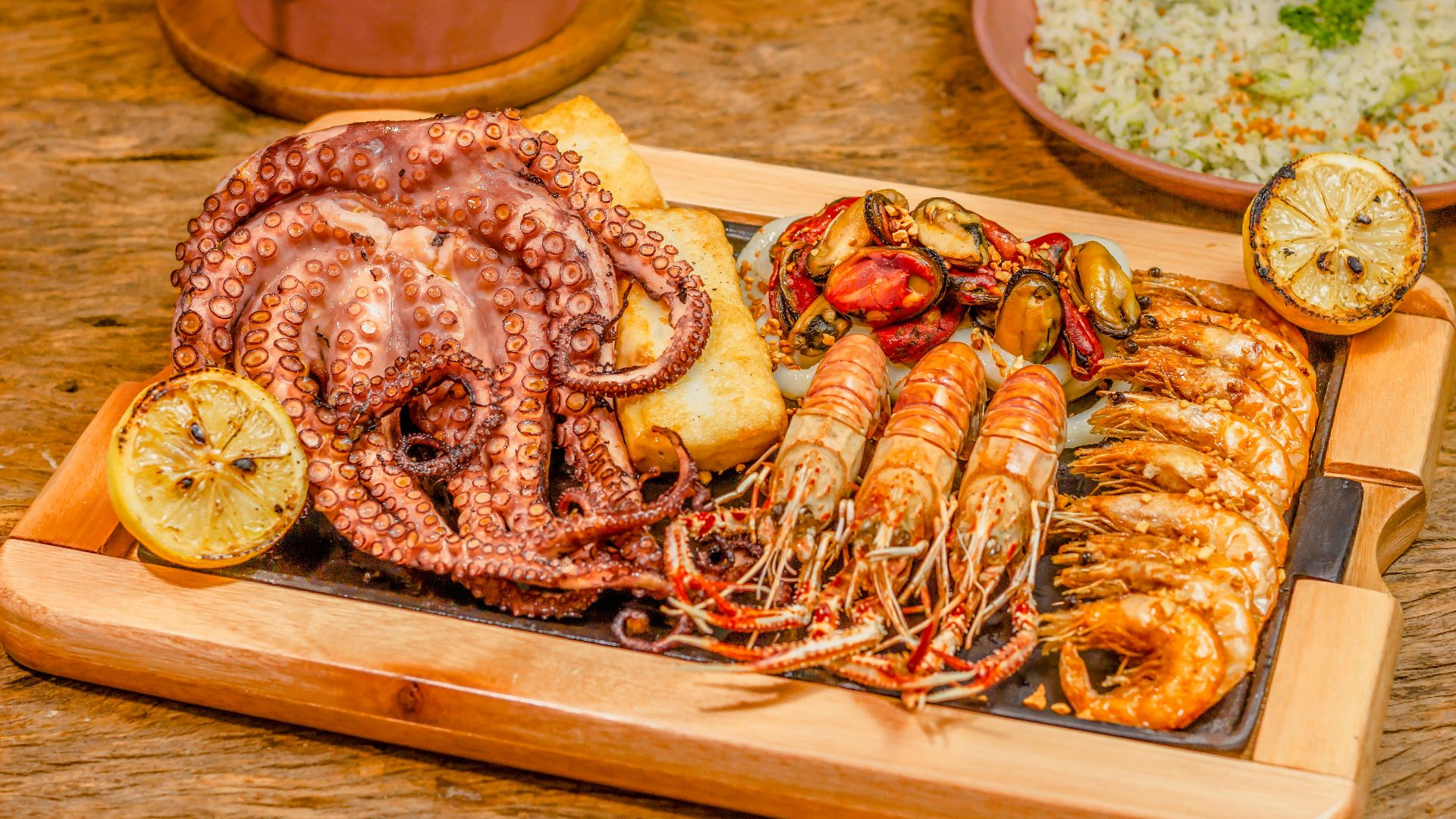
Many types of seafood contain valuable amounts of iron. Oysters, clams, mussels, sardines, and tuna are particularly notable sources. Seafood also provides other nutrients that support overall health.
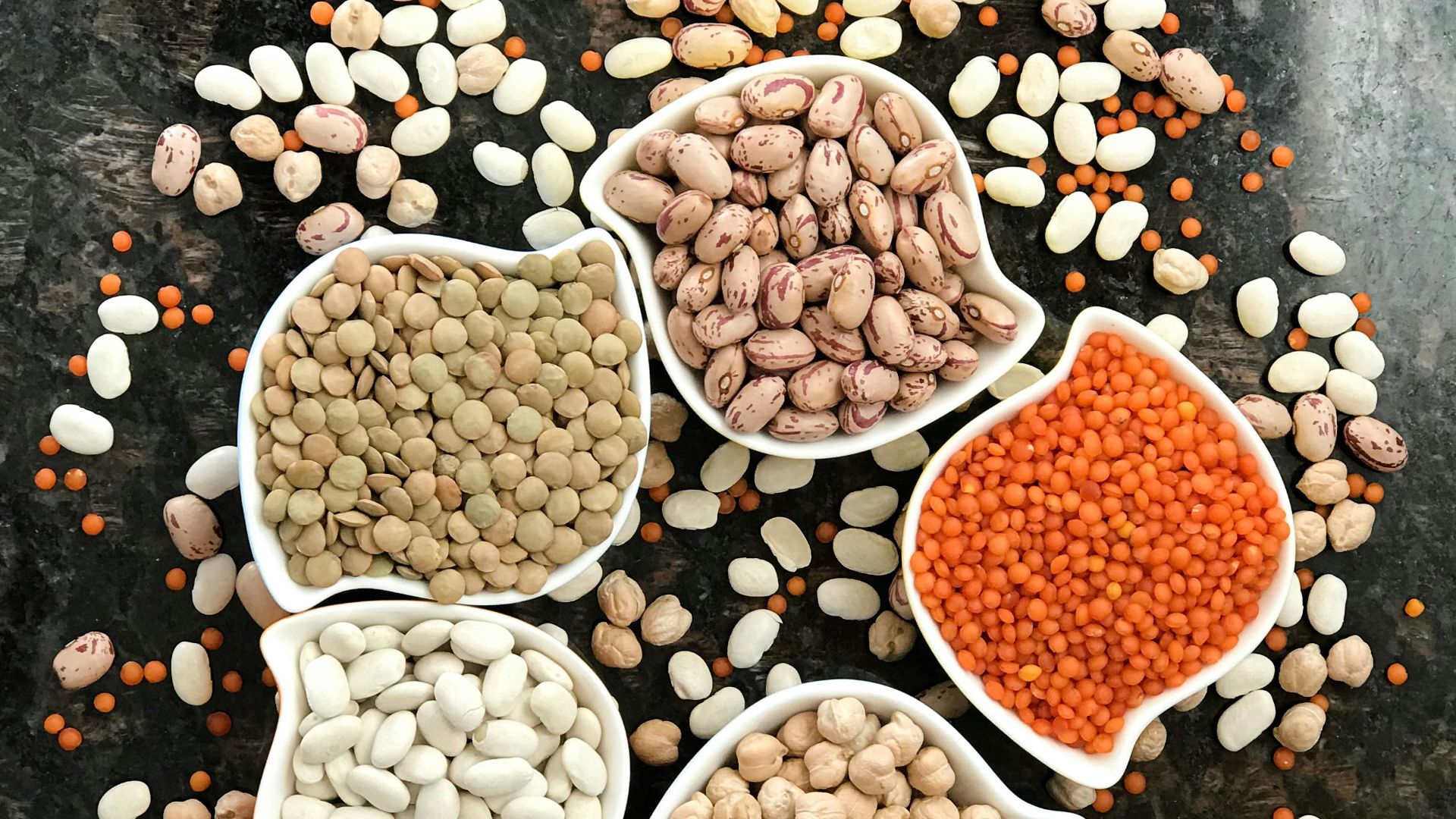
4. Add Beans And Lentils
Beans and lentils are excellent plant-based sources of iron. They work well in soups, salads, stews, and side dishes. For vegetarians and vegans, they often serve as important contributors to daily iron intake.
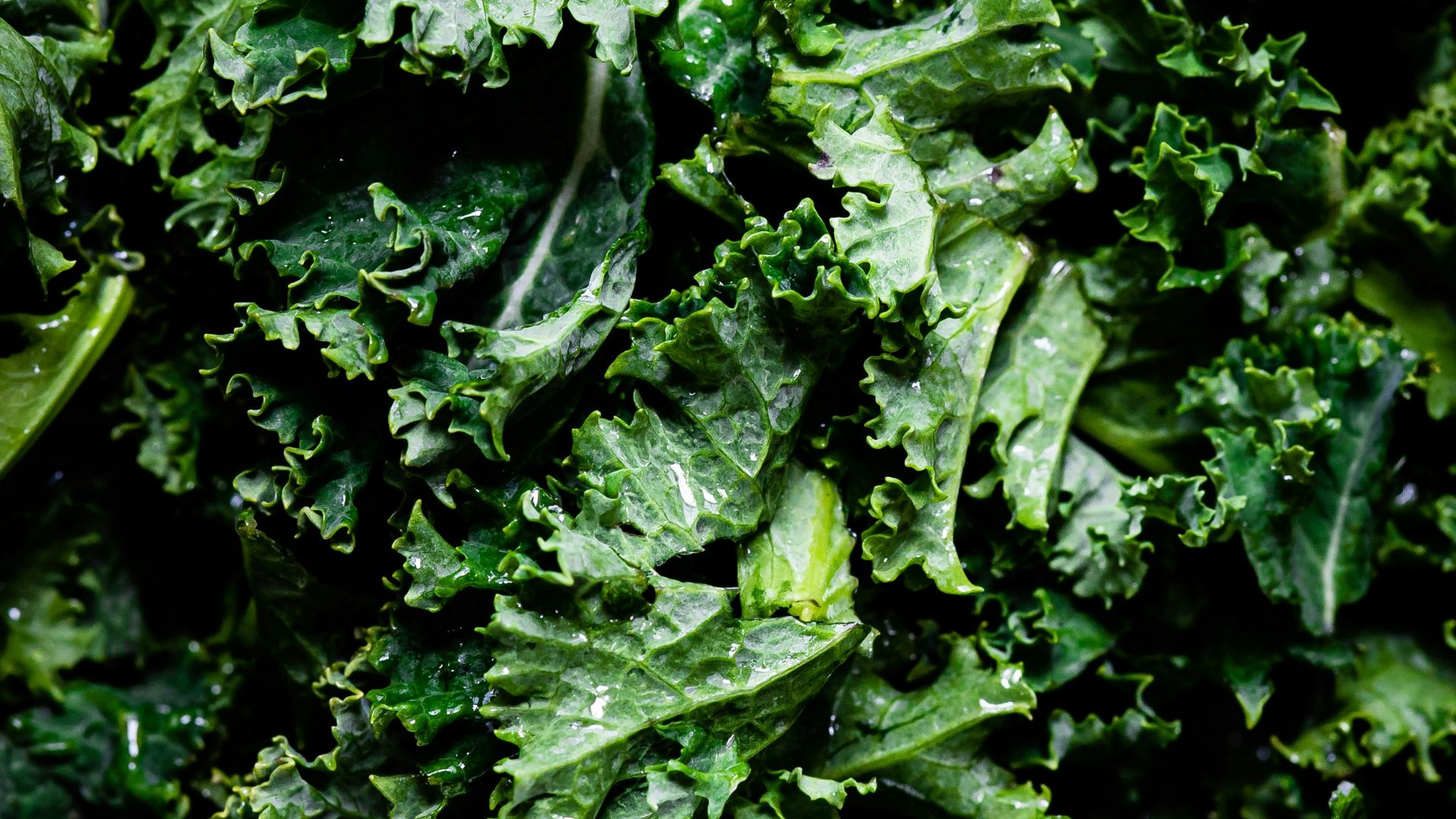
5. Eat More Dark Leafy Greens
Spinach, kale, and Swiss chard contain non-heme iron along with numerous vitamins and minerals. While plant-based iron is absorbed less efficiently, these foods can still contribute meaningfully to your diet. They're especially useful when combined with vitamin C-rich foods.
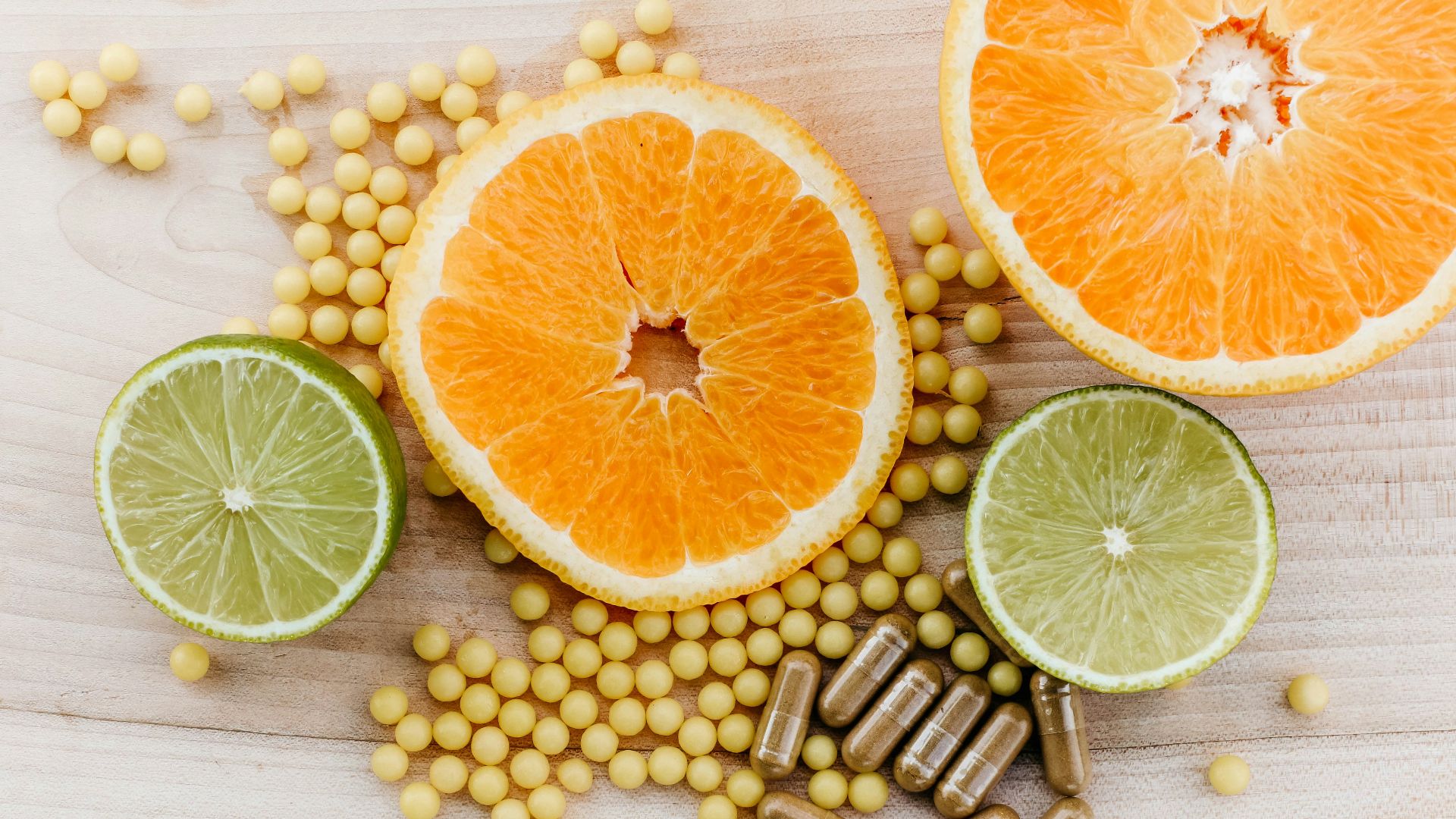
6. Pair Iron With Vitamin C
Vitamin C can significantly improve the absorption of non-heme iron. Adding citrus fruits, strawberries, bell peppers, or tomatoes to meals can help your body utilize iron more effectively. This simple strategy can make a noticeable difference over time.
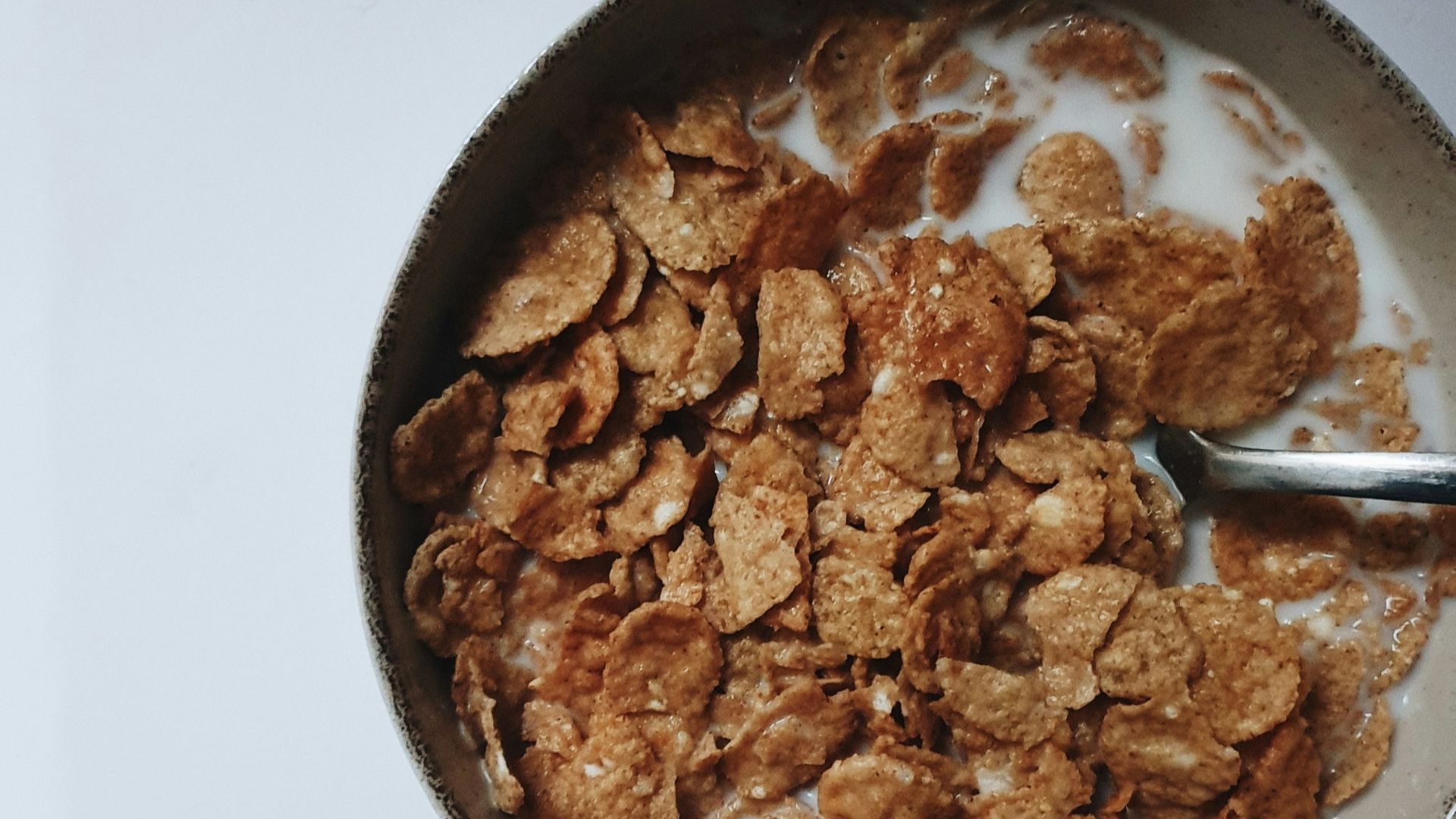
7. Snack On Iron-Fortified Cereals
Many breakfast cereals are fortified with iron and can provide a substantial portion of daily requirements. Reading nutrition labels can help identify stronger options. Pairing cereal with fruit can further enhance absorption.
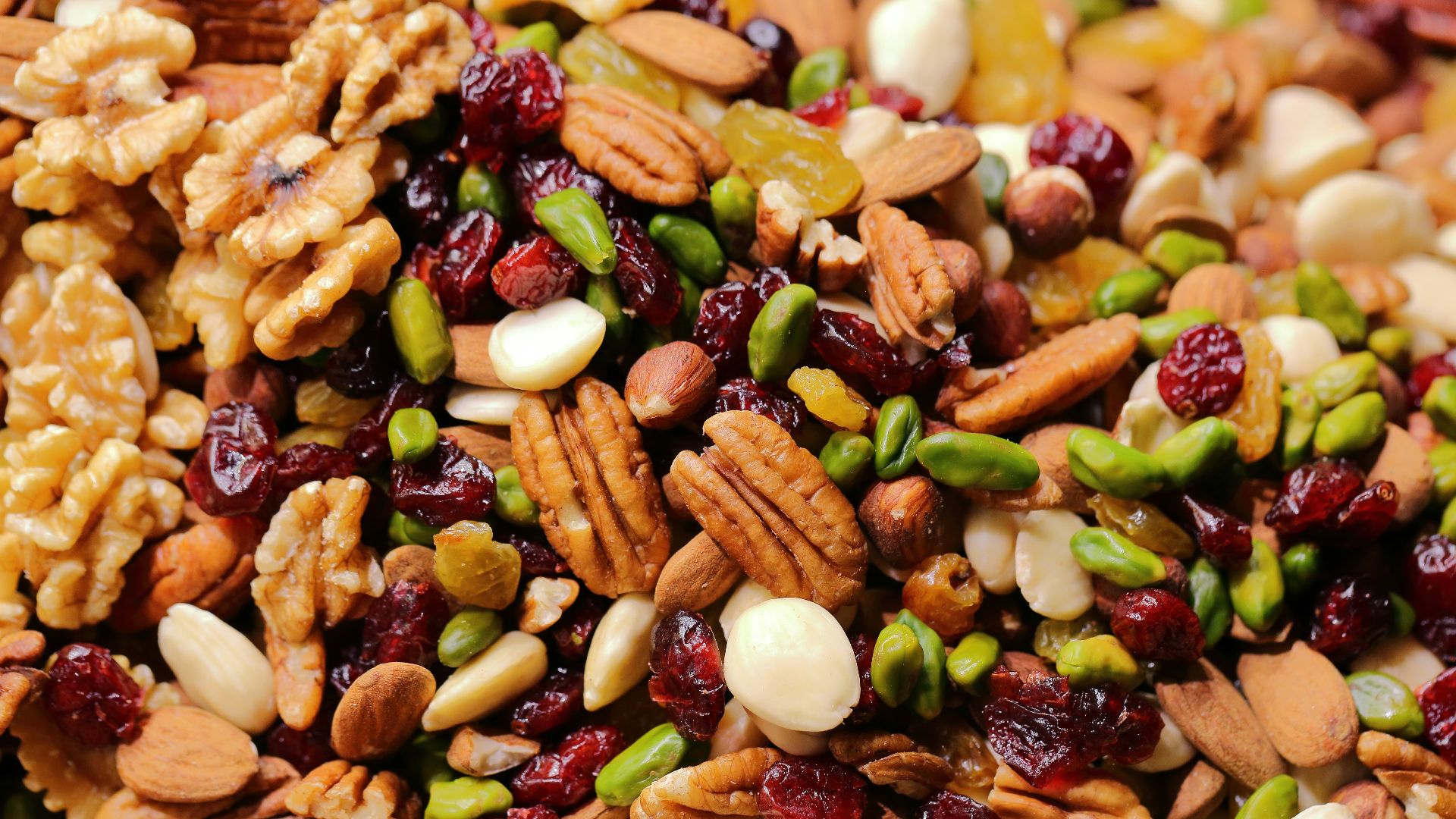
8. Include Nuts And Seeds
Pumpkin seeds, sesame seeds, cashews, and other nuts contain useful amounts of iron. They're easy to add to meals or enjoy as snacks. Their versatility makes them a convenient way to boost intake throughout the day.
9. Limit Tea And Coffee Around Meals
Tea and coffee contain compounds that can interfere with iron absorption when consumed alongside iron-rich foods. Waiting an hour or two before or after meals may help improve absorption. Small changes in timing can support better nutrient utilization.

10. Discuss Supplements With A Healthcare Professional
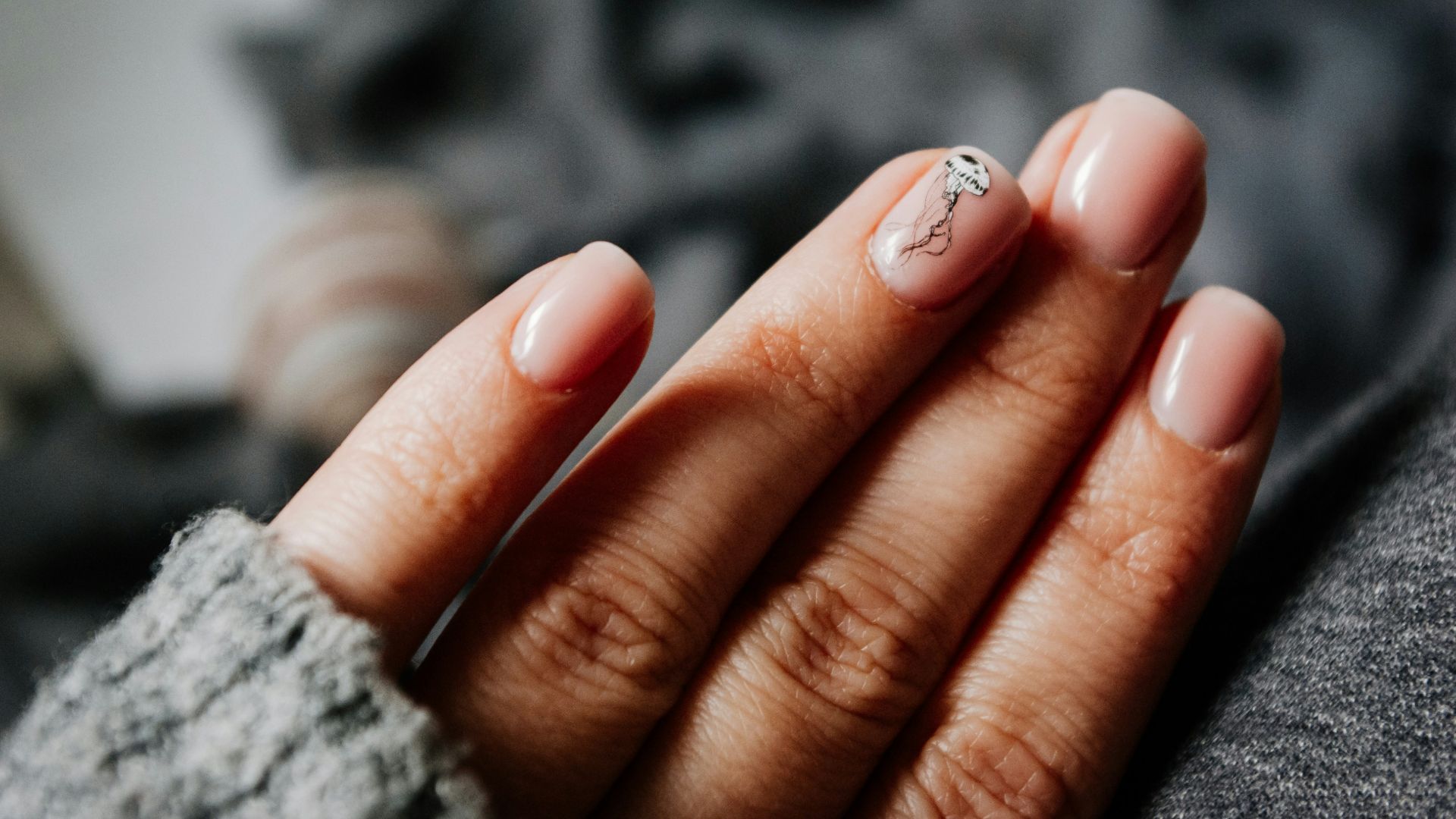
For some people, dietary changes alone may not be enough to correct low iron levels. Healthcare professionals can determine whether supplementation is appropriate based on blood tests and individual needs. Taking iron supplements without medical guidance isn't recommended because excessive iron can also cause health problems.
KEEP ON READING


20 Natural Ways You Can Boost Your Immune System
20 Ways To De-stress & Relax After Work
The 10 Most Common Diseases & The 10 Most Rare