10 Hidden Dangers of Cooking Your Own Meals & 10 Health Benefits That Make It Worthwhile
10 Hidden Dangers of Cooking Your Own Meals & 10 Health Benefits That Make It Worthwhile
Should You Cook at Home?
Cooking at home is often touted as one of the best things you can do for your health and wallet, but there's more to it than just throwing ingredients together and calling it dinner. In fact, there are real risks that home cooks face every day, from cross-contamination to improper storage and nutritional blind spots, so it's crucial to know what you're doing or you might just negate all the perks that come with prepping your own meals. Here are 10 hidden dangers you'll want to avoid, along with 10 benefits that make cooking at home worth the effort.
1. Cross-Contamination Is Easier Than You Think
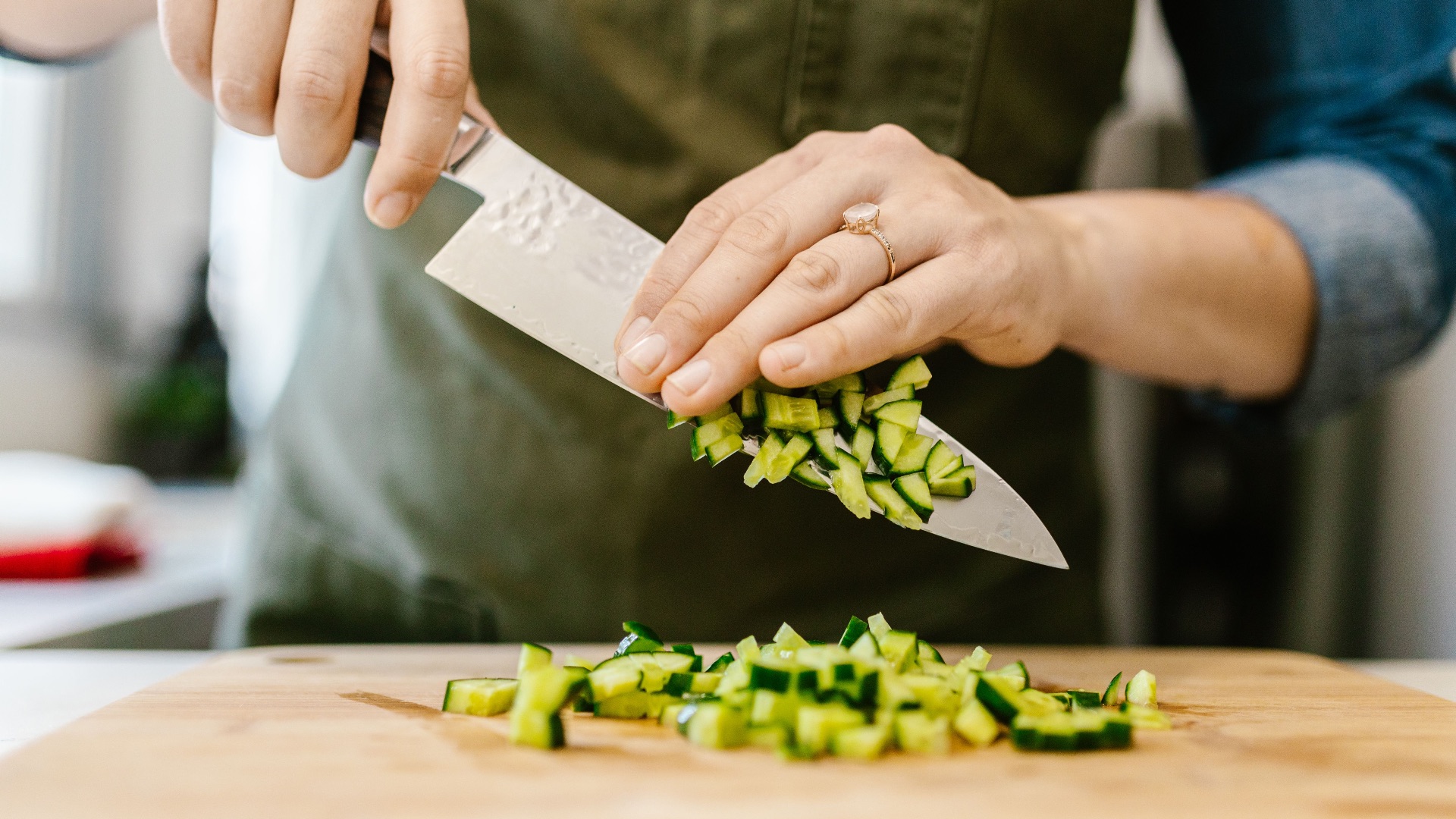
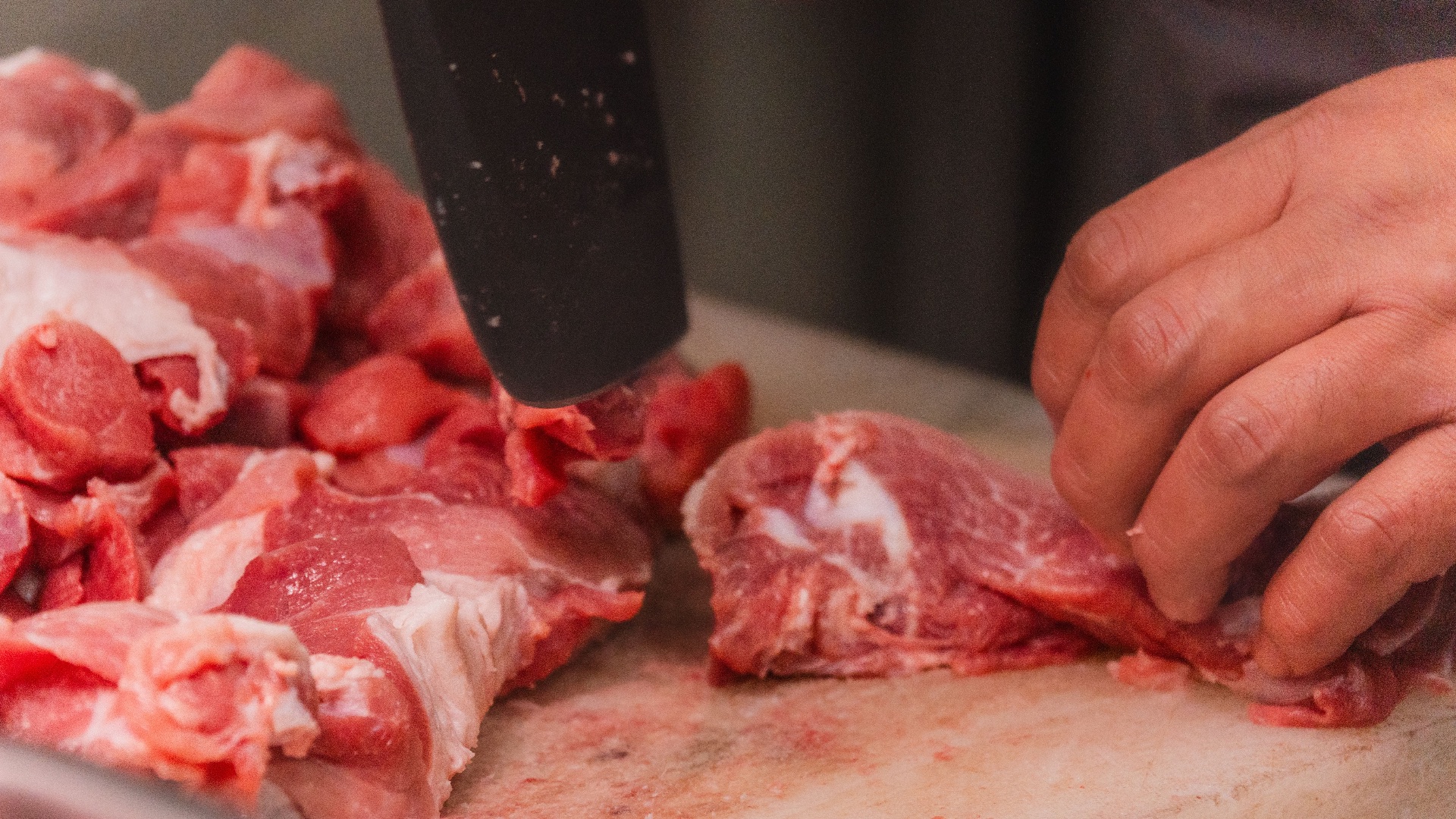
Most home cooks don't realize how quickly bacteria can spread from raw meat to other surfaces, utensils, and ready-to-eat foods during meal prep. Using the same cutting board for raw chicken and then slicing vegetables on it is one of the most common ways foodborne illness starts at home. Keeping separate boards for proteins and produce, and washing your hands frequently, can make a significant difference in keeping your kitchen safe.
2. Undercooking Proteins Can Make You Seriously Ill
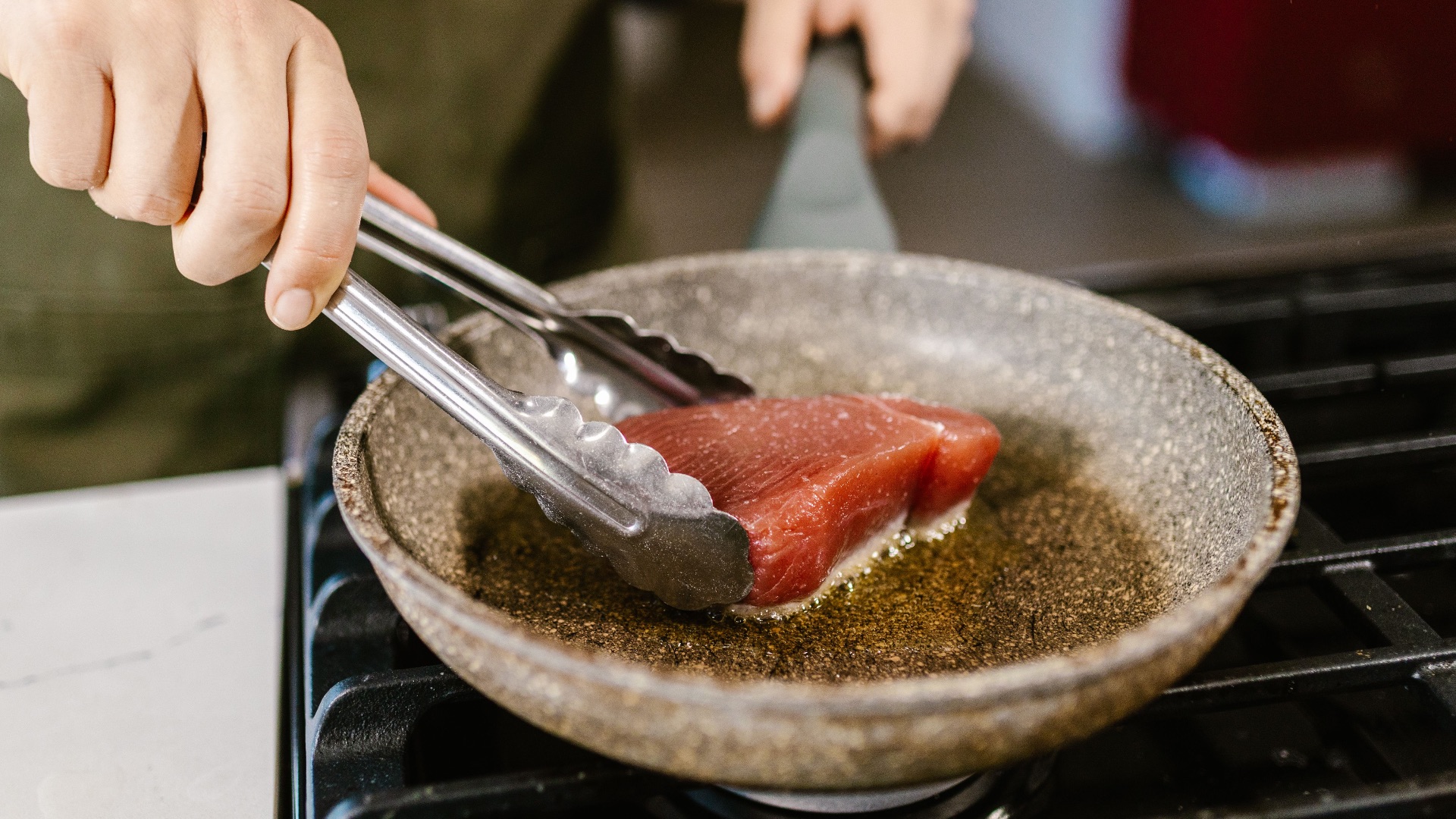
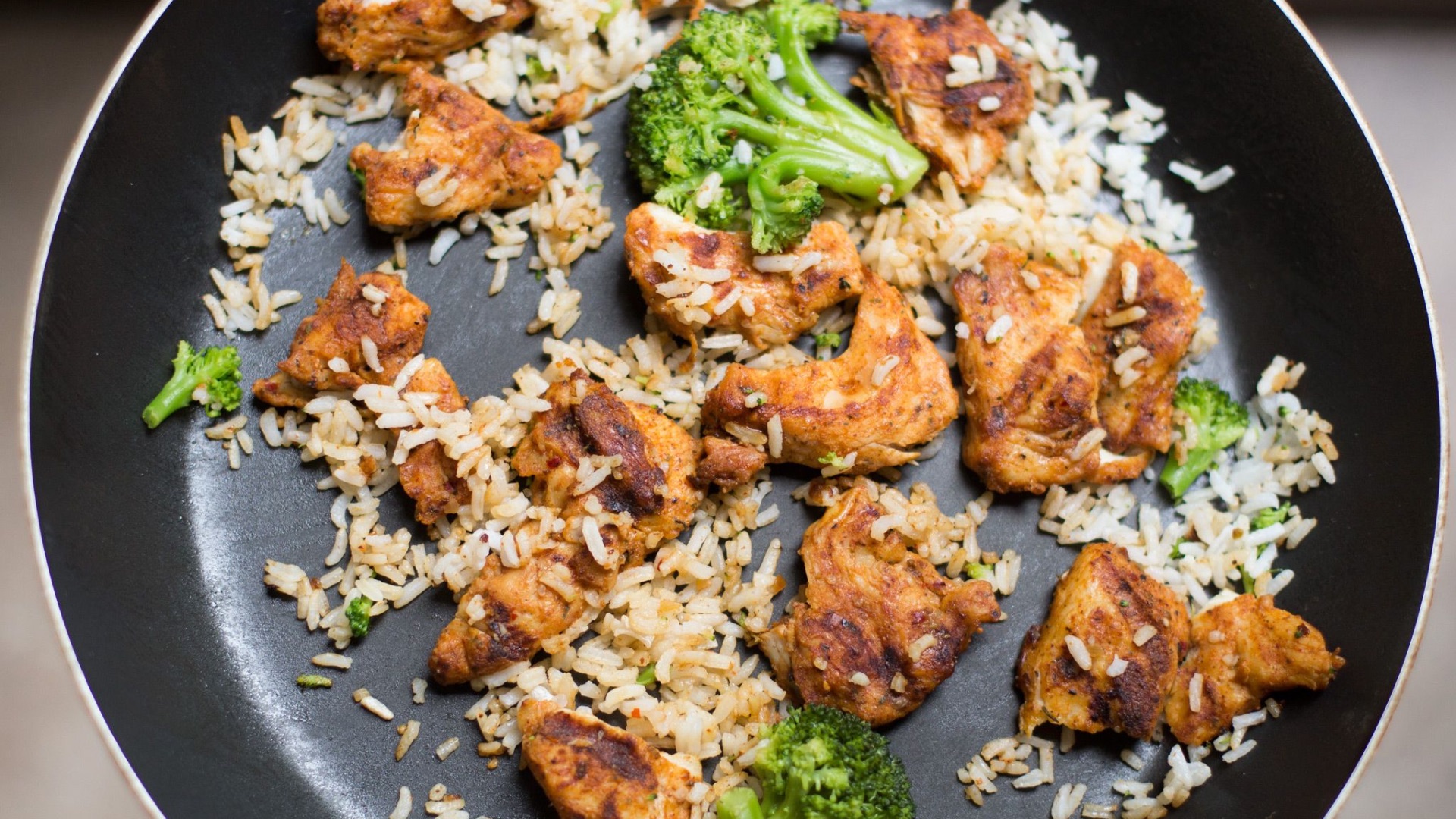
Cooking chicken to a golden-brown exterior doesn't always mean it's been cooked through to a safe internal temperature, and this is a mistake that can lead to a nasty bout of salmonella or campylobacter. A reliable meat thermometer is one of the most underused tools in home kitchens, even though it takes all the guesswork out of safe cooking. Poultry needs to reach 165°F, ground meats 160°F, and whole cuts of beef or pork at least 145°F before they're safe to eat.
3. Improper Food Storage Leads to Spoilage and Illness
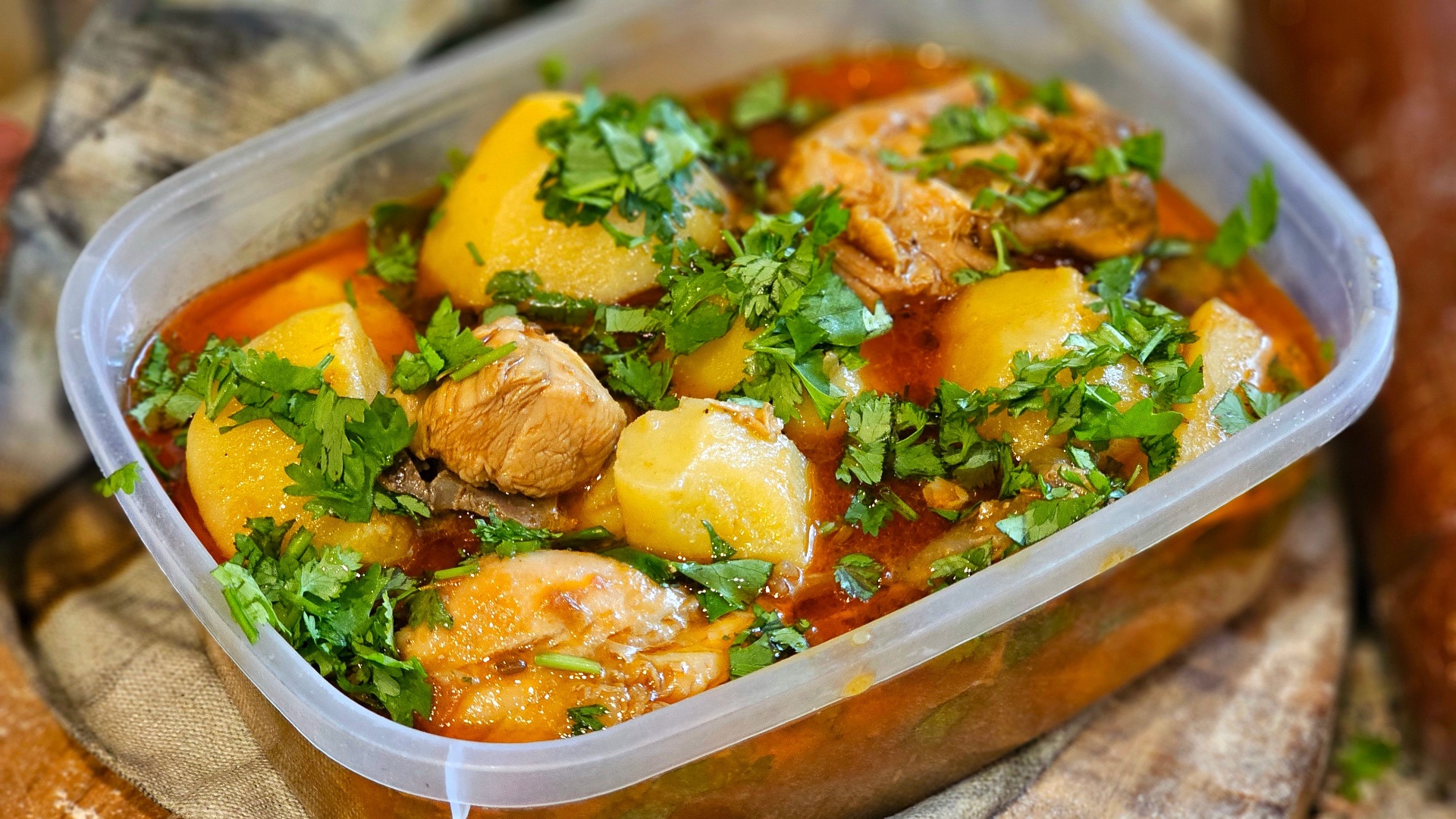
Leftovers that sit out at room temperature for more than two hours enter what food safety experts call the "danger zone," where bacteria multiply at an alarming rate. A lot of home cooks don't think twice about leaving cooked food on the stove or counter for hours before refrigerating it, which can turn a perfectly good meal into a health hazard. Getting into the habit of storing food promptly and labeling containers with dates will go a long way toward keeping your household safe.
 Muhammad Khawar Nazir on Pexels
4. Over-Reliance on Processed Ingredients Undermines Nutrition
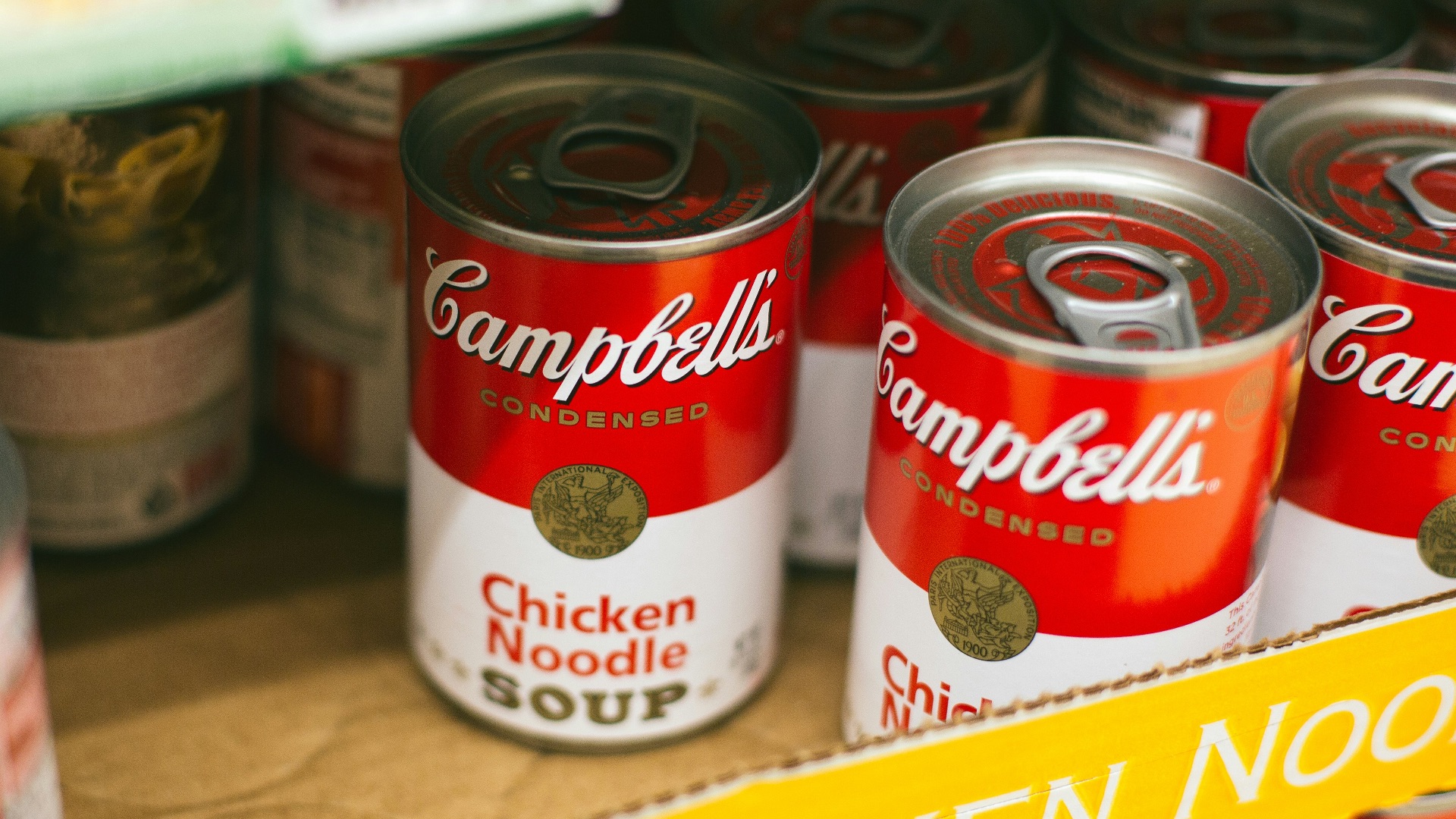
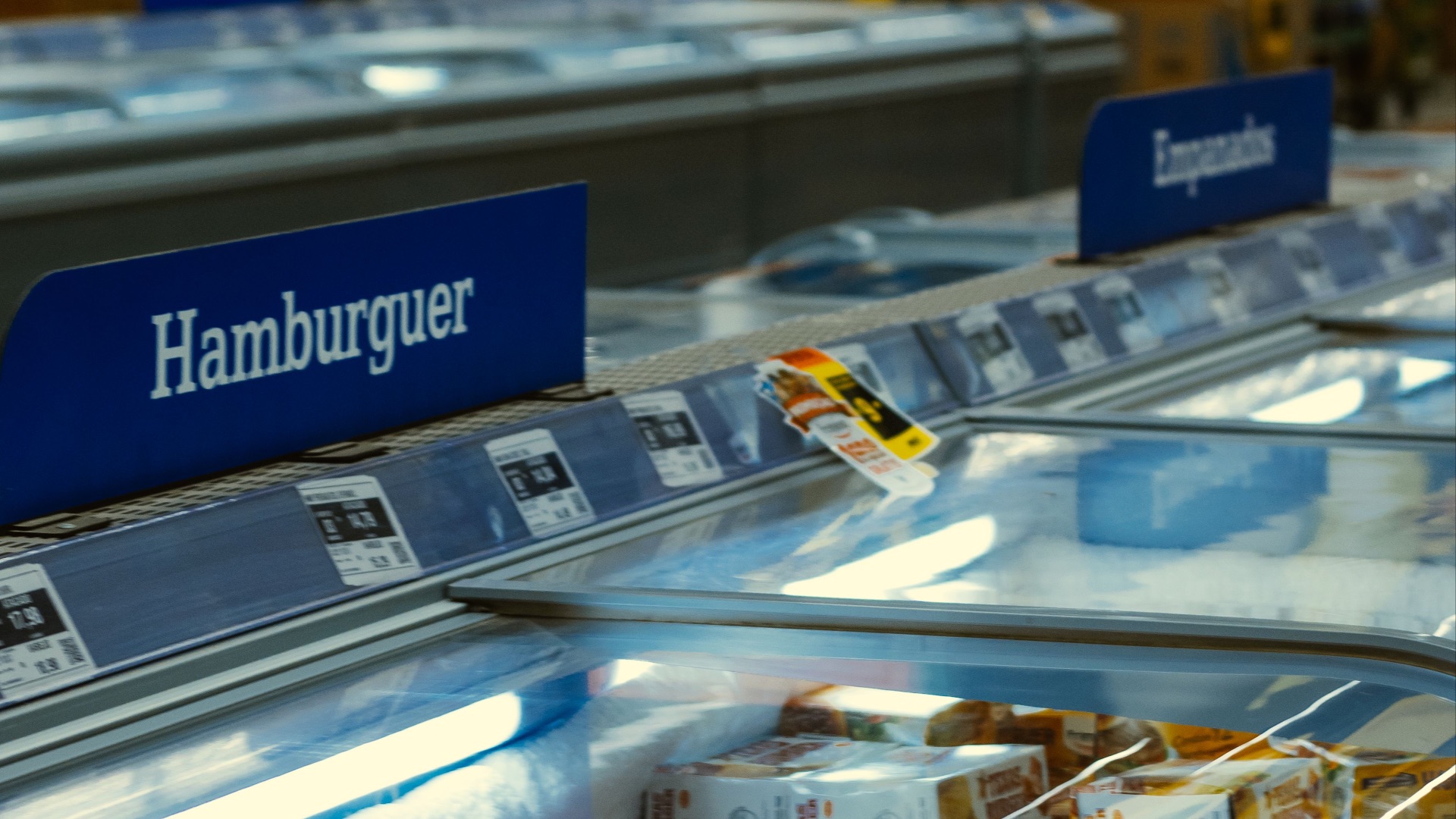
Home cooking doesn't automatically mean healthy cooking, especially if your go-to meals lean heavily on packaged sauces, canned soups, or pre-seasoned mixes that are loaded with sodium and preservatives. It's easy to feel good about "cooking from scratch" when you're actually just combining several highly processed components. Reading ingredient labels and gradually swapping in whole, minimally processed ingredients will help you get the most nutritional value from your meals.
5. Kitchen Injuries Are More Common Than You'd Think
Professional kitchens train their staff extensively in safety protocols, but most home cooks have never received any formal instruction on how to handle sharp knives, hot oil, or open flames safely. Grease fires, steam burns, and knife cuts are among the most frequent household injuries, and they're often the result of rushing or multitasking while cooking. Slowing down, keeping pot handles turned inward, and knowing how to handle a small kitchen fire can prevent a lot of unnecessary trips to the emergency room.
6. Unhealthy Cooking Methods Can Negate Good Ingredients
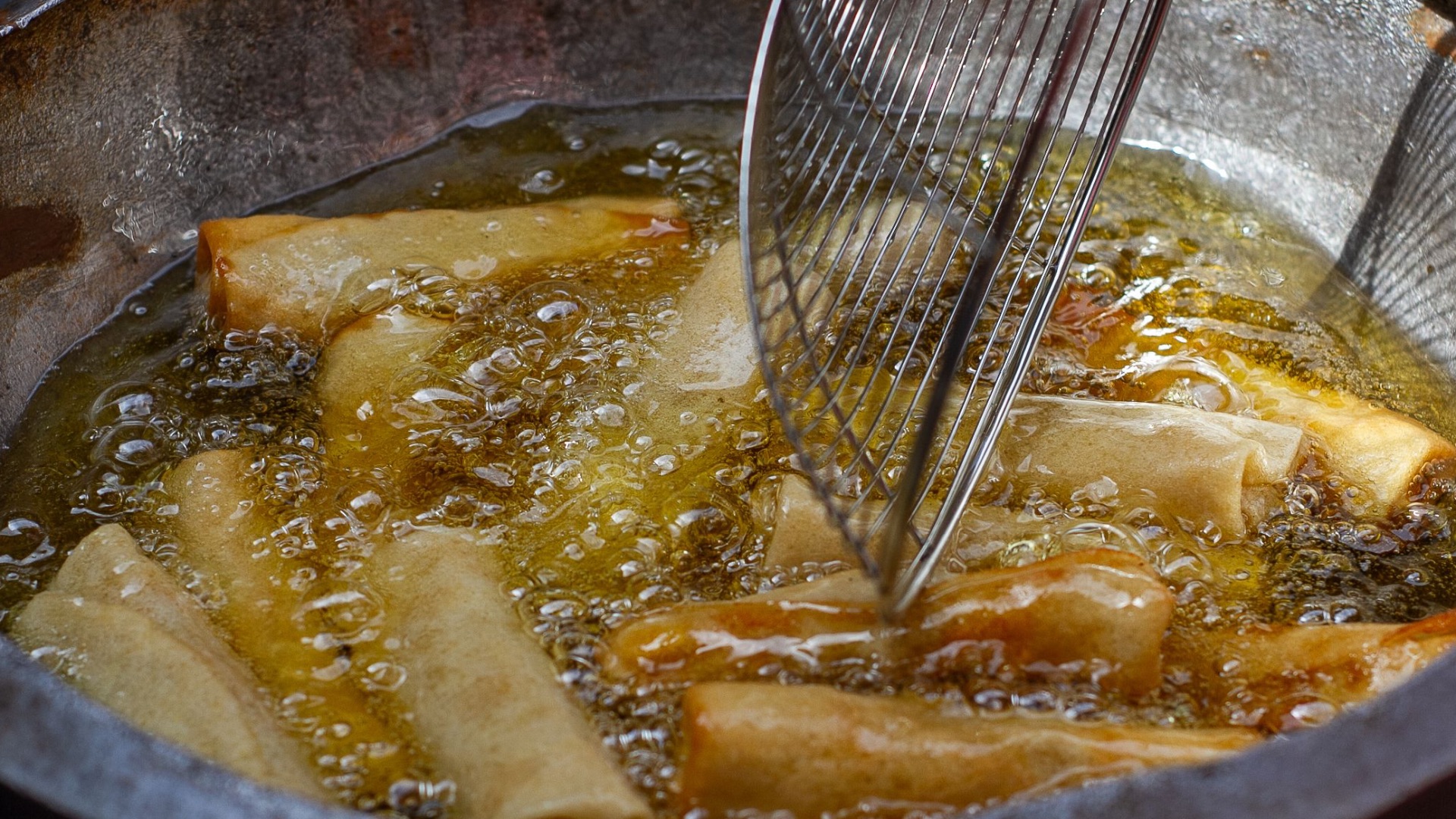
You could start with the freshest vegetables and highest-quality proteins, but if you're deep-frying, charring, or drowning everything in butter and salt, the end result isn't as nutritious as you might assume. Cooking methods matter just as much as ingredient quality, and some techniques can strip nutrients from food or introduce harmful compounds. Steaming, baking, poaching, and sautéing with moderate amounts of healthy fats are generally much better choices for preserving both flavor and nutritional value.
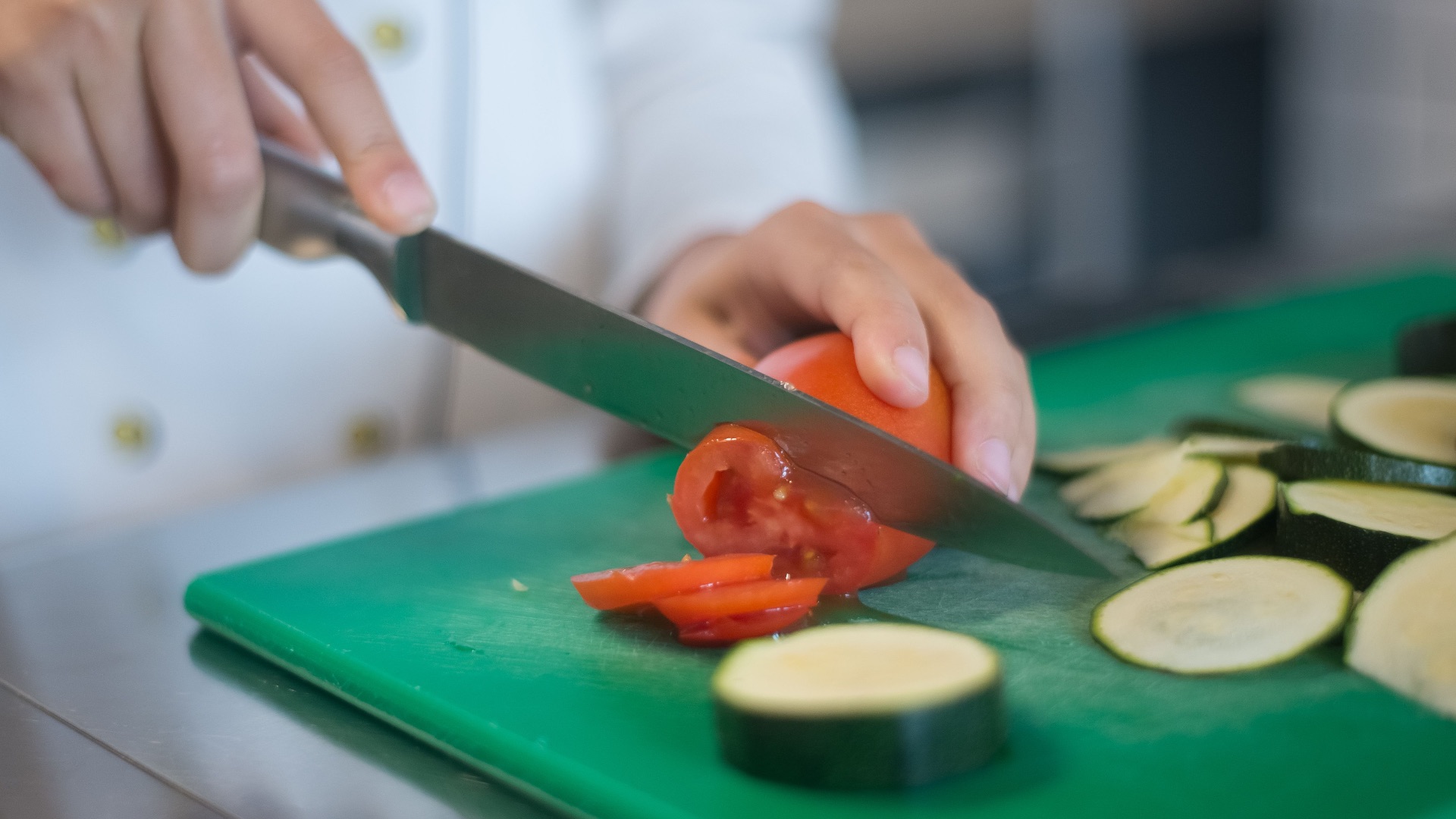
7. Poor Knife Skills Increase Your Risk of Injury
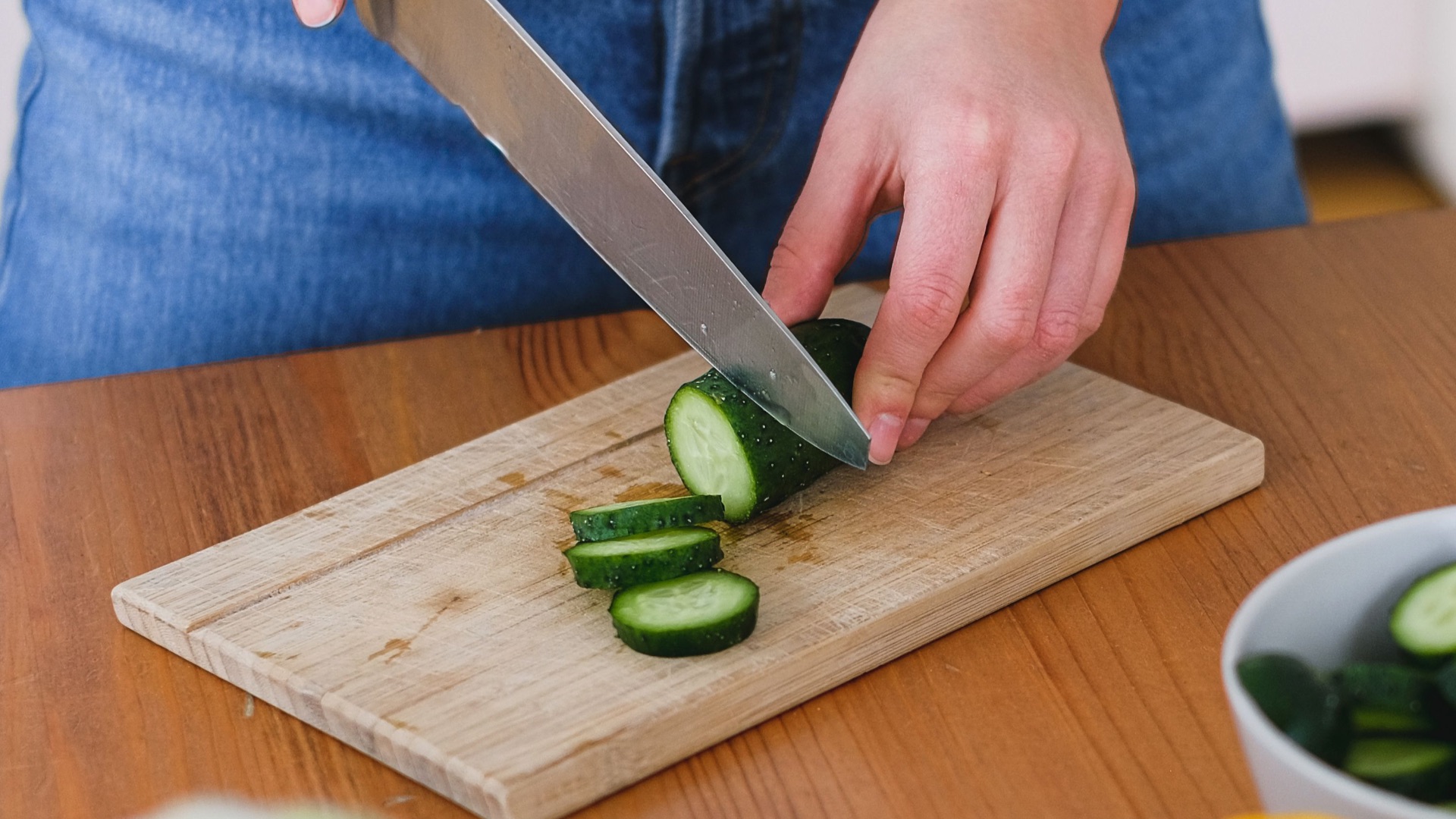
Dull knives are actually more dangerous than sharp ones, because they require more force and are more likely to slip while you're cutting. A lot of home cooks have never learned proper hand positioning or cutting technique, which means they're one distracted moment away from a serious cut. Taking even a short knife skills class or watching reliable instructional videos can dramatically improve both your safety and your efficiency in the kitchen.
8. Allergen Cross-Contact Can Be Dangerous
If you or someone in your household has a food allergy, cooking at home requires a level of vigilance that many people underestimate. Trace amounts of allergens like peanuts, tree nuts, gluten, or shellfish can transfer from shared surfaces, utensils, or even airborne particles during cooking. Dedicated tools, thorough cleaning protocols, and careful reading of every ingredient label are essential when allergies are part of the picture.
9. Overestimating Portion Sizes Can Lead to Weight Gain
One of the less-discussed downsides of home cooking is that it can lead to consistently oversized portions, especially when you're cooking foods you love and there's no formal serving structure. Without measuring or being mindful of quantities, it's easy to pile your plate high and underestimate how many calories you're actually consuming over time. Using smaller plates, portioning out servings before sitting down, and learning general reference points for standard portion sizes can help keep things balanced.
 Aleksandra Tanasiienko on Unsplash
10. Nutritional Imbalances Can Develop Without Variety
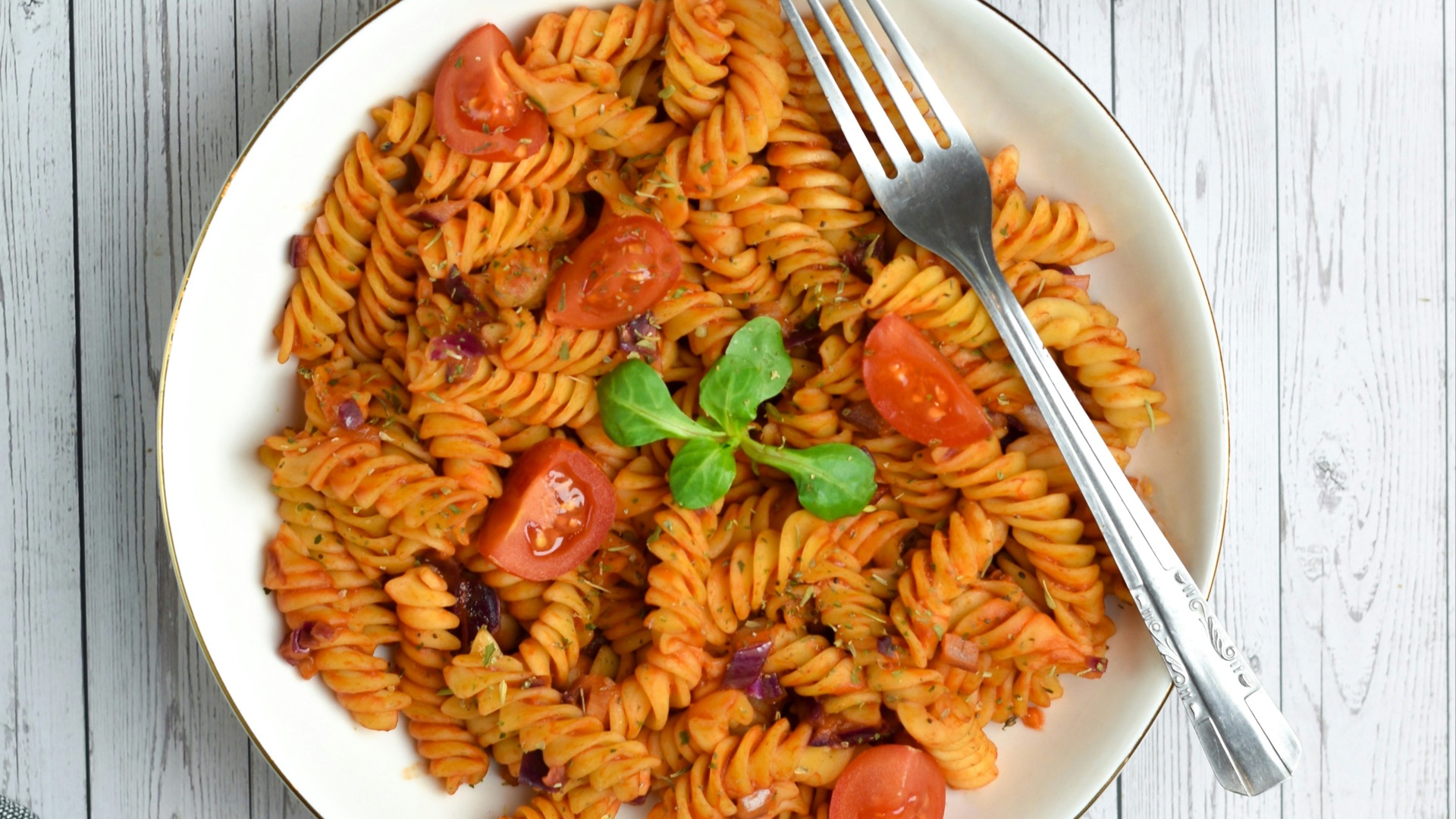
Home cooks who rely on the same small rotation of meals week after week may be getting very consistent nutrition, but consistent doesn't always mean complete. If your usual lineup doesn't include a wide enough range of vegetables, proteins, and whole grains, you could be missing key vitamins and minerals without realizing it. Intentionally rotating ingredients and occasionally trying new recipes is one of the simplest ways to ensure your diet stays well-rounded.
Now that you've got a clearer picture of what to watch out for, it's time to look at the other side of the coin. The risks of home cooking are real, but they're also manageable, and the rewards that come with making your own meals are often more than worth the effort.
1. You Have Full Control Over What Goes Into Your Food
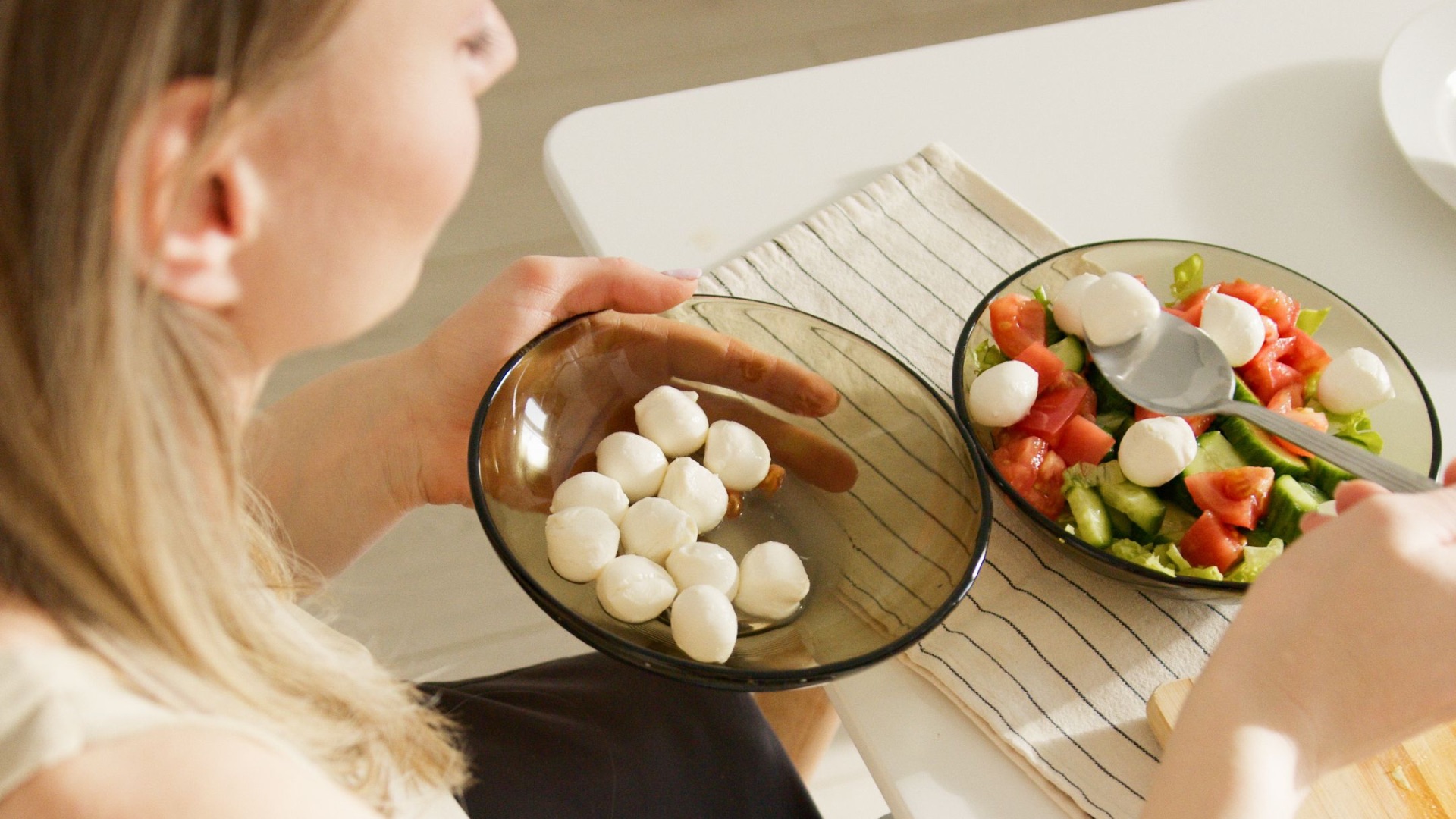
One of the biggest advantages of cooking at home is that you know exactly what's in every dish, from the type of oil you use to the amount of salt that goes in. Restaurant meals and packaged foods are often far higher in sodium, saturated fat, and added sugars than most people realize, and those ingredients add up quickly over time. When you're the one at the stove, you can make adjustments that align with your specific health goals without having to wonder what's in the sauce.
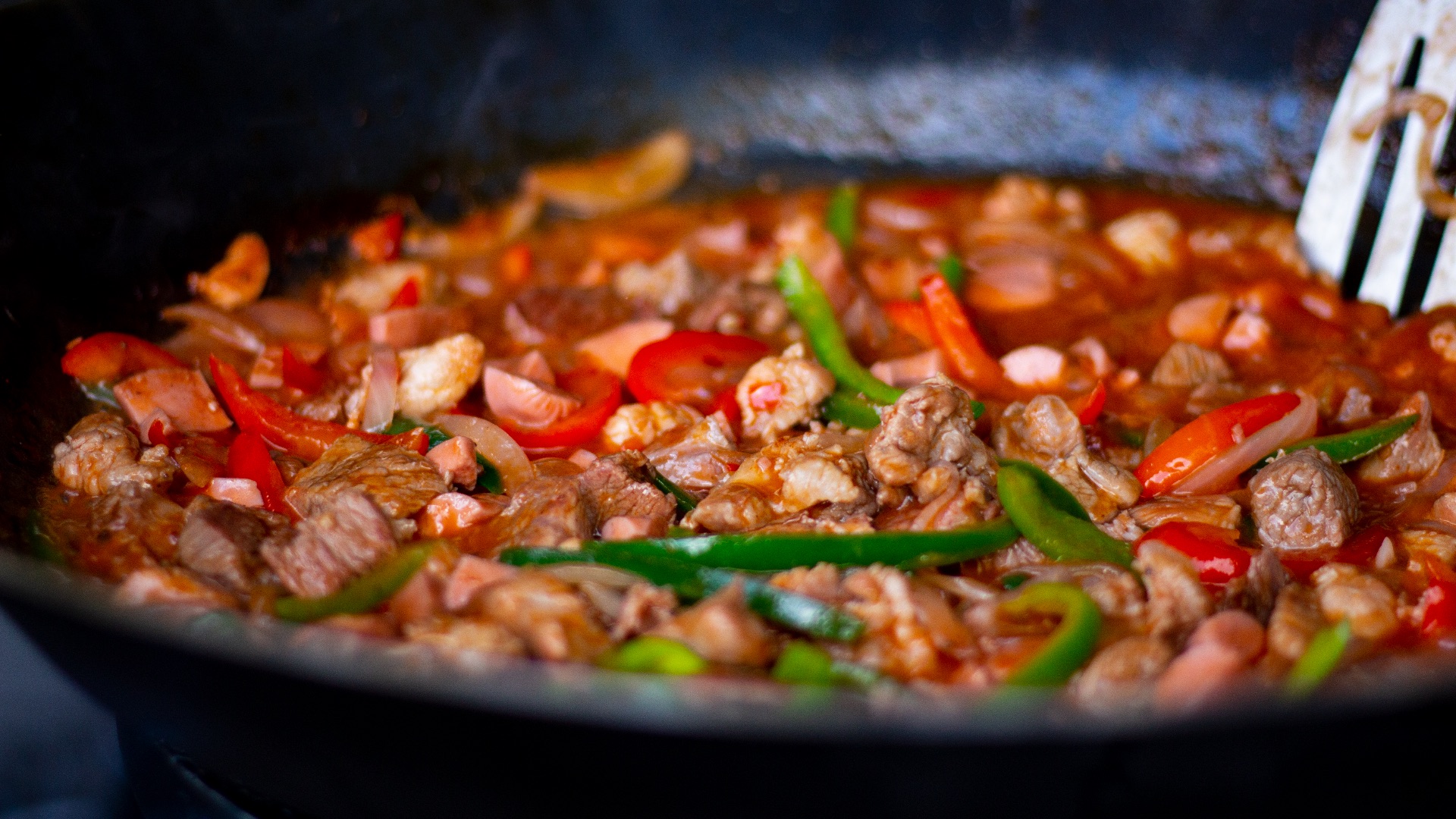
2. Home-Cooked Meals Are Typically Lower in Calories
Studies have consistently shown that people who cook at home more frequently tend to consume fewer calories per meal than those who rely on takeout or dining out regularly. Restaurant portions are notoriously large, and most dishes are prepared with more fat, salt, and sugar than you'd typically use when cooking for yourself. Even simple home-cooked meals, prepared with reasonable amounts of whole ingredients, tend to be significantly lighter without sacrificing flavor.
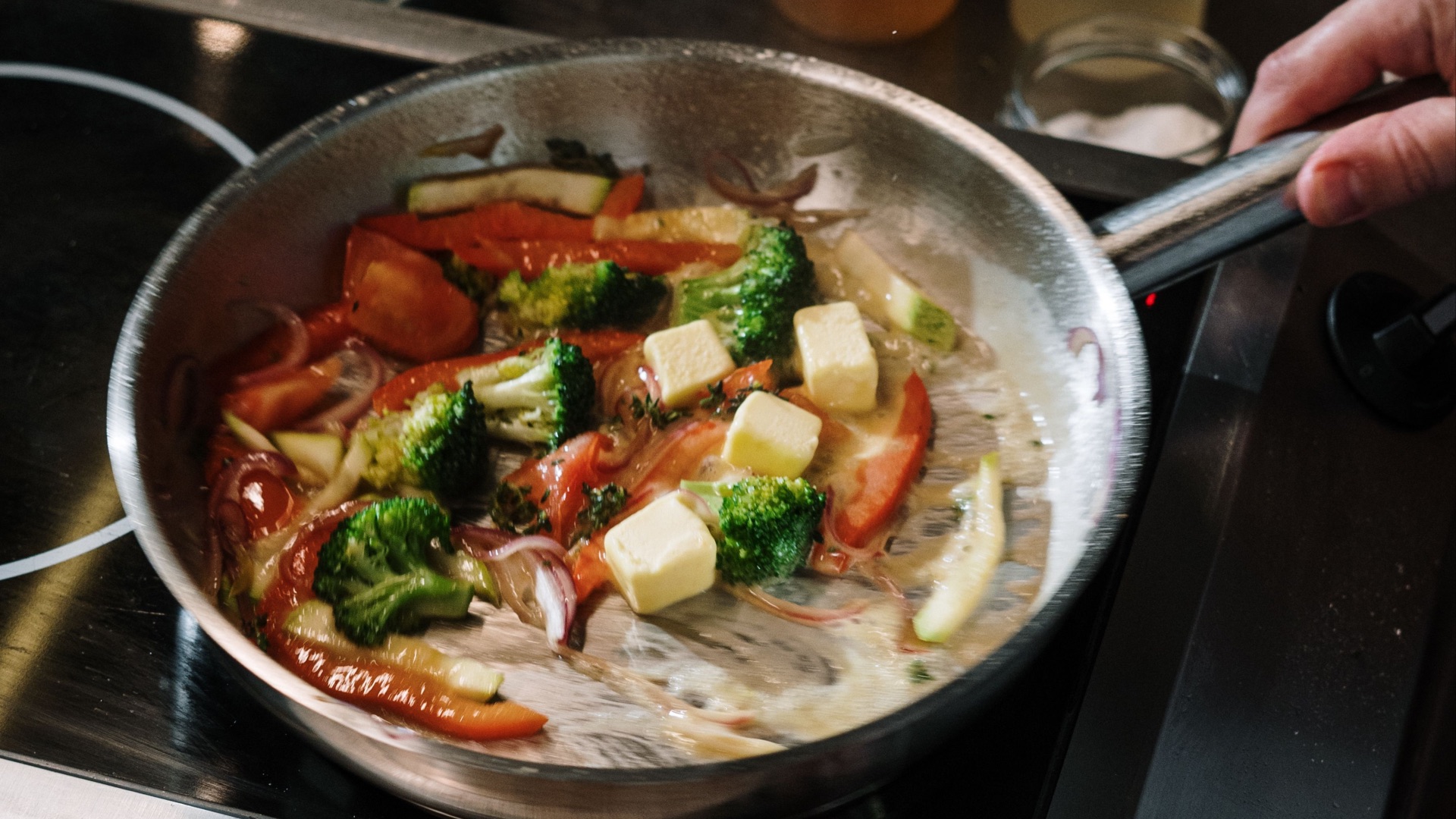
3. It's Easier to Accommodate Dietary Needs and Health Conditions
Whether you're managing diabetes, high cholesterol, celiac disease, or a food intolerance, cooking at home gives you the flexibility to adjust every recipe to fit your requirements. Navigating a health condition through diet becomes much less stressful when you're not constantly trying to decode menus or trust that a restaurant has taken your needs seriously. Having full creative control means you can make almost any dish work for your body without settling for bland or unsatisfying alternatives.
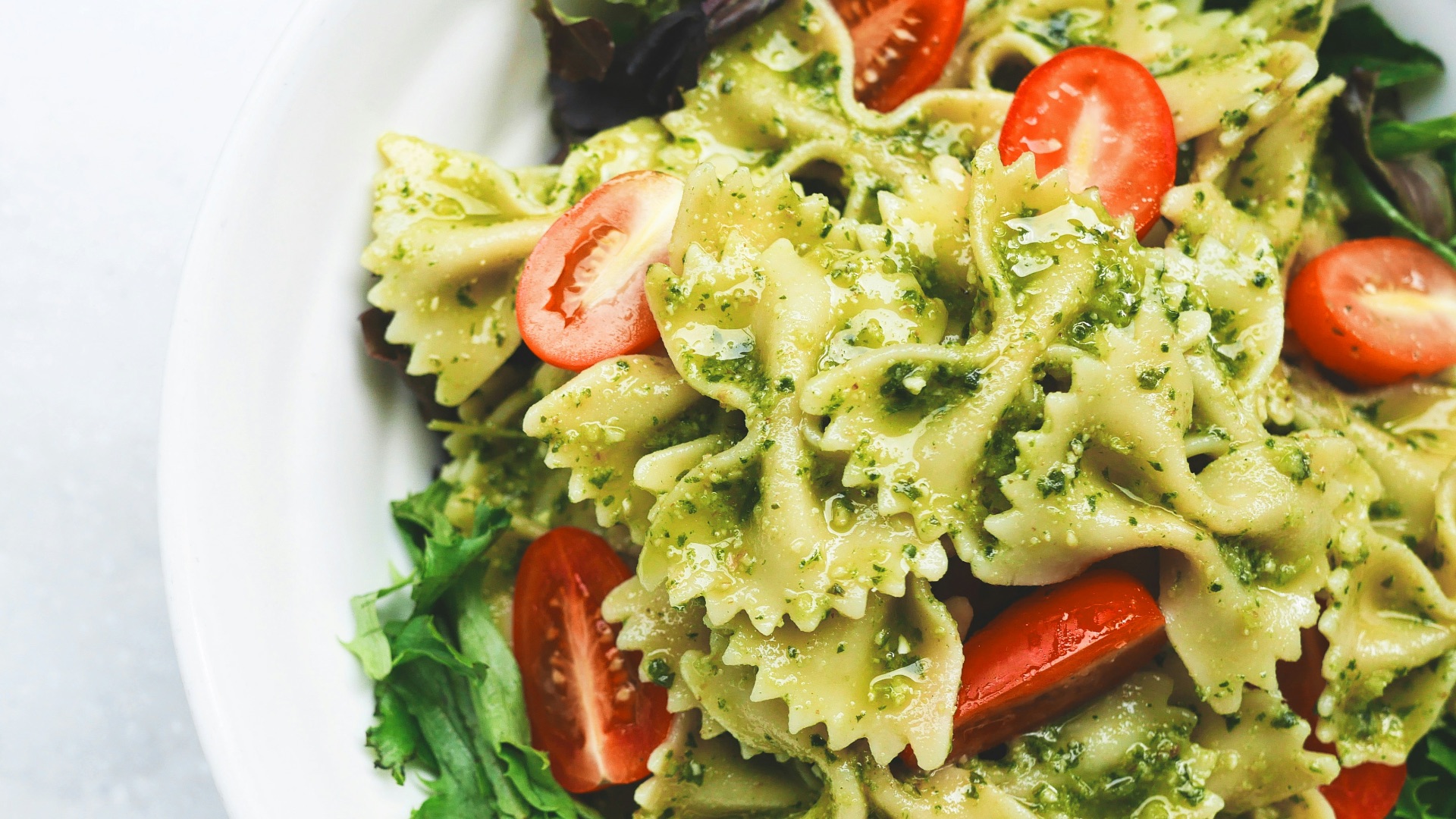
4. Cooking at Home Encourages More Mindful Eating
When you've put time and effort into preparing a meal, you're much more likely to sit down and actually enjoy it rather than eating on the go or in front of a screen. That slower, more intentional approach to eating is associated with better digestion, improved satiety, and a reduced tendency to overeat. The act of cooking itself can shift your relationship with food in a more positive direction, helping you see meals as something to be savored rather than just consumed.
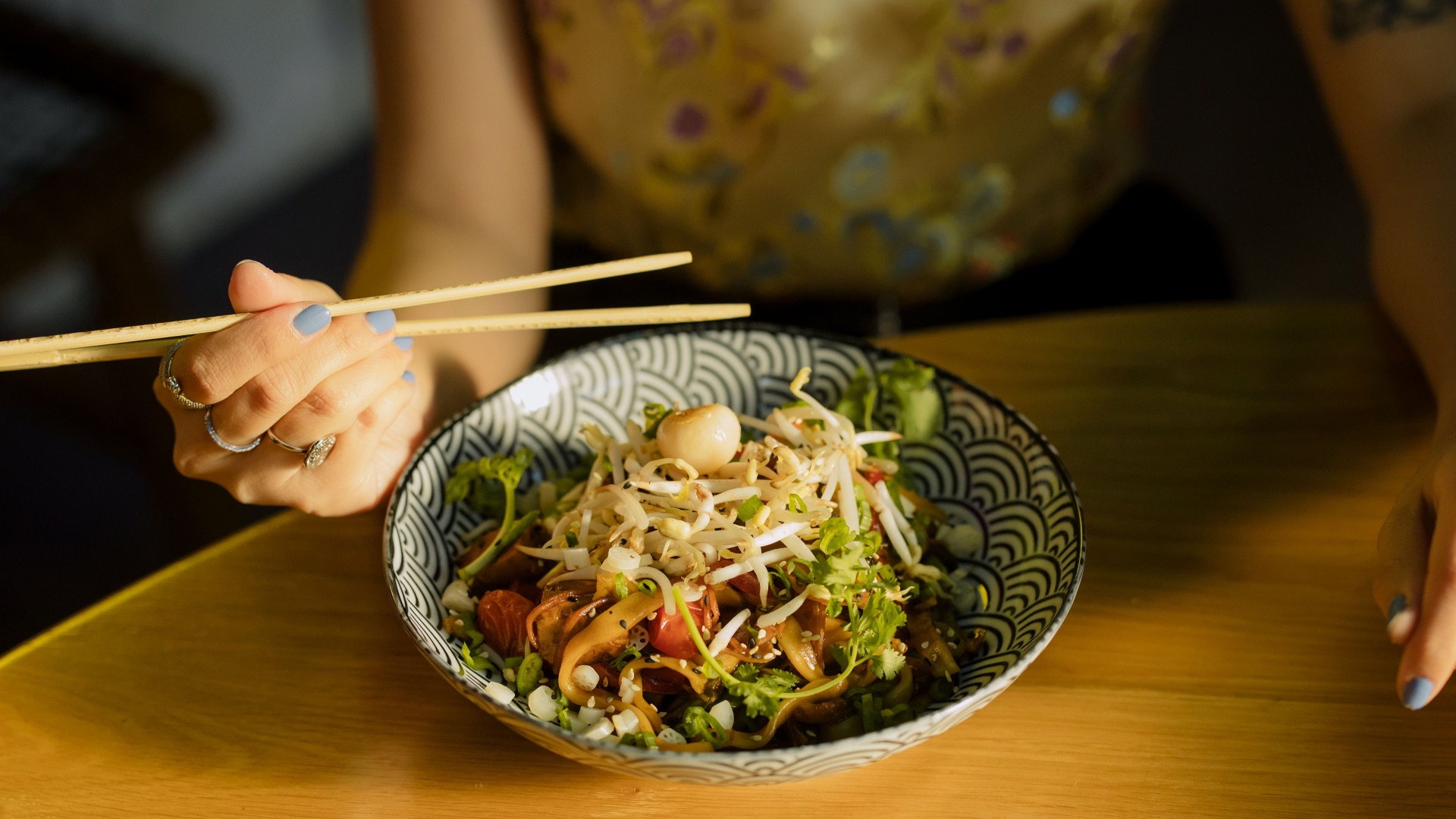
5. You're More Likely to Eat More Fruits and Vegetables
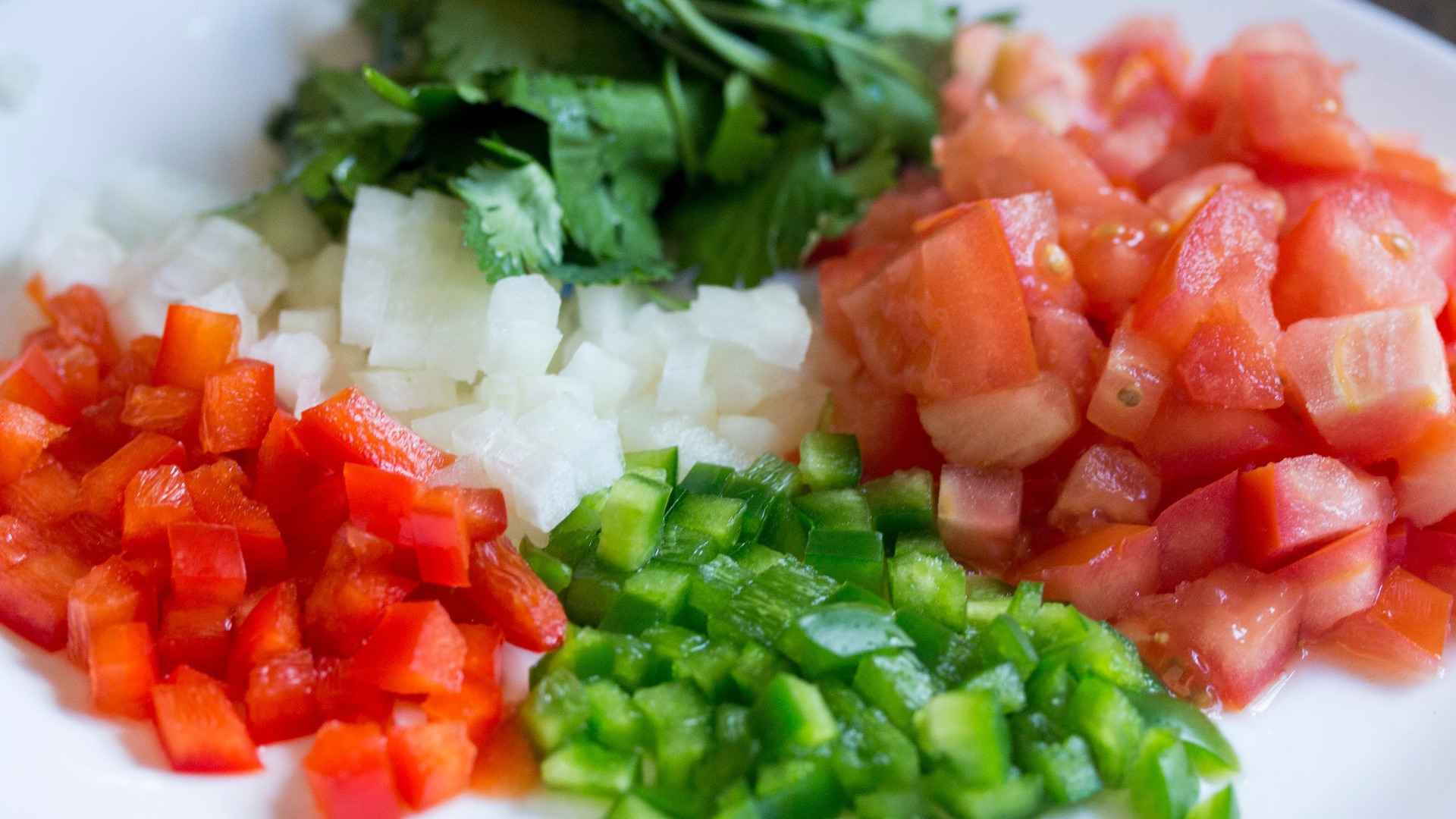
Home cooking gives you the freedom to load up on fresh produce in a way that's much harder to replicate when you're ordering from a menu or heating up a frozen meal. Research has shown that frequent home cooks tend to have higher intakes of fiber, vitamins, and antioxidants compared to people who rarely cook for themselves. Having vegetables on hand and incorporating them into meals becomes a natural habit when you're the one designing what's on the plate.
6. It Supports Better Long-Term Dietary Patterns
People who cook at home regularly tend to develop a more stable and balanced dietary pattern over time, rather than swinging between healthy intentions and convenient but nutritionally poor choices. The skills and habits you build in the kitchen compound over the years, making it progressively easier to eat well without a lot of effort or overthinking. Establishing a solid cooking routine early on can have lasting effects on your overall health that are hard to replicate through any other single lifestyle change.
7. Home Cooking Can Reduce Your Exposure to Harmful Additives
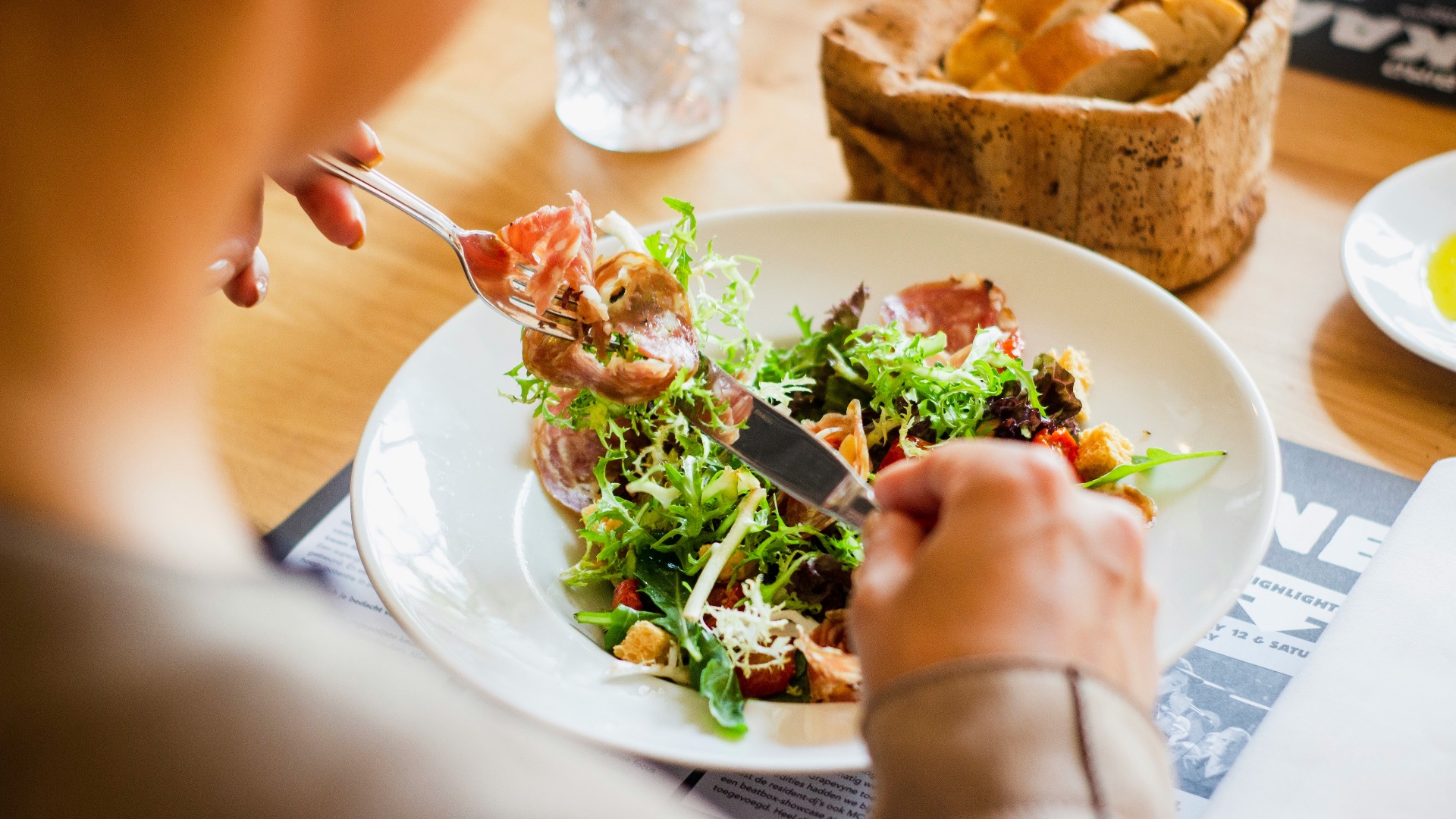
Many commercially prepared foods contain additives, preservatives, artificial colorings, and flavor enhancers that you'd never choose to add yourself if you were cooking from scratch. While the research on individual additives varies, reducing your overall exposure to these substances by preparing more food at home is generally considered a smart approach. Sticking to whole or minimally processed ingredients as your foundation gives you a cleaner starting point with every meal.
8. It Allows You to Build Better Cooking Habits
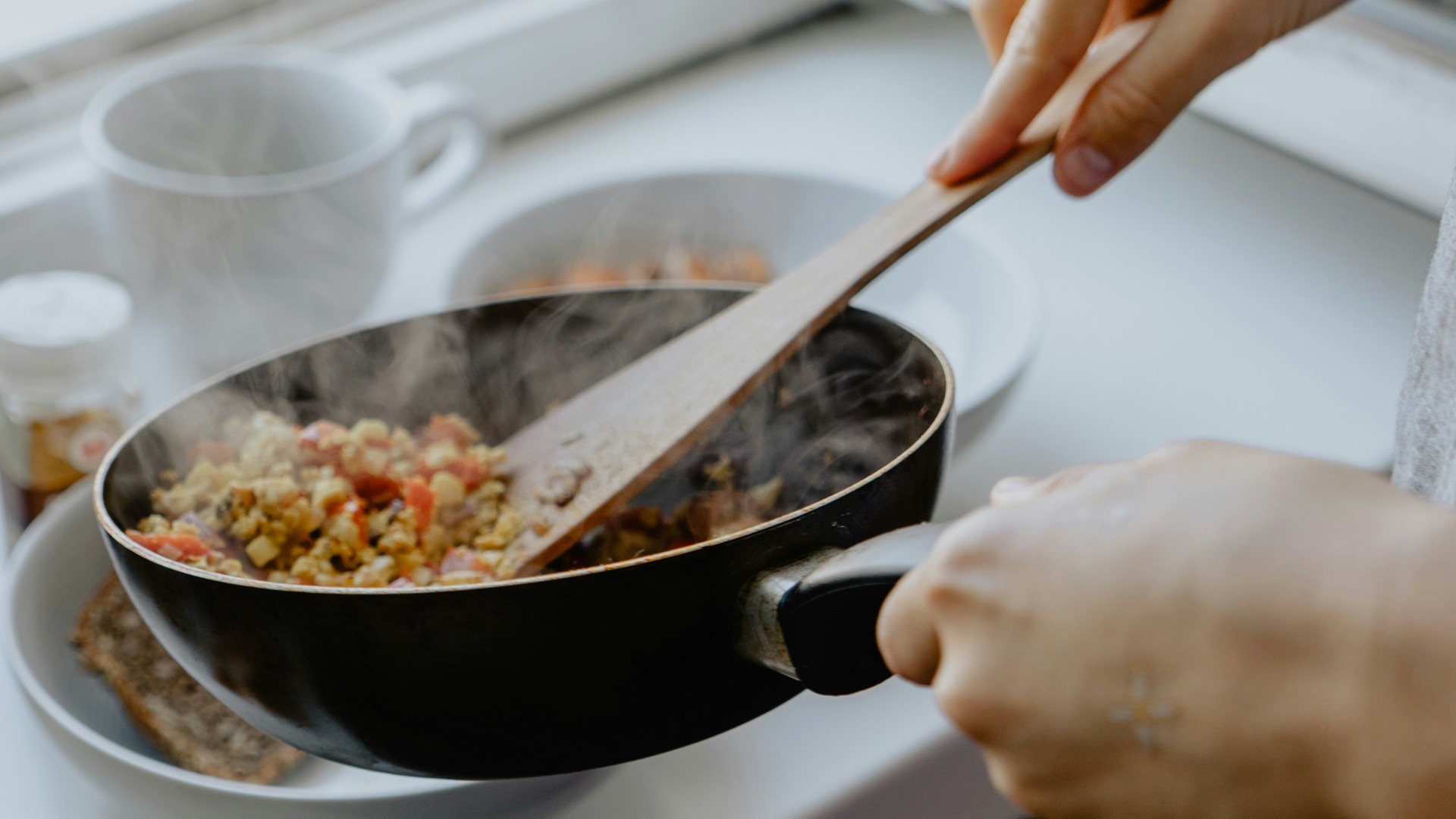
Every meal you prepare at home is a chance to get a little more confident, a little more efficient, and a little more creative with healthy ingredients. Unlike eating out, where the outcomes are largely out of your hands, cooking gives you immediate feedback and the ability to improve with each attempt. Over time, those accumulated skills translate into a genuine ability to nourish yourself and your household in a way that no delivery app can fully replace.
9. Sharing Home-Cooked Meals Has Measurable Health Benefits
Research has linked regular family or shared mealtimes with lower rates of depression, better emotional wellbeing, and stronger social bonds, particularly in children and teenagers. Cooking for others is also a form of care that tends to be deeply satisfying on a personal level, contributing to a greater sense of purpose and connection. These mental and emotional benefits are a meaningful part of the full picture when you're weighing the value of cooking at home.

10. It Can Save You Money
Cooking at home is almost always more cost-effective than eating out, and that financial margin gives you room to spend more on quality ingredients when it counts. Better-quality produce, sustainably raised proteins, and whole grains can all fit into a home-cooking budget that would barely cover a single restaurant entrée. Redirecting that spending toward higher-quality raw ingredients is one of the most practical ways to improve the nutritional value of your diet without overhauling your entire lifestyle.

KEEP ON READING



20 Ways to Deal With Your Sweet Tooth

20 Low-Impact Exercise Ideas For People Over 50