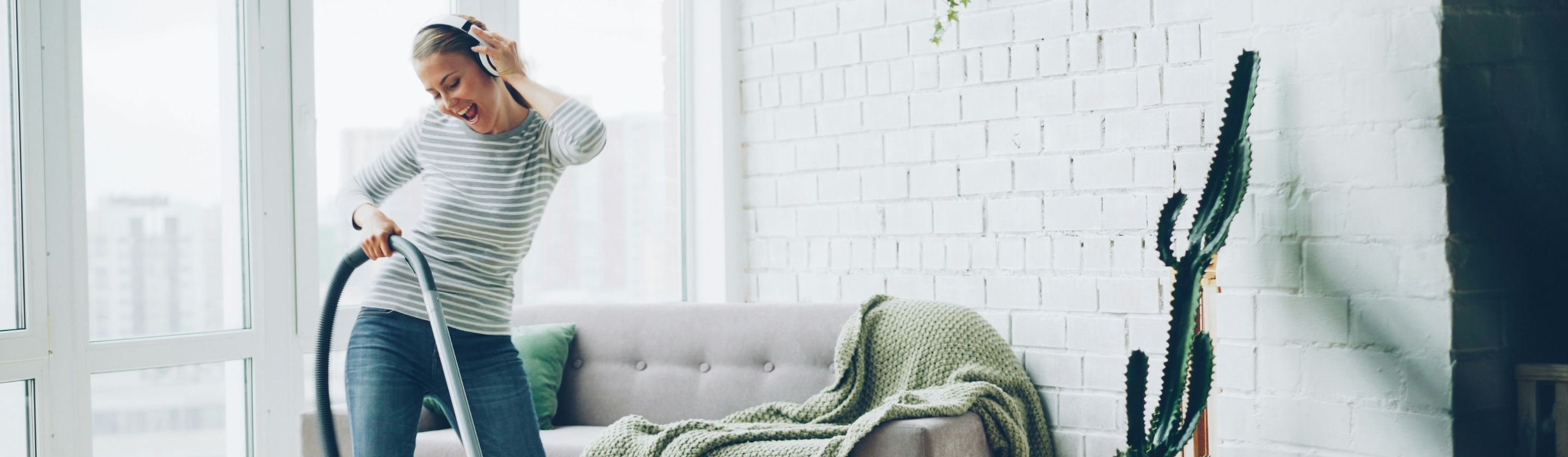
Simple Tools for Better Exercise Sessions
Working out at home doesn't always require expensive equipment or a dedicated gym space. Many common household items can make exercises more comfortable, organized, and effective while helping you stay consistent with your routine. From improving stability to adding resistance or simply keeping you hydrated, these 20 everyday items can make a surprising difference in how smoothly your workouts go.
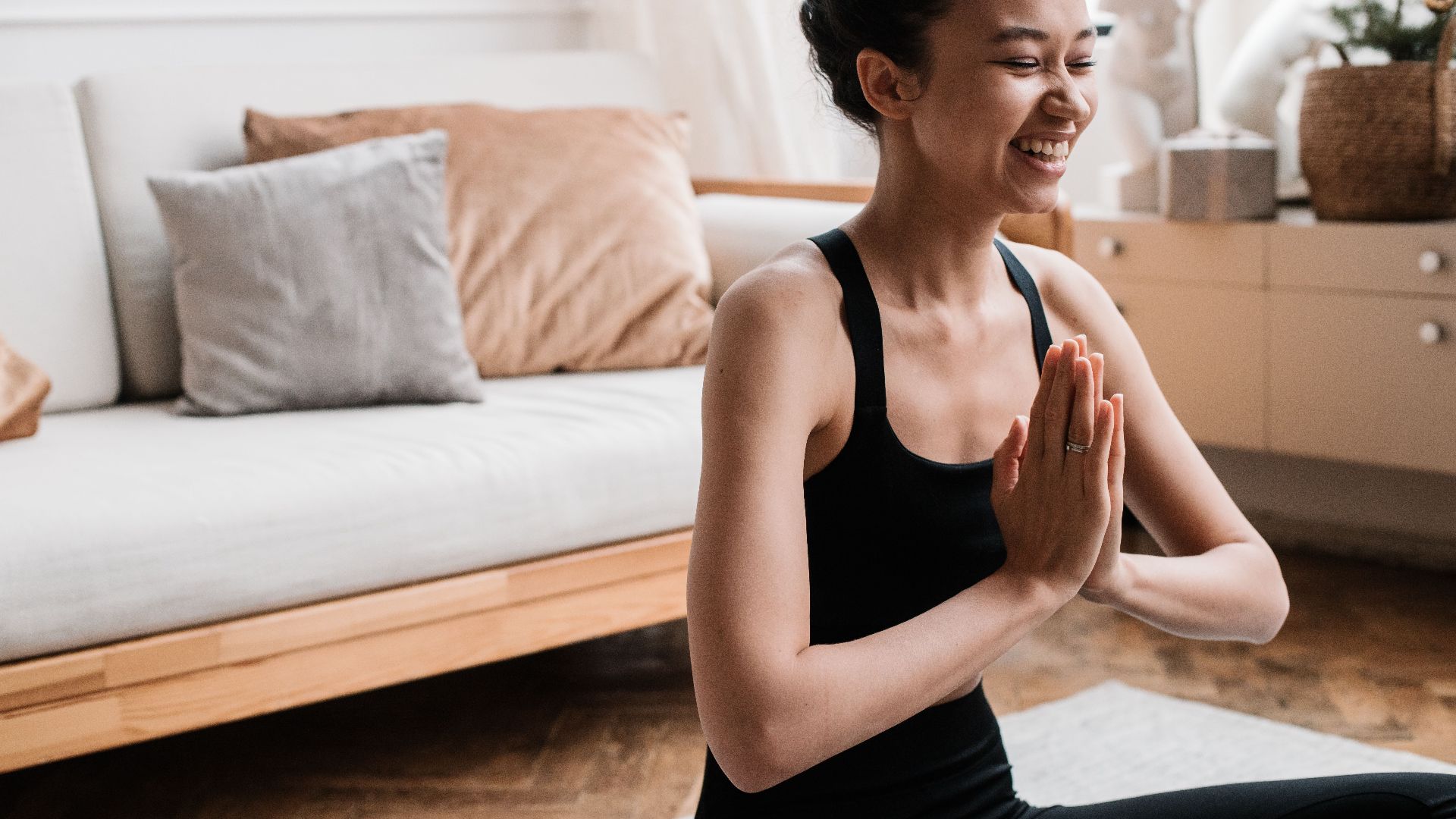
1. Water Bottle
Staying hydrated is important during any form of exercise because even mild dehydration can affect performance and energy levels. Keeping a water bottle nearby makes it easier to sip regularly throughout your workout. A reusable bottle also helps you track how much water you're drinking during the day.
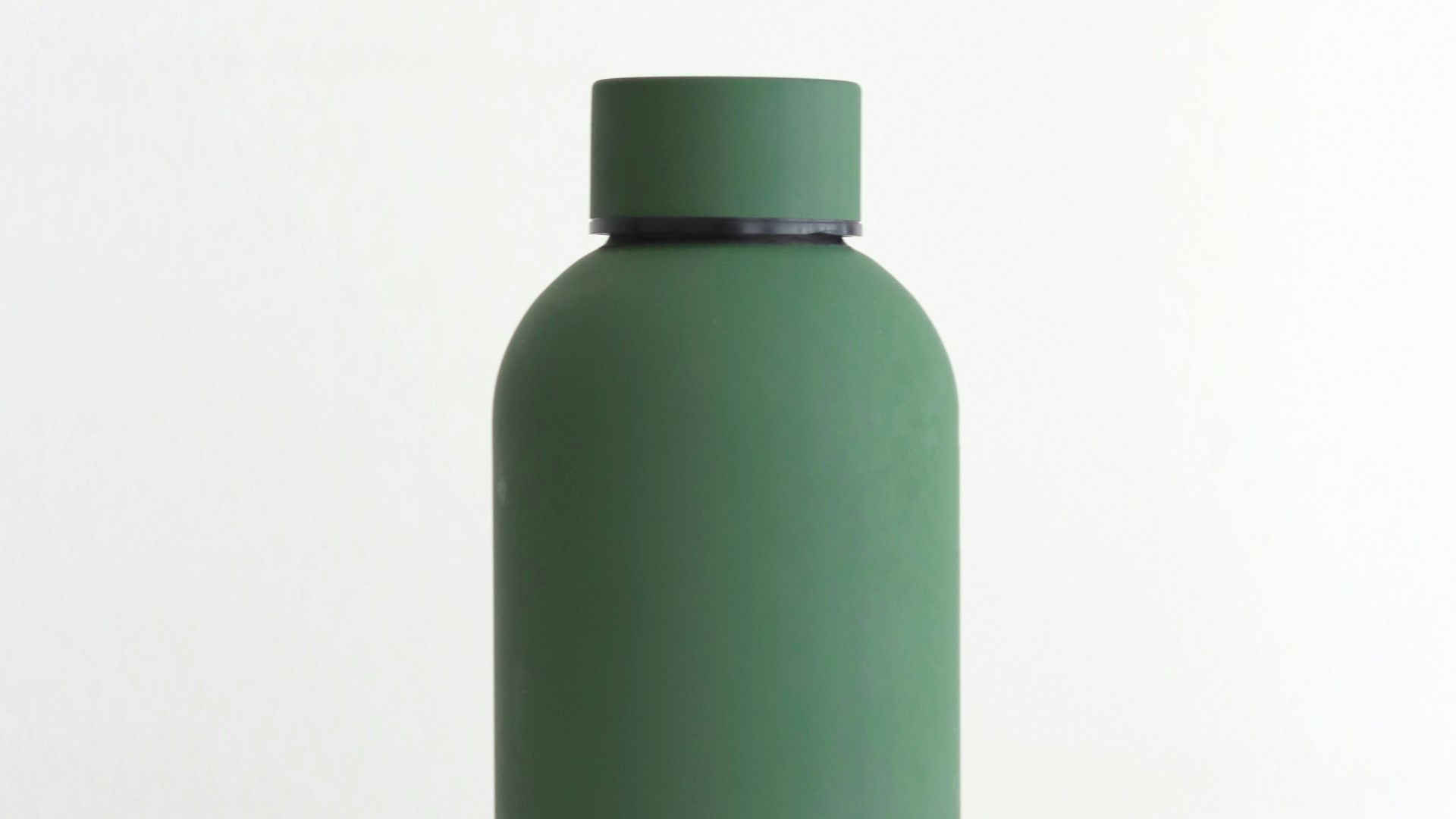
2. Yoga Mat
A yoga mat provides cushioning between your body and hard floors, making exercises more comfortable. It's useful for stretching, yoga, Pilates, and bodyweight movements such as pushups and planks. The non-slip surface can also improve stability during many exercises.
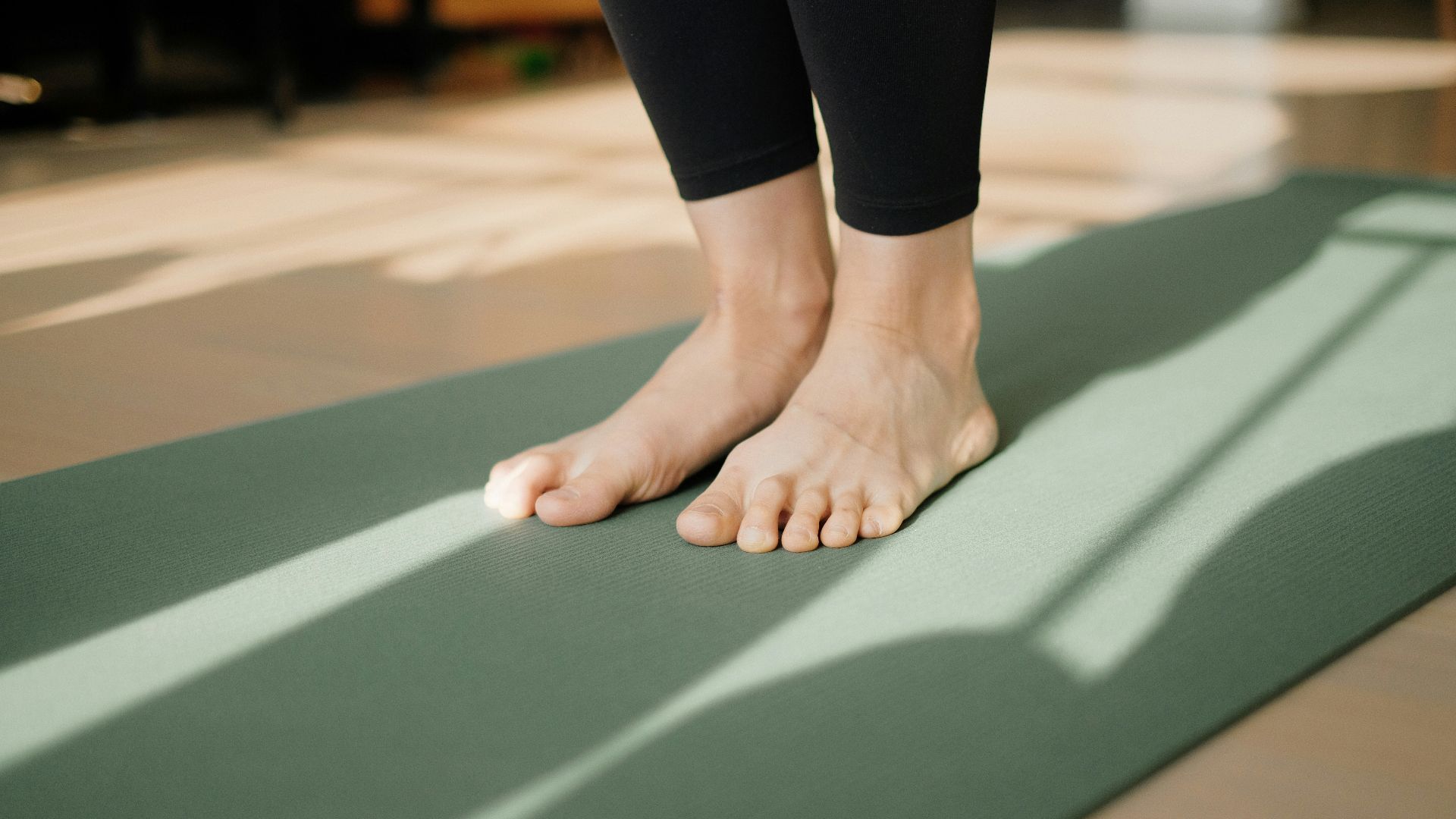
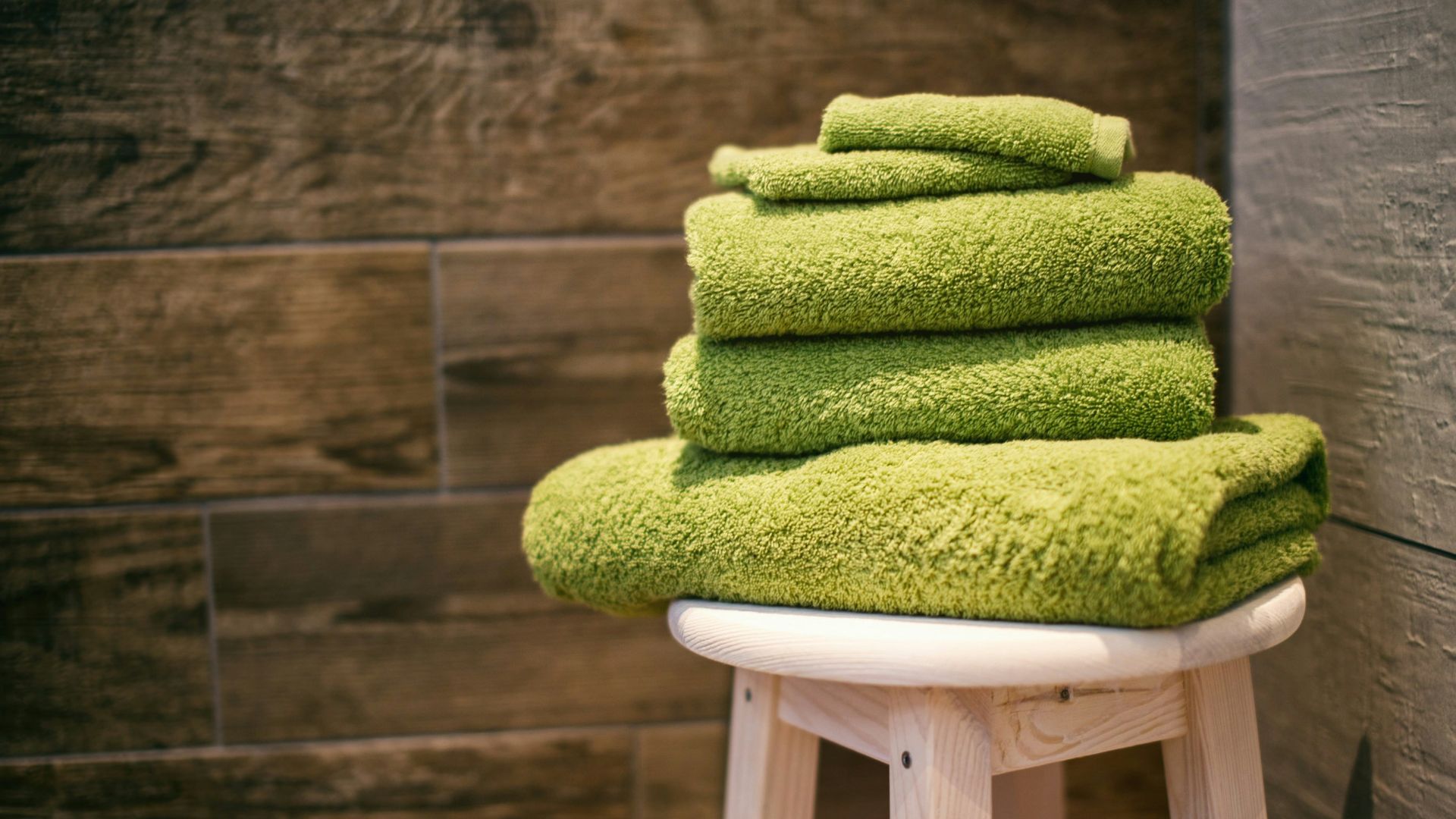
3. Bath Towel
A simple bath towel can serve several workout purposes around the house. You can use it to wipe away sweat, place it under your knees for cushioning, or even perform sliding exercises on smooth floors. Its versatility makes it one of the most useful items to keep nearby.
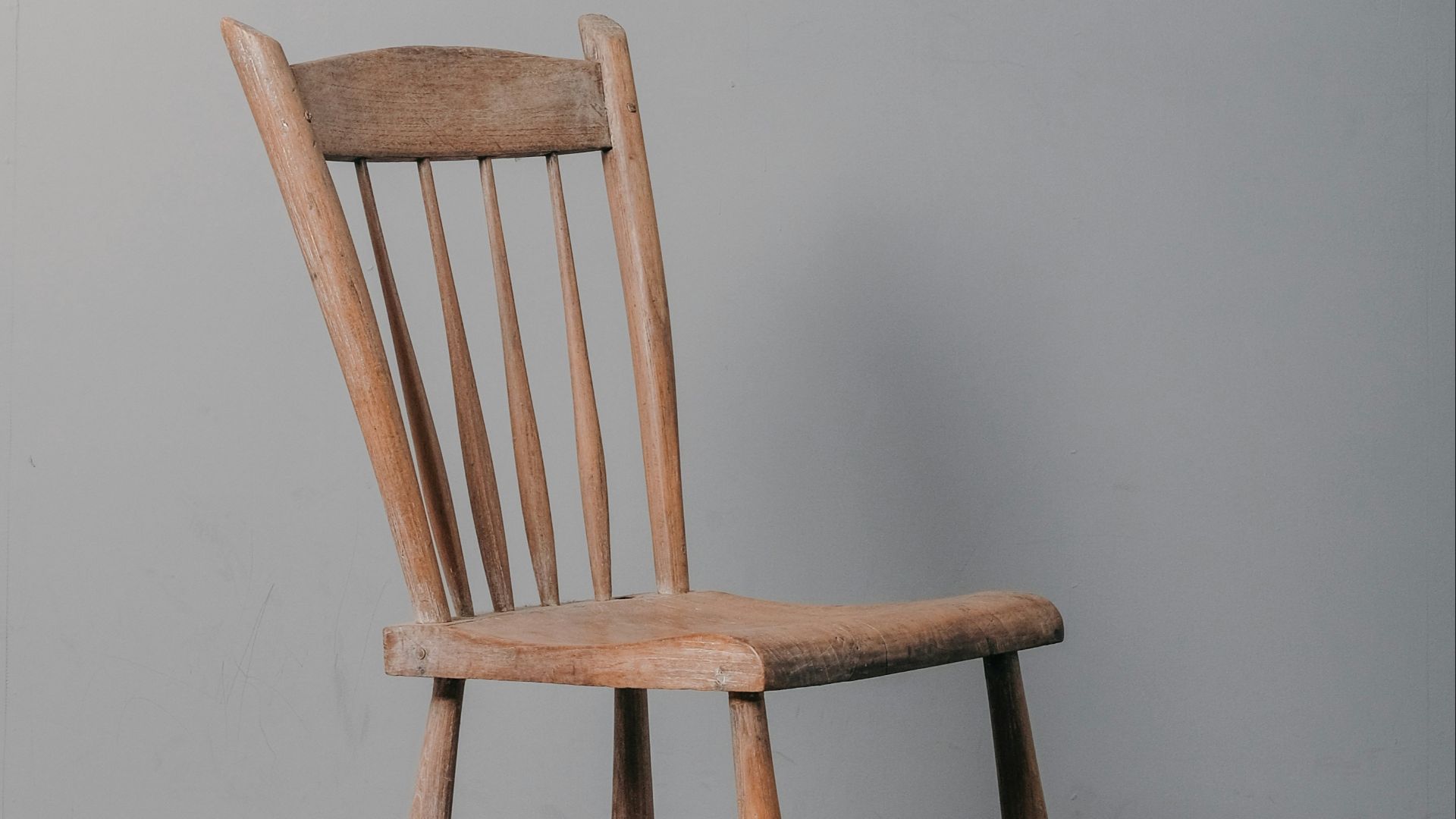
4. Sturdy Chair
Many home workouts incorporate chairs for support, balance, or elevated movements. A sturdy chair can assist with step-ups, triceps dips, seated exercises, and modified squats. Using one allows you to adapt exercises to your current fitness level.
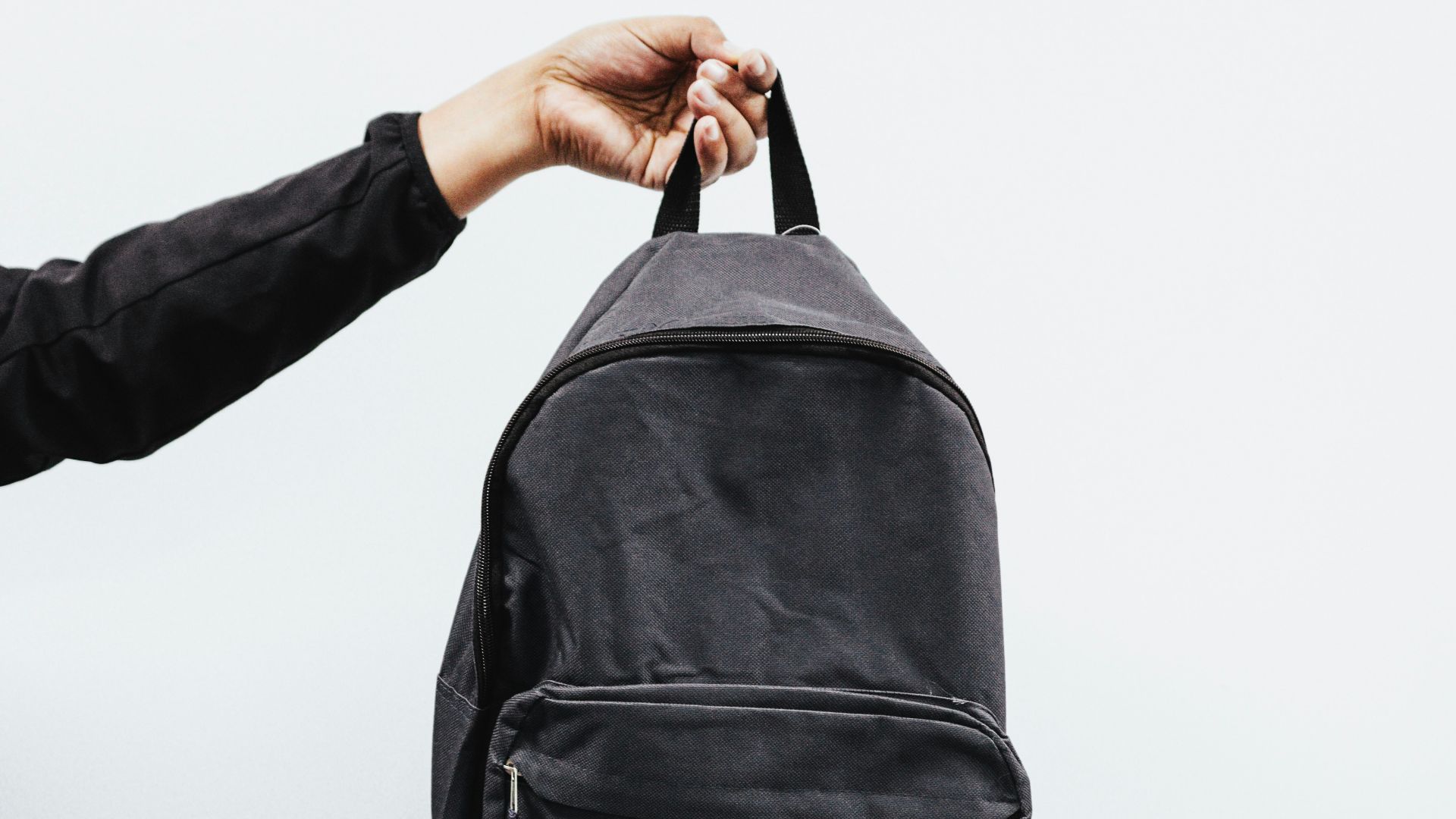
5. Backpack
A backpack can easily become a piece of adjustable workout equipment. By adding books or other heavy objects, you can create extra resistance for squats, lunges, and walking workouts. This makes it a practical substitute when traditional weights aren't available.
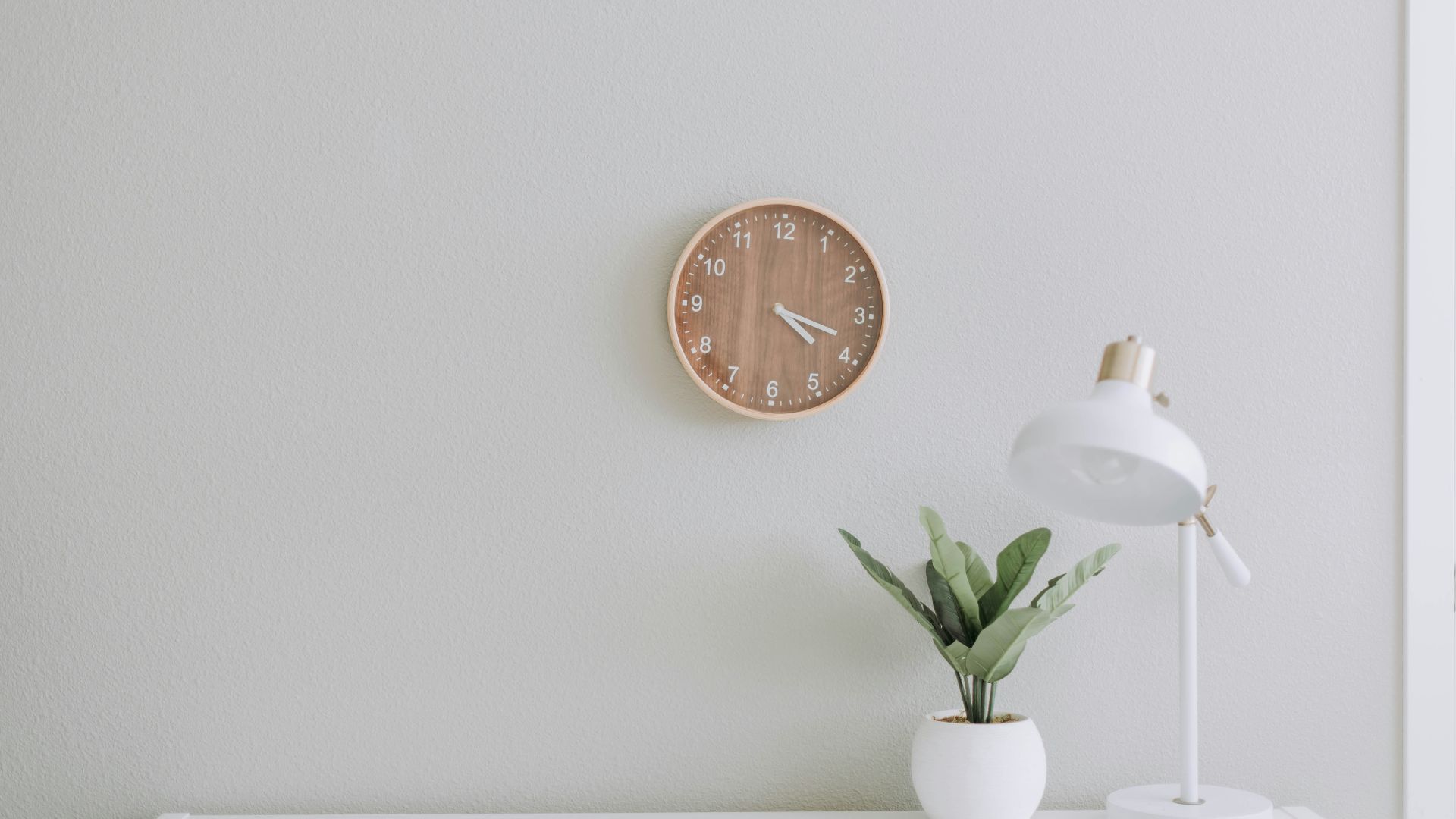
6. Wall Clock or Timer
Timing exercises and rest periods helps keep workouts structured and efficient. A wall clock or timer allows you to follow interval routines without constantly checking your phone. Having clear timing often encourages better consistency during training sessions.
7. Mirror
A mirror can help you monitor your exercise form while working out. Watching your posture and movement patterns makes it easier to identify mistakes that could reduce effectiveness or increase injury risk. Even a small mirror can provide valuable visual feedback.
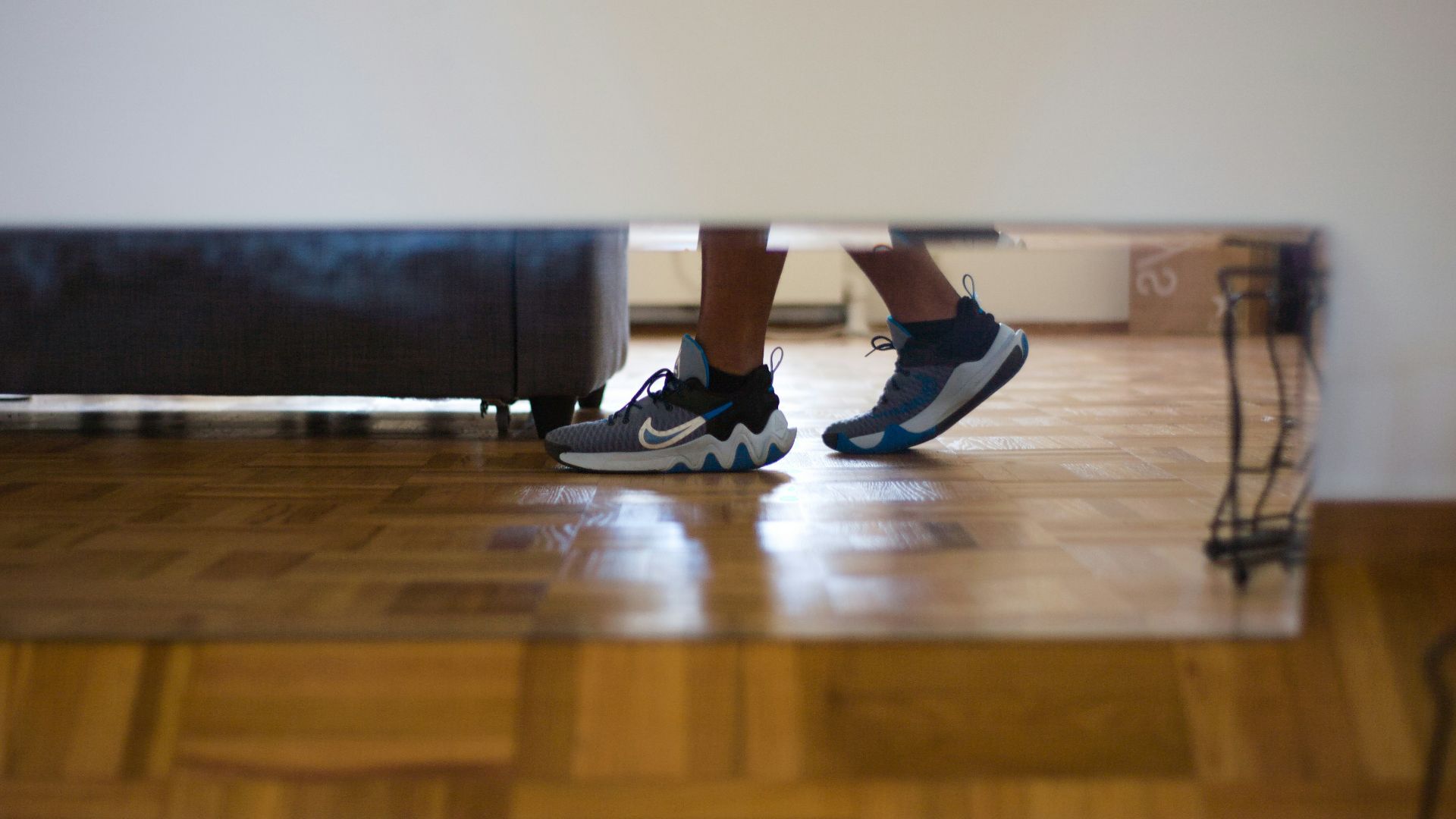 Sam Jotham Sutharson on Unsplash
8. Foam Pillow
A foam pillow can add comfort during floor-based exercises and stretching sessions. It works well for supporting the neck, lower back, or knees when needed. Having extra cushioning can make longer mobility sessions much more enjoyable.
 Nikolay Kolosovskiy on Unsplash
9. Books
Books aren't just for reading when it comes to home workouts. Stacks of books can be used to elevate heels during certain squat variations or create small platforms for exercises. Their weight also makes them useful for adding resistance to a backpack.

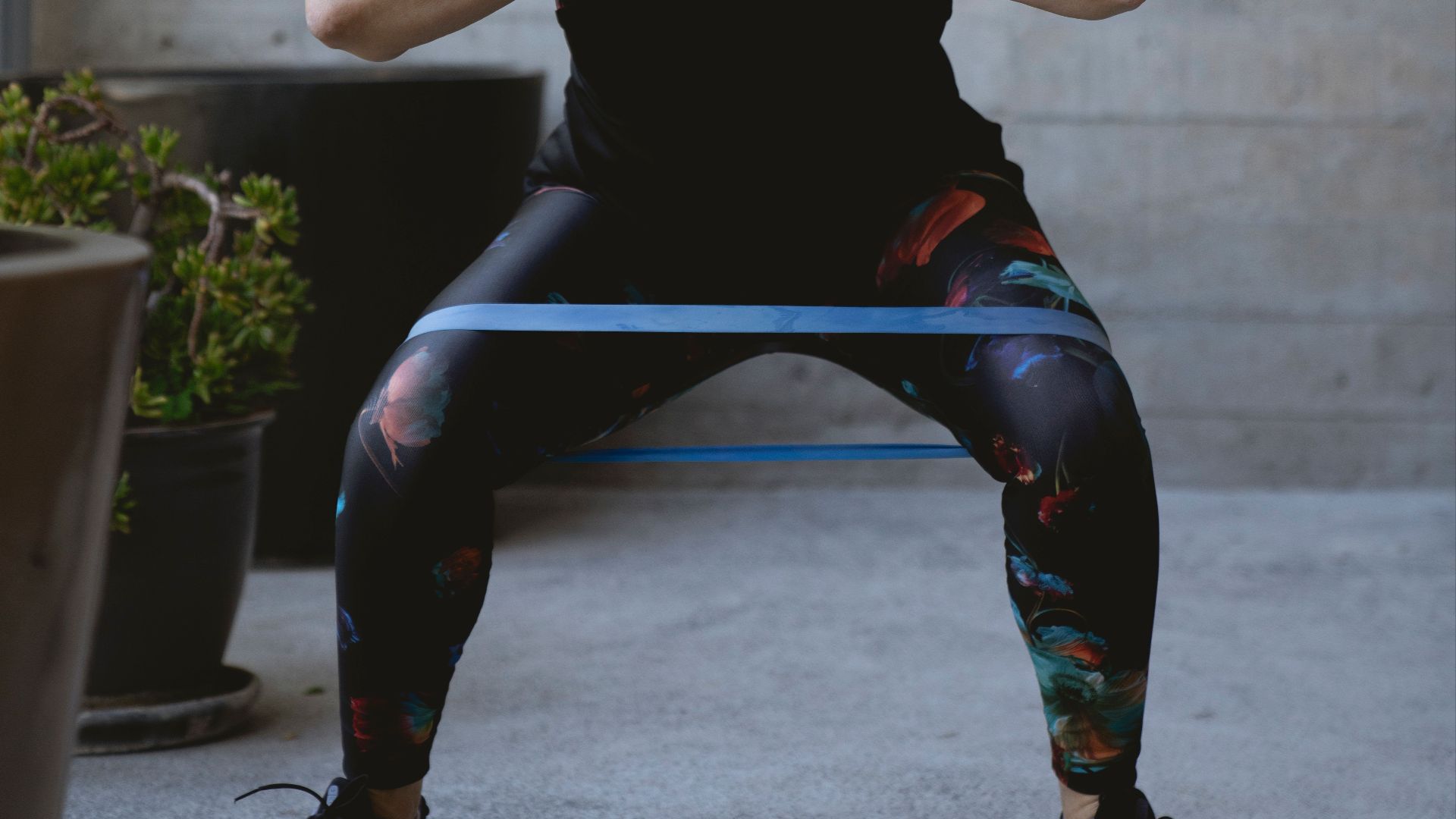
10. Resistance Bands
Many people already keep resistance bands in a drawer because they're affordable and easy to store. These bands can increase the difficulty of exercises while placing less stress on joints than some heavier equipment. They're especially useful for strength training and mobility work.
11. Tennis Ball
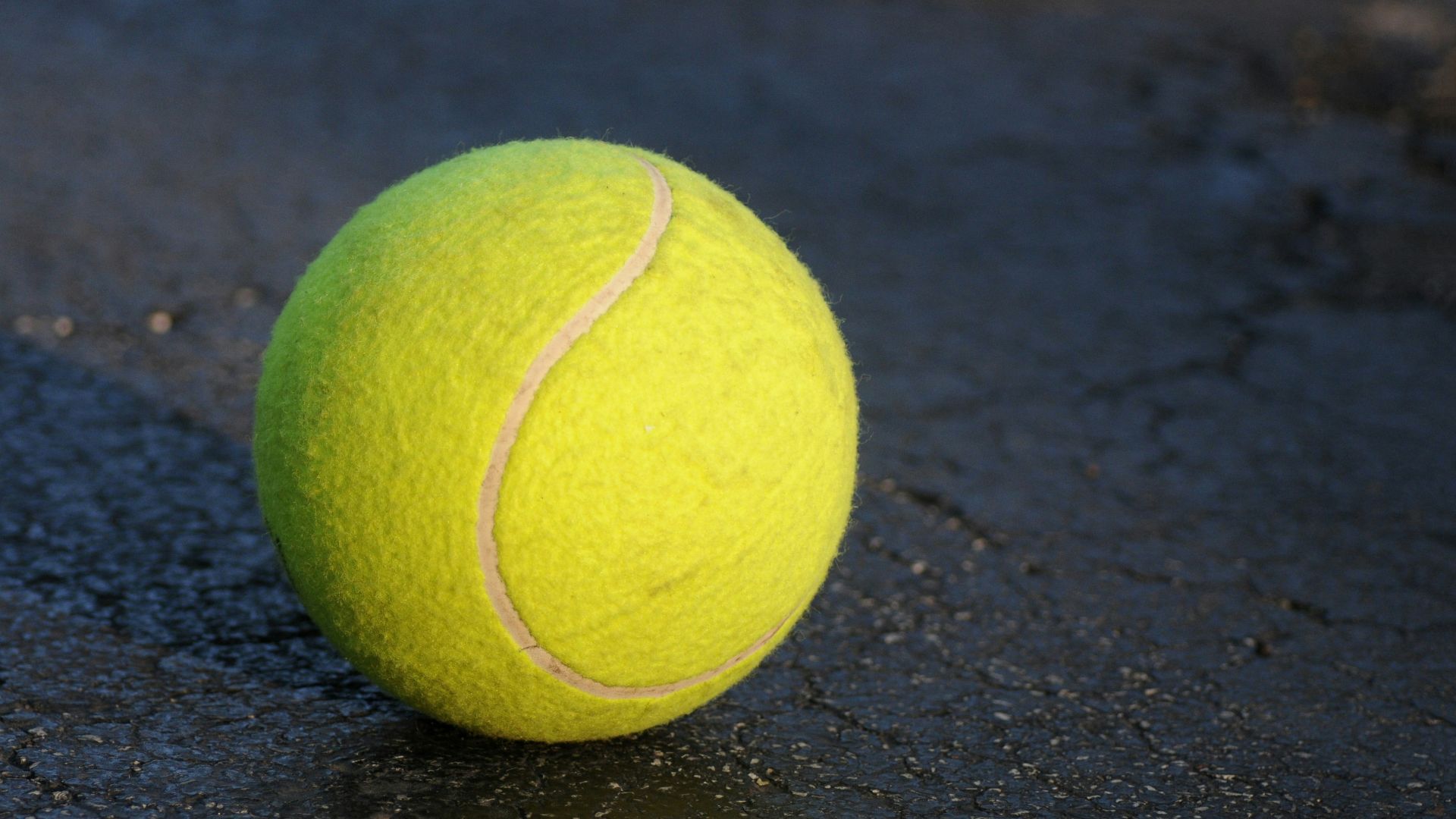
A tennis ball can help with muscle recovery after exercise. Rolling it under the feet or against tight muscles provides a simple form of self-massage. This can help relieve minor muscle tension and improve comfort between workouts.
12. Stairs
If your home has stairs, you've got a built-in cardio tool. Walking or running up and down stairs challenges the heart, lungs, and lower-body muscles. Short stair workouts can deliver an effective fitness session in a limited amount of time.

13. Smartphone
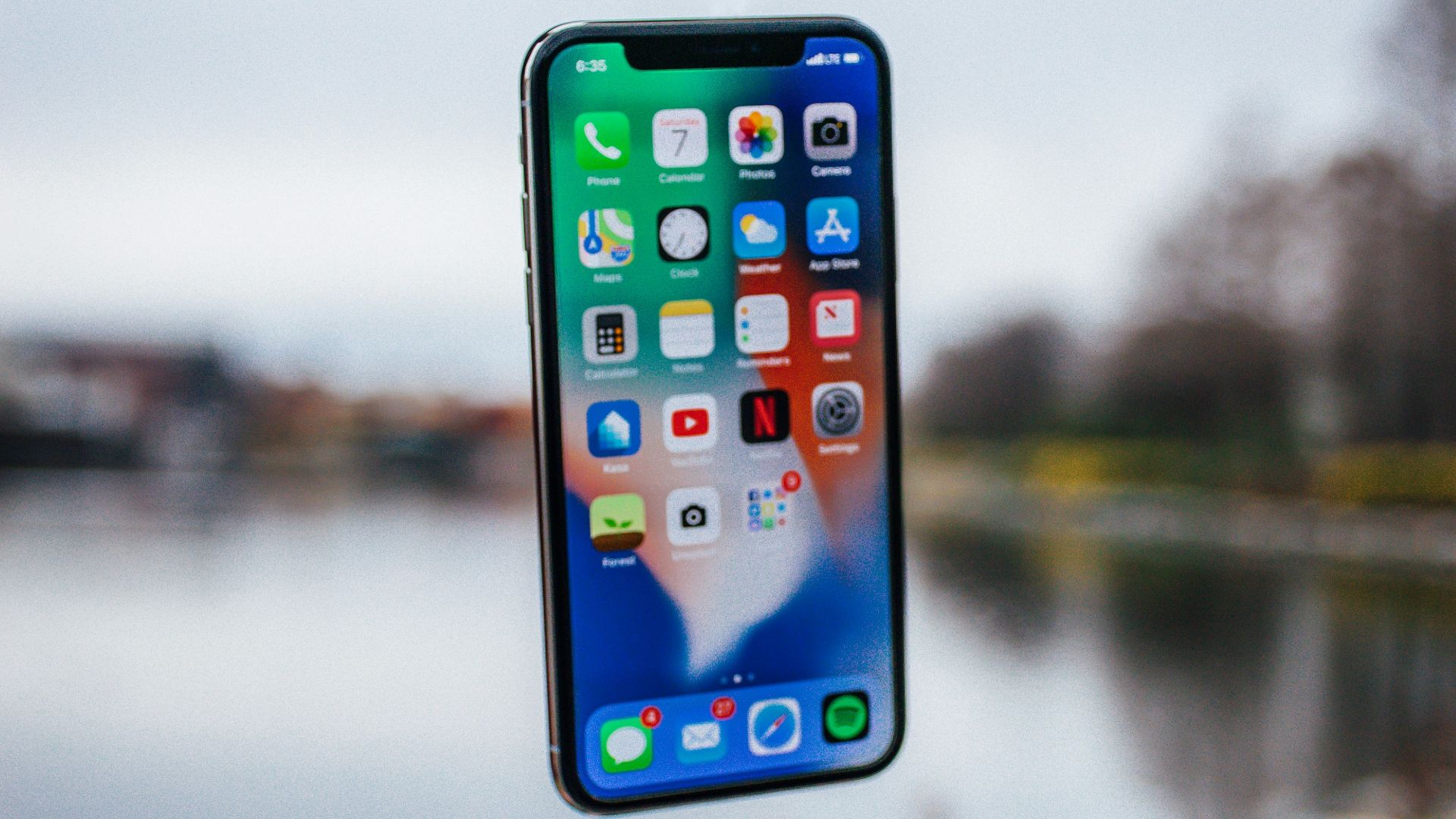
A smartphone can be a valuable workout companion when used purposefully. It provides access to exercise apps, workout videos, timers, and fitness tracking tools. Many people find that guided workouts help them stay motivated and focused.
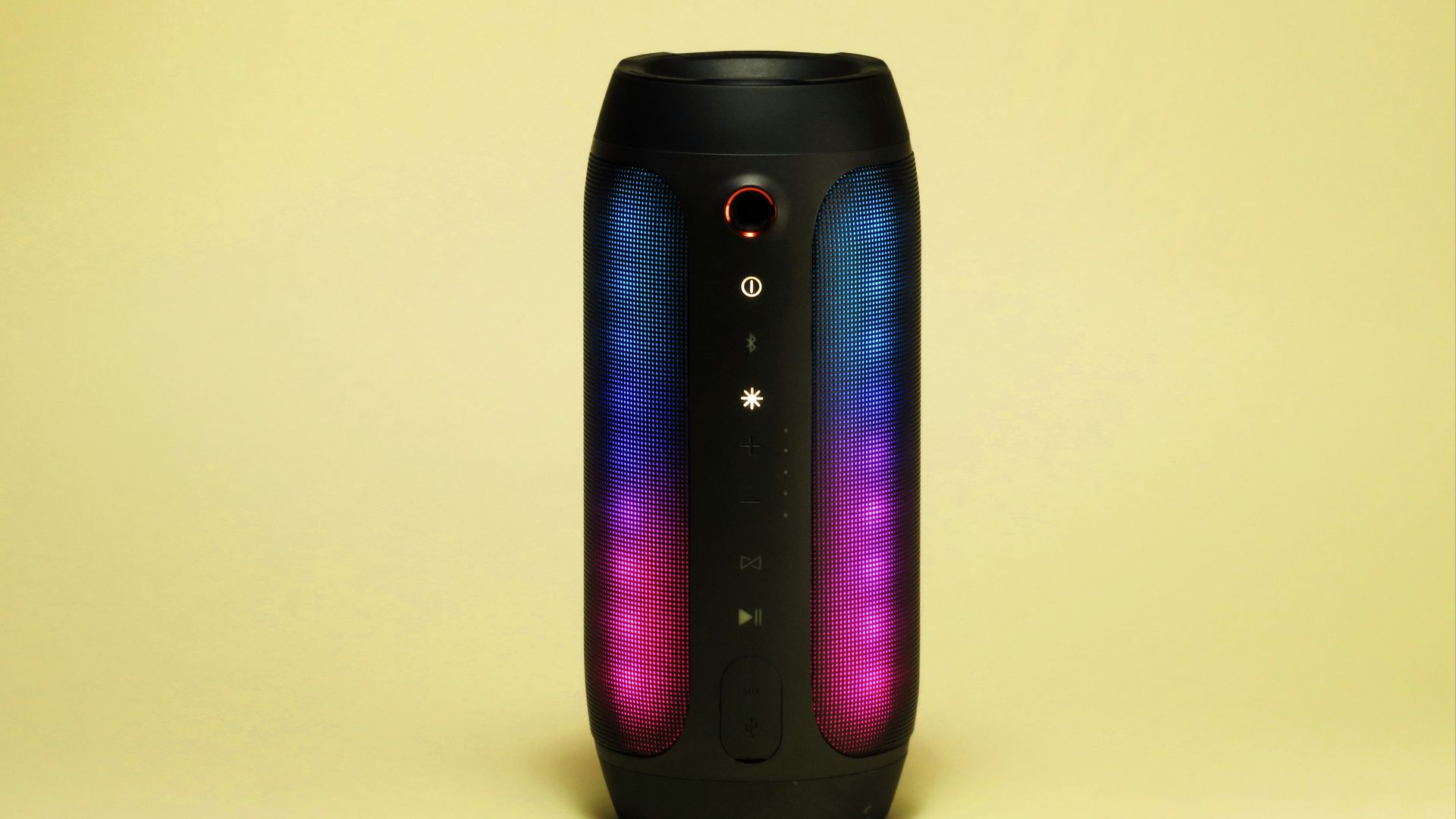
14. Bluetooth Speaker
Listening to music during exercise can make workouts feel more enjoyable for many people. A Bluetooth speaker allows you to hear instructions clearly during online classes without wearing headphones. Good audio can also help maintain energy during challenging sessions.
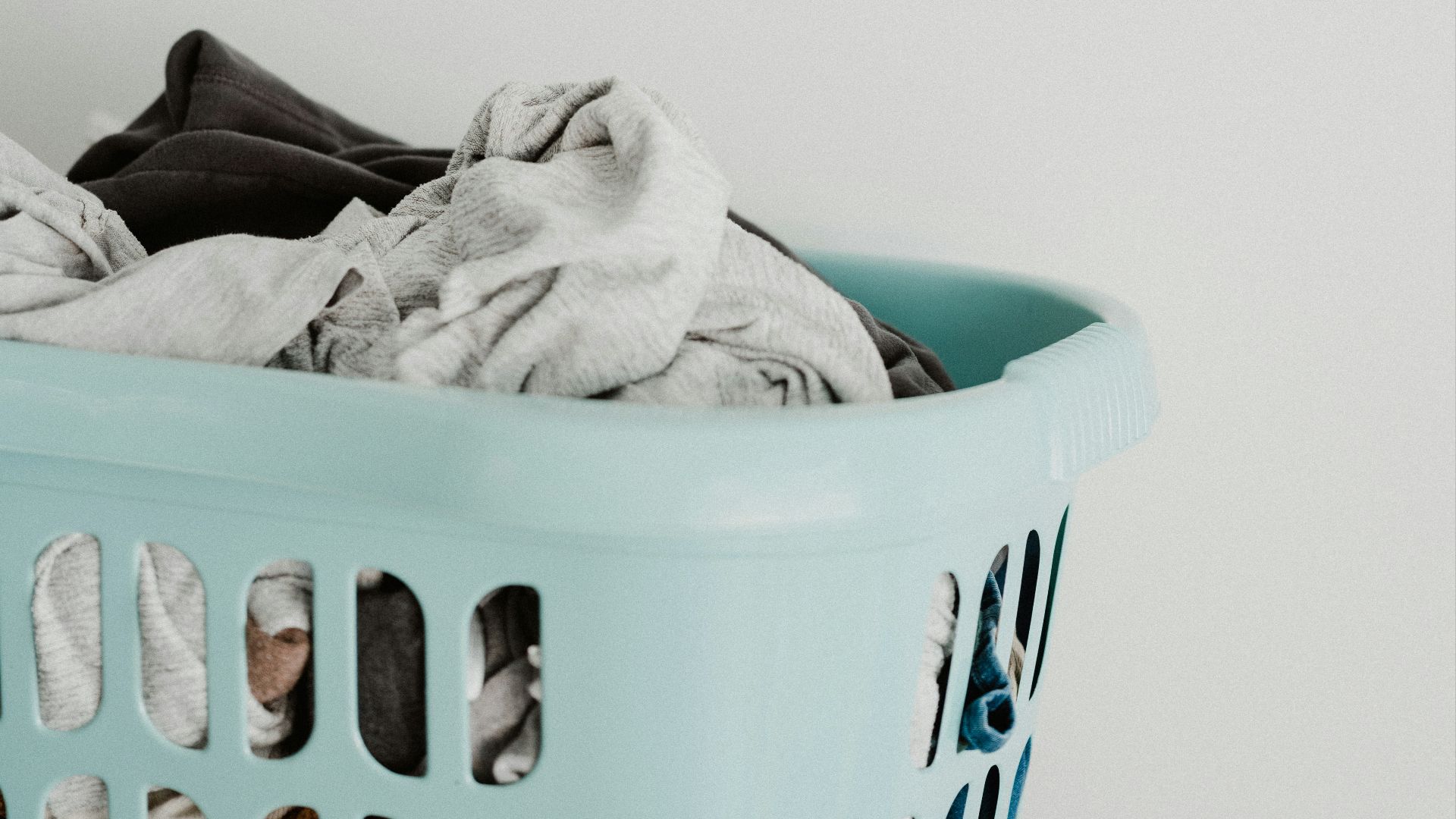
15. Laundry Basket
A laundry basket may seem like an unusual fitness tool, but it can be surprisingly useful. Loaded with clothing or household items, it becomes a manageable weight for carrying exercises. Functional movements like carrying objects mimic everyday physical tasks.
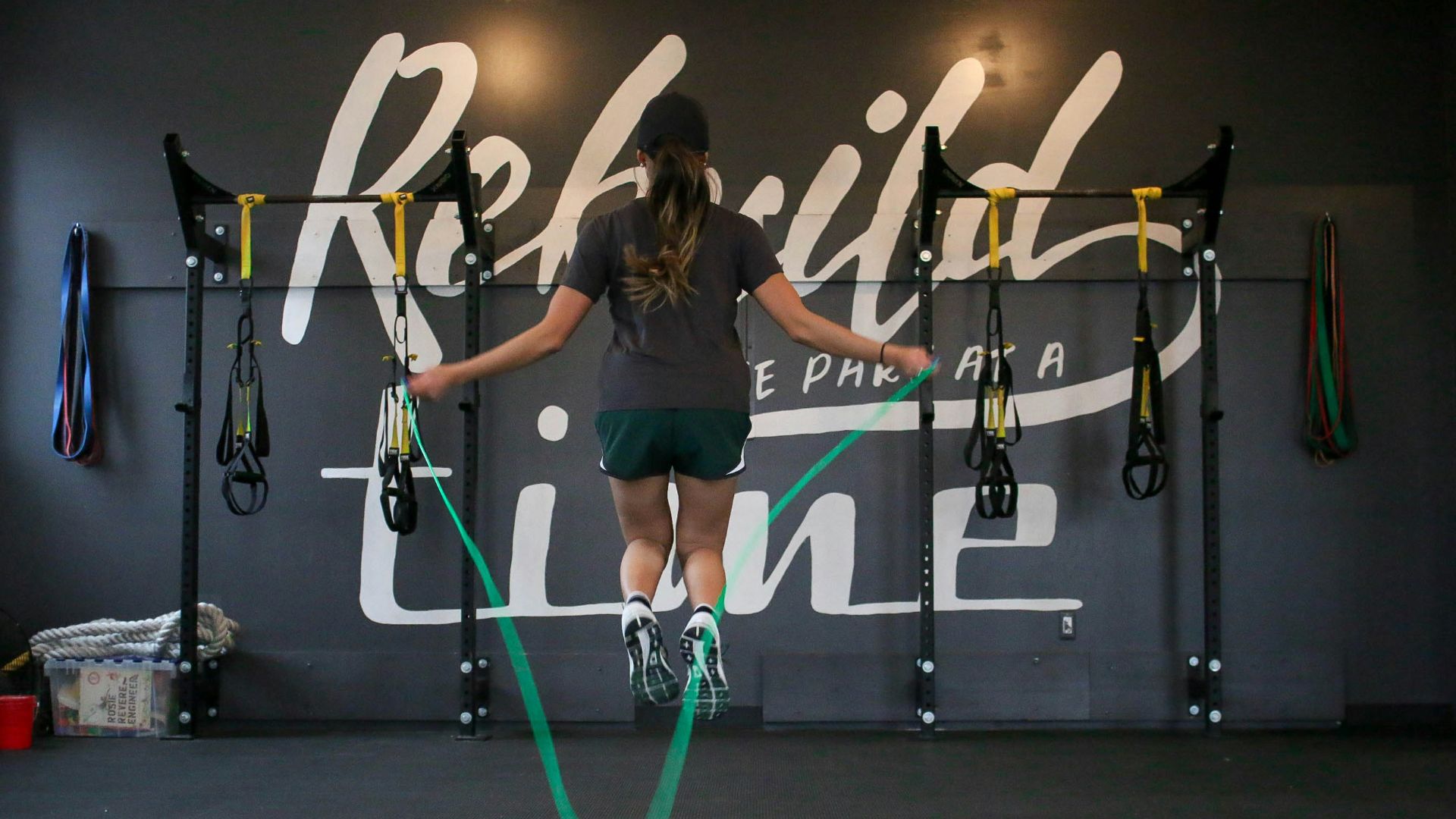
16. Jump Rope
A jump rope is inexpensive, portable, and highly effective for cardiovascular exercise. Just a few minutes of jumping can significantly elevate your heart rate. It also helps improve coordination, rhythm, and lower-body endurance.
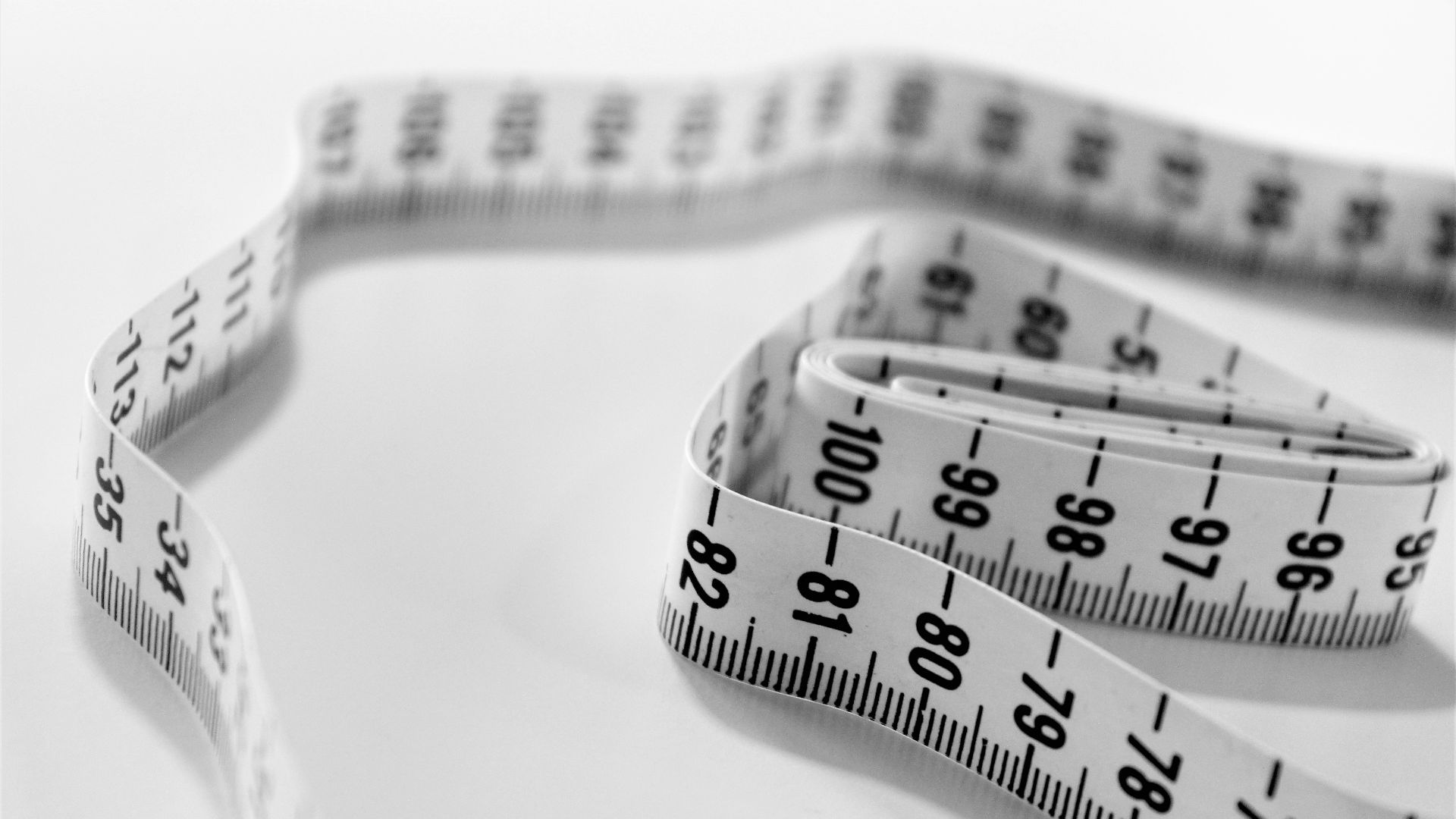
17. Measuring Tape
Tracking progress isn't always about body weight. A measuring tape allows you to monitor changes in body measurements over time. This can provide useful feedback when strength gains or body composition improvements aren't immediately visible on a scale.
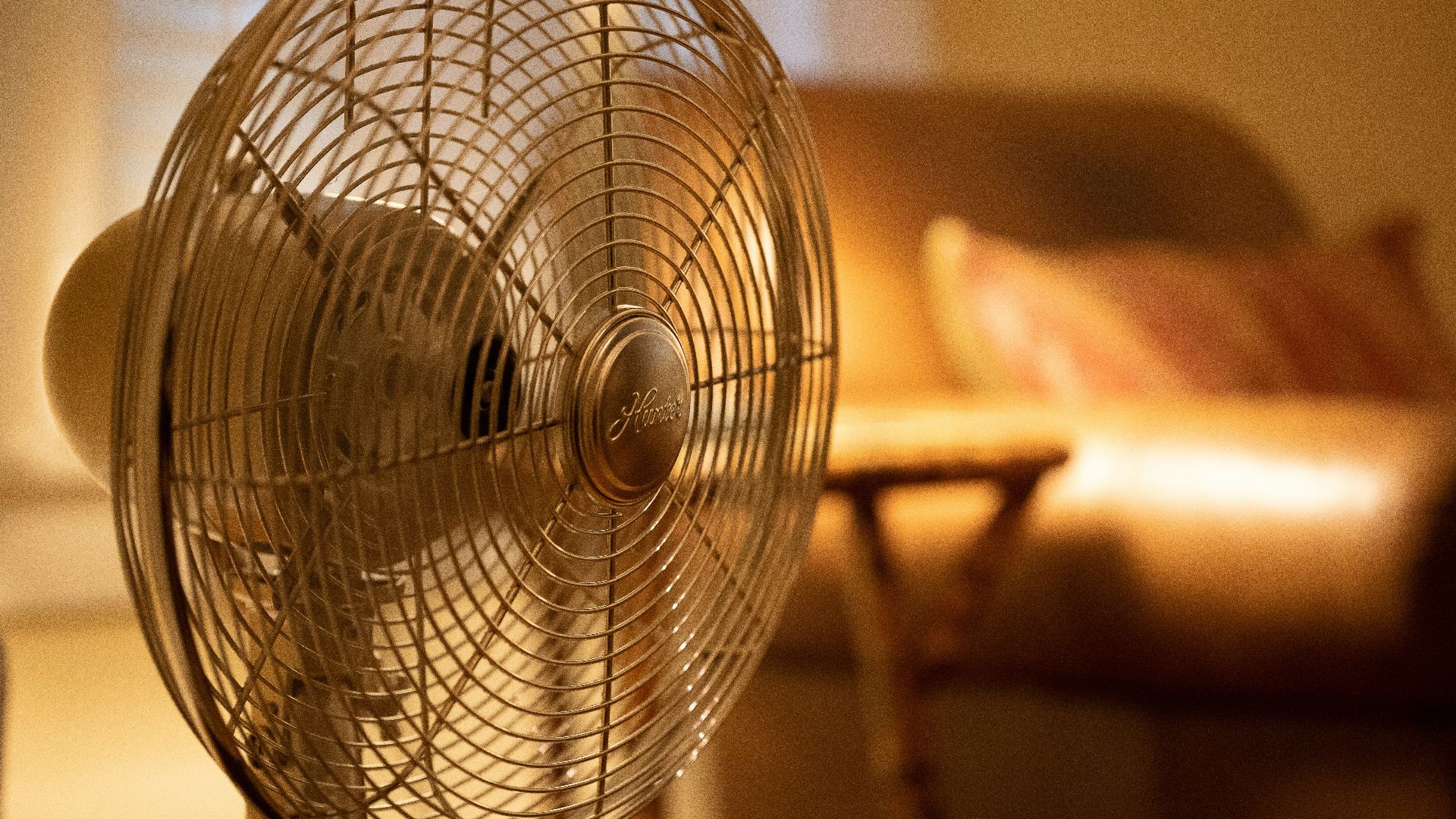
18. Fan
Exercising in a cooler environment can improve comfort during workouts. A fan helps circulate air and reduce the feeling of overheating, particularly during high-intensity sessions. Better comfort often makes it easier to maintain exercise consistency.
19. Notebook
A notebook provides a simple way to record workouts, goals, and progress. Writing down exercises and repetitions can help you identify improvements over time. Many successful fitness programs rely on consistent tracking to support long-term results.

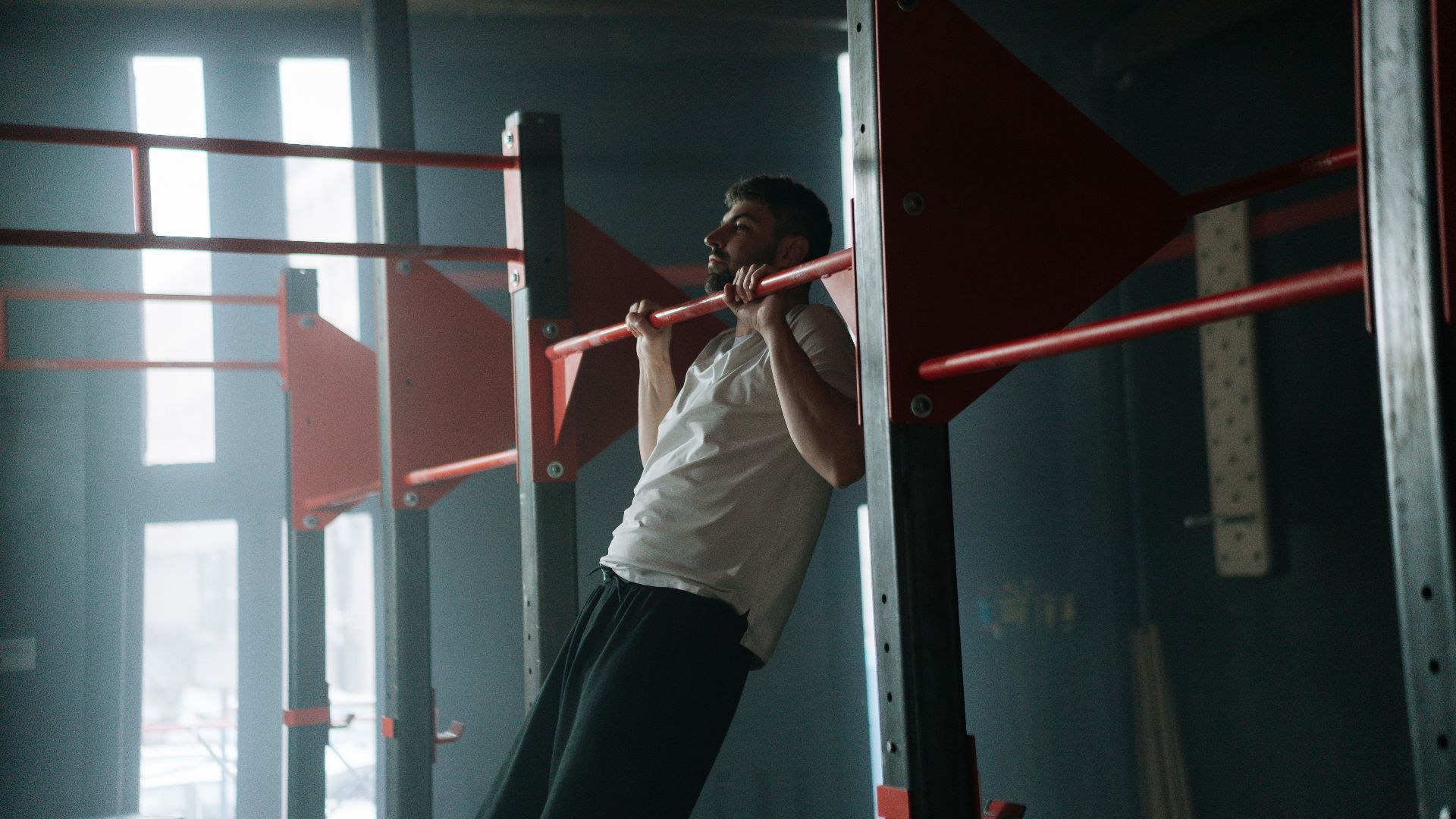
20. Doorway Pull-Up Bar
Many people install a doorway pull-up bar because it requires minimal space and no dedicated gym room. It provides opportunities for upper-body exercises such as pull-ups, chin-ups, and hanging leg raises. This compact piece of equipment can significantly expand the variety of movements available at home.
KEEP ON READING


20 Signs You're Not Digesting Your Food Properly