Your Enamel Has Opinions About What's in Your Glass
Tooth enamel is the hardest substance in the human body, and it still loses the long game against what most of us drink every day. The main culprits are acid and sugar, sometimes together, sometimes separately, and they work whether you notice it or not. Enamel doesn't regenerate once it's gone, which means the damage is cumulative and permanent. Here are 10 drinks that dentists would rather you put down, and 10 that are considerably easier on your teeth.
1. Soda
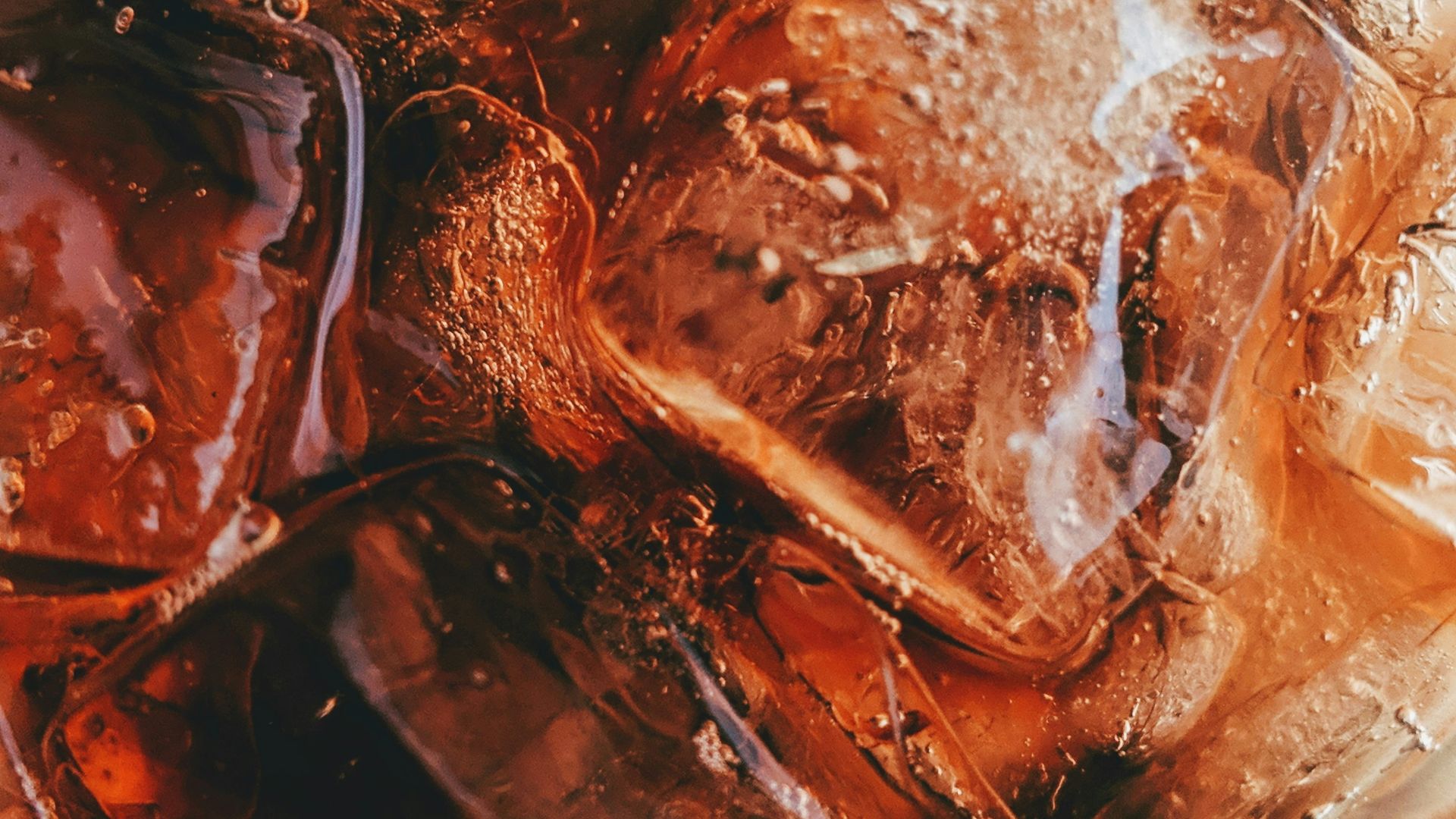
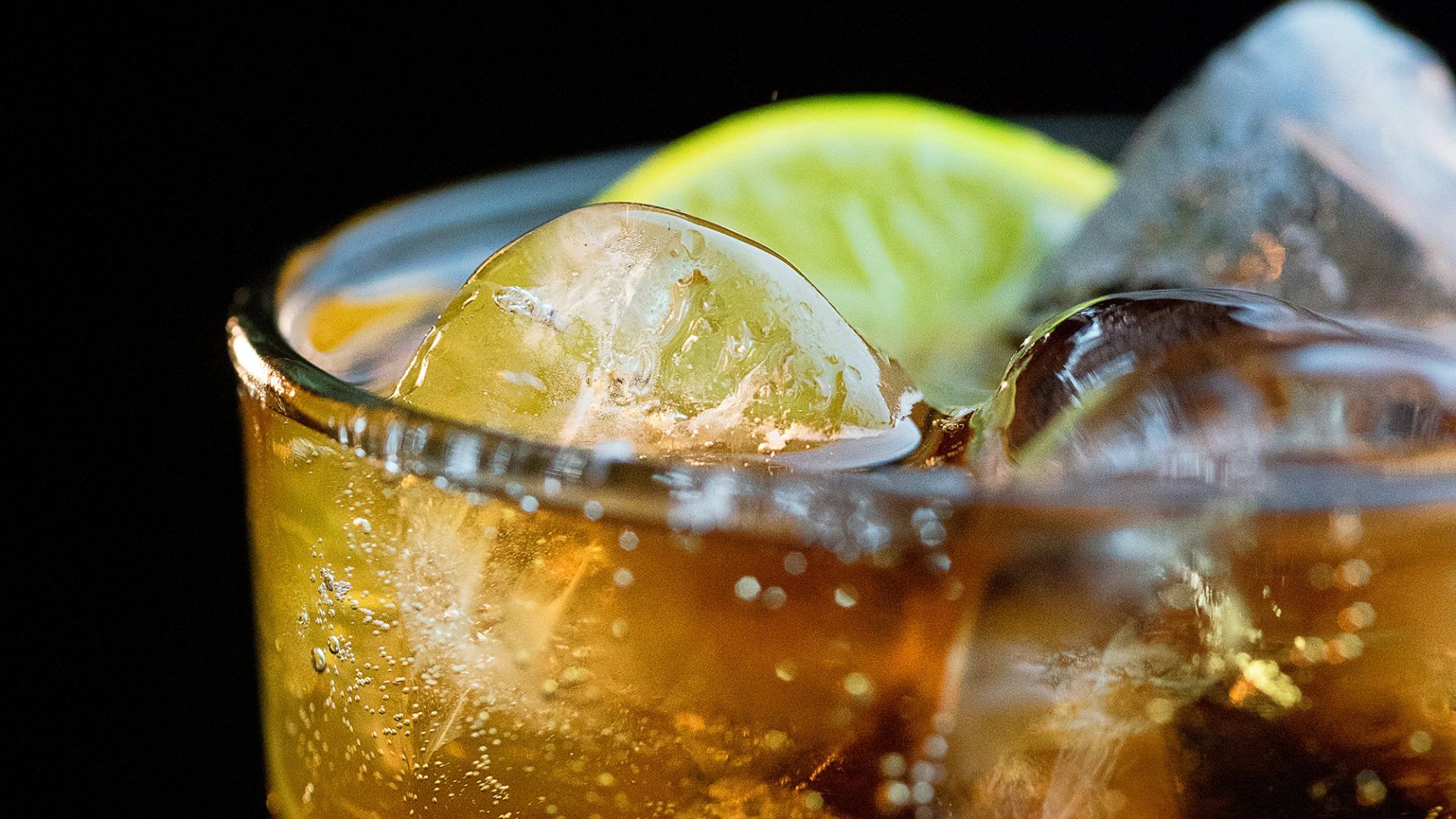
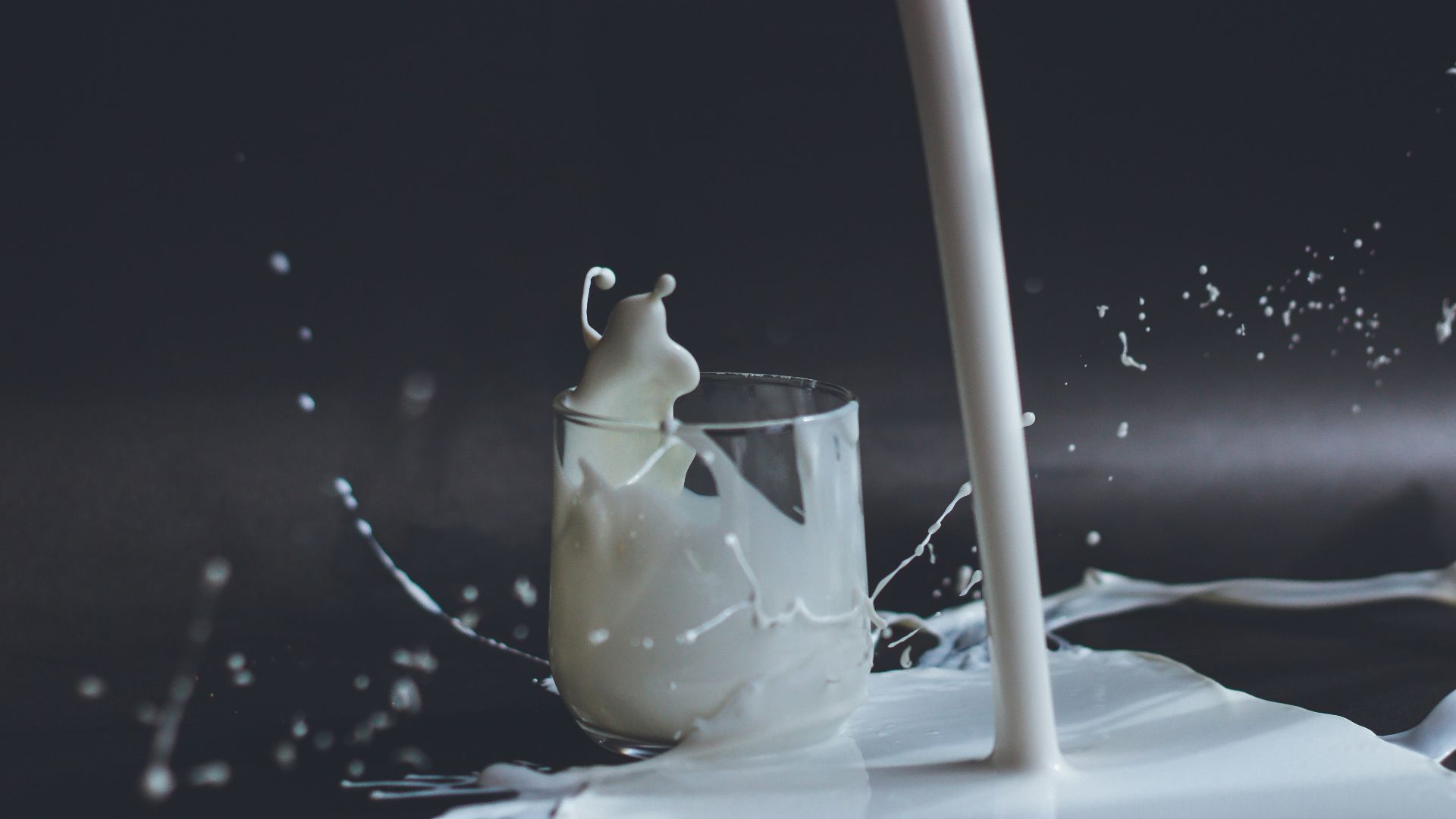
Regular soda hits your teeth from two directions: sugar that feeds acid-producing bacteria, and phosphoric or citric acid that attacks enamel directly. The pH of most colas sits around 2.5, which is highly erosive, and sipping one can slowly over several hours does more damage than drinking it quickly.
 David Foodphototasty on Unsplash
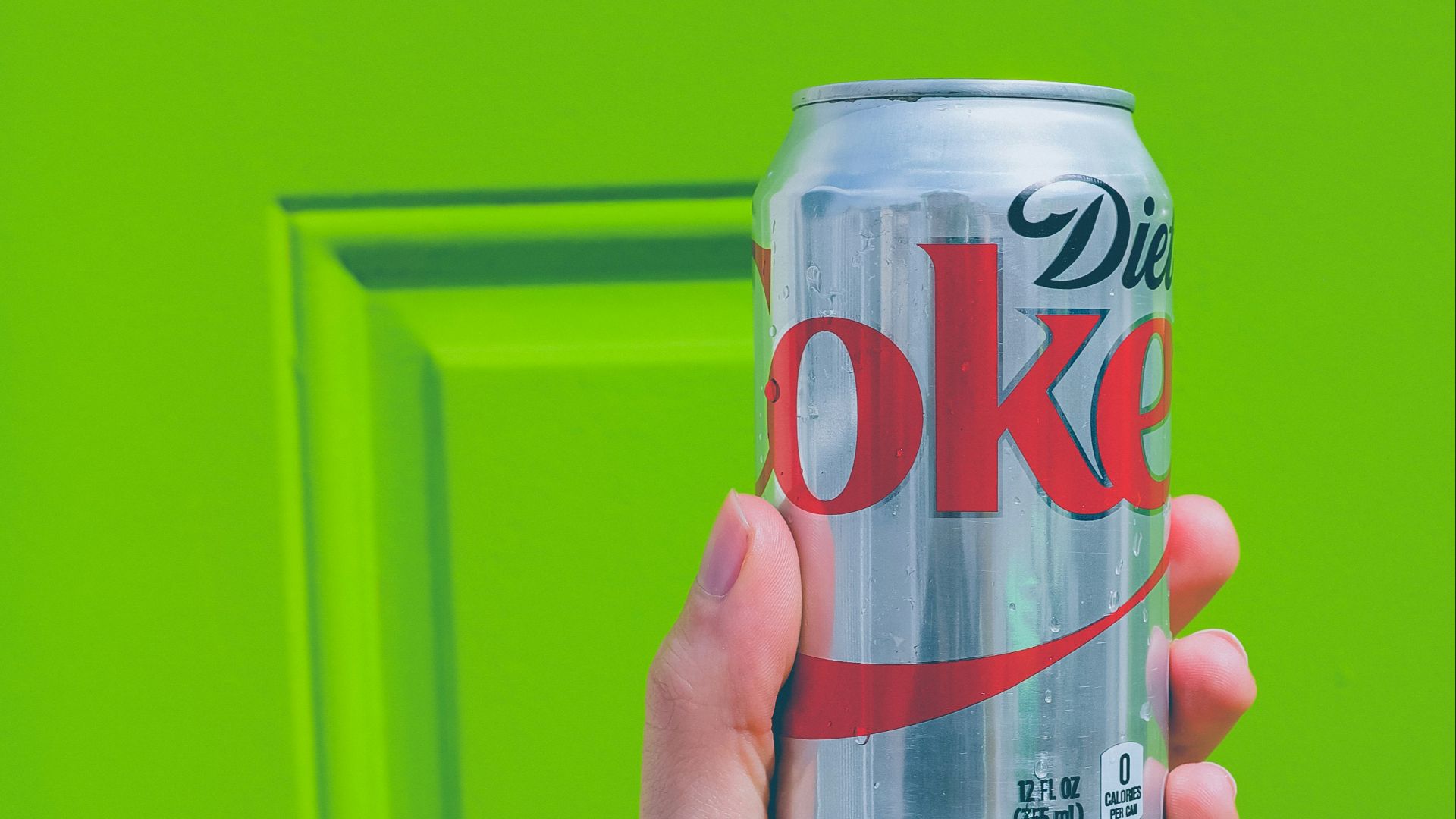
2. Diet Soda
Cutting the sugar doesn't fix the problem. Diet sodas are just as acidic as regular ones, sometimes more so, and people often drink more of them under the assumption that sugar-free means tooth-safe.
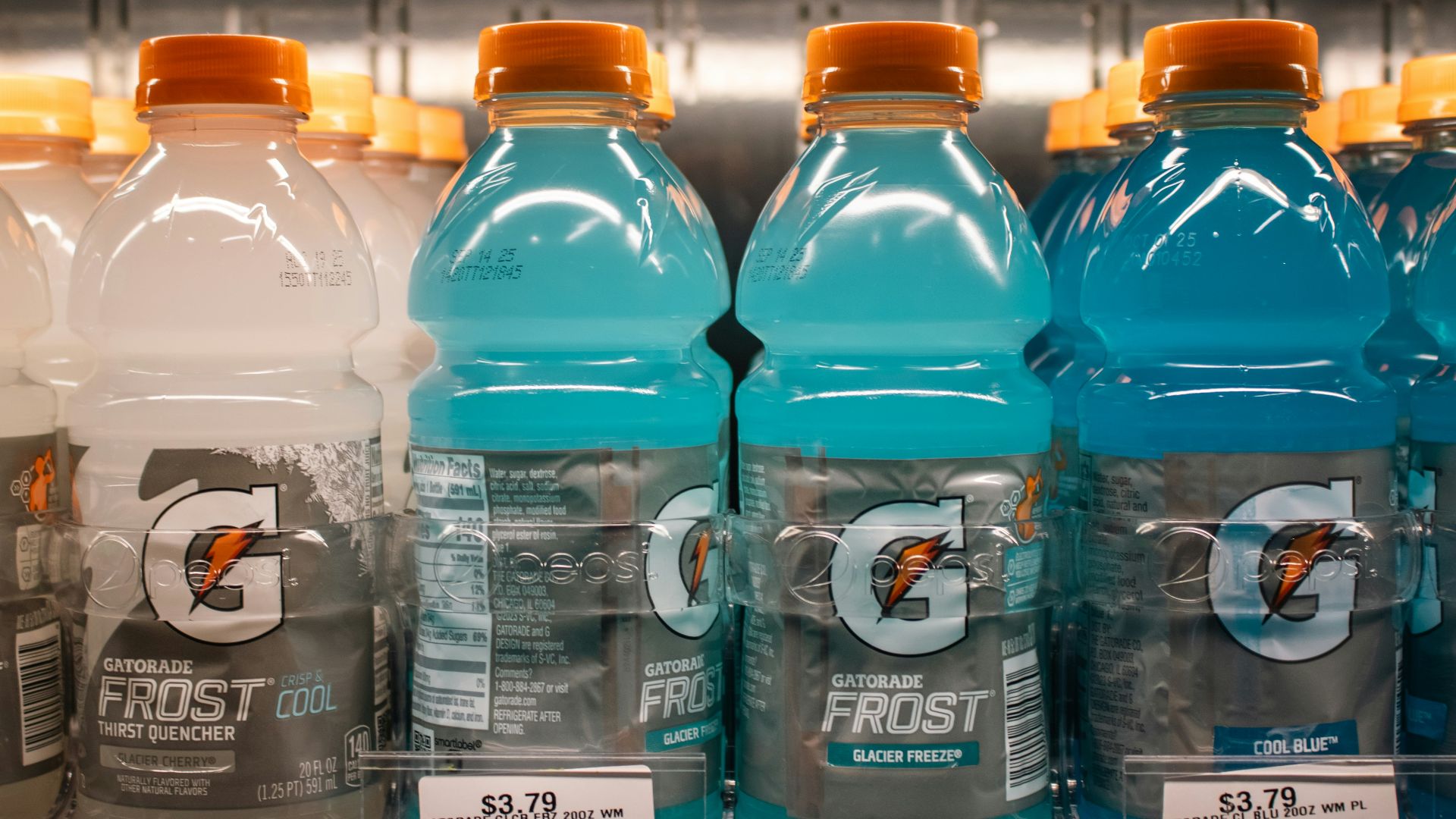
3. Sports Drinks
Sports drinks are marketed around athletic performance, but dentally they're flavored acid baths. Most have a pH between 2.4 and 4.5, contain significant citric acid, and people tend to sip them slowly over long periods, which extends the exposure time.
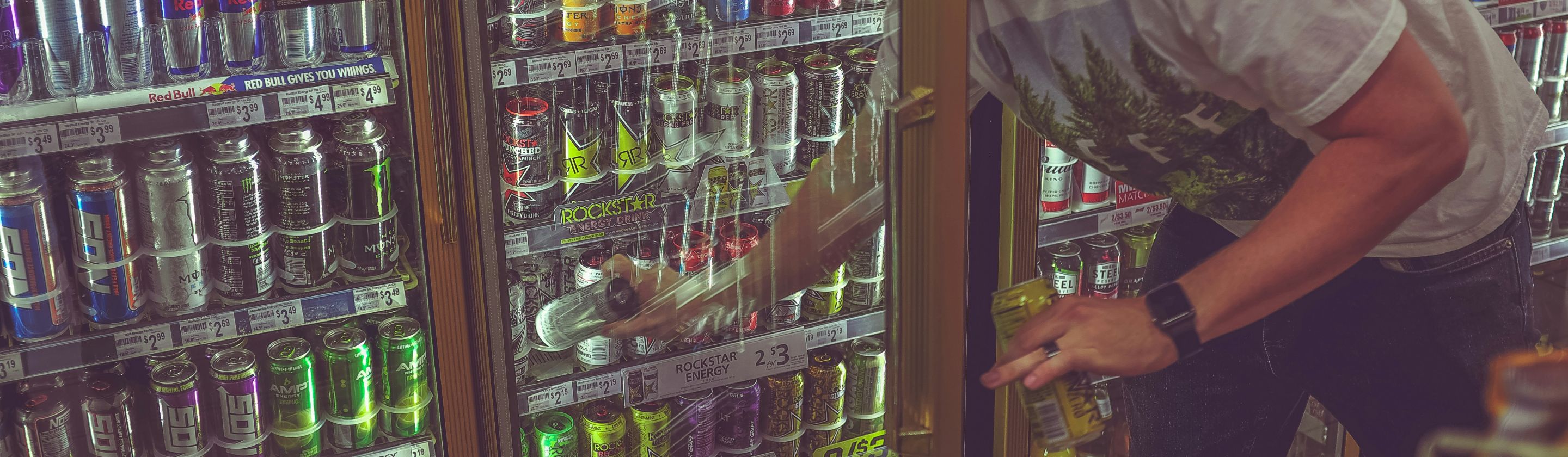
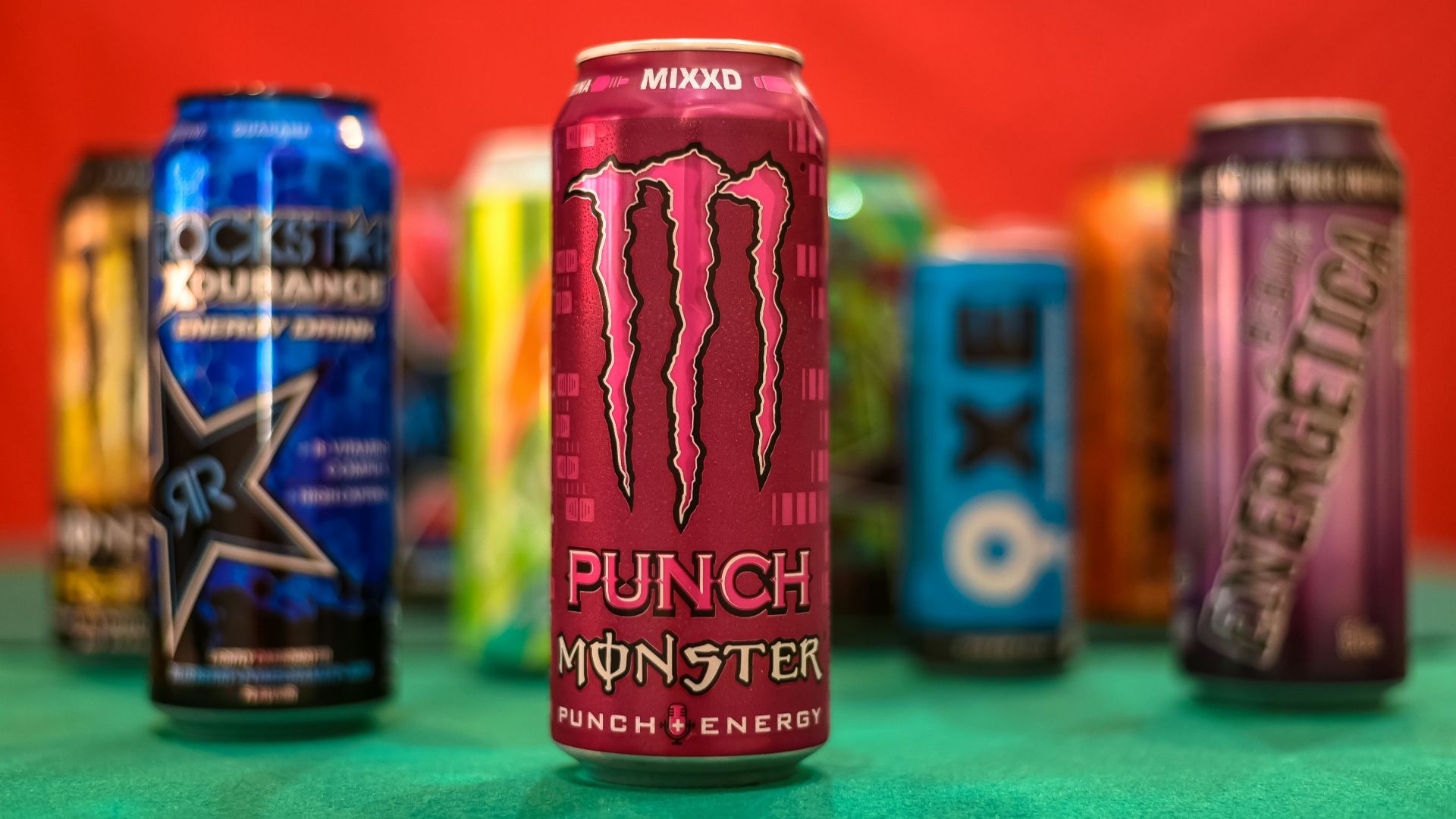
4. Energy Drinks
Energy drinks combine high acidity with high sugar in a format people consume frequently. Studies have found they cause more enamel erosion than sports drinks, cola, or juice, and the combination of citric acid, phosphoric acid, and sugar is about as bad a mix as you can put in a bottle.
5. Red Wine
Red wine is acidic enough to soften enamel, and its tannins and chromogens stain teeth readily and deeply. The softening happens first, making the staining more effective because weakened enamel is more porous. Brushing right after a glass makes things worse, not better.

6. White Wine
White wine doesn't stain the way red does, which gives people the impression it's gentler. It isn't. White wine is actually more acidic than red, with a pH typically between 3.0 and 3.5, and the erosive effect is comparable. It just doesn't leave visible evidence, so the damage goes unnoticed longer.

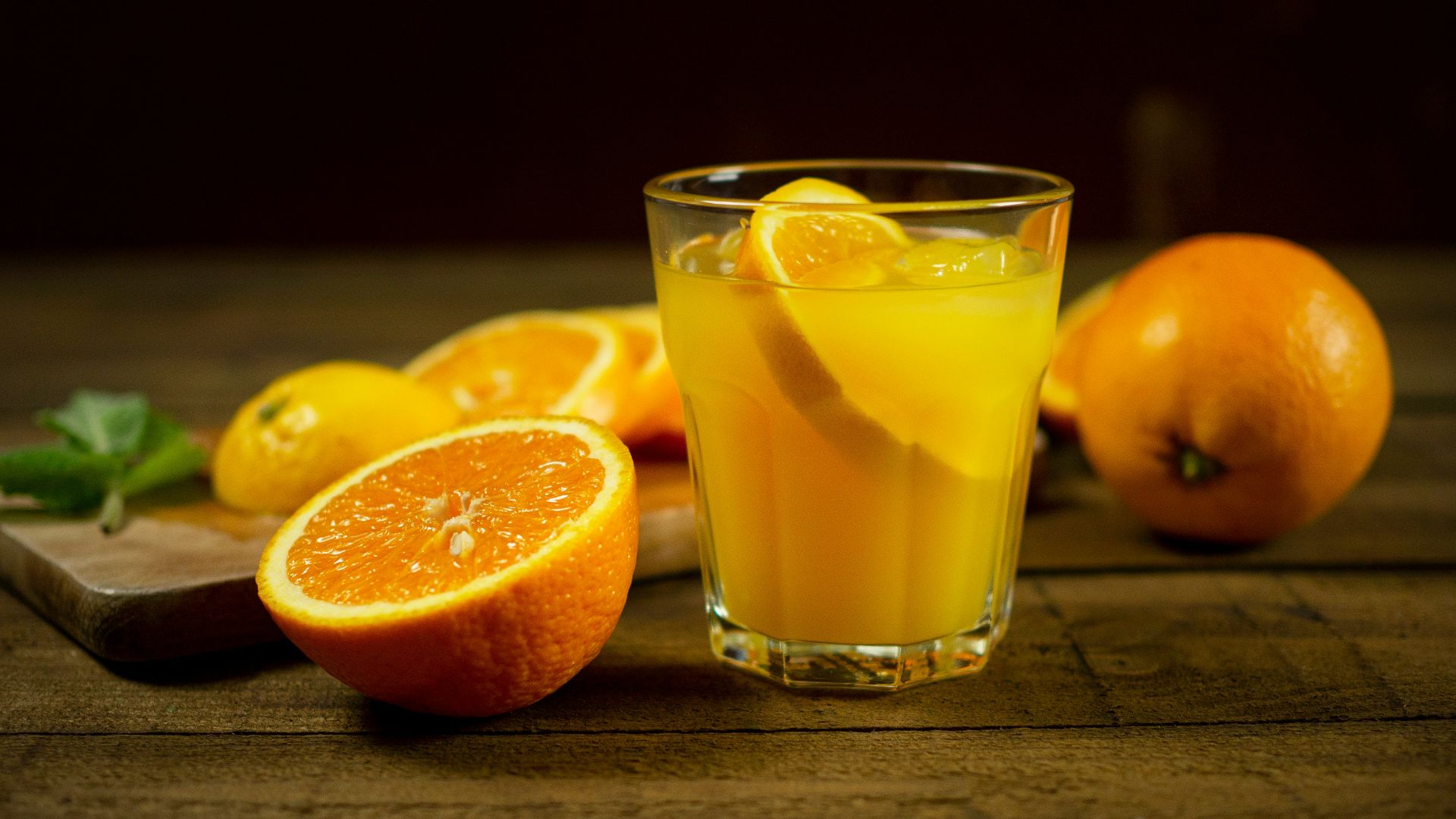
7. Citrus Juices
Orange juice, grapefruit juice, and lemon water are all highly acidic, with pH levels that rival soda. A single glass isn't catastrophic, but sipping citrus juice slowly over an hour while you work compounds the exposure significantly and disrupts the natural remineralization process.
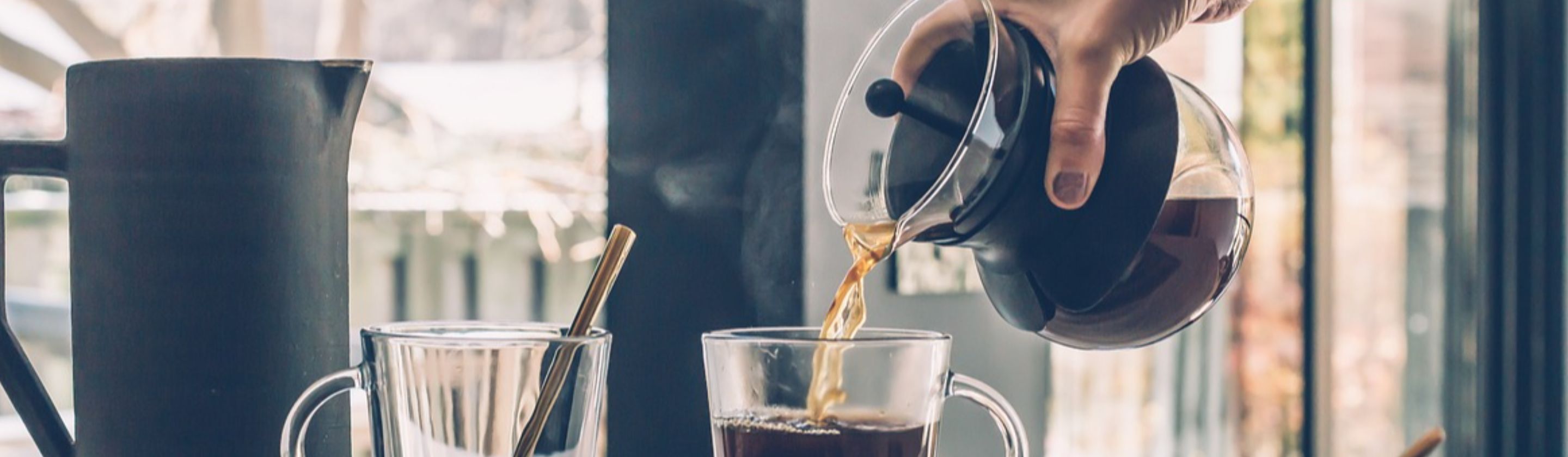
8. Coffee
Coffee is mildly acidic and a consistent staining agent, but the bigger issue is how most people drink it. Adding syrups or flavored creamers turns a moderately risky drink into a worse one, and frequent sipping throughout the morning keeps the mouth in a prolonged acidic state.

9. Kombucha
Kombucha's fermentation produces acetic acid, and most commercial varieties also contain added sugars and citric acid. The result is a pH between 2.5 and 3.5, putting it in the same erosive range as soda. The health-food positioning makes people unlikely to suspect it, but the acidity is real.
10. Sweetened Iced Tea
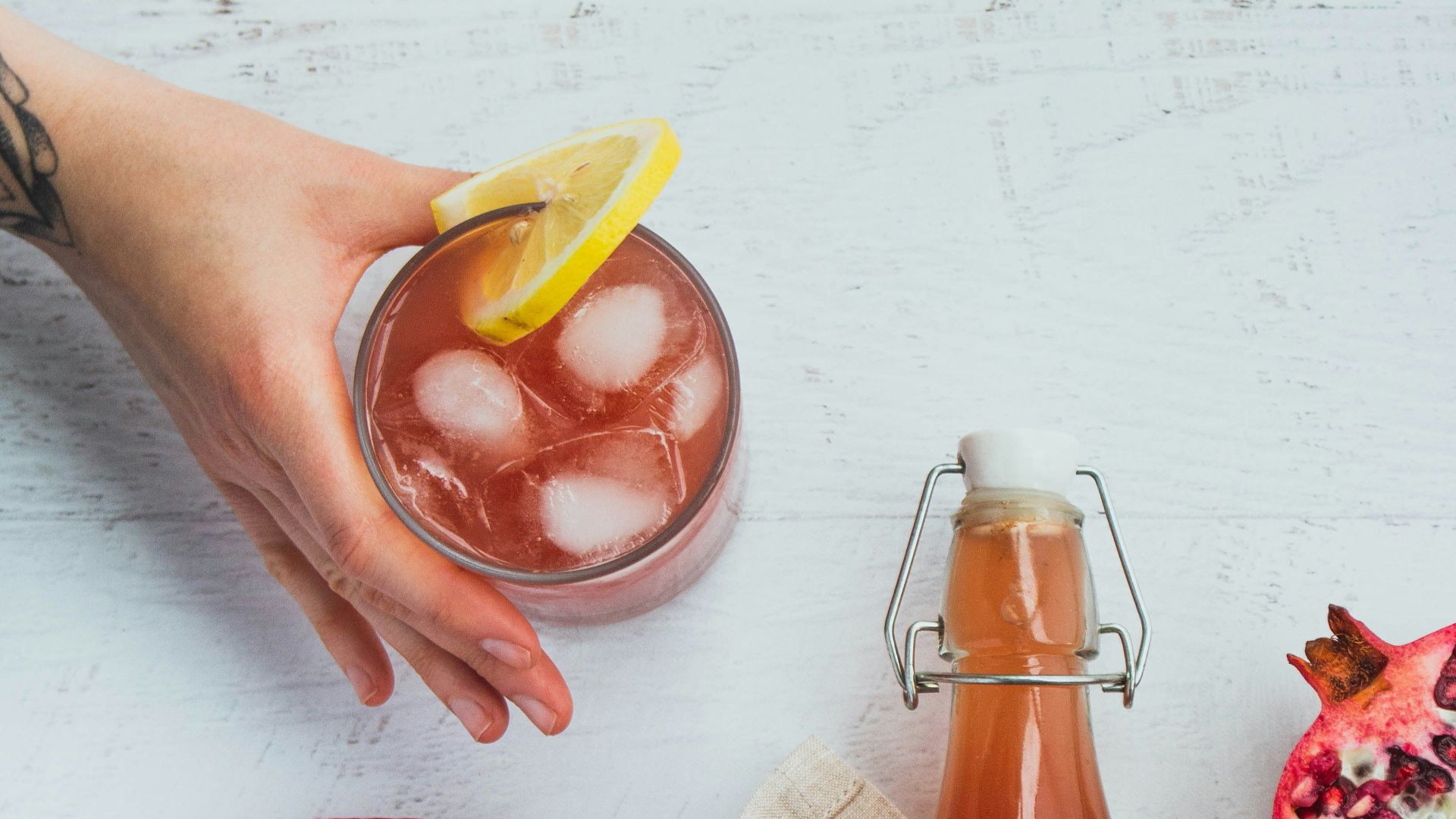
Plain brewed tea is reasonably gentle on teeth. The problem is that most bottled and restaurant iced teas contain added sugars, many include citric acid as a preservative, and lemon slices add another layer of acidity. It's a drink that seems harmless but can be surprisingly erosive depending on how it's prepared.
Here are 10 drinks that give your teeth a much easier time.
1. Water
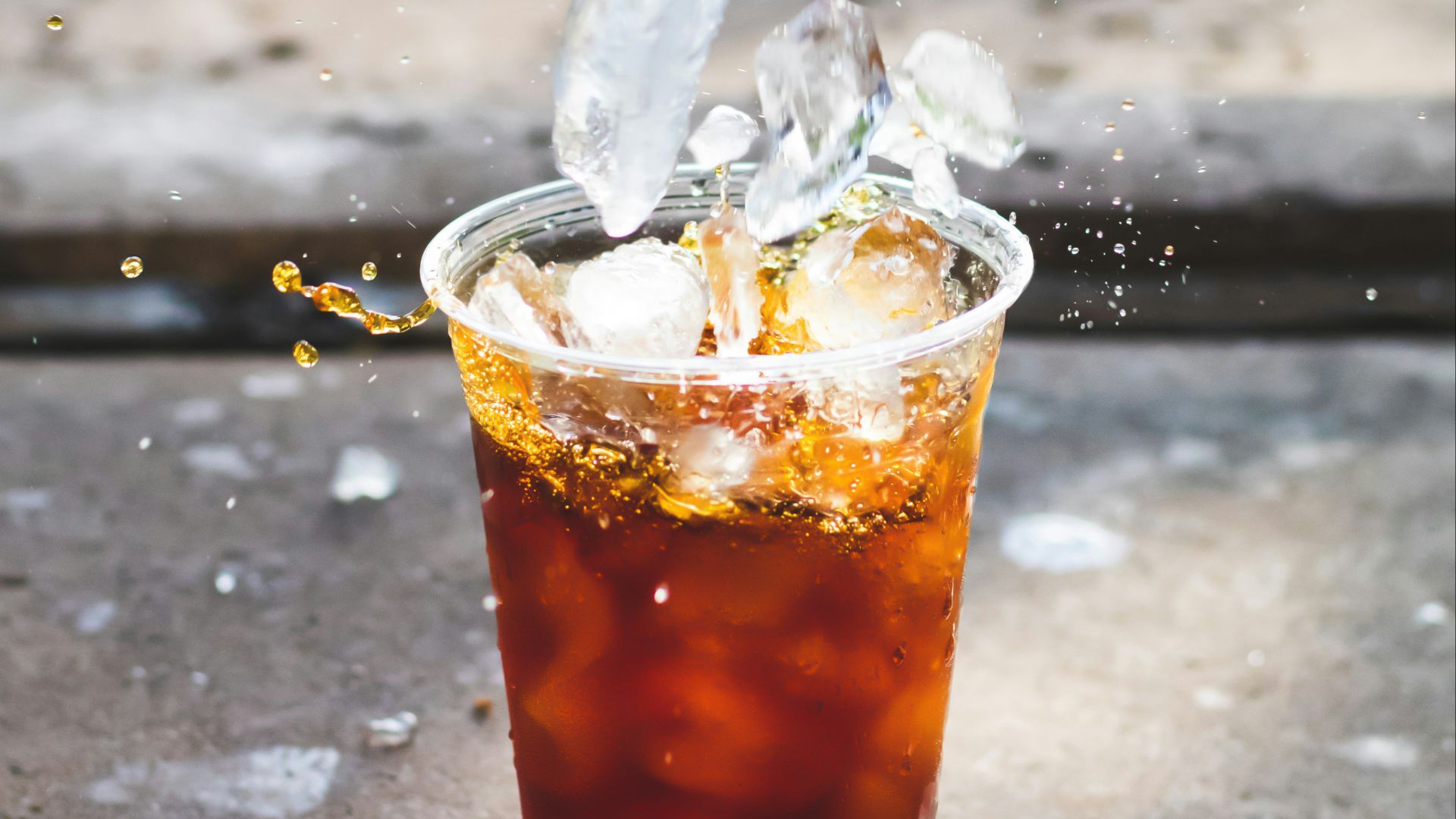
Water is pH-neutral, washes away food particles and bacteria, and supports the saliva production that naturally protects and remineralizes enamel. Fluoridated tap water has the added benefit of actively strengthening enamel with every sip, which makes it the only drink on this list that actively works in your teeth's favor.
2. Milk
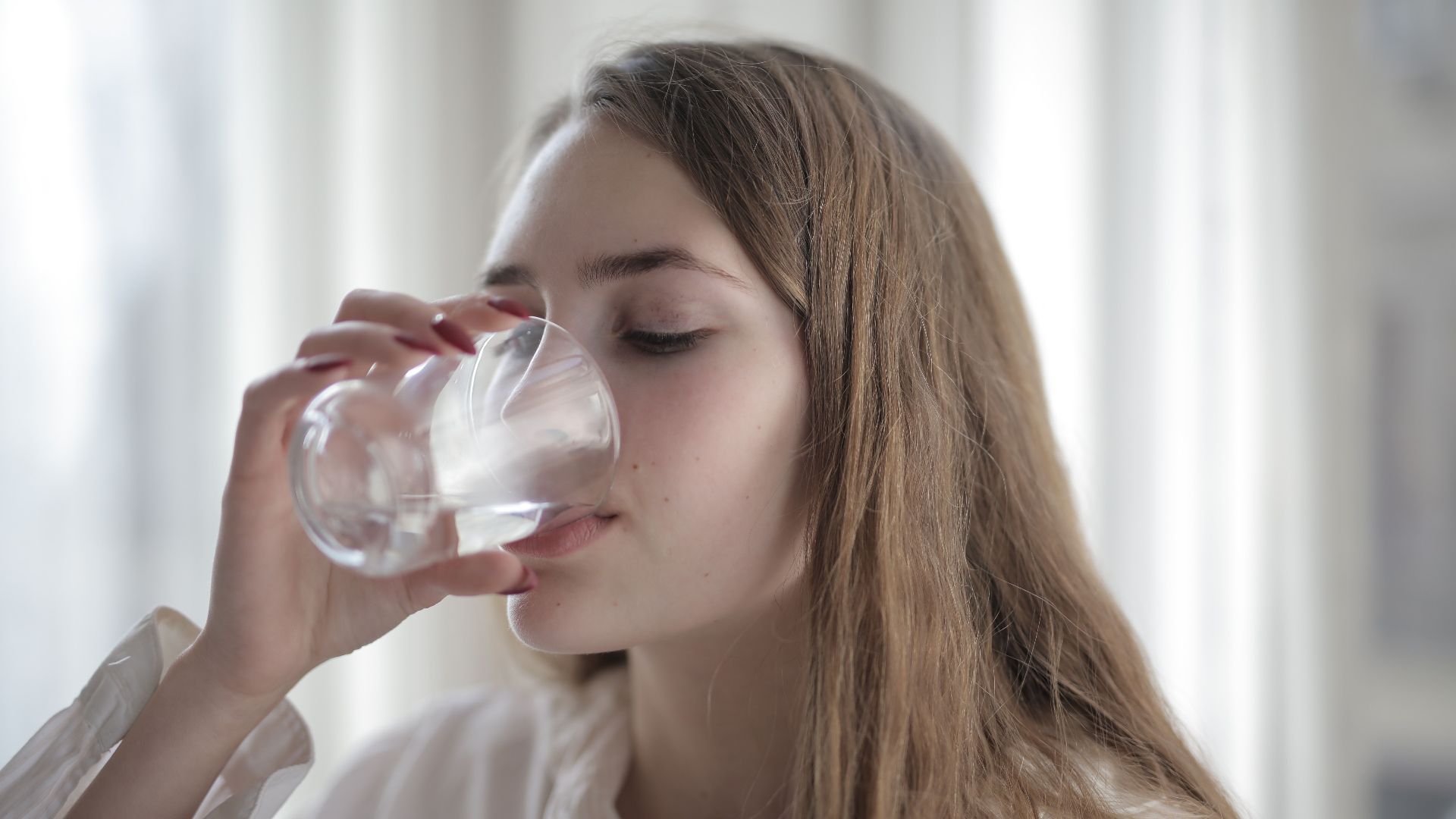
Milk is rich in calcium and phosphate, which support enamel remineralization, and its casein proteins help buffer acids in the mouth. The pH sits around 6.8, close to neutral, and studies consistently show that drinking milk after acidic or sugary foods reduces their damaging effects.
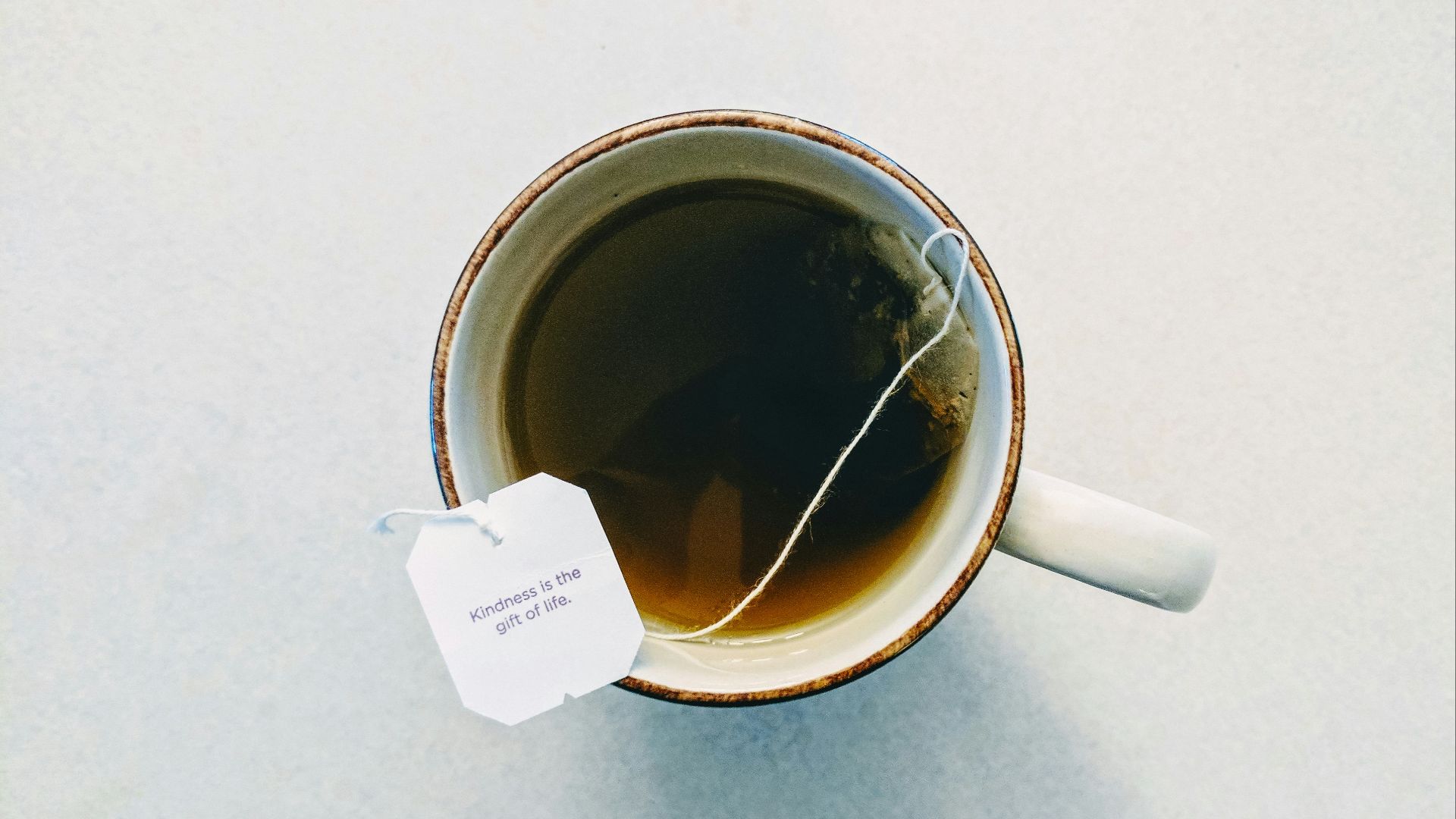
3. Plain Brewed Tea
Unsweetened black and green teas contain polyphenols that inhibit the bacteria responsible for tooth decay, and both contain naturally occurring fluoride. Neither is acidic enough to cause meaningful enamel erosion when consumed without added sugar or lemon.
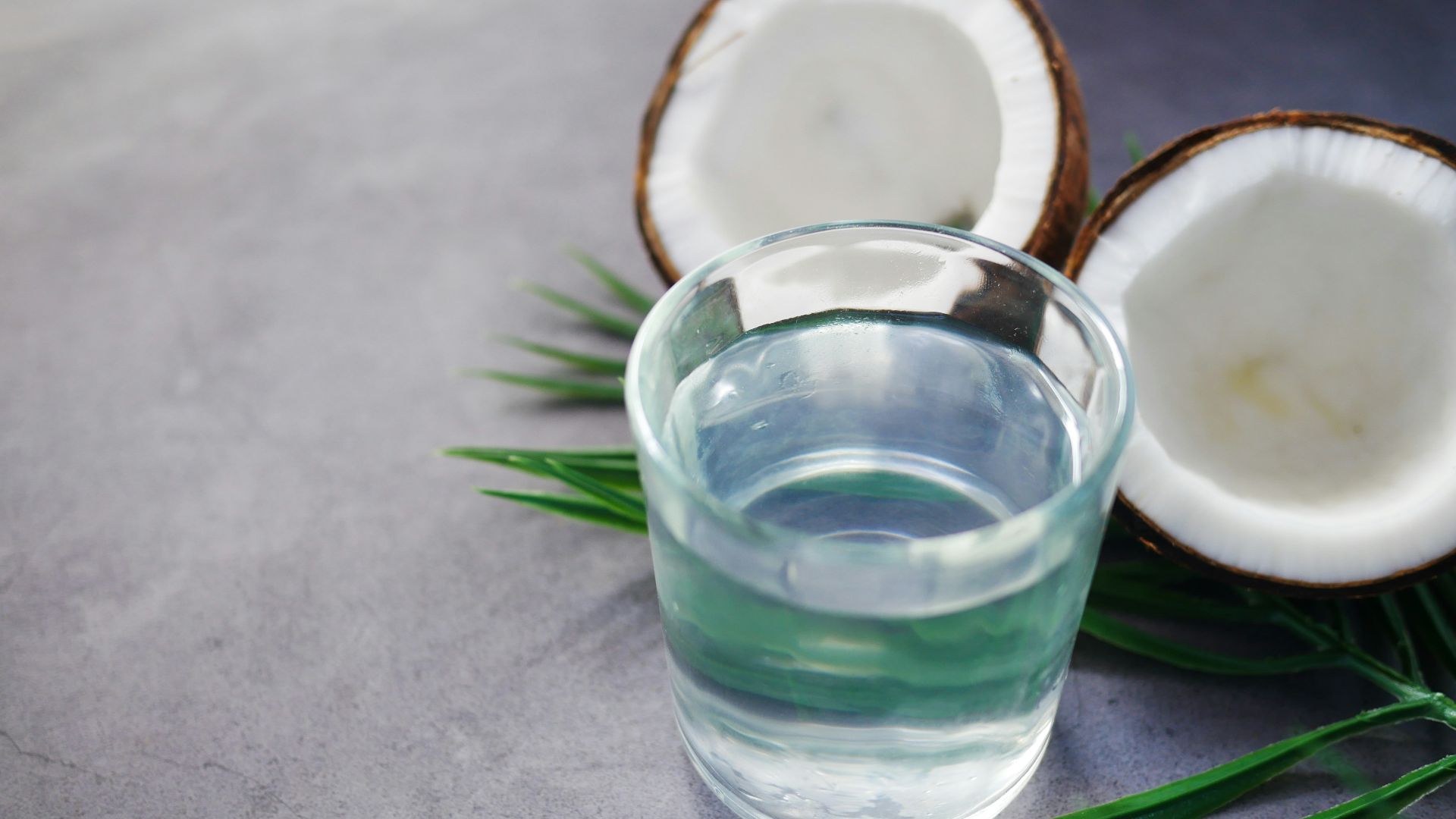
4. Coconut Water
Plain coconut water has a relatively neutral pH around 5.5 to 6.5 and is low in added sugars in its natural form. It contains calcium and potassium, which contribute to enamel health, and sits well below the erosive threshold, making it a solid alternative to sports drinks.
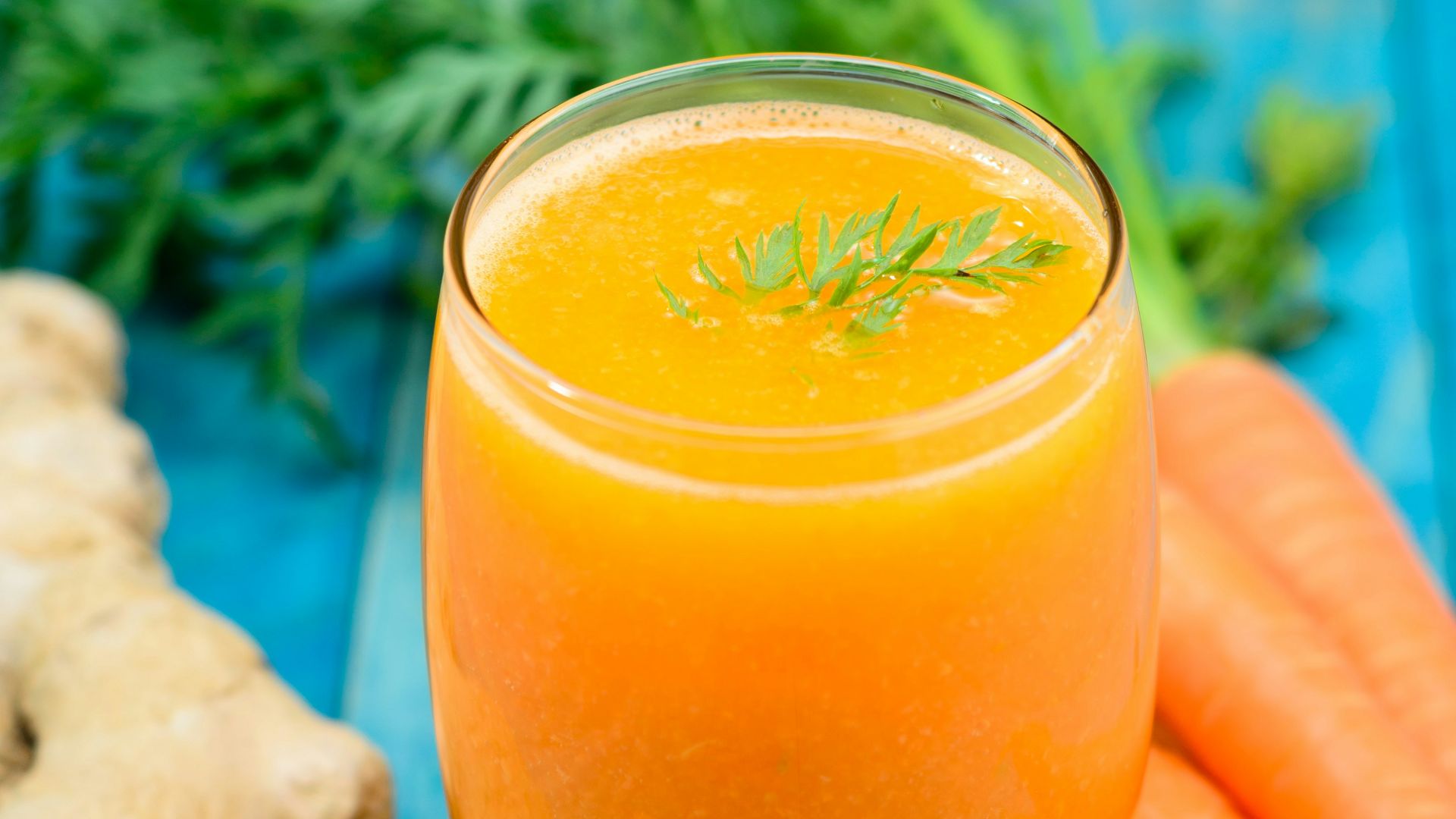
5. Vegetable Juice
Vegetable-based juices, particularly those without added fruit juice, are significantly less acidic than fruit juices, with cucumber, celery, and carrot juices hovering around a pH of 6.0 or higher. They also contain vitamins that support gum health and lack the sugar load that makes fruit juice a regular offender.
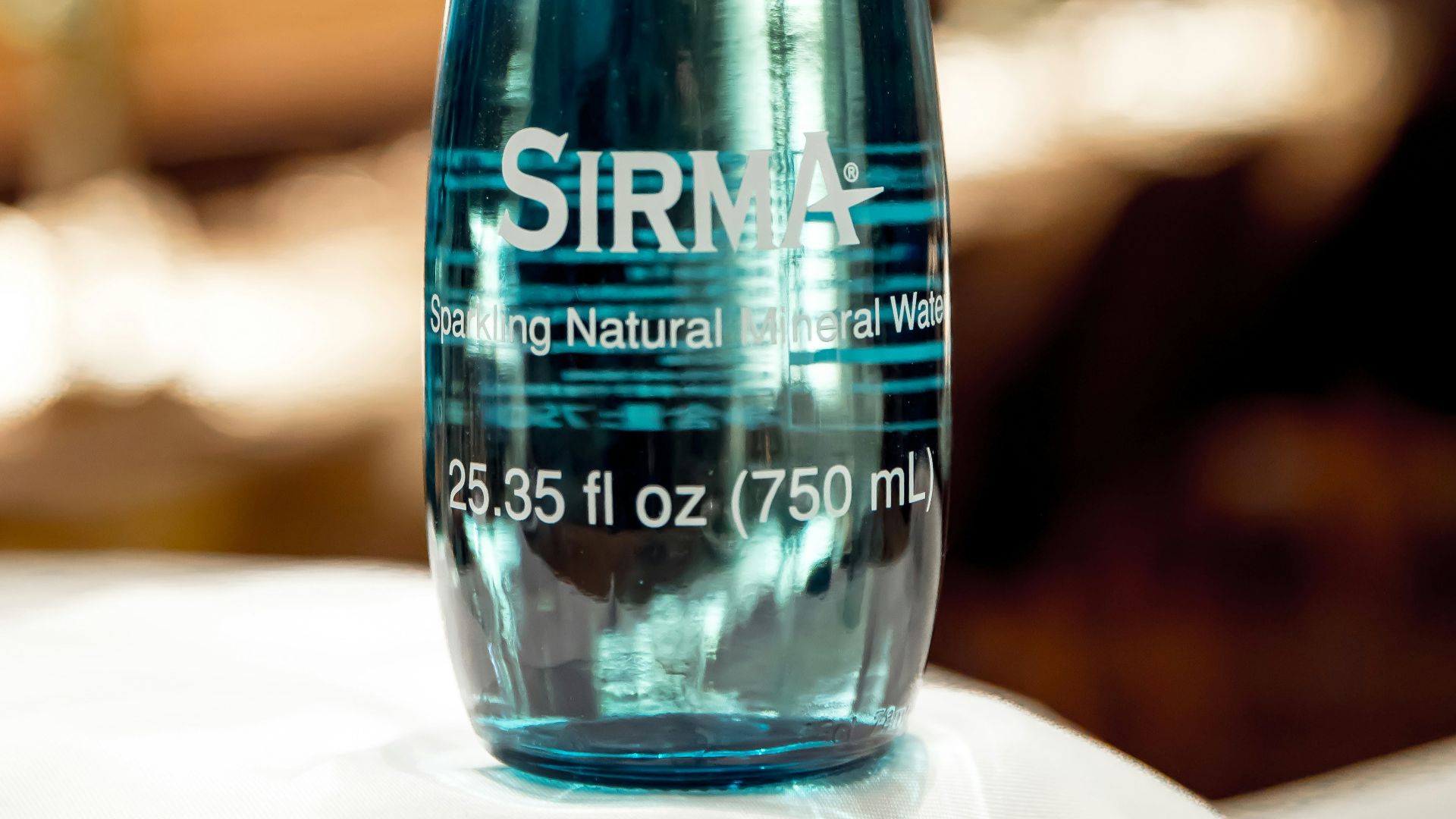
6. Still Mineral Water
Still mineral water is pH-neutral and often contains calcium and magnesium, both of which support enamel health. Unlike sparkling water, it carries no carbonic acid, making it an easy and genuinely tooth-friendly alternative for people who find plain tap water unappealing.
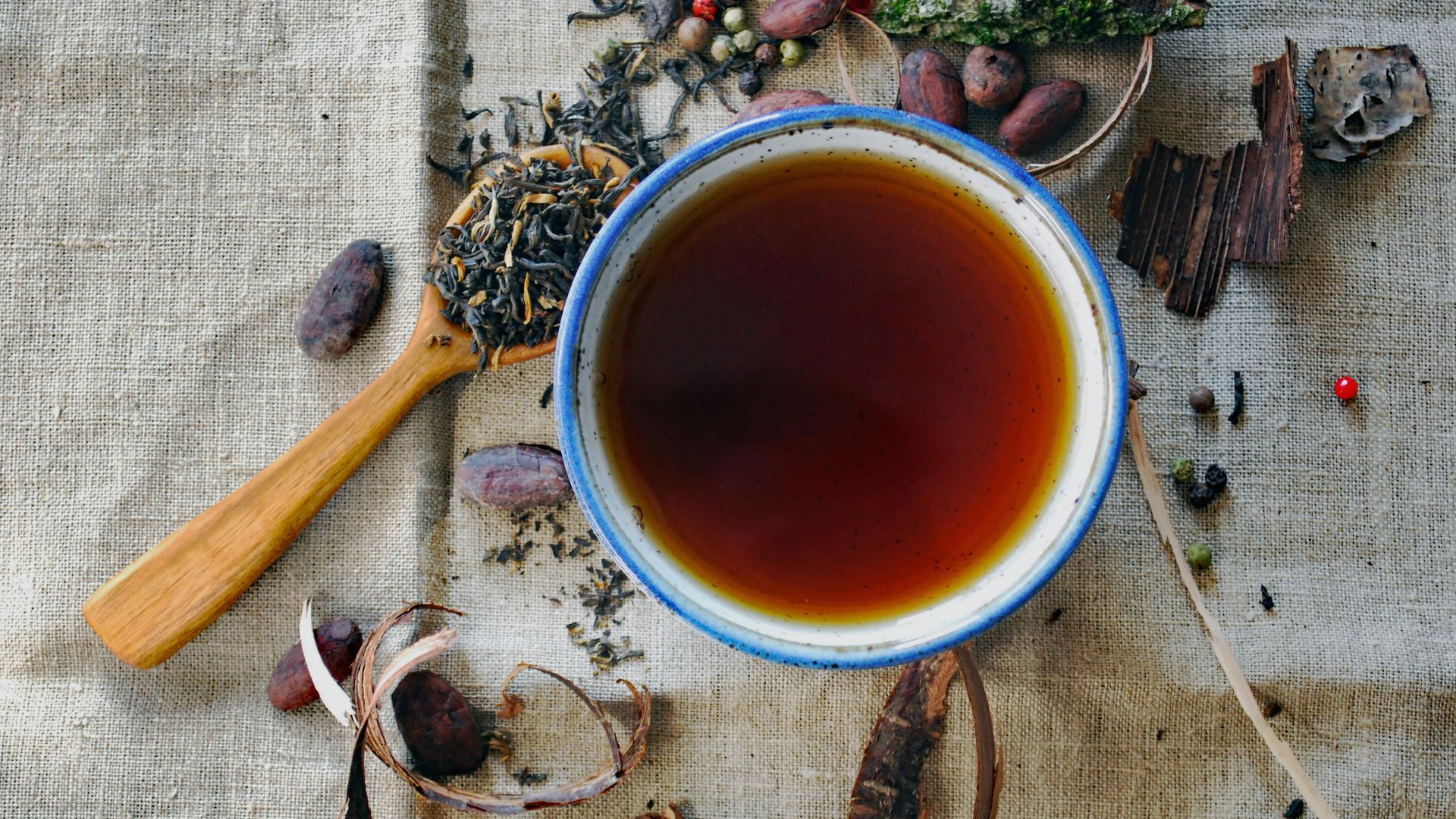
7. Herbal Tea
Unsweetened herbal teas are generally less acidic than black or green tea and contain no tannins to stain teeth. Chamomile and rooibos in particular have near-neutral pH levels and mild anti-inflammatory properties that benefit gum health. The key is keeping them unsweetened.
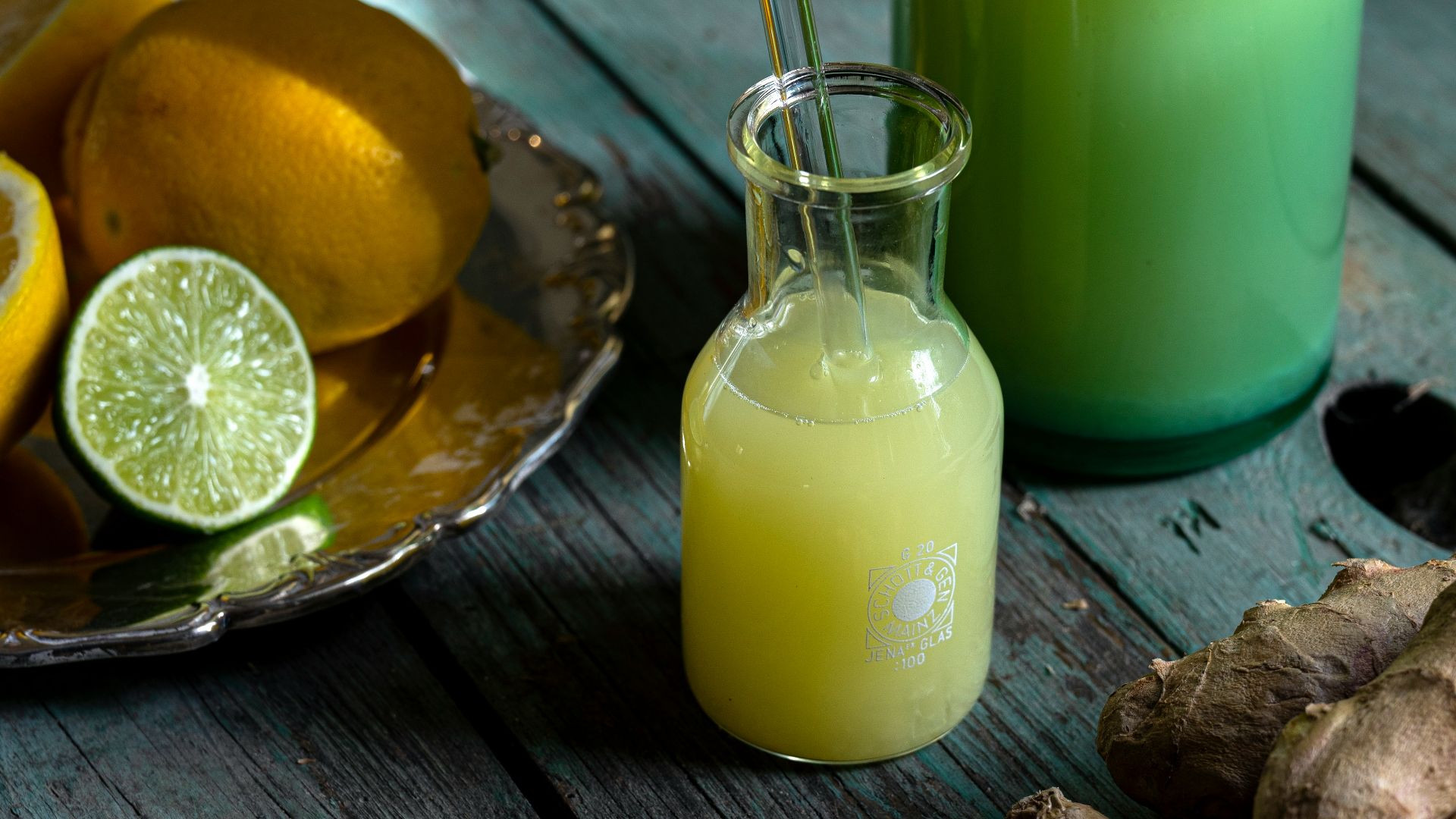
8. Diluted Juice
Diluting fruit juice roughly one part to three or four parts water significantly reduces both its acidity and its sugar content. The flavor remains present enough to be satisfying, and the dilution brings the pH up to a far less erosive range. It's a practical middle ground for people who find plain water hard to sustain.
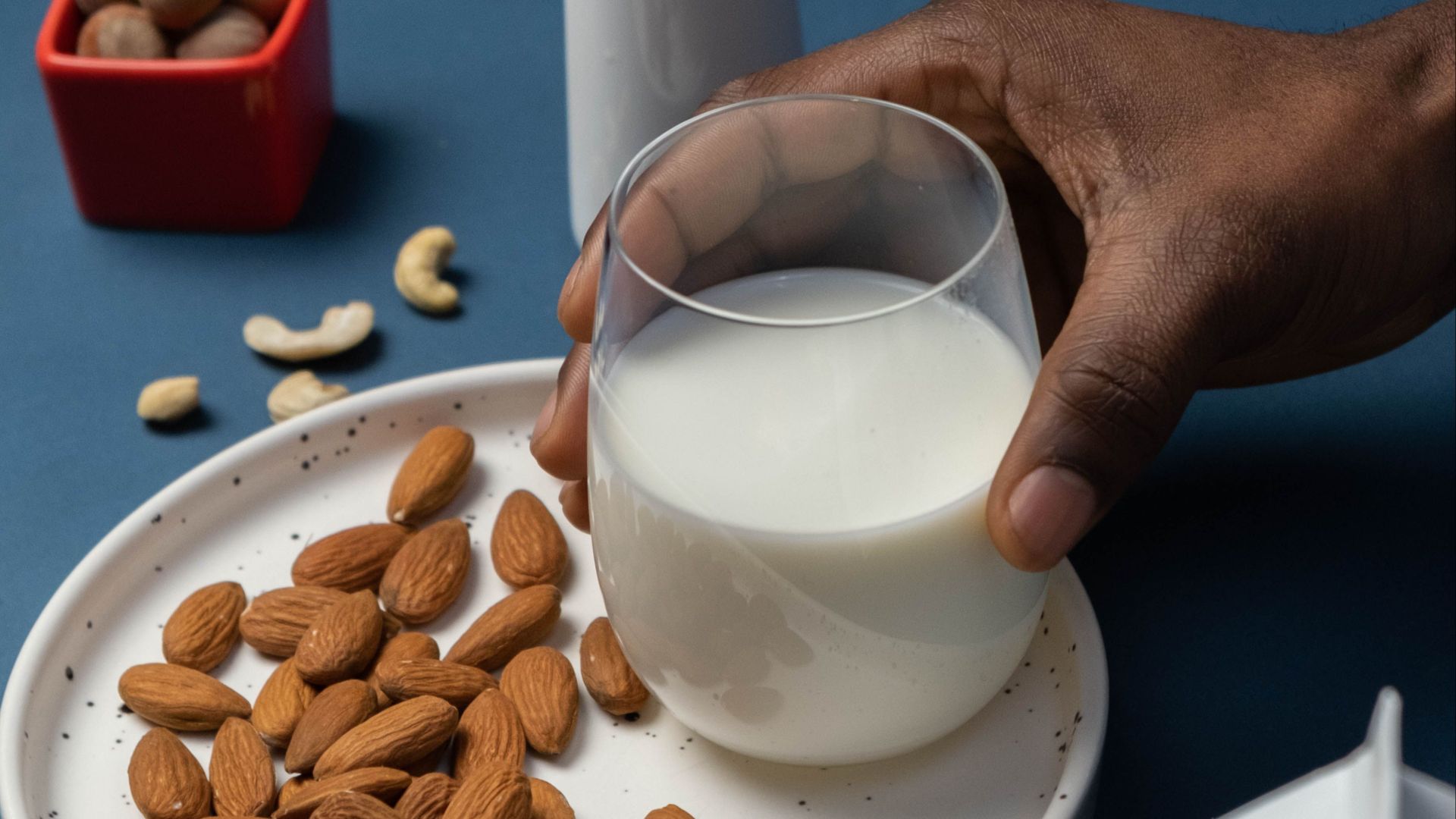
9. Fortified Milk Alternatives
Fortified oat, almond, and soy milks tend to have a near-neutral pH and contain added calcium and vitamin D that support enamel health. They don't have dairy milk's casein buffering effect, but they're meaningfully less damaging than juice or soda and a reasonable stand-in for people who avoid dairy.
10. Sparkling Water
Plain sparkling water is mildly acidic due to carbonic acid, with a pH around 4.5 to 5.5, but studies have found it causes minimal enamel erosion compared to sodas and juices. The key is keeping it unflavored and unsweetened. Citrus-flavored varieties add extra acidity, but plain sparkling water is a legitimately low-risk choice for people who need carbonation to stay hydrated.
KEEP ON READING