
A Thoughtful Start Matters More Than a Perfect One
Starting a diet to get a better summer bod? Well, before you immediately cut out certain foods and limit yourself to only eating "healthy" foods, it's worth thinking through what diet would work best with your lifestyle. A successful plan doesn't always mean counting your calories and ignoring your cravings; that could lead to an unsustainable diet. Instead, you'll want to build habits that support your overall well-being. That perfect summer bod isn't as far away as you might think—just make sure you keep these 20 things in mind before changing how you eat.
1. Know Why You’re Starting
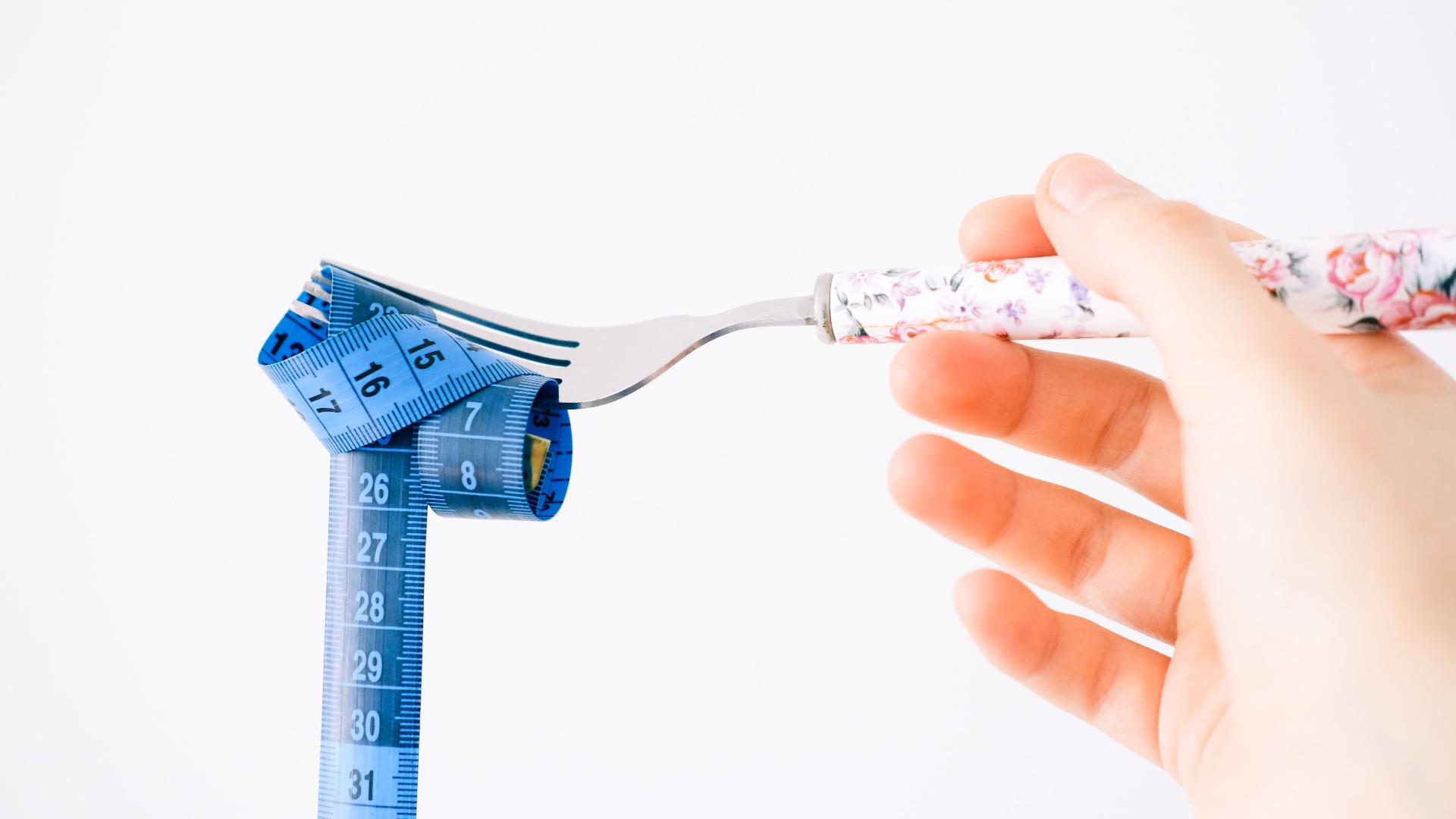
Before changing your eating habits, take time to understand your real reason for starting a diet. Wanting to feel more energized, improve health markers, or build better routines can guide you differently than chasing a quick physical change. When your reason is clear, it’s easier to make choices that support you instead of reacting to frustration or pressure.

2. Avoid Extreme Restrictions
A diet that removes too many foods at once can be hard to follow and may leave you feeling deprived. While some structure can be helpful, cutting out entire food groups without a medical reason often makes eating more stressful than it needs to be. You’re more likely to stick with changes that still leave room for satisfying meals.

3. Talk to a Professional When Needed
If you have a health condition, take medication, have a history of disordered eating, or plan to make major dietary changes, it’s wise to speak with a doctor or registered dietitian first. Personalized advice matters because your body’s needs may not match a popular plan you saw online. Getting guidance early can help you avoid choices that might work against your health.

4. Set Goals You Can Actually Measure
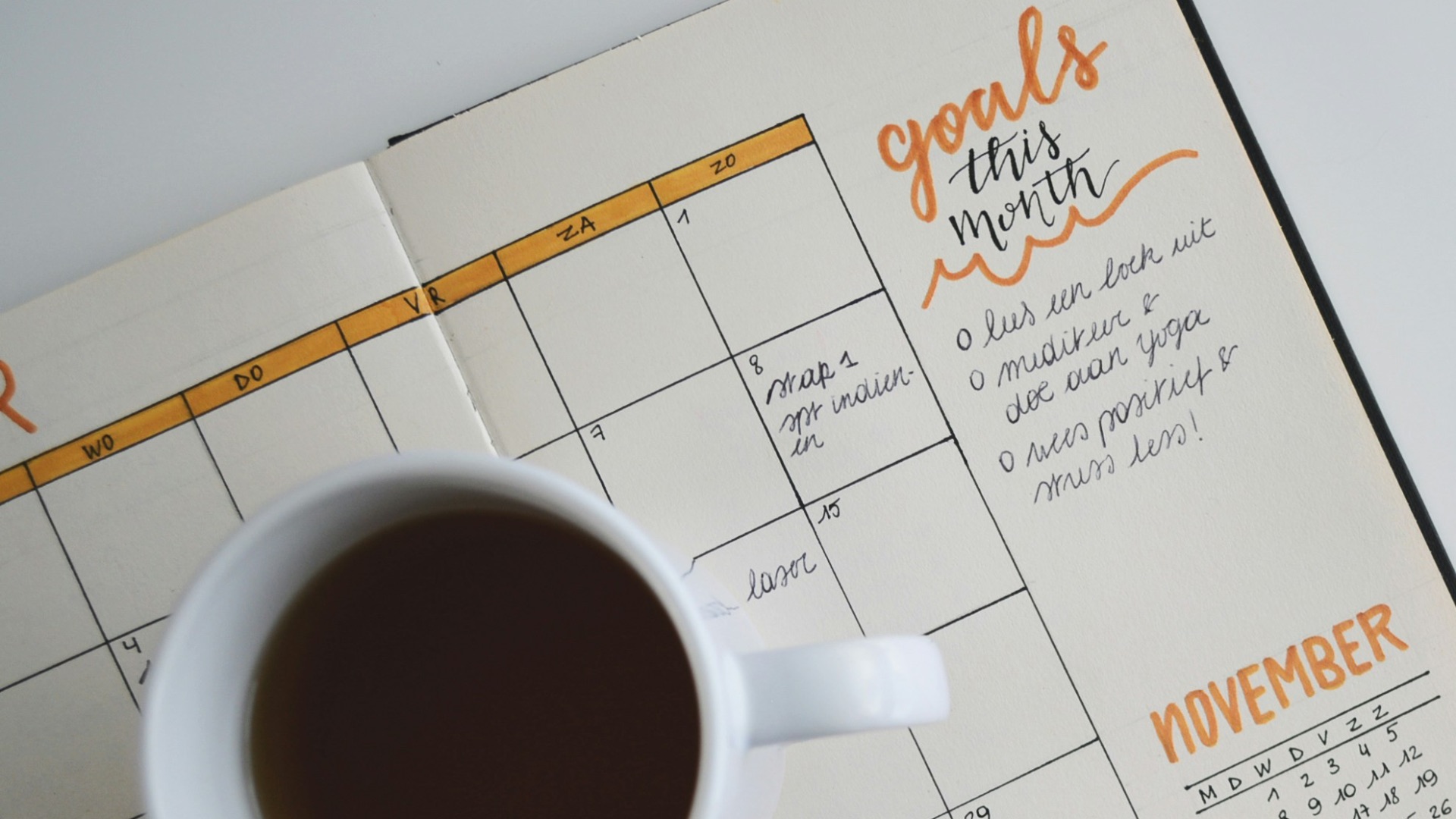
Vague goals like “eat better” or “get healthy” can be hard to follow because they don’t give you a clear direction. Try focusing on specific habits, such as adding vegetables to lunch, cooking at home more often, or reducing sugary drinks during the week. Clear goals make progress easier to notice, even when the scale doesn’t change right away.
5. Don’t Make Weight the Only Focus
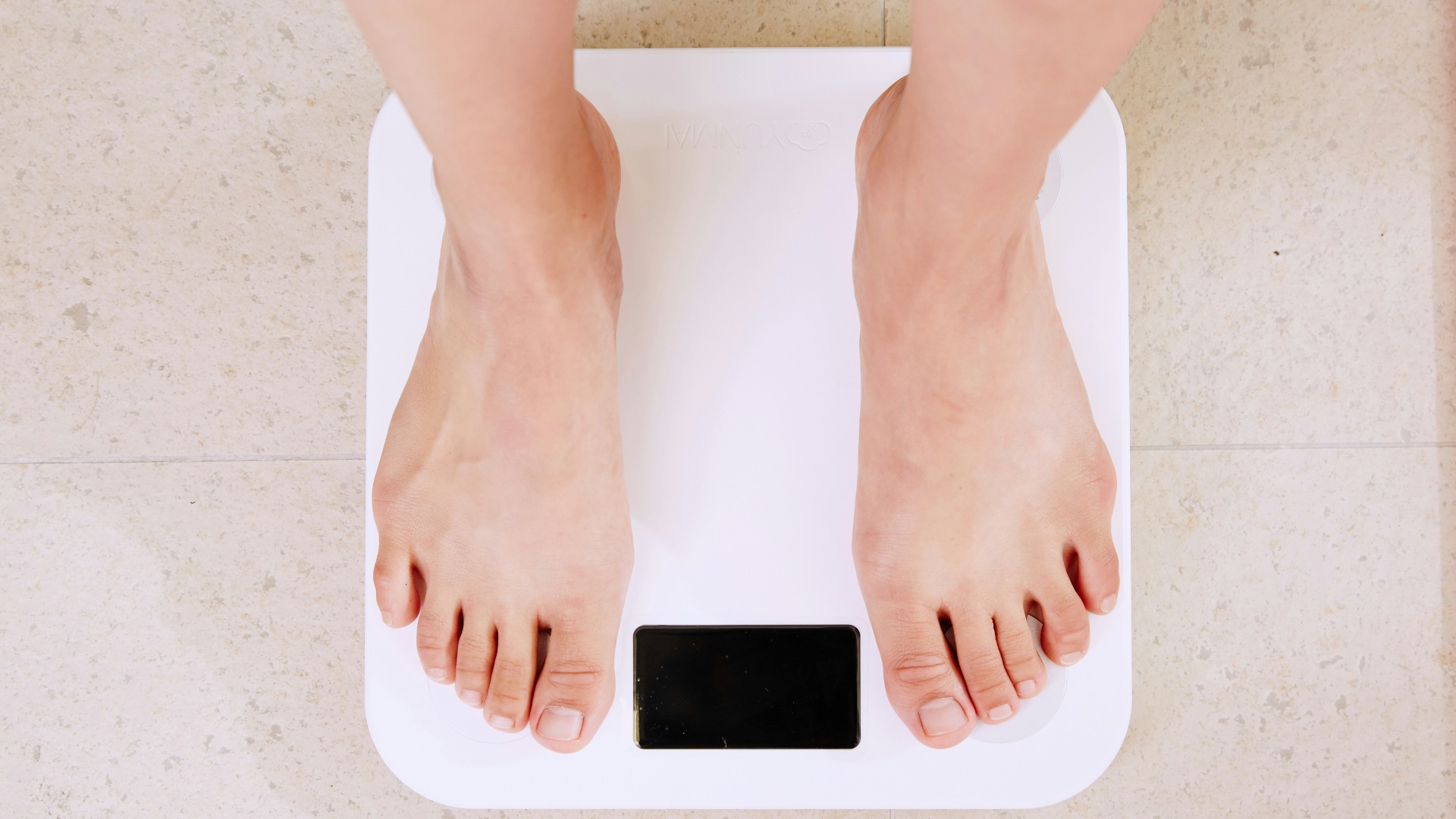
Weight can be one measure of change, but it shouldn’t be the only thing you pay attention to. Energy levels, sleep quality, digestion, strength, mood, and consistency all matter too. When you focus on more than a number, you’re less likely to feel discouraged by normal fluctuations.
6. Understand Your Current Eating Patterns
Before starting a diet, spend a few days noticing how you already eat. Pay attention to when you feel hungry, when you snack out of stress, and which meals leave you satisfied. This gives you useful information without forcing you to judge yourself harshly.
7. Make Sure You’re Eating Enough
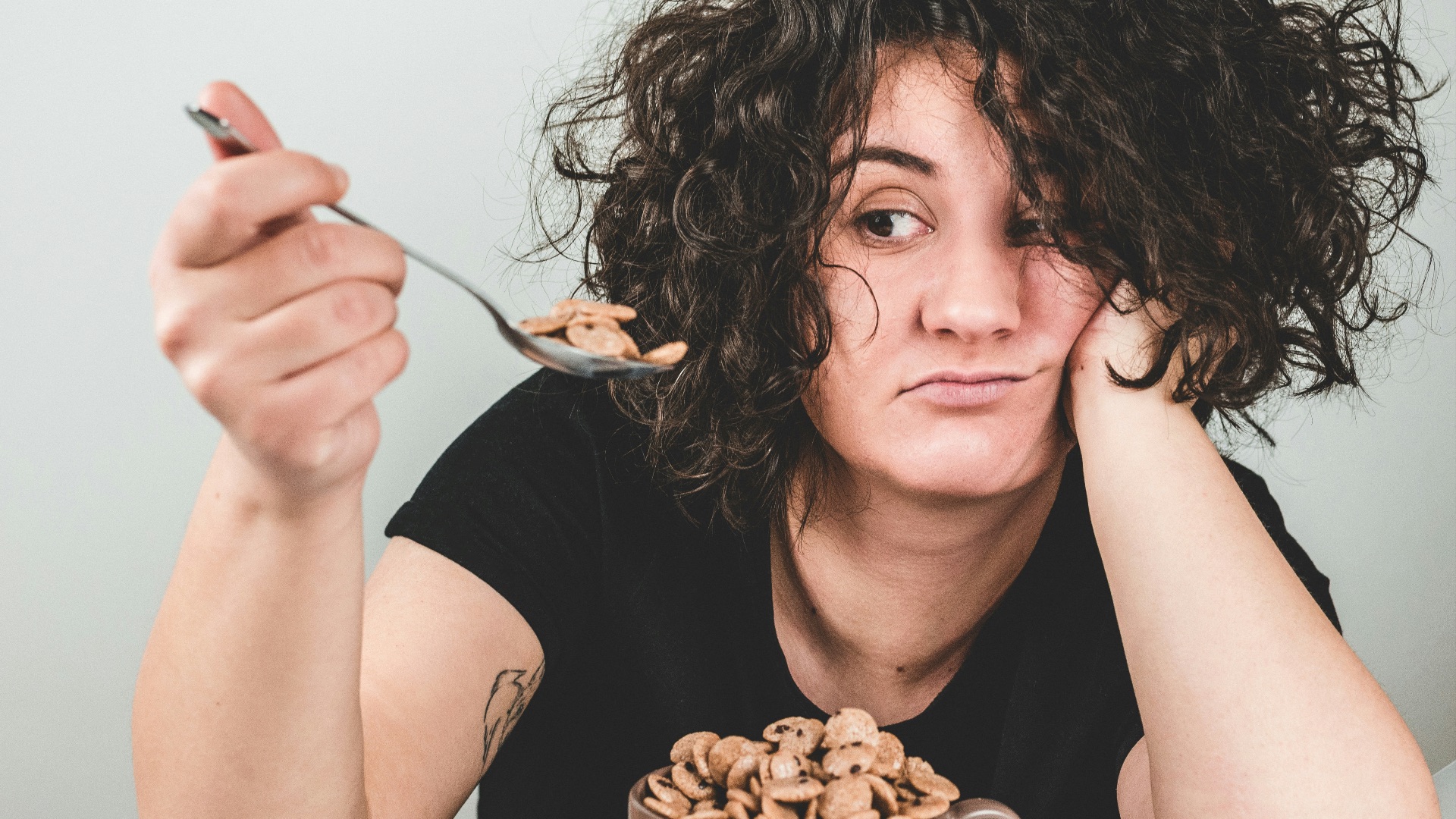
Many people assume that dieting means eating as little as possible, but undereating can leave you tired, irritable, and more likely to overeat later. Your body still needs enough protein, fiber, fats, carbohydrates, vitamins, and minerals to function well. A good diet should support your daily life, not make it harder to get through.

8. Choose a Plan That Fits Your Lifestyle
A diet may sound impressive, but it won’t help much if it clashes with your schedule, budget, family meals, or work routine. Think about how much time you can cook, what foods you enjoy, and how often you eat outside the home. The best plan is usually the one you can keep practicing when life gets busy.
 Farhad Ibrahimzade on Unsplash
9. Be Careful with Diet Trends
Trendy diets often promise fast results, but that doesn’t mean they’re right for you. Some plans are difficult to maintain, overly restrictive, or based more on marketing than long-term health. Before following a trend, ask whether it teaches habits you’d feel comfortable keeping months from now.
10. Plan for Hunger and Cravings
Hunger and cravings are normal parts of changing eating habits; it helps to have filling meals, balanced snacks, and flexible options ready so you don’t feel trapped by your plan. When you prepare for these moments, you’re less likely to make impulsive choices that leave you frustrated afterward.

11. Think About Your Relationship with Food
A diet should never make you feel afraid of eating or guilty for enjoying food. If your plan turns every meal into a test of discipline, it may not be supporting you in a healthy way. Food is part of daily life, and your approach should allow for nourishment, pleasure, and flexibility.

12. Don’t Expect Instant Results
It’s normal to want to see progress quickly, but lasting changes usually take time. Your body may respond differently from week to week because of water retention, hormones, stress, sleep, and activity levels. Patience can keep you from abandoning a reasonable plan just because results aren’t immediate.
13. Pay Attention to Protein and Fiber
Protein and fiber can help meals feel more satisfying, which makes it easier to stay consistent. Foods like lean meats, eggs, beans, lentils, yogurt, vegetables, fruits, and whole grains can support fullness in different ways. Instead of only thinking about what to remove, consider what you can add to make meals more balanced.

14. Don’t Ignore Sleep and Stress
Your eating habits don’t exist separately from the rest of your life. Poor sleep and high stress can affect hunger, cravings, motivation, and the choices you make throughout the day. A diet is easier to maintain when you also care for the habits that influence your appetite and energy.

15. Keep Your Meals Practical
Complicated meal plans can feel exciting at first, but they often become exhausting. You don’t need every meal to be perfectly prepared, beautifully arranged, or made from unusual ingredients; simple meals that you can repeat and adjust are often more useful than plans that require too much effort.
16. Build in Flexibility
A rigid diet can fall apart the moment you have a birthday dinner, travel day, work lunch, or unexpected change in schedule. Flexibility helps you keep going without feeling like one meal has ruined everything. A strong plan should teach you how to make reasonable choices in real life, not only in ideal conditions.

17. Watch Out for All-or-Nothing Thinking
One higher-calorie meal or missed workout doesn’t erase your progress. The problem often comes when people decide they’ve failed and use that as a reason to give up completely. Getting back to your usual routine at the next meal is much more helpful than punishing yourself for being human.
18. Make Your Environment Support You
Your surroundings can make healthy eating easier or harder. Keeping nourishing foods available, planning grocery trips, and preparing a few reliable options can reduce the number of decisions you have to make when you’re hungry. You don’t need a perfect kitchen setup, but small changes around you can support better choices.

19. Be Honest About Sustainability
Before committing to a diet, ask yourself whether you’d be willing to eat this way most of the time six months from now. If the answer is no, the plan may be too strict, inconvenient, or disconnected from your preferences. Sustainable changes may feel less dramatic, but they’re often the ones that last.

20. Treat Progress as a Learning Process
Starting a diet doesn’t mean you need to get everything right from day one. You’ll learn what meals satisfy you, what routines fit your life, and where you need more support. The most useful mindset is one that lets you adjust instead of giving up every time something doesn’t go as planned.

KEEP ON READING





20 Ways to Make Errands Count as Exercise