
Feeling More Energized Starts With Everyday Habits
Many people assume that feeling less energetic is simply an unavoidable part of getting older, but that's not entirely true. While aging naturally brings physical changes, many factors that drain energy are linked to lifestyle habits, sleep quality, stress levels, and overall health rather than to age alone. If you'd like to feel more alert, productive, and motivated throughout the day, a few practical adjustments can often make a noticeable difference. Here are 20 ways to get back the energy you had in your 20s.

1. Prioritize Sleep Consistency
Getting enough sleep is important, but maintaining a regular sleep schedule matters just as much. Going to bed and waking up at roughly the same time helps regulate your body's internal clock. When your sleep pattern is consistent, you'll often wake up feeling more refreshed and energized.

2. Drink More Water
Even mild dehydration can leave you feeling sluggish and unfocused. Many people mistake thirst for fatigue and don't realize how much it affects their energy levels. Keeping a water bottle nearby throughout the day can help maintain steady physical and mental performance.

3. Move Your Body Every Day
Regular physical activity may seem like it would use up energy, but it often has the opposite effect. Exercise improves circulation, supports heart health, and helps your body use oxygen more efficiently. Even a brisk daily walk can make a noticeable difference in how energetic you feel.

4. Eat More Protein at Breakfast
Starting the day with a protein-rich meal can help prevent energy crashes later on. Foods such as eggs, Greek yogurt, or protein-rich smoothies provide lasting fuel compared to sugary breakfast options. You'll often find it easier to stay focused through the morning when your blood sugar remains stable.

5. Strength Train a Few Times Each Week
Muscle mass naturally declines with age if it isn't maintained. Strength training helps preserve muscle, improve metabolism, and support overall physical function. Many people notice increased stamina and improved energy after making resistance exercise a regular habit.

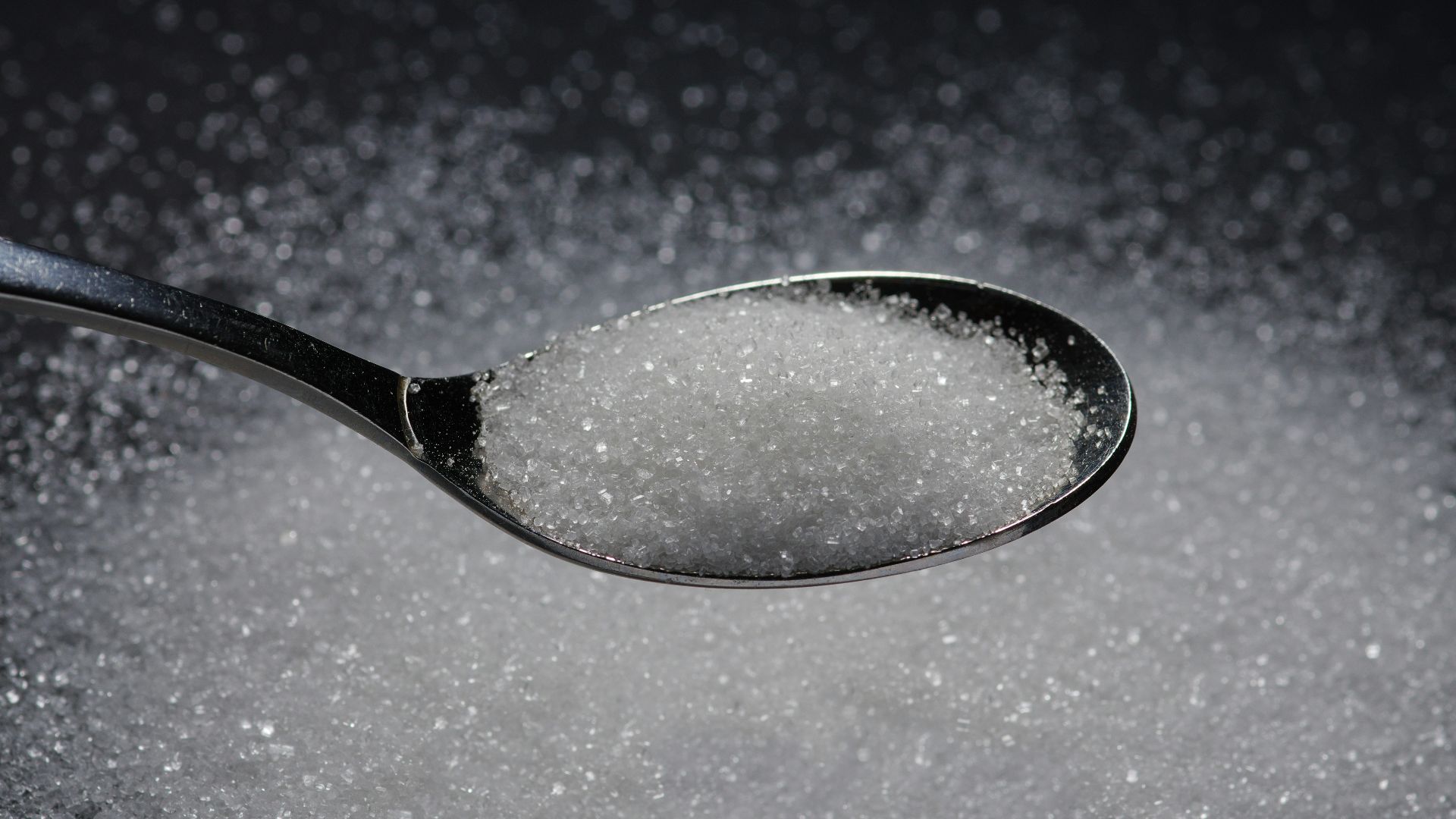
6. Cut Back on Excess Sugar
Sugary snacks can provide a quick burst of energy, but that boost is often followed by a noticeable crash. Frequent spikes and drops in blood sugar can leave you feeling tired throughout the day. Choosing balanced meals and snacks tends to produce more stable energy levels.
7. Spend More Time Outdoors
Natural sunlight helps regulate sleep-wake cycles and supports healthy circadian rhythms. Fresh air and outdoor movement can also improve mood and reduce feelings of fatigue. Even a short walk outside during daylight hours can help you feel more alert.

8. Manage Stress More Effectively
Chronic stress can be one of the biggest drains on your energy reserves. When your body remains in a prolonged state of tension, both mental and physical fatigue often follow. Finding healthy ways to manage stress can free up energy you didn't realize was being consumed.

9. Limit Alcohol Consumption
Alcohol can interfere with sleep quality even when it helps you fall asleep initially. Poor sleep often leads to lower energy levels the following day. Reducing alcohol intake may improve both rest and daytime alertness.
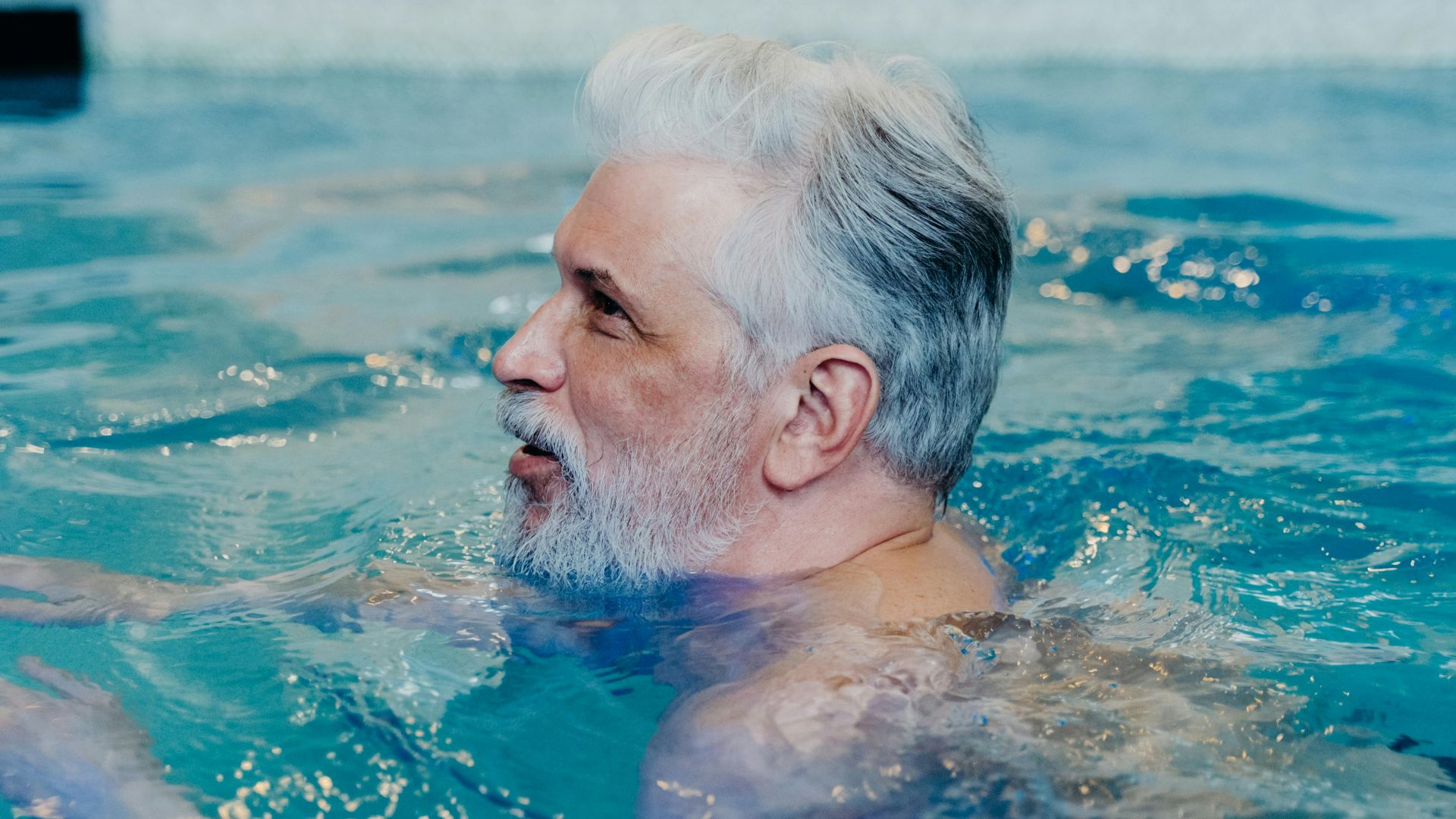
 JACQUELINE BRANDWAYN on Unsplash
10. Don't Rely on Caffeine Alone
Coffee can be useful, but it shouldn't be your primary energy strategy. Excessive caffeine sometimes masks underlying issues such as poor sleep, dehydration, or nutritional deficiencies. Using caffeine in moderation while addressing the root causes of fatigue usually works better.

11. Take Walking Breaks During the Day
Long periods of sitting can leave your body feeling sluggish and stiff. Brief movement breaks improve circulation and help maintain mental focus. A few minutes of walking every hour can provide surprisingly noticeable benefits.

12. Check for Nutritional Deficiencies
Low levels of nutrients such as iron, vitamin B12, or vitamin D can contribute to persistent fatigue. If tiredness continues despite healthy habits, it's worth discussing possible deficiencies with a healthcare professional.

13. Maintain a Healthy Weight
Carrying excess weight can place additional demands on the body and increase feelings of fatigue. Gradual, sustainable improvements in nutrition and activity levels often help reduce that burden. Many people report improved stamina after reaching a healthier weight range.

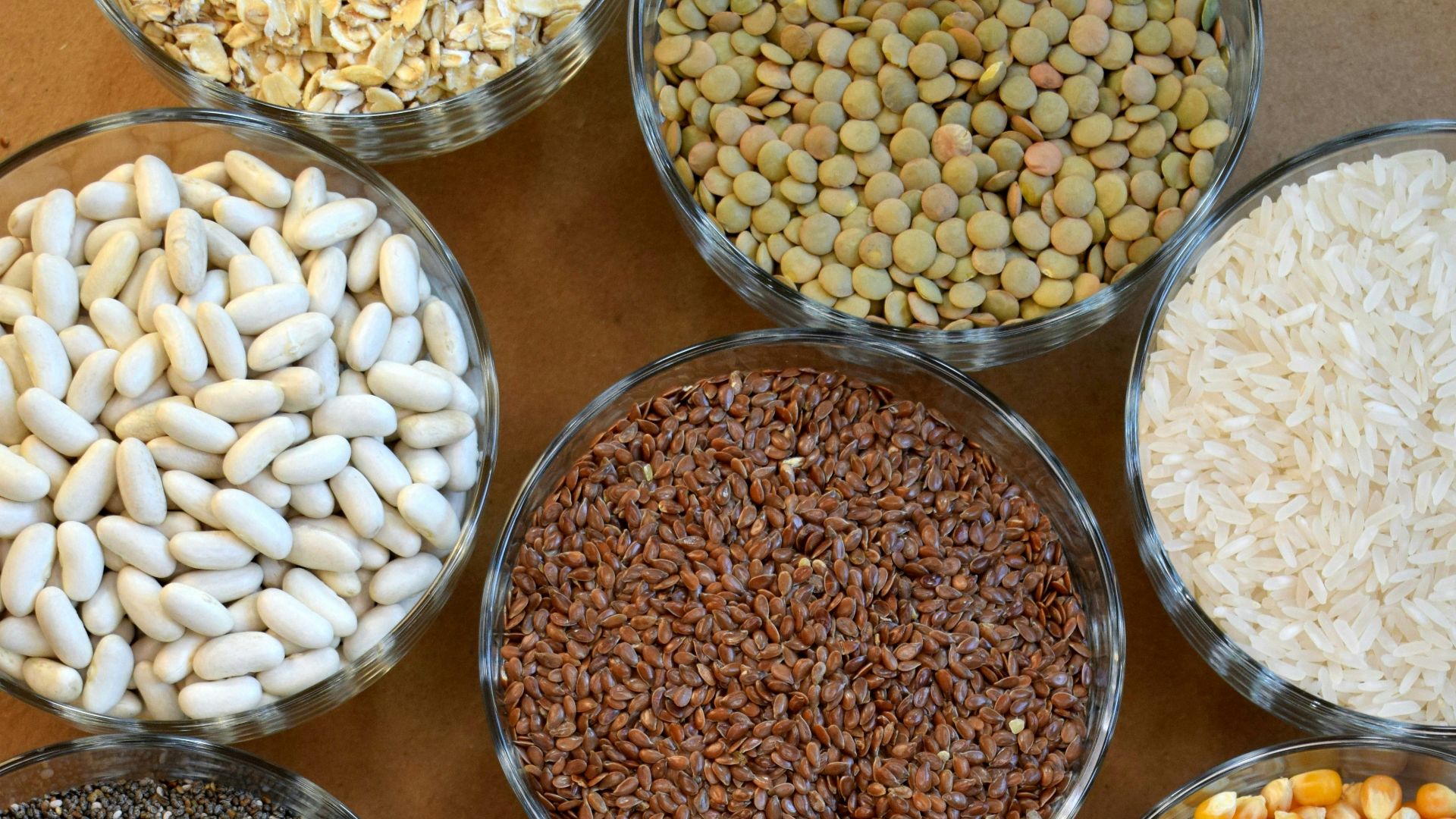
14. Eat More Whole Foods
Whole grains, fruits, vegetables, legumes, and lean proteins provide nutrients that support steady energy production. Highly processed foods often contain large amounts of sugar, salt, or unhealthy fats that may contribute to energy fluctuations.
15. Protect Your Mental Health
Emotional well-being and physical energy are closely connected. Anxiety, depression, and ongoing emotional strain can leave people feeling exhausted even when they're physically healthy. Seeking support when needed can improve both mood and energy.

16. Build More Muscle Through Daily Activity
You don't have to spend hours in a gym to stay active. Taking stairs, carrying groceries, gardening, or doing household projects all contribute to maintaining strength and mobility.
17. Reduce Late-Night Screen Time
Bright screens can interfere with the production of melatonin, a hormone that helps regulate sleep. Scrolling through devices late into the evening may make it harder to get quality rest.

18. Stay Socially Connected
Meaningful social interactions can boost mood and reduce feelings of mental fatigue. Spending time with friends, family, or community groups provides emotional support and engagement.

19. Give Yourself Time to Recover
Being constantly busy can eventually lead to burnout regardless of age. Scheduling time for relaxation, hobbies, and recovery helps restore both mental and physical energy.

20. Keep Up With Preventive Healthcare
Fatigue can sometimes be linked to underlying medical conditions that develop gradually. Regular checkups can help identify issues such as sleep disorders, thyroid problems, or cardiovascular concerns before they become more serious.

KEEP ON READING



20 Ways to Deal With Your Sweet Tooth
20 Low-Impact Exercise Ideas For People Over 50