
You May Be Missing Something Important
Fiber doesn’t always receive much attention. You have so much else to worry about with protein intakes and proper carbs and healthy fats—who has time to worry about fiber, too? Well, you should! It supports regular bowel movements while also helping with fullness, cholesterol, and blood sugar management (among other things); if you don’t have enough of it, your body will definitely tell you. Although these signs can have several possible causes, noticing a few of them together may be a good reason to examine how much fiber actually hits your plate.

1. You’re Always Constipated
Constipation is one of the clearest signs that your diet may be lacking fiber. Insoluble fiber adds bulk to stool and helps waste properly work its way through the digestive tract efficiently. When meals mostly consist of meat, white bread, and other low-fiber foods, you likely won’t see your toilet as often.

2. Hard and Dry Stool
That’s not to say that every trip will even be successful. Even when you’re able to have a BM, its texture can reveal that something isn’t right. Hard, dry stool may develop when there isn’t enough fiber and fluid available to keep it soft. That’s why adding foods like pears, oatmeal, and cooked vegetables may help create a more comfortable consistency.
3. You Have to Strain
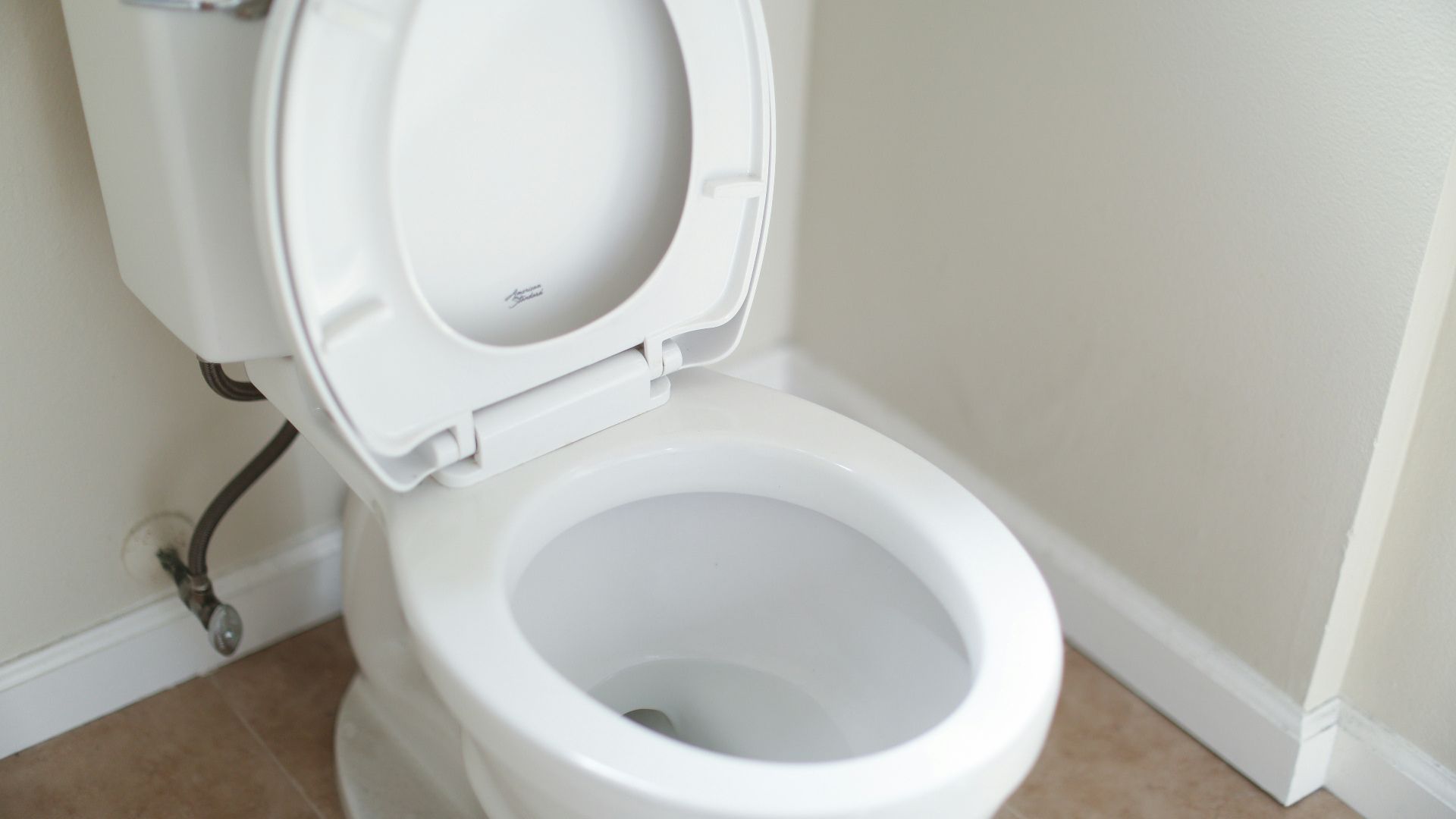
Regularly pushing isn’t a normal part of using the bathroom. Without adequate bulk and softness, stool can become more difficult to pass, leaving you on the toilet for who knows how long. Persistent straining can also contribute to hemorrhoids, so it’s worth discussing with a professional if it continues.

4. You’re Hungry After Eating
A meal can have plenty of calories without keeping you satisfied for very long (which is a devastating truth). The thing is, fiber slows digestion and helps extend feelings of fullness, particularly when it’s paired with protein and healthy fat. A breakfast of sugary cereal can leave you searching for a snack, while oatmeal and nuts have more staying power.

5. Your Energy Drops After Meals
Low-fiber meals built around refined carbs can be digested quickly, causing blood sugar to spike. You may feel energetic shortly after eating white toast or sweetened cereal, only to get exhausted an hour or two later. Fiber-rich carbohydrates, including beans and whole grains, are generally absorbed more gradually.

6. Unpredictable BMs
One day you can’t go at all. The next brings several urgent trips to the bathroom. If that sounds like you, then you should look into more fibrous foods! Fiber helps support more consistent stool formation, although different types of fiber affect digestion in different ways. An eating pattern that rarely includes fruits, vegetables, or whole grains may contribute to irregularity.
7. You Never Feel Completely Finished
If you’ve ever felt a lingering sensation that you still need to go, you already know how uncomfortable and distracting it is. But did you know that fiber could play a role in why it happens at all? Small or poorly formed stools may not move through the colon as effectively as bulkier ones. Enough dietary fiber can support more complete BMs.
8. Your Portions Keep Getting Larger
Regularly adding second or third helpings isn’t always enough to keep you full, and when that happens, it could be because there’s not enough fiber. Fiber increases volume without adding large numbers of calories, which is why beans, vegetables, and intact whole grains can make meals more satisfying.

9. Your Diet Is Mostly Beige
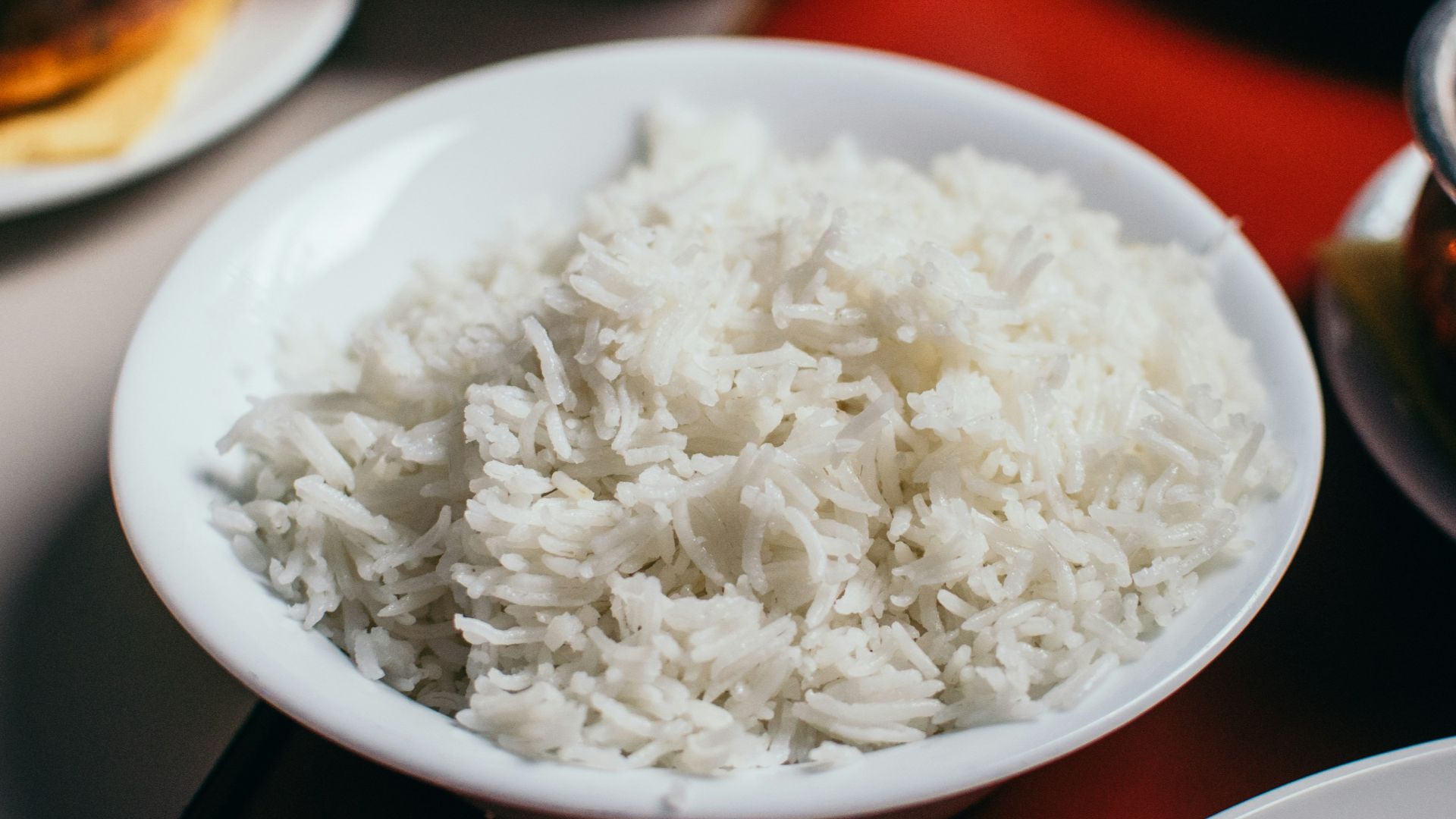
Take a quick look at what you’ve eaten recently. Did it look like a rainbow of whole foods or more like a desert? Diets dominated by white rice, bread, cheese, and processed meats contain less fiber than meals featuring colorful produce and legumes. A plate that rarely includes leafy greens, berries, or beans offers an important clue before other symptoms even appear.
10. You Rely on Laxatives
Occasional laxative use is sometimes recommended, and there’s no shame in needing one, but needing one constantly deserves attention. A low-fiber diet can contribute to ongoing constipation, especially when it’s combined with limited fluid intake or inactivity. Don’t abruptly replace medication with fiber, though—regular laxative use should be reviewed with a doctor.

11. Pellet-Like Stool
Passing several small, firm pieces rather than a formed BM usually signals slow movement through the colon. It’s also commonly associated with constipation, occurring when stool lacks sufficient moisture and bulk. Prunes, chia seeds, and whole-grain cereal can provide fiber, but intake should be increased gradually.
12. You’re Struggling to Manage Your Weight
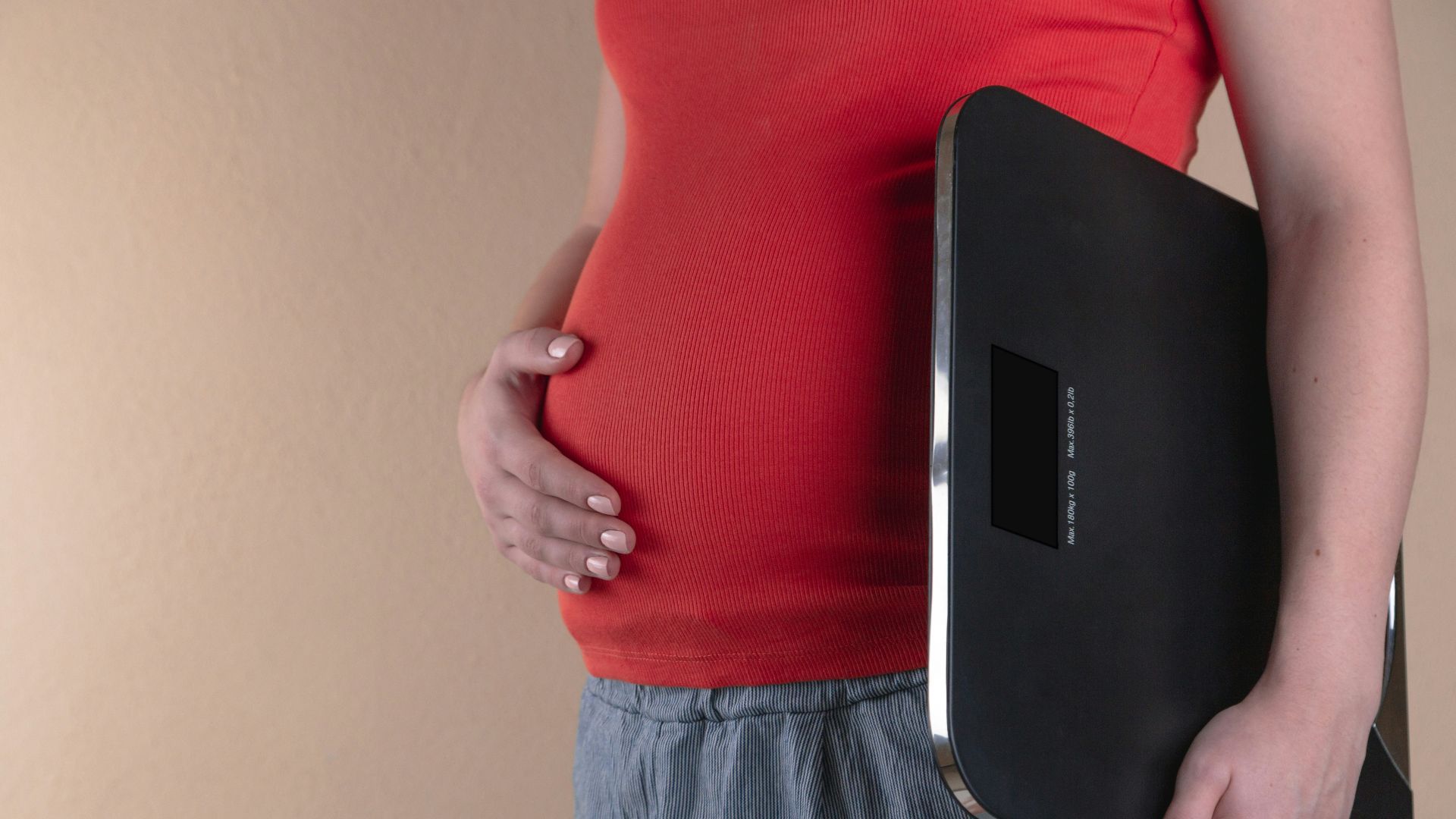
Don’t get us wrong, fiber isn’t a weight-loss cure. It can, however, make balanced portions easier to maintain. High-fiber foods generally take longer to chew and digest, giving your body more time to register that you’ve eaten enough to keep you going.
 Volodymyr Hryshchenko on Unsplash
13. Your Cholesterol Has Crept Up
Elevated cholesterol can have many causes, including genetics, but diet remains an important factor. Soluble fiber found in oats, apples, and psyllium can help reduce the absorption of cholesterol in the digestive tract. Consistently choosing refined grains over these foods means you may be missing that heart-supporting benefit, so it’s worth going over your diet to spot any potential swaps.

14. Unsteady Blood Sugar
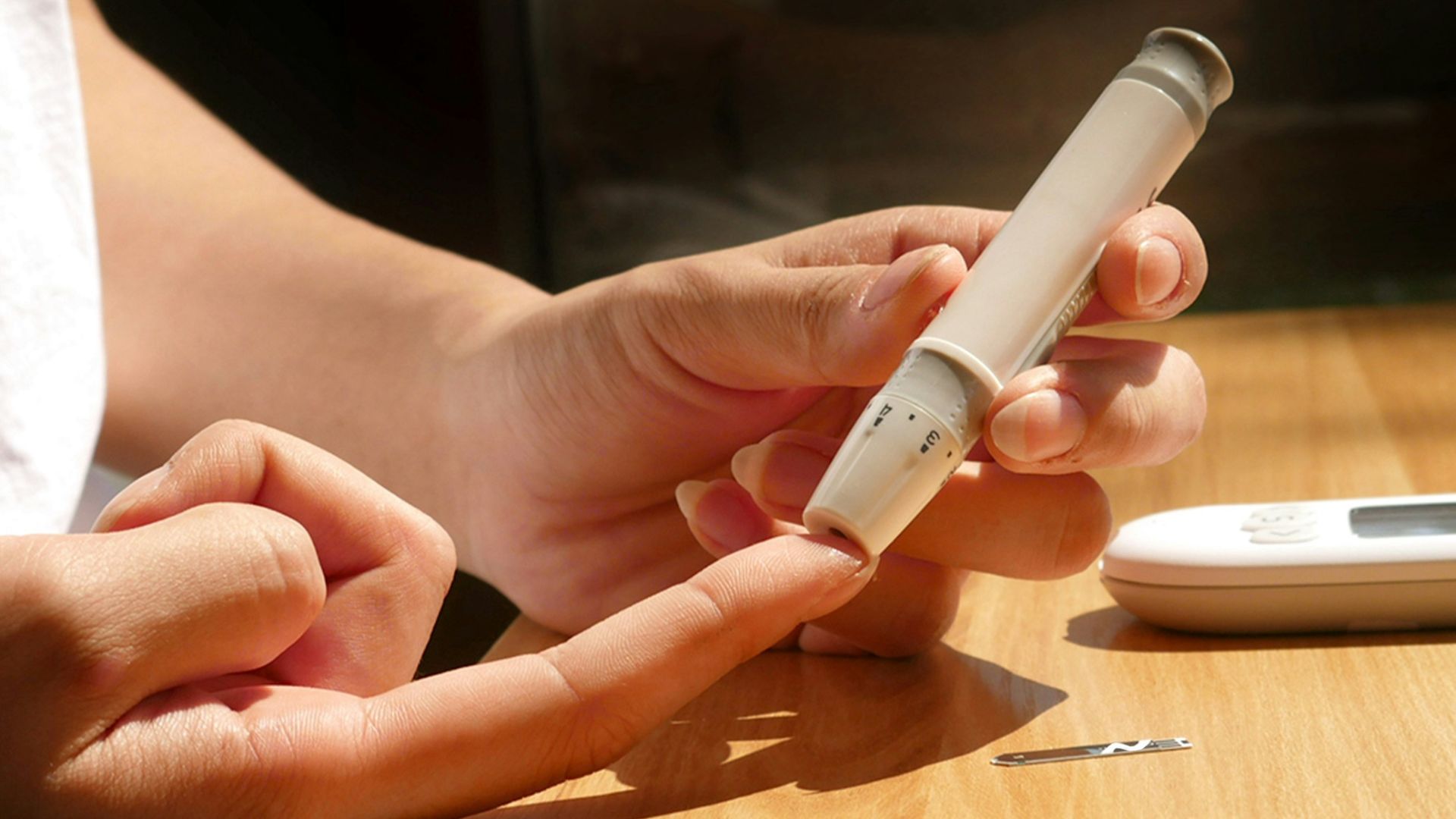
Feeling shaky, irritable, or unusually hungry after a carb-heavy meal? That can sometimes accompany rapid blood sugar changes. When you get enough fiber, it slows the absorption of sugar, which is particularly helpful when eating carbohydrates. Keep in mind that these symptoms aren’t exactly proof of a deficiency or diabetes, so recurring episodes should still be evaluated by a professional.
15. You Rarely Eat Whole Plant Foods
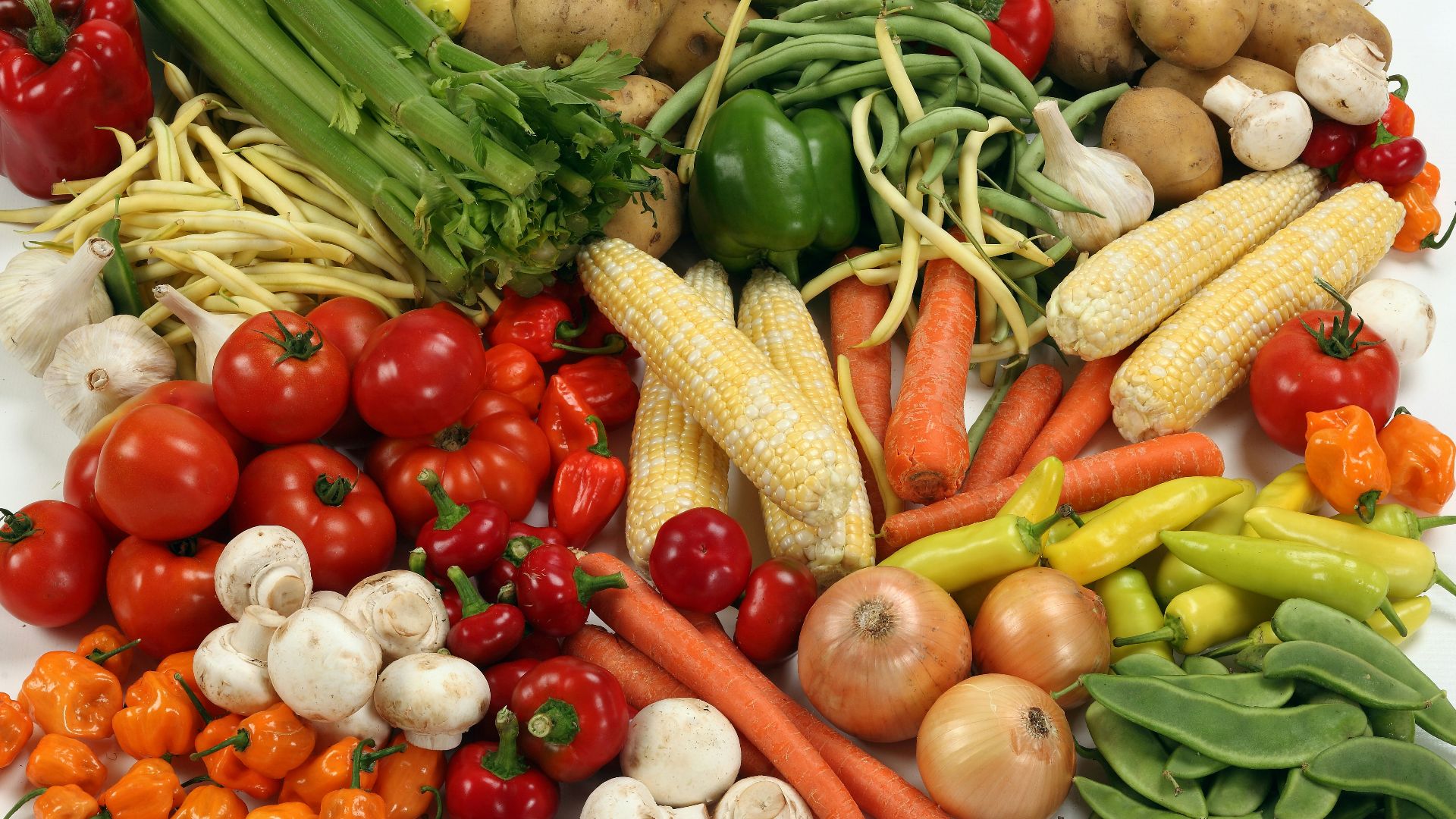
Sometimes the most obvious warning sign is found in your grocery cart. Meat, dairy products, eggs, oils, and refined sweets naturally contain little or no dietary fiber—even though they sometimes have other benefits. That means if beans, fruits, vegetables, seeds, and whole grains seldom appear in your home, reaching an adequate intake gets even harder.
16. Hemorrhoids Return
Hemorrhoids can develop for several reasons, but constipation and repeated straining are common suspects. Softer stools usually require less pressure to pass, which can help reduce irritation around swollen veins. Increasing fiber and fluids can help ensure those little buggers stay away.
 Point3D Commercial Imaging Ltd. on Unsplash
17. Your Stomach Feels Uncomfortably Full
Low-fiber eating can slow bowel movements, allowing stool to remain in the digestive tract longer. That backup may leave your abdomen unusually full, and it can happen even when you haven’t eaten much. Bloating has many possible causes, however, and adding too much fiber too quickly can make it worse.
18. Your Meals Don’t Include Much Texture
Highly processed foods are often stripped of fiber during manufacturing, which means you’re then left with something softer and easier to digest. White bread, smooth snack cakes, and packaged crackers require little chewing and provide limited plant material. Do yourself a favor: swap some of them with crunchy vegetables, nuts, or minimally processed grains.

19. Digestive Discomfort
A healthy gut contains bacteria that use certain fibers as fuel. When those fibers are consistently scarce, your gut balance can change, potentially affecting your overall comfort. Gas, cramping, and bloating can occur, and while they aren’t standalone symptoms of a deficiency, they could point to one when paired with other symptoms.

20. You Can’t Remember Your Last Whole Grain
You don’t need to track every gram to recognize that your usual menu may be falling short. If your weekly meals never include all the good stuff we’ve talked about, you’re overlooking several major fiber sources. It’s okay (and encouraged) to start adding these foods slowly and drink enough water—a sudden increase can cause gas or constipation.
KEEP ON READING



20 Natural Ways You Can Boost Your Immune System

20 Ways To De-stress & Relax After Work
The 10 Most Common Diseases & The 10 Most Rare