

Here's Why You Should Move More
You don't need us to tell you that your mobility gets weaker the older you get. Where you could once touch your toes or easily lift yourself off the couch, those same movements may now feel twice as difficult. Yet, while many factors, from aging to certain medical conditions, can influence how fluid you move, everyday habits also play a major role in maintaining your balance and flexibility. If you want to strengthen your body so you can stay independent for longer, here are 10 bad habits to break and 10 things to start incorporating more into your daily routine.

1. Sitting for Most of the Day
Long periods of sitting give your hips, knees, ankles, and spine very few opportunities to move through their available ranges. Over time, certain muscles may feel stiff while others become less prepared to support walking, bending, and standing. Even a workout later in the day doesn’t necessarily address all the hours you’ve spent remaining in one position. Breaking up sedentary time with brief periods of movement can help keep everyday actions from feeling increasingly difficult.

2. Avoiding Stairs Whenever Possible
Elevators and escalators are useful, but choosing them every single time removes a common source of lower-body activity. Climbing stairs requires your hips, thighs, calves, and core to work together while you repeatedly balance on one leg. When those demands disappear from your routine, stairs may eventually feel harder than they should. Using them occasionally, when it’s safe and comfortable, helps you practice a movement that’s important in many homes and public places.

3. Moving Only During Workouts
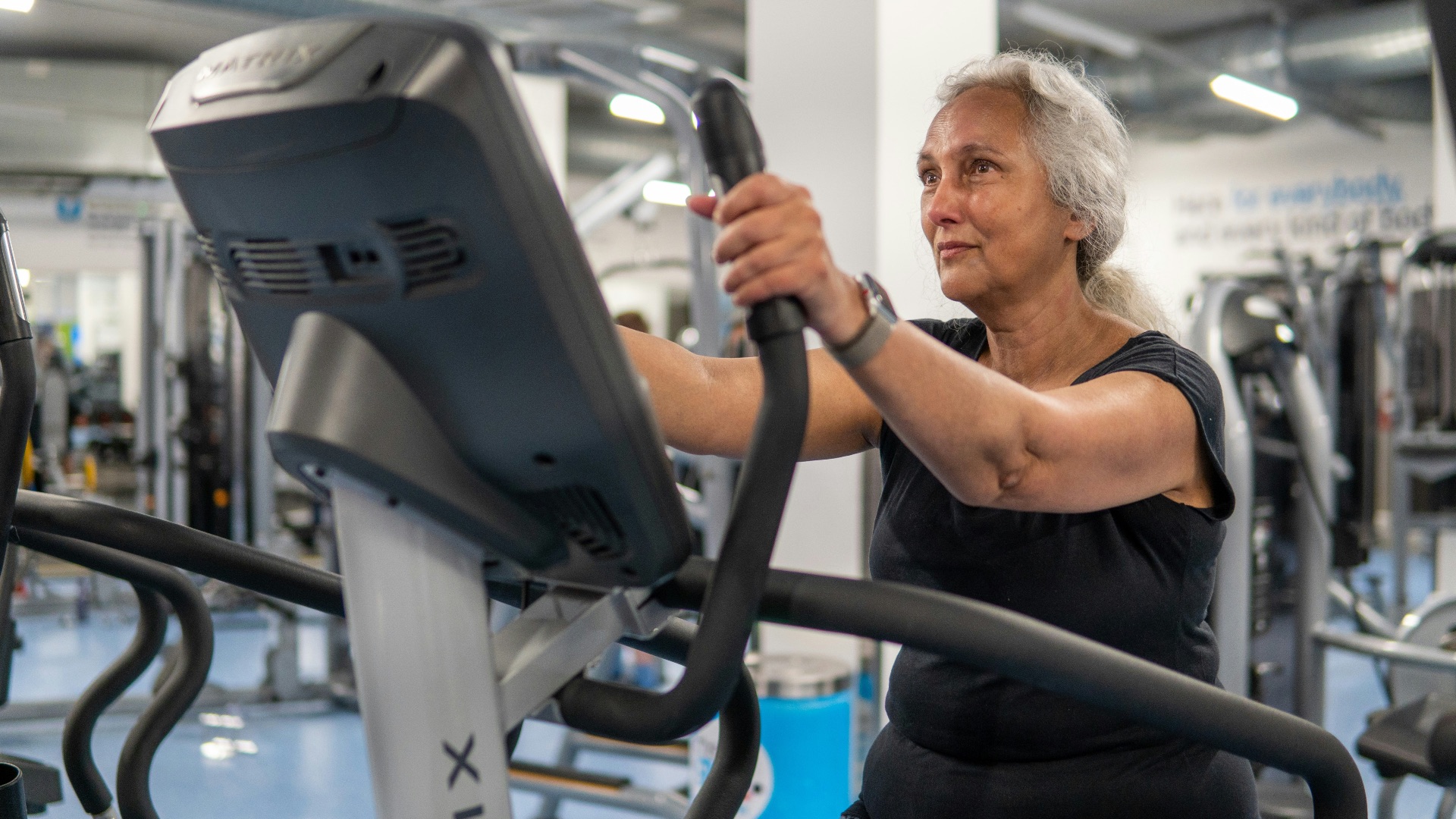
A few exercise sessions each week are valuable, but mobility also depends on what you do between them. If the rest of your time involves sitting at a desk, driving, and relaxing on the couch, your body still spends many hours being relatively inactive. Walking while running errands, standing during phone calls, and handling household tasks all provide additional movement. These small opportunities can help daily activity feel more natural and less physically demanding.
 Centre for Ageing Better on Unsplash
4. Ignoring Minor Aches for Too Long
Occasional soreness doesn’t always signal a serious problem, but persistent pain deserves attention. You may unknowingly alter the way you walk, stand, or bend to avoid discomfort, which can place extra stress on other areas. Those compensations can become habitual even after the original issue improves. Seeking appropriate medical or physical therapy guidance early may prevent a manageable concern from interfering further with your movement.

5. Wearing Unsupportive Shoes Everywhere
Shoes affect how your feet meet the ground and how the rest of your body responds with each step. Footwear that slips, pinches, lacks stability, or has worn-out soles may make walking uncomfortable and balance less secure. This doesn’t mean you need specialized athletic shoes for every occasion, but your footwear should suit the activity and fit properly. Replacing shoes once their support has noticeably deteriorated can also make everyday movement more comfortable.

6. Relying on the Same Movements
Repeating one activity can build specific abilities while leaving other movement patterns underused. Cycling, for example, can improve endurance but doesn’t involve much sideways movement, overhead reaching, or balance on uneven ground. A routine with little variety may therefore feel less helpful when you need to twist, squat, step around an obstacle, or change direction. Including several forms of movement prepares your body for a wider range of real-world demands.

7. Staying in Poorly Adjusted Positions
A desk, chair, computer monitor, or car seat that doesn’t fit you well can keep your body in an uncomfortable position for hours. You might lean toward one side, reach too far forward, or keep your hips and knees at awkward angles. No single posture must be held perfectly, but remaining strained and motionless can contribute to stiffness. Adjusting your environment and changing positions regularly is often more useful than trying to maintain one rigid pose.

8. Skipping Lower-Body Strength Work
Strong arms may help with carrying, but your legs and hips handle much of the work involved in getting around. When lower-body strength declines, standing from a low chair, climbing steps, or recovering from a slight stumble can become more challenging. Walking provides useful activity, yet it may not offer enough resistance to strengthen every muscle effectively. Neglecting targeted leg exercises can leave an important part of mobility underdeveloped.
9. Letting Fear Eliminate Activity
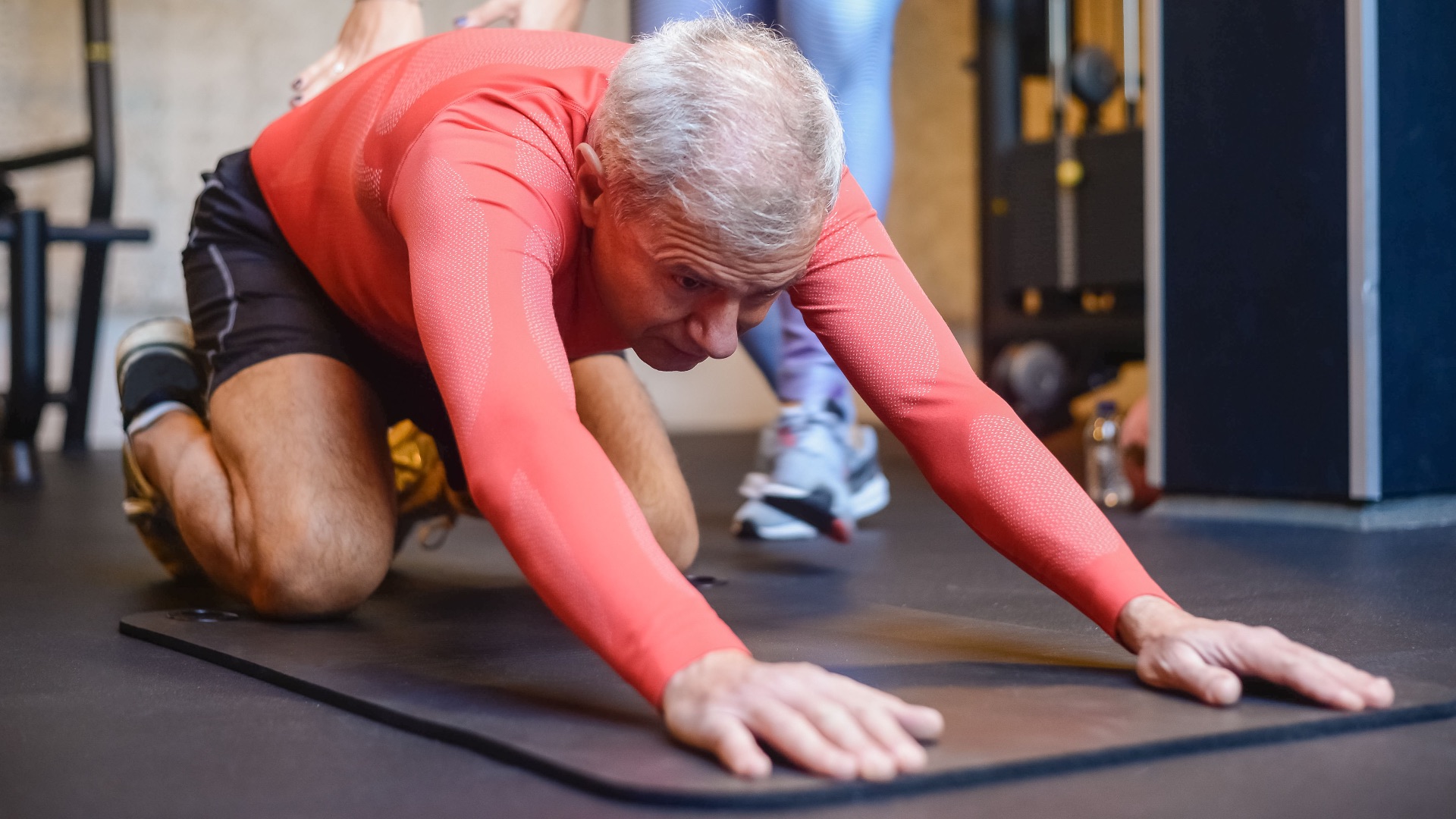
After an injury, fall, or painful experience, it’s understandable to become cautious about movement. However, avoiding nearly every challenging activity may gradually reduce your confidence, strength, and balance. The result can be an even narrower range of movements that feel safe. A health professional can help you identify appropriate exercises and rebuild ability without requiring you to take unnecessary risks.

10. Doing Too Much Too Quickly
Suddenly increasing your workout intensity, walking distance, or stretching depth can leave you excessively sore or injured. That discomfort may then cause you to stop moving altogether while you recover. Mobility usually responds better to consistent, manageable practice than unpredictable bursts of activity. Gradual progression gives your muscles, joints, and connective tissues time to adjust to new demands.
Avoiding harmful habits is a useful start, but preserving mobility also requires deliberate practice. The following 10 strategies can help you build the strength, control, and range of motion needed for daily life without turning every session into a draining workout.

1. Practice Getting Up and Down
Standing from a chair is one of the most practical strength exercises you can perform. It works several lower-body muscles while reinforcing a motion you use throughout the day. Start with a stable chair and use your hands for assistance when necessary, then gradually reduce that support as you improve. Practicing with control can make getting out of chairs, cars, and other low seats easier.

2. Add Regular Walking
Walking supports endurance while repeatedly moving the hips, knees, ankles, and feet. You don’t need to cover a long distance immediately, especially when you’re returning to activity after an inactive period. Begin with a duration you can manage comfortably and add time or distance in small increments. Changing your route, pace, or terrain occasionally can provide additional challenges once you’re ready.

3. Strengthen Your Hips and Legs
Exercises such as supported squats, step-ups, calf raises, and glute bridges target muscles involved in walking and standing. Stronger legs can make ordinary tasks feel less taxing and provide better control when you change direction. Aim for smooth repetitions rather than rushing or using momentum. Adults are generally encouraged to include muscle-strengthening activity during the week, with exercises adapted to their health and current abilities.
 Centre for Ageing Better on Unsplash
4. Work on Ankle Movement
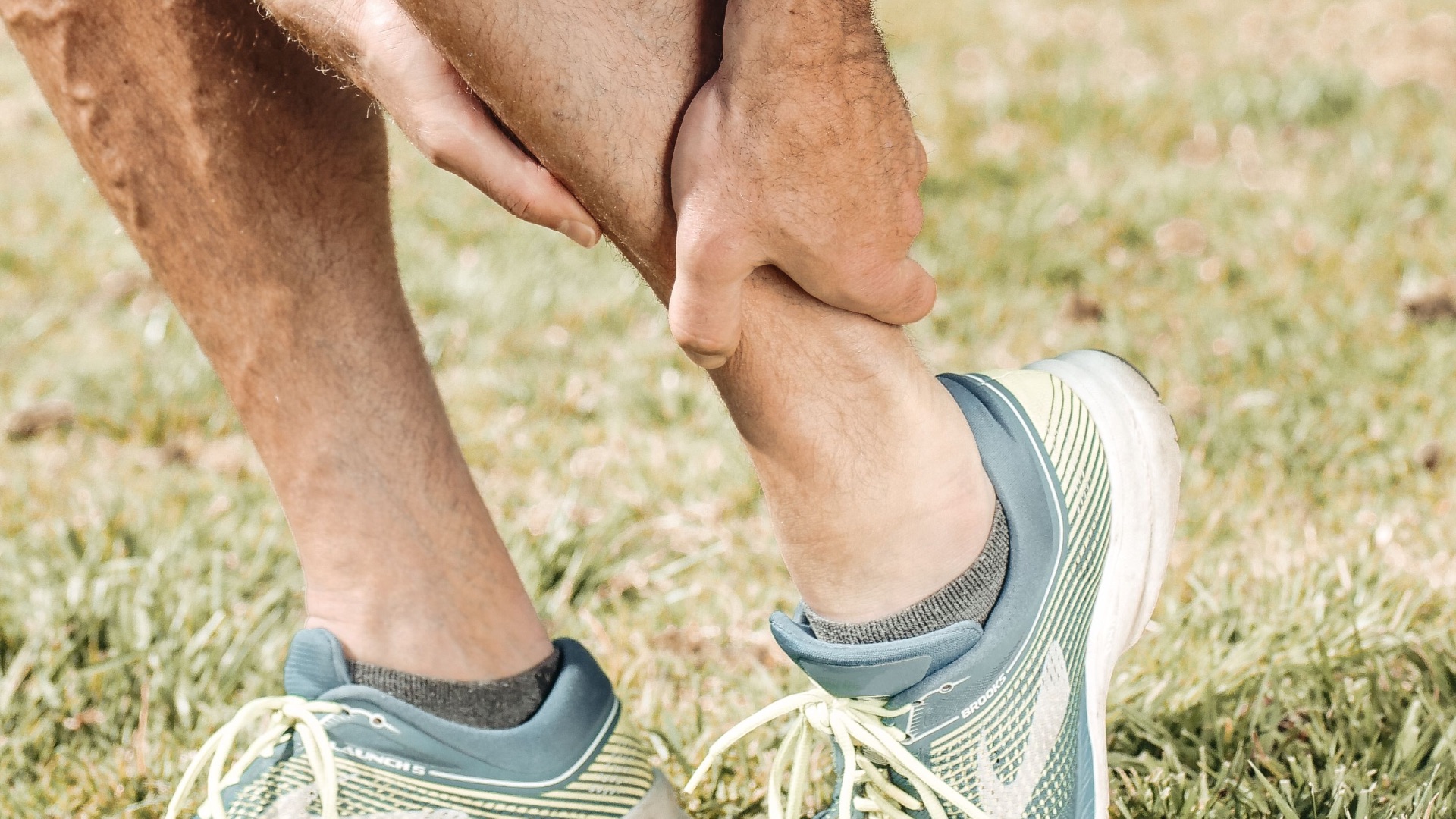
Your ankles need to bend and stabilize as you walk, climb stairs, and lower yourself into a squat. Limited ankle motion may cause you to shorten your stride or compensate elsewhere. Gentle ankle circles, heel raises, and controlled knee-over-toe movements can help you practice this range. Hold onto a counter or sturdy chair whenever additional support is needed.
5. Include Balance Exercises
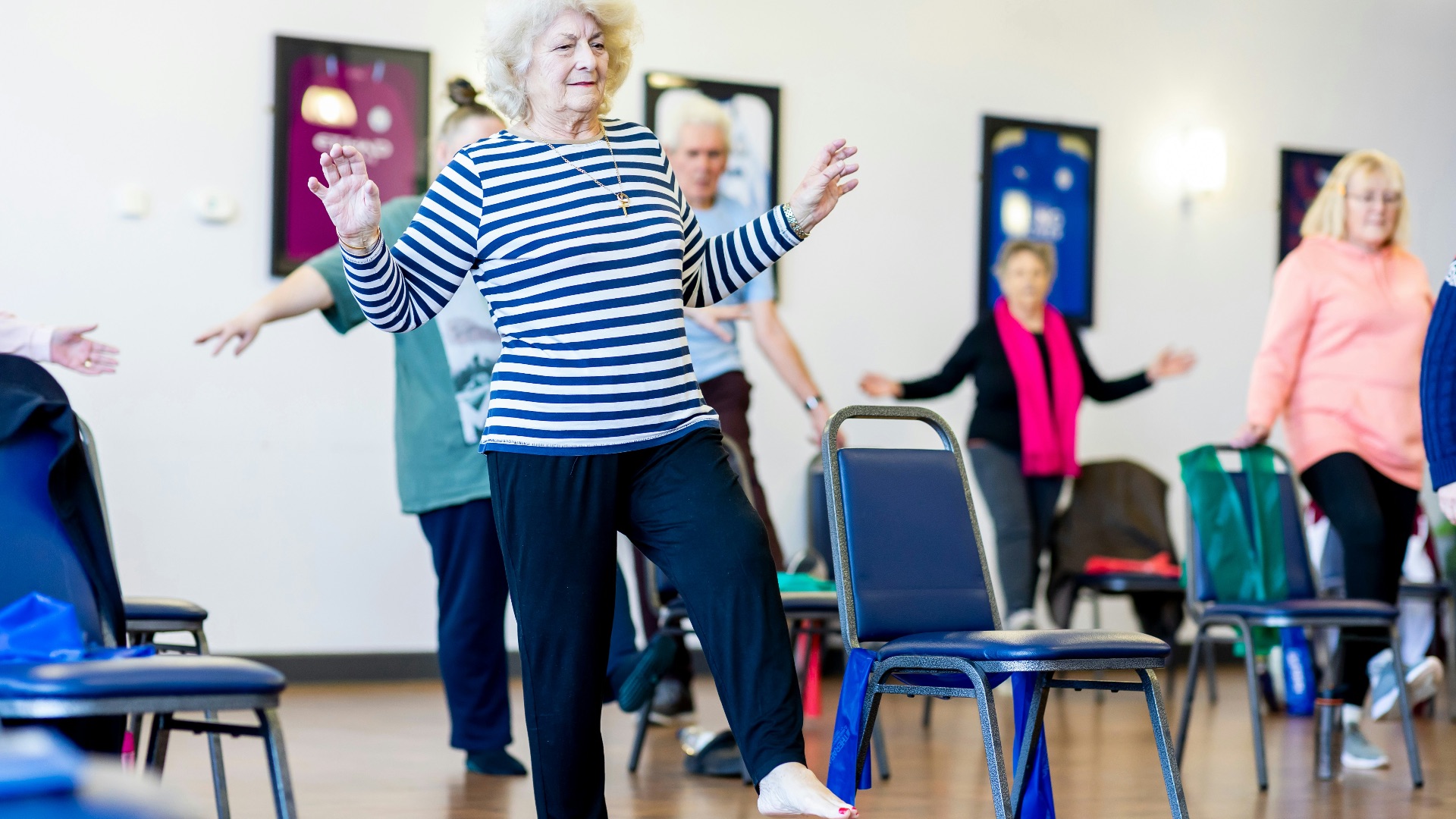
Balance improves through practice rather than simply remaining careful. Standing with your feet close together, walking heel to toe, or briefly balancing on one leg can challenge your control without requiring special equipment. Perform these exercises near a stable surface so you have something to grab if needed. Balance work is particularly important for older adults and can be combined with aerobic and strengthening activities.
6. Move in Different Directions
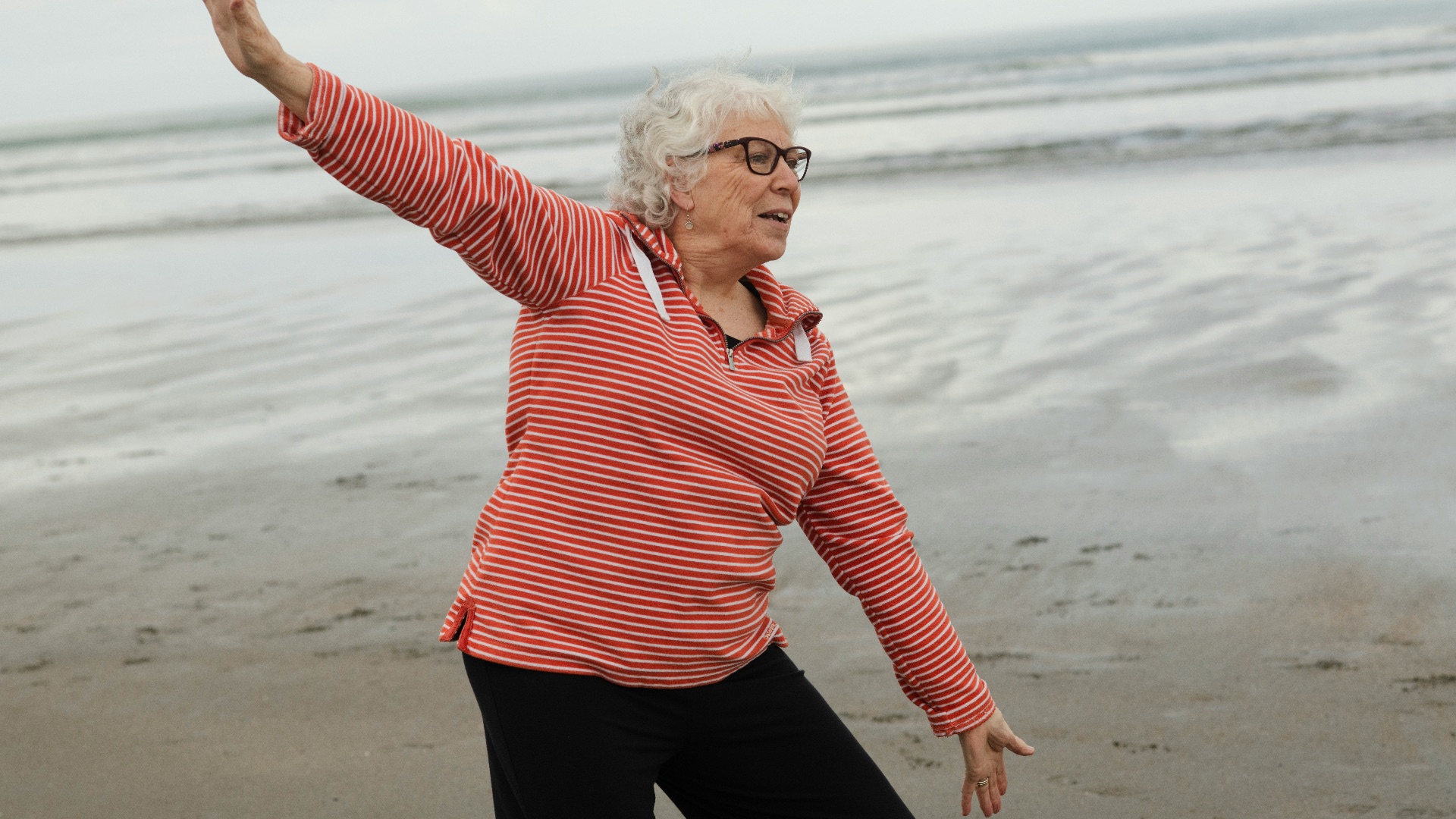
Daily routines often involve more forward movement than sideways or rotational motion. Side steps, gentle torso turns, diagonal reaches, and controlled backward walking introduce directions your body may not practice frequently. Begin slowly and choose a clear area without obstacles. Developing control in multiple directions can help when you need to maneuver through crowded rooms, turn suddenly, or step around something.

7. Stretch Consistently, Not Aggressively
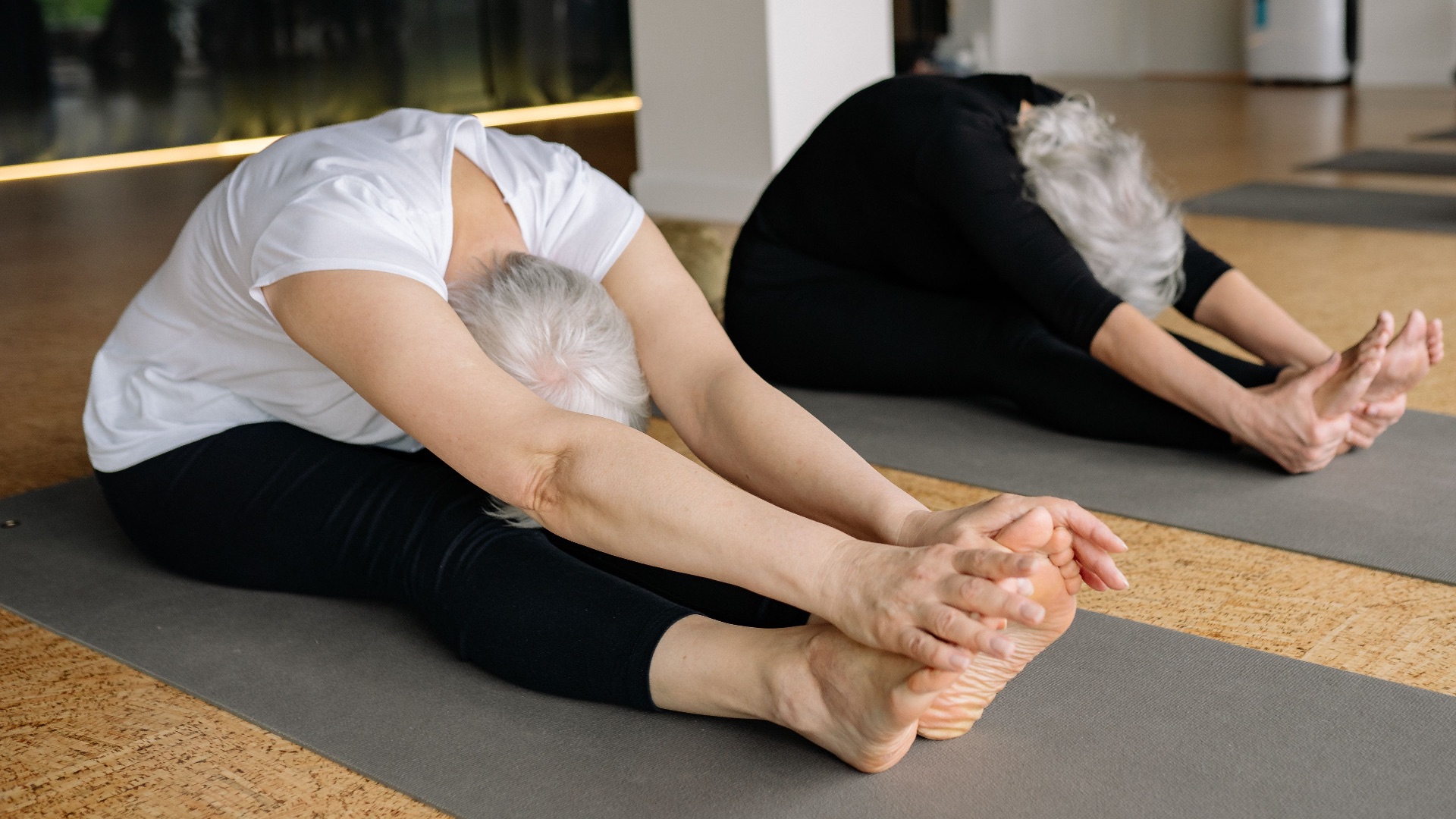
Stretching can support flexibility, but forcing a joint into a painful position isn’t necessary. Use steady, comfortable movements and give your muscles enough time to relax rather than bouncing into a deeper range. Areas that commonly benefit from attention include the calves, hips, thighs, chest, and shoulders. Consistent stretching can increase joint range of motion, especially when it accompanies strength and general activity.
8. Build Core Control
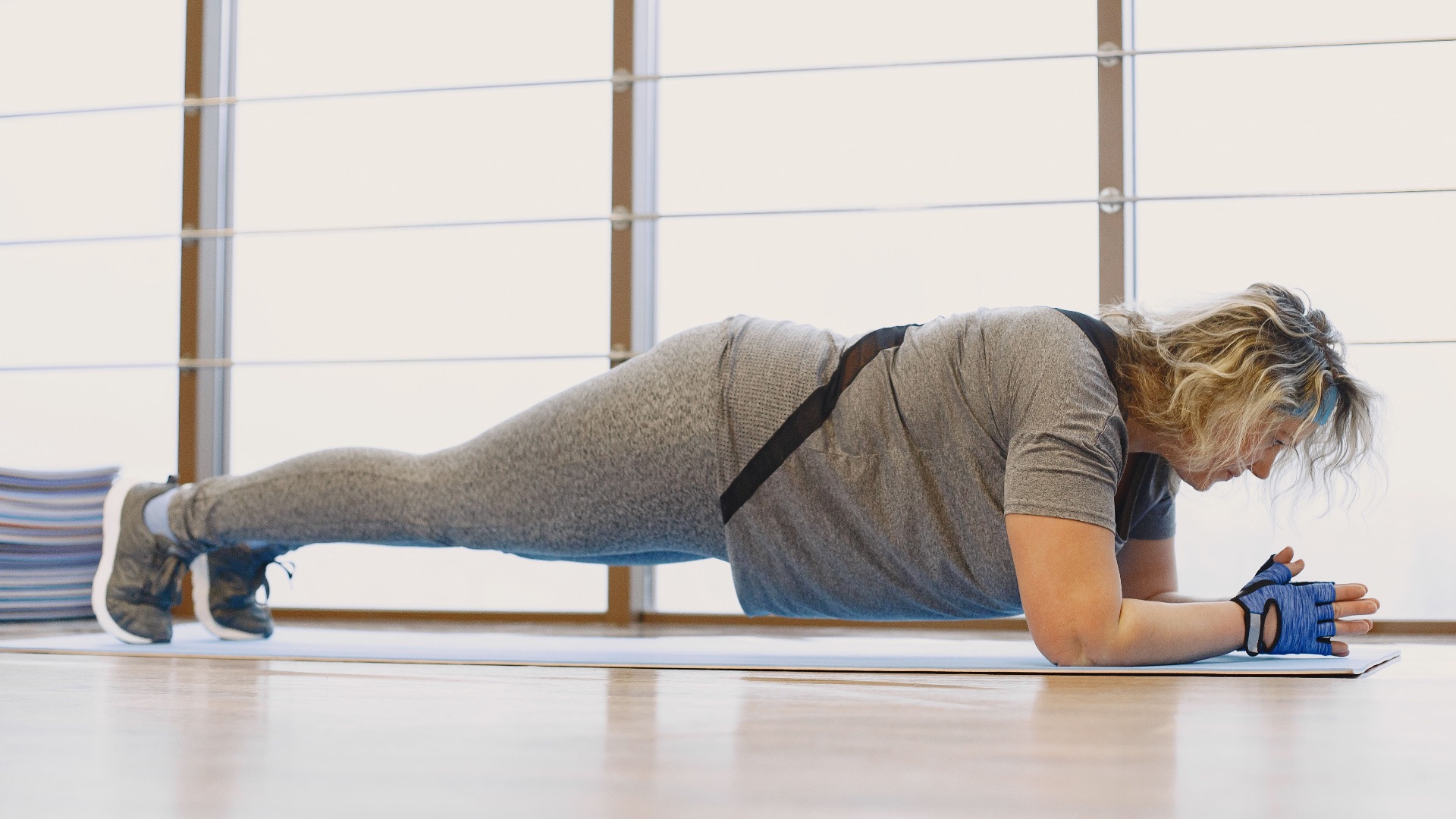
Your core includes several muscles around your abdomen, back, hips, and pelvis that help stabilize your body during movement. Exercises such as bird dogs, dead bugs, modified planks, and controlled carries can train these muscles without relying on repeated sit-ups. Focus on maintaining steady breathing and alignment throughout each repetition. Better control through the trunk can support reaching, lifting, turning, and walking.
9. Spend Some Time Near the Floor
The ability to lower yourself toward the ground and stand back up is useful, even if you don’t do it often. Practice can involve kneeling beside a sturdy chair, moving between half-kneeling and standing, or sitting on a firm cushion placed on the floor. Use stable furniture and assistance until you’re confident with each step. Anyone with significant joint pain, dizziness, or balance concerns should seek professional guidance before trying floor transfers alone.
10. Choose a Routine You Can Maintain
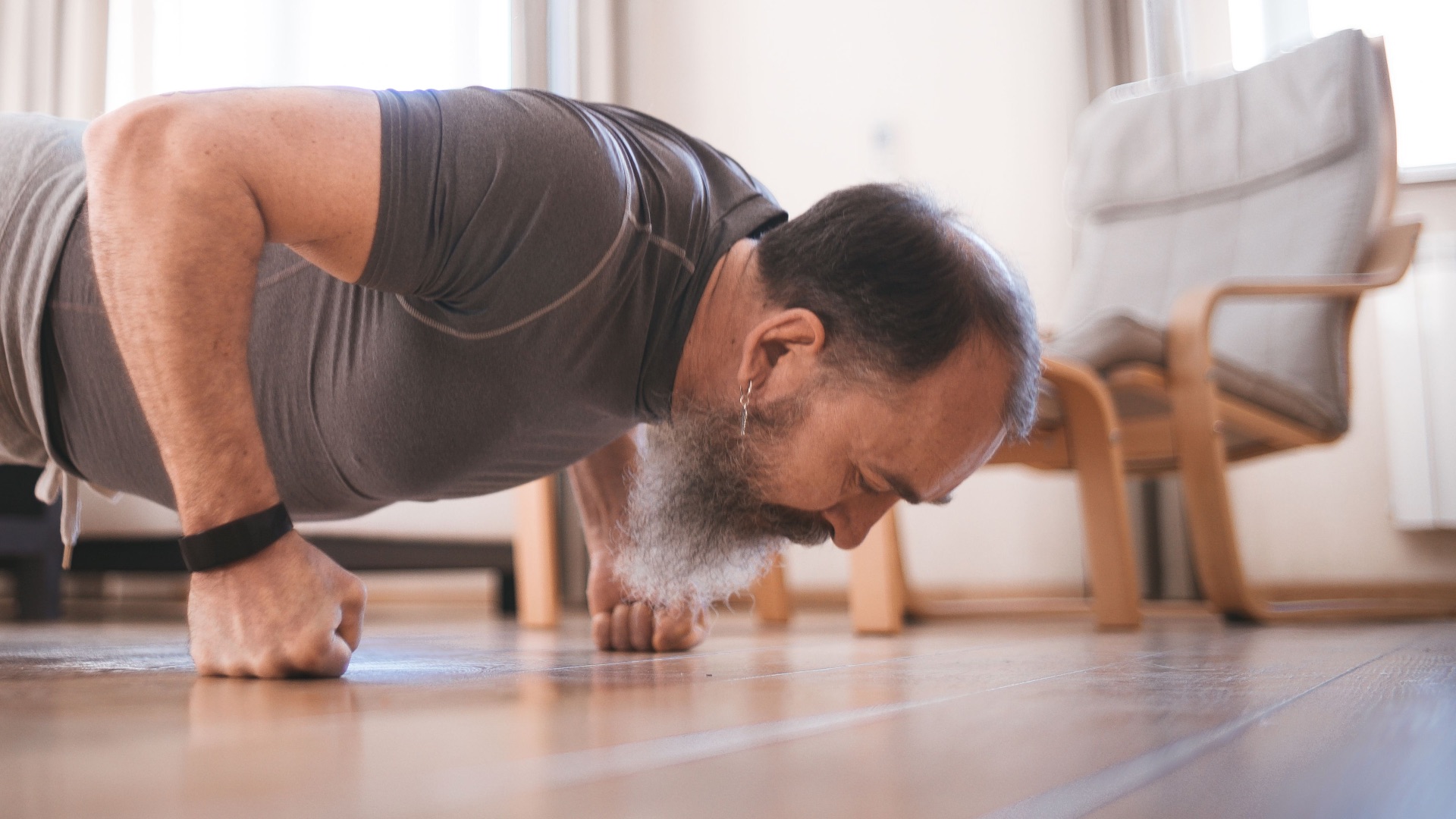
An elaborate mobility program won’t help much if it’s so demanding that you abandon it after a week. A practical plan might include short walks, two strength sessions, brief balance practice, and a few stretches spread throughout the week. Your routine should reflect your current condition rather than someone else’s fitness level. Starting with manageable amounts of movement and gradually building from there is both acceptable and encouraged.
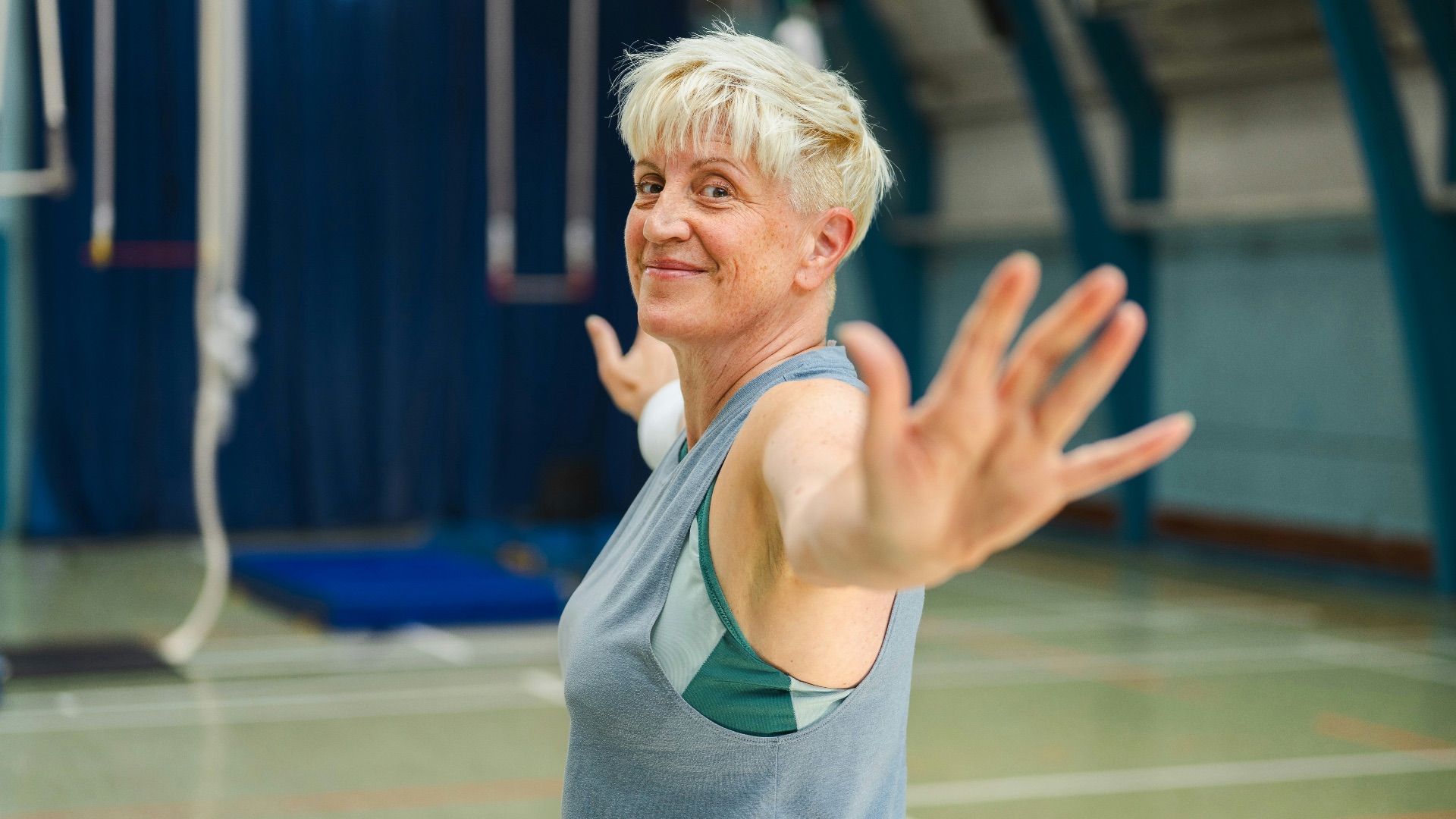 Centre for Ageing Better on Unsplash
KEEP ON READING


10 Pre-Workout & 10 Post-Workout Tips To Follow