
When Gas Becomes a Regular Problem
Oops, you've let out a toot. Oh, and there goes another one. While it's normal to pass gas, especially after you've eaten something fatty and heavy, if it happens after every meal or alongside uncomfortable bloating, you might want to look at what might be causing it. Fortunately, many of those causes don't indicate anything serious, though you should always consult your doctor if you experience any prolonged, abnormal symptoms.

1. You're Eating Too Quickly
Always inhaling everything on your plate before everyone else has even taken their first bite? Well, you should know that eating quickly can cause you to swallow more air. While some of that comes back up as a burp, the rest can travel through your digestive tract and come out the more embarrassing way. Slow your pace!

2. You Eat Plenty of Beans and Lentils
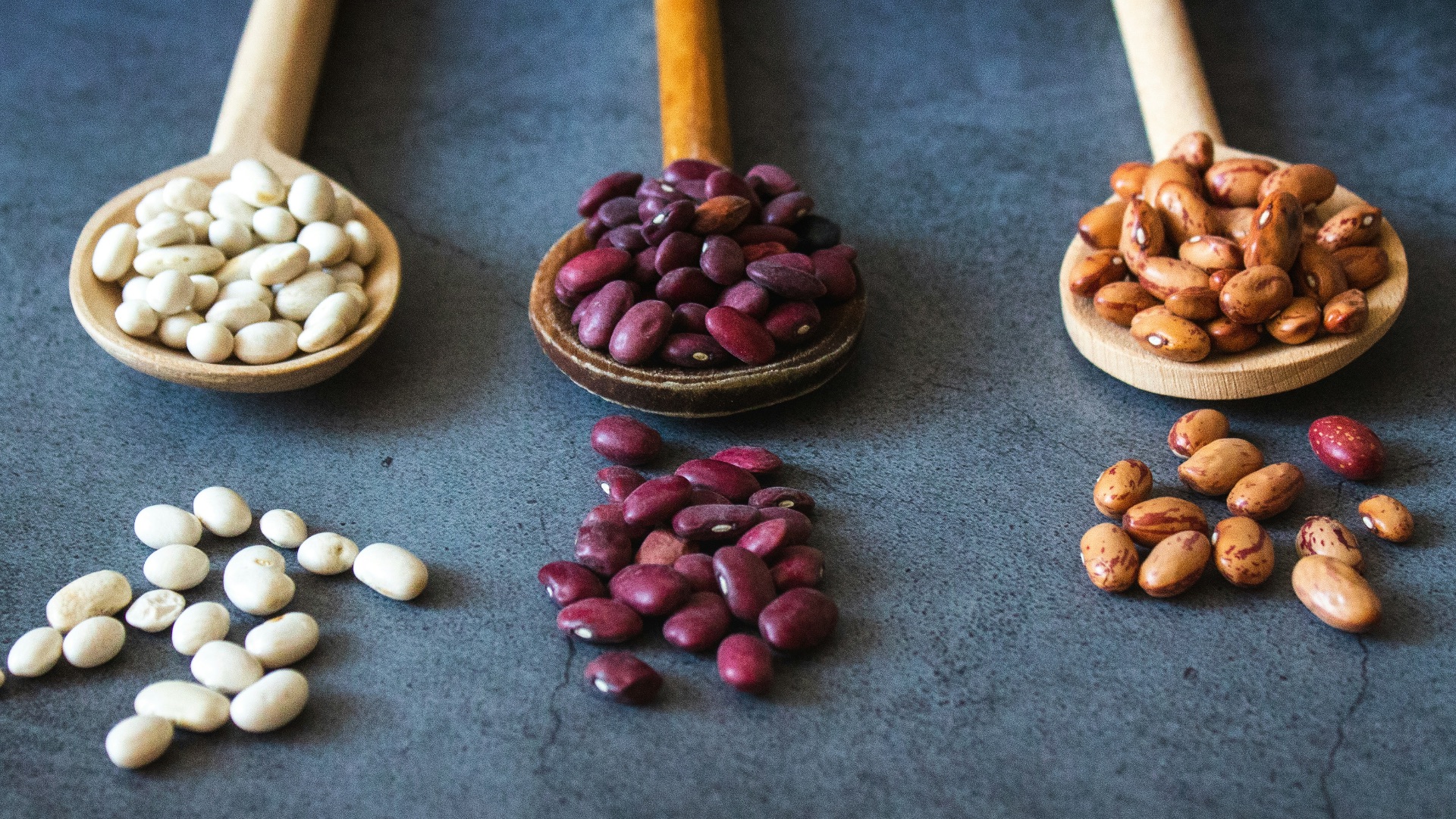
Beans and lentils are great for you, so we're not saying you should keep them off your plate, but they're also well known for making people gassy. After all, if certain carbohydrates in them aren't completely digested, your body will break them down to produce gas. This may vary from person to person, however, and depend on which varieties you eat.
3. You're Drinking Carbonated Beverages
Like fizzy drinks? Every sip of that bubbly beverage will only bring additional gas into your digestive system. Unless you're the type to burp everything out, it'll come out the other end—and often much more than just once.

4. You're Lactose Intolerant
If you've ever had an upset stomach (or worse, the runs) after drinking or eating dairy, chances are you're lactose intolerant. This means your body isn't able to properly break down the natural sugar, so it eventually ferments and comes out as gas. Time to ease up on the ice cream!

5. You're Eating a Lot of Cruciferous Vegetables
Vegetables, like beans and lentils, are great for you, and you should be eating them regularly. However, cruciferous varieties, like broccoli, cauliflower, and kale, can also increase gas. The amount of gas you pass may also be proportional to how much you eat.
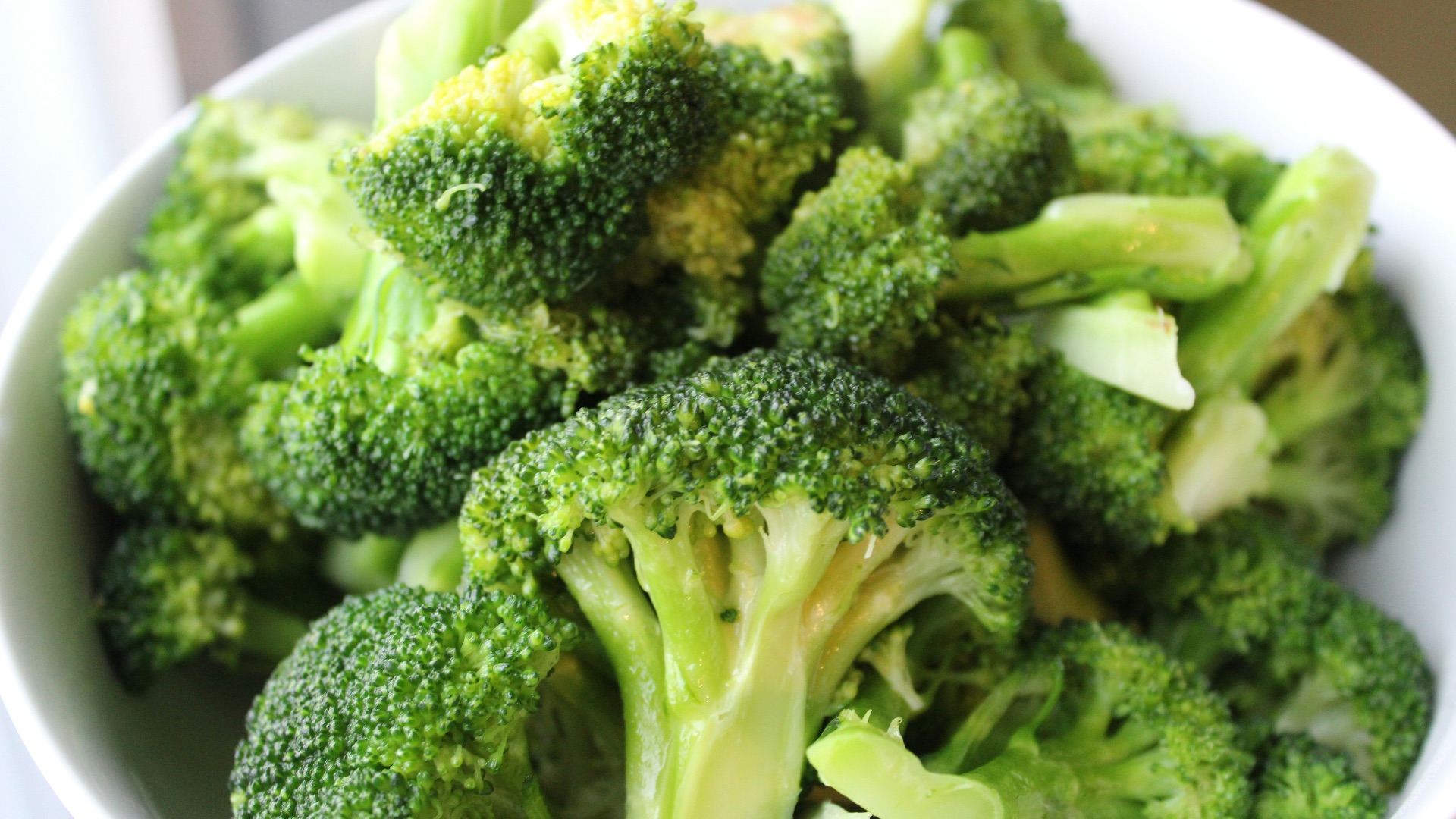 Tyrrell Fitness And Nutrition on Unsplash
6. You Eat Sugar-Free Products
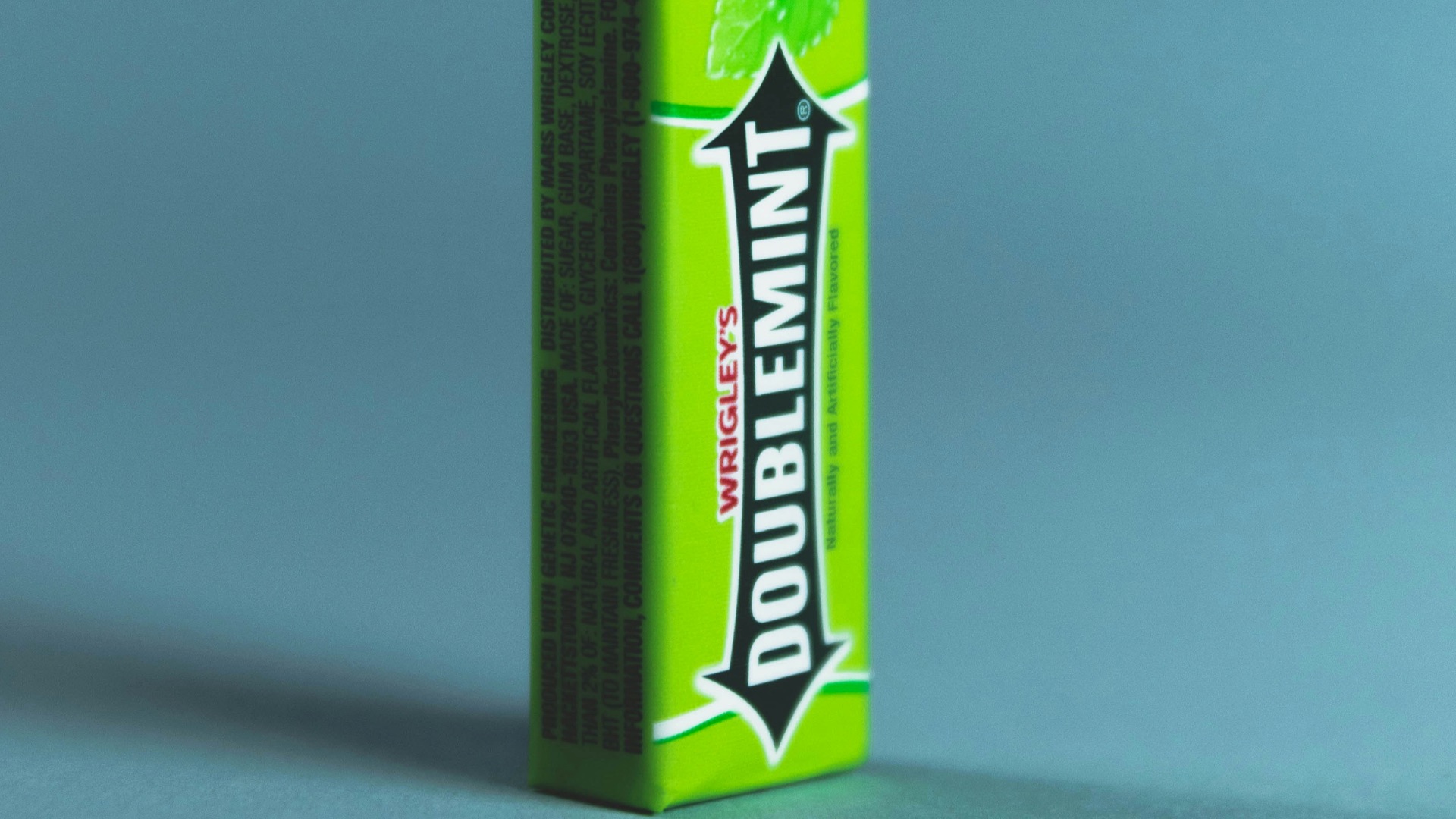
It's smart to avoid sugar, but a surprising source of gas can actually be traced to sugar-free products containing certain sugar alcohols. Ingredients such as sorbitol, mannitol, and xylitol may appear regularly in candies and gum, so eating them often can lead to—you guessed it—gas.

7. You're Chewing Gum All Day
Not only will sugar-free gum make you gassy, but simply smacking gum in your mouth can contribute to how much gas you pass, too. This is because frequent chewing also encourages repeated swallowing, and each swallow can introduce air into your digestive tract. If you're done chewing, spit it out!

8. Constipation Is Trapping Gas
Don't eat enough fiber? Sometimes the problem isn't just that you're producing too much gas, but that you simply can't pass it. If you're not eating enough vegetables and fruits to soften your stools, constipation can trap gas inside your gut, leaving you feeling bloated and uncomfortable.

9. You've Increased Your Fiber Too Quickly
Not enough fiber in your diet can cause problems, but so can too much fiber. For one, if you're making dramatic changes to your diet overnight, be prepared for extra gas. It's a reminder that you should always focus on a gradual approach, though anything that concerns what goes on your plate should also be discussed with your doctor first.
10. An Underlying Digestive Issue Is Contributing
Persistent gas can occasionally be due to other gut conditions, such as irritable bowel syndrome, celiac disease, or small intestinal bacterial overgrowth. If you suspect that there could be an underlying issue, make sure to bring it up with your doctor so you can get properly diagnosed.
While recognizing the cause is useful, it can sometimes be difficult to find relief. Let's jump into 10 easy ways to help make a gassy gut feel a little more manageable.

1. Slow Down at Mealtimes
One of the easiest methods you can try for relief is to simply slow down your pace during meals. Take smaller bites, chew thoroughly, and sip on water (not the bubbly kind!) every few bites. This way, you'll reduce the amount of air you swallow, which may in turn lead to less belching and intestinal gas.

2. Keep Track of What You Eat
On top of slowing your pace, it may also help to keep a food journal along with any symptoms you might experience. By noting them down, patterns may emerge showing which choices cause more trouble than others. This is also smarter than just following a long universal restriction list, as you might not be able to narrow it down that way.

3. Try Smaller Portions
Do you usually get more gassy when you stuff yourself full? To avoid that uncomfortable bloated feeling, divvy up your plates and portions so that you're eating smaller, but more frequent meals. Less food in your system each time means there's less of a chance for it to stay in your gut and ferment.
 https://kaboompics.com/ on Pexels
4. Cut Back on Fizzy Drinks
We know, we know—it's hard to cut down on the bubbly drinks. But if you're dealing with regular gas, it might help to swap out soda or sparkling water for noncarbonated alternatives. Plus, cutting back on them may also lower your sugar intake.

5. Introduce Fiber Gradually
Again, fiber is great. It's essential! But if you're going to up your intake, it's best to go slow and give your digestive system time to adjust. By introducing gradual changes, you're less likely to deal with those unwanted symptoms that may make you want to give up altogether.

6. Stop Swallowing So Much Air
Of course, you can't always help how much air you swallow. You might not even know you're doing it! Here's a tip, though: if you regularly drink through straws, chew gum, or talk while chewing, just know that all those habits can encourage more gas to build up in your digestive tract. Being aware of what actions help or hinder may allow you to be more mindful of how you eat.

7. Address Possible Lactose Intolerance
If eating dairy always leaves you bloated and gassy, you might have an intolerance. Try cutting back on your intake to see if that resolves the issue. Lactase products, too, may be helpful. As always, consider discussing any persistent symptoms with a healthcare professional or dietitian.

8. Look Closely at Sugar Alcohols
As we've mentioned, another thing to watch out for is sugar alcohols, especially if you regularly consume sugar-free products throughout the day. Look for sweeteners ending in “-ol” on the ingredient list. You can also try simply temporarily reducing your intake to see whether they're playing a role.
9. Get Constipation Under Control
If you're prone to constipation, have it checked out by a doctor. Then, address it by introducing appropriate diet changes (as directed by a healthcare professional), fluid intake, or physical activity to see if that helps relieve that trapped-gas feeling. It's also important to note that constipation can have many causes, and one method may not work for others.

10. Know When It's Time to Get Checked
Occasional gas is a normal part of digestion, but you shouldn't automatically blame everything on what you ate for dinner. If your symptoms interfere with your daily life or you experience other symptoms, speak with a healthcare professional right away. A doctor can also help determine whether you might be dealing with a food intolerance, digestive disorder, or another underlying issue that needs treatment.

KEEP ON READING



20 Natural Ways You Can Boost Your Immune System

20 Ways To De-stress & Relax After Work

The 10 Most Common Diseases & The 10 Most Rare