10 Ways Retirement Can Hurt Your Health & 10 Ways It Improves It
Retirement Changes More Than Your Schedule
Retirement can sound like one long stretch of free time, but leaving the workforce changes more than what you do from nine to five. Your daily movement, social life, sleep, stress levels, and sense of routine can all shift, sometimes for the better and sometimes for the worse. Here are 10 ways retirement can potentially make staying healthy harder, followed by 10 ways it can actually give your health a boost.
1. Your Daily Movement Can Dip
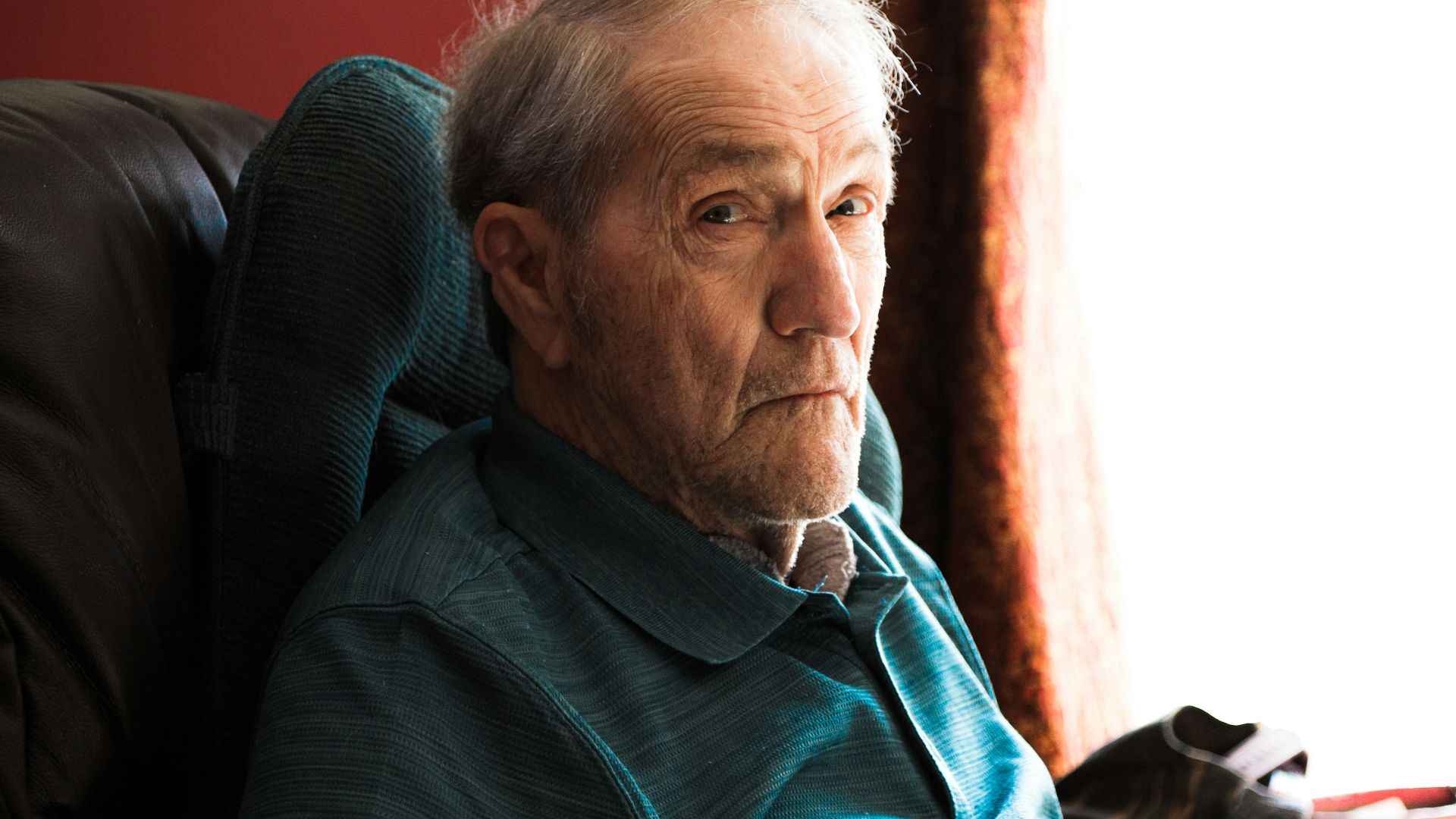
A job may have kept you moving more than you realized, even if you weren't doing physical labor. Walking through an office, commuting, climbing stairs, and running errands around a workday all add up. Recent research has found that retired adults can spend relatively less time doing moderate-to-vigorous physical activity and more time being sedentary, particularly after they've been retired for several years.
2. Your Social Circle May Suddenly Shrink
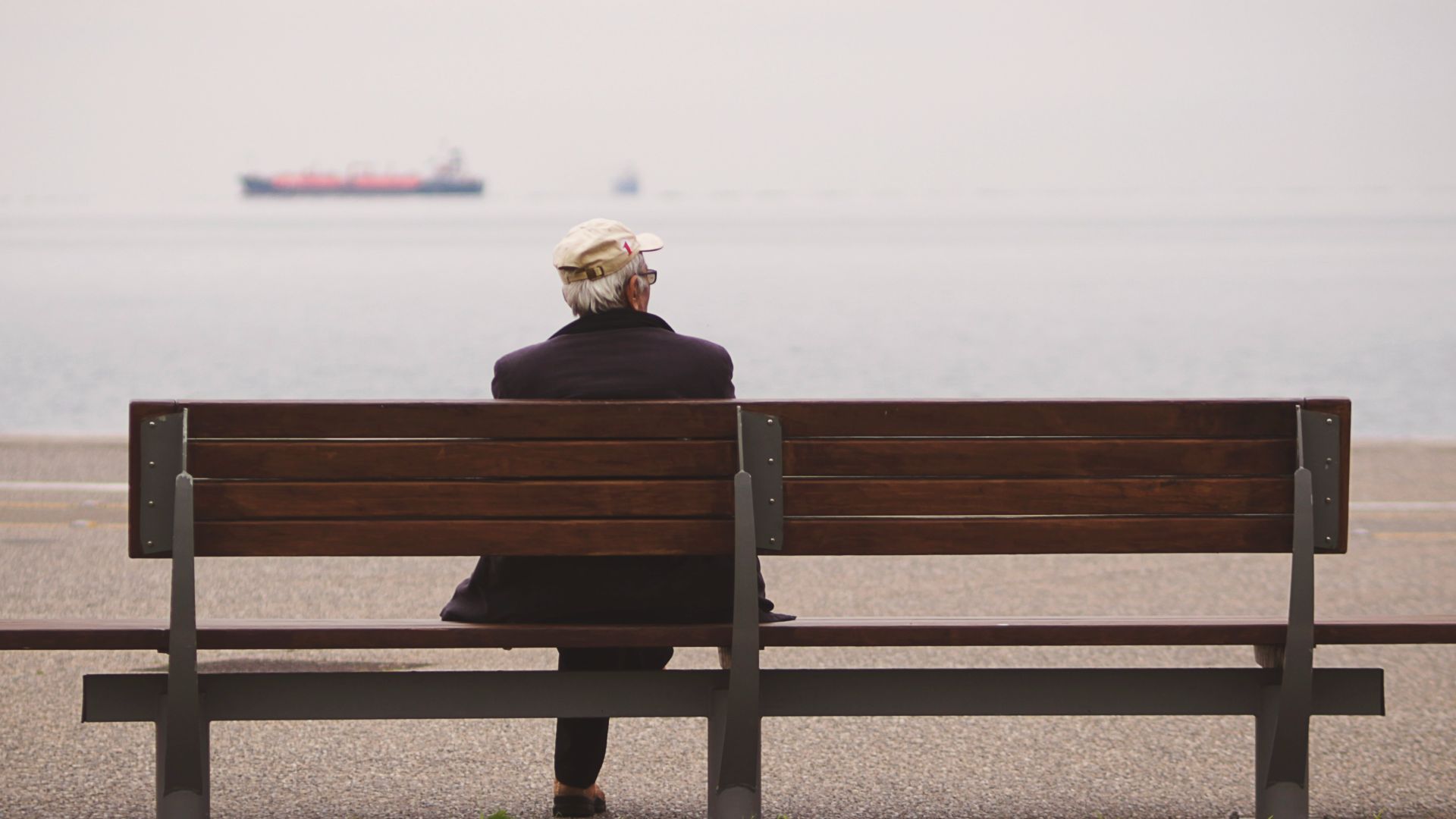
Coworkers provide regular human contact, including all those little conversations that barely seem important until they're gone. Once work ends, some retirees find themselves interacting with far fewer people during an average week. That doesn't just make you a little more lonely; social isolation in older adults has been associated with poorer mental and physical health.
 Apostolos Vamvouras on Unsplash
3. You Can Lose Your Daily Structure
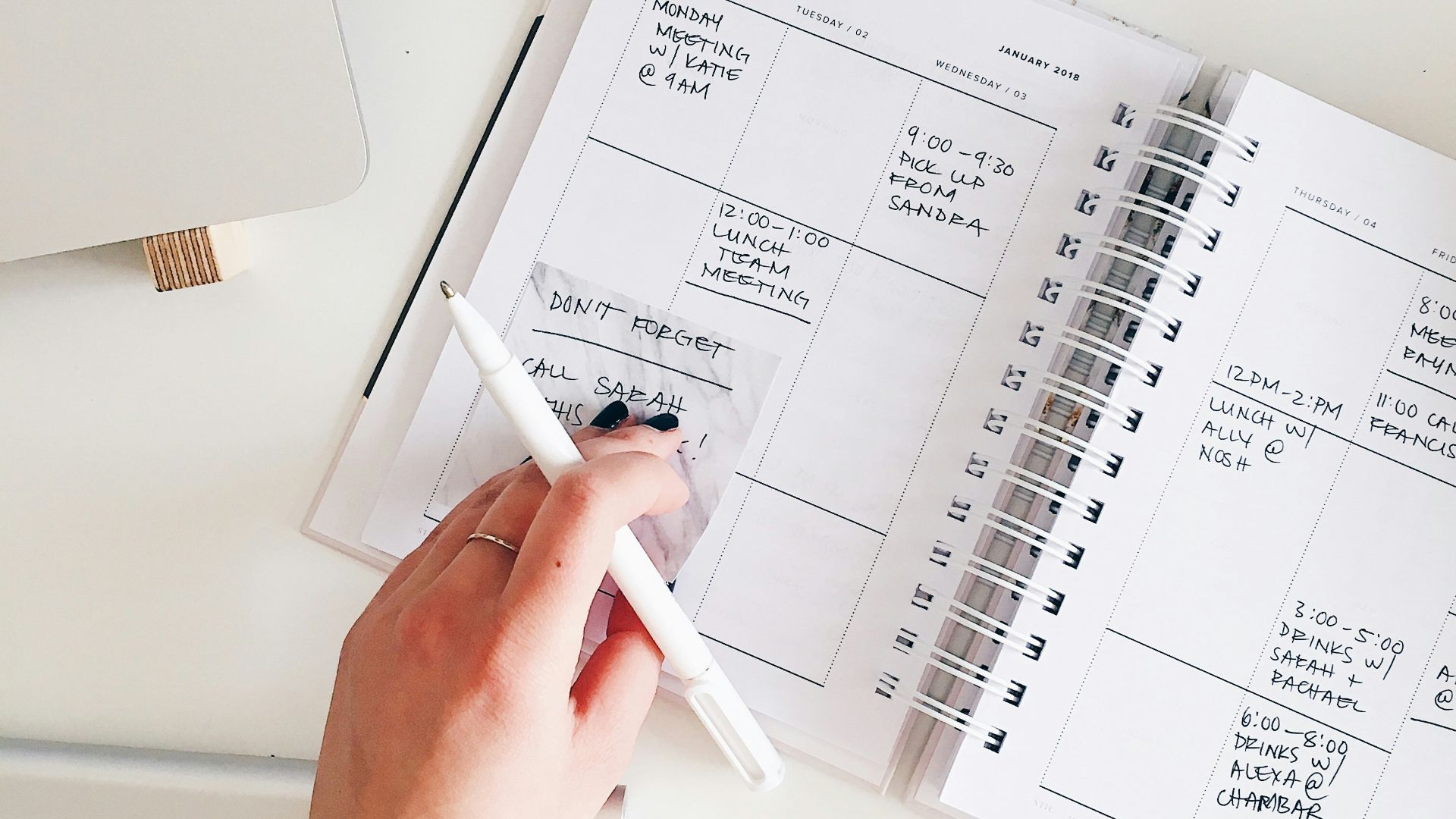
Work gives you a built-in schedule for waking up, eating, commuting, and getting things done. Without those deadlines, it's surprisingly easy for days to become less organized. That isn't automatically unhealthy, but irregular routines can make it harder to stay consistent with exercise, meals, hobbies, and other healthy habits.
4. Sitting Around Can Become Too Easy
A morning on the couch can quietly turn into an afternoon there when nothing is forcing you out of the house. Retired adults may spend more of their day sedentary than people who are still working, according to research comparing movement patterns. Building walks, errands, exercise classes, or household projects into your routine can help keep the day more active.

5. Loneliness Can Take a Toll
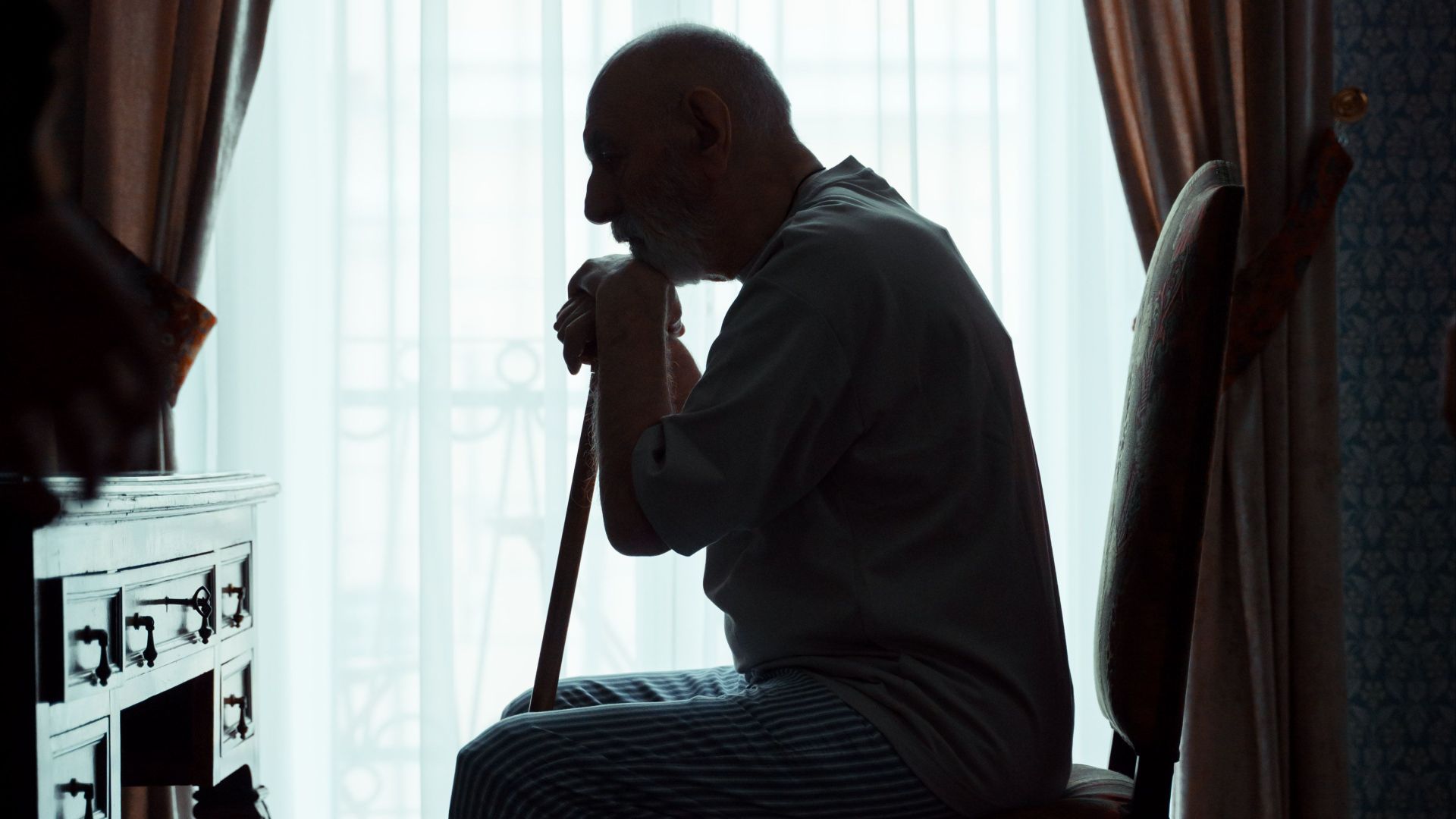
Retirement can be especially isolating if it's combined with living alone, losing a spouse, moving away from friends, or having limited mobility. Loneliness and social isolation have been associated with depression, poorer quality of life, cognitive decline, and other health problems among older adults.
6. Your Sense of Purpose May Take a Hit
For people who strongly identify with their career, retirement can leave an unexpected gap. You may miss being responsible for something, having people depend on you, or simply knowing what you're supposed to accomplish every morning. Finding new responsibilities through hobbies, volunteering, family life, or community groups can make the transition feel much more satisfying.
7. Eating Habits Can Become Less Predictable
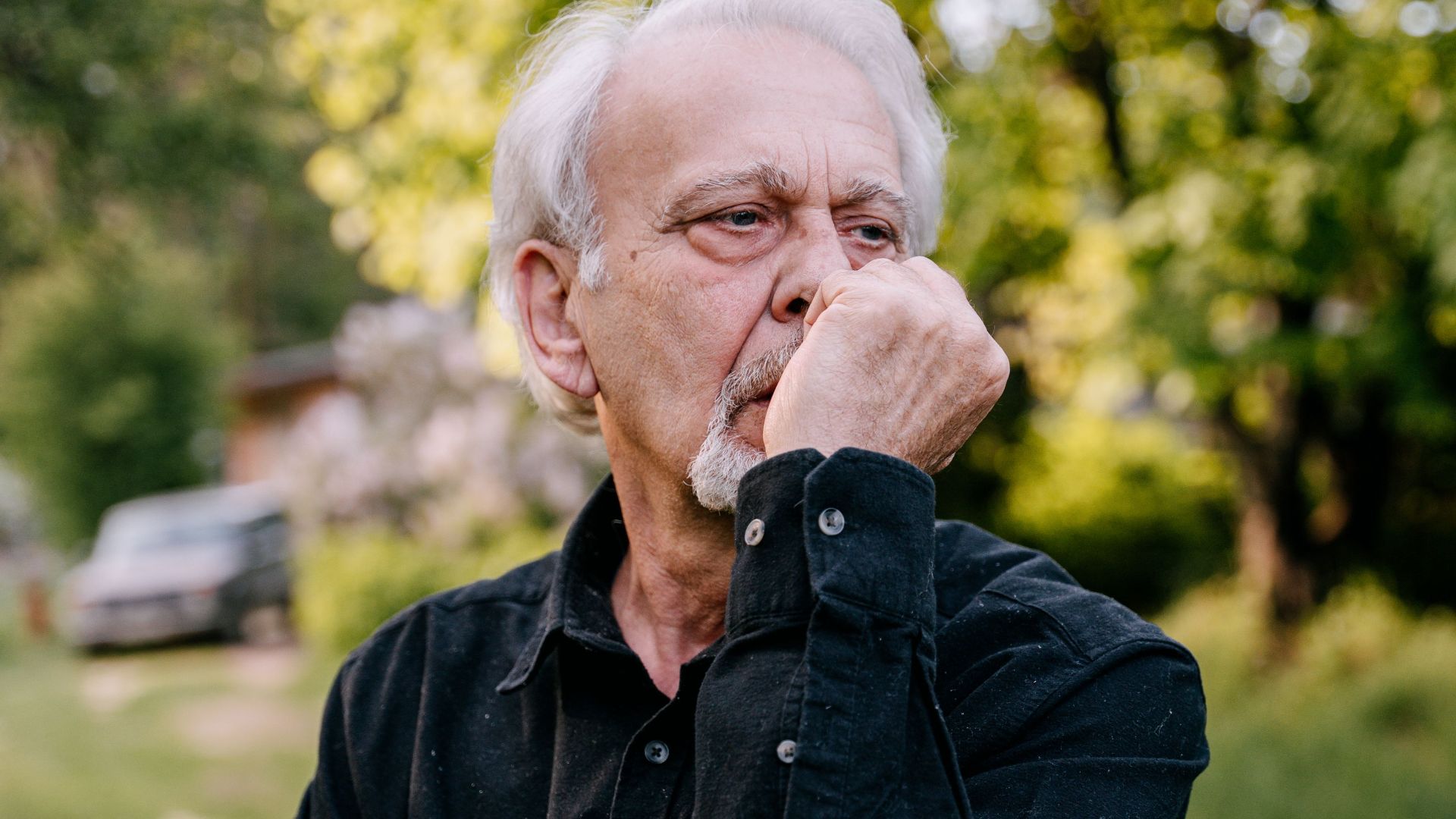
Work often creates natural meal times, while retirement gives you access to your kitchen all day long. That can mean more home-cooked meals, but it can also turn into frequent snacking or eating simply because you're bored. Keeping some structure around meals can make it easier to maintain balanced eating habits without making retirement feel overly scheduled.
8. Drinking Can Creep Up
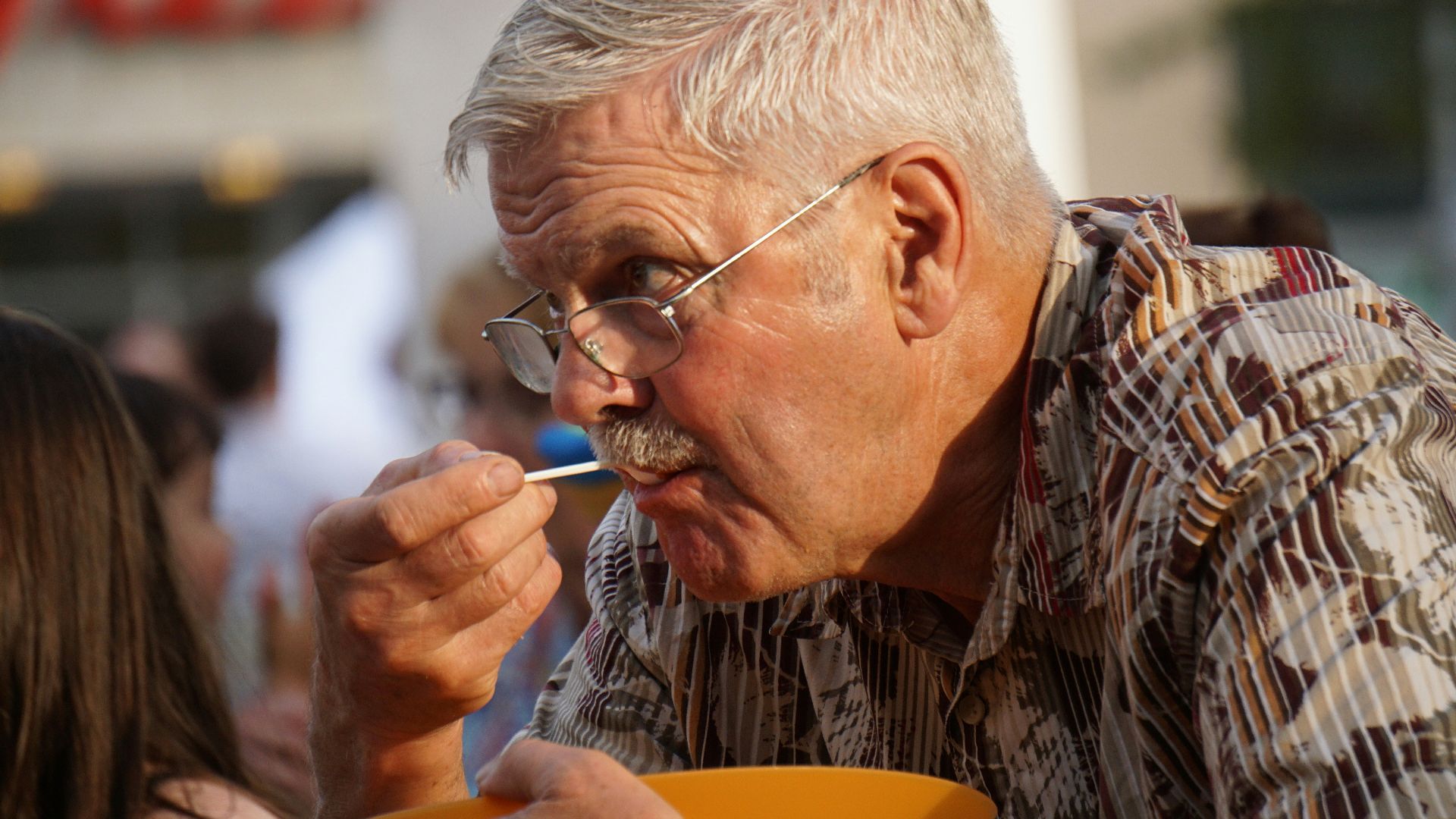
Without an early alarm or morning commute, that extra evening drink may suddenly seem less consequential. For some retirees, having fewer work-related responsibilities can make alcohol easier to work into everyday routines. Since alcohol can affect sleep, medications, balance, and several chronic health conditions, retirement isn't a bad time to keep an eye on how often happy hour is happening.
9. Involuntary Retirement Can Be Stressful
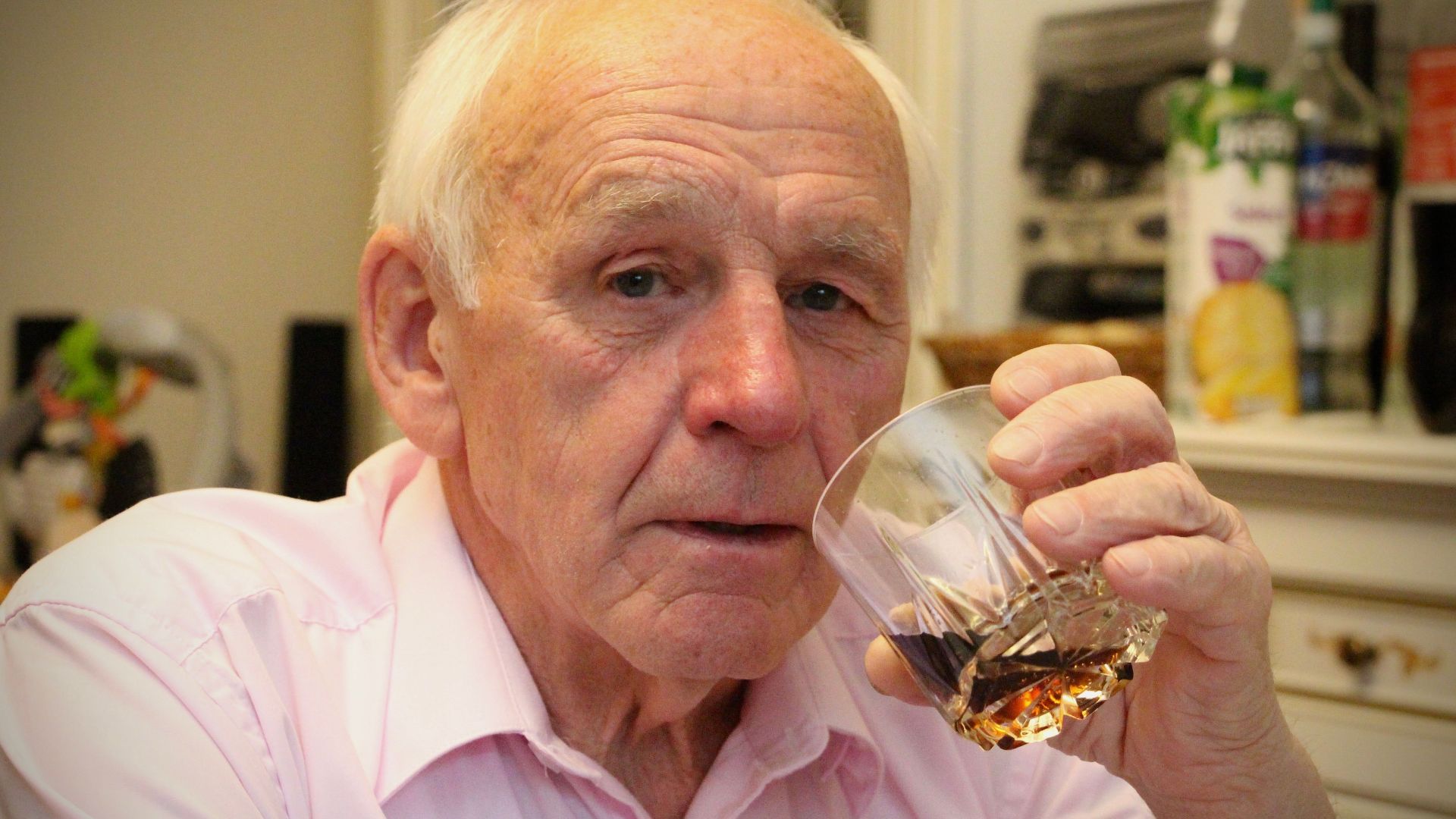
Retiring because you want to and retiring because you were laid off, became ill, or had no other option aren't quite the same experience. Research has suggested that involuntary retirement may be associated with worse perceived health than voluntary retirement. Feeling financially or emotionally unprepared can make what should be a major life transition considerably harder.
10. Staying Mentally Challenged Takes More Effort
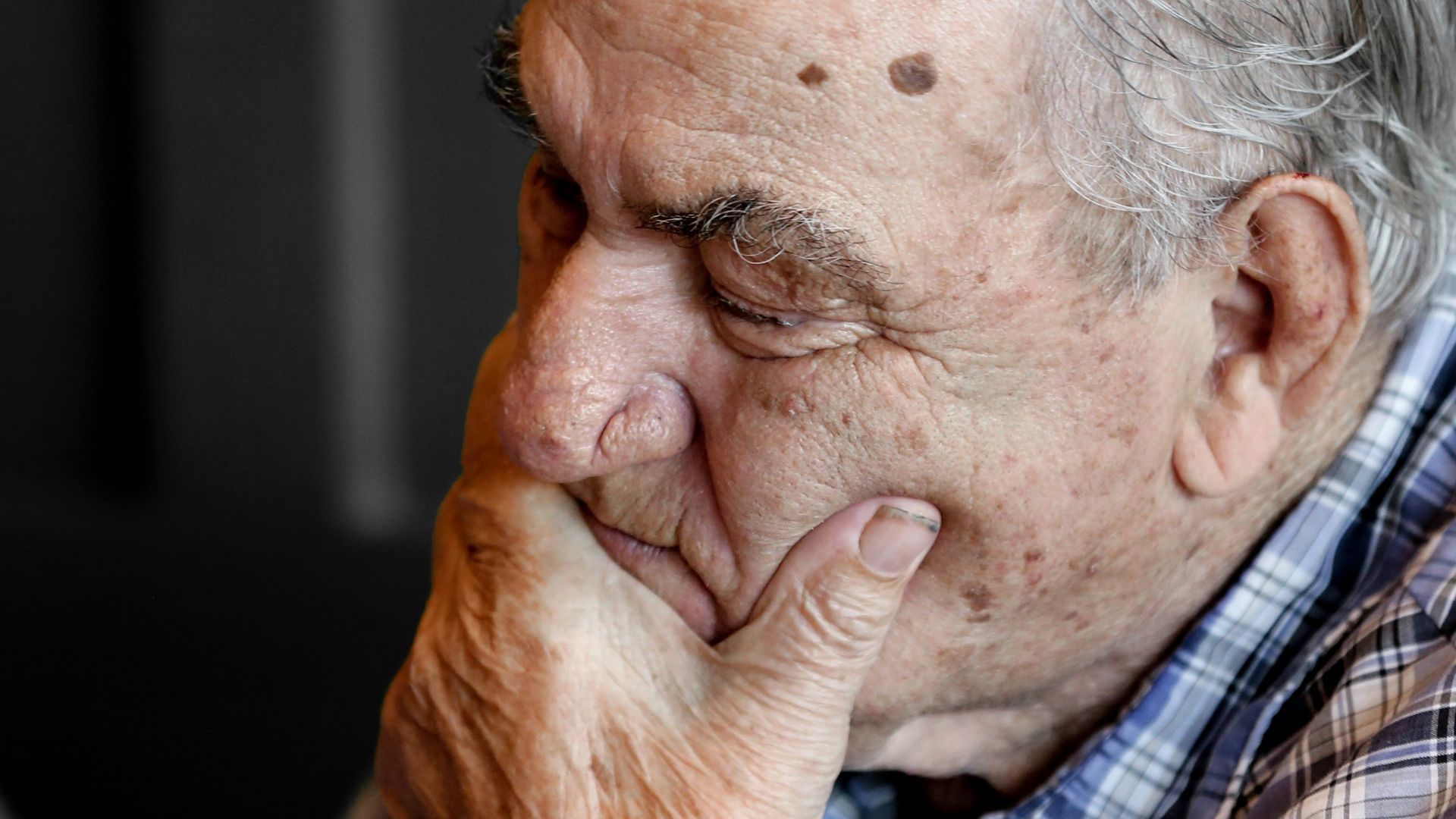
A job can require problem-solving, learning new information, remembering deadlines, and communicating with different people throughout the day. Once that mental stimulation disappears, you may need to seek it elsewhere rather than expecting it to happen automatically. Reading, classes, games, volunteering, creative projects, and social activities can all give your brain something interesting to work on.

Now that we've talked about how retirement can harm your health, now for the good news: here are 10 ways it can make you healthier.
1. Your Stress Levels May Finally Come Down
Retirement can remove one of life's biggest sources of chronic stress. Deadlines, difficult bosses, long commutes, and constant work responsibilities don't follow you into retirement unless you invite them. Systematic research has found fairly strong evidence that retirement can improve aspects of mental health and well-being.

2. You May Finally Get Enough Sleep
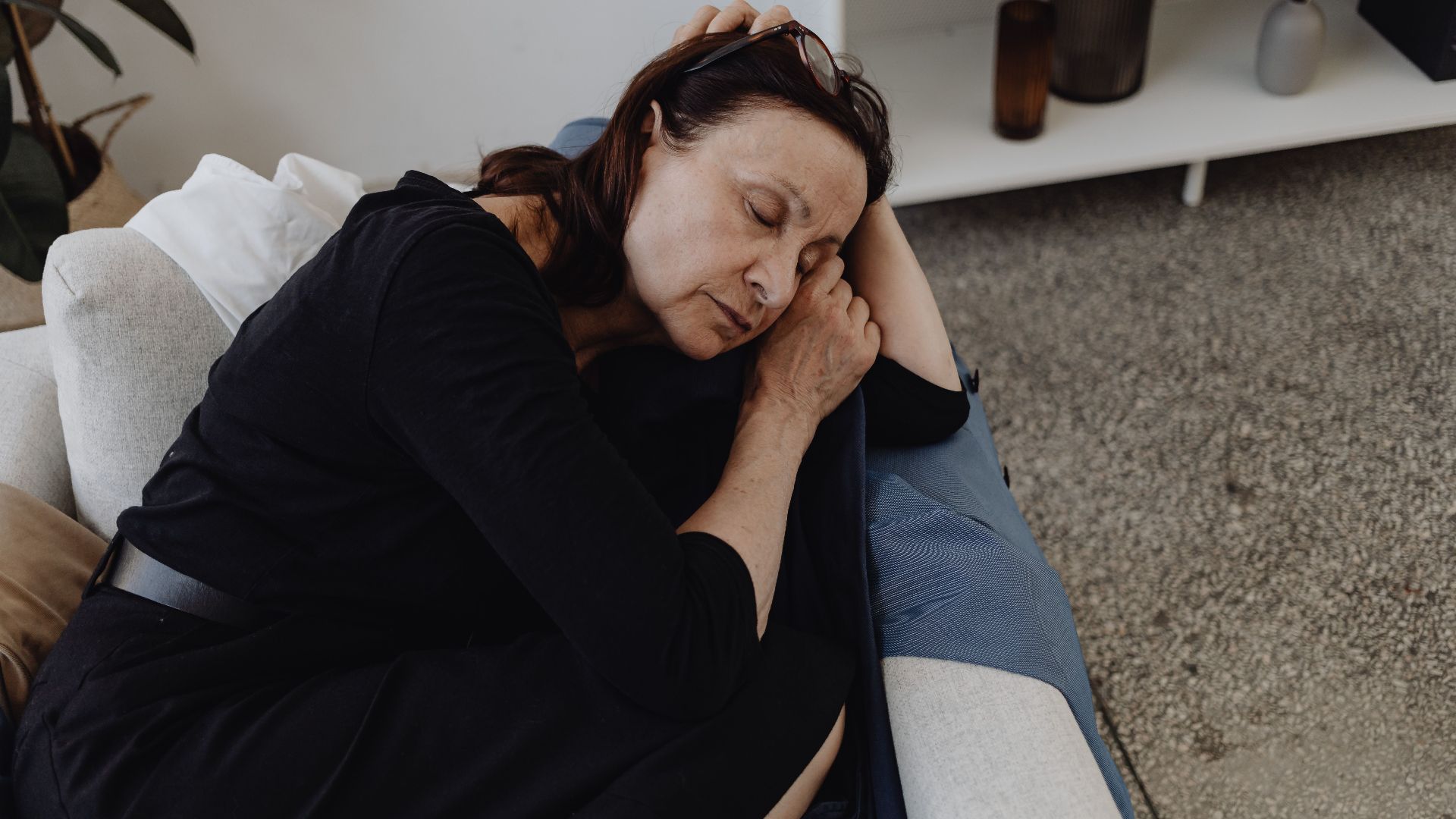
No more setting the alarm before sunrise just because you have somewhere to be at 8 a.m. Studies tracking people through the transition into retirement have found changes in sleep alongside changes in daily activity. Having more control over your mornings may allow you to sleep according to a schedule that suits your body better.
 https://kaboompics.com/ on Pexels
3. Exercise Can Fit Into Your Schedule
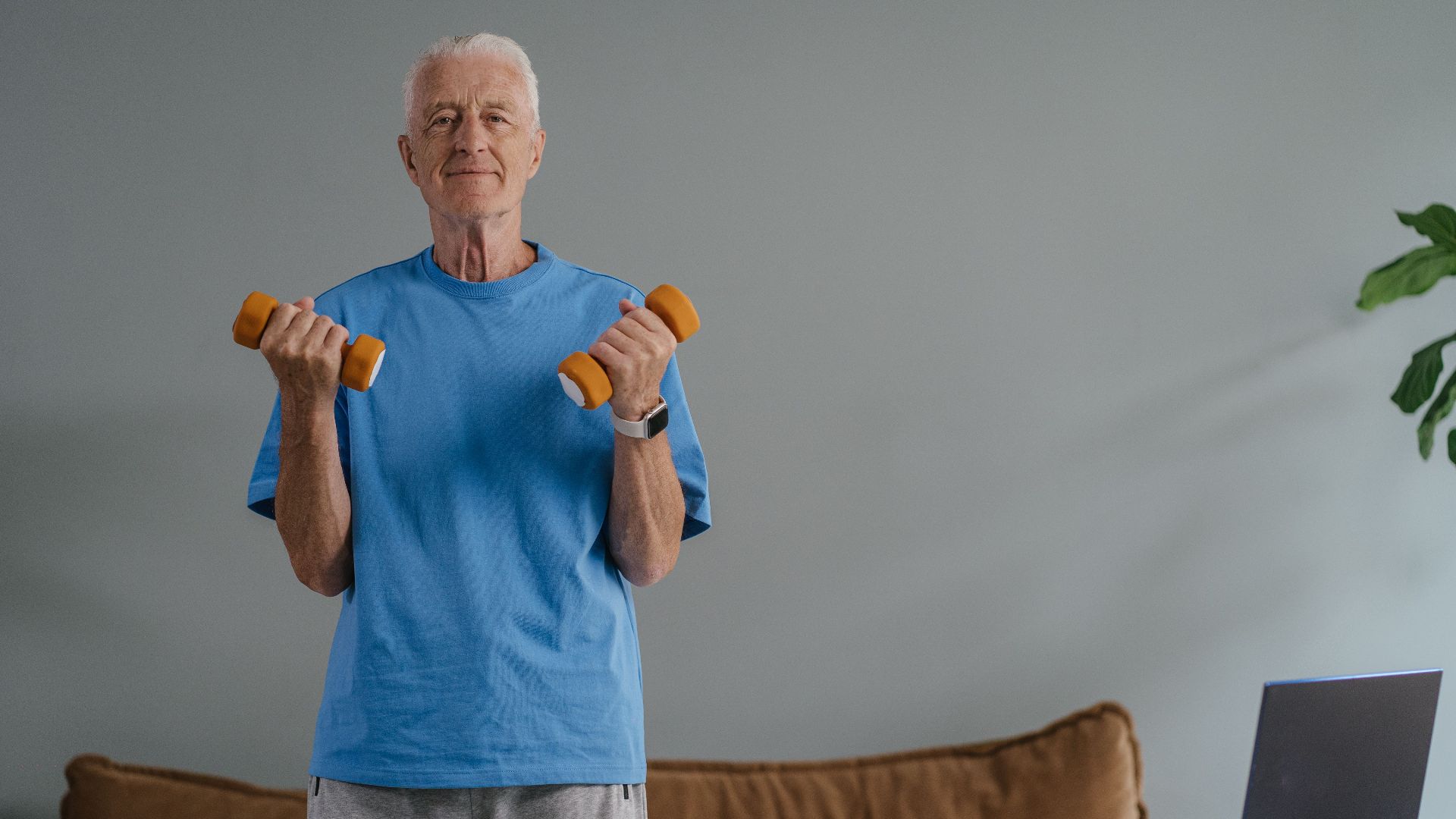
Retirement may reduce incidental movement from work, but it also removes one of the most common excuses for skipping intentional exercise. Suddenly, you don't have to squeeze a walk, swim, or gym session between commuting and dinner. Physical activity programs have shown promise for improving health and quality of life among older adults, particularly when they're maintained consistently.
4. You Have More Time to Cook
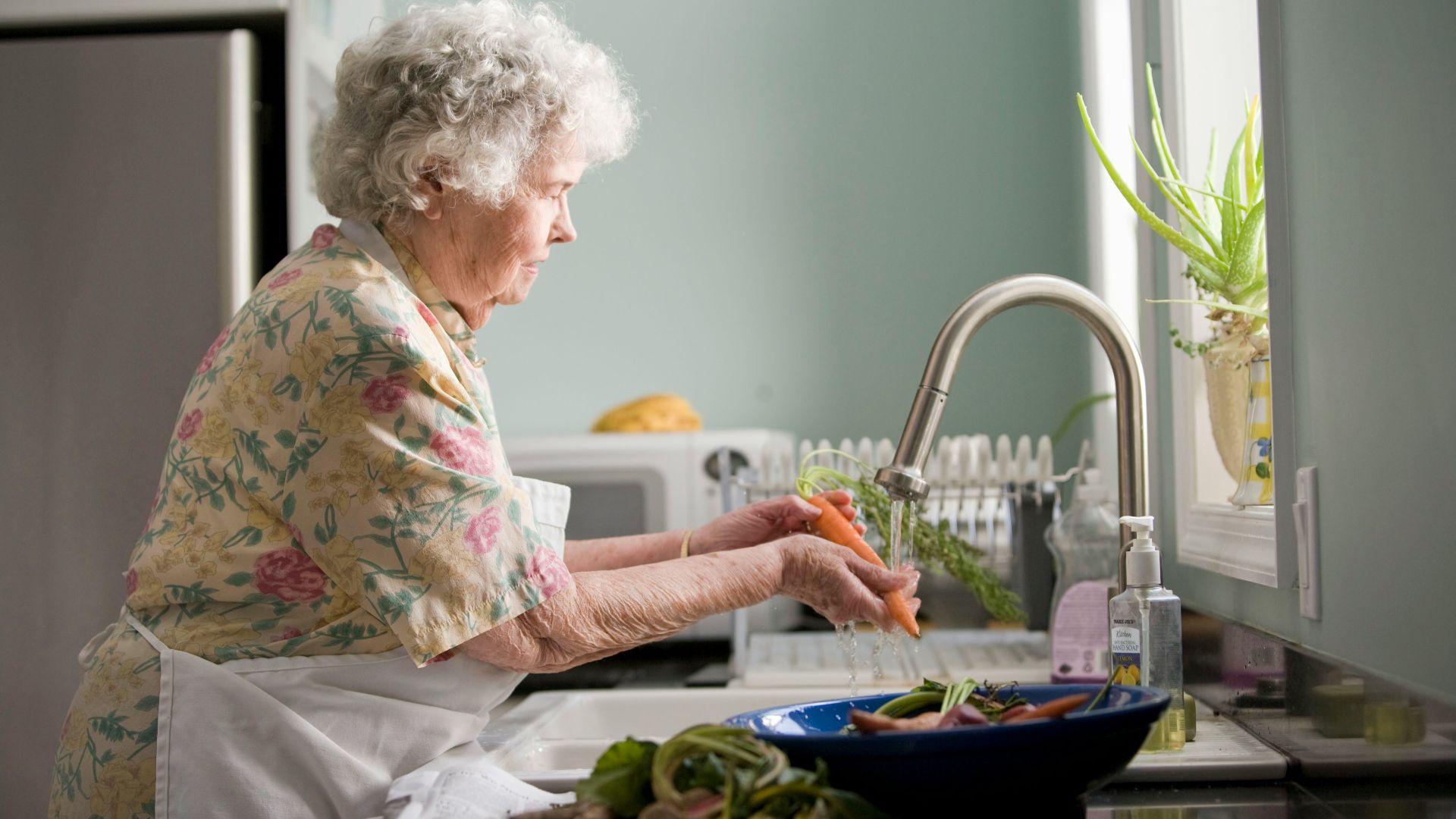
When you're no longer racing home after work, dinner doesn't have to come from whatever can be prepared in 10 minutes. Retirement can give you more time to shop for groceries, experiment with recipes, and prepare meals from scratch. For someone who spent decades relying on convenience foods during busy workweeks, that extra time can make healthier eating much easier.
5. You Can Spend More Time With People You Actually Like
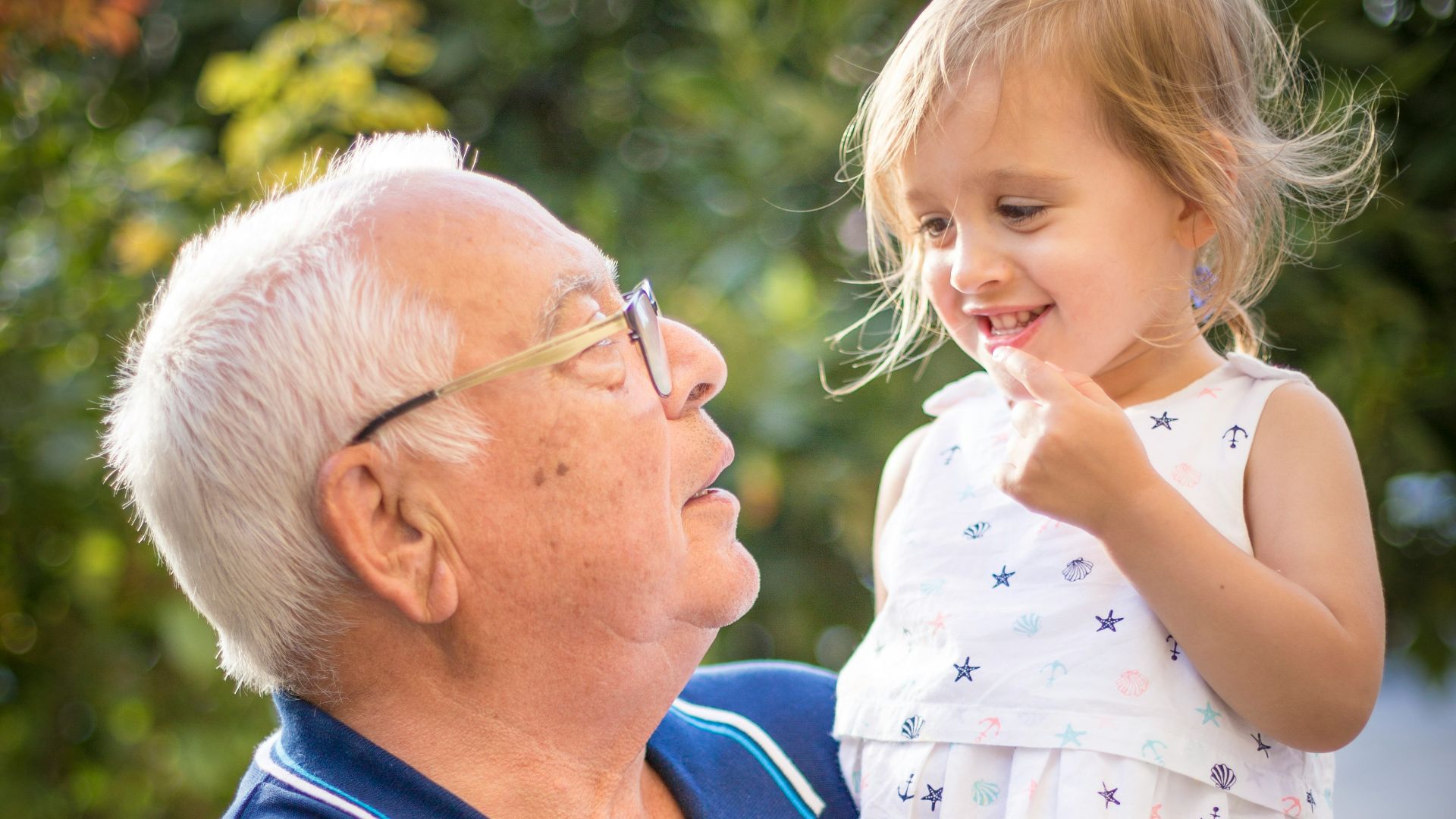
Leaving work may shrink one social network, but it can also make room for others. Retirement gives you more opportunities to see grandchildren, meet friends for lunch, join clubs, travel with a partner, or volunteer. Maintaining meaningful social relationships is particularly important in later life because stronger social connection is associated with better overall well-being.
6. Your Body Gets a Break From Physical Work
Retirement can be especially welcome if your career involved lifting, standing, repetitive movements, or long hours on your feet. Suddenly, sore joints and tired muscles aren't being put through the same routine every weekday. The physical effects of retirement vary considerably by occupation, which is one reason researchers have found mixed results when looking at retirement and physical health overall.
7. Medical Appointments Become Easier to Schedule
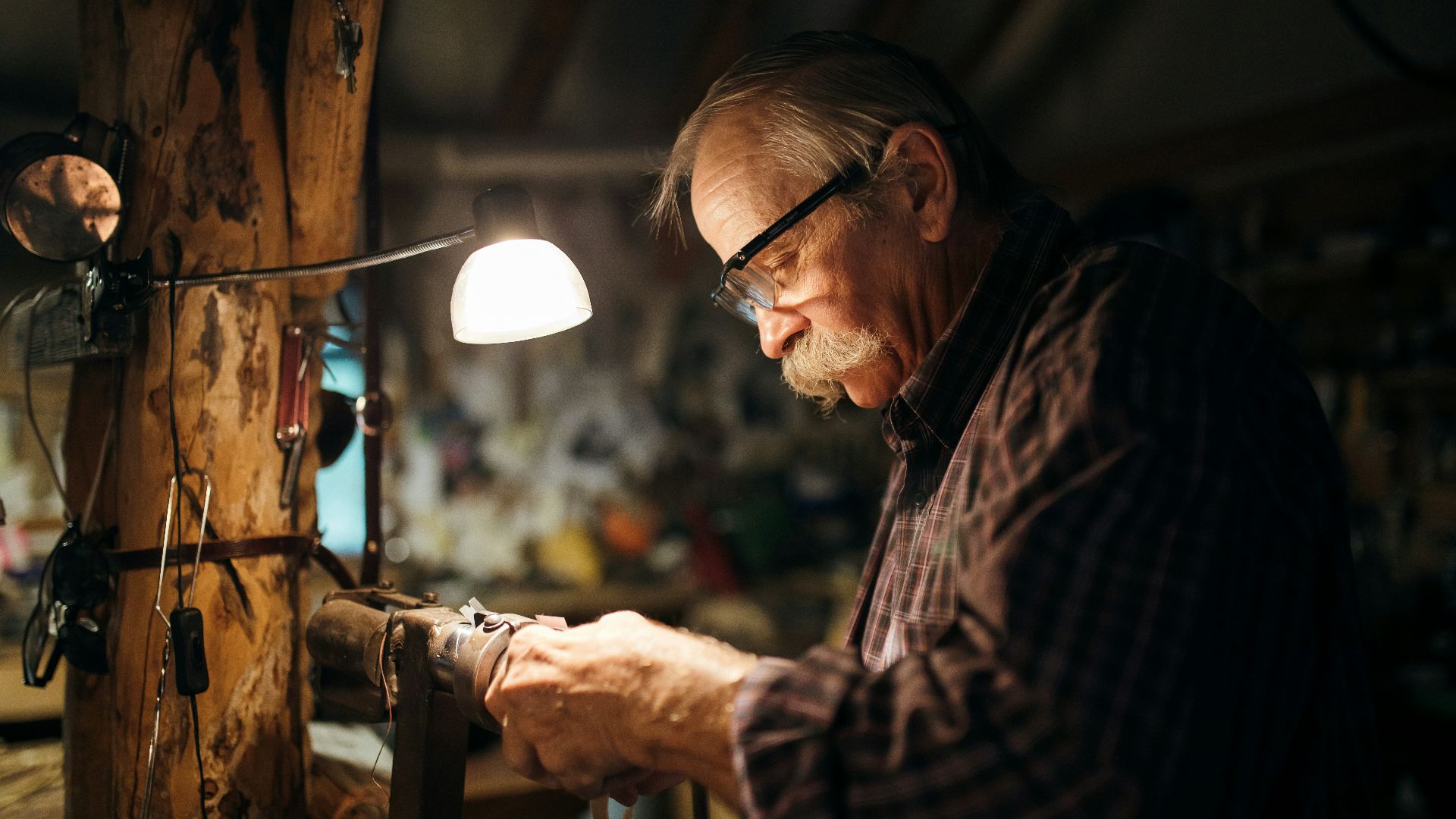
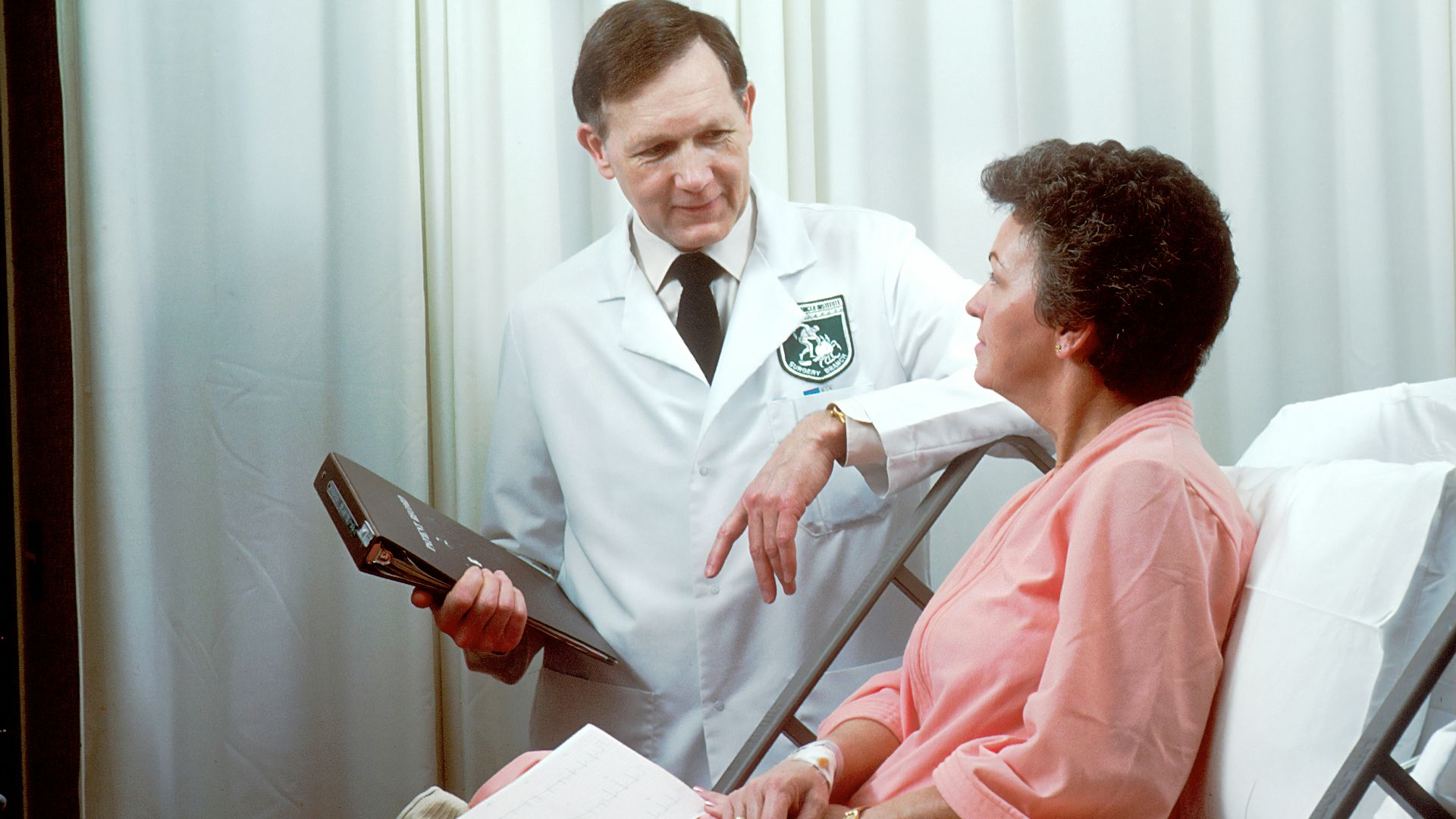
Trying to squeeze a doctor's appointment into a busy workweek can turn basic preventive care into an organizational headache. Retirement gives you far more flexibility for checkups, screenings, physical therapy, dental visits, and follow-up appointments. You may also have more time to ask questions and stay on top of medications instead of treating health care like another errand between meetings.
 National Cancer Institute on Unsplash
8. You Can Spend More Time Outdoors
When most of your daylight hours belong to an employer, getting outside can be surprisingly difficult. Retirement lets you go for a morning walk, garden in the afternoon, or simply spend time outdoors when the weather is good. That extra flexibility can make physical activity feel like a normal part of the day instead of something you have to force into your schedule.

9. You Have More Control Over Your Pace
Work doesn't always care whether you're tired, overwhelmed, or having an off day. Retirement gives you the ability to slow down when you need to and be more active when you're feeling good. That freedom can be especially valuable for managing energy levels, chronic conditions, and the normal physical changes that come with getting older.
10. You Can Build a Lifestyle Around Your Health
Perhaps the biggest advantage of retirement is simply having more control over your time. You can exercise when you prefer, make plans that keep you social, cook more often, get enough rest, and schedule health care without asking anyone's permission. Retirement itself isn't guaranteed to make you healthier, but it can give you much more room to create habits that do if you prioritize them.