
Your Body Runs Old Code
Your body still reacts as if a leopard might be waiting in the tall grass to ambush you. Reflexes fire before your brain has time to weigh in, and for most of human history that speed kept people alive. Some still protect you every day, and others mostly show up now as a hiccup fit or a queasy car ride. Doctors also use several of them to check how your nerves are working. Here's 20 that came standard with the body you were born in.

1. Goosebumps
Tiny muscles at the base of each hair contract when you're cold or scared. On our furrier ancestors, that fluffed up the coat to trap heat or look bigger, and on you it mostly makes bumps. A 2020 Harvard study in Cell found the same muscles and nerves also help hair follicles grow new hair.
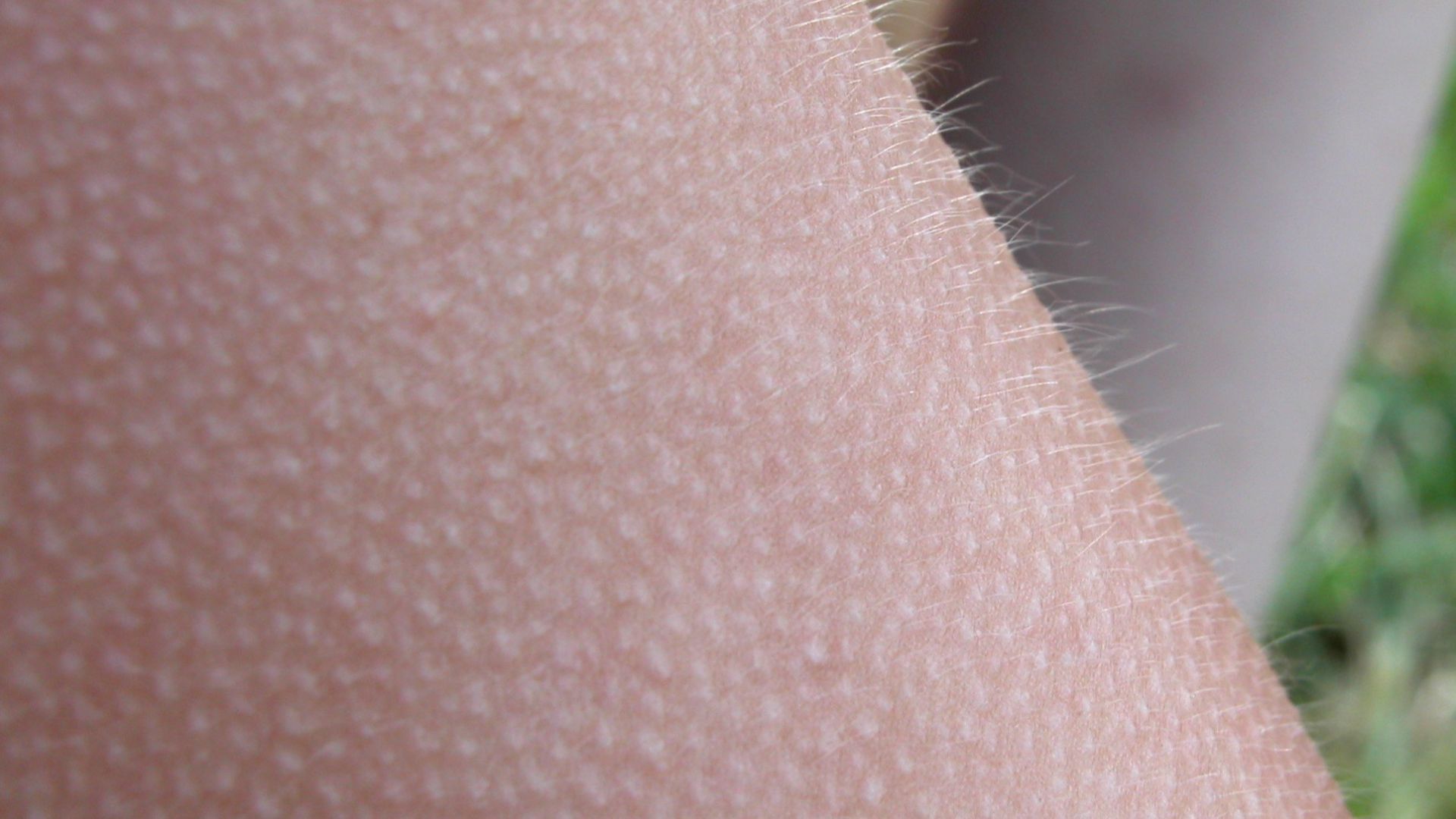 Ildar Sagdejev (Specious) on Wikimedia
2. Hiccups
A hiccup is a sudden spasm of the diaphragm followed by your vocal cords snapping shut. Paleontologist Neil Shubin has argued the pattern traces back to the way tadpoles gulp water across their gills. The Mayo Clinic says hiccups lasting more than 48 hours are worth a doctor's visit.

3. Palmar Grasp
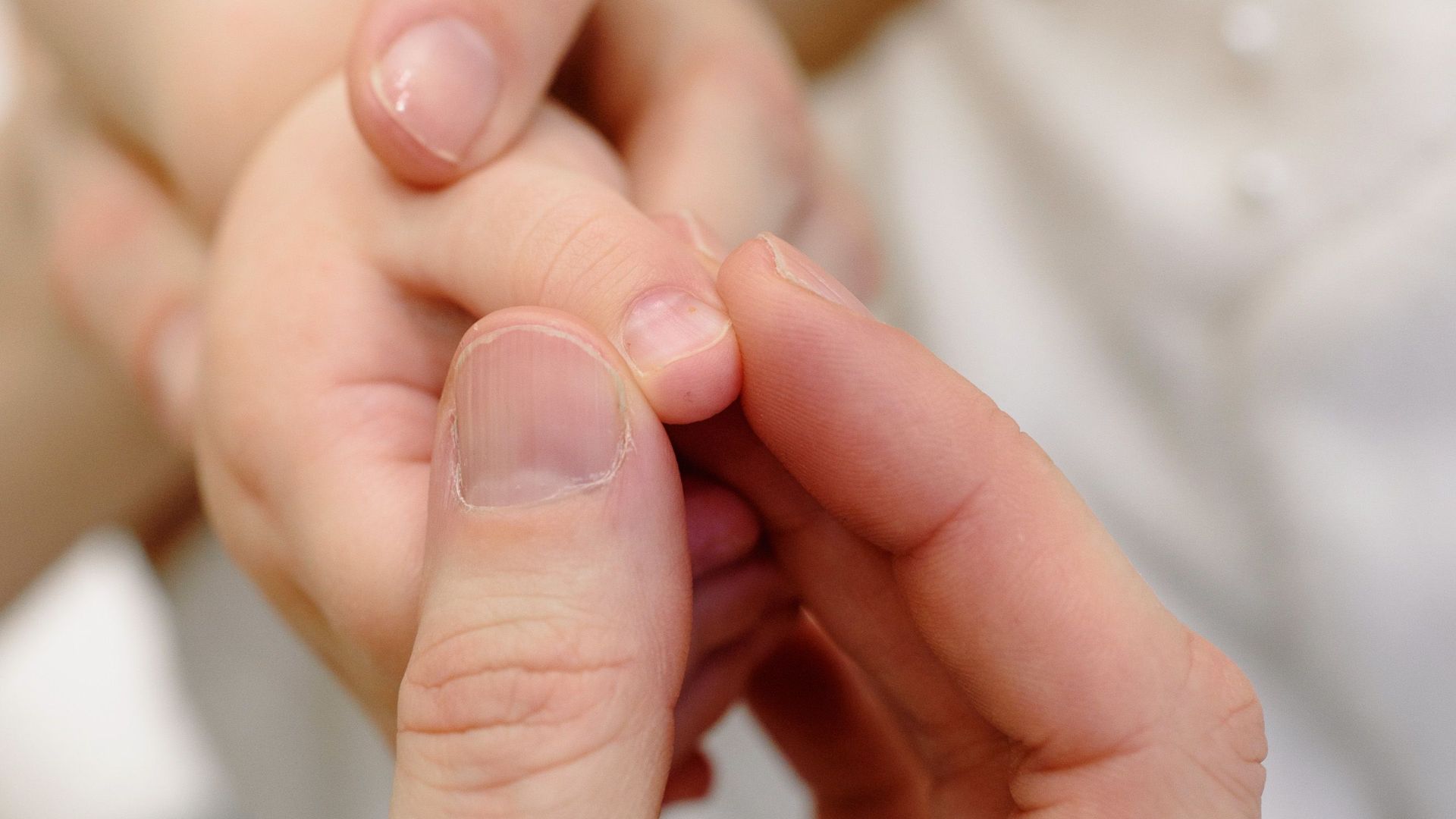
Press a finger into a newborn's palm and the tiny hand clamps down hard. The grip likely helped infant primates hang onto their mothers' fur. It usually fades by around 6 months, and pediatricians check for it because a missing or lingering grasp can point to a nerve problem.
4. Moro Reflex
A sudden noise or a feeling of falling makes a newborn fling both arms out and then pull them back in. The reflex is named for Austrian pediatrician Ernst Moro. It typically disappears by 4 to 6 months, and swaddling helps keep it from waking babies up.

5. Rooting Reflex
Stroke a baby's cheek and the head turns toward your finger with the mouth already open. That move got newborns to the breast before they could see much of anything. Most babies lose it at around 4 months.

6. The Dive Reflex
Cold water on your face slows your heart and tightens blood vessels in your arms and legs, saving oxygen for the brain. Emergency doctors sometimes use it on purpose, having patients with a racing heart rhythm called SVT plunge their face into ice water to reset it.
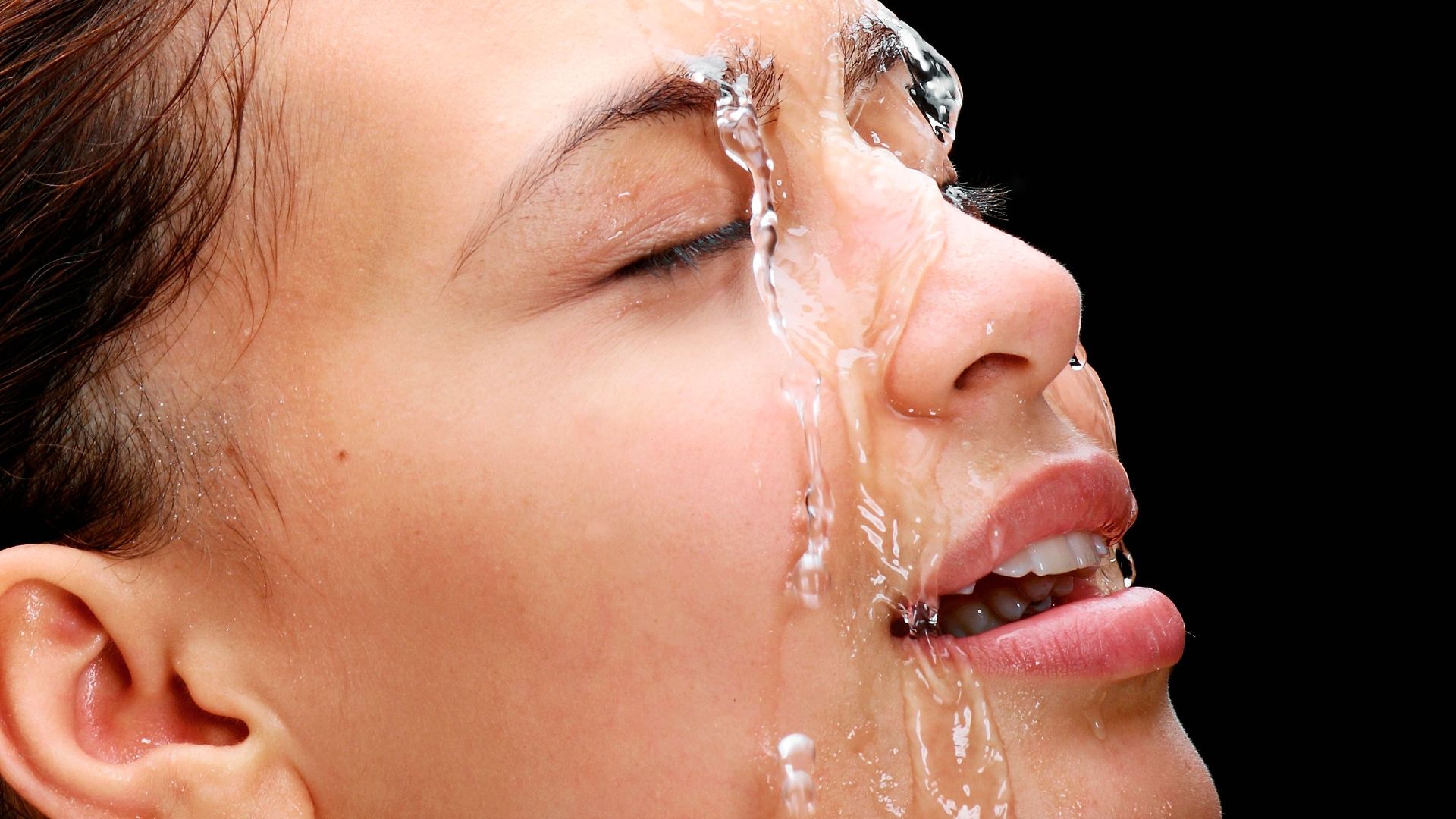 Luiz Henrique Mendes on Pexels
7. Gag Reflex
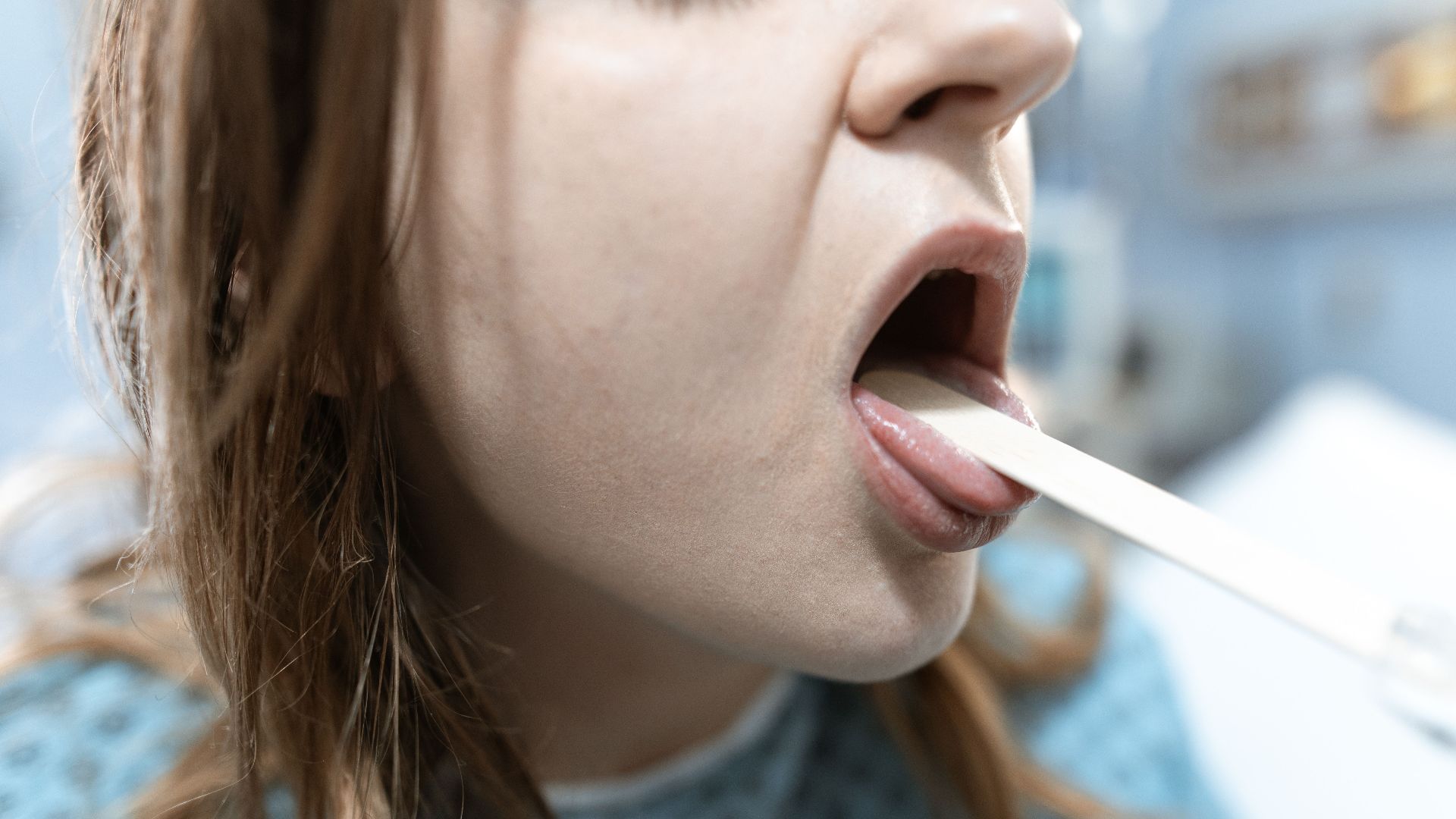
Anything touching the back of your throat triggers a heave that keeps food and foreign objects out of your airway. Some people's gag reflex is so touchy that dentists pull out numbing sprays just to get through a cleaning.
8. Coughing
A cough clears mucus and debris out of your airways, and it did that job around smoky cooking fires long before cigarettes came along. In adults, a cough that hangs on for more than eight weeks counts as chronic and deserves a checkup.

9. Sneezing
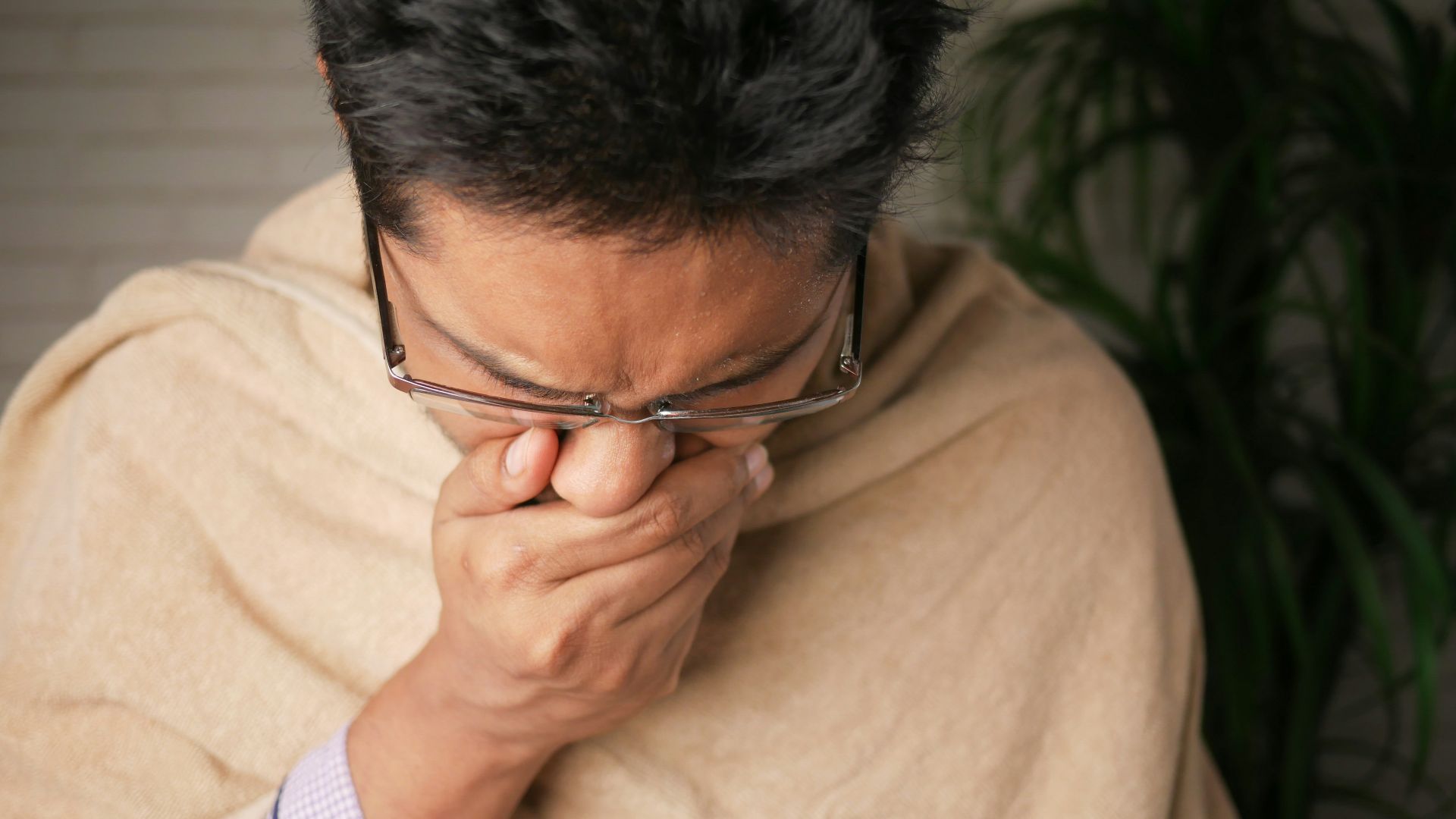
Sneezes blast irritants out of your nose with a burst of air and spray. Some people also sneeze when they step into bright sunlight, a quirk called the photic sneeze reflex. It's harmless on a morning walk and a real hazard for a driver coming out of a tunnel.
10. Pulling Away From Pain
Touch a hot pan and your hand jerks back before you consciously feel the burn. The signal loops through your spinal cord and skips the brain on the first pass. Nerve damage from diabetes can dull this reflex, which is one reason people with diabetes are told to check their feet every day.

11. Fight-or-Flight
Physiologist Walter Cannon coined the phrase fight-or-flight in 1915. Adrenaline speeds up your heart and sends blood to your muscles, a perfect setup for outrunning a predator. An inbox full of deadlines triggers the same chemistry, and the American Psychological Association links chronic stress to high blood pressure and heart disease.

12. Freezing Up
Many animals go still when a threat is close, since movement is what catches a predator's eye. Humans have the same response, and people often lock up during car crashes or assaults.

13. Motion Sickness
Psychologist Michel Treisman proposed in 1977 that your brain reads the mismatch between your eyes and inner ear as a sign of poisoning. Vomiting would clear the toxin out. A long car ride trips the same alarm with nothing to purge.

14. Food Aversion
Get sick once after eating something and you may never want it again. Psychologist John Garcia showed in the 1950s that rats learn this lesson after a single bad experience. Chemotherapy patients sometimes develop the same aversion to foods they ate before treatment, so some care teams suggest skipping favorite meals on treatment days.

15. Shivering
When your core temperature drops, your muscles fire off rapid, tiny contractions that burn energy and throw off heat. Once someone with hypothermia stops shivering, the body is running out of reserves and needs emergency care.
16. Yawning
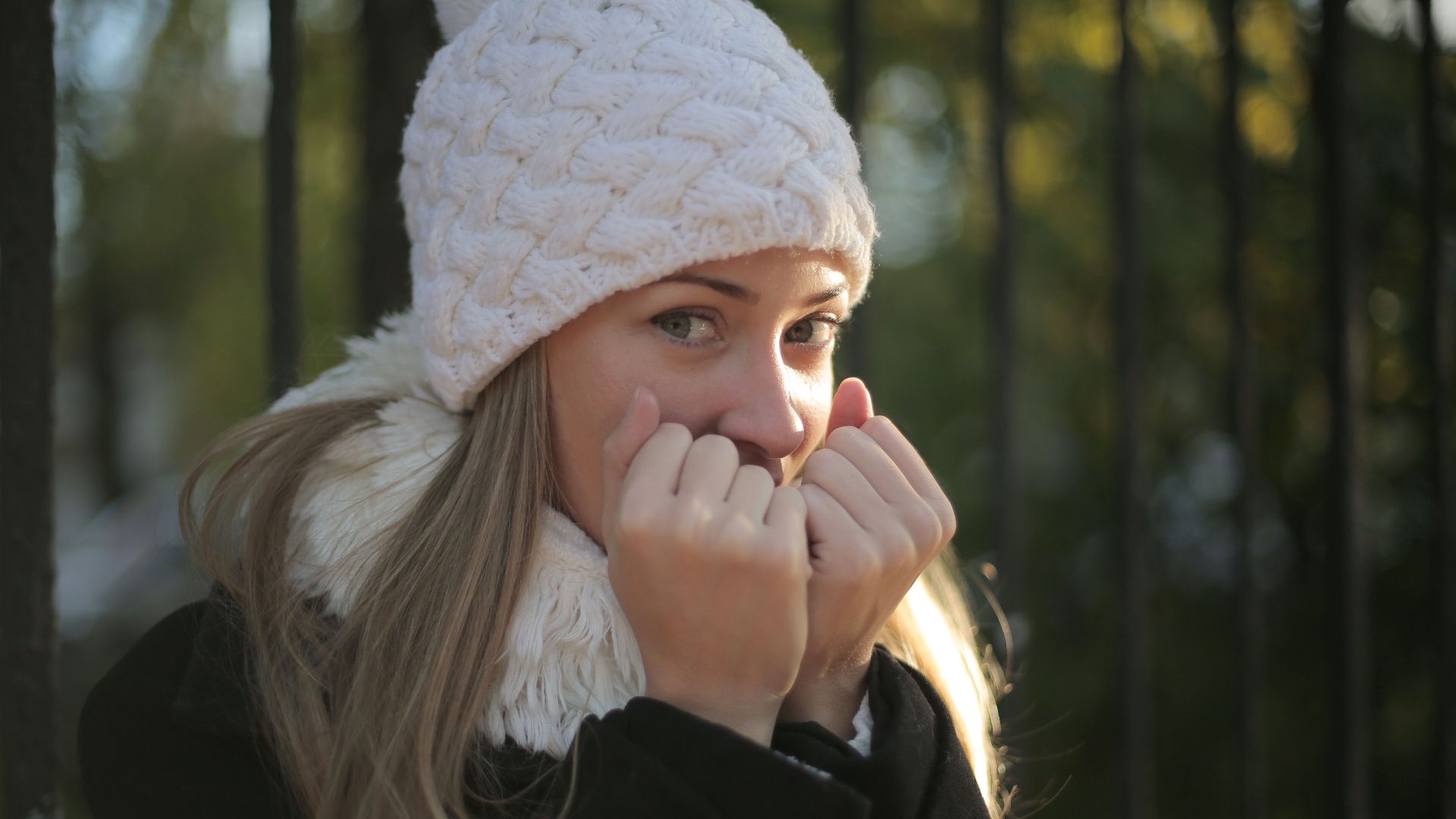
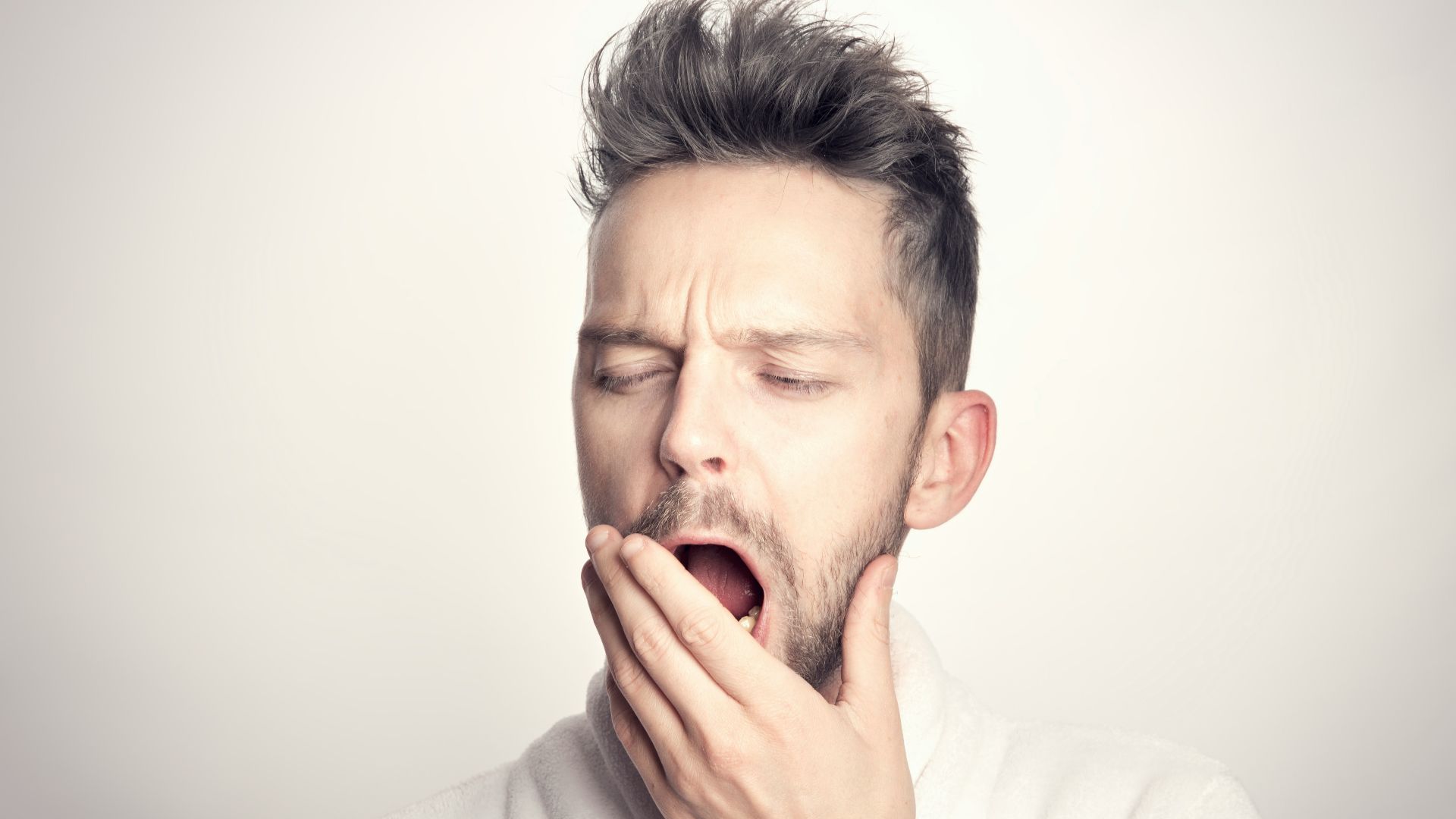
Psychologist Andrew Gallup's research suggests yawning cools the brain by pulling in a big gulp of air and stretching the jaw. Yawns also spread from person to person, and that may have helped a whole group stay alert at the same time.
17. Hypnic Jerks
That sudden jolt as you drift off to sleep is called a hypnic jerk. One theory holds that a primate brain misread the relaxing muscles as a fall from a branch. Caffeine and lack of sleep tend to make them more frequent.

18. Fainting at the Sight of Blood
For some people, the sight of blood or a needle makes their heart rate and blood pressure drop until they pass out. Researchers have suggested the response may have limited blood loss after an injury. A technique called applied tension, which means clenching the muscles in your arms and legs, raises blood pressure enough to keep many people upright during a blood draw.

19. The Knee-Jerk
The stretch reflex behind it keeps you upright when a leg buckles on uneven ground. A tap just below the kneecap tests the nerves running through your lower spine. A weak or missing response can point to nerve damage, and doctors use it as a quick check in people with diabetes.

20. Pupil Reflex
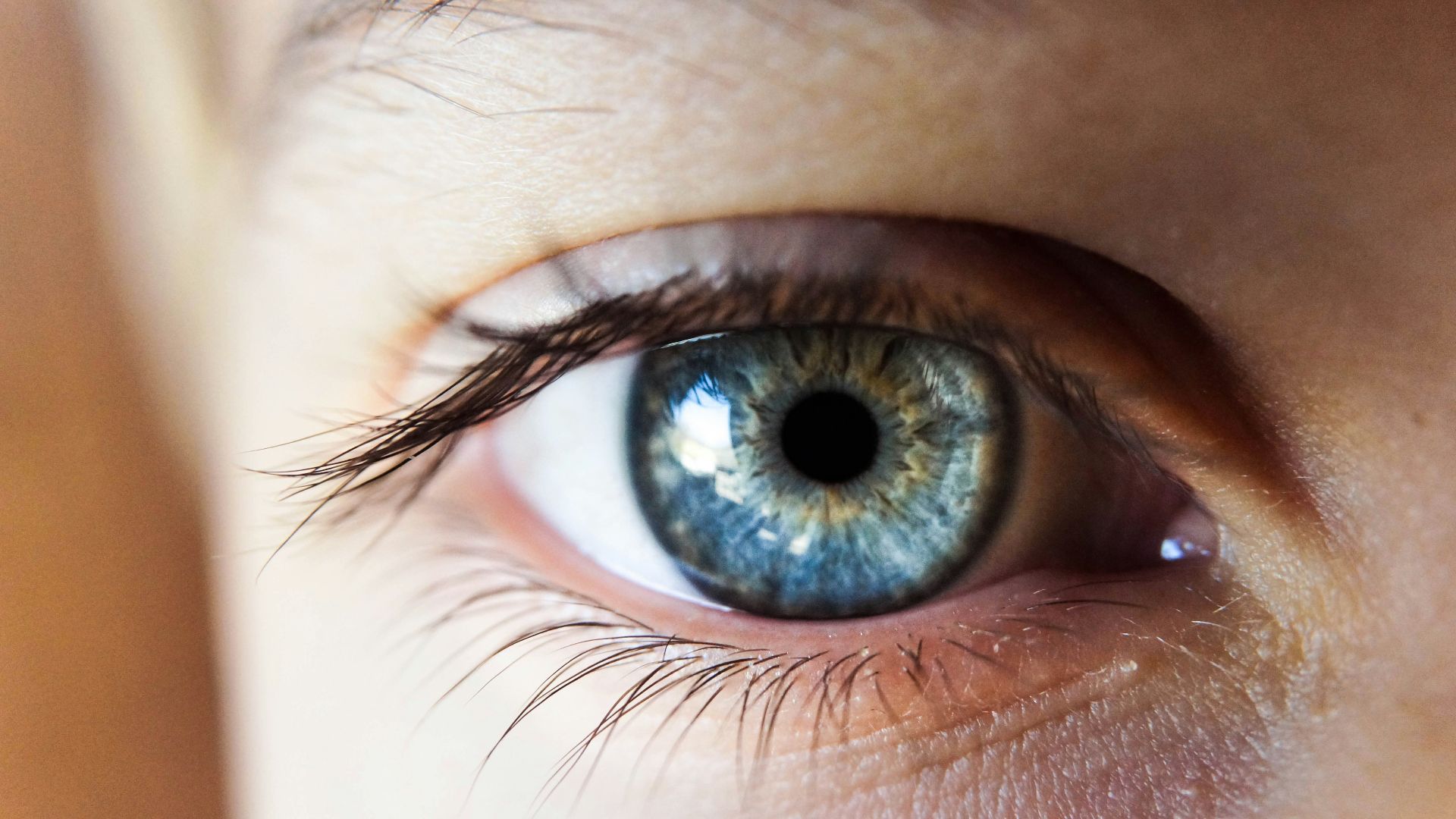
Your pupils shrink in bright light to protect the retina and widen in the dark to let more in. Paramedics shine a penlight in your eyes after a head injury because pupils that don't react or don't match can signal pressure on the brain.
KEEP ON READING


20 Natural Ways You Can Boost Your Immune System
20 Ways To De-stress & Relax After Work
The 10 Most Common Diseases & The 10 Most Rare