
Pay Attention to Your Blood Flow
Your circulatory system works around the clock to deliver oxygen and nutrients to every part of your body, and when it starts struggling, the warning signs can be easy to brush off as normal aches or minor annoyances. But beware, the warning signs of poor circulation aren't always so obvious; it can sometimes show up as cold feet, tingling fingers, or a strange heaviness in your legs that you've learned to live with. Once you know what to look for, though, you can catch these signals early and take real steps to get your blood flowing the way it should. Here are 10 alarming symptoms you shouldn't ignore, and 10 ways to improve it.
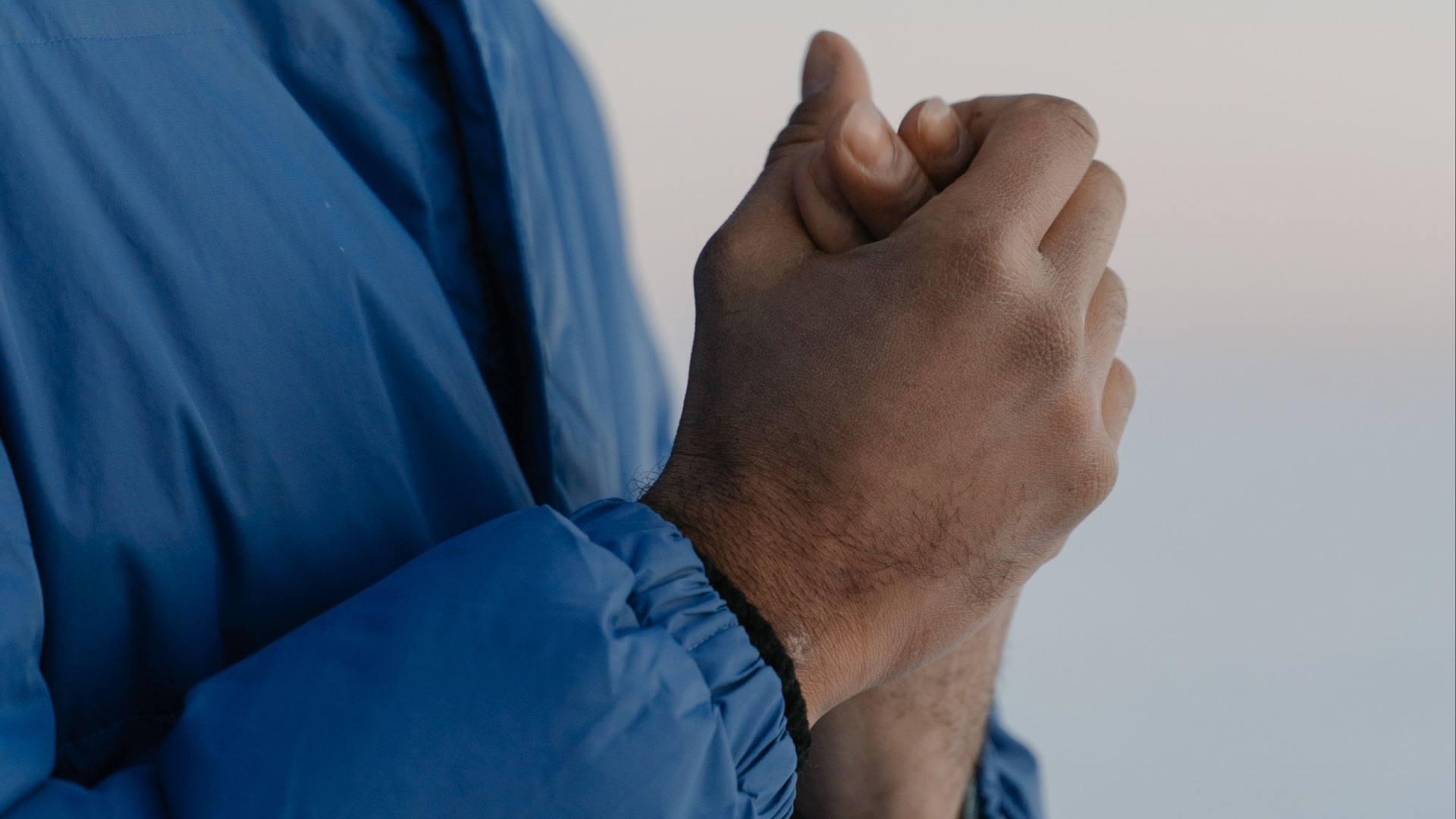
1. Cold Hands and Feet
If your hands and feet feel like ice even when the rest of you is perfectly warm, your circulation might be to blame. Reduced blood flow means less warm blood reaching your extremities, leaving them chilly no matter how many socks you pile on. This symptom tends to get worse in cooler weather, so pay attention to whether it happens year-round or just during winter months.
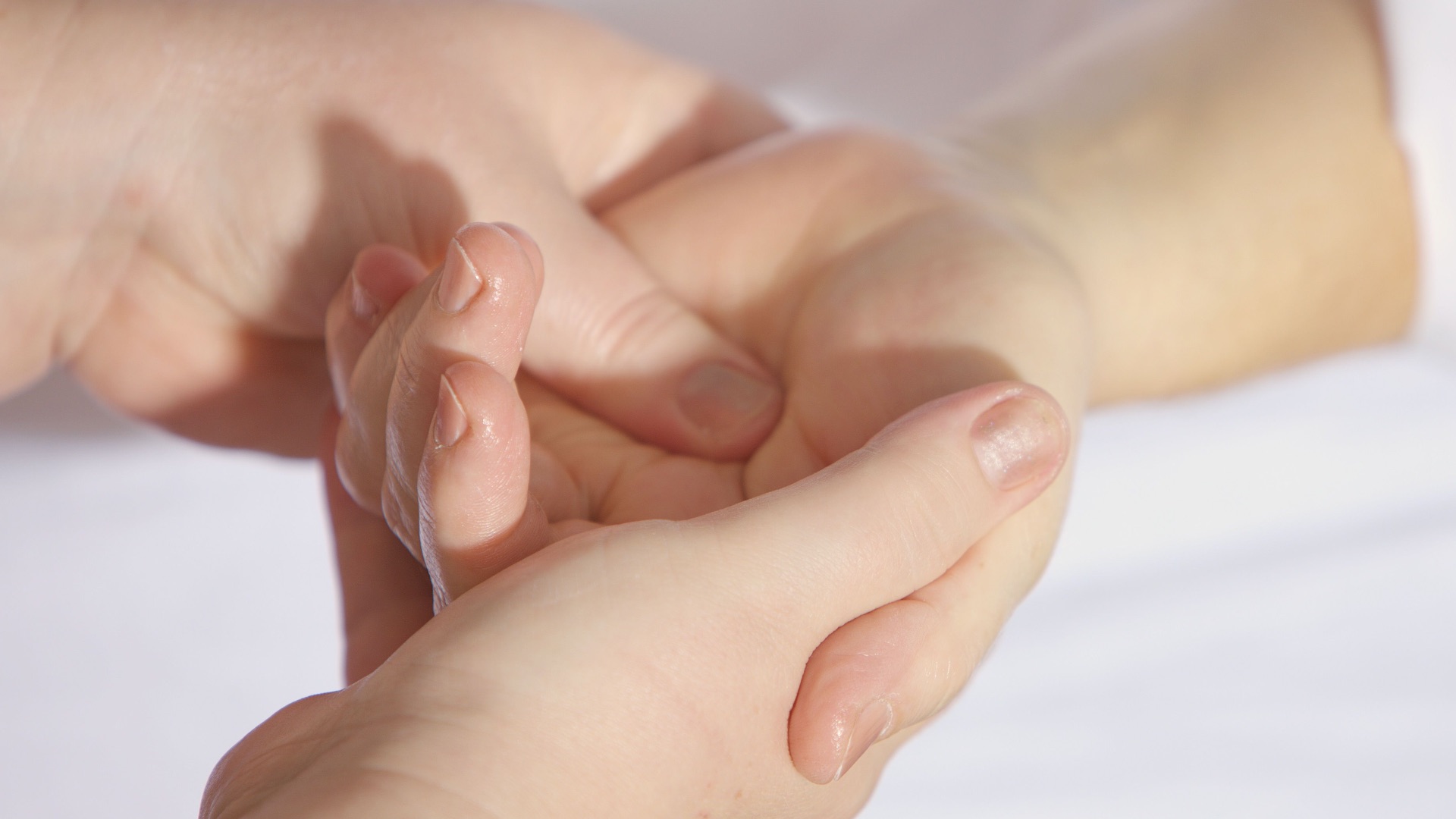
2. Numbness or Tingling in Your Limbs
That pins-and-needles sensation in your arms or legs isn't always from sitting in an awkward position. When blood flow is restricted, nerves don't get the oxygen they need to function properly, which can create a tingling or numb feeling that lingers. If this happens frequently and without an obvious cause, it's worth mentioning to your doctor.
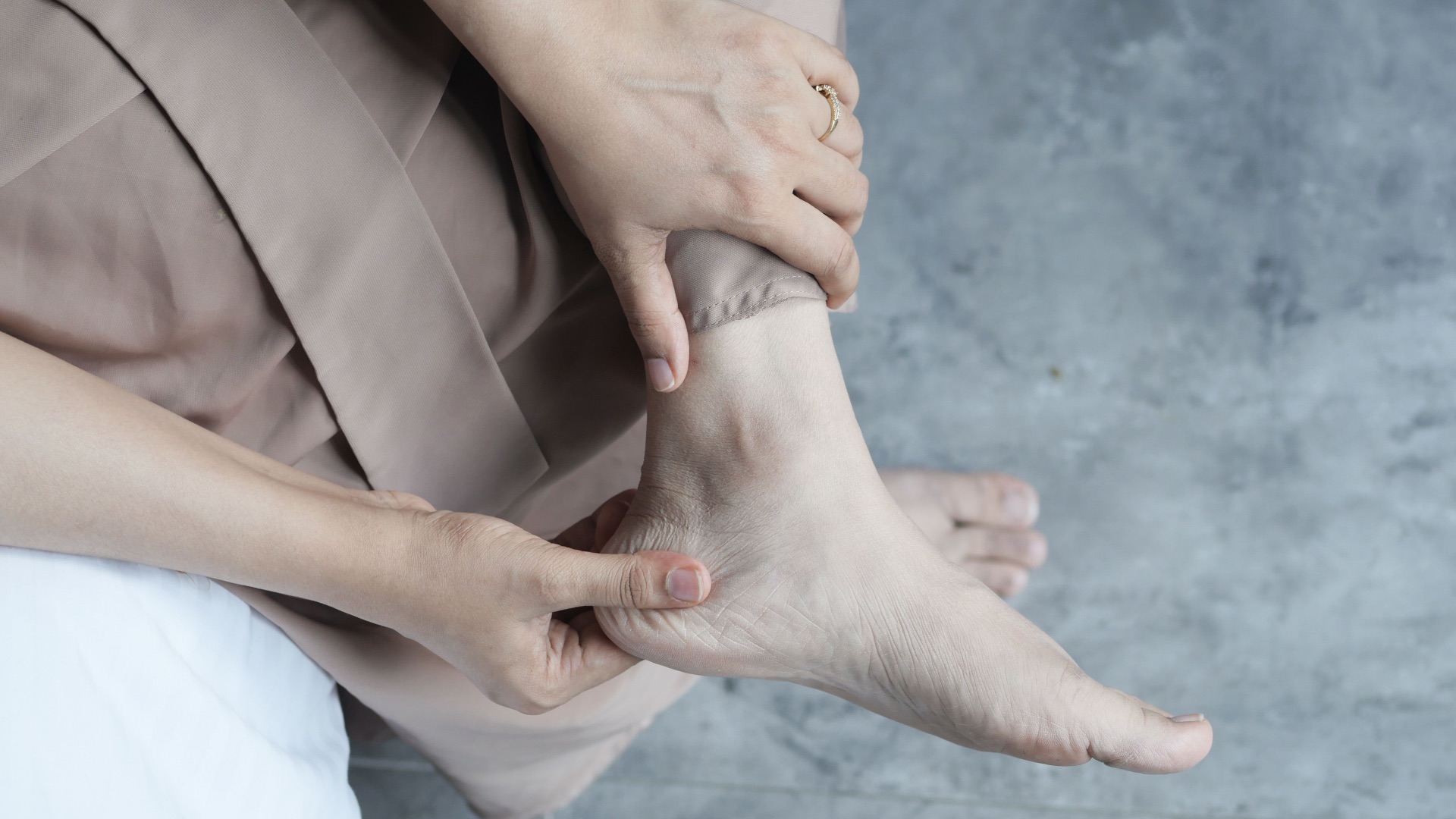
3. Swelling in the Lower Legs and Ankles
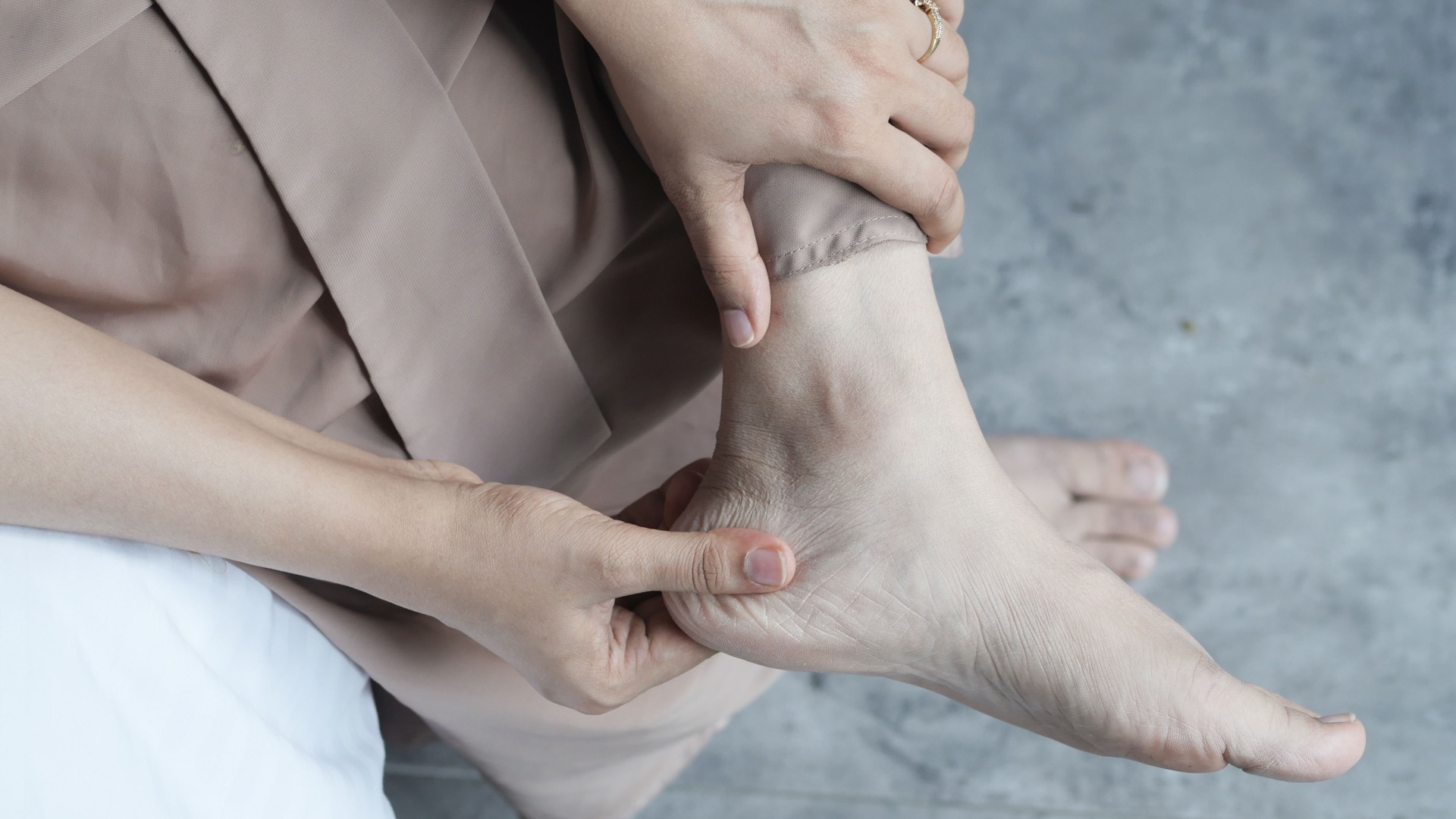
Puffy ankles at the end of a long day are common, but persistent swelling could point to a circulation issue. When veins struggle to send blood back up toward your heart, fluid can pool in your lower legs and feet. Keep an eye on whether the swelling improves with rest or seems to stick around no matter what you do.
4. Varicose Veins That Keep Multiplying
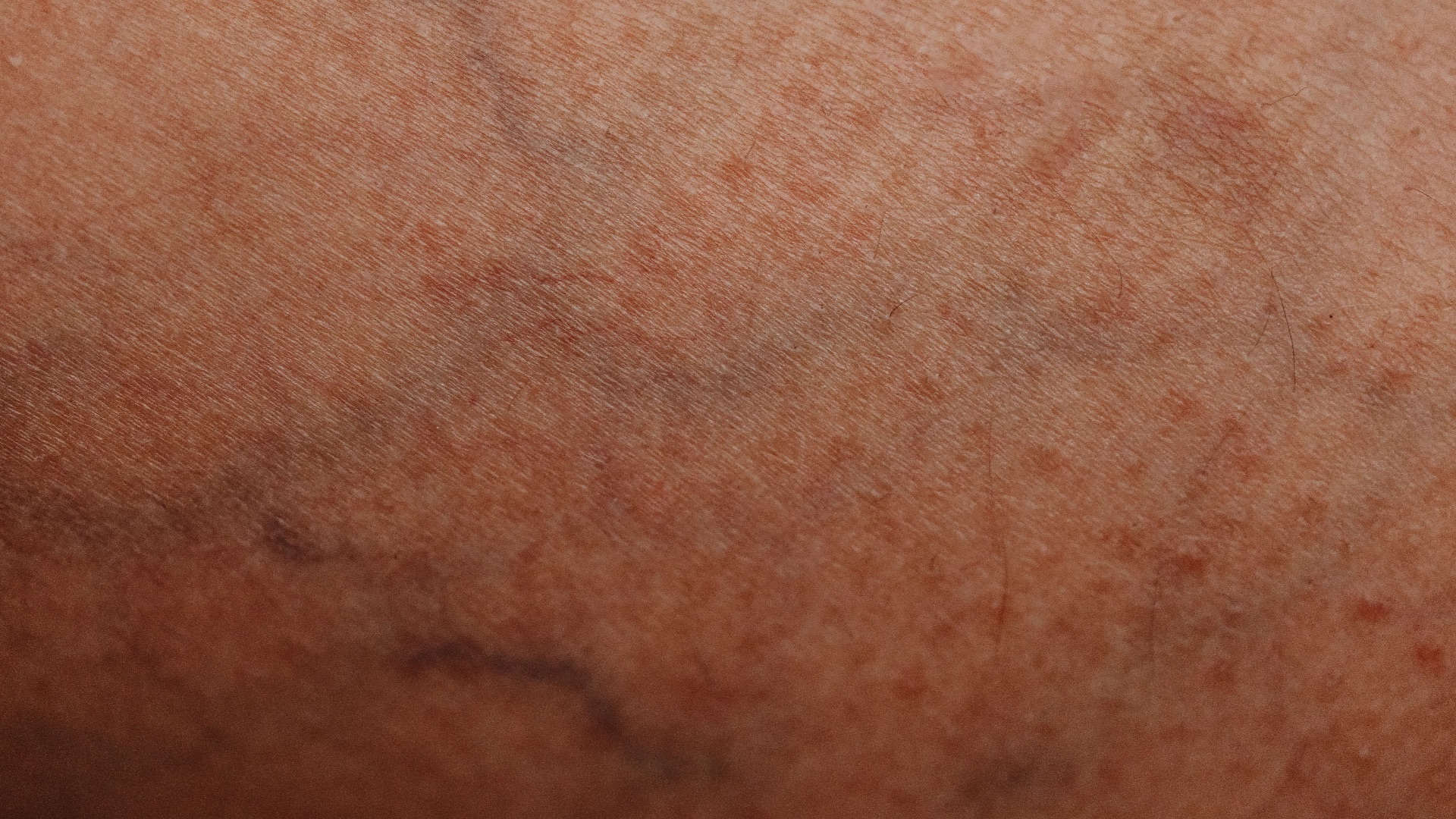
Those twisted, bulging veins on your legs are more than a cosmetic concern; they're often a visible sign that your blood isn't circulating efficiently. Weak vein valves allow blood to pool instead of flowing smoothly upward, which causes veins to swell and become more visible over time. If you notice new varicose veins appearing or existing ones getting more prominent, it's a good idea to get them checked out.
5. Skin That Looks Pale or Has a Bluish Tint
Skin color can tell you a lot about how well blood is reaching the surface of your body. When circulation slows down, your skin may take on a pale, gray, or slightly blue tone, especially in your fingers, toes, or lips. This change often happens gradually, so it helps to compare recent photos or ask a family member if they've noticed anything different.

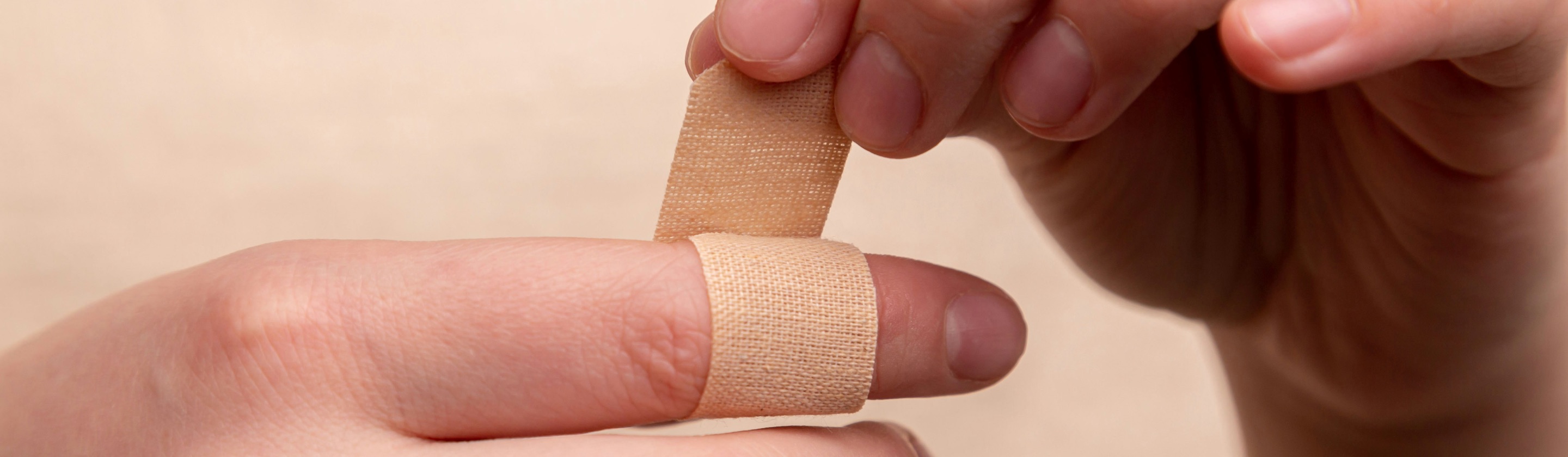
6. Slow-Healing Wounds and Cuts
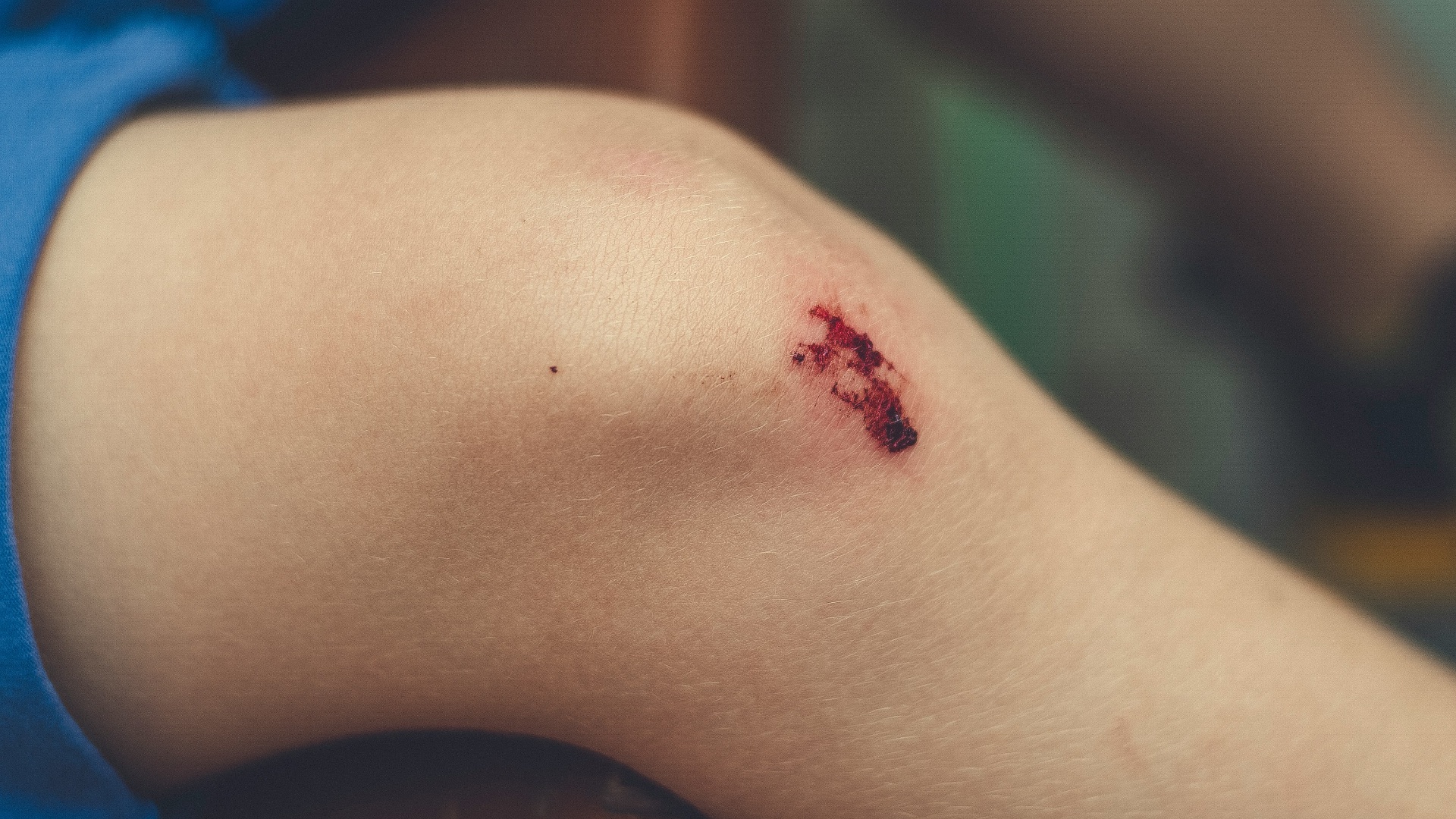
Cuts and scrapes that take forever to heal can be a red flag for circulation problems. Your body relies on a steady blood supply to deliver the nutrients and immune cells needed for repair, and when that supply is compromised, healing slows way down. This is especially common in the lower legs and feet, where blood has to travel the farthest against gravity.
7. Fatigue That Doesn't Match Your Activity Level
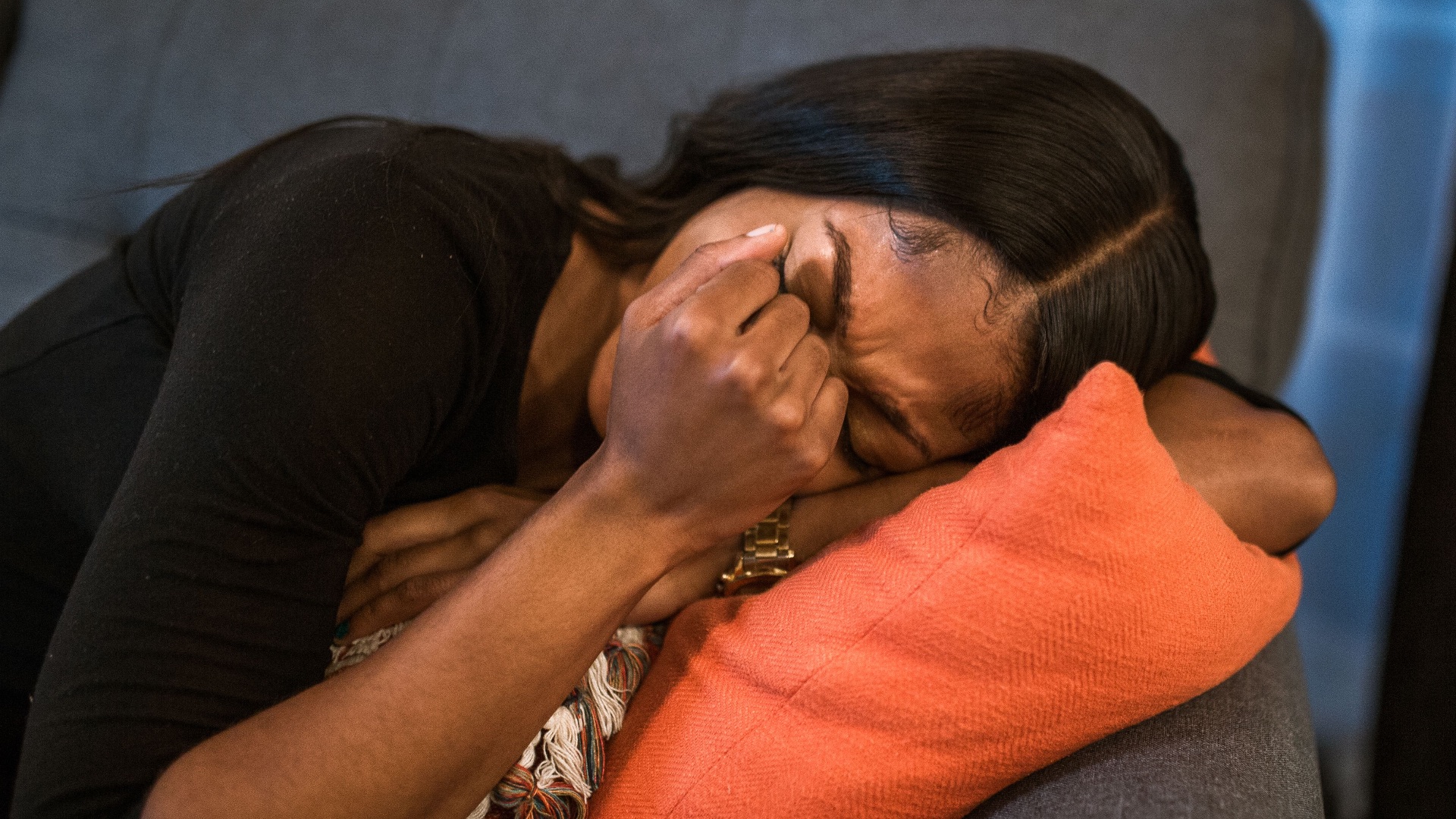
Feeling wiped out even after a light day can sometimes trace back to how well your blood is moving through your body. Muscles and organs need consistent oxygen delivery to function well, and when circulation lags, everything from your brain to your legs can feel sluggish. If rest and sleep aren't fixing your exhaustion, it might be time to look at what's happening beneath the surface.
8. Muscle Cramps During Simple Activities
Cramping in your calves or thighs while walking, climbing stairs, or even standing for a while shouldn't be ignored. This type of pain, sometimes called intermittent claudication, happens when muscles aren't getting enough blood during activity and then cry out for oxygen. It typically eases with rest, which is actually one of the clues that points doctors toward a circulation-related cause.
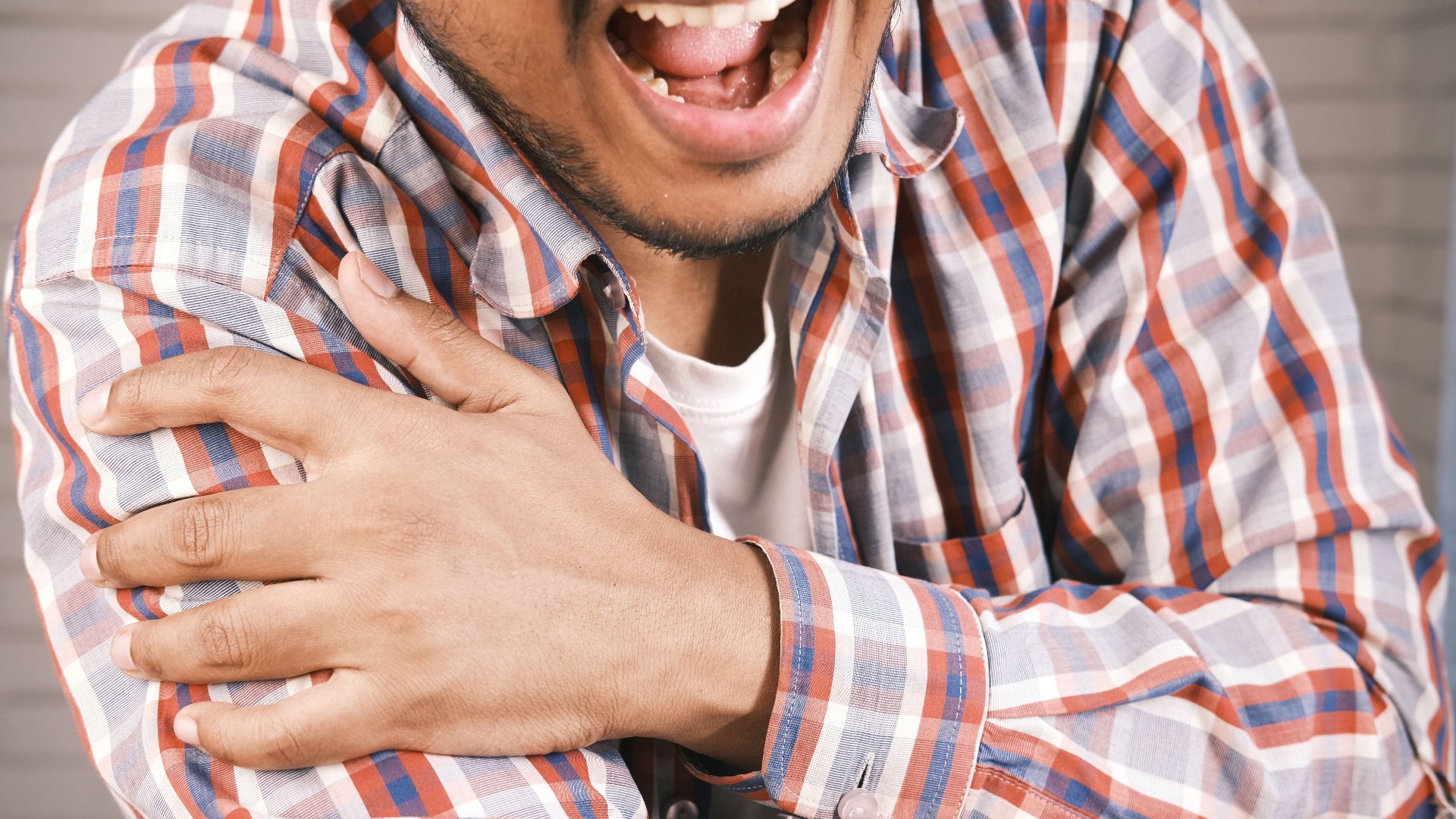
9. Hair Loss on Your Legs or Feet
Losing hair on your lower legs or feet might seem like a strange symptom to connect with circulation, but the link is real. Hair follicles need adequate blood supply to grow and stay healthy, so when that supply drops, hair can thin out or stop growing altogether in those areas. Combined with other symptoms on this list, unexplained hair loss can be a useful clue for your doctor.
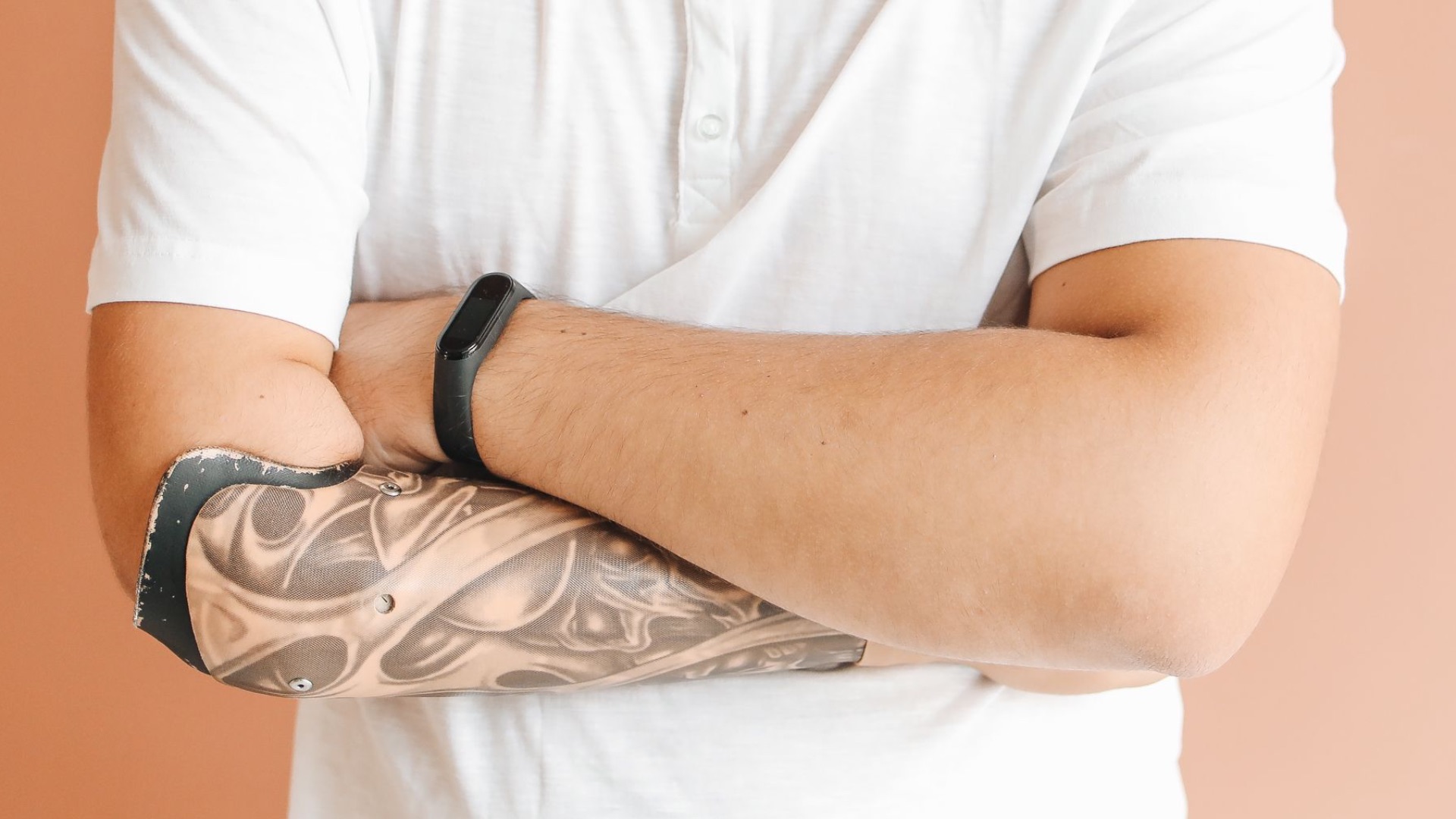
10. Weak or Absent Pulses in Your Feet
A pulse that feels faint or hard to find in your feet or ankles is one of the more direct signs that blood flow is struggling to reach your extremities. Doctors often check pulses in these areas specifically because they're the farthest point from your heart. If you or a healthcare provider notice this during a checkup, it's a strong signal that further testing might be necessary.
Now that you know what to watch for, let's talk about what you can actually do about it. The following 10 strategies range from simple daily habits to bigger lifestyle shifts, all aimed at getting your blood moving more freely.
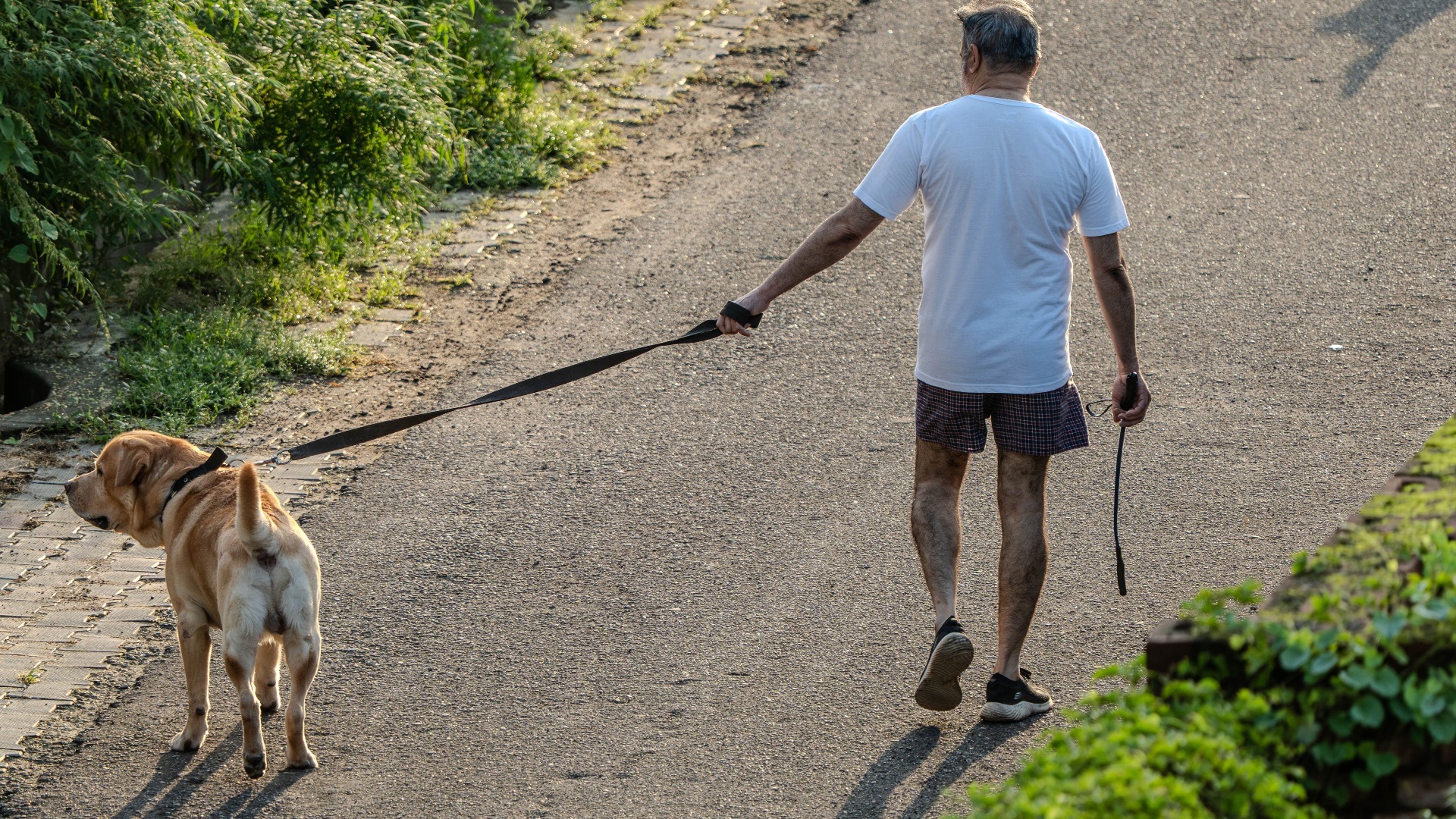
1. Get Moving Throughout the Day
Sitting for long stretches is one of the biggest culprits behind sluggish circulation, so building movement into your day matters more than you might think. Even short walks, stretching breaks, or standing up every hour can encourage blood to keep flowing instead of pooling in your legs. Aim for consistency rather than intensity, since regular movement tends to have a bigger impact than occasional intense workouts.
2. Stay Hydrated
Water plays a bigger role in circulation than most people realize, since blood is largely made up of it. When you're dehydrated, your blood can become thicker and harder for your heart to pump efficiently. Carrying a water bottle and sipping throughout the day is a simple habit that supports smoother blood flow.

3. Elevate Your Legs When Resting
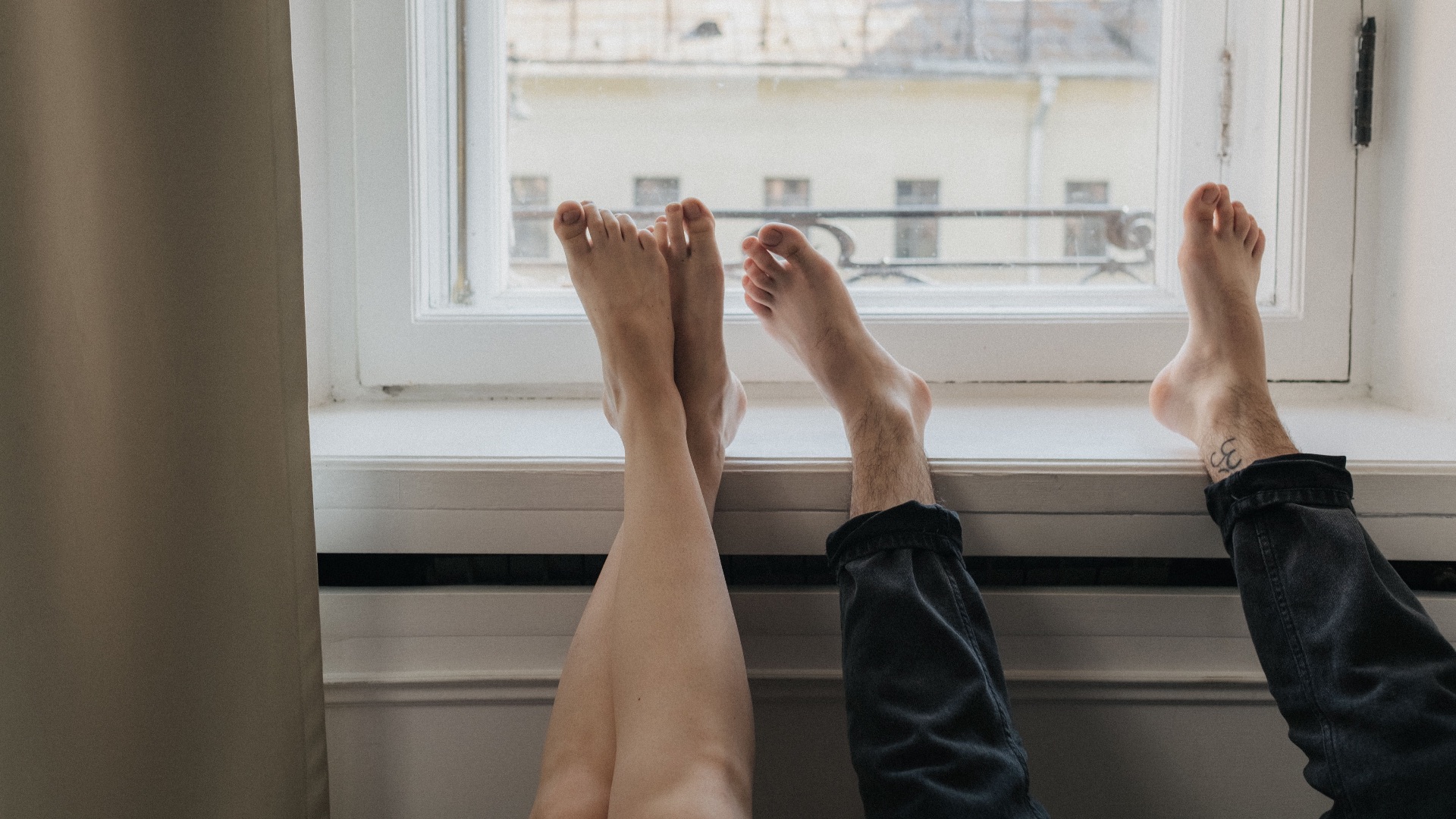
Propping your legs up above heart level for fifteen to twenty minutes a few times a day can make a noticeable difference in reducing swelling and improving blood return. This position uses gravity to your advantage, helping blood travel back toward your heart instead of pooling in your lower legs. It's an easy habit to fit in while watching TV or reading before bed.
4. Try Compression Socks
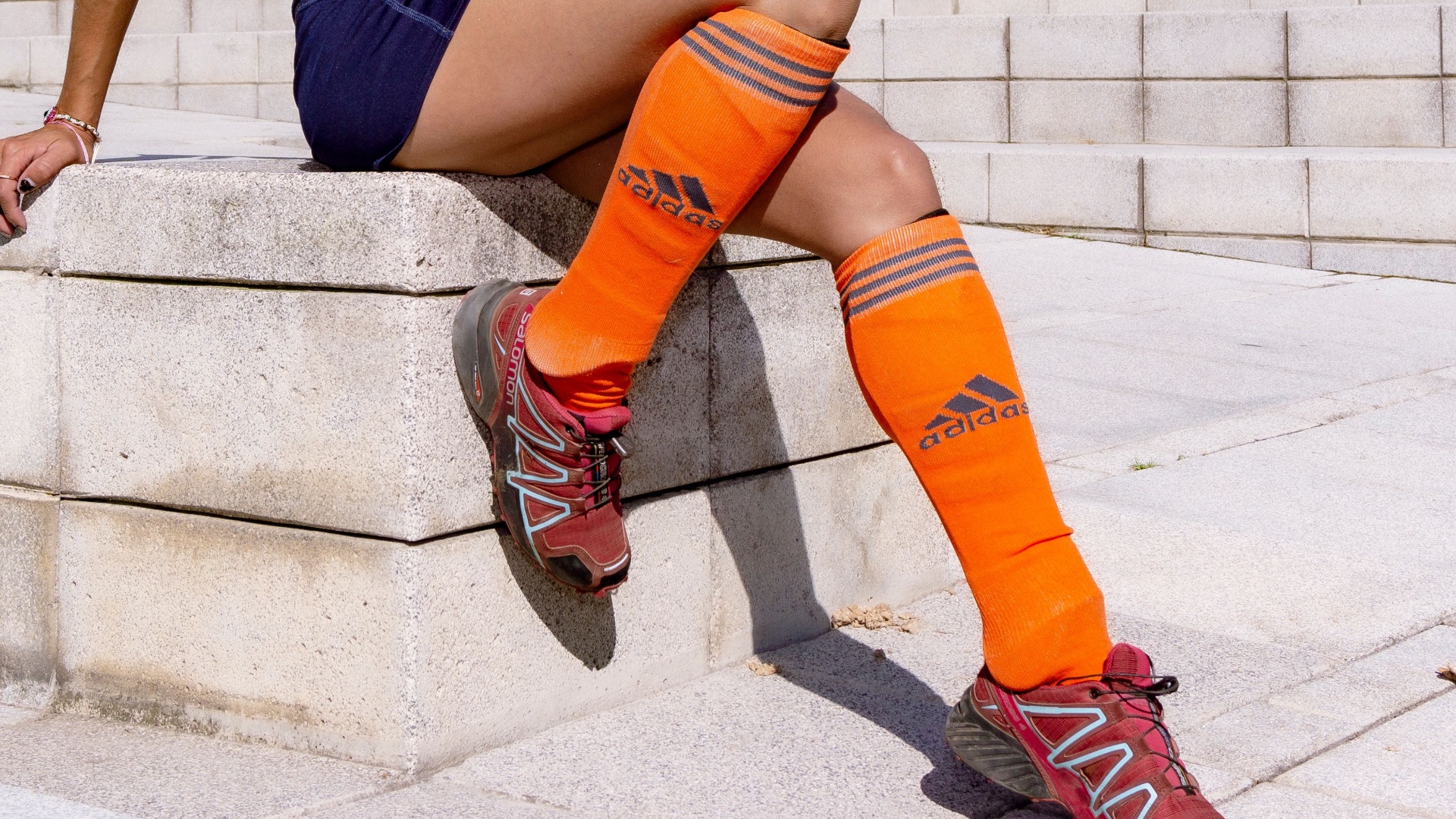
Compression socks apply gentle, graduated pressure to your legs, which helps push blood upward and prevents it from collecting in your ankles and feet. Many people find them especially helpful during long flights, work shifts that involve standing, or after a workout. They come in a range of strengths, so it's worth talking to a pharmacist or doctor about which level suits your needs.
5. Cut Back on Sodium
Too much salt in your diet can cause your body to retain fluid, which puts extra strain on your circulatory system and worsens swelling. Reading nutrition labels and cooking more meals at home gives you better control over how much sodium you're actually consuming. Swapping salty snacks for fresh fruits, vegetables, and herbs can make a real difference over time.

6. Quit Smoking
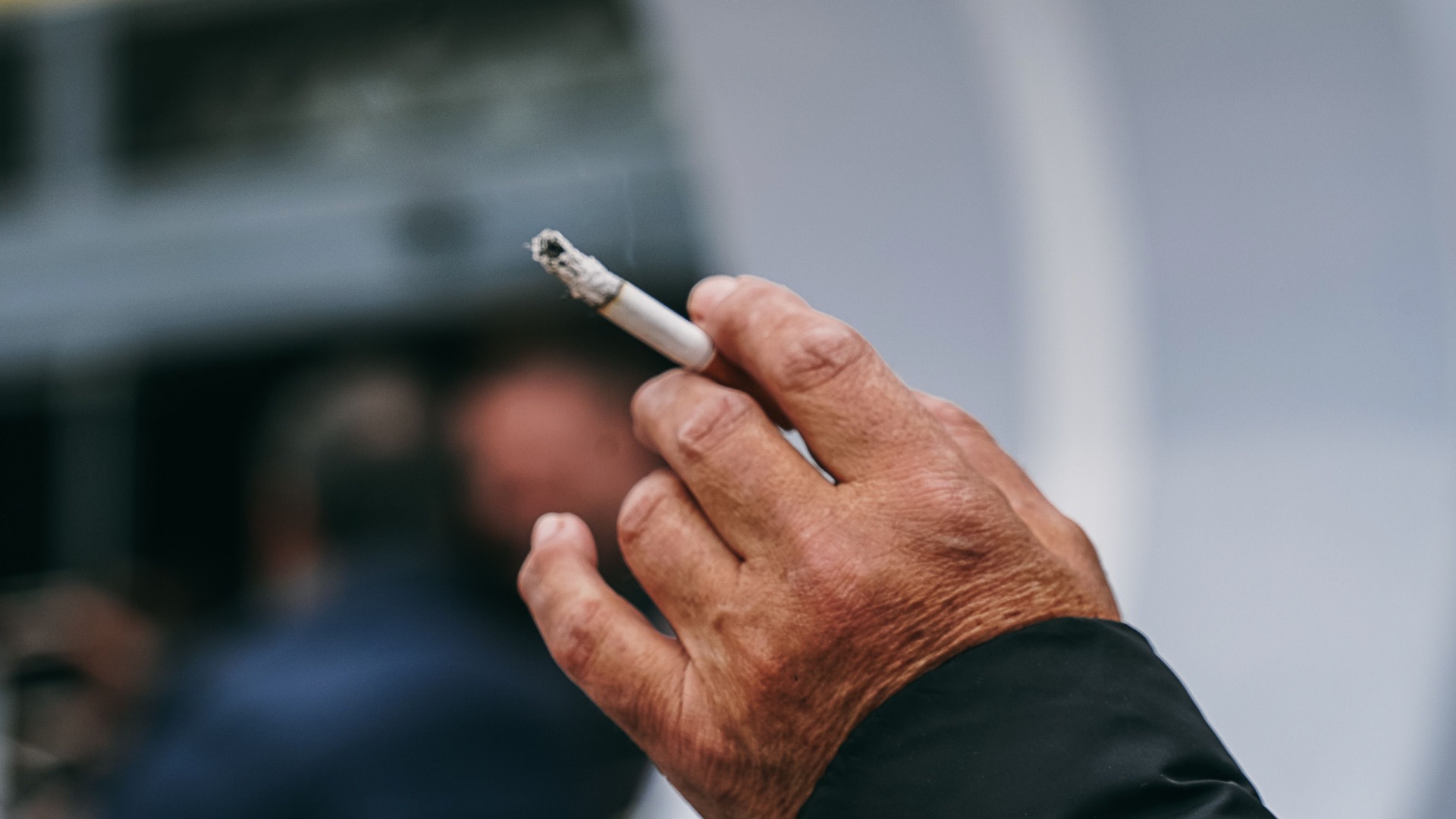
Smoking damages blood vessel walls and causes them to narrow, which directly interferes with healthy circulation. Quitting isn't easy, but even gradual reductions can start improving blood flow within weeks. Talk to your doctor about resources like nicotine replacement therapy or support programs if you're ready to make the change.
7. Add More Iron-Rich Foods to Your Plate
Iron helps your body produce hemoglobin, the protein responsible for carrying oxygen through your bloodstream, so a deficiency can leave circulation feeling sluggish. Foods like spinach, lentils, lean red meat, and fortified cereals are great ways to boost your intake naturally. If you suspect you're low on iron, a simple blood test can confirm it and guide next steps.

8. Manage Stress Levels
Chronic stress triggers the release of hormones that can constrict blood vessels and raise blood pressure, both of which make circulation harder work than it needs to be. Finding stress-relief practices that fit your lifestyle, whether that's deep breathing, journaling, or spending time outdoors, can ease that strain on your vascular system. Even small daily moments of calm can add up to meaningful benefits over time.

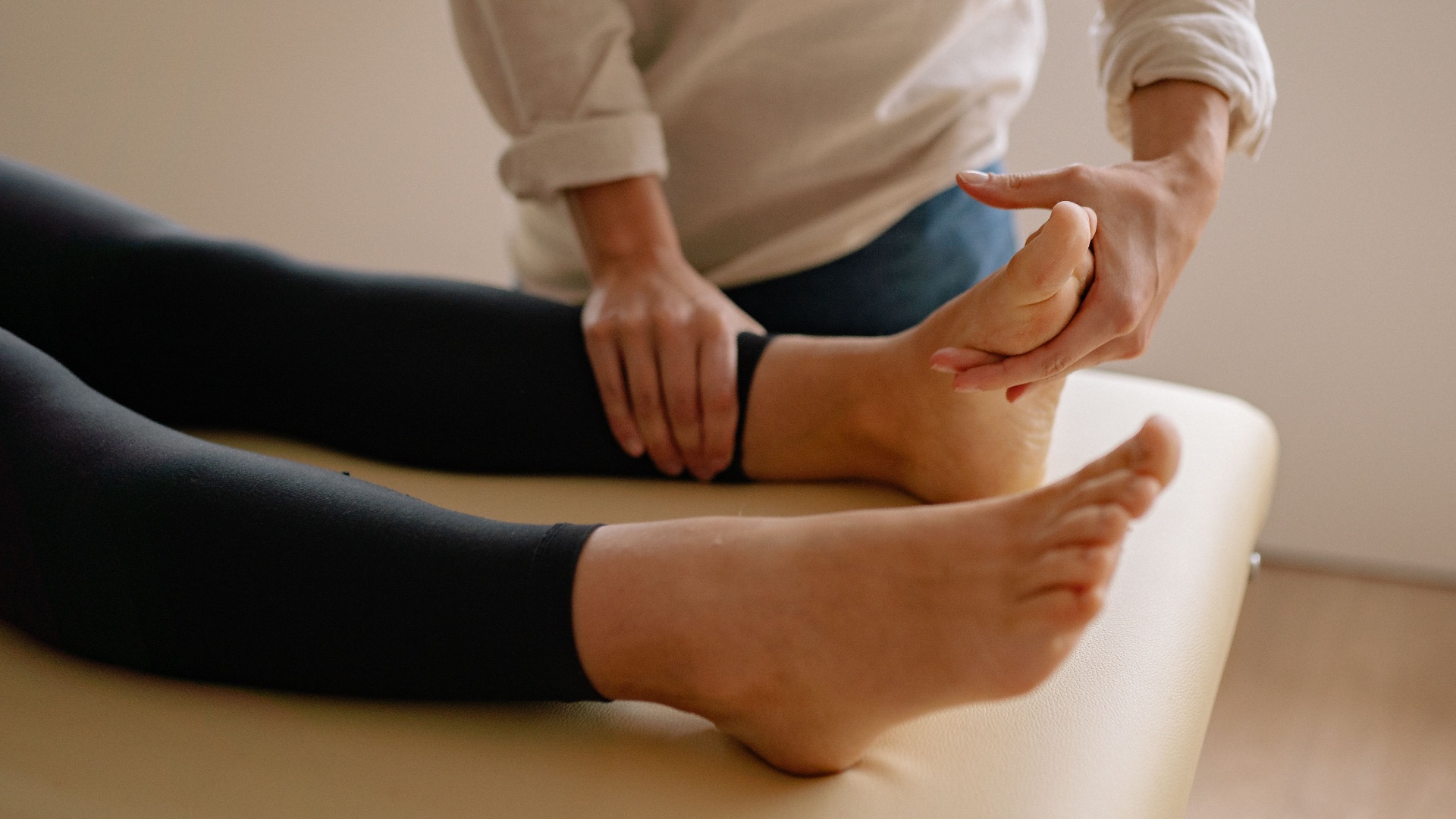
9. Get Regular Massages or Try Self-Massage
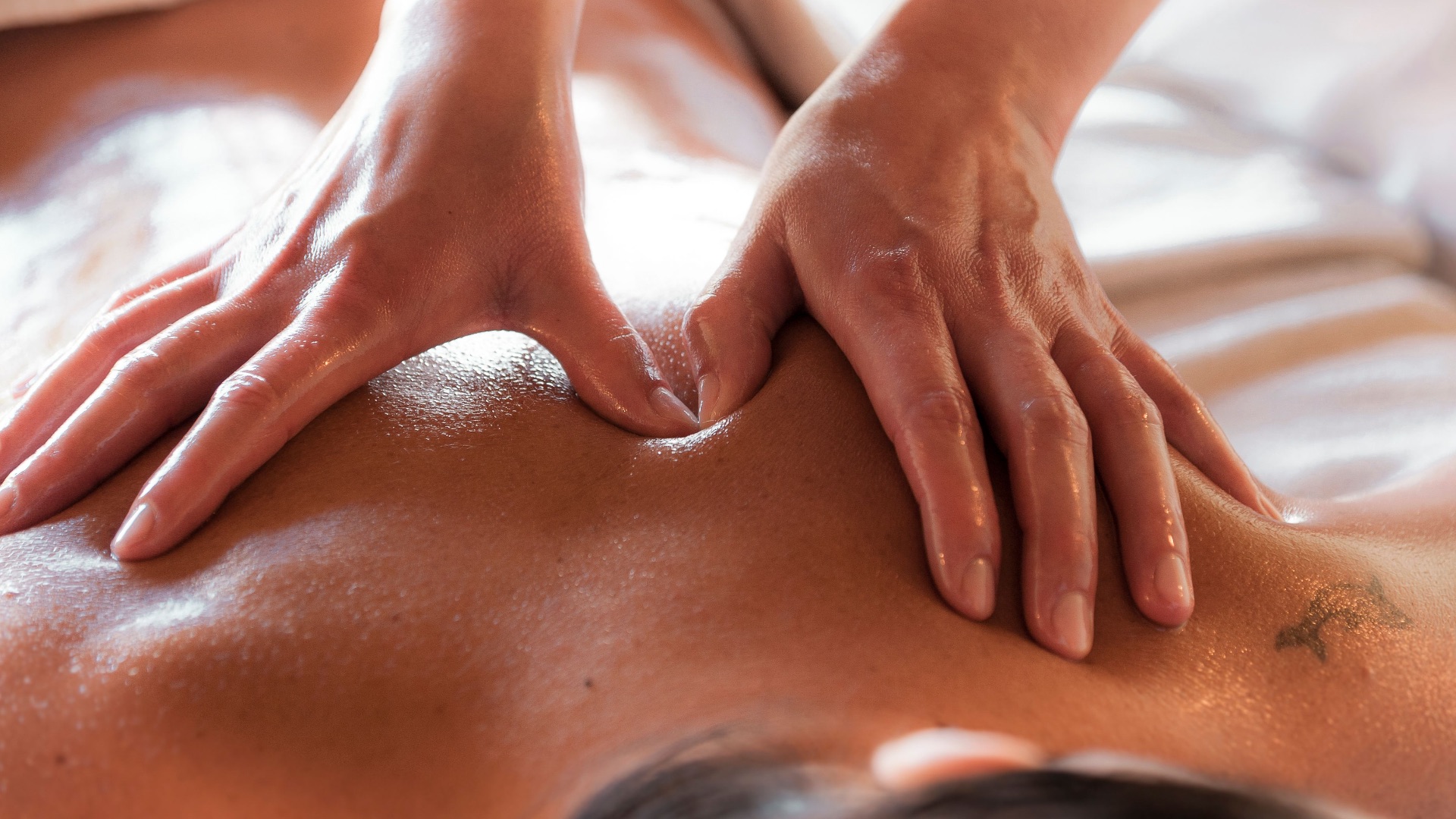
Massage encourages blood flow by applying pressure that helps move blood through congested areas and back toward your heart. You don't need a professional every time; simple self-massage techniques on your calves and feet can be done at home in just a few minutes. Using a lotion or oil can make the process more comfortable and enjoyable.
10. Schedule Regular Checkups with Your Doctor
Some circulation issues stem from underlying conditions like diabetes or heart disease, so regular checkups give your doctor the chance to catch problems early. Blood pressure readings, cholesterol tests, and physical exams can all reveal clues about how well your circulatory system is functioning. Staying proactive with your health care is one of the most effective long-term strategies for keeping your blood flowing the way it should.

KEEP ON READING


20 Natural Ways You Can Boost Your Immune System
20 Ways To De-stress & Relax After Work
The 10 Most Common Diseases & The 10 Most Rare