The Warning Signs Nobody Wants To Mention
Doctors see the same pattern over and over: a symptom shows up quietly, gets brushed off as "just getting older," and by the time someone finally brings it up, months or years have gone by. Most of this isn't dramatic. It's a little breathlessness on the stairs, a missed screening, a hearing aid someone keeps meaning to get. None of it feels urgent in the moment, which is exactly the problem. Here's 20 things doctors keep seeing people wave off, and wish they'd take seriously instead.

1. Chest Pressure That Gets Blamed On Heartburn
A tight, squeezing feeling in the chest gets written off as indigestion more often than doctors would like, especially in women, who tend to feel heart trouble differently than men do. Jaw discomfort, nausea, or unusual fatigue can be part of the same picture, not separate complaints. Anything that feels off in that area deserves a call, not a bottle of antacids and a shrug.

2. Getting Winded By Things That Used To Be Easy
A flight of stairs that suddenly leaves someone gasping often gets chalked up to being out of shape or carrying a few extra pounds. Sometimes that's exactly what it is, but shortness of breath can also point to heart or lung issues that are much easier to treat early. Doctors would rather rule it out than have someone quietly adjust their whole life around avoiding stairs.

3. Losing Weight Without Trying
Dropping several pounds without changing diet or exercise sounds like good news to a lot of people, but doctors see it as a signal worth investigating. Unintentional weight loss can point to thyroid issues, digestive problems, or something more serious that hasn't announced itself yet. It's one of the few times losing weight should prompt a phone call instead of a compliment.

4. Any Change In Bathroom Habits
Blood in the stool, new constipation, or diarrhea that won't quit gets blamed on diet way too often. Colorectal cancer screening now starts at 45, and doctors would rather see someone come in a year early than explain away symptoms for months. A colonoscopy is uncomfortable to talk about, not to have, and it catches problems long before they become emergencies.

5. Skipping The Annual Checkup Because "Nothing Feels Wrong"
Plenty of serious conditions, high blood pressure and high cholesterol especially, produce no symptoms at all until real damage has already happened. An annual visit exists specifically to catch the things a person can't feel yet. Doctors would much rather run a boring blood panel every year than manage a crisis that could've been caught early.
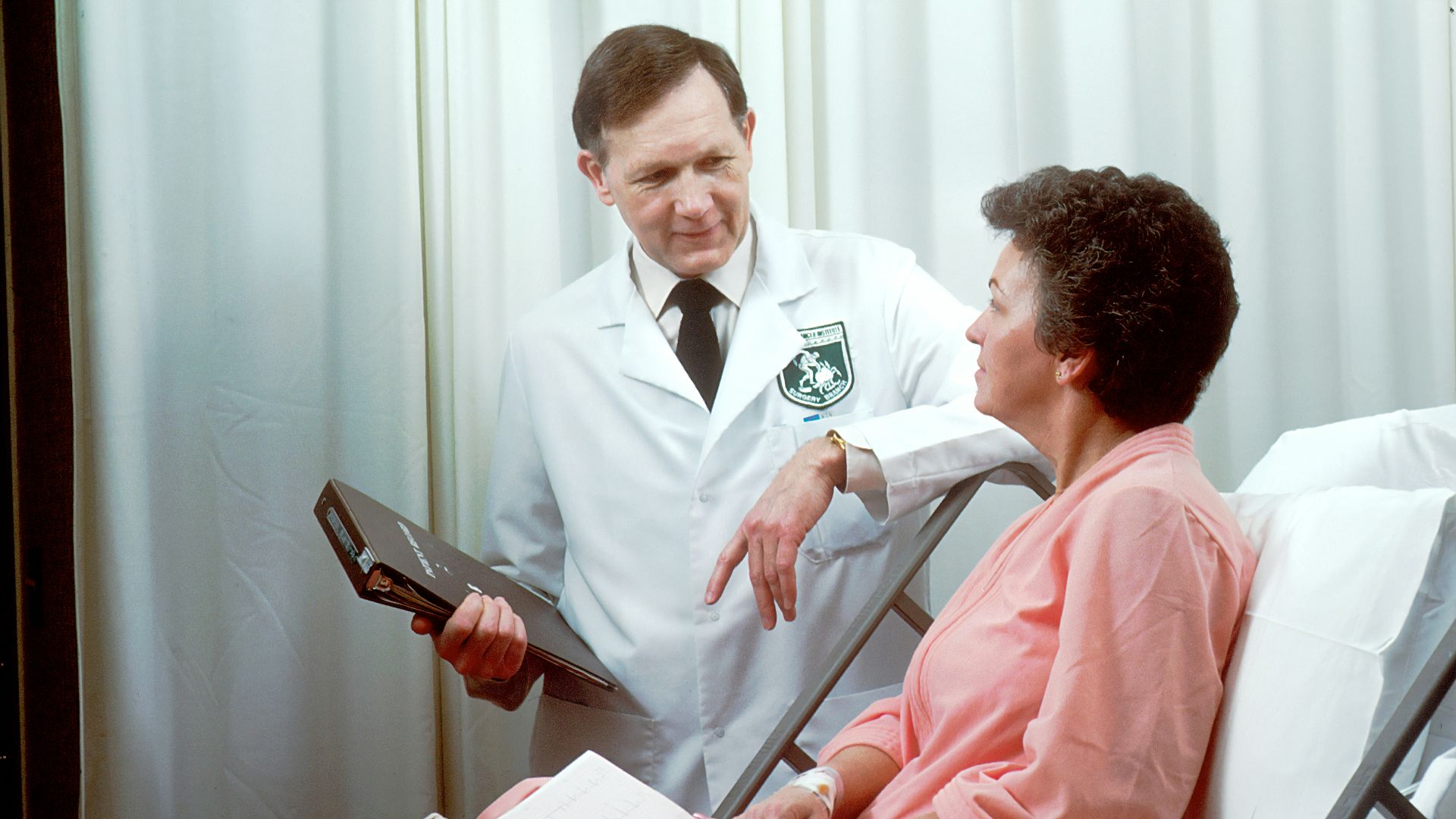 National Cancer Institute on Unsplash
6. A Blood Pressure Reading That Gets Shrugged Off
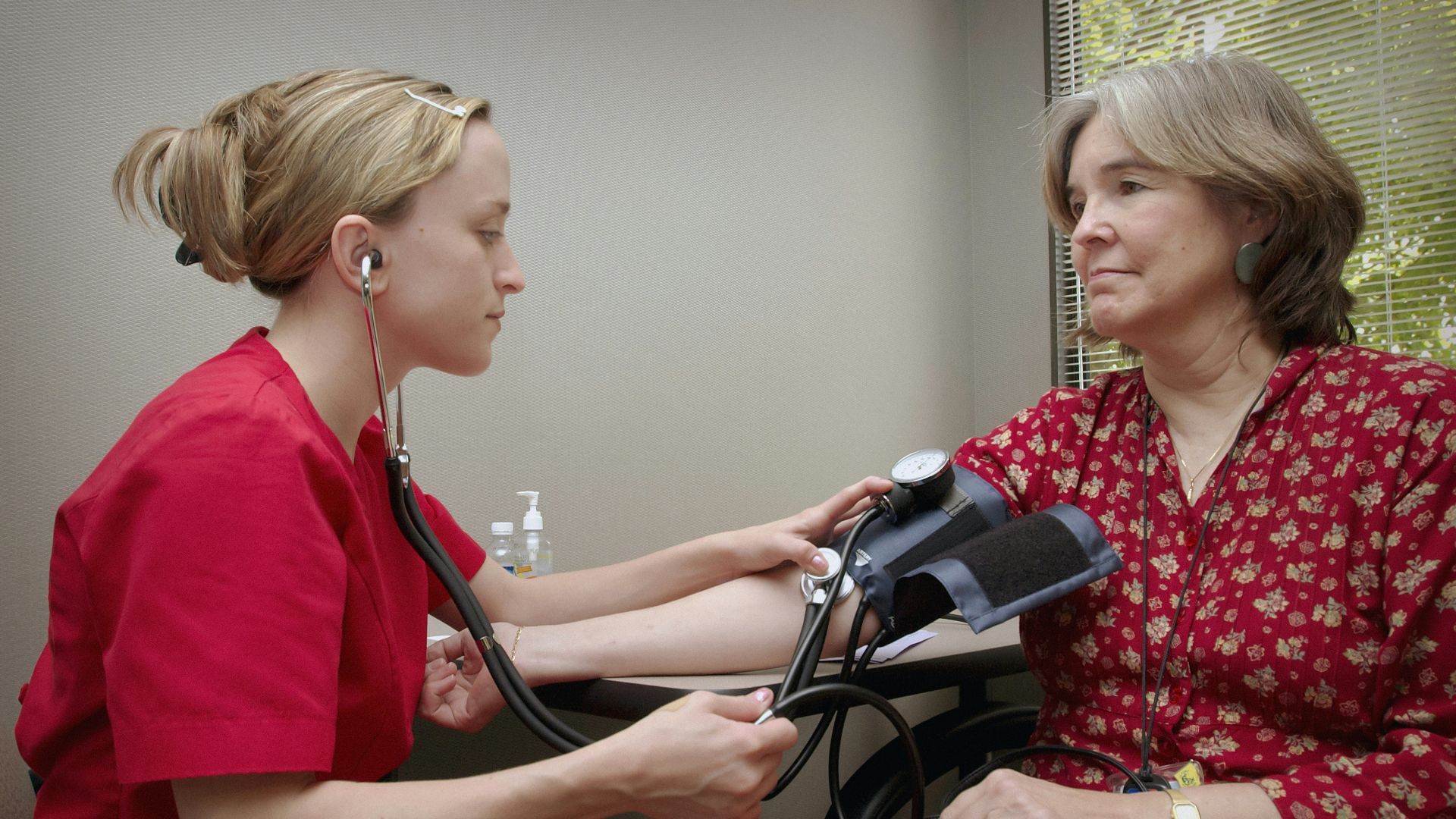
A high number at the pharmacy kiosk often gets dismissed as a fluke, stress, or the cuff being too tight. Left unmanaged, high blood pressure quietly damages arteries, the heart, and the kidneys for years before anything feels different. It's one of the few health problems that's genuinely painless right up until it isn't.
7. Hearing Loss That Gets Left Alone
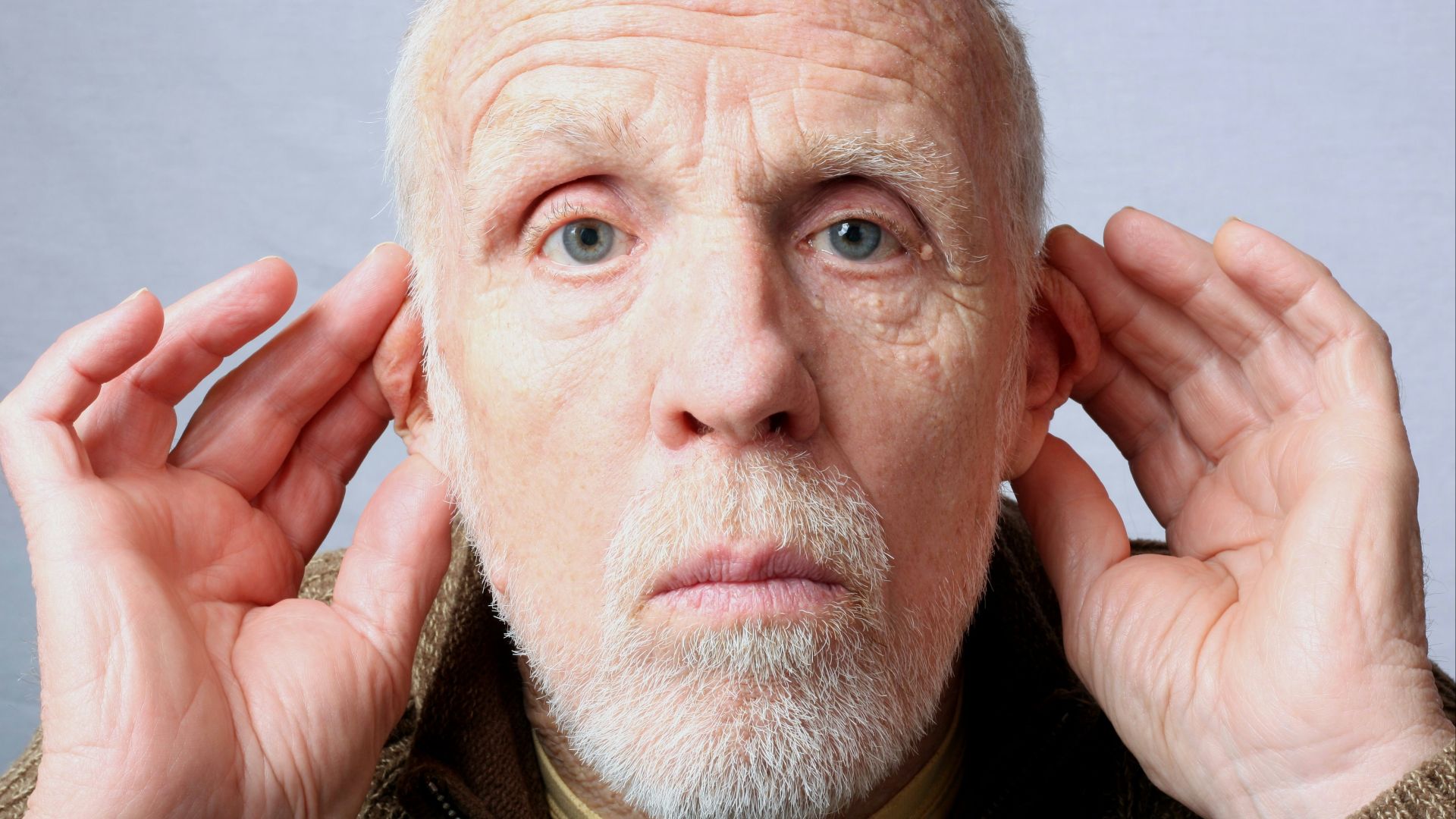
A lot of people wait years to address hearing loss, partly out of vanity and partly because it happens so gradually that it's easy to adjust around. Untreated hearing loss has been linked to a higher risk of cognitive decline, likely because the brain works harder to fill in the gaps. A hearing aid isn't just about conversations at dinner, it's about keeping the brain engaged the way it's used to.
8. Brushing Off A Stumble Or Near-Fall
A near-miss on the stairs or a wobble getting out of the car often gets laughed off instead of flagged. Balance issues are frequently tied to weakening muscles, inner ear changes, or medication side effects, all of which can be addressed before an actual fall happens. Doctors would rather talk about balance now than set a broken hip later.

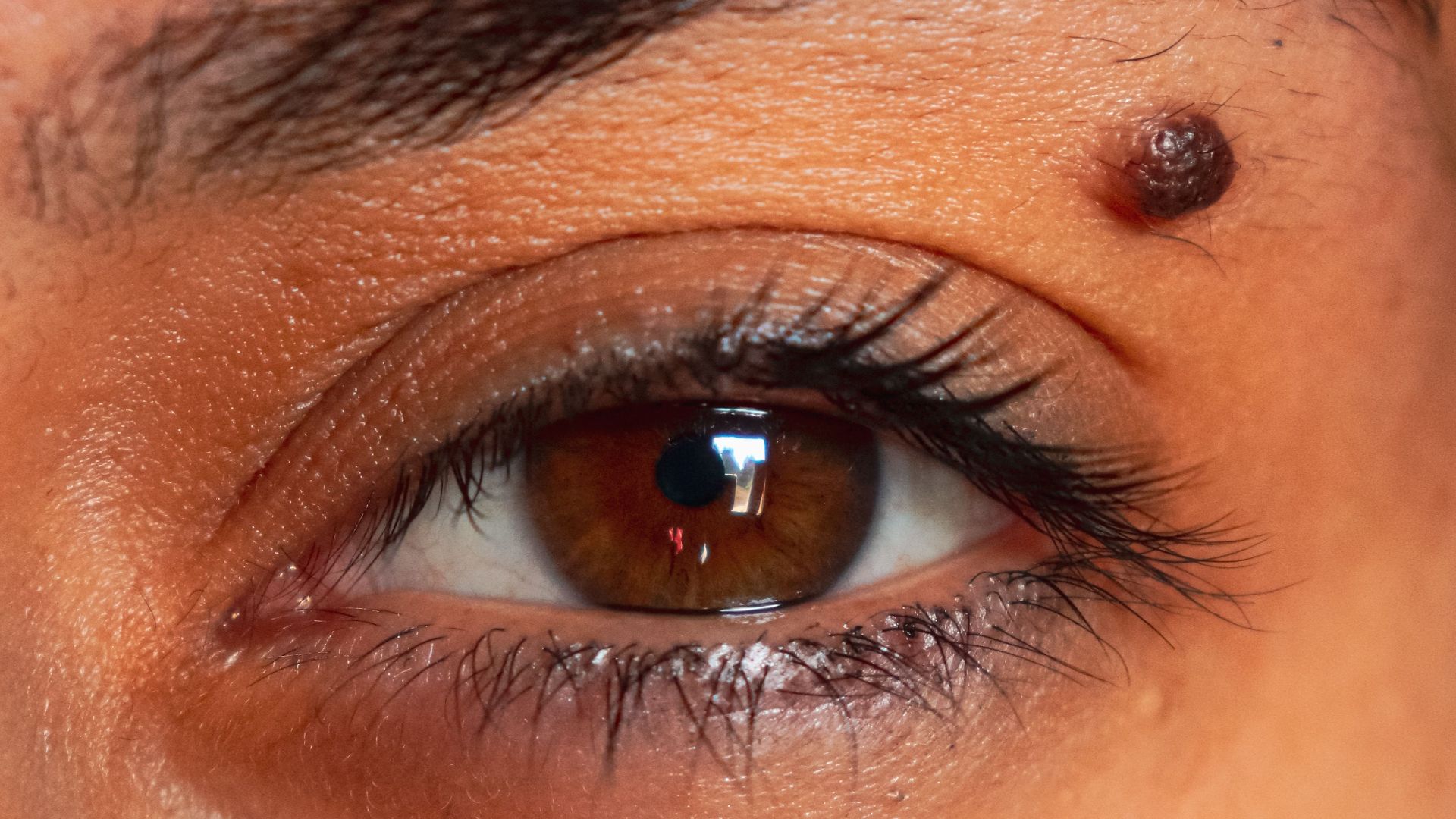
9. A Mole Or Spot That "Probably Hasn't Changed"
Skin changes get missed constantly, partly because nobody can see their own back and partly because a slow change is hard to notice day to day. Doctors look for asymmetry, uneven borders, multiple colors, or anything growing, and a yearly skin check catches the kind of thing a mirror never will. Melanoma caught early is highly treatable, but that window doesn't stay open forever.
10. Constant Fatigue Written Off As Normal Aging
Feeling tired sometimes is normal, but feeling drained every single day isn't something to just accept as the new baseline. Anemia, thyroid problems, sleep apnea, and depression can all show up first as exhaustion that nothing seems to fix. Doctors would rather investigate than have someone assume their energy is just gone for good.

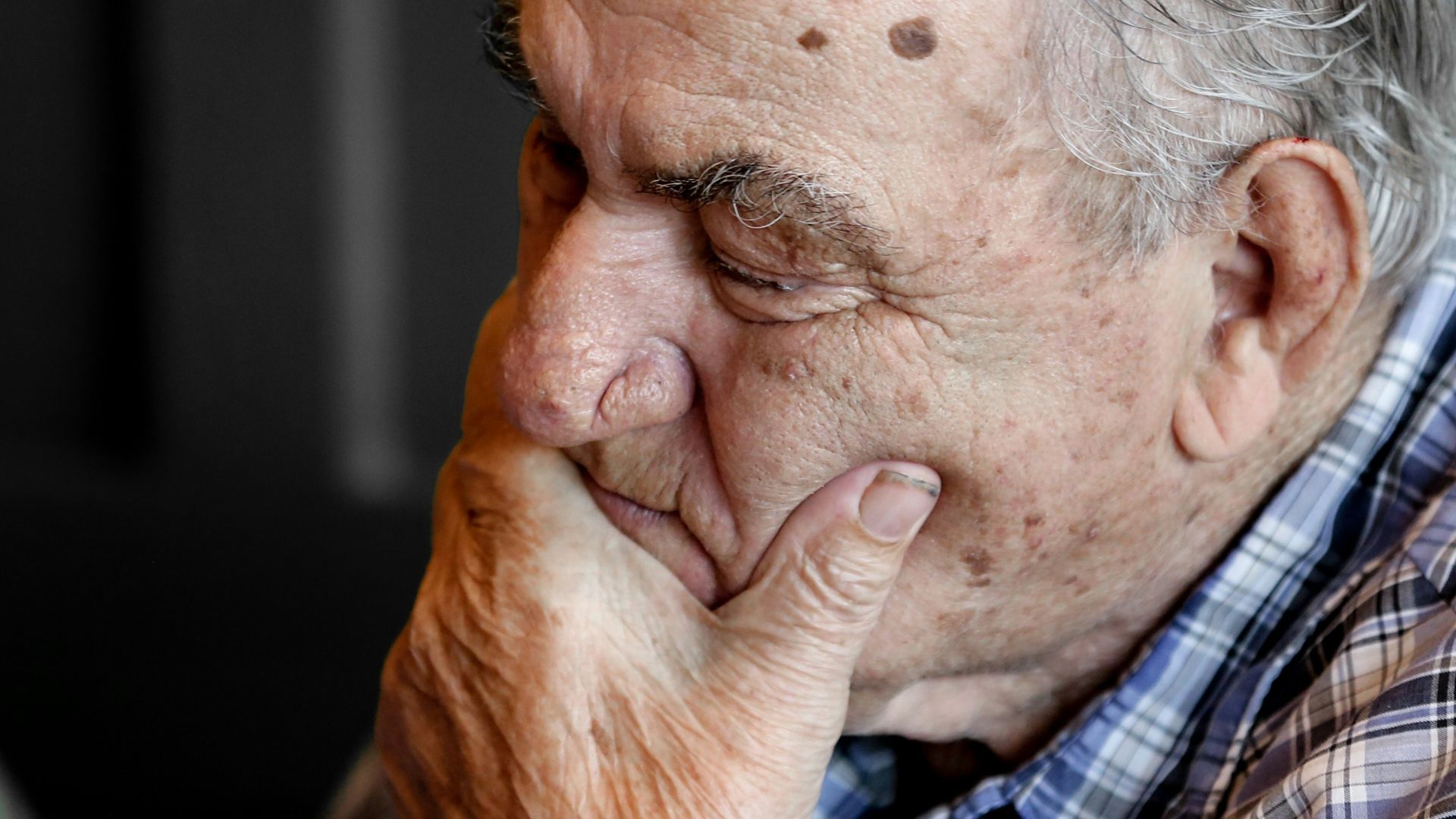
11. Memory Lapses That Get Explained Away
Misplacing keys is normal. Forgetting how to get home from a familiar place is not, and the line between the two gets blurred more than doctors would like. Bringing up memory concerns early allows for testing that can distinguish ordinary forgetfulness from something that actually needs attention. Waiting rarely makes that conversation easier.
12. A Medication List Nobody's Reviewed In Years
Prescriptions pile up over the decades, often from different doctors who aren't talking to each other, and the interactions between them can cause real problems. A yearly medication review catches duplicate drugs, outdated dosages, and combinations that might be causing dizziness or fatigue nobody's connected to the pills. Bringing the actual bottles to an appointment works better than trying to remember them all.

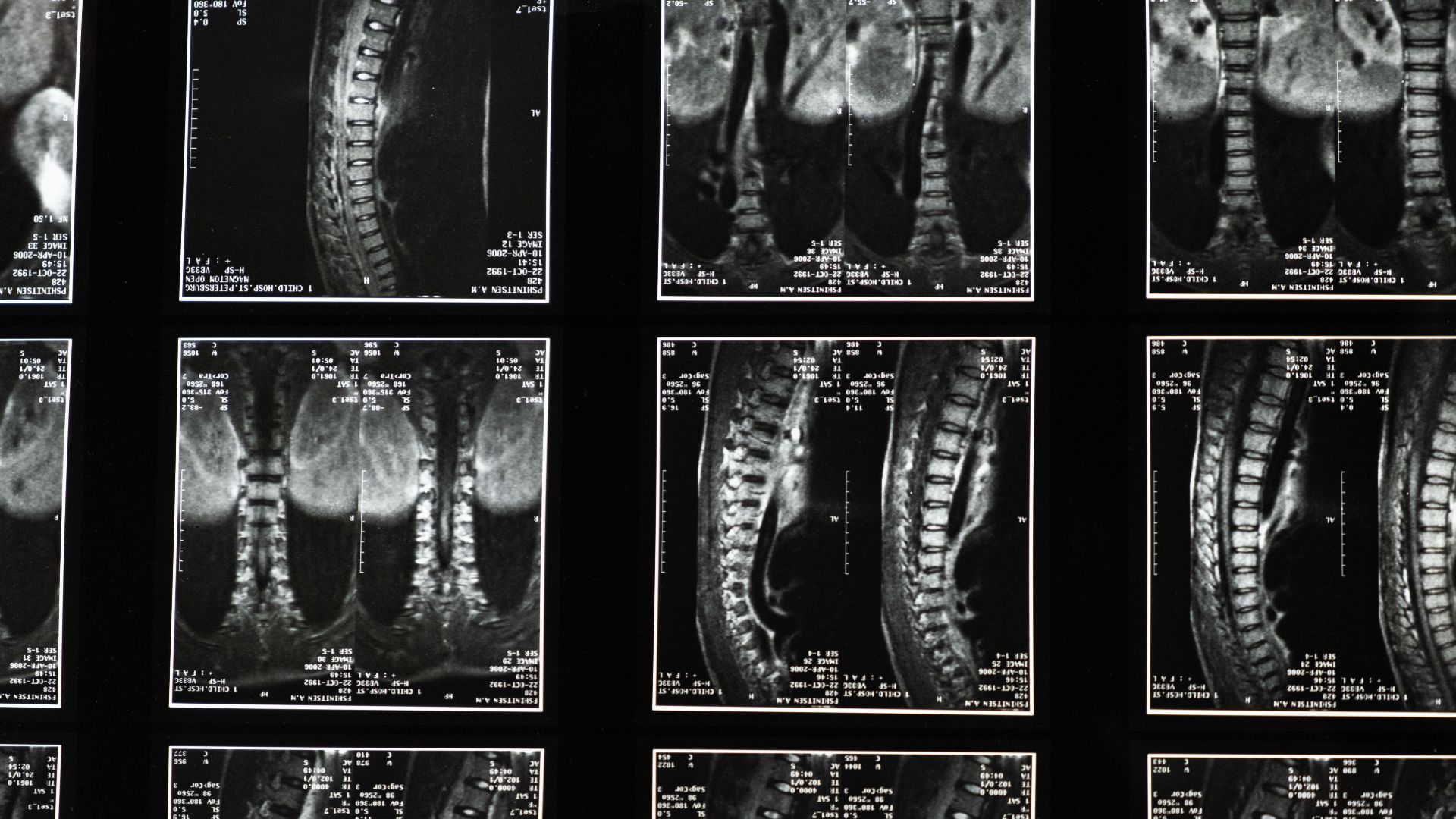
13. Never Getting A Bone Density Scan
Bone loss doesn't hurt until a bone actually breaks, which is exactly why it goes unnoticed for so long. Screening is recommended for women starting at 65 and for men around 70, or earlier with risk factors like a family history or long-term steroid use. Catching low bone density early means treatment can start before a fall turns into a fracture.
14. Skipping The Shingles Vaccine
A lot of people put this one off, assuming shingles is just an unpleasant rash rather than something that can cause long-term nerve pain. The vaccine is recommended starting at 50, and recent research has even linked it to a lower risk of dementia down the line. It's one of the easiest boxes on this whole list to check off.

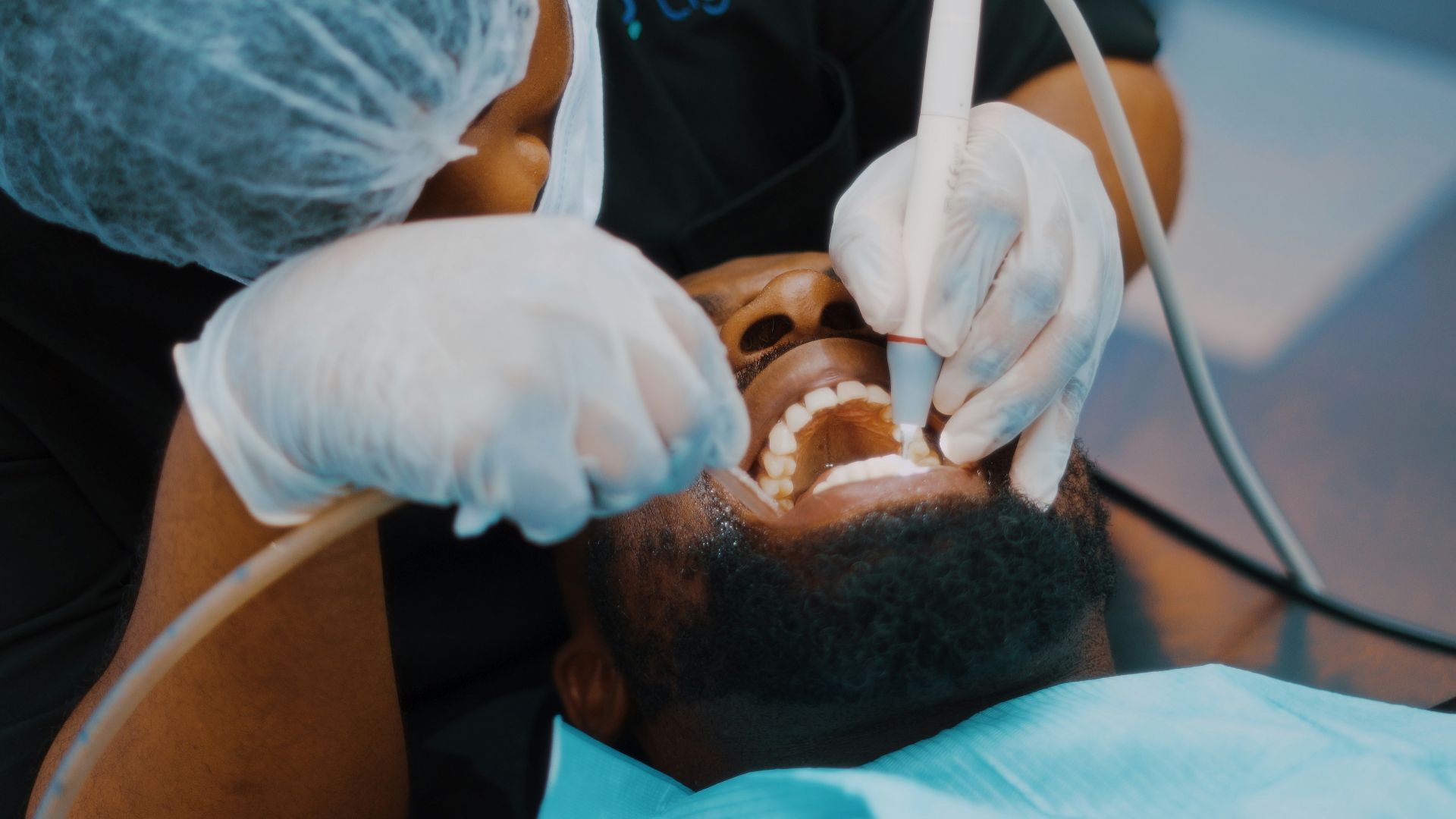
15. Ignoring Bleeding Gums Or Skipping The Dentist
Gum health gets treated as separate from the rest of the body, but doctors increasingly see the connection between oral inflammation and cardiovascular disease. Bleeding gums, in particular, tend to get dismissed as just part of getting older instead of a sign worth addressing. A dental visit is cheaper and easier than the health problems that neglected gums can eventually feed into.
16. Letting Isolation Become The Default
Social isolation doesn't show up on a blood test, but doctors watch it affect everything from blood pressure to memory to overall mortality. Retirement, the loss of a spouse, or friends moving away can quietly shrink someone's world without anyone noticing it happening. Staying connected to people isn't a lifestyle preference at this stage, it's closer to a medical necessity.

17. Assuming Bad Sleep Is Just Part Of Getting Older
Waking up repeatedly through the night or feeling exhausted despite a full eight hours often gets accepted as an unavoidable part of aging. Sleep apnea becomes far more common after 50 and goes undiagnosed constantly, partly because the person snoring never hears it. Treating it well can improve heart health, mood, and energy more than most people expect.
 Kateryna Hliznitsova on Unsplash
18. Delaying The Eye Exam Because Glasses "Still Work Fine"
Vision changes gradually enough that people adapt without realizing how much they've lost. Conditions like glaucoma can quietly damage eyesight with no early symptoms at all, which is exactly why routine exams matter more than waiting until something looks blurry. Catching it early is the difference between manageable and irreversible.
 Hush Naidoo Jade Photography on Unsplash
19. Letting Strength Quietly Slip Away
Muscle mass declines steadily after 50, and without resistance training, that decline speeds up in ways that affect balance, mobility, and independence later on. A lot of people assume this is just what aging looks like rather than something they can actively slow down. Doctors consistently point to strength training, not just walking or cardio, as one of the most protective habits available at this age.

20. Writing Off Sadness As Just A Phase
Depression in older adults often looks different than it does in younger people, showing up as irritability, physical aches, or a general loss of interest rather than obvious sadness. Family members and even patients themselves tend to chalk it up to circumstances or aging rather than something treatable. Doctors would much rather hear "I haven't felt like myself" than have that feeling go unspoken for years.
KEEP ON READING

20 Ways Perimenopause Changes Fitness and Appetite


20 Unhealthy Obsessions People Have

20 Gut-Friendly Fermented Foods For Everyday Meals