
Supporting Strong Bones Through Everyday Choices
It doesn't matter how old you are, calcium remains an important mineral you need for your entire life because it's what keeps your bones healthy while also supporting muscle and nerve function. As you age, it's important that you pay attention to your nutrition more than ever, and calcium is just one of the many things to keep an eye on. If you're struggling to maintain your intake, here are 20 ways for you as a senior to get more calcium.

1. Drink a Glass of Milk
The easiest way to increase your calcium intake without needing to prepare a full meal is to drink a glass of milk. Have it with breakfast, before bed, or with a snack, however you like! You can even opt for low-fat and fat-free varieties to get your calcium while keeping saturated fat intake lower.

2. Add Yogurt to Breakfast
Perfect for seniors with sensitive teeth, a serving of yogurt isn't just easy to swallow, but it can make breakfast more filling and enjoyable while you intake some added calcium. To make it taste better, you can combine it with berries, oats, or other chopped fruit for added health benefits, too.

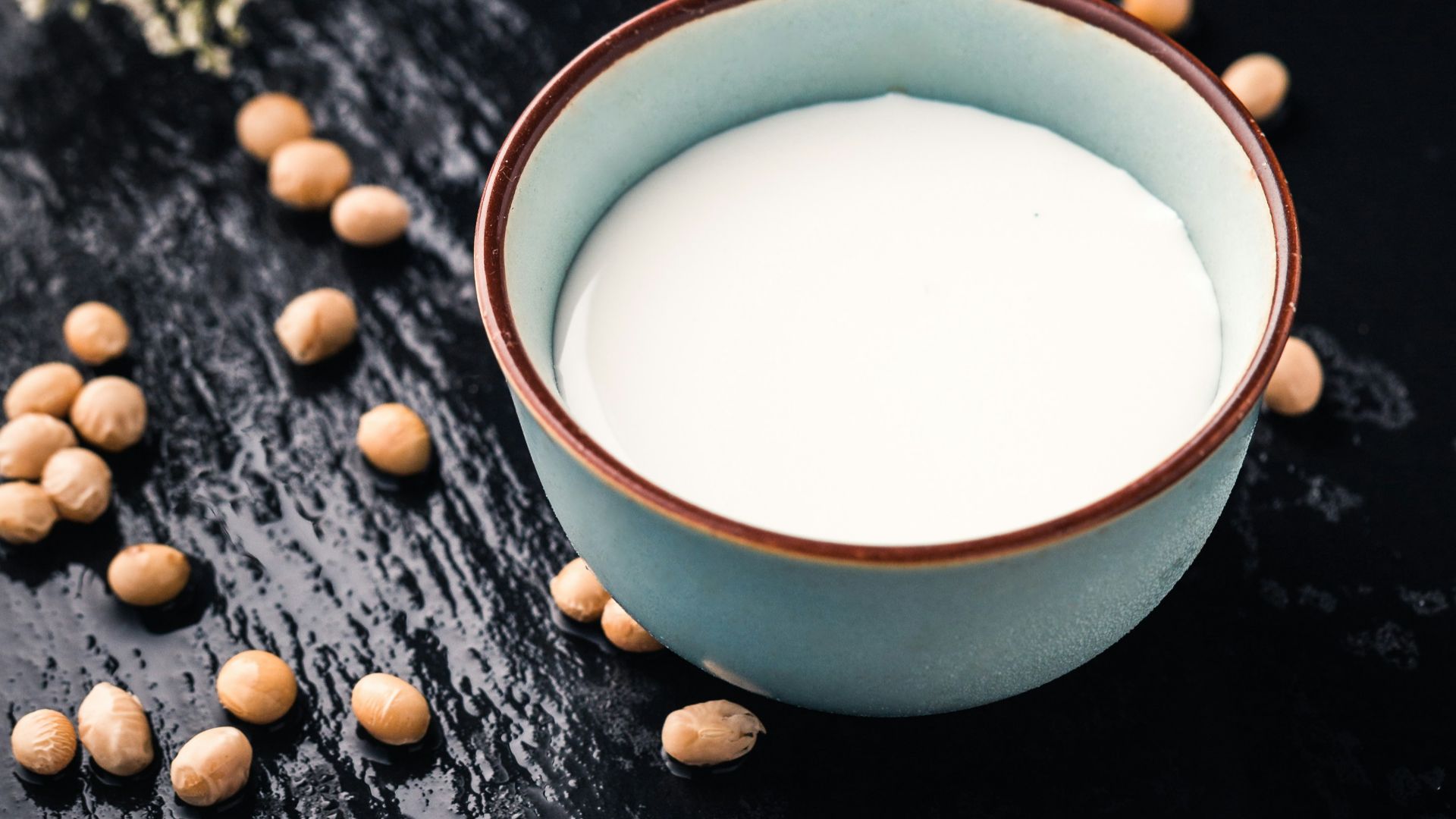
3. Choose Calcium-Fortified Plant Milk
And hey, if you can't drink regular milk, you can always opt for fortified soy, almond, oat, and other plant-based beverages to provide you with calcium! Just make sure you shake the container before pouring because some of the added calcium may settle at the bottom.
4. Include Cheese in Small Portions
Cheese can increase calcium intake while adding flavor to sandwiches, salads, eggs, and cooked vegetables, as long as you enjoy it in moderation. Since some varieties contain plenty of sodium and saturated fat, you need to be careful how much you use if you want to enjoy the benefits.

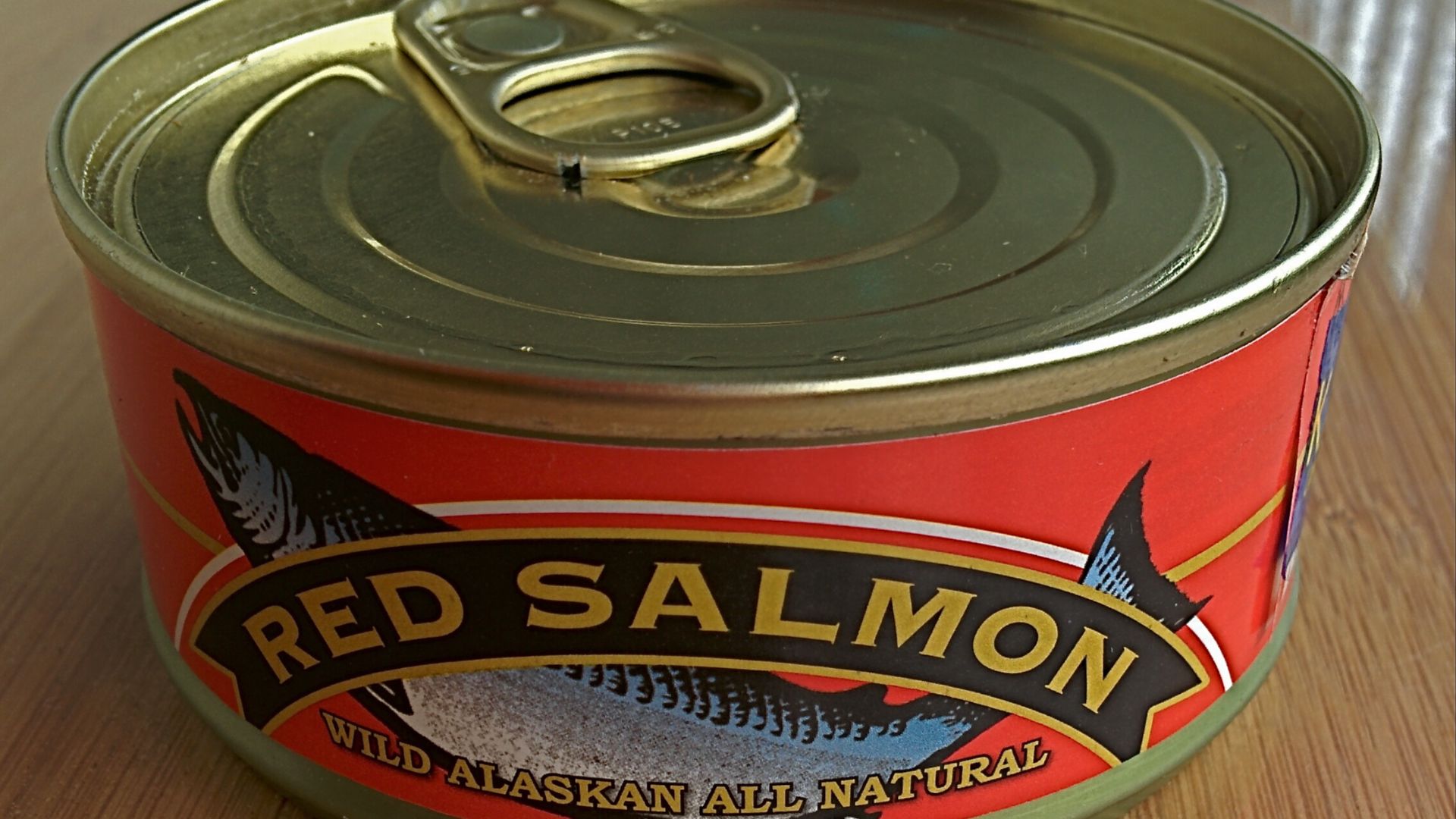
5. Eat Canned Salmon With the Bones
It might sound a bit baffling at first, but canned salmon contains soft, edible bones that can be a valuable source of calcium and protein. The bones are usually tender enough to mash into the fish, especially when making salmon patties or sandwich filling, so it is senior-friendly too!
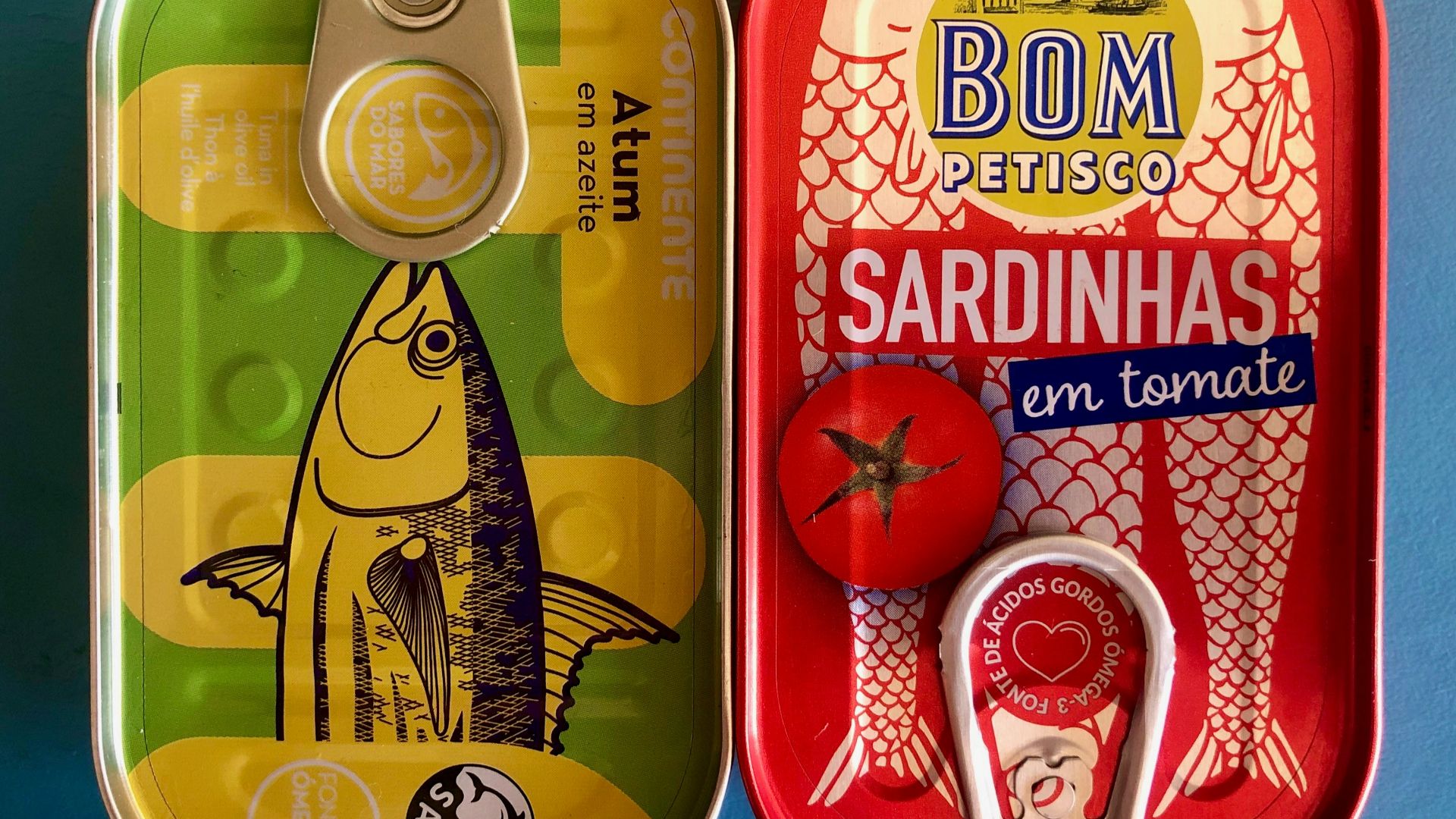
6. Try Canned Sardines
Another good canned fish option to try is canned sardines; these are convenient because their small, soft bones can also be eaten safely so that seniors don't have to worry. They might be strong in flavor, but they actually work well on whole-grain crackers, in salads, or alongside vegetables if you get over it.
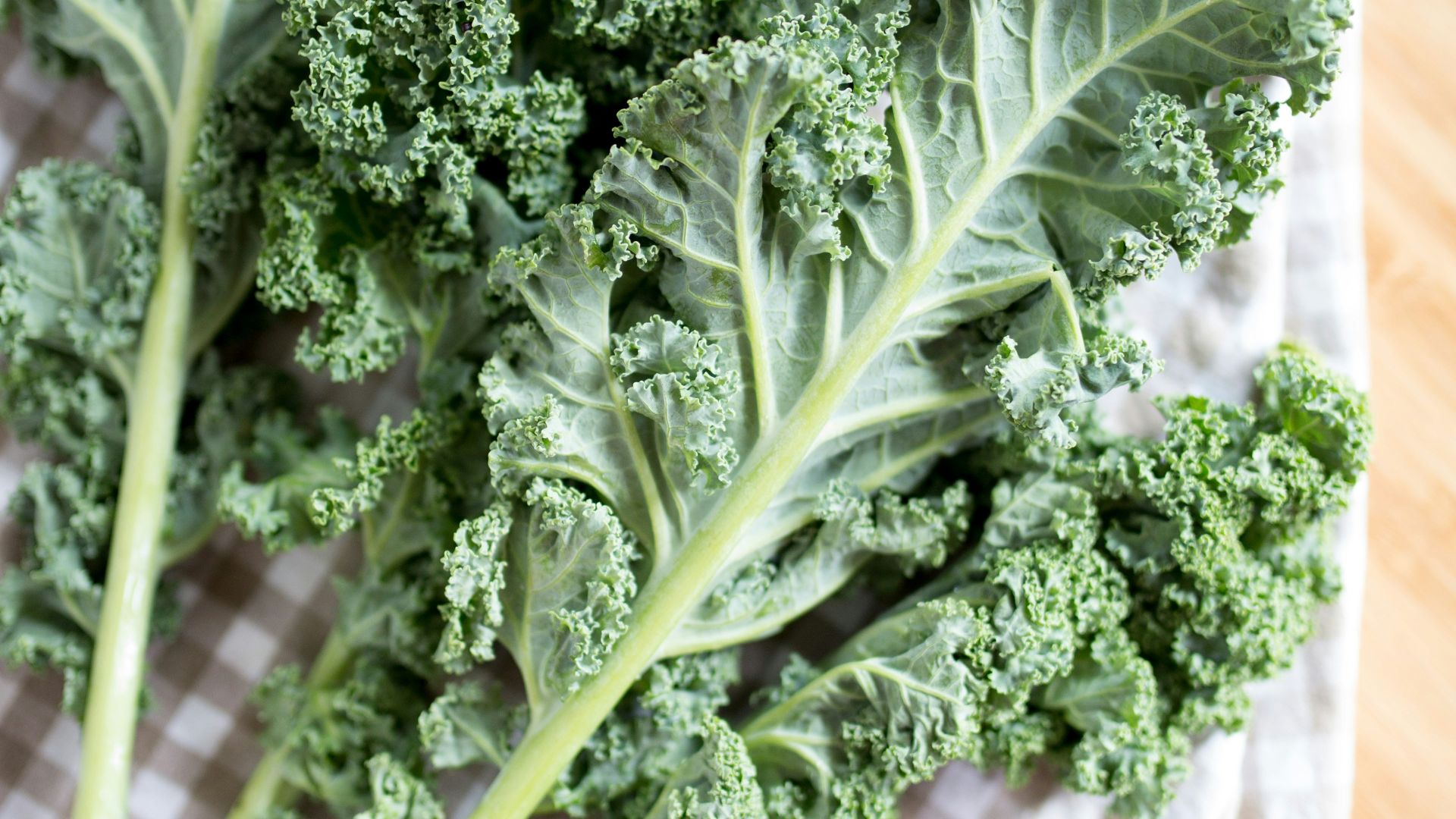
7. Serve More Kale
For a good source of plant-based calcium, kale is an excellent choice that also offers fiber and several other important vitamins. You can sauté it until tender, add it to soup, or blend a small amount into a smoothie if you're not a fan of eating it raw in salad.
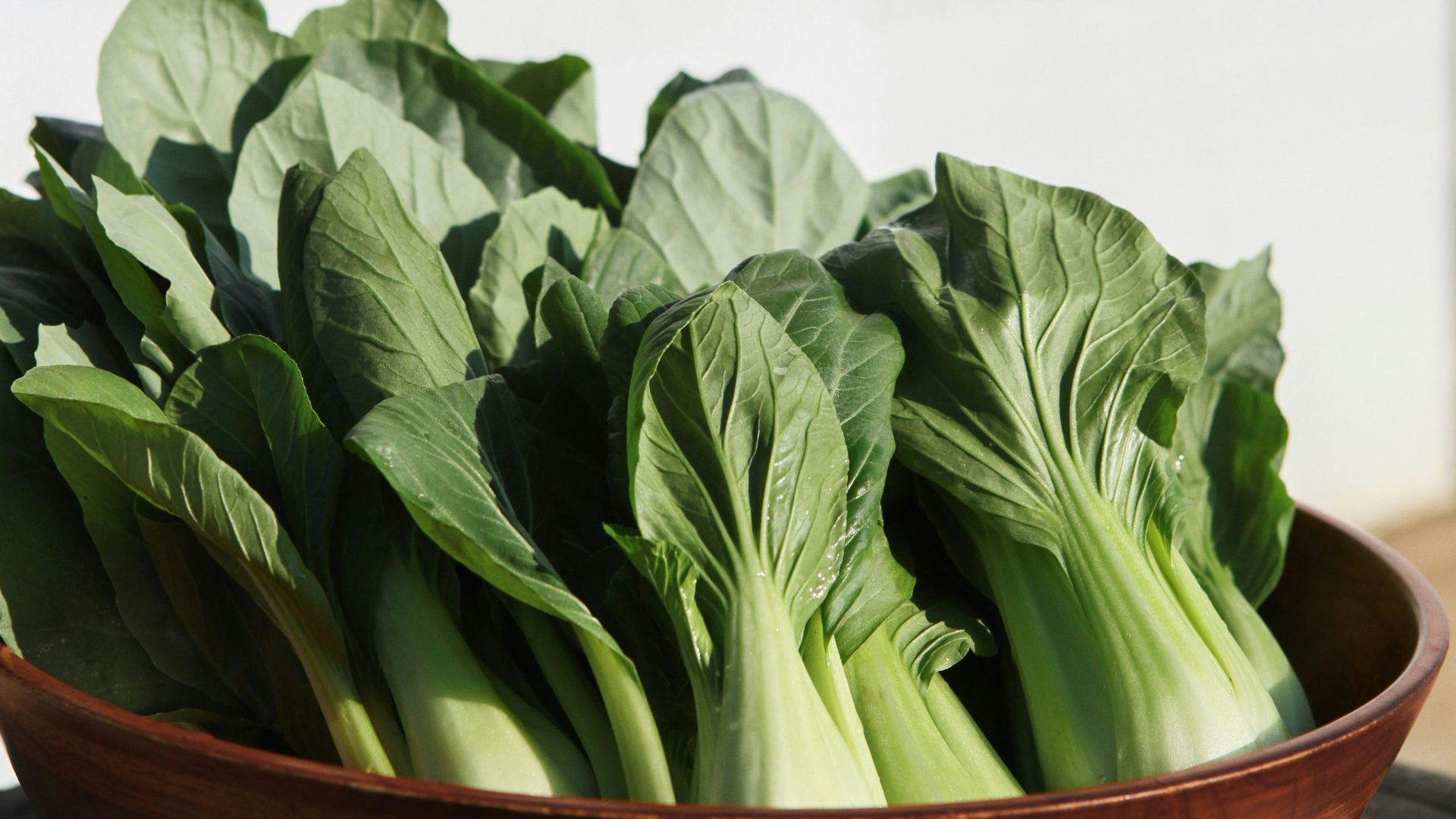
8. Cook With Bok Choy
Bok choy is a popular Asian leafy green that's also a calcium-containing vegetable with a mild taste and soft texture once cooked. It tastes delicious chopped into soups, stir-fries, or noodle dishes for an easy nutritional boost.
9. Add Broccoli to Regular Meals
Broccoli might not be the highest source of plant-based calcium, but it is healthy and adding it into your regular meals can definitely give you a little boost. It also contributes fiber and vitamin C, which is a nice bonus! Steaming or roasting it can create a more tender texture that's easier on the teeth.
 Tyrrell Fitness And Nutrition on Unsplash
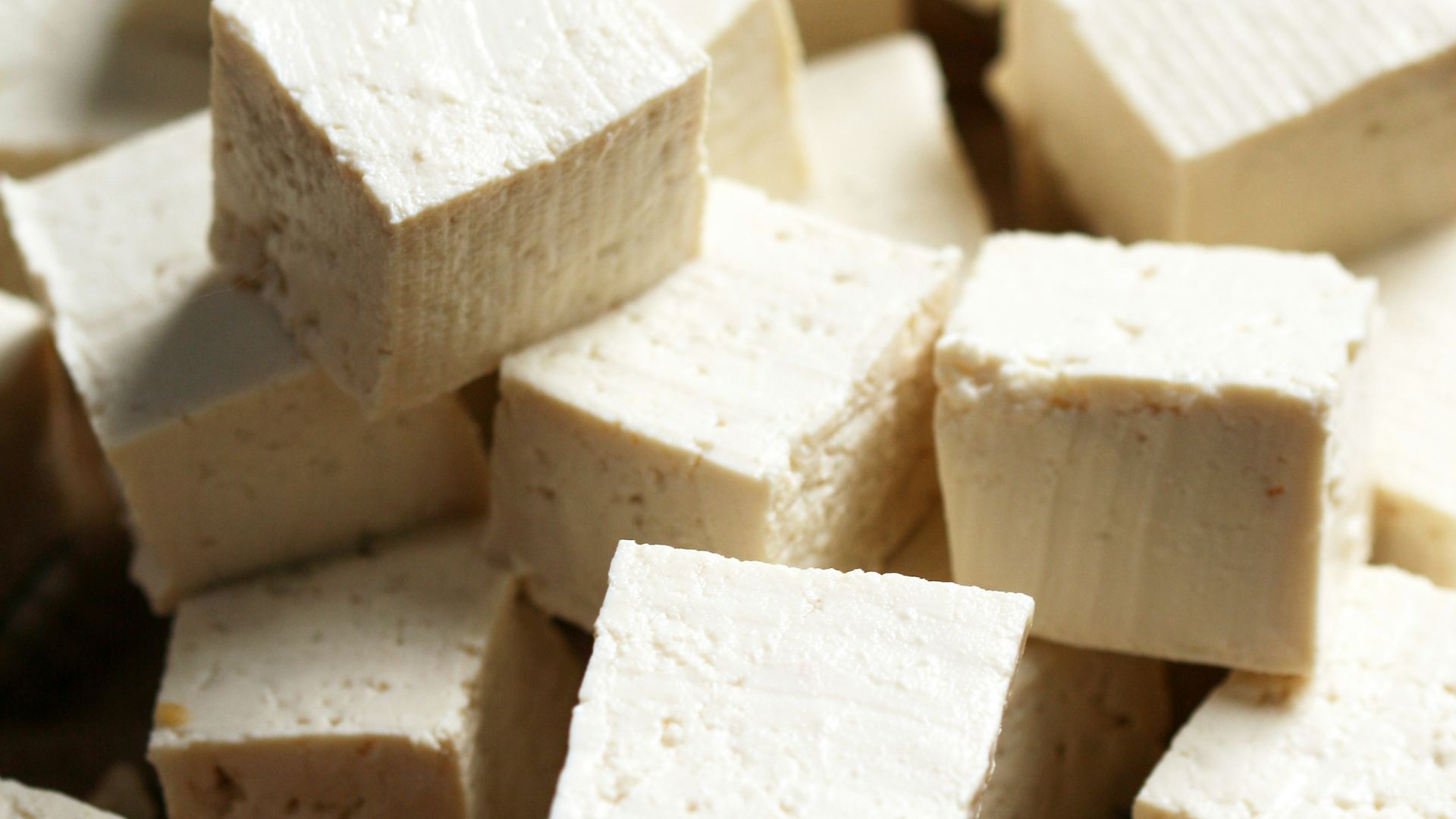
10. Buy Calcium-Set Tofu
Some types of tofu are made with calcium salts and can contribute a significant amount. The exact calcium content differs widely, so definitely check the ingredient list and nutrition panel before purchasing it. With its incredibly soft texture, it's perfect both for calcium and protein for seniors.
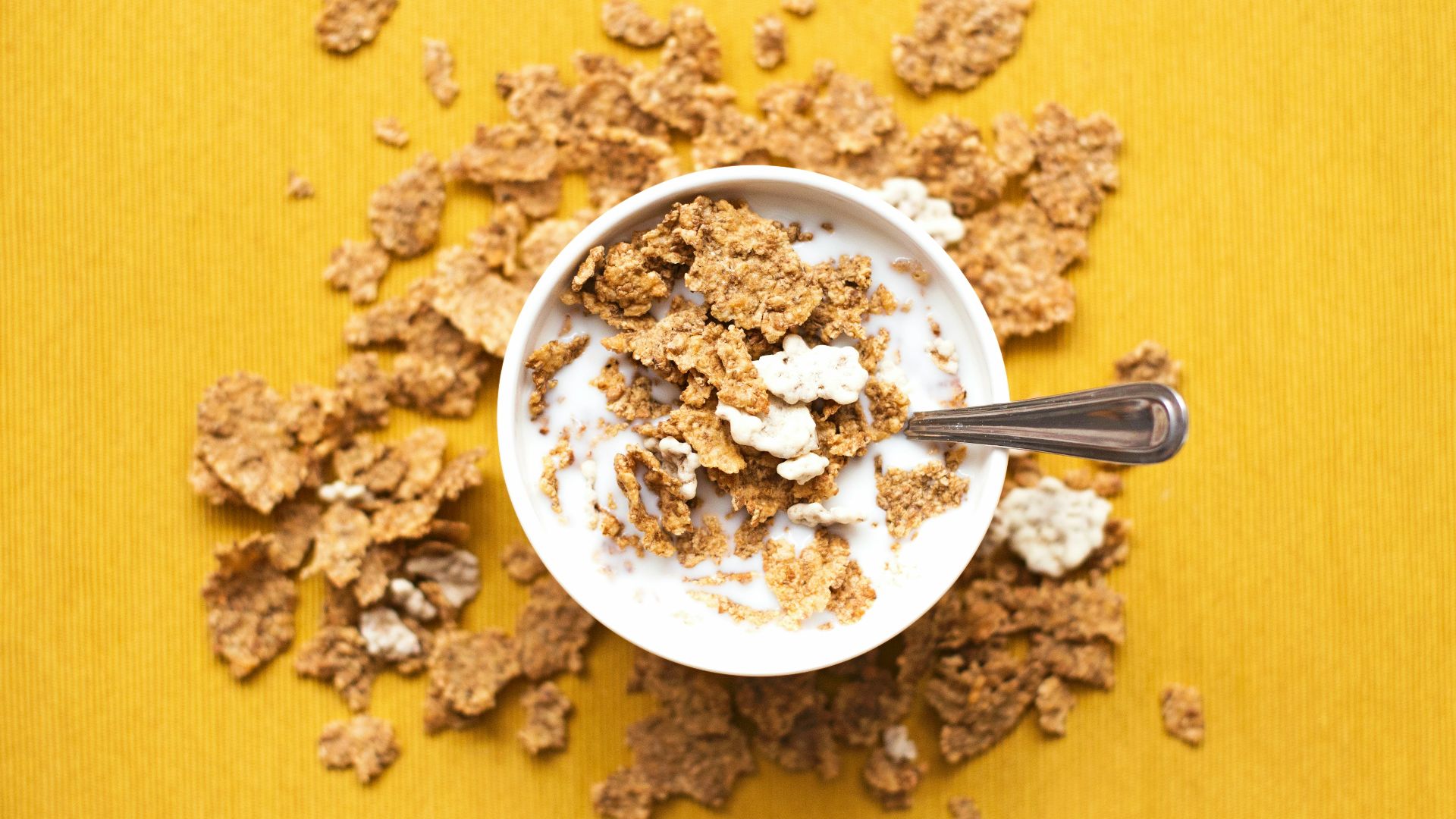
11. Select Fortified Breakfast Cereal
Most seniors already love a good bowl of cereal in the morning because it's easy and hassle-free, so doing some extra research and finding higher-calcium varieties can be a practical option. Pair it with milk or a fortified plant beverage and you're suddenly increasing your calcium intake by a ton!
12. Check for Fortified Orange Juice
Some orange juices are fortified with calcium and vitamin D, though you have to carefully read the label because ordinary juice typically contains very little calcium. As long as you drink it in moderation, it's a quick and easy way for seniors to up their calcium a bit.

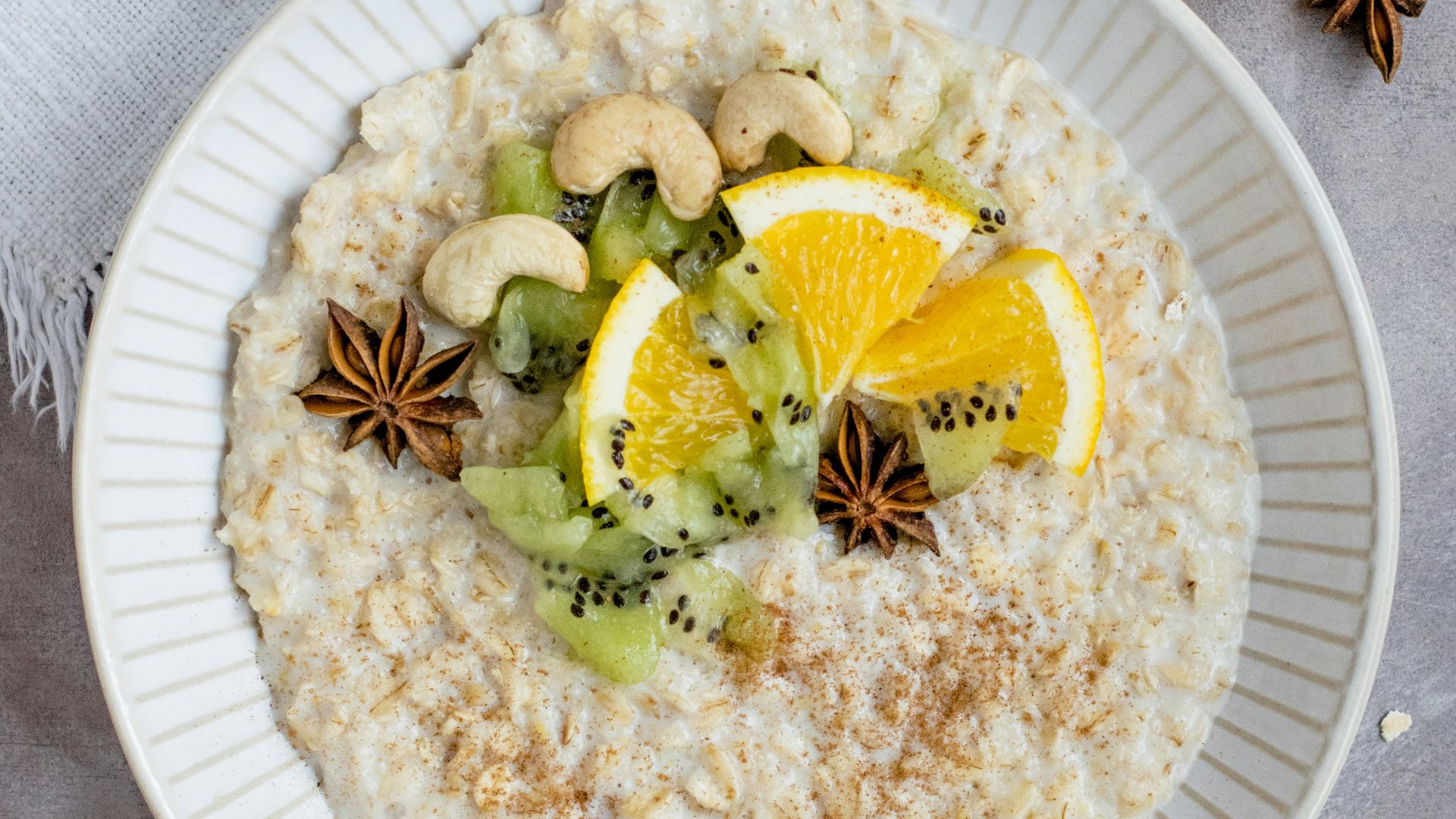
13. Use Milk When Making Oatmeal
Many seniors already adore oatmeal as part of their regular diet, so a simple way to up their calcium intake is to cook them with milk or a fortified plant beverage instead of water. You're not increasing the size of the meal or making it more difficult to eat, you're simply improving both the calcium quality and the taste!
14. Prepare Creamy Soups With Milk
Instead of using cream in homemade soups, you can use milk to replace all or some of it! Not only does it make it healthier as a whole, but it's a simple way to boost a senior's calcium intake without really changing anything. This trick works particularly well in potato, cauliflower, broccoli, and vegetable soups; you won't even notice the change!

15. Snack on Cottage Cheese
Cottage cheese is soft, easy to serve, and suitable for either sweet or savory snacks. Sounds like three things seniors love! Pair it with peaches, tomatoes, cucumber, or whole-grain toast depending on your preferences, but just be wary that sodium levels can be high in some brands.

16. Make a Fruit Smoothie
A smoothie made with milk, yogurt, or a fortified dairy alternative can provide calcium in an easy-to-consume form that also tastes delicious. This may be especially useful for seniors who have a limited appetite or find some solid foods difficult to chew.

17. Add Powdered Milk to Recipes
Nonfat powdered milk can also raise the calcium and protein content of foods without greatly changing their flavor. You can stir it into oatmeal, mashed potatoes, soups, casseroles, or homemade baked goods, and you likely won't even notice.
18. Choose Calcium-Rich Snacks
It's important to be mindful of your snacking habits, even as you get older. Instead of mindlessly eating just to satisfy your cravings, snacks provide a good opportunity for seniors to up their calcium intake. Picking healthy options like yogurt, cheese with crackers, and more can all be great choices.

19. Read Nutrition Labels
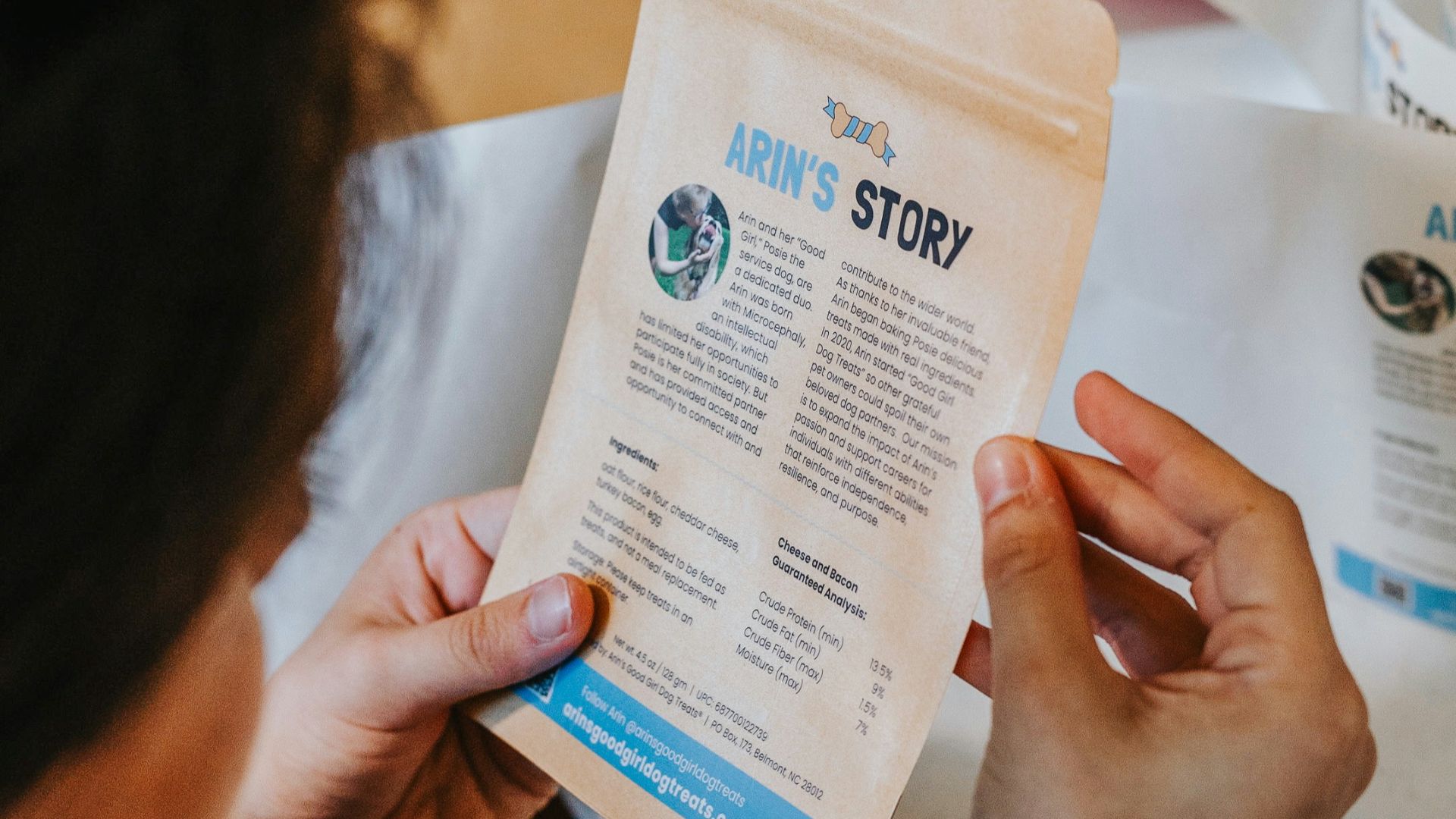
Nutrition labels play an important role in helping you compare similar products so you can find the best options with more calcium. Pay attention to serving sizes though, because the listed amount may be based on a smaller portion than you normally eat.
 Arins Good Girl Dog Treats on Unsplash
20. Discuss Supplements With a Healthcare Professional
Sometimes, when food isn't enough, a calcium supplement can be recommended by a healthcare professional. Because supplements can cause side effects or interact with other medications seniors already take, it's important to reach out for help so you can get the right type and amount.
 Supliful - Supplements On Demand on Unsplash
KEEP ON READING



20 Natural Ways You Can Boost Your Immune System

20 Ways To De-stress & Relax After Work

The 10 Most Common Diseases & The 10 Most Rare