Two Organs You Can’t Live Without
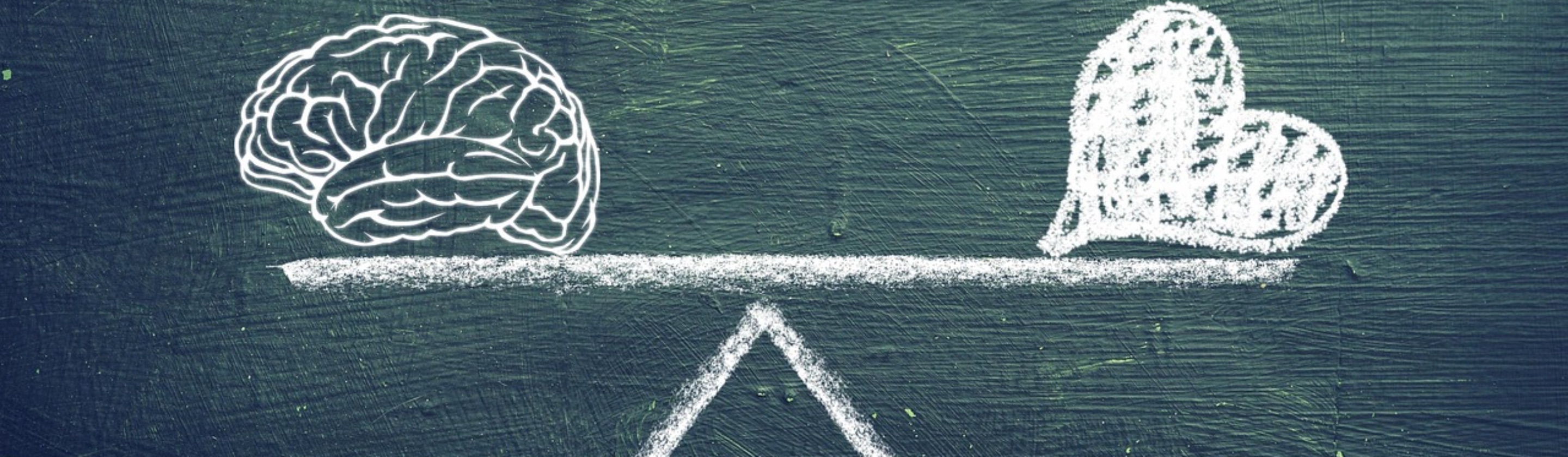
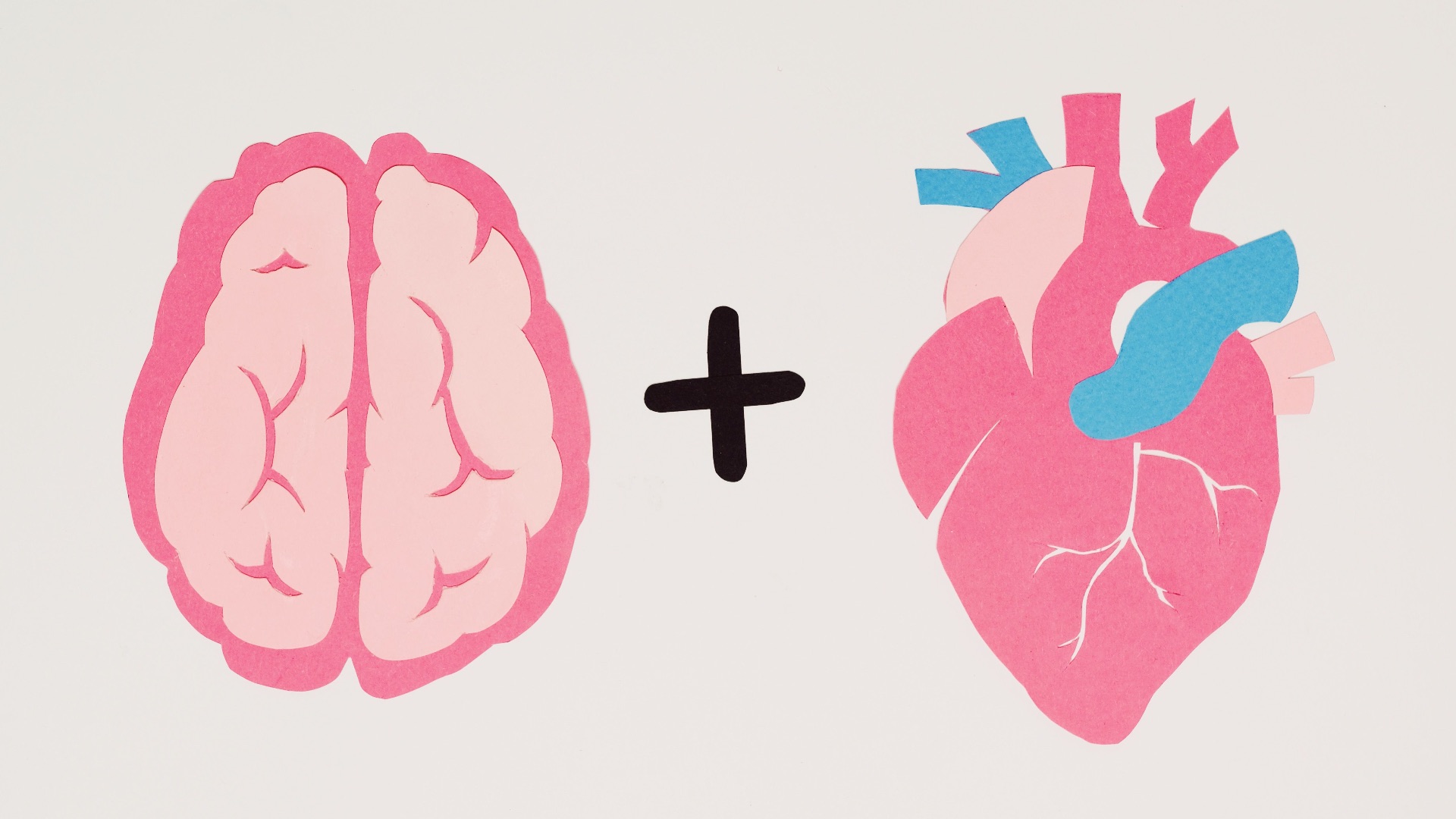
Your body runs on teamwork, but that doesn't stop two of its biggest players from competing for the title of most essential organ. After all, you wouldn't be able to live without either of them: the brain helps regulate essential functions in your body while your heart supplies blood and oxygen to keep you alive. But is one more important than the other? Let's settle this debate once and for all: here are 10 reasons the brain holds the crown, followed by 10 reasons the heart might actually reign king.
1. It Controls Every Single Thing You Do
Your brain sends out the signals that tell your muscles when to move, your lungs when to breathe, and your eyes when to blink. Without it, none of your body's other systems would know how to function properly, since they all rely on constant instructions from this central command center. Even actions that feel automatic, like walking or typing, require an incredible amount of brain activity working behind the scenes.

2. It Stores Your Entire Life Story
Every memory you have, from your first day of school to what you had for breakfast, lives inside your brain. Scientists estimate the human brain can hold an almost unlimited amount of information, though how it organizes and retrieves those memories remains a bit of a mystery. This storage capacity is part of what makes each person's experience of the world so distinct from everyone else's.

3. It Processes Information Faster Than Any Computer
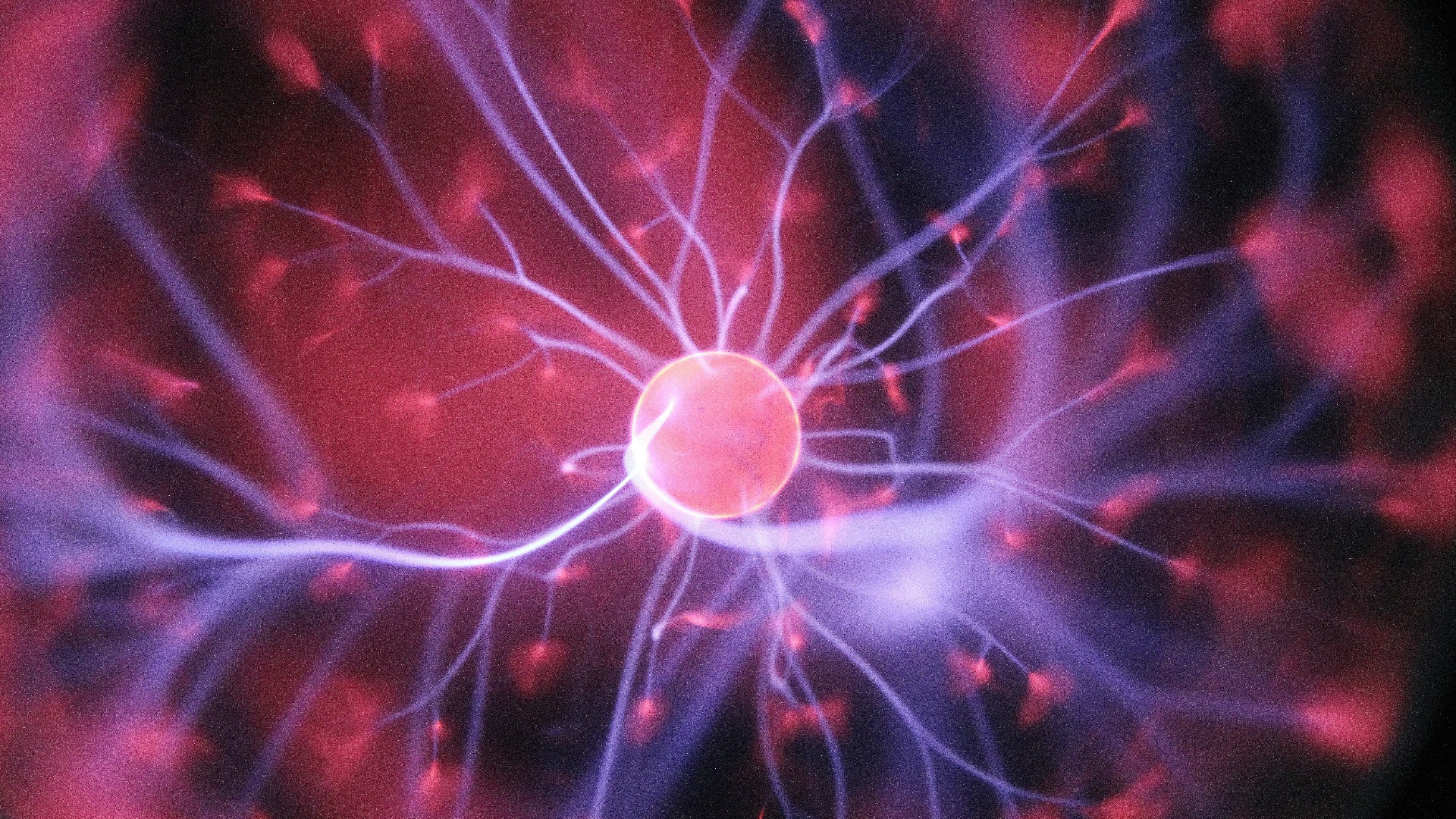
Neurons in your brain can fire signals to each other in a fraction of a second, allowing you to react to danger, catch a ball, or answer a question almost instantly. This speed comes from a network of roughly 86 billion neurons, all communicating through electrical and chemical signals simultaneously. Engineers have spent decades trying to build computers that can match this kind of processing power, and they still haven't fully succeeded.
4. It Regulates Your Emotions
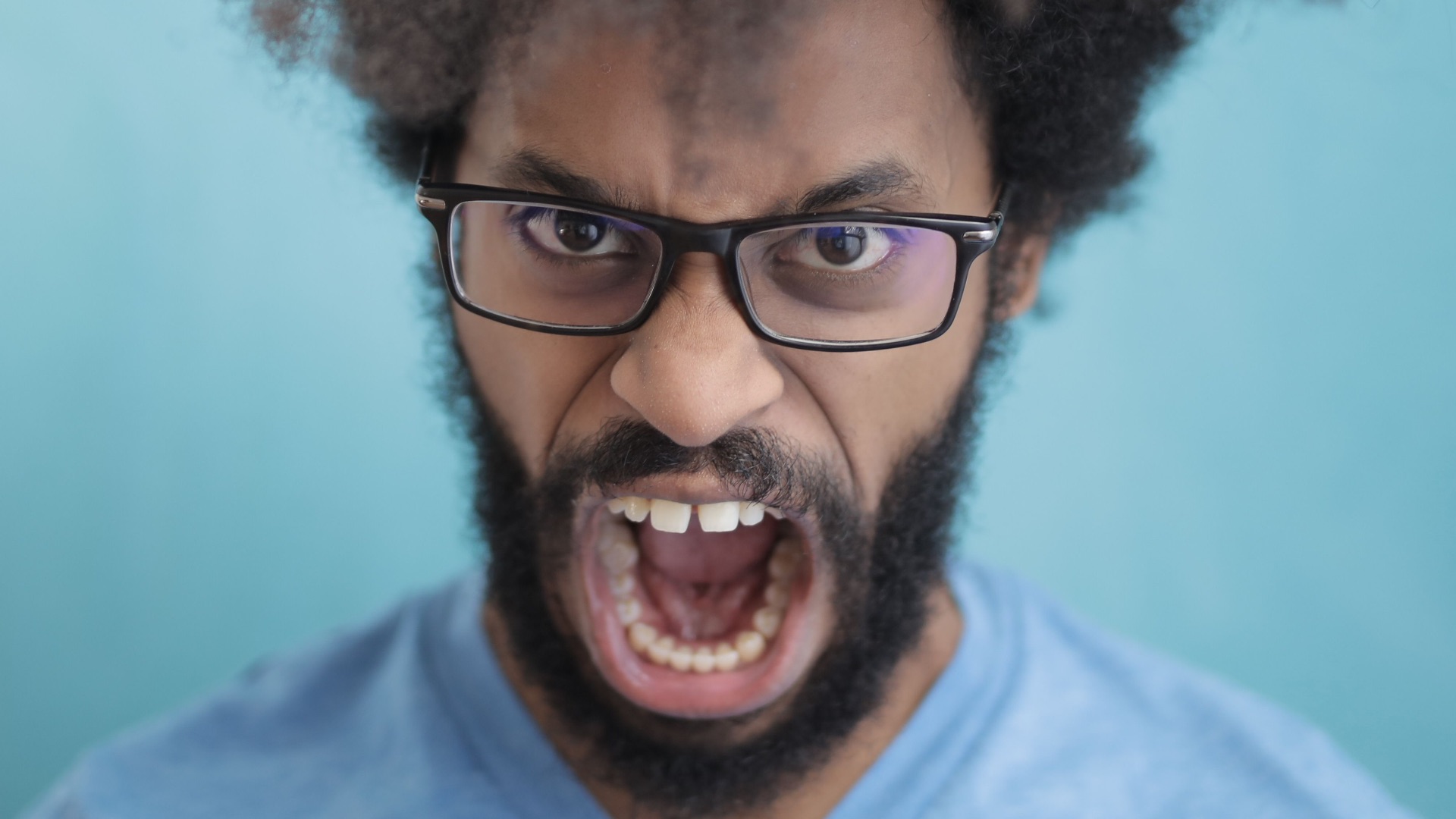
Feelings like happiness, anger, and fear all originate in specific regions of your brain, particularly the amygdala and prefrontal cortex. These areas work together to help you interpret situations and decide how to respond, which is why brain injuries can sometimes lead to dramatic personality changes. Understanding this connection has helped researchers develop better treatments for conditions like anxiety and depression.
5. It Never Actually Stops Working
Even while you're asleep, your brain stays active, sorting through memories, repairing cells, and running essential background processes. This is part of why a full night's rest matters so much for your overall health and cognitive function. Your brain simply doesn't get a day off, unlike most of your other organs, which can slow down or pause certain activities during rest.

6. It Adapts and Changes Throughout Your Life
Thanks to something called neuroplasticity, your brain can rewire itself in response to new experiences, learning, or even injury. This means you can pick up new skills at any age, and people recovering from strokes often regain lost abilities as their brains form new pathways. It's a remarkable feature that keeps the brain from becoming static or fixed the way many people assume it is.

7. It Manages Your Five Senses
Your brain takes raw sensory input, like light hitting your eyes or sound waves reaching your ears, and turns it into something you can actually understand and use. Different regions specialize in processing each sense, then combine that information to give you a complete picture of your surroundings. Without this constant translation work, the world around you would just be a jumble of meaningless signals.
8. It Houses Your Personality
Who you are as a person, including your quirks, preferences, and sense of humor, comes down to the unique structure and chemistry of your brain. Studies on identical twins raised apart have shown just how much brain wiring can shape individual identity, even when genetics are the same. This makes the brain arguably the most personal organ in your entire body.

9. It Can Learn New Languages and Skills at Any Age
Contrary to old beliefs that learning ability declines sharply after childhood, research now shows adults can still acquire new languages, instruments, and skills well into old age. This happens because the brain continues forming new neural connections throughout life, not just during childhood development. People who challenge their brains regularly with new activities often show better cognitive health as they age.
10. It's the Command Center for Every Other Organ
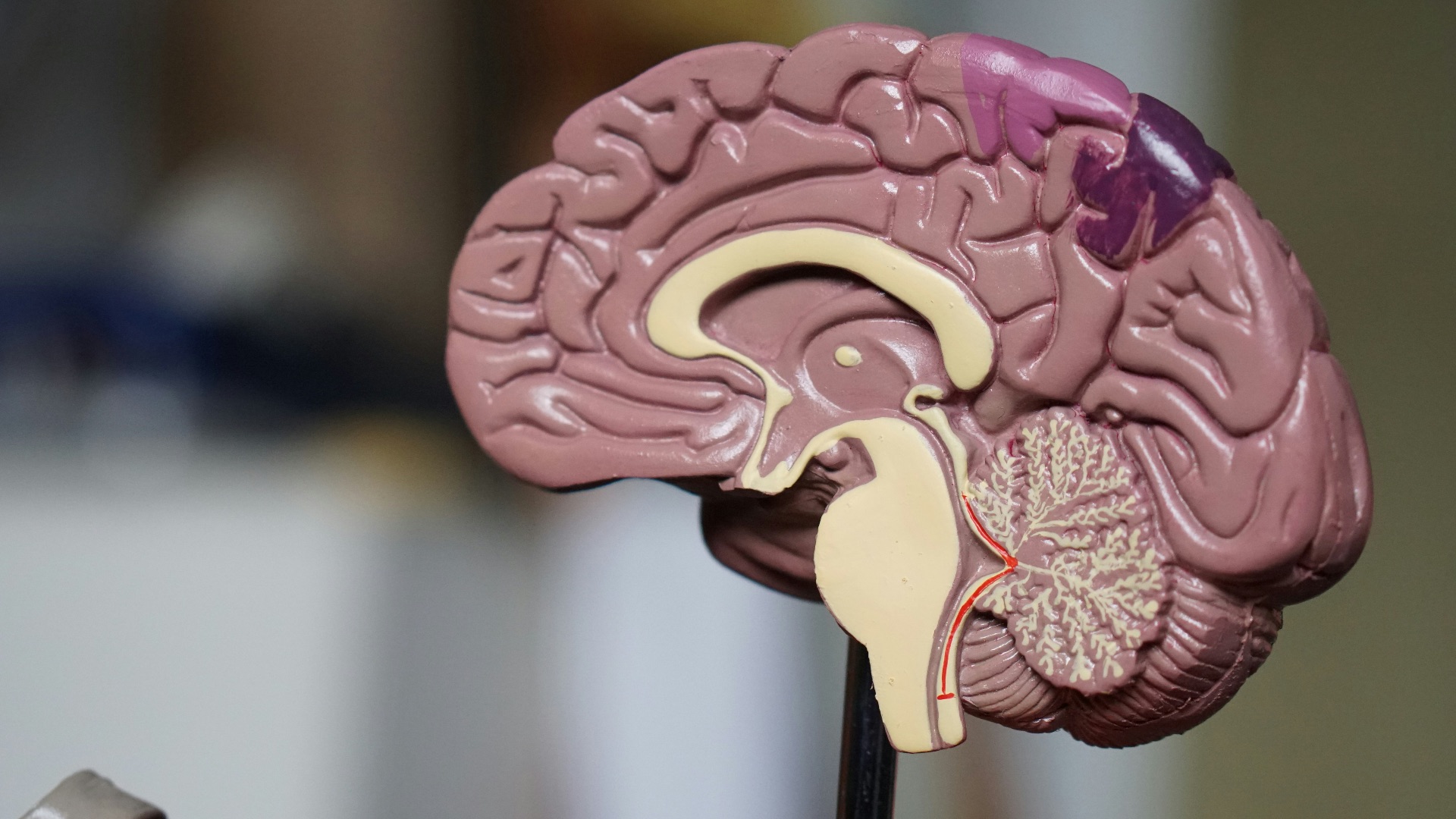
Ultimately, every organ in your body, including the heart, depends on signals from your brain to function correctly. Your brainstem alone regulates your heartbeat, breathing, and blood pressure without you ever having to think about it. This built-in oversight role is a big part of why so many people consider the brain the most important organ of all.
Now that you've seen the brain's best arguments, it's time to give the heart a chance to make its case. As it turns out, this hardworking muscle has some pretty compelling reasons why it shouldn't be overlooked.
1. It Started Working Before Your Brain Even Formed
Your heart begins beating around six weeks into pregnancy, well before most other organs, including the brain, have fully developed. This early start shows just how essential cardiac function is to keeping the rest of your body alive from the very beginning. Without that first heartbeat, none of your other organs would ever get the chance to grow and mature.

2. It Pumps Blood to Literally Everything
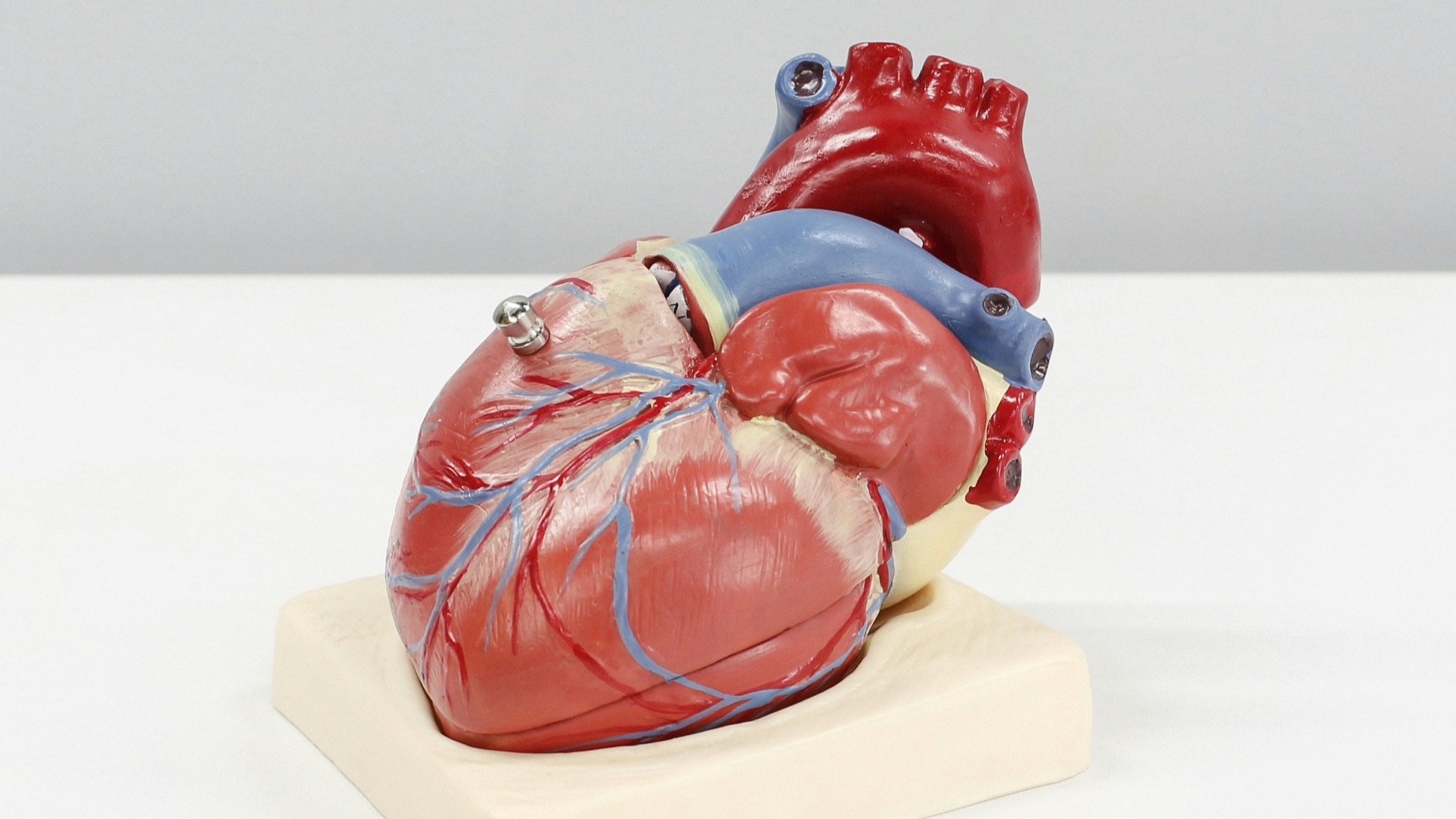
Your heart moves about 2,000 gallons of blood through your body every single day, delivering oxygen and nutrients to every cell you have. This includes your brain, which depends entirely on a steady blood supply to function and would suffer serious damage within minutes without it. In this sense, the heart is doing the heavy lifting that makes brain activity possible in the first place.
3. It Beats Around 100,000 Times a Day Without Pause
Unlike muscles you can consciously control, your heart contracts and relaxes roughly 100,000 times daily, and it does this for your entire lifespan without ever needing a rest. That adds up to billions of beats over an average lifetime, all happening automatically and reliably. Few other organs can claim this kind of nonstop, uninterrupted performance.

4. It Has Its Own Electrical System
Your heart contains a natural pacemaker called the sinoatrial node, which generates the electrical impulses that keep it beating in rhythm. This system is so independent that a heart can actually continue beating for a short time even after being removed from the body. That level of self-sufficiency sets the heart apart from most other organs, which rely more heavily on external signals.

5. It Responds Instantly to Your Emotions
When you feel scared, excited, or nervous, your heart rate changes almost immediately, often before you've consciously processed what's happening. This quick response helps prepare your body for action, whether that means running from danger or reacting to sudden good news. It's a physical reminder of just how connected your heart is to your emotional state.

6. It Can Heal Itself to a Certain Extent
While heart tissue doesn't regenerate as easily as skin, recent research has shown that the heart does have some limited capacity for self-repair after injury. Scientists have discovered that a small percentage of heart cells can renew themselves over the course of a person's life. This finding has opened up exciting possibilities for future treatments aimed at boosting the heart's natural healing abilities.
7. It Adjusts Its Own Pace Based on Your Needs
Your heart automatically speeds up during exercise and slows down during rest, adapting its rhythm to match whatever your body requires at any given moment. This happens without any conscious effort on your part, thanks to signals from your nervous system working in tandem with the heart's own electrical activity. Few organs can adjust their function so precisely and consistently throughout the day.
8. It Symbolizes Something Bigger Than Biology
Beyond its physical function, the heart holds cultural and emotional significance that no other organ quite matches, showing up in everything from love songs to expressions of courage. People describe heartbreak, heartfelt gestures, and having heart, giving this organ a symbolic weight that goes far beyond its biological role. That kind of universal recognition says something about how deeply humans connect the heart to identity and feeling.

9. It Works Even When You're Unconscious
If you faint or fall into a coma, your heart keeps beating steadily, maintaining blood flow to keep your organs alive even when your brain activity drops significantly. This resilience means the heart can sometimes outlast brain function for a period of time in medical emergencies. That kind of independent endurance highlights just how tough and reliable this organ really is.

10. It's Often the Deciding Factor Between Life and Death
In many medical and legal contexts, the permanent stopping of the heart marks the official moment of death, even as definitions have evolved to include brain activity as well. This shows just how central the heart has been, both historically and culturally, to how people understand mortality. Even today, a failing heart remains one of the most urgent and life-threatening conditions that doctors work to address.