Small Changes That Can Make a Big Difference
Weight gain is often linked to daily routines that seem harmless at first glance, and many of those routines happen in the kitchen. While no single habit guarantees weight gain, certain behaviors can make it easier to consume more calories than your body needs over time. By recognizing these common 20 kitchen habits and making a few practical adjustments, you can create an environment that supports healthier eating without feeling restrictive.

1. Leaving Snacks Out on the Counter
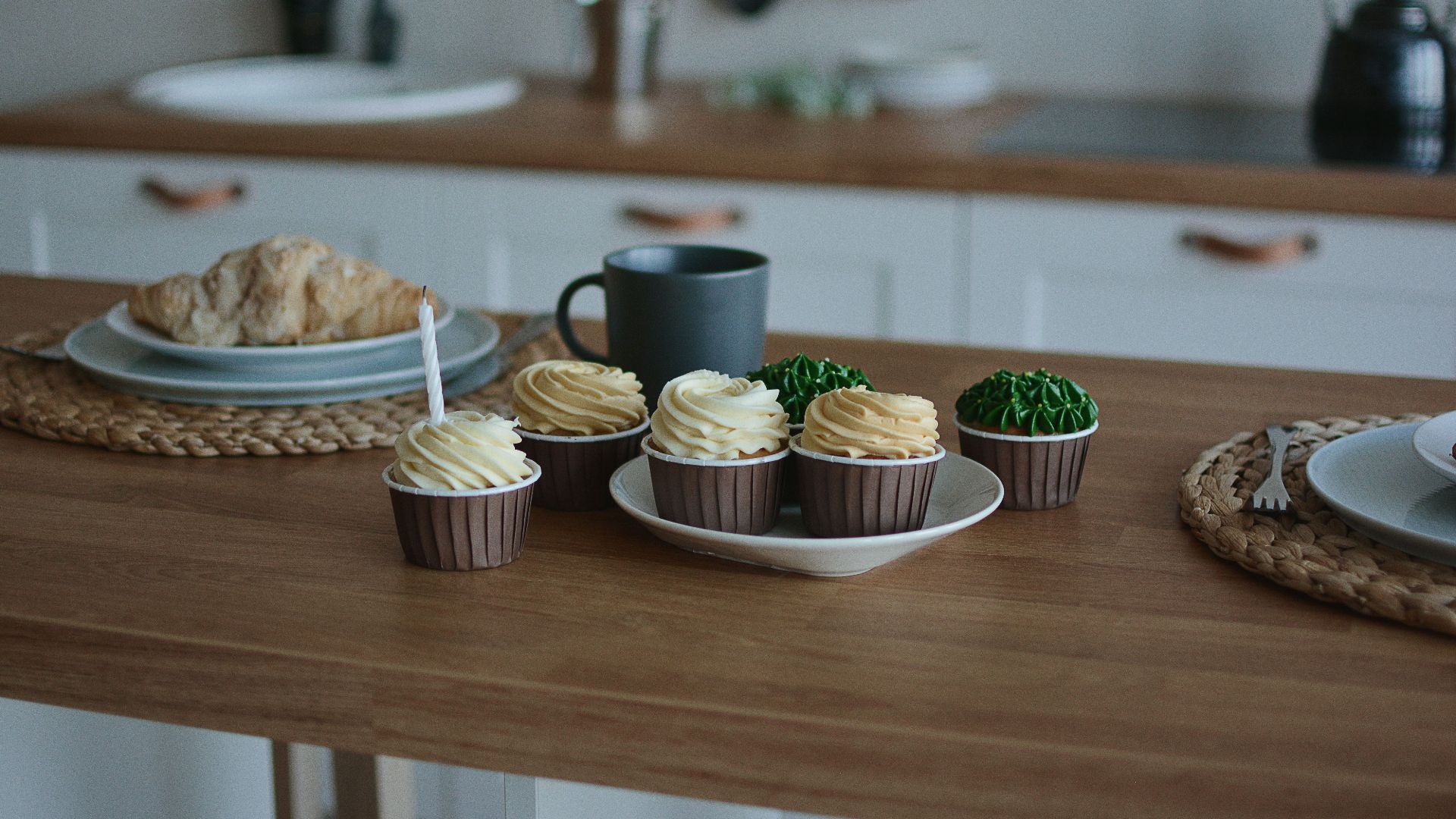
Keeping chips, cookies, or candy in plain sight can encourage mindless eating throughout the day. Research has shown that people tend to eat more of foods that are easily visible and accessible. If you want to reduce temptation, store treats in cabinets and place healthier options like fruit where you'll see them first.
 Anastasia Ankudinova on Pexels
2. Using Oversized Plates
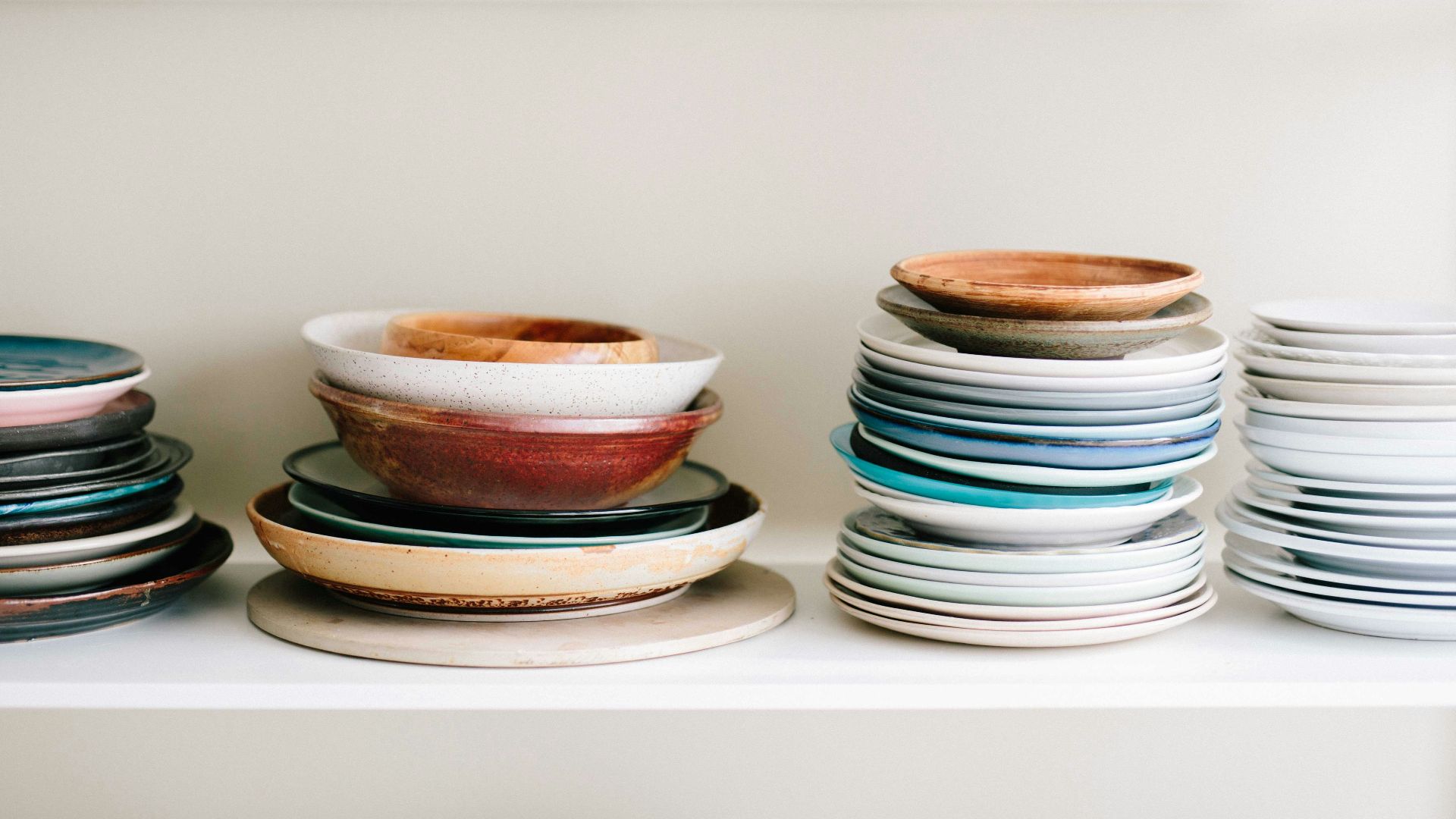
Larger plates can make portions appear smaller than they actually are, leading you to serve yourself more food. This visual effect can make it harder to judge how much you're eating. Choosing slightly smaller plates often helps portions feel satisfying without increasing calories.
3. Eating While Cooking
Sampling ingredients and tasting dishes is part of cooking, but repeated bites can add up quickly. Many people don't mentally count these calories because they aren't part of a formal meal. Paying attention to what you taste can help you avoid unintentionally overeating.

4. Pouring Without Measuring
Whether it's cooking oil, salad dressing, or coffee creamer, eyeballing portions often leads to larger servings than intended. Calorie-dense ingredients can significantly increase the energy content of a meal. Measuring occasionally helps you understand what a standard portion actually looks like.

5. Keeping Sugary Drinks in the House
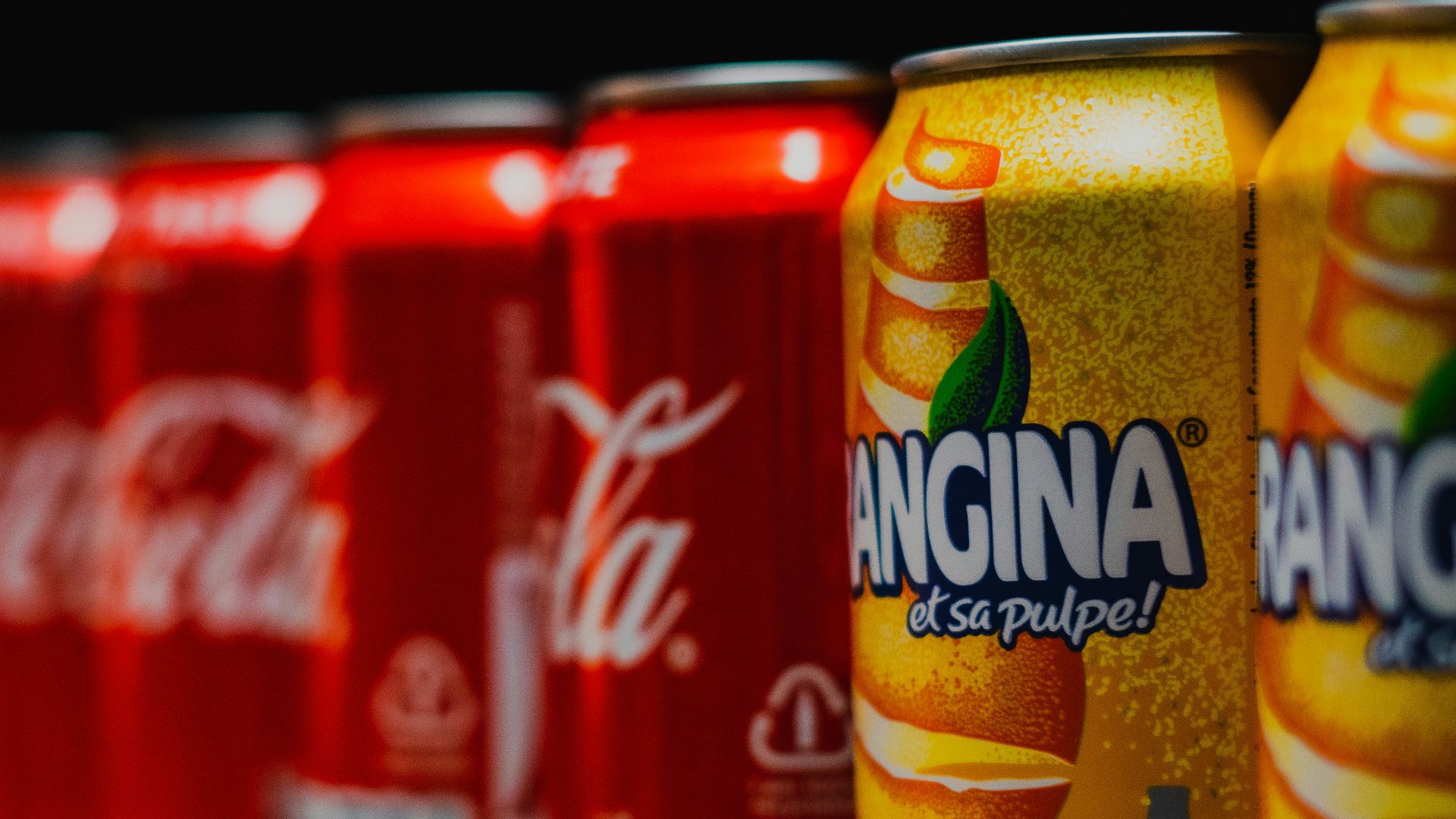
Regular soda, sweet tea, and similar beverages can contribute a substantial number of calories without creating much fullness. Because liquids are less filling than solid foods, it's easy to consume them quickly. Stocking more water and unsweetened beverages can support better calorie control.
6. Skipping Meal Prep
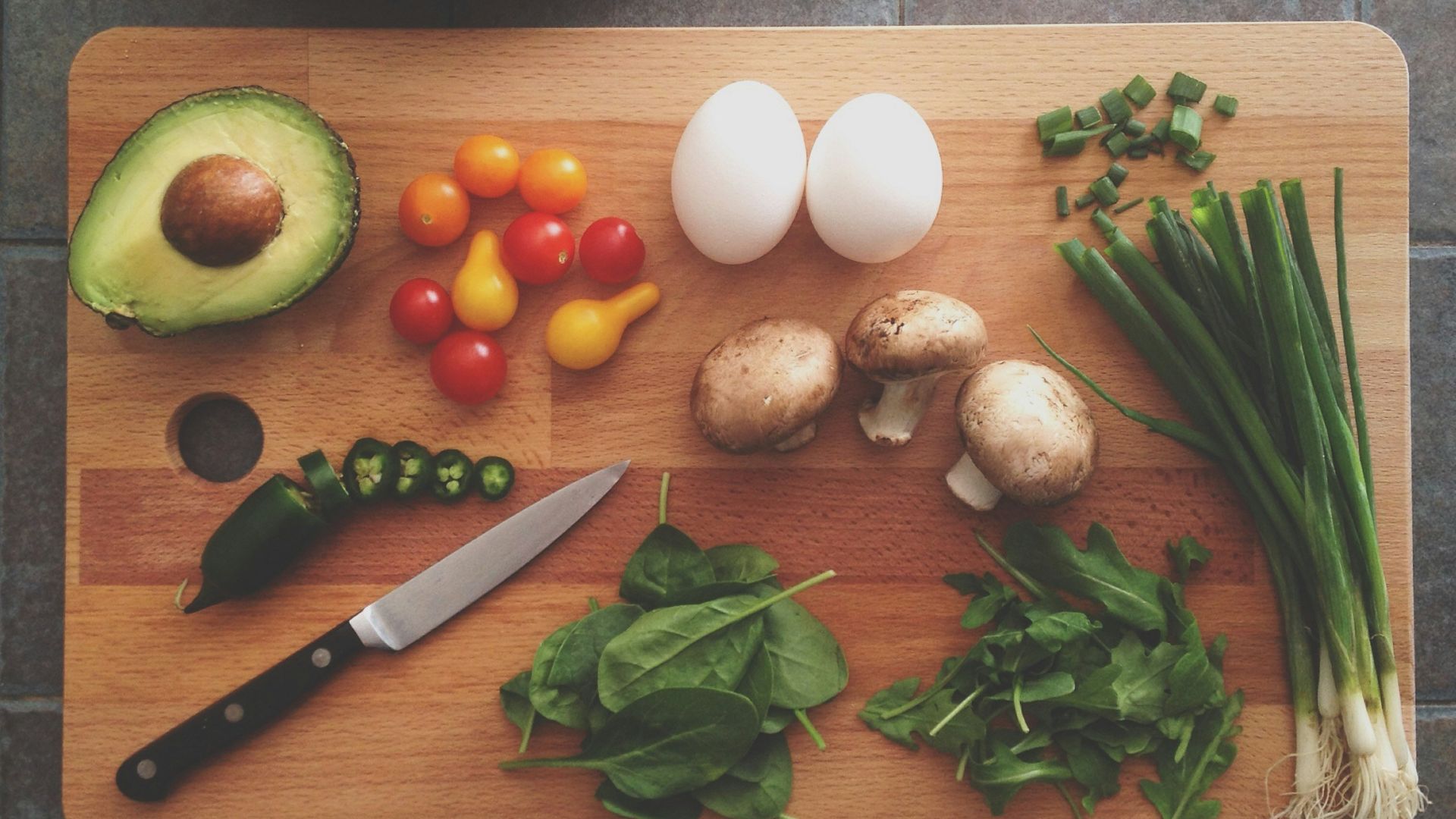
When there's no plan for meals, convenience foods often become the default choice. Many ready-to-eat options contain more calories, fat, and sodium than homemade alternatives. Preparing ingredients or meals in advance can make healthier decisions easier during busy days.
7. Eating Straight From the Package
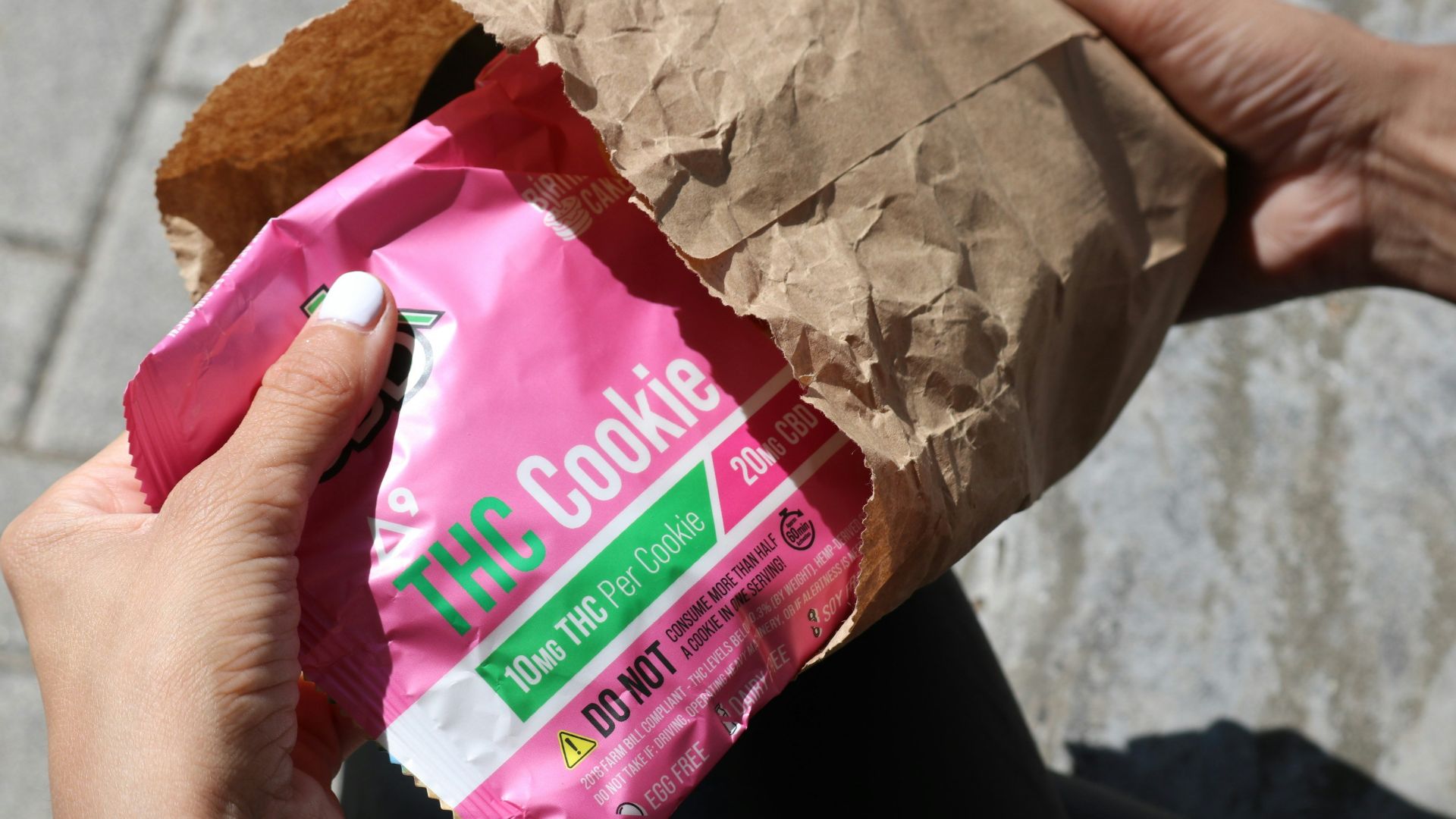
Taking food directly from a bag or container makes it difficult to track how much you've consumed. Portion sizes can quickly exceed what you originally intended. Serving snacks into a bowl or onto a plate creates a natural stopping point.
8. Storing Healthy Foods Out of Reach
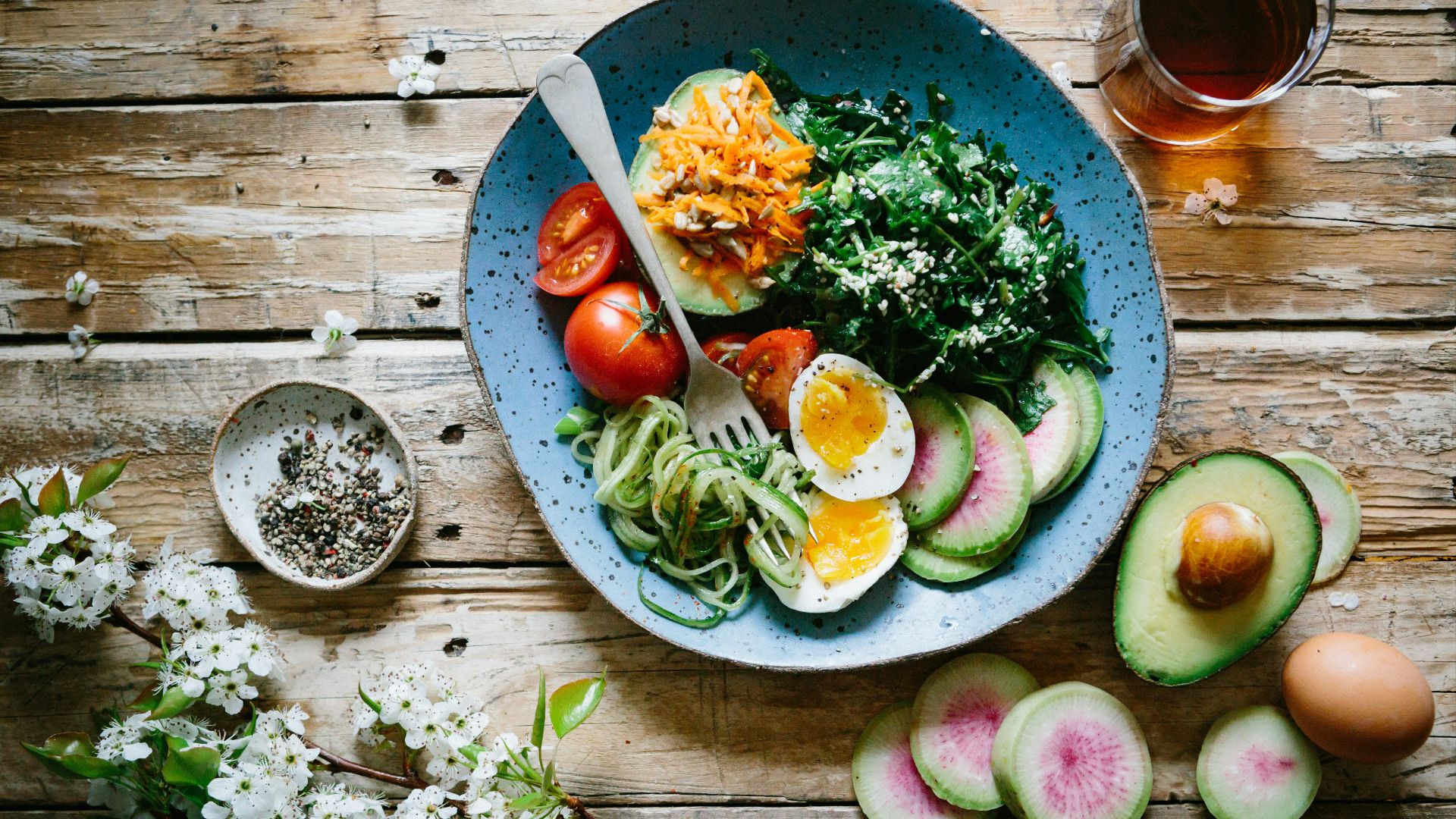
People generally choose foods that are easiest to access. If fresh produce is hidden in a drawer while less nutritious snacks are readily available, those snacks often win. Placing healthier options at eye level can encourage better choices.
9. Cooking With Too Much Oil
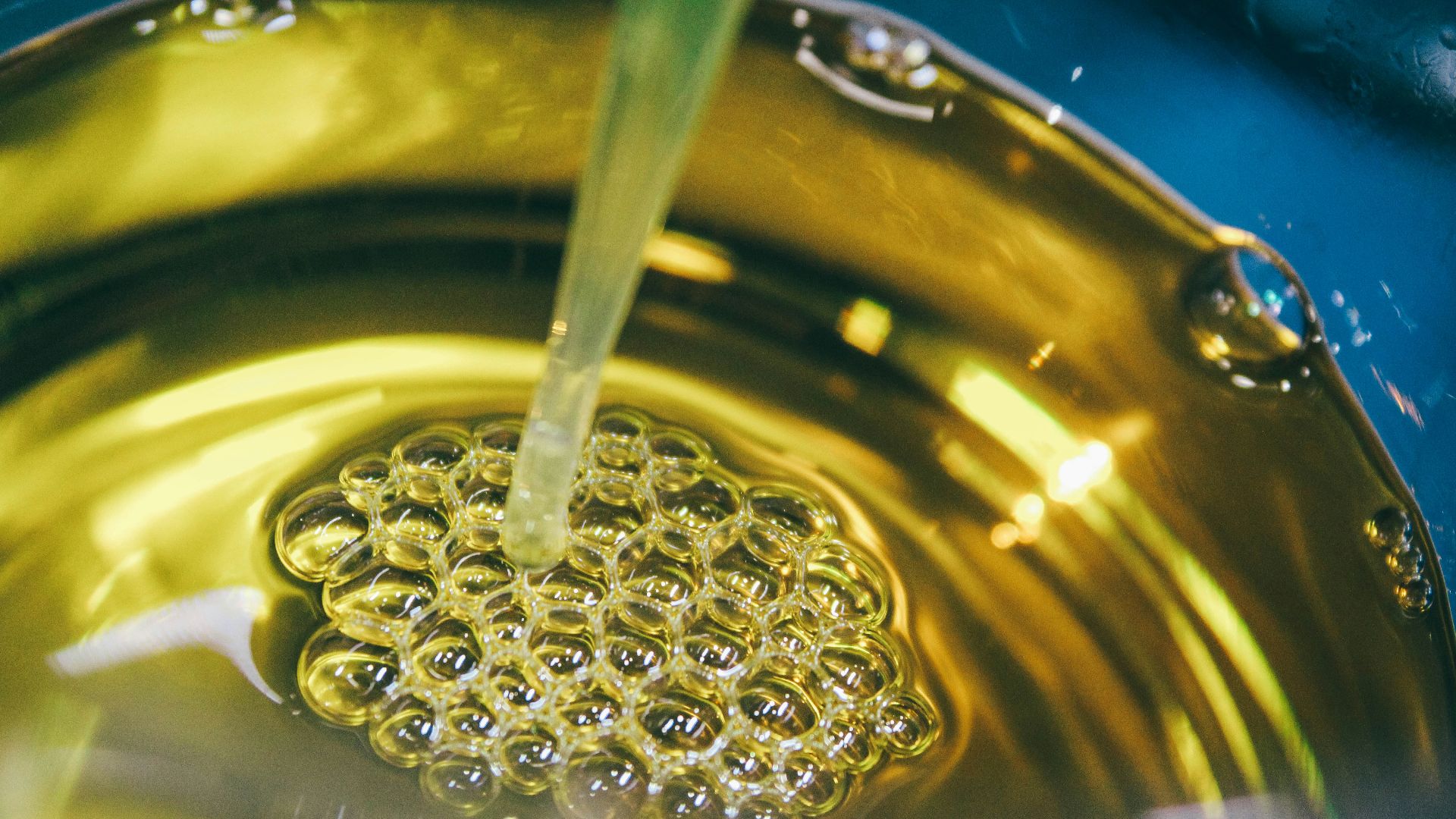
Oil can be part of a healthy diet, but it contains a high number of calories per tablespoon. Adding extra oil to pans, vegetables, or sauces can raise calorie intake without adding much volume. Using measured amounts helps keep portions reasonable.
10. Constantly Grazing in the Kitchen
Frequent nibbling throughout the day can make it difficult to recognize true hunger and fullness cues. Small bites here and there may seem insignificant, yet they can contribute meaningful calories. Establishing regular meal and snack times often creates better awareness of intake.
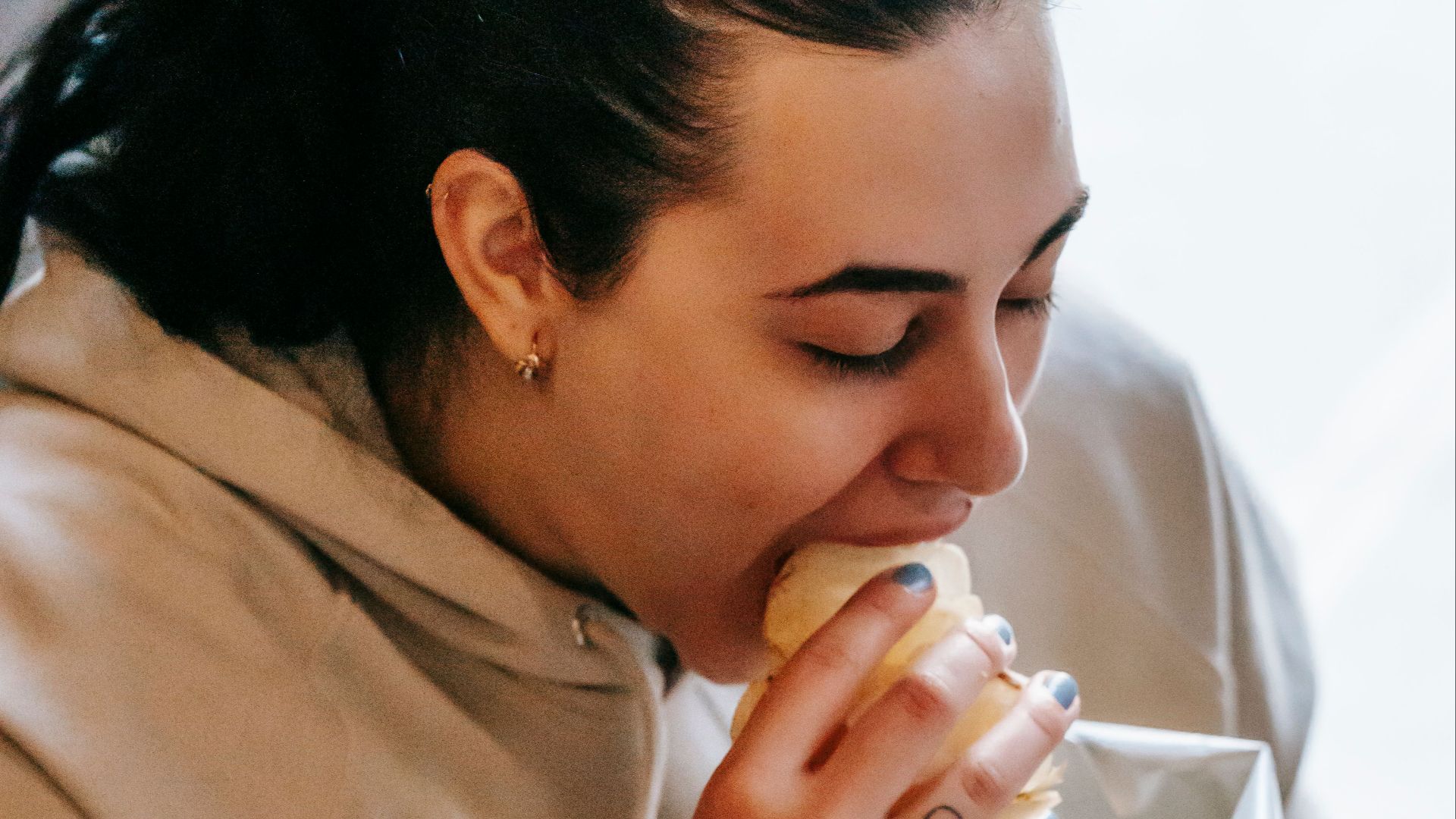
11. Keeping Dessert Within Easy Reach
If dessert is always sitting on the counter or front shelf of the refrigerator, you're more likely to eat it regularly. Convenience strongly influences food choices. Storing treats less prominently can reduce impulsive eating without requiring complete avoidance.
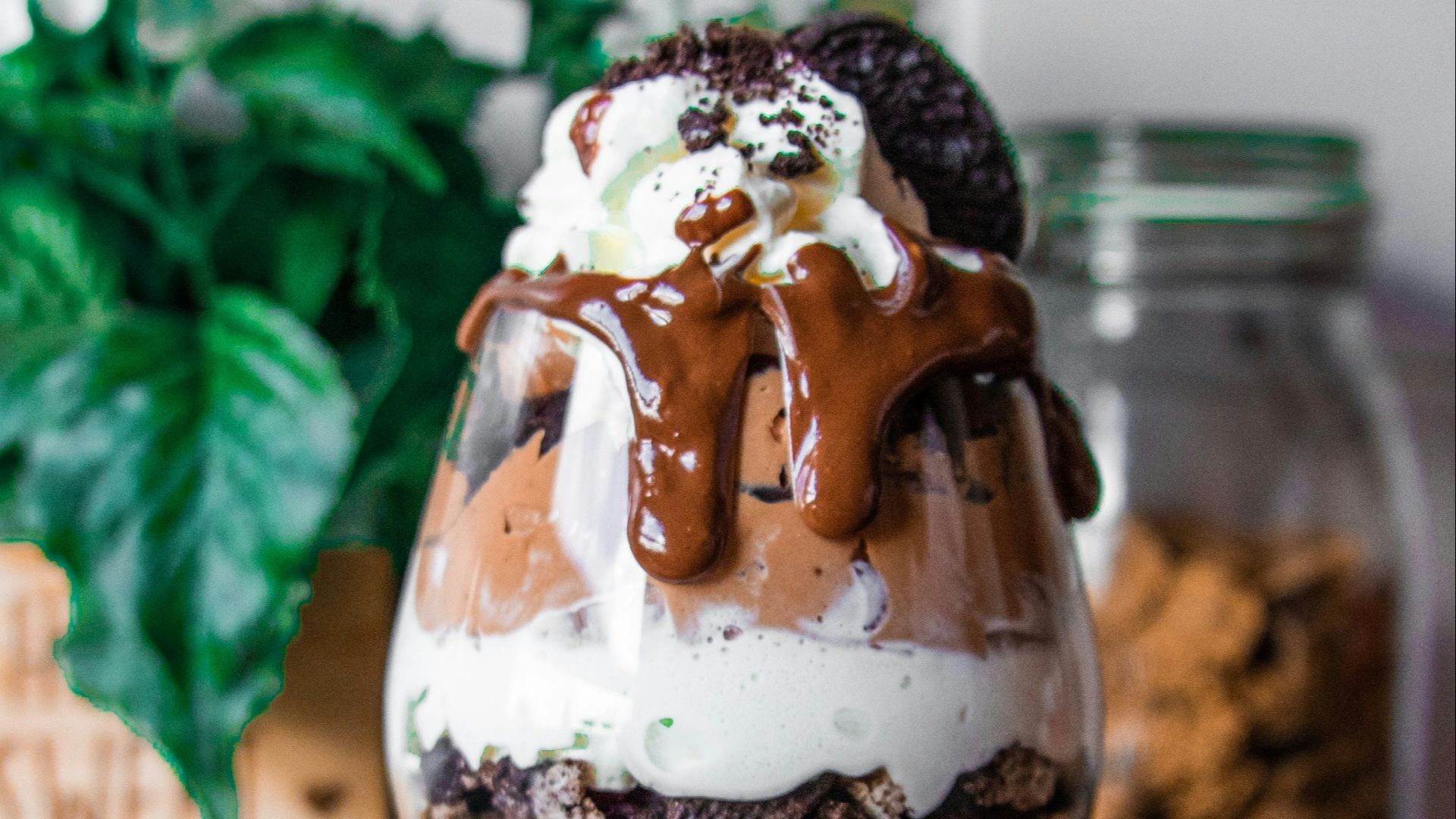
12. Distracting Yourself During Meals
Scrolling through a phone or watching television while eating can reduce awareness of how much food you're consuming. Studies have linked distracted eating with higher calorie intake in some situations. Giving meals your full attention can make it easier to recognize satisfaction.

13. Buying in Bulk Without Portioning
Large packages can save money, but they sometimes encourage larger servings. When food seems plentiful, people may be less mindful about how much they take. Dividing bulk purchases into smaller portions can help maintain balance.

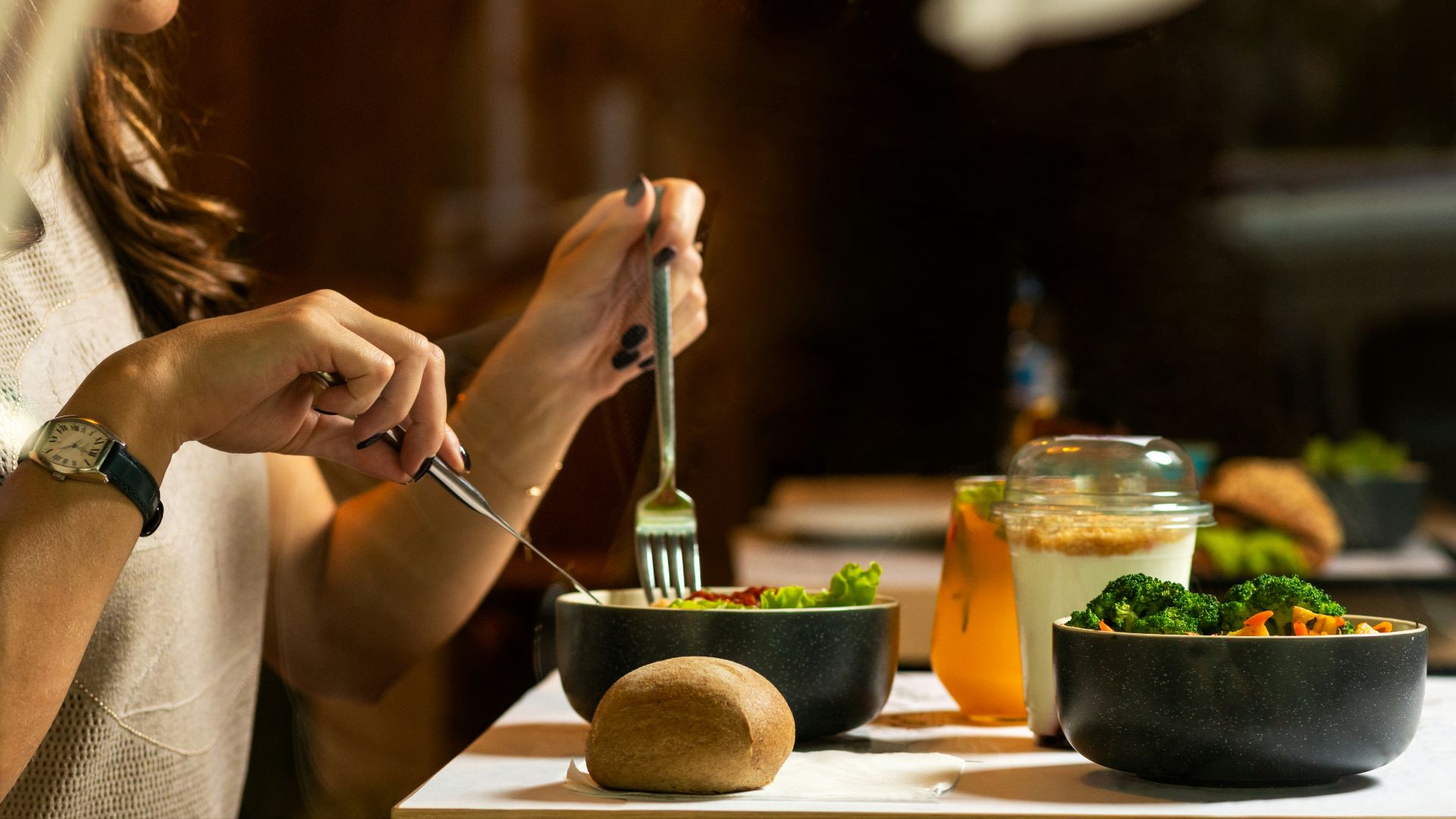
14. Rewarding Yourself With Food
Using food as a reward for a stressful day or personal achievement can create habits that are hard to break. While occasional treats are perfectly normal, relying on them regularly may increase calorie intake. Finding non-food rewards can help create a healthier relationship with eating.
 Farhad Ibrahimzade on Unsplash
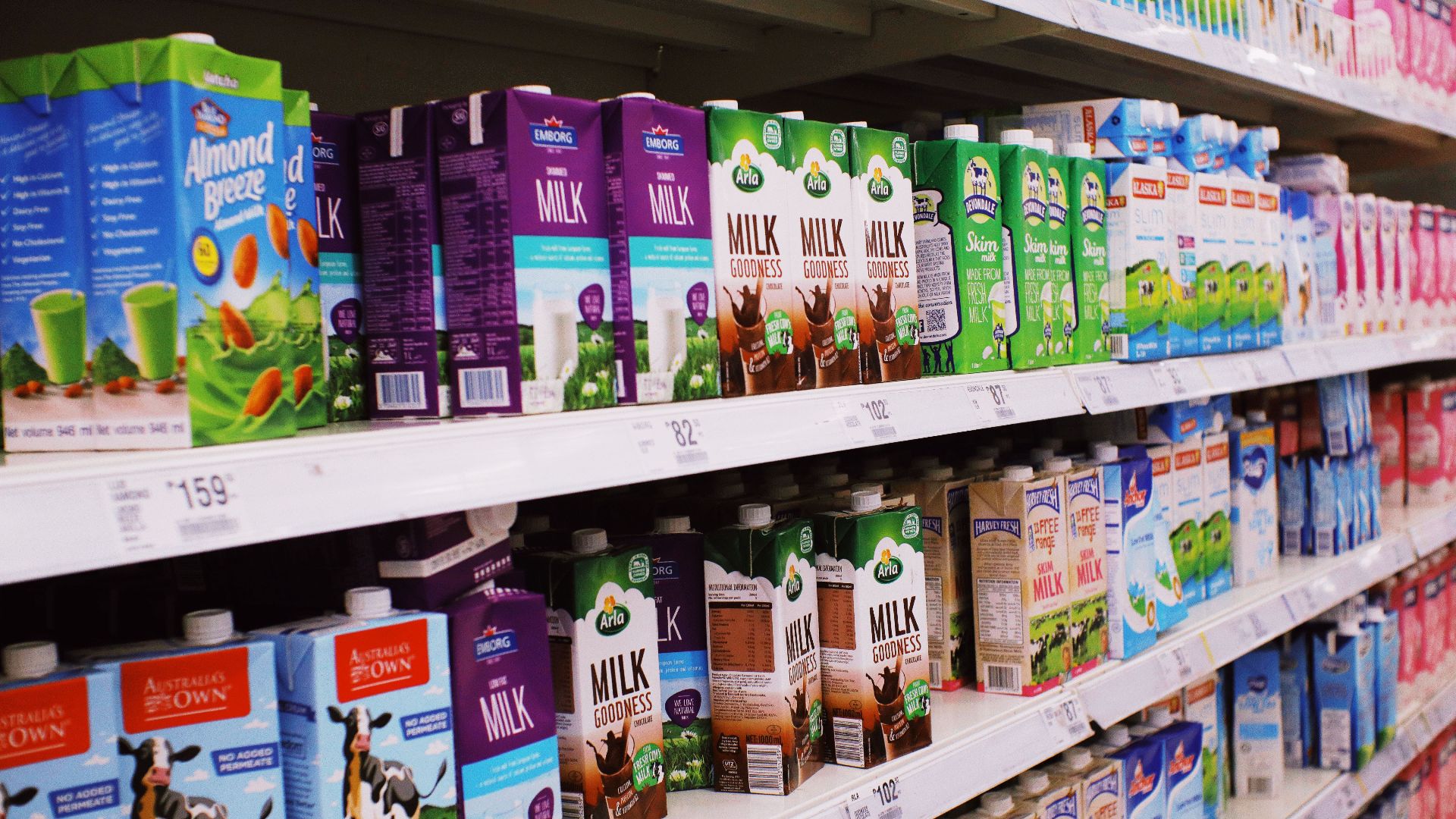
15. Not Reading Nutrition Labels
Food packages can sometimes appear healthier than they actually are. Looking at serving sizes and calorie information provides a clearer picture of what you're consuming. A quick label check can prevent surprises later.
16. Serving Food Family-Style at the Table
Placing large serving dishes within arm's reach makes second and third helpings more tempting. Convenience often influences eating behavior more than hunger does.

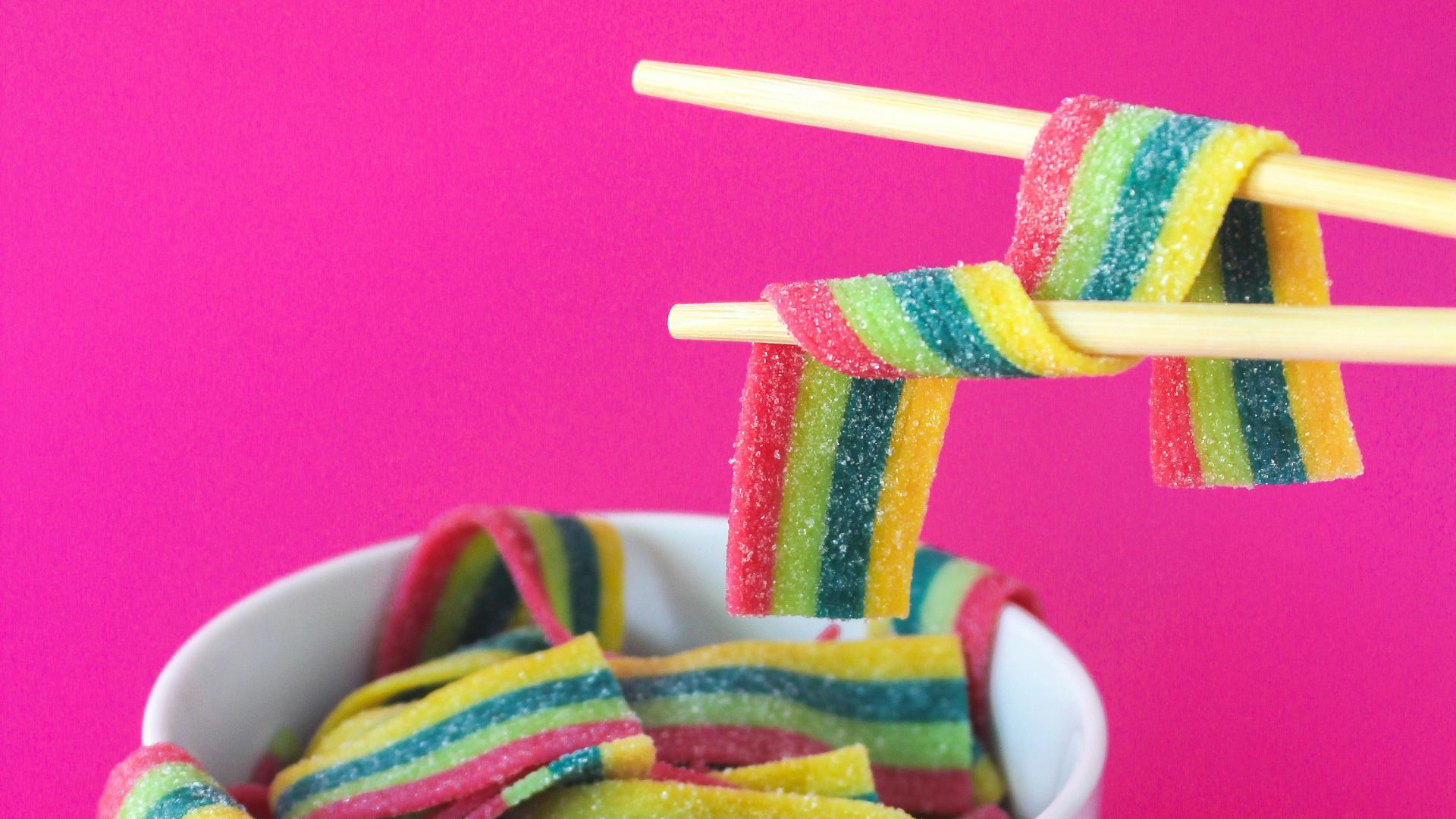
17. Keeping a Candy Dish Nearby
A bowl of candy may seem harmless, but frequent small pieces can add up over the course of a day. Because each serving is tiny, it's easy to underestimate total consumption.
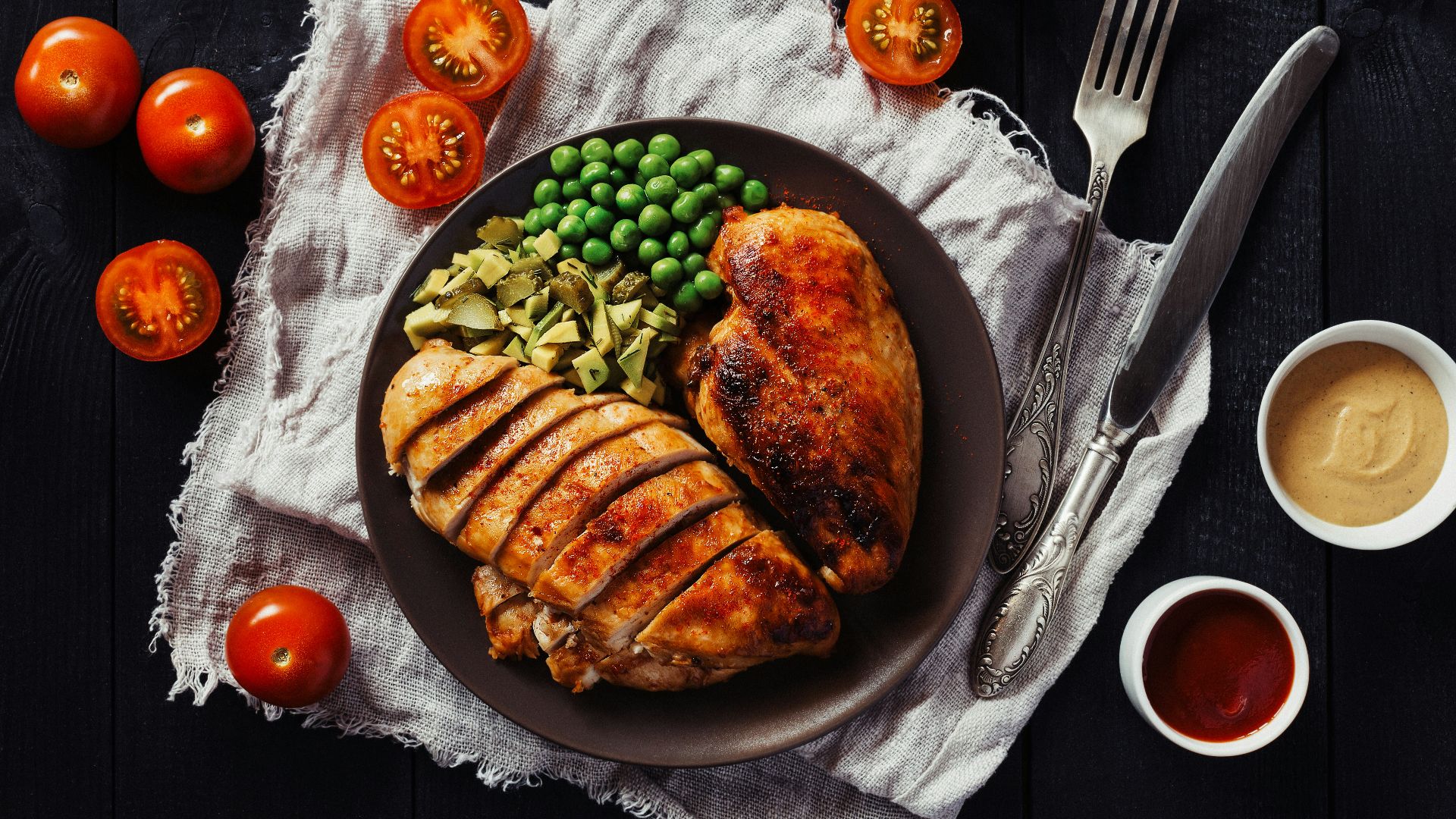
18. Skipping Protein at Meals
Meals that lack adequate protein may leave you feeling hungry sooner. Protein is known to support fullness more effectively than many refined carbohydrates.
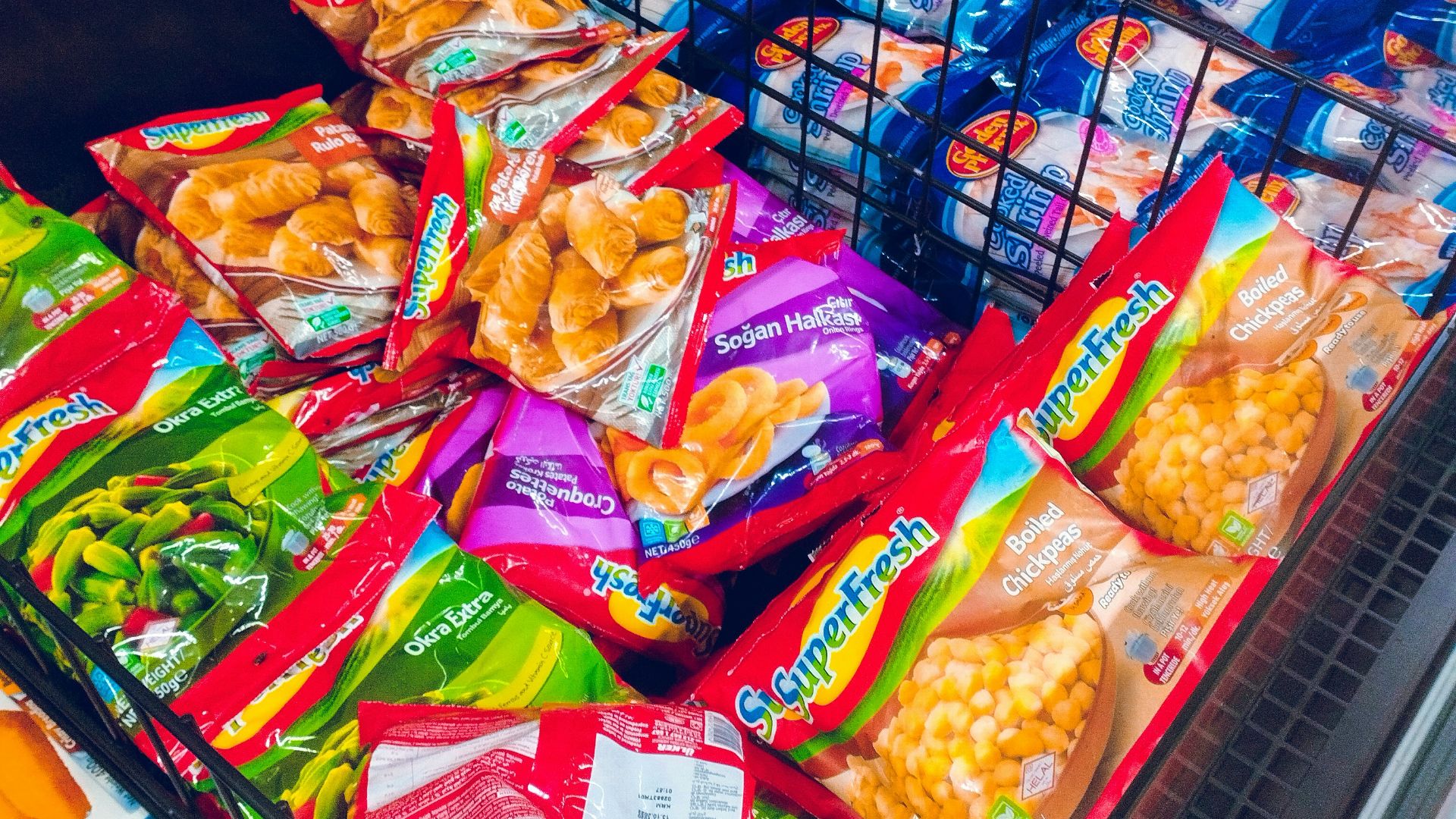
19. Stocking Too Many Convenience Foods
Frozen meals and packaged snacks can certainly fit into a balanced diet, but relying on them heavily may increase calorie intake. Many convenience products are designed to be highly appealing and easy to eat.
 Muhammed A. Mustapha on Unsplash
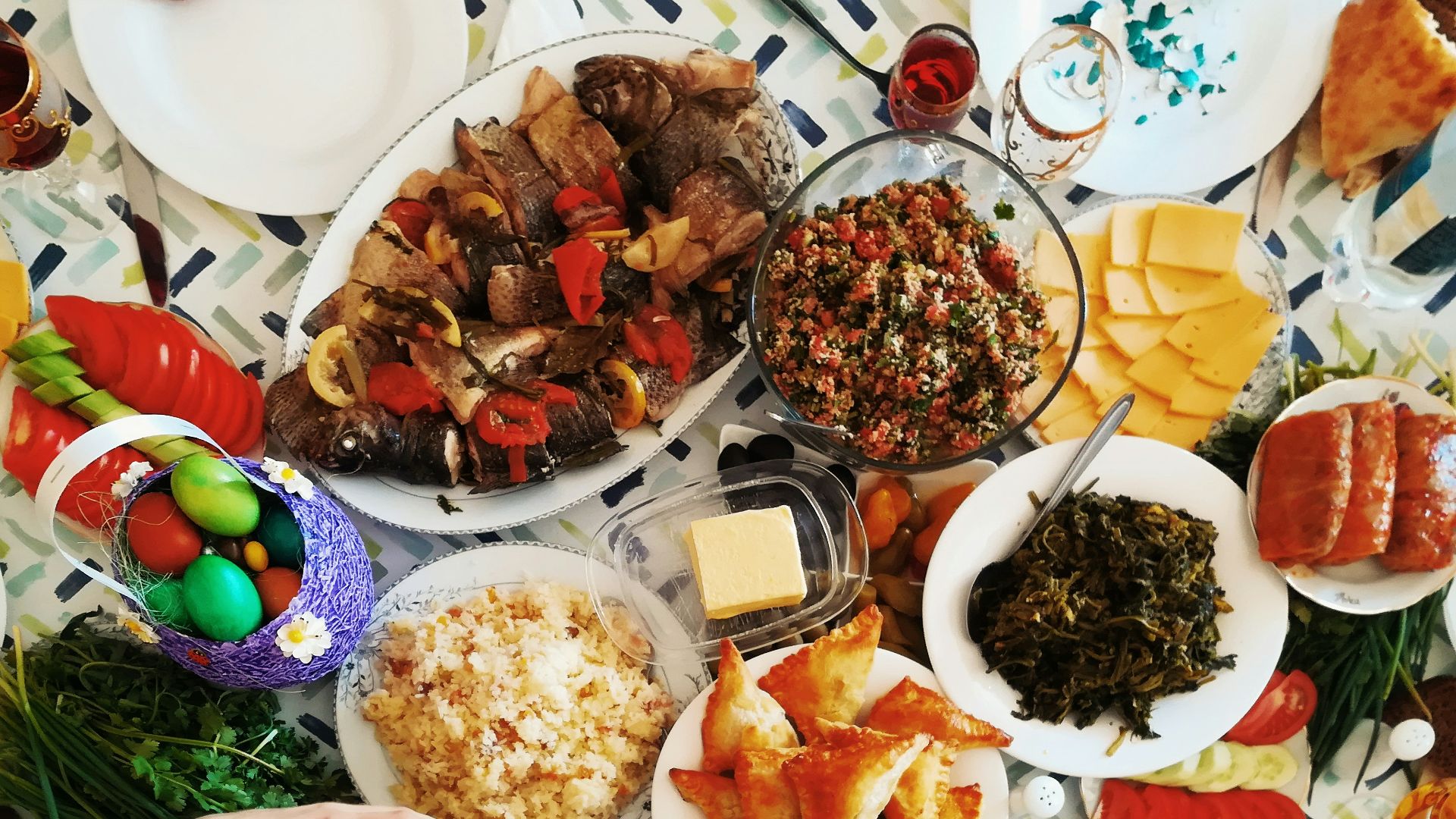
20. Treating Every Occasion Like a Celebration
It's easy to justify extra snacks or desserts for small events, good news, or everyday milestones. While enjoying special foods is part of life, turning every occasion into a reason to indulge can gradually increase calorie intake.
KEEP ON READING

20 Mobility Habits We Need To Steal From Toddlers

20 Ways Retirement Changes A Marriage