10 Signs Your Hair Is Telling You Something About Your Health & 10 Ways to Address It
What Your Hair Might Be Trying to Tell You
You might not realize it, but your hair can be one of the first places where abnormal changes in your health show up. From excessive shedding to unexpected shifts in texture, the signals your hair sends are often connected to what's happening internally, whether that's a nutritional deficiency, a hormonal imbalance, or a condition that hasn't been identified yet. If you've noticed some of these 10 warning signs, it's key to address it right away. Let's take a deeper look at what your hair might be trying to tell you.
1. Excessive Shedding
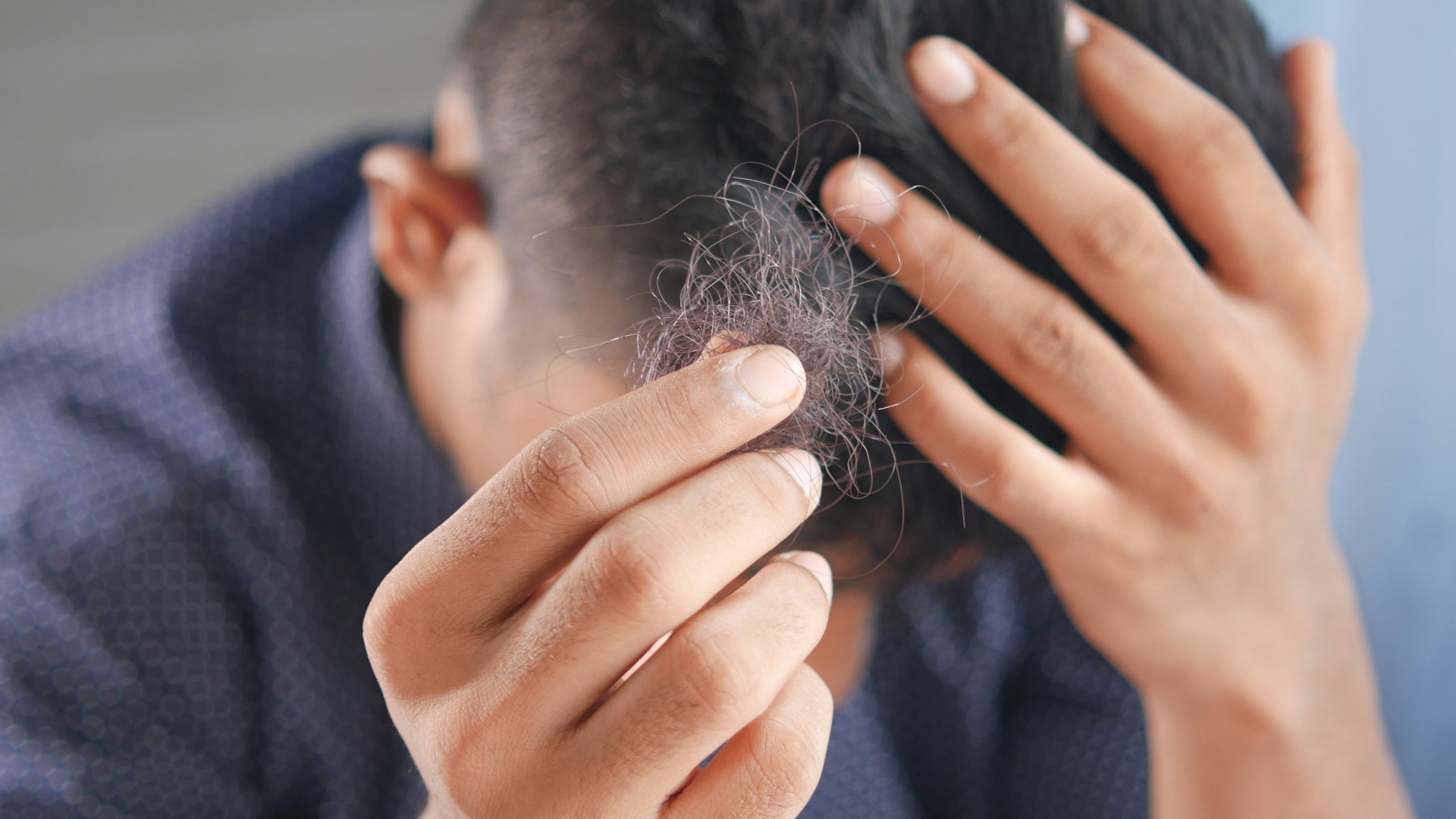
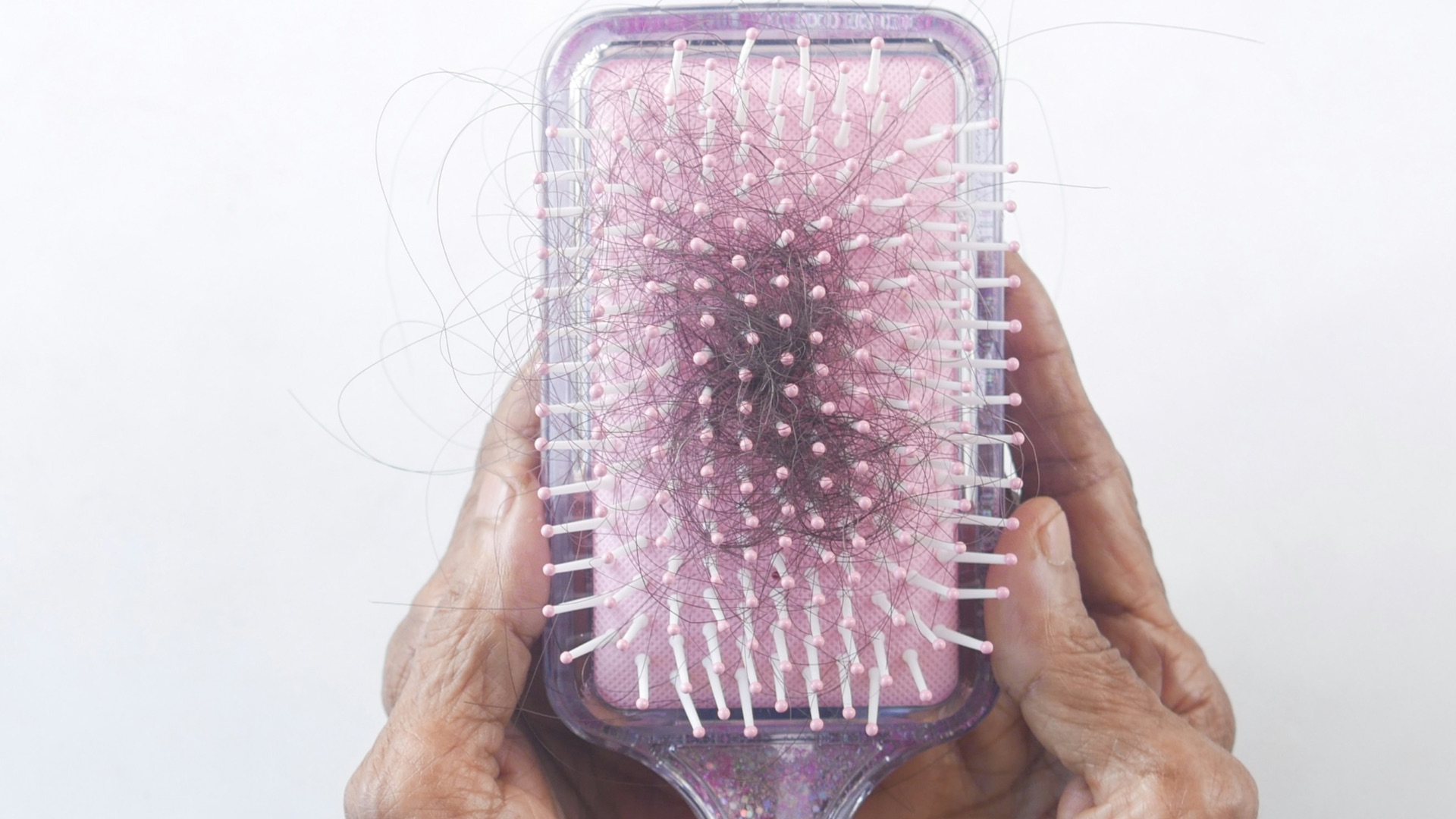
It's normal to lose between 50 and 100 hairs a day, but if you're consistently finding large clumps in your shower drain or on your brush, your body could be signaling something more significant. Excessive shedding, known as telogen effluvium, is often triggered by physical or emotional stress, hormonal shifts, nutritional deficiencies, or illness. It's worth paying attention to how long the shedding has been going on, because persistent hair loss that continues beyond a few months usually warrants a closer look.
2. Dry, Brittle Strands
If your hair snaps easily, feels rough to the touch, or looks consistently parched no matter how much conditioner you use, it could be pointing to an underactive thyroid, also known as hypothyroidism. This condition slows down your body's metabolic processes, and one of its more noticeable effects is a change in hair texture that makes strands dry and fragile. A simple blood test can help determine whether your thyroid hormones are functioning within a healthy range.
3. Thinning Along the Crown or Temples
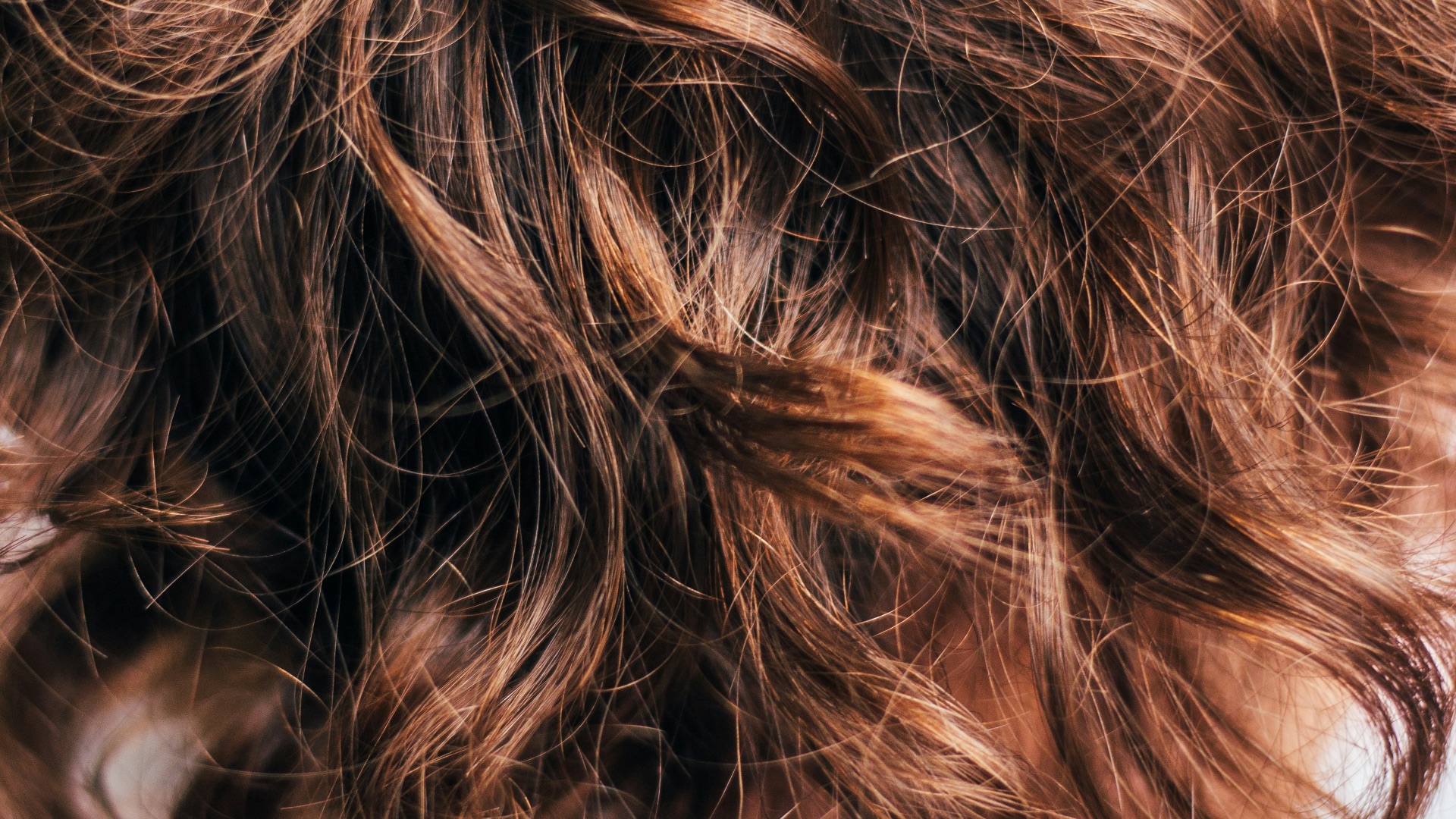
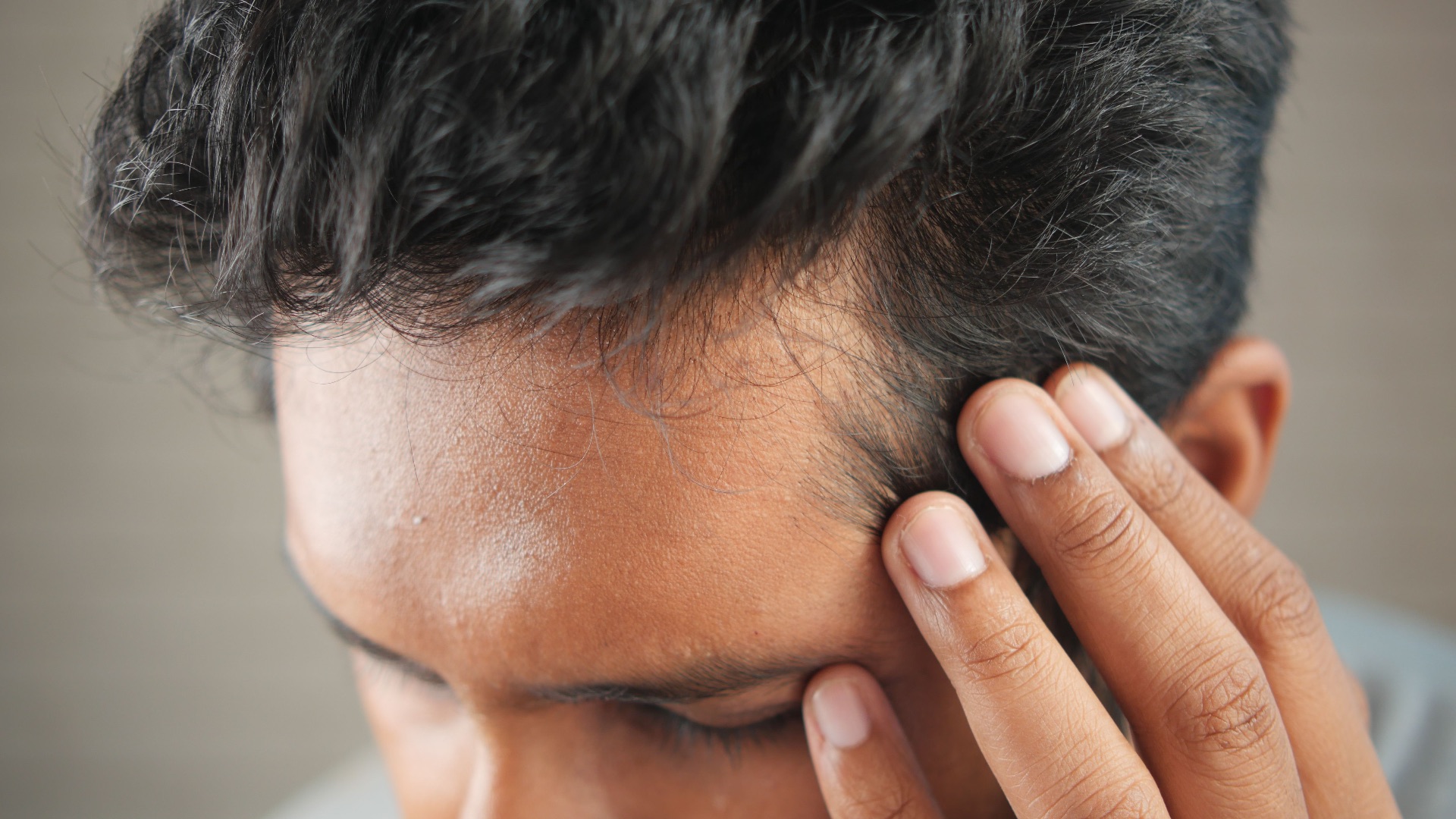
Noticing a widening part or thinning near your temples can be a sign of androgenetic alopecia, a hereditary condition tied to hormonal changes. This type of hair loss is particularly common in people experiencing fluctuations in androgen levels, and it tends to progress gradually over time. Both men and women can be affected, and early intervention tends to produce better outcomes than waiting until the loss becomes more pronounced.
4. Premature Graying
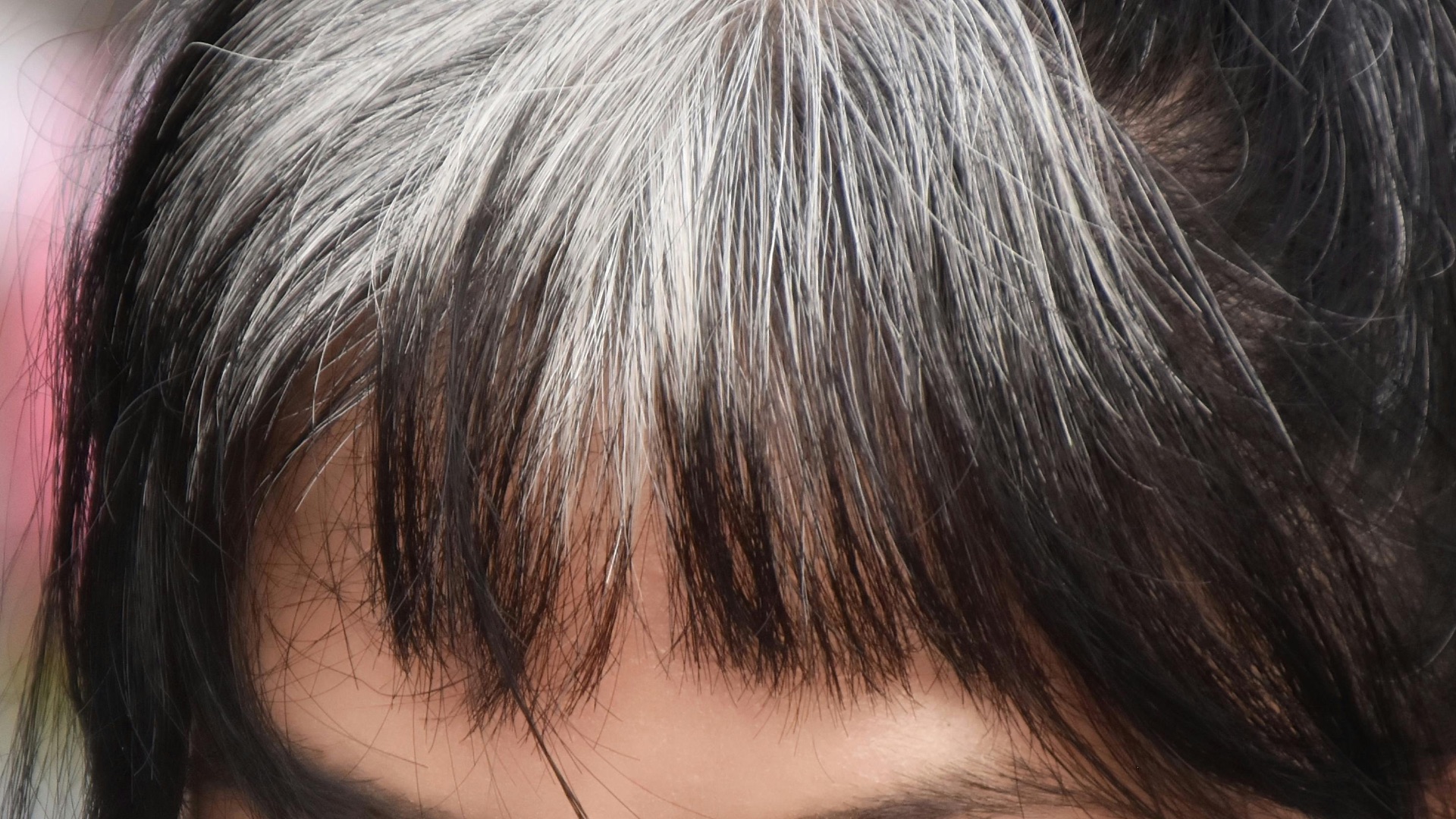
Finding silver strands well before your 30s can sometimes run in the family, but it can also be linked to oxidative stress, vitamin B12 deficiency, or autoimmune conditions. Your body's melanin-producing cells, called melanocytes, can become less active or damaged when the body is under certain kinds of internal stress. If you've noticed graying that seems unusually early or rapid, a conversation with your doctor can help rule out any underlying contributors.
5. Noticeably Slow Growth
Hair typically grows about half an inch per month, so if yours seems to be growing far more slowly than that, your body may not be getting all the nutrients it needs to support that process. Deficiencies in iron, zinc, biotin, and protein are among the most common culprits behind sluggish hair growth, as these nutrients play key roles in the hair growth cycle. Keeping track of your diet and asking your doctor for a blood panel can give you a clearer picture of what might be missing.

6. An Overly Oily Scalp
If your hair looks greasy just a day or even hours after washing it, your scalp may be overproducing sebum, which can sometimes point to hormonal imbalances, particularly elevated androgen levels. Stress can also trigger an increase in oil production, since it stimulates the sebaceous glands in ways that aren't always easy to control with just a change in shampoo. An excessively oily scalp can also create an environment where certain scalp conditions, like seborrheic dermatitis, are more likely to develop.
7. Persistent Dandruff or Scalp Flaking
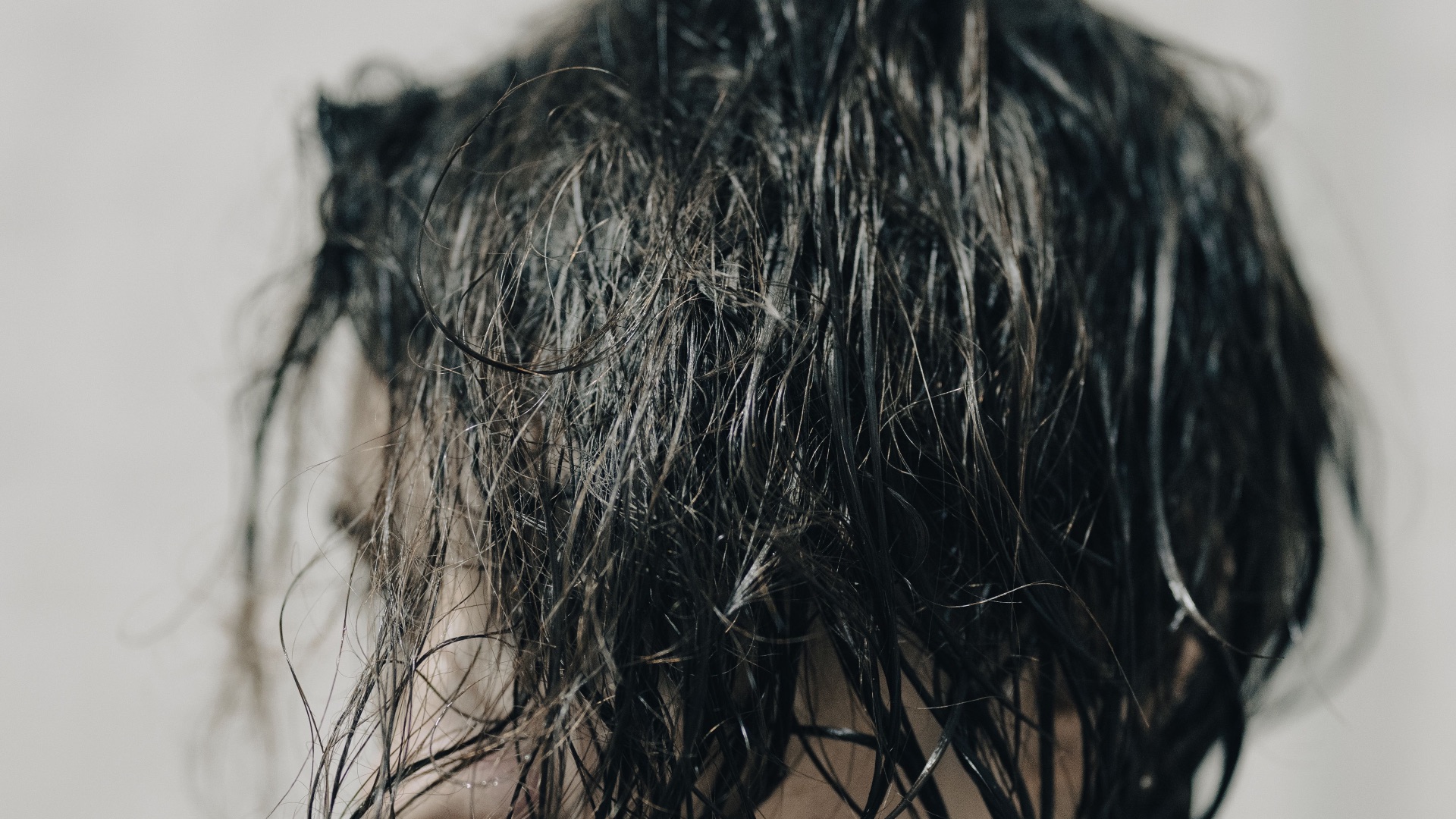
The occasional flake is usually nothing to worry about, but if your scalp is consistently flaky, itchy, or inflamed, it could be a sign of seborrheic dermatitis, psoriasis, or a fungal imbalance. These conditions can indicate that your immune system or inflammatory response is off-balance. In some cases, flaking is also associated with nutritional deficiencies, particularly low zinc or omega-3 fatty acid intake.
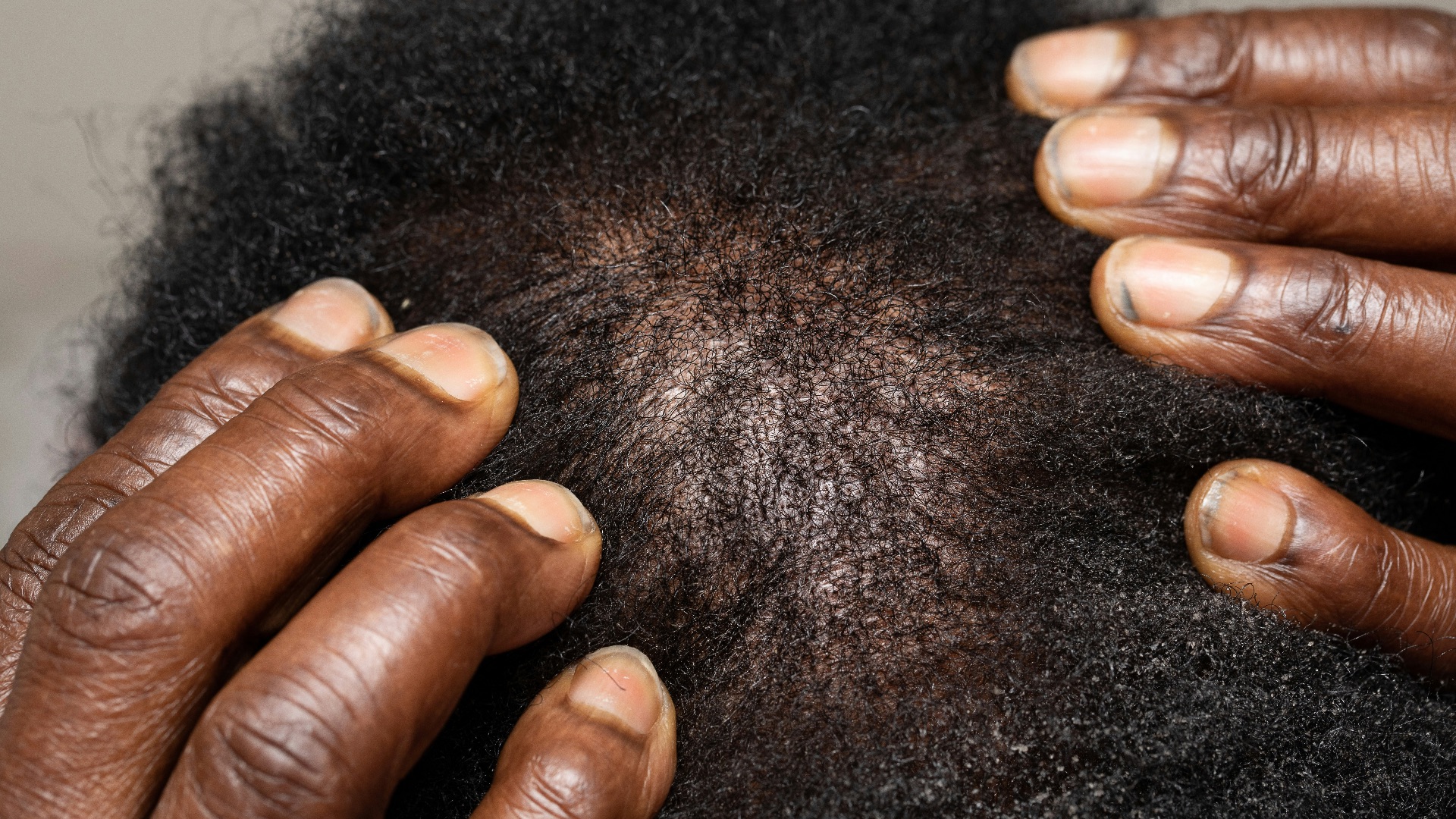
8. Patchy Hair Loss
Losing hair in distinct, round patches rather than all over can be a hallmark sign of alopecia areata, an autoimmune condition in which the immune system mistakenly targets hair follicles. It can appear suddenly and affect the scalp, eyebrows, eyelashes, or other areas of the body, sometimes all at once. Because it's tied to immune function, alopecia areata often appears alongside other autoimmune conditions, making it especially important to speak with a healthcare provider if you notice this pattern.
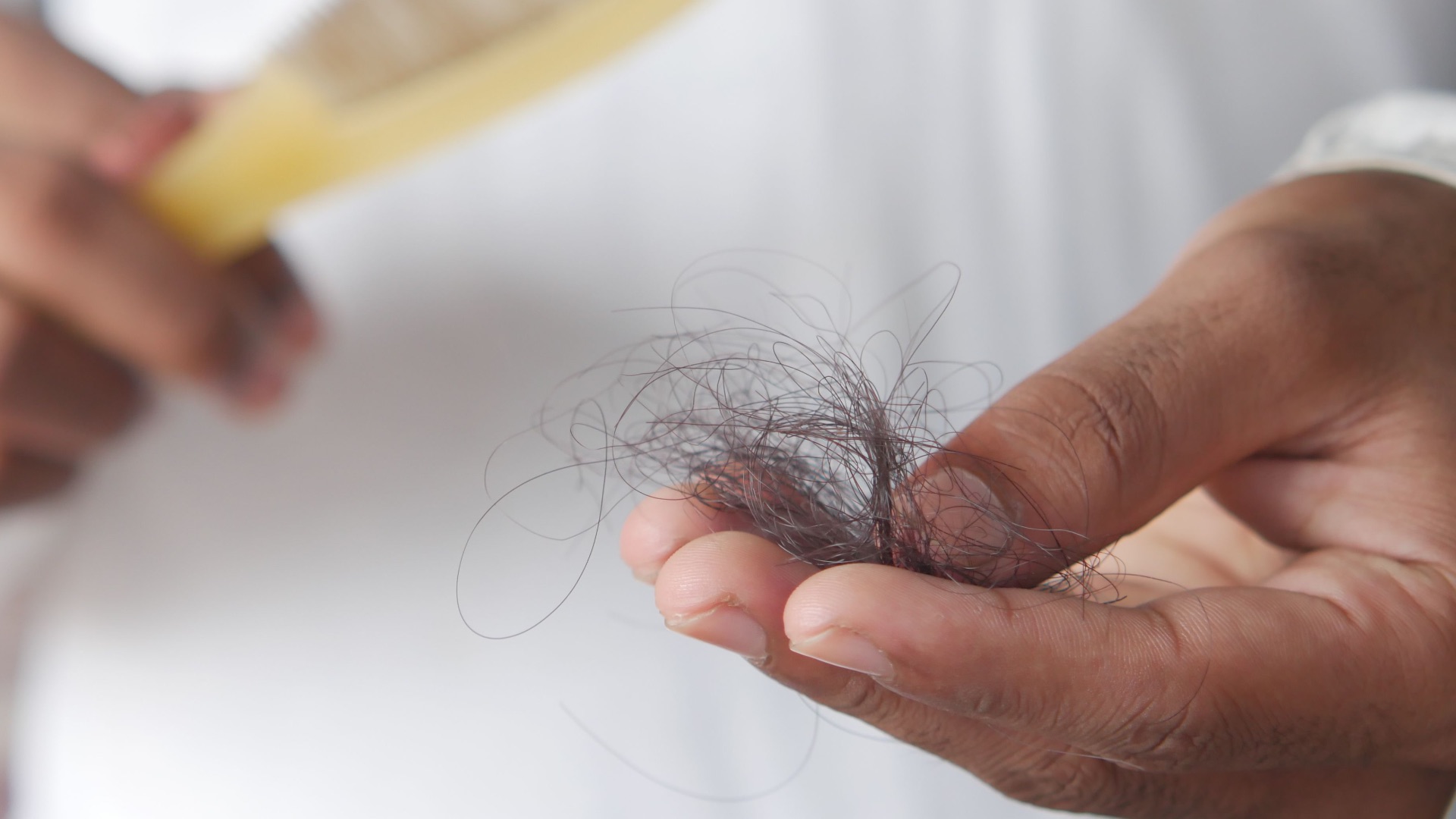
9. Dull, Lifeless-Looking Hair
Hair that looks consistently flat and lacks any natural sheen can sometimes signal that your diet isn't providing enough healthy fats, vitamins, or minerals to support its structure. Omega-3 fatty acids are essential for keeping hair looking vibrant and keeping the scalp in good condition, and a deficiency can show up visually before it causes any other noticeable symptoms. Poor circulation, dehydration, and certain medications can also contribute to hair that looks less healthy than it once did.
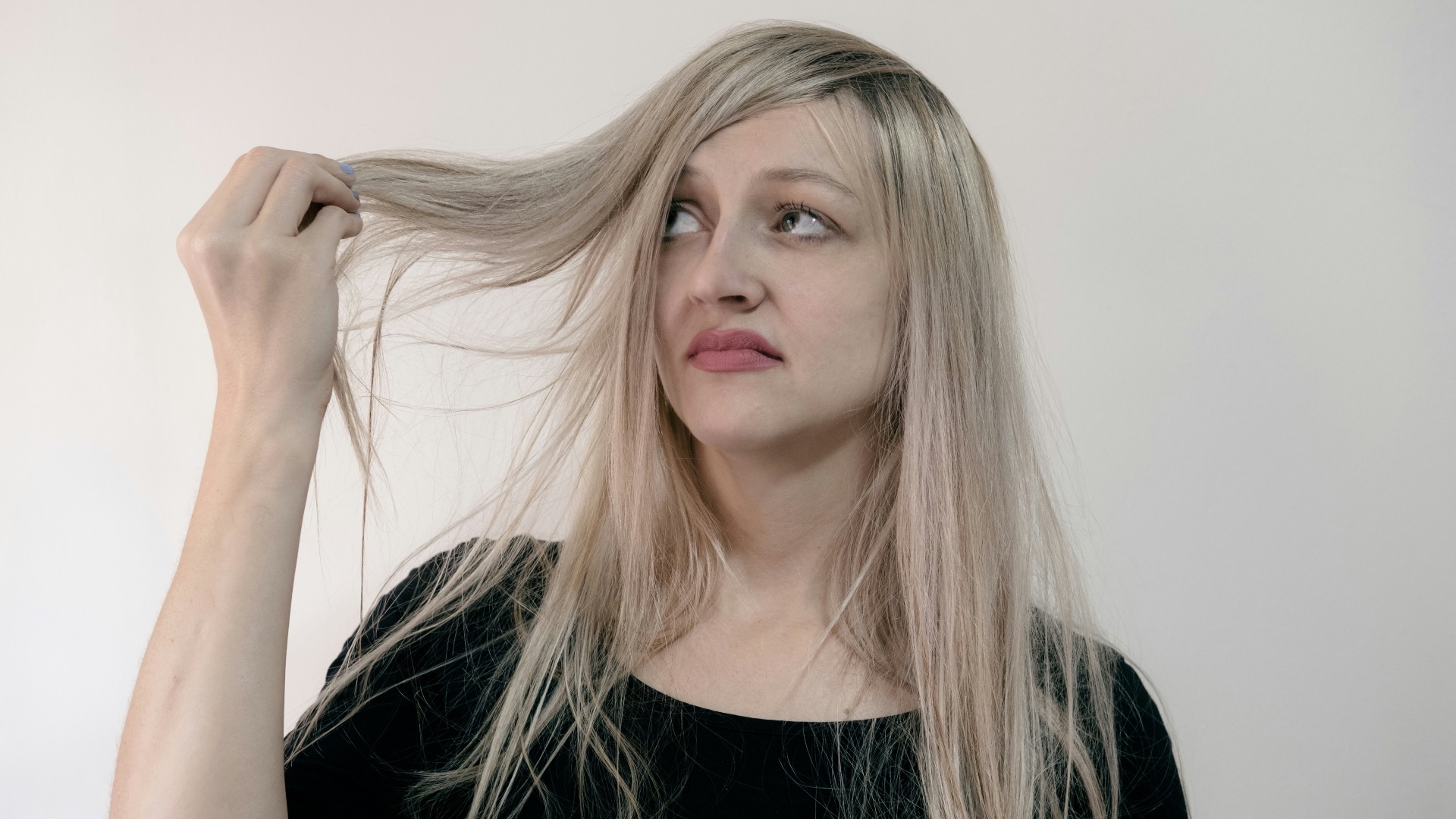
10. A Sudden Change in Hair Texture
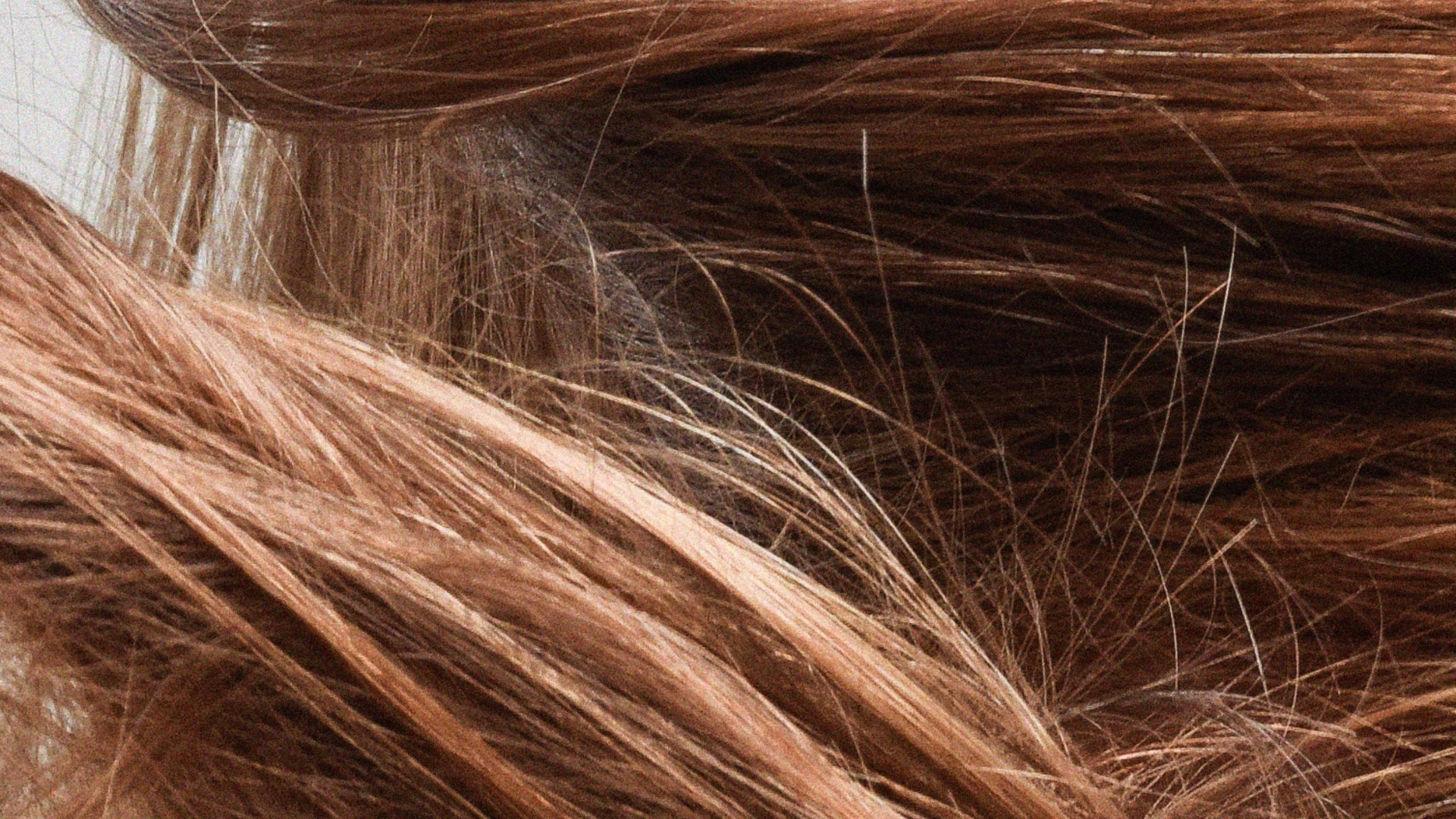
If your hair has gone from straight to noticeably wavy, from thick to fine, or from soft to coarse without any changes to your hair care routine, your body may be experiencing hormonal shifts. Pregnancy, menopause, thyroid disorders, and even significant weight changes can all alter the way your hair grows and what it feels like to the touch. Sudden texture changes are worth mentioning to your doctor, especially if they come alongside other symptoms like fatigue, mood changes, or weight fluctuation.
Now that you know what to watch for, the more pressing question is what you can actually do about it. Here are 10 practical ways to start supporting your hair and your overall health at the same time.
 Alexander Krivitskiy on Pexels
1. Schedule a Blood Panel with Your Doctor
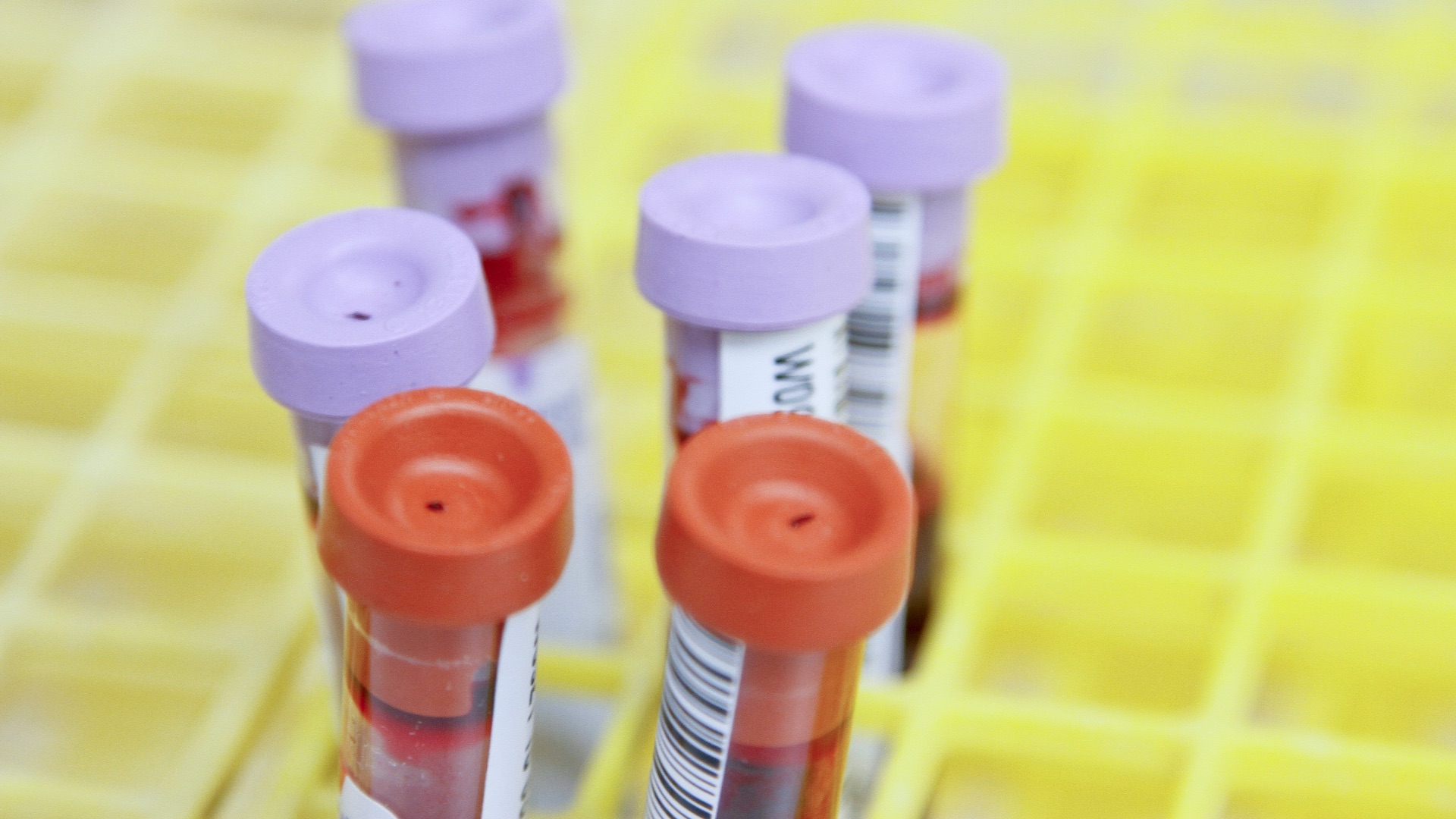
One of the most effective first steps you can take is getting a comprehensive blood test done, which can check for common deficiencies and hormonal imbalances that are frequently linked to hair changes. Your doctor can test for things like iron levels, ferritin, thyroid hormones, vitamin B12, vitamin D, and zinc, all of which play a significant role in hair health. Having that data in hand gives you and your healthcare provider a much clearer starting point for addressing the issue rather than guessing at a cause.
 National Cancer Institute on Unsplash
2. Take a Close Look at Your Diet
What you eat has a direct impact on the health of your hair, so it's worth evaluating whether your daily meals are providing the nutrients your follicles actually need. Prioritizing protein-rich foods, leafy greens, nuts, seeds, and fatty fish can help ensure your body has the building blocks necessary to support a healthy hair growth cycle. If your diet has been particularly restrictive or imbalanced, working with a registered dietitian can be a helpful way to identify and correct any nutritional gaps.

3. Find Consistent Ways to Manage Stress
Chronic stress is one of the most well-documented contributors to hair loss, so actively working to reduce it can make a real difference over time. Incorporating regular physical activity, practicing mindfulness or breathing techniques, and establishing clearer boundaries between work and rest are all practical places to start. While stress management won't always produce immediate results in terms of hair regrowth, consistently lowering your stress levels supports your overall health in ways that your hair will eventually reflect.

4. Drink More Water Throughout the Day
Staying well-hydrated supports virtually every biological function in your body, and your hair is no exception; dehydration can make hair look dull, feel dry, and become more prone to breakage. Aiming for at least eight glasses of water a day is a widely recommended starting point, though your individual needs may be higher depending on your activity level, climate, and overall health. Hydrating from the inside out is often far more effective than relying solely on moisturizing hair products to compensate for low fluid intake.

5. Reassess Your Hair Care Products and Routine
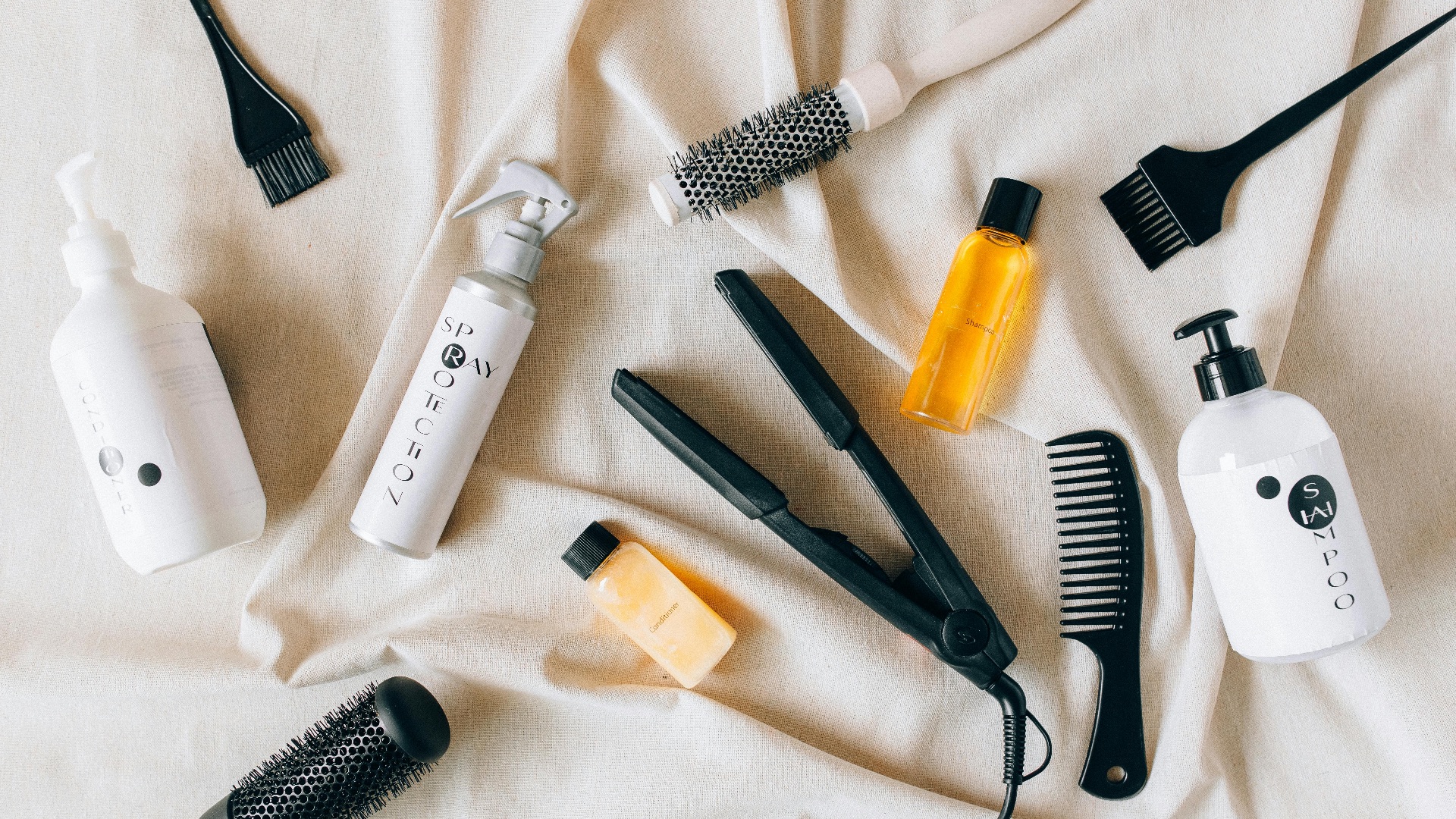
Sometimes the products you're using are making an existing problem worse, particularly if they contain harsh sulfates, alcohols, or synthetic fragrances that strip the scalp of its natural oils. Switching to gentler, sulfate-free shampoos and incorporating a nourishing conditioner suited to your hair type can reduce unnecessary damage and support a healthier scalp environment. It's also worth evaluating how often you're heat styling or chemically treating your hair, since overprocessing can compound the effects of any underlying health issue.
6. Build a Consistent Scalp Care Routine
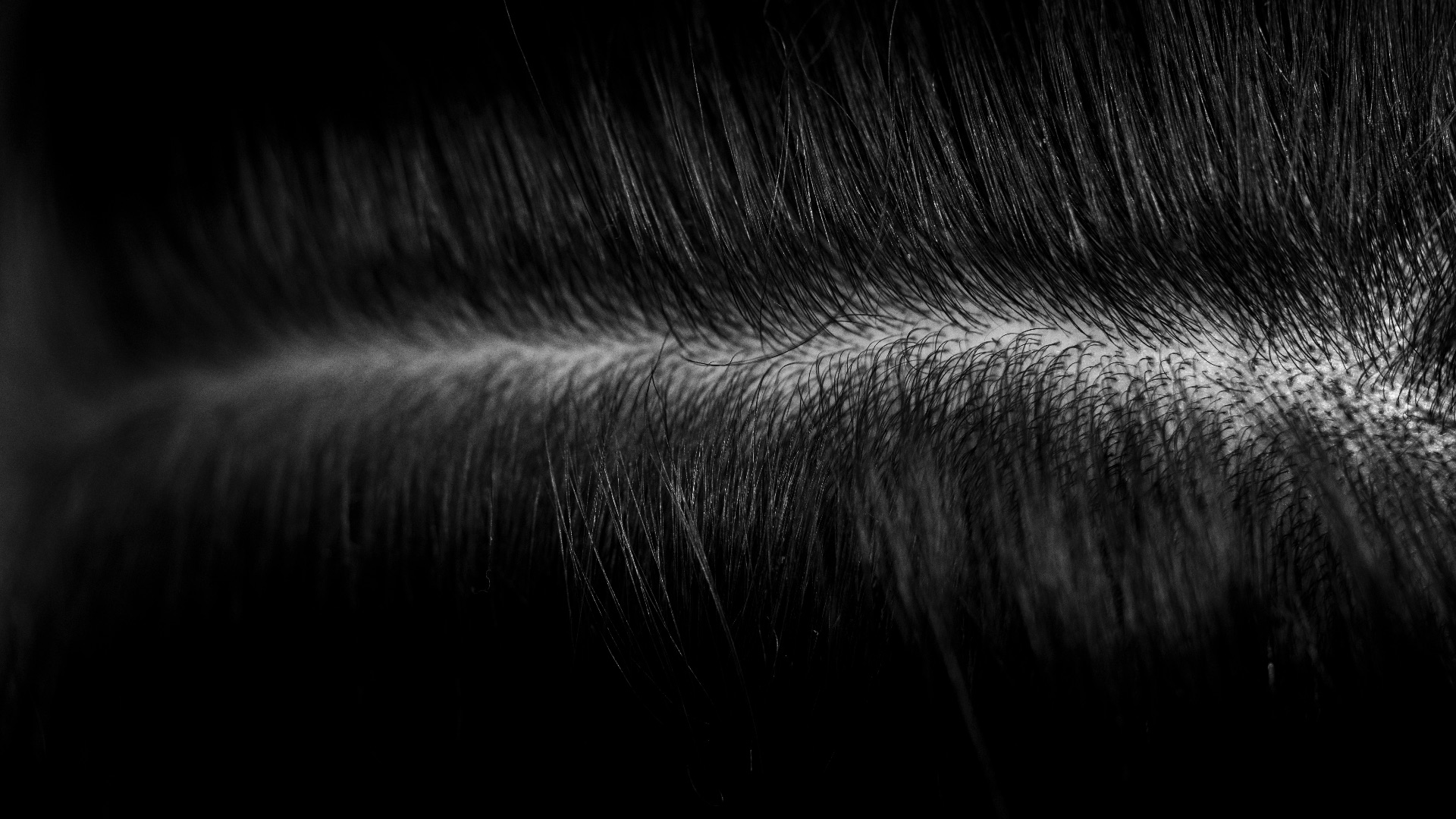
Your scalp is the foundation of healthy hair growth, and taking care of it directly, rather than focusing only on the strands themselves, can yield significant improvements. Regular scalp massages can help stimulate blood flow to the follicles, and incorporating a clarifying treatment or scalp serum into your routine can address buildup, excess oil, or dryness more effectively. If you're dealing with a specific scalp condition like dandruff or seborrheic dermatitis, there are medicated shampoos and topical treatments specifically designed to reduce inflammation and restore balance.
7. Book an Appointment with a Dermatologist or Trichologist
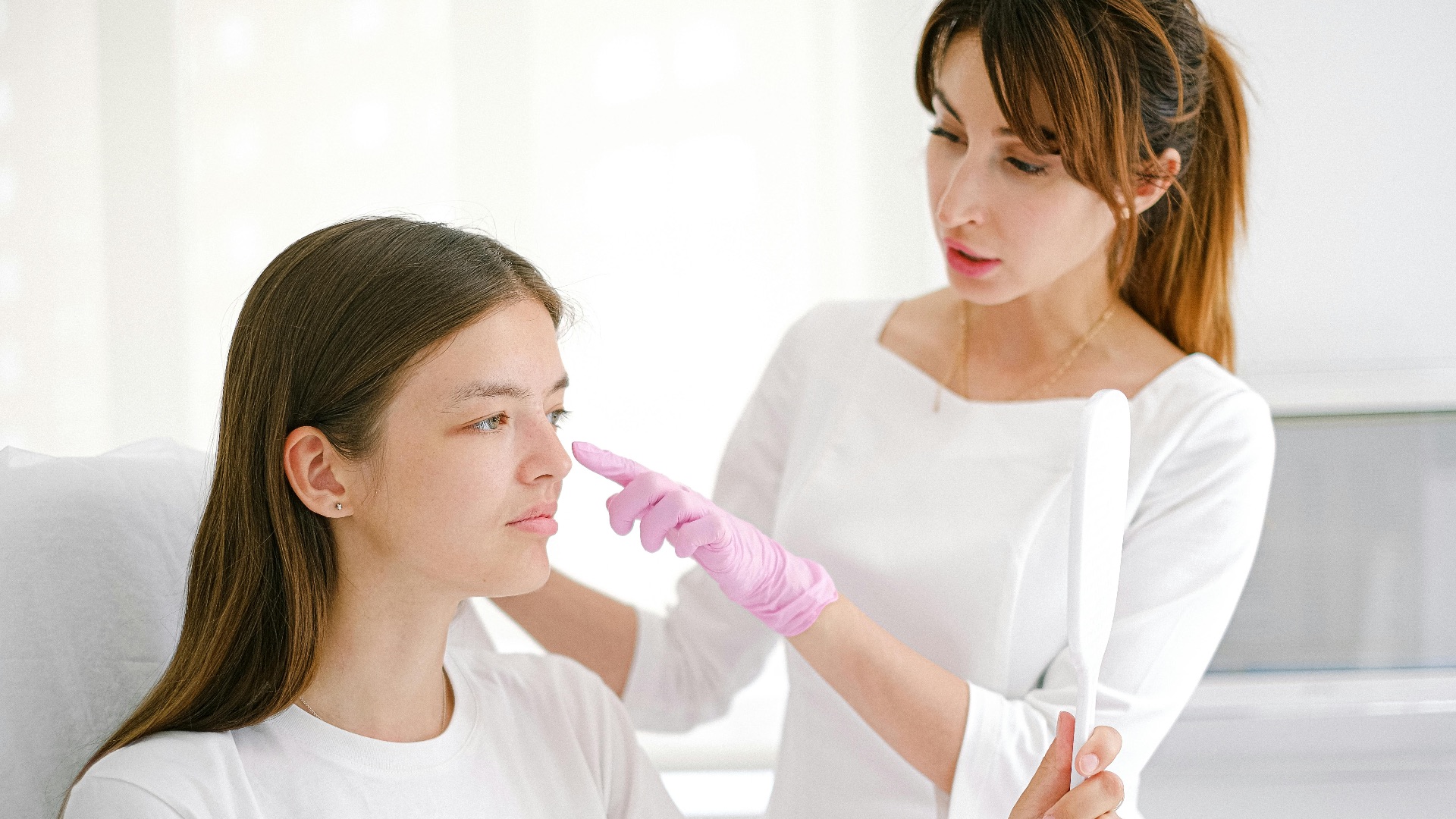
If you've been experiencing significant hair changes without a clear cause, seeing a specialist is one of the most direct and productive steps you can take. Dermatologists and trichologists, who focus specifically on hair and scalp health, can conduct a thorough examination and recommend targeted treatments based on what they actually find rather than what seems likely. Getting a professional assessment means you're not relying on guesswork, and it can save considerable time compared to trial-and-error approaches at home.
8. Review Any Medications You're Currently Taking
A wide range of prescription and over-the-counter medications list hair loss or texture changes as potential side effects, including certain blood pressure medications, antidepressants, cholesterol-lowering drugs, and hormonal contraceptives. If you've noticed a correlation between starting a new medication and changes in your hair, that's a conversation worth having with the prescribing doctor. They may be able to adjust your dosage, suggest an alternative, or at least confirm whether your medication is a likely contributing factor.

9. Make Quality Sleep a Non-Negotiable Priority
Sleep is when your body carries out much of its cellular repair and regeneration, and consistently poor sleep can disrupt hormonal balance in ways that affect both hair growth and hair loss. Aiming for seven to nine hours per night, and sticking to a consistent sleep schedule, supports your body's natural rhythms and keeps stress hormones like cortisol in check. Reducing screen time before bed, keeping your sleeping environment cool and dark, and cutting back on caffeine in the afternoon are all adjustments that can meaningfully improve the quality of your rest.

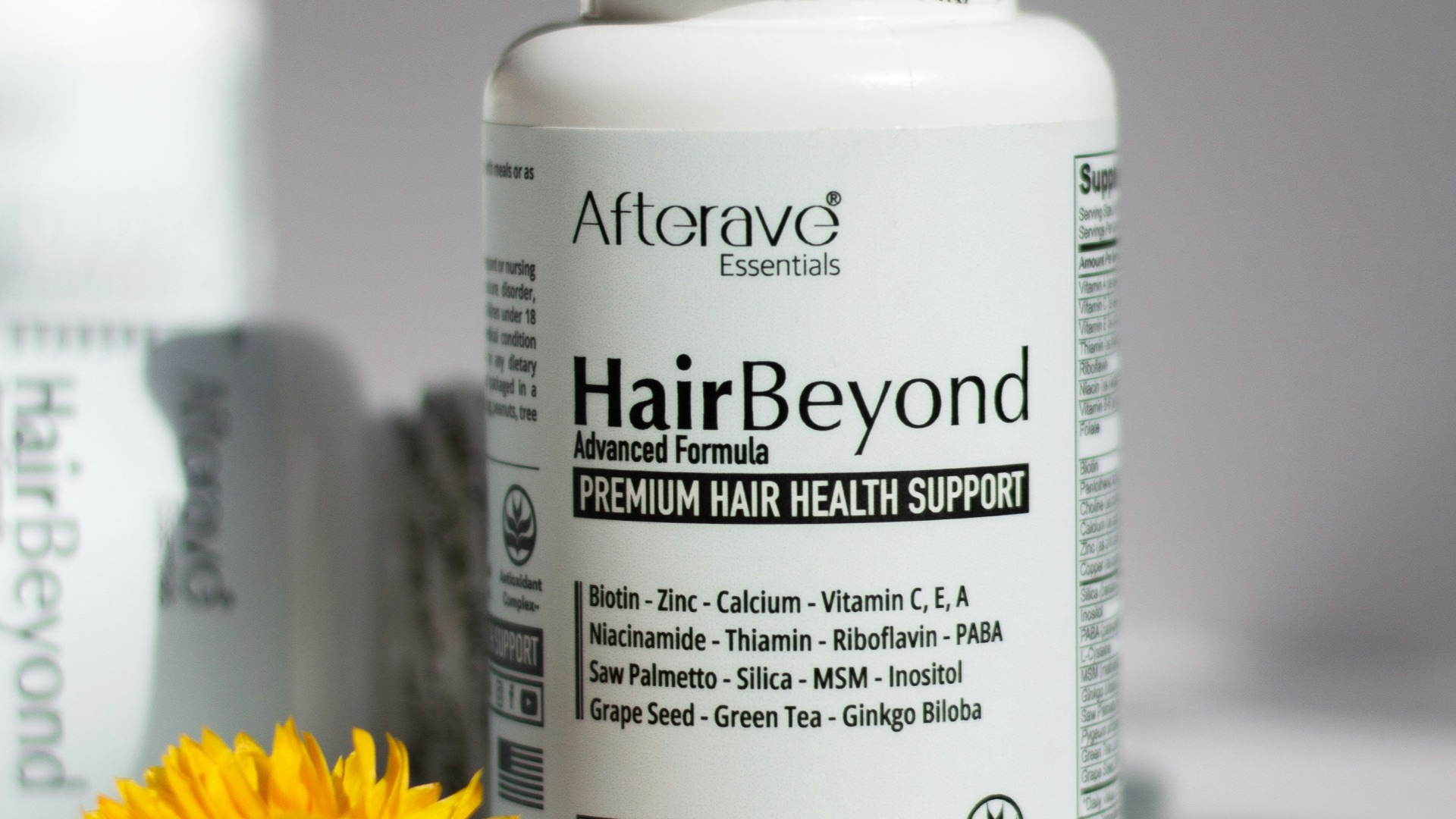
10. Consider Targeted Hair-Supportive Supplements
Once you have blood work results to guide you, supplementation can be a useful way to address specific deficiencies that are contributing to your hair concerns. Biotin, iron, vitamin D, zinc, and omega-3 fatty acids are among the most commonly recommended supplements for hair health, though it's important to take only what your body actually needs rather than loading up on a long list without professional input. Talking to your doctor or a registered dietitian before adding supplements to your routine ensures you're targeting the right deficiencies and avoiding any potential interactions with medications you're already taking.
KEEP ON READING