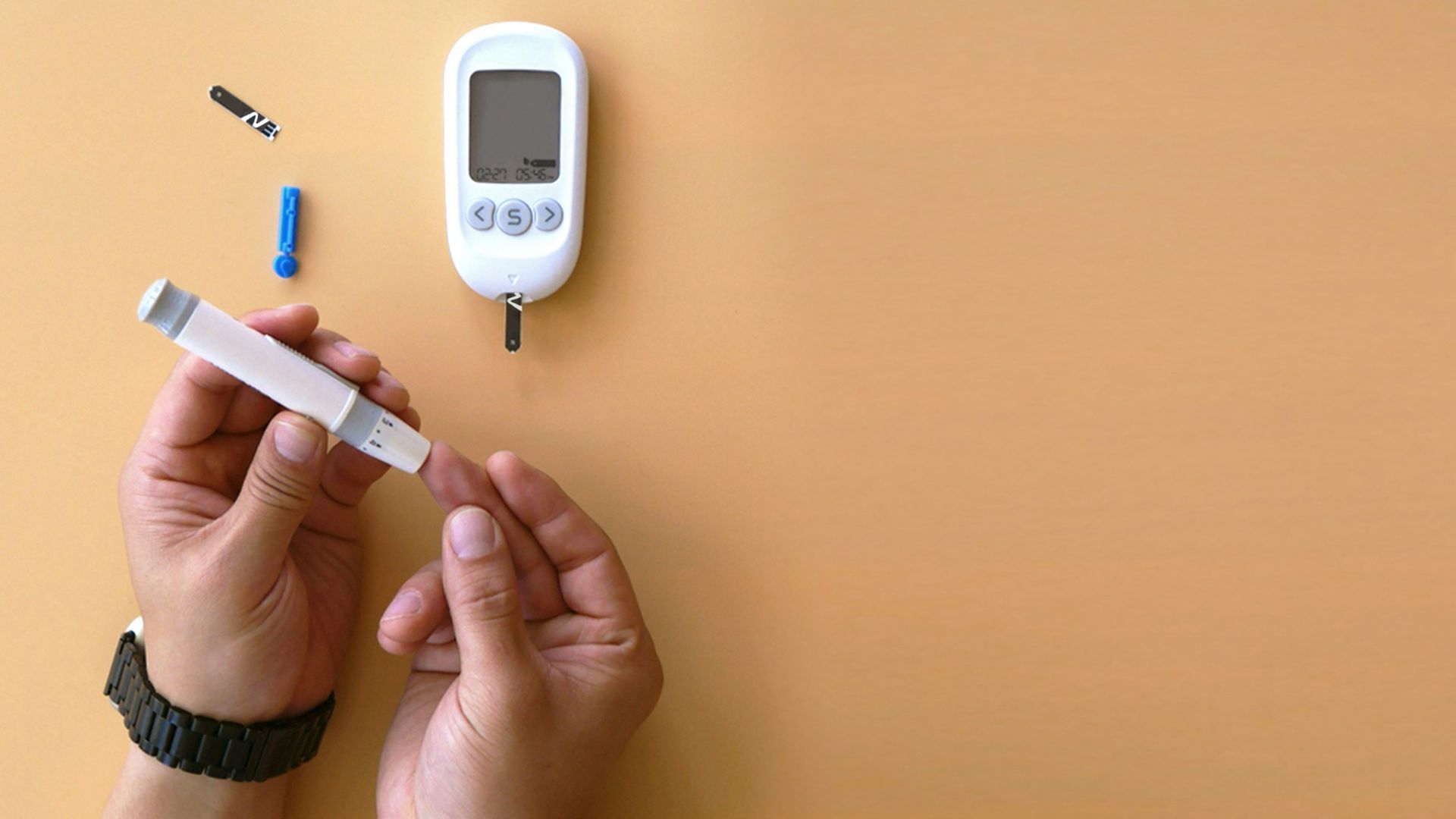

Salt Is Sneaky, and Your Body Knows It
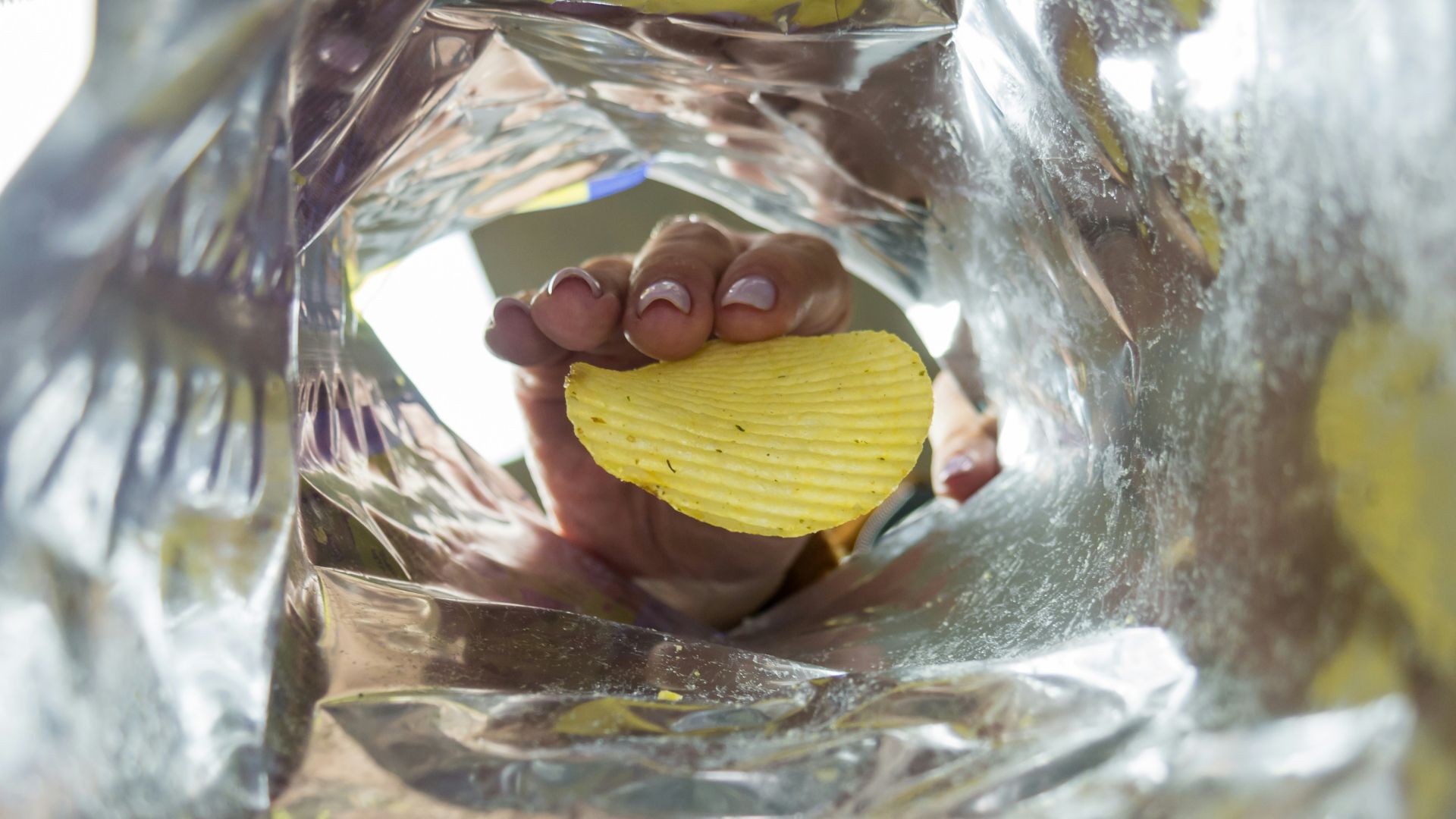
Most of us don't sit down and think, "I'm going to overdo the salt today." It just happens — a few extra shakes on scrambled eggs, a bag of chips in the afternoon, a takeout order with sauce that's heavier than it looks. The problem is that sodium hides in plain sight. It's in bread, canned soup, salad dressing, and deli meat, often in amounts that would surprise you. The average American consumes well over the recommended daily limit without trying very hard. Here are 10 signs your body is waving a flag, and 10 ways excess salt chips away at your health over time.

1. You're Constantly Thirsty
Your body is pretty literal about this one. When sodium levels rise, your brain signals a thirst response to push you toward drinking more water. If you find yourself reaching for a glass before bed or waking up dry-mouthed at 3 a.m., the culprit is often what you ate a few hours earlier. The body wants to dilute the salt, and it will remind you until it gets what it needs.

2. You're Retaining Water
Puffy ankles at the end of the day, rings that won't slide off, a face that looks a little swollen in the mirror. These aren't random occurrences. Sodium pulls water into your tissues, and your body holds onto it. It's not fat, and it usually isn't permanent, but it's a real and uncomfortable sign that your sodium intake is running high.

3. You're Bloated After Meals
Salt draws water into your digestive tract and into surrounding tissue, which can leave you feeling tight and uncomfortable even after a normal-sized meal. If you consistently feel bloated after eating certain foods like restaurant meals, packaged snacks, or anything with a long ingredient list, sodium is often the thread running through all of them.
4. Your Blood Pressure Spikes
You might not notice this one directly, but a routine checkup or home monitor can tell the story. High sodium intake raises blood pressure, sometimes significantly, by increasing the volume of fluid your heart has to pump. This isn't a dramatic, instant reaction. It builds quietly, over meals and months.

5. You Have Frequent Headaches
Elevated blood pressure from too much sodium can trigger headaches, particularly in people who are already sensitive to blood pressure changes. If you notice a dull, throbbing headache a few hours after a sodium-heavy meal, it's worth paying attention to the pattern. It's easy to blame stress or dehydration without connecting it to what was on your plate.

6. You Crave Salty Foods Constantly
Salt tolerance is real. The more you eat, the more you need to get the same satisfying taste. If unseasoned food tastes flat to you or you automatically reach for the shaker before tasting anything, your palate has likely calibrated to a higher baseline than is healthy.
7. You Feel Sluggish or Fatigued
When your body is working overtime to manage fluid balance, it takes a toll on your energy. Excess sodium stresses your kidneys, disrupts your fluid levels, and can interfere with sleep quality, all of which compounds into that heavy, dragging feeling that's hard to explain but easy to recognize.

8. You Urinate Frequently
This one is counterintuitive. Even though your body holds onto water in some tissues, your kidneys are simultaneously working to filter excess sodium out, which increases urination. The cycle of thirst, drinking, and frequent urination is often a sign the system is under strain.

9. Your Skin Looks Dull or Puffy
Salt-driven water retention shows up on the face fairly quickly. Puffiness around the eyes is common, and skin can look less vibrant overall when the body is holding excess fluid. It's not permanent, but it's a visible clue that your sodium levels are higher than your body prefers.

10. You Have Muscle Cramps
Sodium plays a role in how your muscles contract and relax. Too much of it can throw off your electrolyte balance, particularly your potassium levels, which leads to cramping, especially at night or after exercise. If you're getting unexplained leg cramps and you're not dehydrated, your sodium-to-potassium ratio is worth a look.
Here's 10 signs you've been getting too much, and 10 ways it quietly erodes your health when it goes unchecked.

1. It Damages Your Cardiovascular System
Chronic high sodium intake keeps blood pressure elevated, and elevated blood pressure is one of the leading risk factors for heart disease and stroke. The heart muscle thickens under the constant pressure, arteries stiffen over time, and the risk of a serious cardiac event climbs steadily.

2. It Strains Your Kidneys
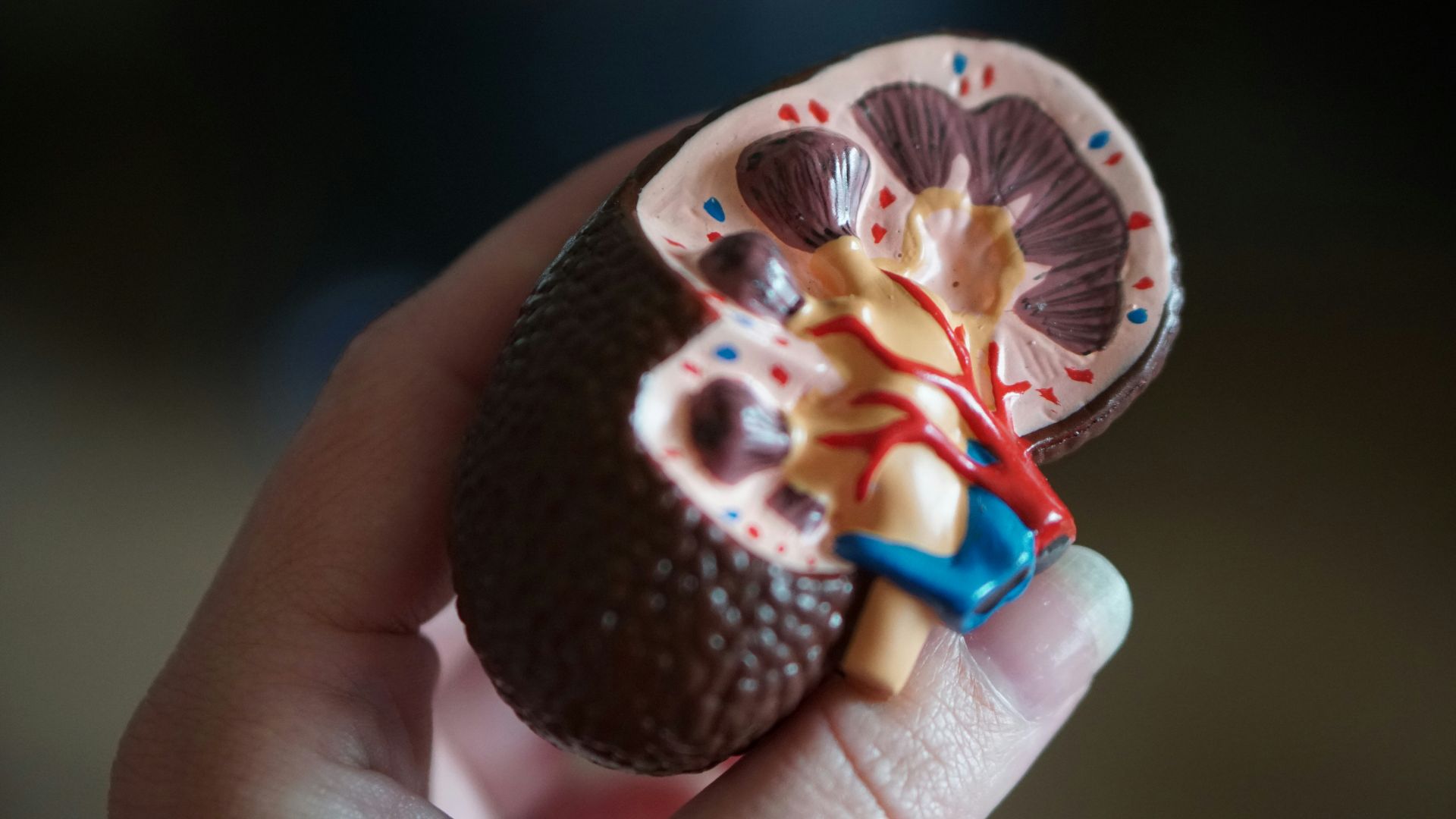
Your kidneys are the primary organs responsible for filtering excess sodium, and they're remarkably good at their job, up to a point. Years of high sodium intake increase the pressure inside the kidneys' delicate filtering structures, accelerating wear and raising the risk of chronic kidney disease.
3. It Weakens Your Bones
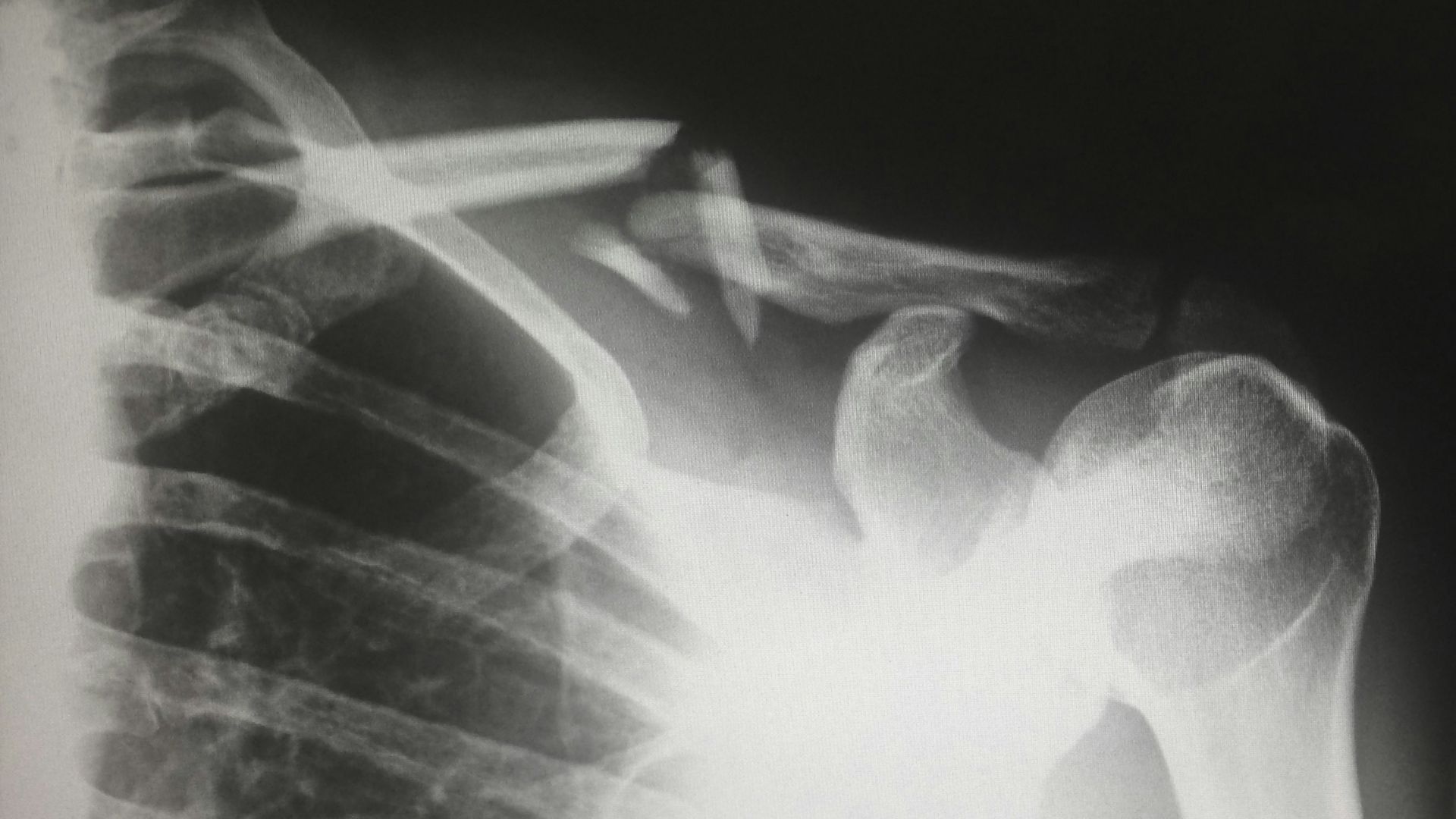
This one surprises people. When your kidneys excrete excess sodium, they pull calcium along with it. Over time, that calcium loss adds up, reducing bone density and increasing the risk of osteoporosis. A diet high in processed food and sodium can quietly undermine bone health even in people who think they're eating enough calcium.
4. It Raises Your Stroke Risk
The connection between high sodium, high blood pressure, and stroke is one of the clearest in nutrition research. Elevated blood pressure damages the walls of blood vessels over time, making them more likely to rupture or become blocked. Reducing sodium intake, even moderately, has a measurable effect on stroke risk.
5. It Can Worsen Kidney Stones
Sodium increases the amount of calcium excreted in urine, which raises the concentration of calcium in the urinary tract. For people prone to kidney stones, a high-sodium diet is a meaningful contributing factor. Even if you've never had a stone, habitually high sodium intake is part of the risk profile.

6. It Disrupts Your Sleep
High blood pressure and frequent urination, both effects of excess sodium, are two of the more common reasons people wake up in the night. Poor sleep isn't just inconvenient. It compounds into cognitive decline, mood issues, and immune dysfunction over time. If you're eating a salty dinner regularly and sleeping badly regularly, the two may not be unrelated.

7. It Increases Stomach Cancer Risk
Research has consistently linked high sodium intake with an elevated risk of stomach cancer, particularly in combination with the stomach bacterium H. pylori. Salt at high concentrations appears to damage the stomach lining and create conditions where harmful changes are more likely to occur.

8. It Can Trigger Autoimmune Flares
There's growing evidence that high-salt diets may influence immune regulation in ways that worsen autoimmune conditions. Studies have found that excess sodium can activate certain immune cells that are already overactive in conditions like multiple sclerosis and rheumatoid arthritis.

9. It Contributes to Cognitive Decline
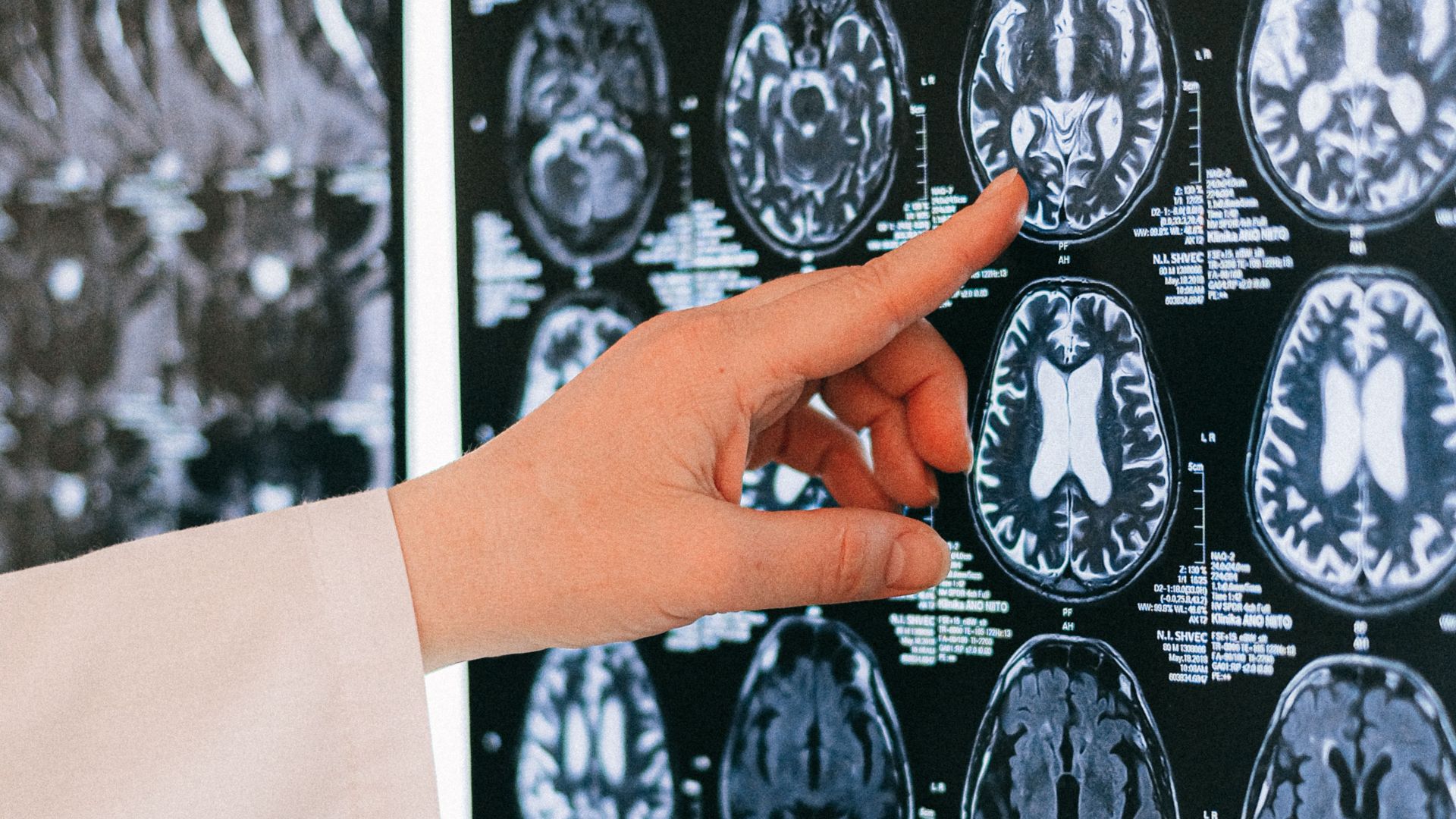
The same vascular damage that raises stroke risk also affects the brain's small blood vessels, reducing blood flow over time. Chronic hypertension from high sodium intake has been associated with cognitive decline and an elevated risk of dementia. The brain is exquisitely sensitive to changes in blood flow, and anything that compromises circulation matters.

10. It Makes Everything Else Harder to Manage
When sodium intake is chronically high, it creates a compounding effect on nearly every other health condition. Diabetes, heart failure, and hypertension all become harder to manage when sodium is consistently driving up fluid volume and blood pressure.