
Understanding Protein Needs as You Age
Protein plays an increasingly important role as you get older because your body becomes less efficient at building and maintaining muscle, repairing tissues, and supporting overall health. While many age-related changes happen gradually, certain physical signs may suggest you're not getting enough protein to meet your body's needs. If you've noticed some of the following issues becoming more common, it may be worth taking a closer look at your daily protein intake. Here are 20 signs your body needs more protein as you age.
1. Loss of Muscle Mass
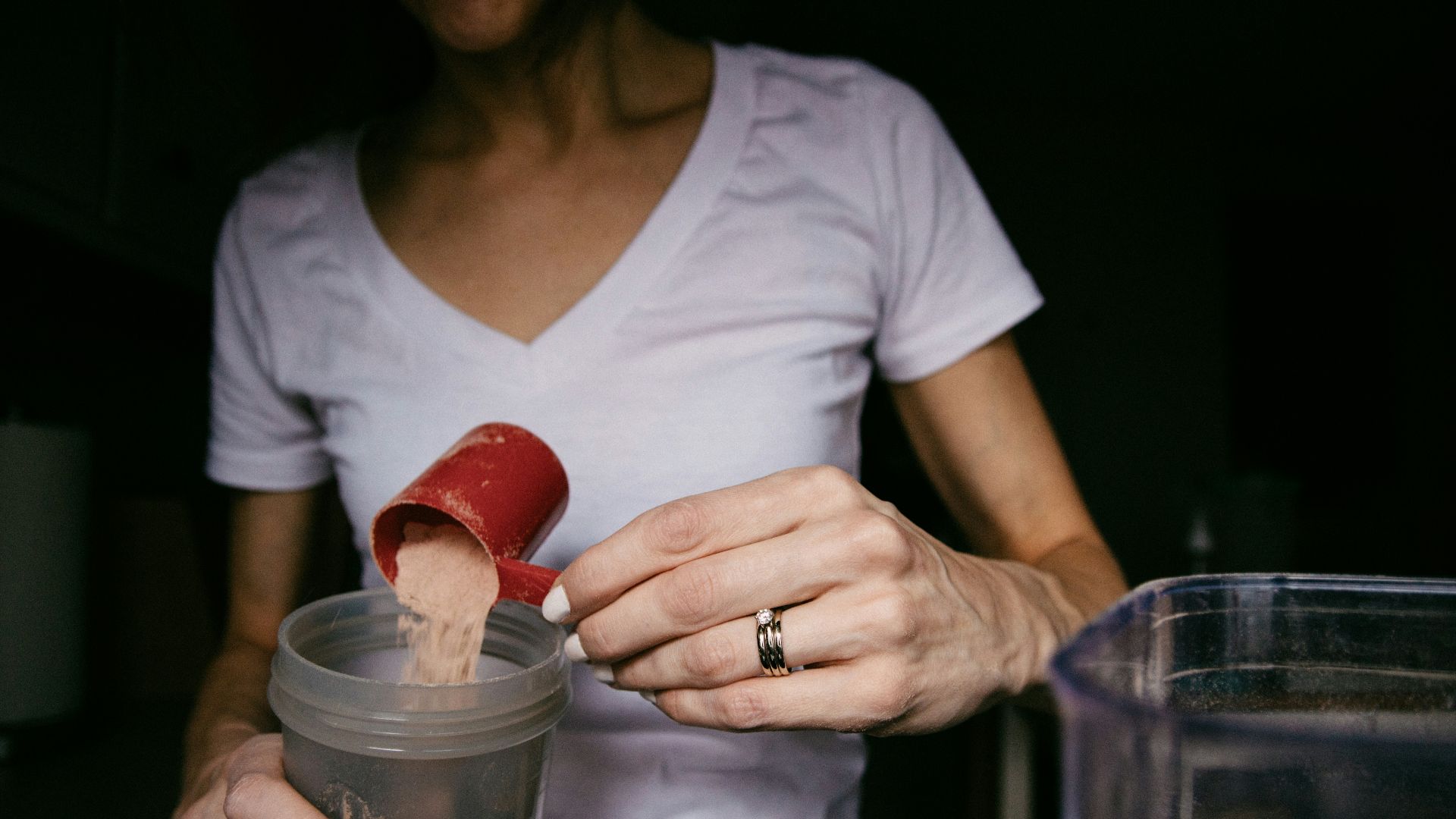
One of the most common signs of inadequate protein intake is a gradual decrease in muscle mass. Aging naturally contributes to muscle loss, but not getting enough protein can speed up the process. You may notice that your arms and legs seem less firm than they used to be or that everyday tasks require more effort.

2. Reduced Strength
If lifting groceries, carrying laundry, or opening jars feels harder than it once did, low protein intake could be a contributing factor. Protein provides the building blocks needed to maintain muscle strength. Without enough of it, your muscles may struggle to perform as effectively.

3. Slower Recovery After Exercise
Exercise creates small amounts of muscle damage that your body repairs and strengthens afterward. When protein intake is too low, this recovery process can take longer than expected. You might find yourself feeling sore for days after activities that never used to bother you.
4. Frequent Hunger
Protein is known for helping people feel satisfied after meals. If you're constantly looking for snacks shortly after eating, your meals may not contain enough protein. A lack of protein can leave you feeling less full, even when you've consumed plenty of calories.

5. Increased Fatigue
Feeling tired all the time isn't always related to sleep quality. Protein supports numerous bodily functions, including tissue repair and enzyme production. When intake falls short, low energy levels may become more noticeable during daily activities.

6. Thinning Hair
Hair is primarily made of a protein called keratin. If your body isn't getting enough dietary protein, it may prioritize more essential functions over hair growth. Over time, this can contribute to hair that appears thinner or sheds more than usual.

7. Brittle Nails
Your nails rely on protein for structure and strength. A deficiency may cause them to become weak, brittle, or more prone to splitting. While many factors can affect nail health, inadequate protein is one possible cause worth considering.
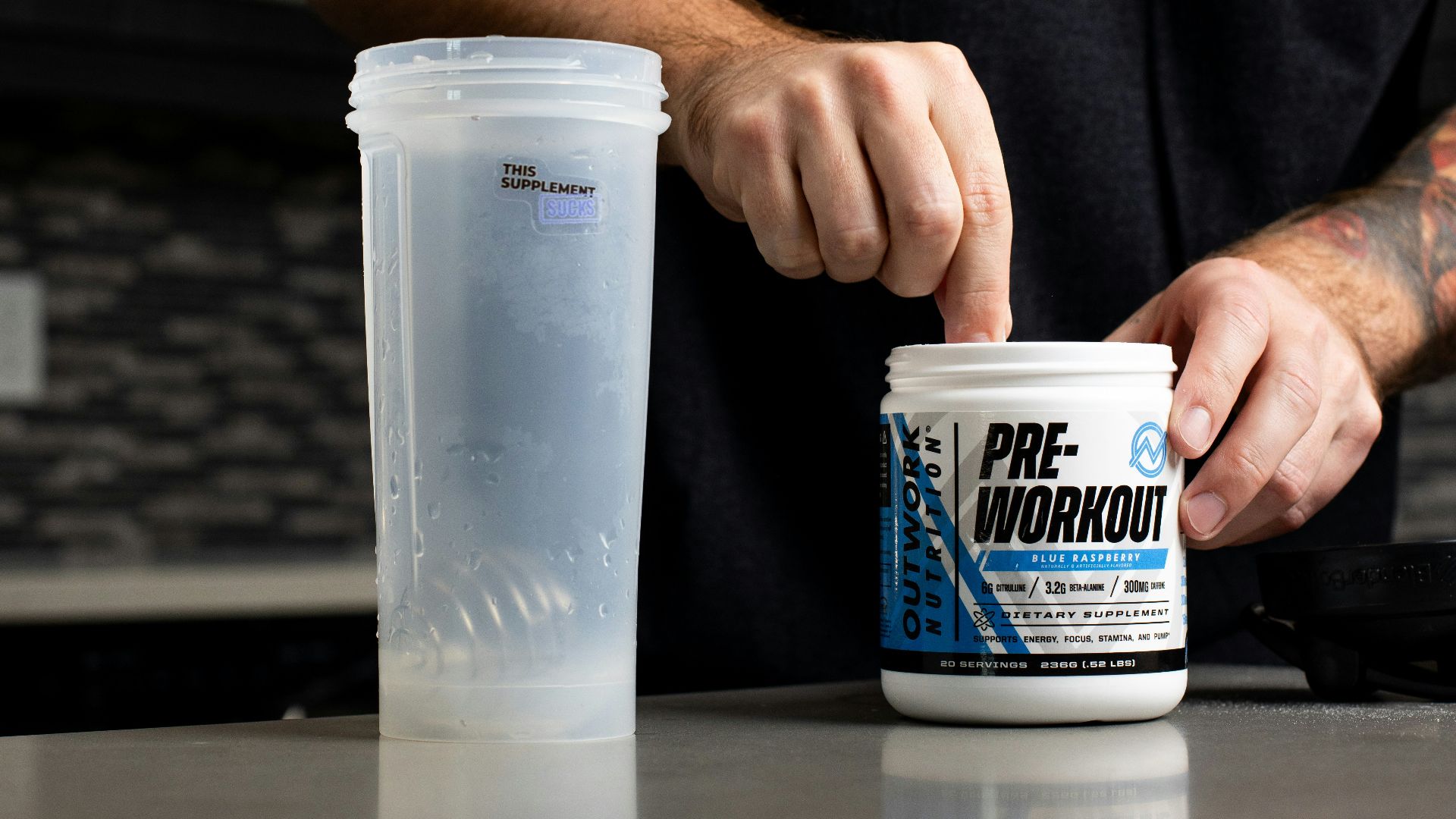 This Supplement Sucks on Unsplash
8. More Frequent Illnesses
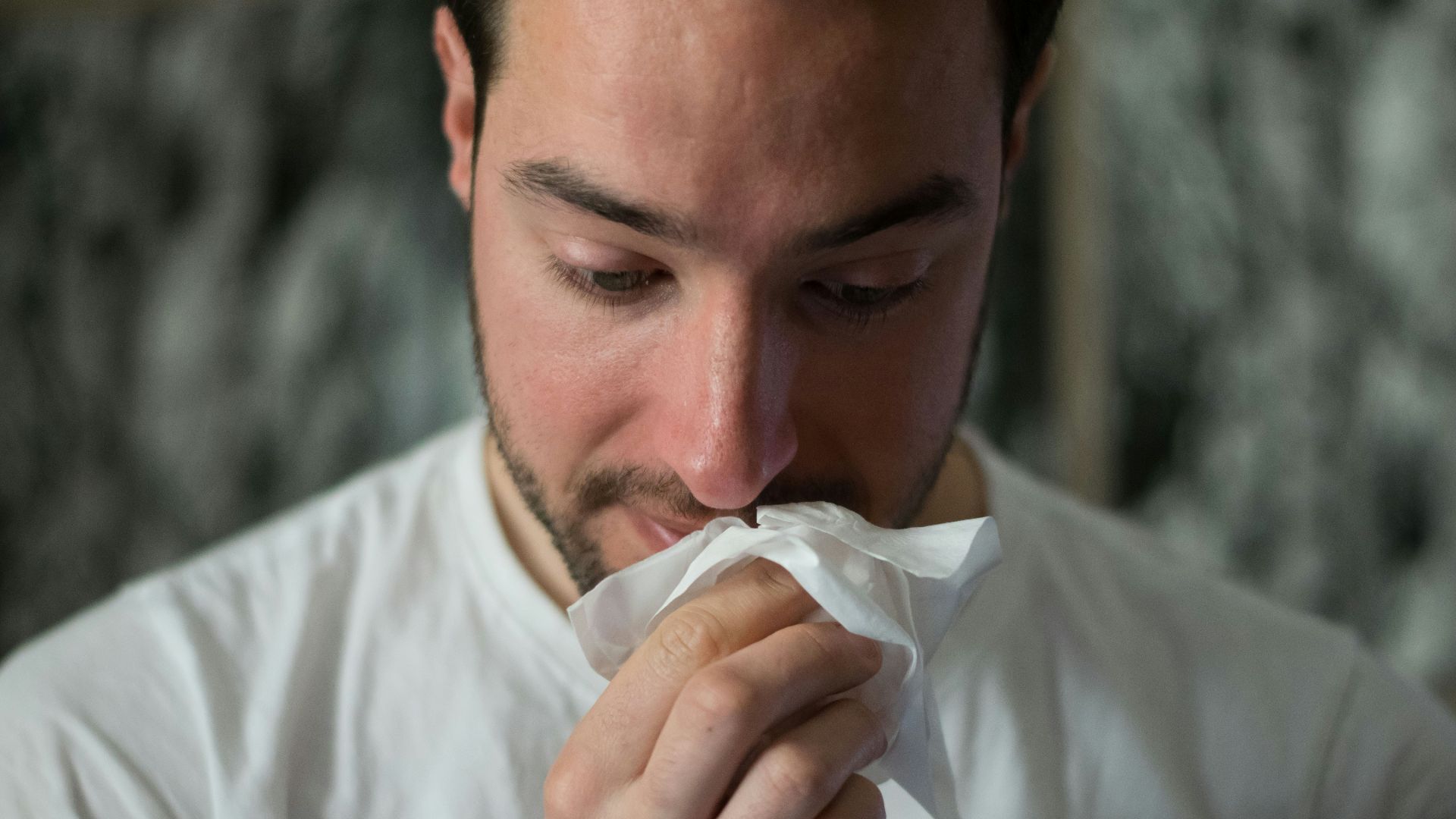
Protein helps support the immune system by contributing to the production of antibodies and other immune components. If you seem to catch every cold that goes around, your diet may deserve a closer look. Consistently low protein intake can make it harder for the body to function at its best.
9. Slow Wound Healing
Cuts, scrapes, and other minor injuries require protein for proper healing. Without adequate amounts, the repair process can become less efficient. You may notice that small wounds take longer to close or recover fully.

10. Swelling in the Feet or Ankles
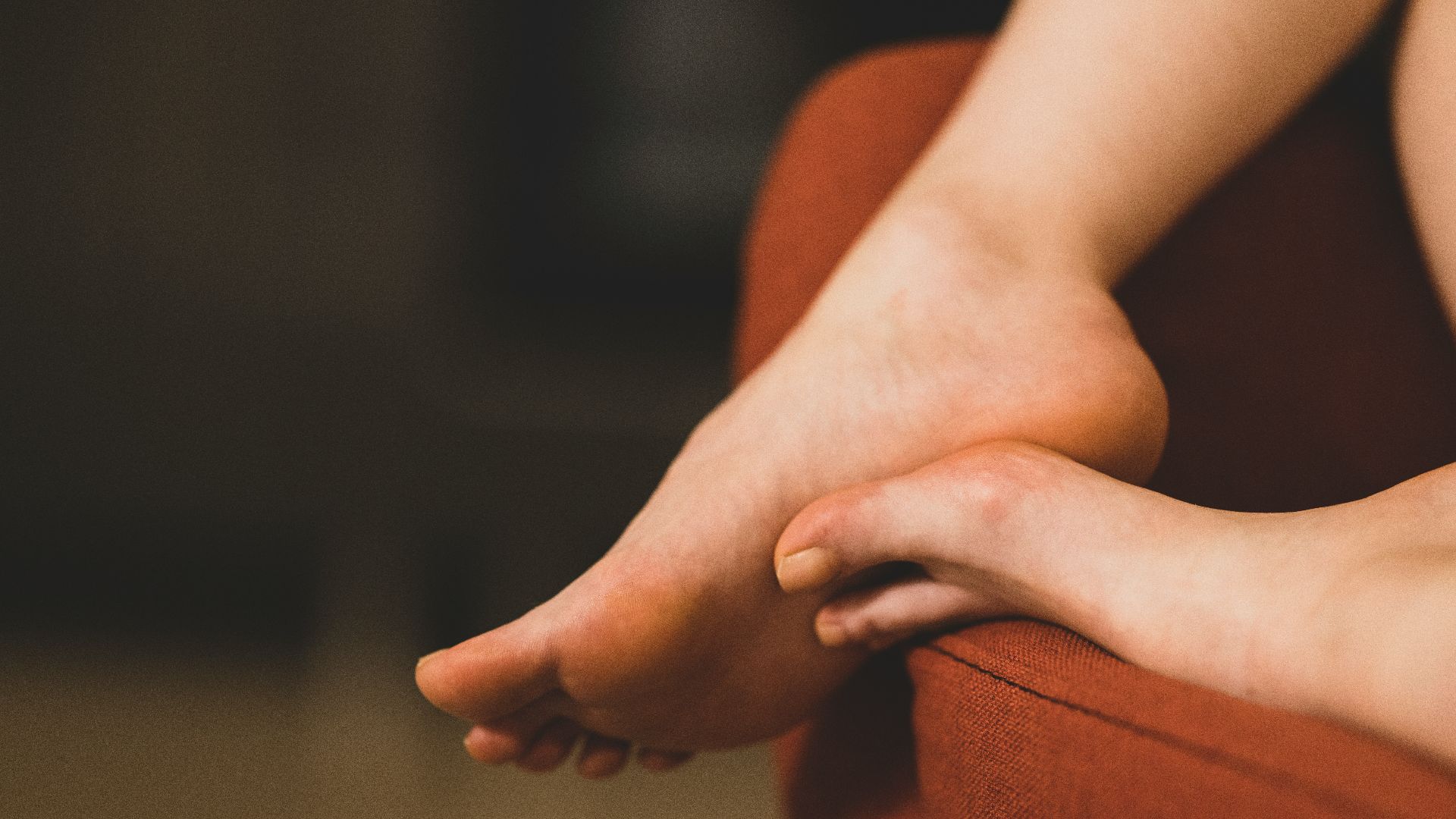
Protein helps regulate fluid balance throughout the body. In severe cases of protein deficiency, fluid can accumulate in tissues and lead to swelling, particularly in the lower legs and feet. Although many medical conditions can cause swelling, inadequate protein is one potential factor.
11. Difficulty Maintaining Balance
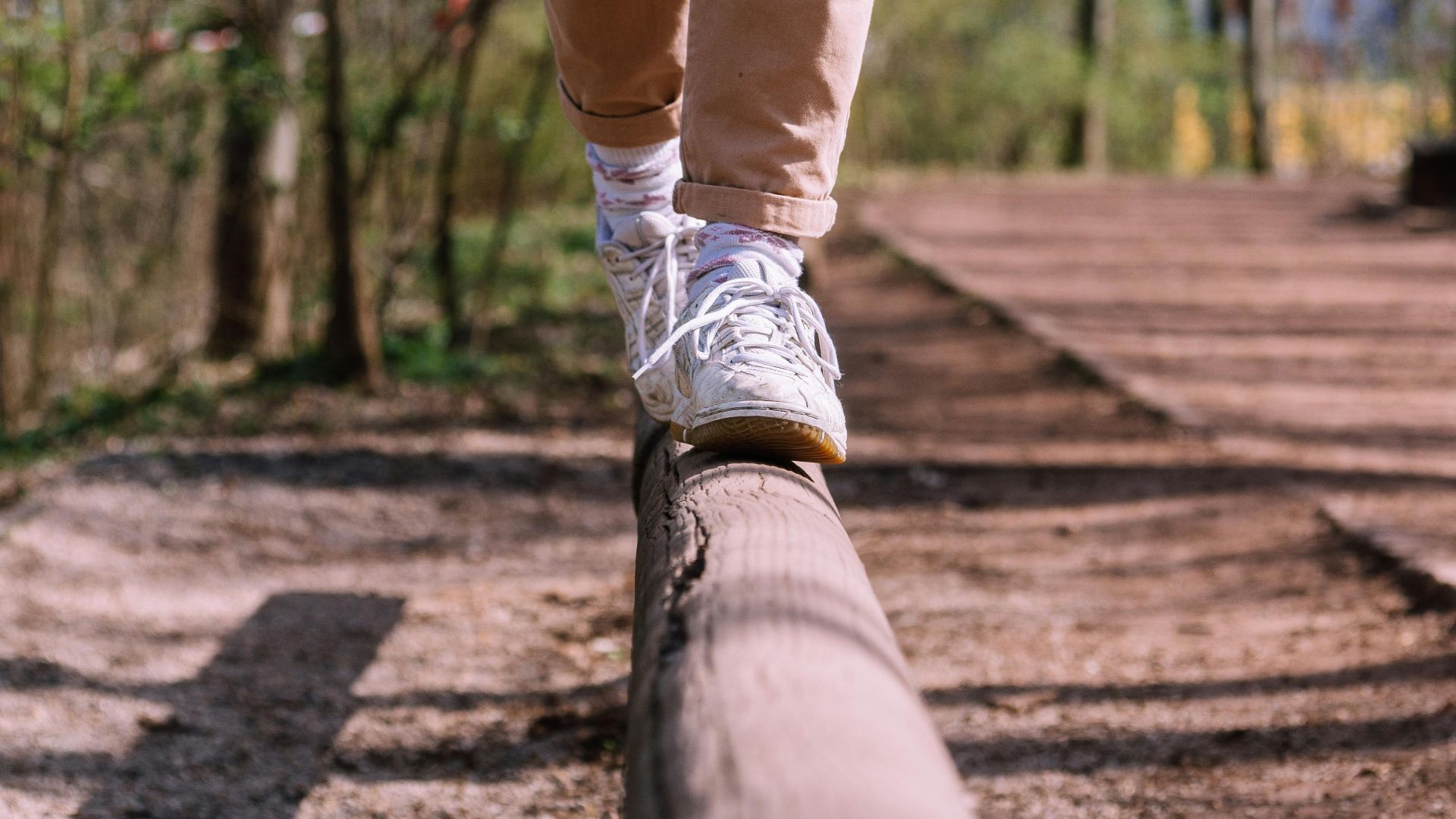
Muscle strength plays an important role in stability and coordination. As protein intake drops, muscle loss may increase, making balance more challenging. This can raise the risk of falls, which become more concerning with age.
12. Loss of Appetite
While it may seem surprising, inadequate protein intake can sometimes be linked to a reduced desire to eat. Aging already affects appetite in many people, and poor nutrition can make the problem worse. This creates a cycle that becomes harder to break over time.
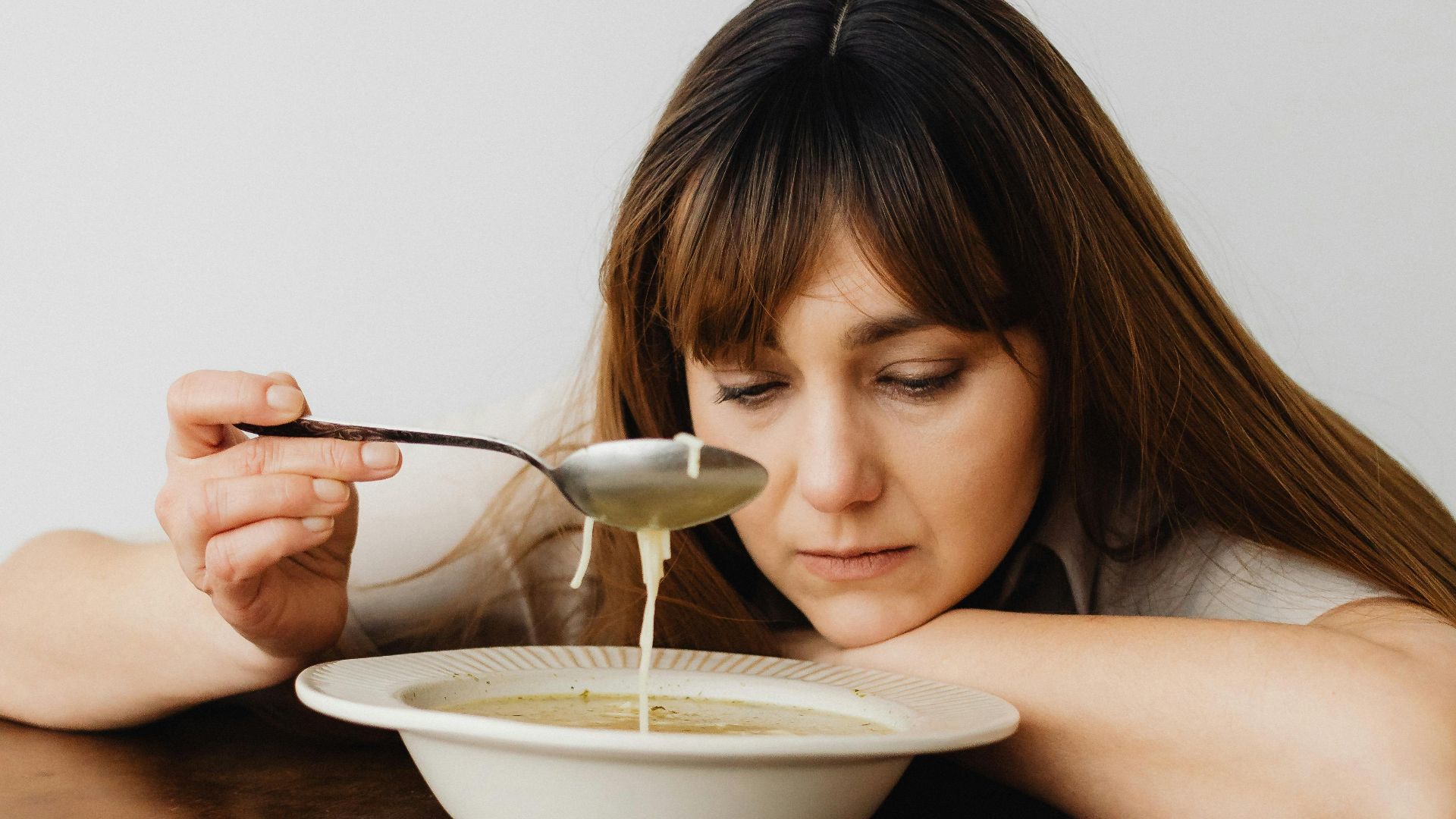
13. Persistent Muscle Aches
Occasional soreness is normal, but ongoing muscle discomfort may signal that your body isn't recovering properly. Protein is necessary for maintaining and repairing muscle tissue. When intake is insufficient, aches and weakness may become more noticeable.
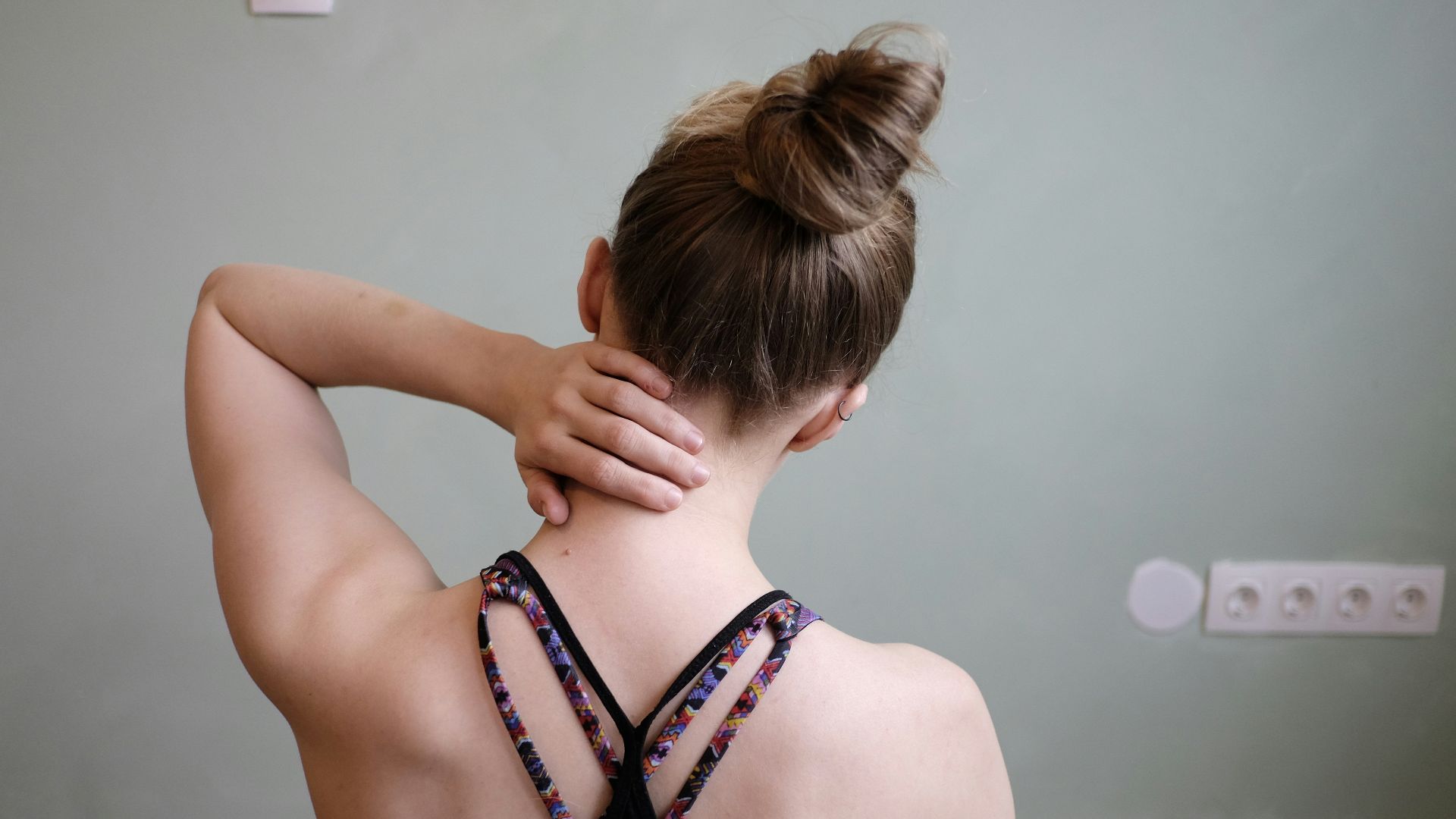
14. Declining Physical Endurance
Activities such as walking, gardening, or climbing stairs may feel more exhausting than before. Protein helps preserve muscle tissue that supports stamina and movement. As muscle quality declines, endurance often follows the same pattern.

15. Difficulty Building Muscle
Even with regular exercise, building or maintaining muscle becomes harder with age. This challenge becomes even greater when protein intake is too low.
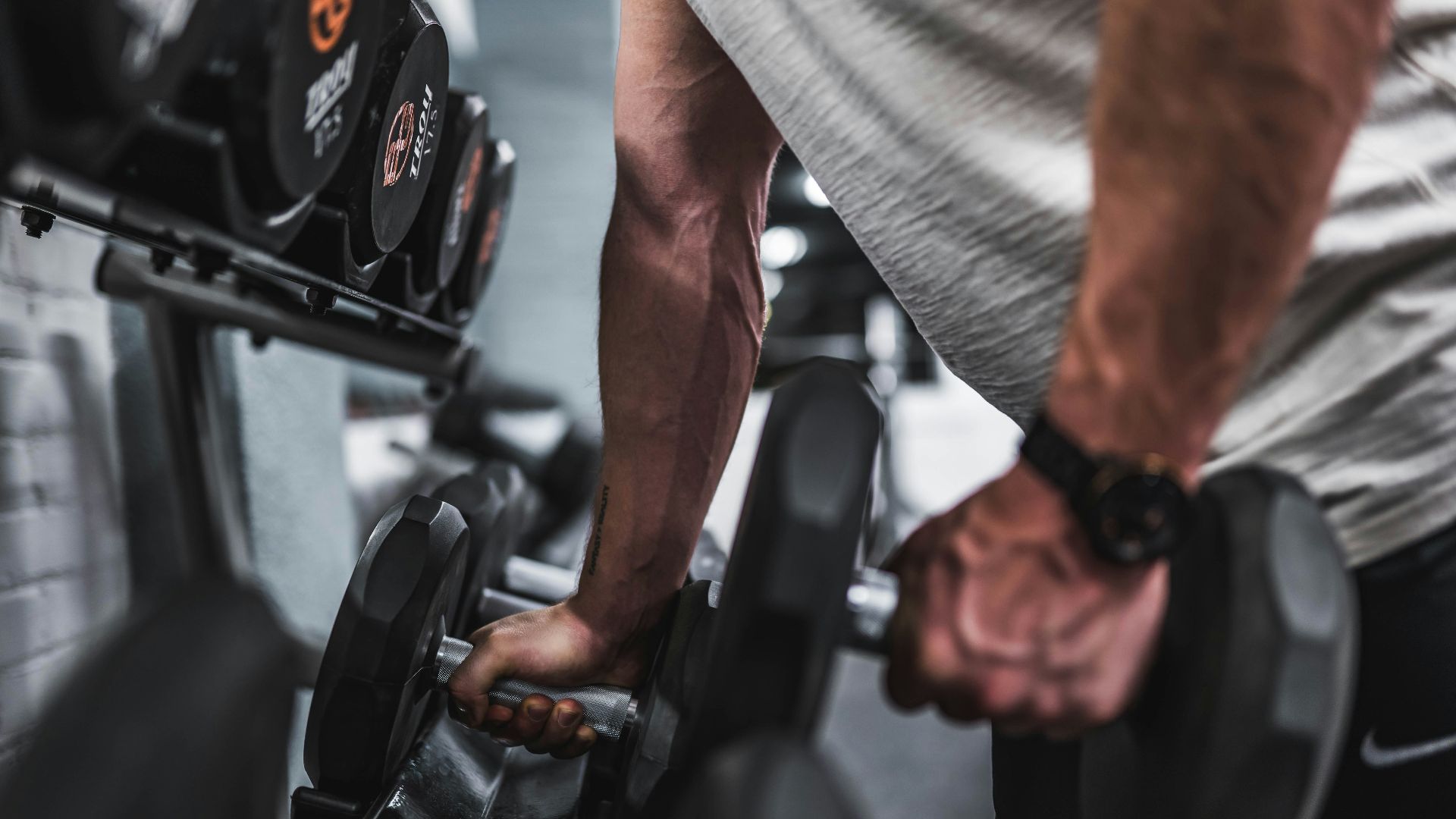
16. Changes in Skin Quality
Protein contributes to the structure of skin through components such as collagen and elastin. A prolonged shortage may affect the skin's ability to maintain its strength and appearance.

17. Unintentional Weight Loss
Losing weight without trying isn't always a positive sign. In older adults, inadequate protein intake can contribute to the loss of lean muscle tissue rather than body fat. This type of weight loss can affect strength, mobility, and overall health.
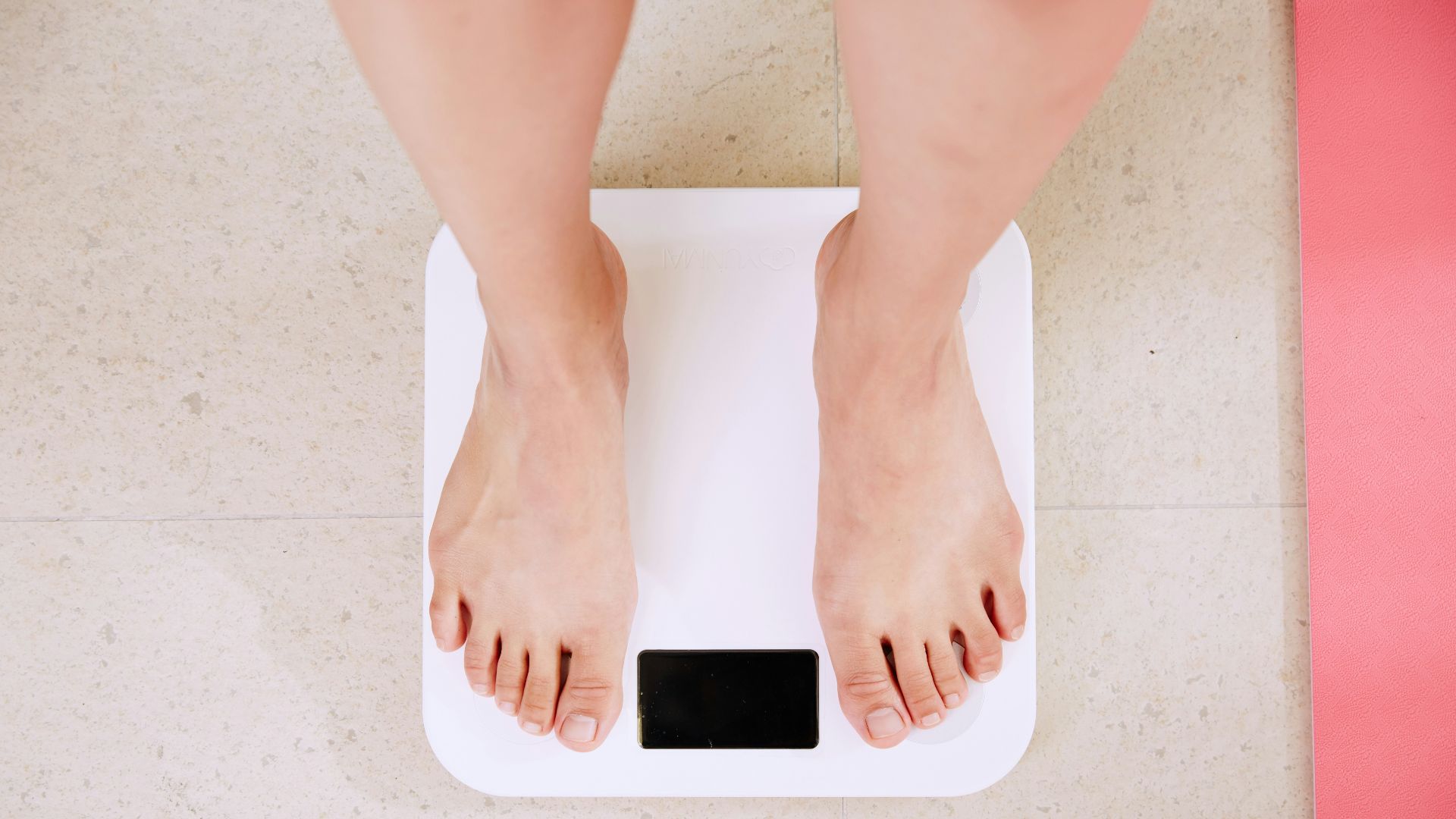
18. Trouble Staying Active
If you're finding it increasingly difficult to keep up with activities you enjoy, nutrition may be part of the picture. Protein supports muscle maintenance and physical function.

19. Increased Risk of Fractures
Protein works alongside other nutrients to support bone health. Research suggests that adequate protein intake can help maintain bone strength, particularly in older adults.
20. Longer Recovery From Illness
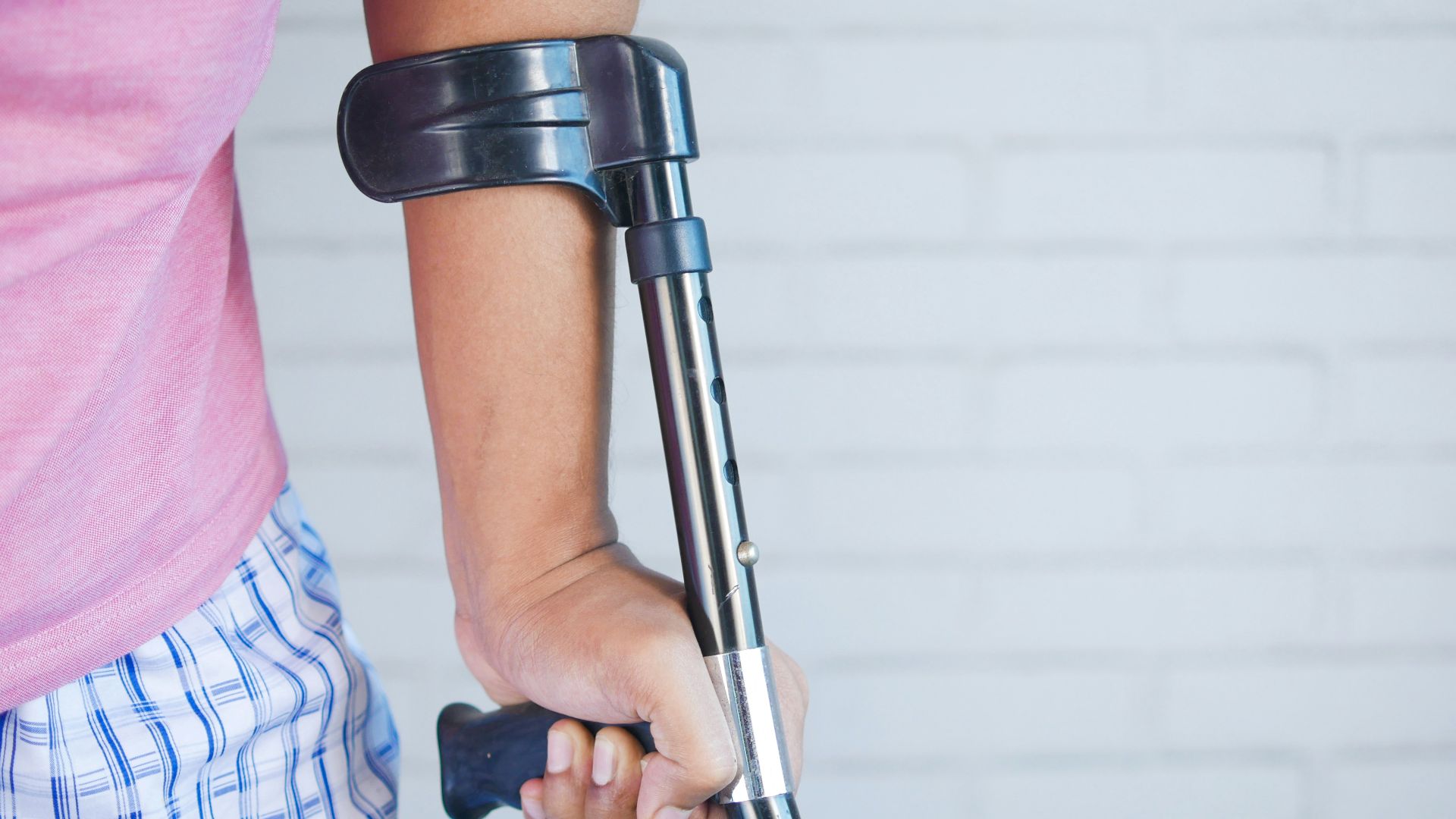
Recovering from infections, surgery, or other health setbacks places additional demands on the body. Protein becomes especially important during these periods because it supports tissue repair and immune function.

KEEP ON READING



20 Ways to Deal With Your Sweet Tooth
20 Low-Impact Exercise Ideas For People Over 50