20 Wellness Tips for Empty Nesters Who Are Building a New Routine
Filling Up Your Days
When the last child moves out, the change can feel bigger than expected. The errands, rides, school calendars, grocery lists, practices, and late-night check-ins may not fill your day the way they once did. While it can be a relief in some aspects, it’s also completely common to experience feelings of sadness and restlessness. Like a “what now?” feeling. Luckily for you, this is now your time to try something new, to pick up where you left off 20 years ago, and spend the next section of your life enjoying yourself. You don’t have to replace your old life overnight or pretend the change is nothing. A healthier routine can help you feel steadier in this new stage, and these 20 wellness tips are a good place to begin.

1. Make Plans
Lifestyle changes feel easier when you’ve established a couple of routine plans. Give yourself the same morning or workout routine, and maybe even a social outing that you can count on. This gives your days a little bit of shape without overloading your calendar.
2. Go For A Walk
Walking is one of the easiest ways to return to regular movement because it supports heart health, mobility, mood, and energy. Start with 10 minutes if that feels realistic, then build from there once it feels normal. You can walk a little farther, move at a quicker pace, choose a hill, or ask someone to join you.

3. Strength Train Twice A Week
Strength training helps support muscle, balance, bone health, and everyday independence as you get older. Resistance bands, light dumbbells, wall pushups, chair squats, and beginner classes can all help without taking over your schedule. The best choice is the one you’ll be willing to repeat next week.

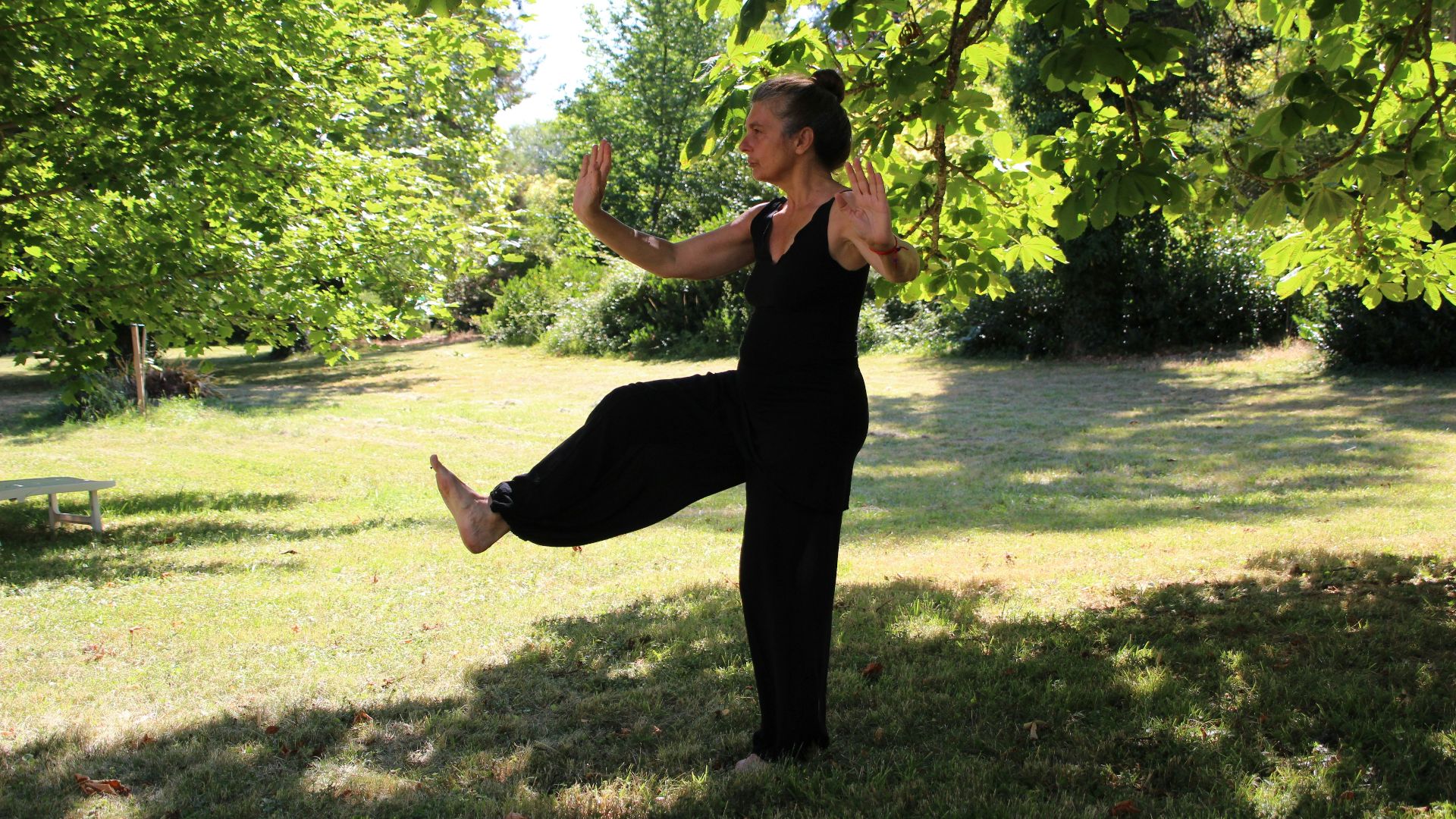
4. Balance Exercises
Balance work may not sound exciting, but it can help you move with more safety and confidence. Try standing on one foot near a counter, walking heel-to-toe down a hallway, or taking a gentle yoga or tai chi class.
5. Cook
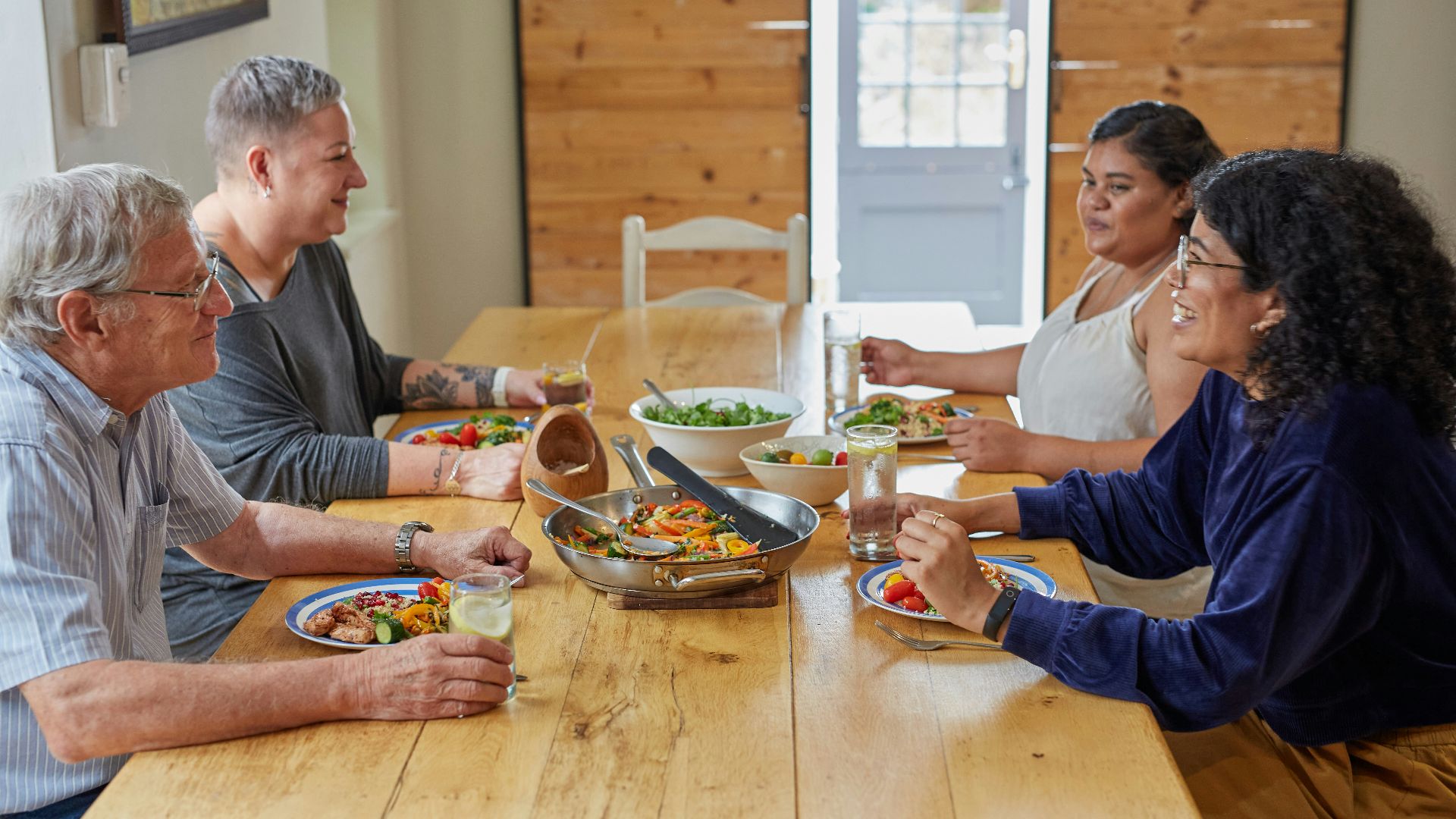
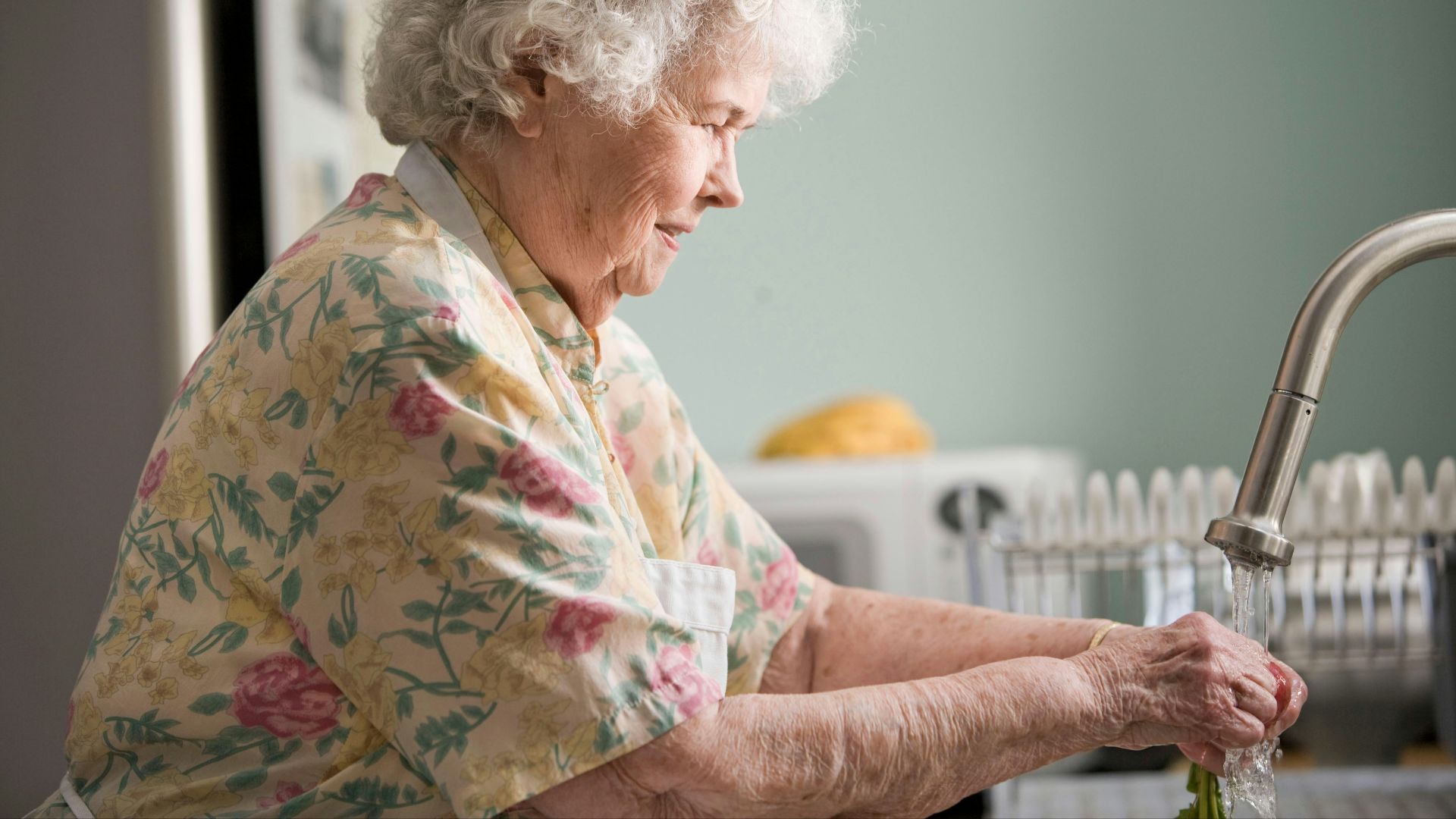
Cooking for fewer people can feel a little odd after years of feeding a full table. Build simple meals around protein, vegetables or fruit, whole grains, and healthy fats, such as eggs with whole-grain toast or salmon with roasted vegetables. Food can still feel nourishing and satisfying, even if you’re only making a meal for one or two people.

6. Drink Water
We know you’re drinking water, but are you drinking enough water? Hydration is easy to mess up if you have a particularly busy day. If you’re not hydrated enough, you may feel sluggish, foggy, or off your usual routine, so keep water where you’ll actually see it.
7. Give Sleep A Real Place In Your Routine
Sleep deserves priority, as much as you may not like to hear it. Most adults need seven to nine hours, and a steady wind-down can help your body settle at night.

8. Rebuild Your Social Circle
Some social connection naturally fades when the school years end. Games, carpools, recitals, and quick parent chats may have filled more of your social life than you realized. Start making plans again, whether that means a walk, a class, a volunteer shift, or breakfast with a friend.

9. Find A New Routine With Your Adult Kids
Your relationship with your children doesn’t end when they move out. A weekly call, shared photo thread, or standing lunch can keep the connection warm without making anyone feel monitored. Closeness tends to work better when everyone has enough room to grow.

10. Give Yourself A New Sense Of Purpose
Purpose doesn’t have to mean a complete life makeover. It can look like mentoring someone, volunteering, joining a local group, taking a class, or starting a project you kept postponing. This season of your life can give old interests some room again.
 Centre for Ageing Better on Unsplash
11. Learn Something New
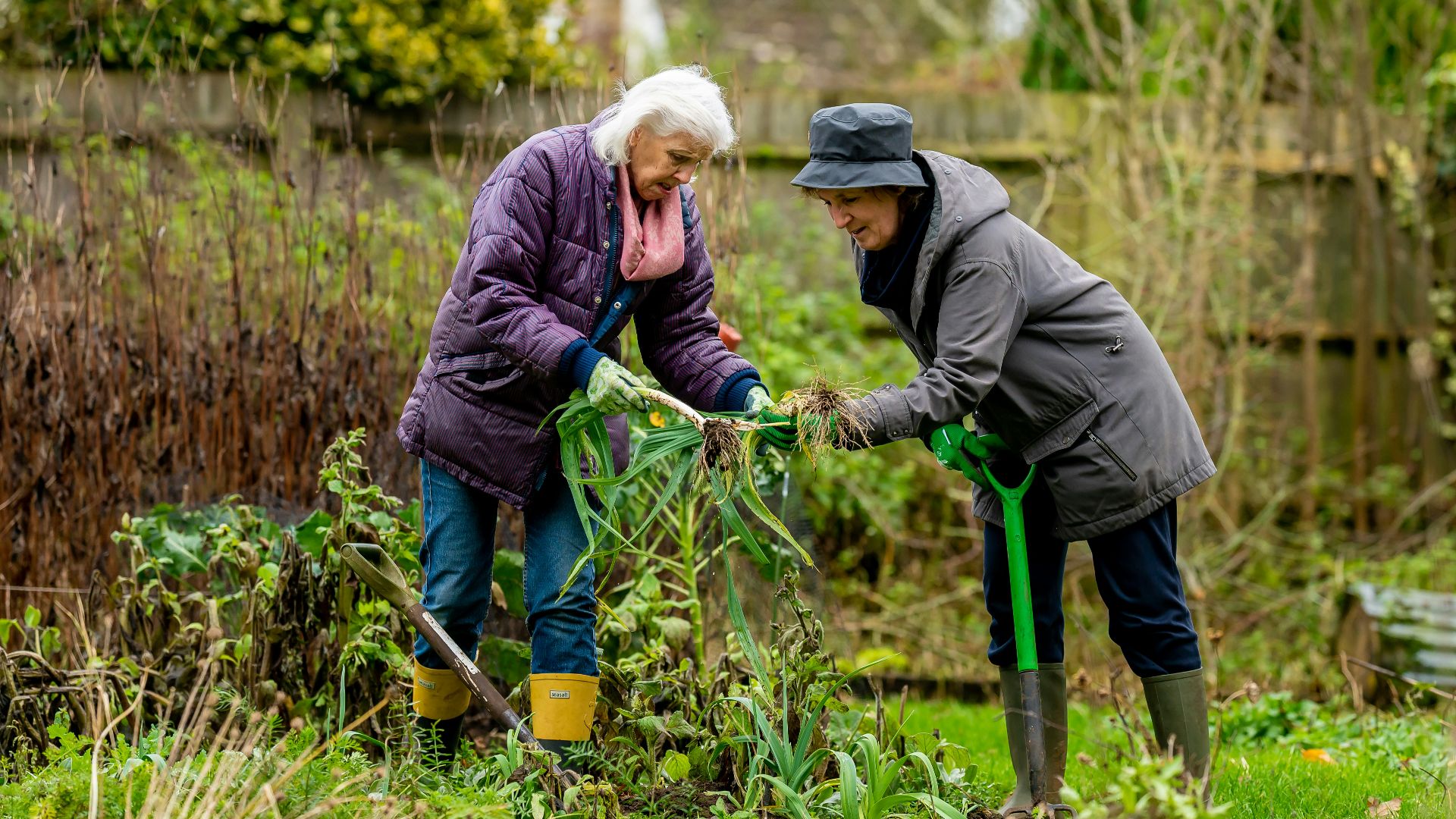
Learning gives your mind something active to do and adds interest to the week. Try a language class, pottery, pickleball, gardening, birding, dance, or local history, especially if it takes attention and practice. Being a beginner can feel humbling, and it can also be surprisingly fun.
 Centre for Ageing Better on Unsplash
12. Put Preventive Care On The Calendar
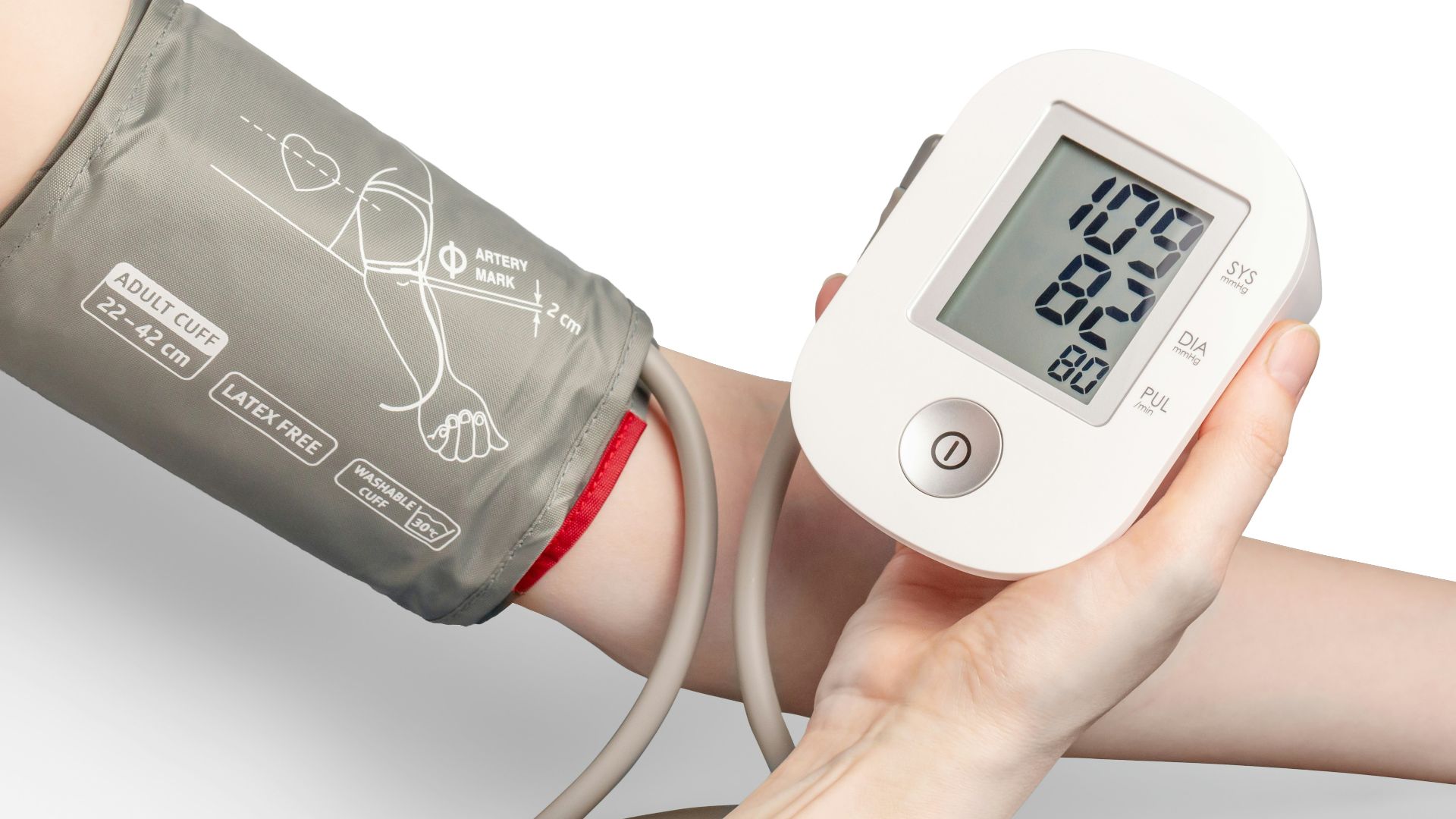
A quieter household is a good time to stop treating your own appointments like leftovers. Regular checkups, screenings, vaccines, blood pressure checks, dental visits, and eye exams all belong in a grown-up wellness routine. Put them on the calendar before life fills up in a new way.
13. Review Medications And Supplements
If you take prescriptions, over-the-counter medicines, vitamins, or supplements, keep an updated list. Bring it to appointments and ask whether anything needs to be changed, simplified, or watched more closely. Medicines and supplements can interact with each other, alcohol, or certain foods.

14. Rethink Alcohol And Nicotine Habits
Major life changes can shift daily habits quietly. A nightly drink can become automatic, and old nicotine patterns can creep back in during stress or boredom. This is a good time to notice triggers, ask for support, and build a routine that feels easier on your body.

15. Make Your Home Work For You
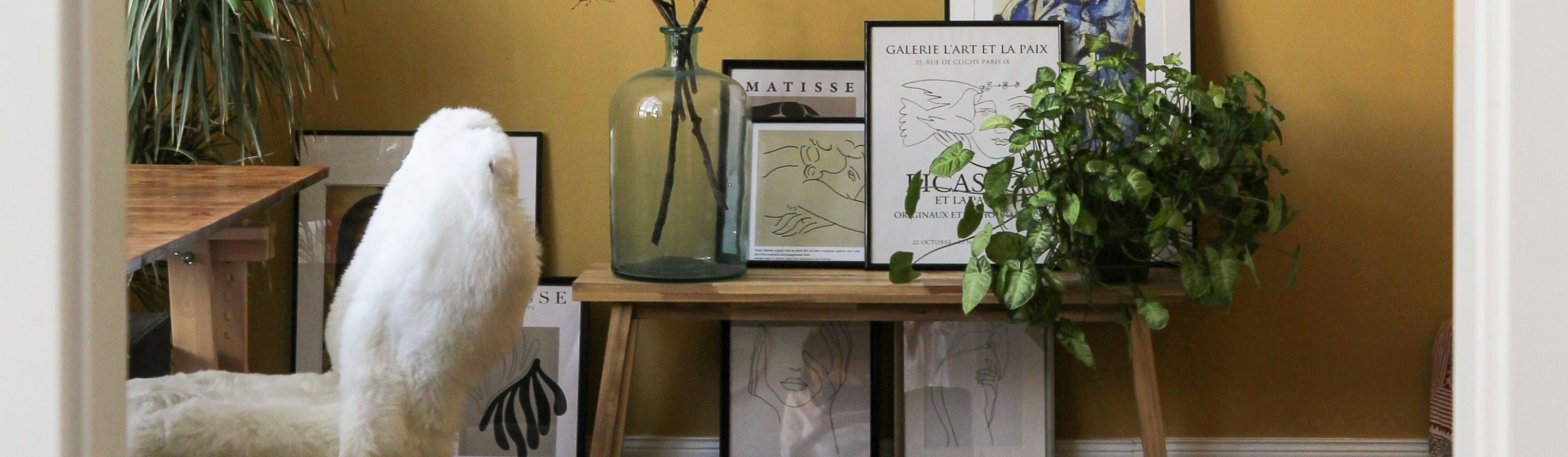
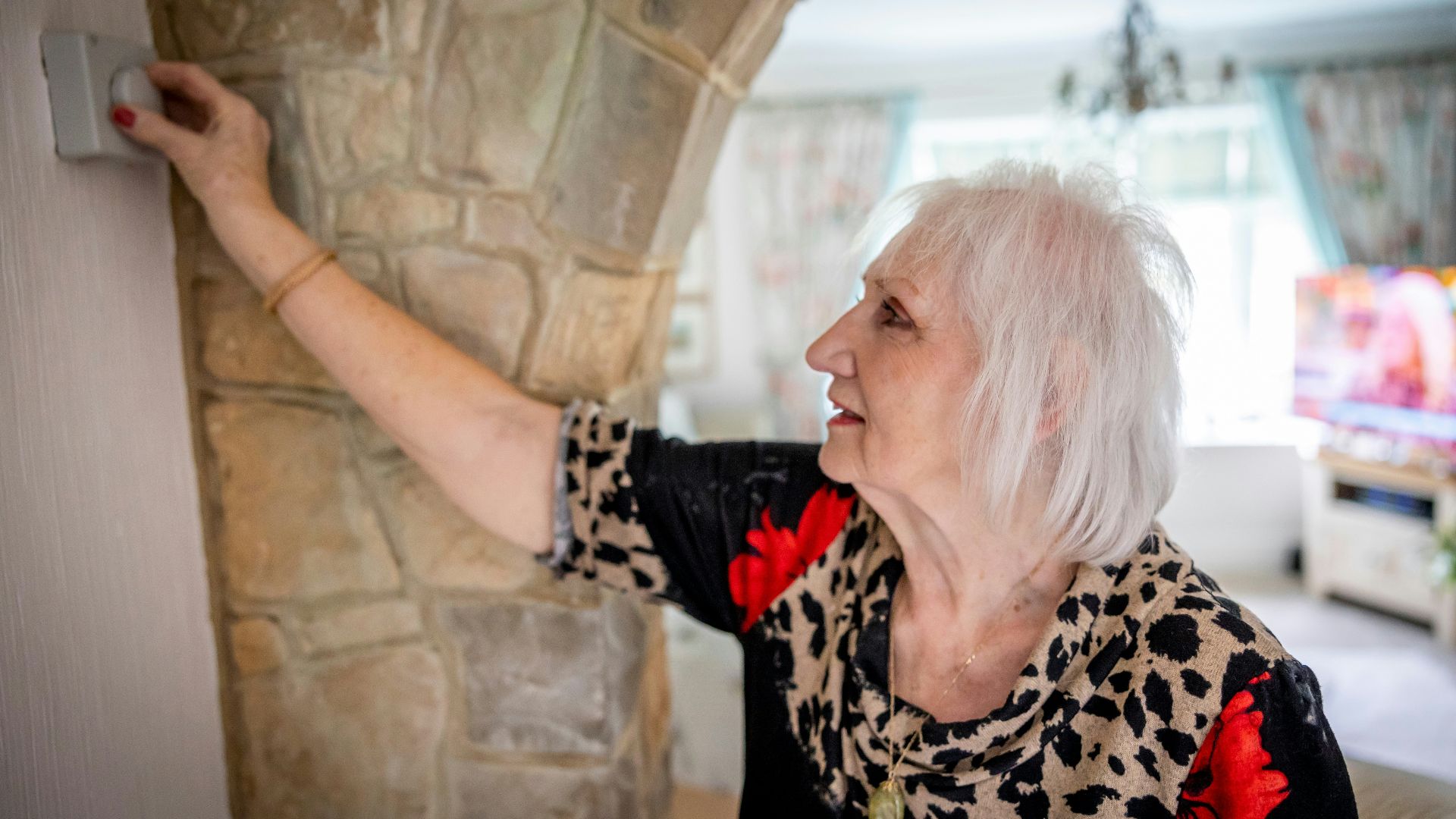
Your home may still be arranged for a life that doesn’t quite fit anymore. Clear walkways, improve lighting, secure loose rugs, and claim a corner for reading, stretching, or painting. Safety and comfort can belong in the same room.
 Centre for Ageing Better on Unsplash
16. Keep Up With Vision, Hearing, And Dental Care
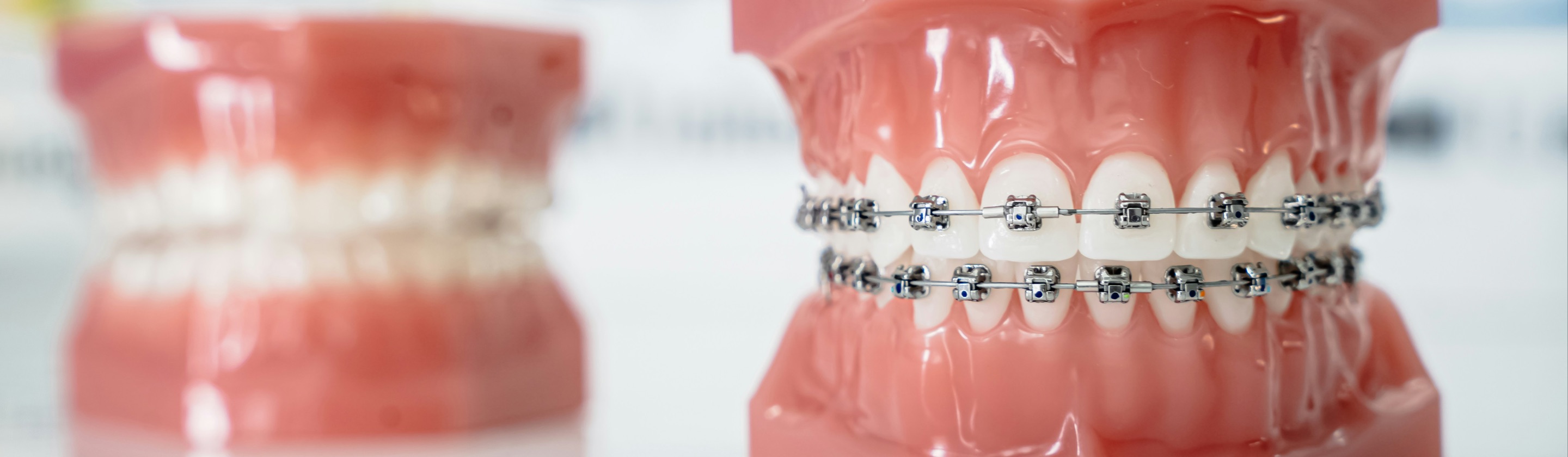
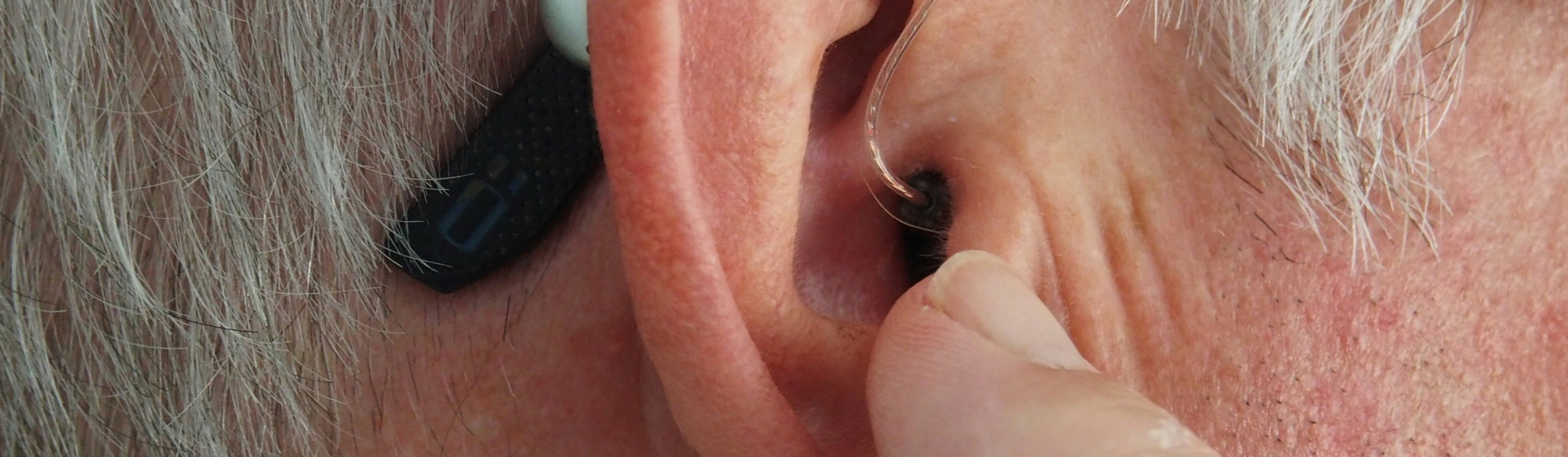
Vision, hearing, and dental care are easy to postpone until it’s too late. Regular check-ins can support safer movement, easier conversation, better comfort, and the confidence that comes from keeping up with your health. These visits are practical maintenance, not vanity projects.
 Divaris Shirichena on Unsplash
17. Use Stress Tools Early
Empty nesting can bring a lot of mixed feelings, even when the change is positive. Try deep breathing, stretching, journaling, prayer, meditation, or a phone-free walk before your thoughts start moving too fast. You don’t need a perfect routine; you just need a few tools you’ll actually use.
 Centre for Ageing Better on Unsplash
18. Start A Hands-On Hobby
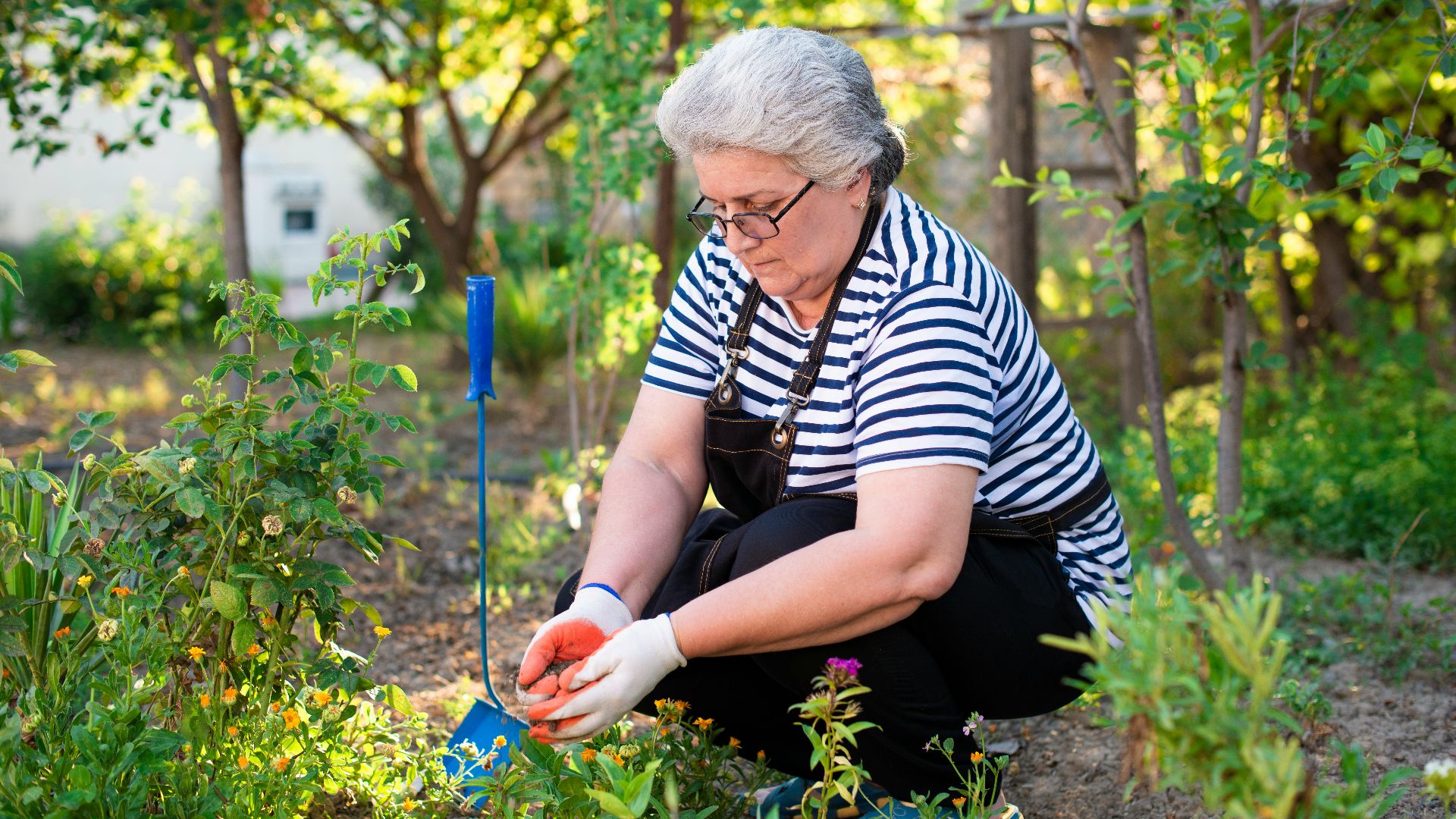
A good hobby gives your attention somewhere satisfying to go. Gardening, cooking, quilting, woodworking, watercolor, tennis, dancing, and community theater all count, especially if they get you moving or meeting people. A slightly imperfect project still beats another hour of scrolling.
19. Reconnect Through Small Rituals
If you live with a partner, the empty nest can show how much of your relationship revolved around logistics. If you live alone, rituals with friends, siblings, neighbors, or chosen family can bring similar warmth. Friday breakfast, an evening walk, or a phone-free dinner can be enough to start.

20. Get Support If Sadness Lingers
Some sadness is normal during a major life change. Ongoing hopelessness, anxiety, isolation, or loss of interest in daily life deserves real support from a doctor, therapist, counselor, support group, or trusted person. Getting help is a smart way to protect your health during a meaningful transition.