
Sharpening Attention When Life Gets Busier
Midlife often brings competing demands that can make staying focused feel more challenging than it did in earlier years. Career responsibilities, family commitments, financial concerns, and an increasingly connected world can all pull attention in different directions throughout the day. Fortunately, focus isn't simply something you either have or don't have. Small mental adjustments and practical habits can help you improve concentration, reduce distractions, and make better use of your energy. Here are 20 mind hacks to boost focus in midlife.

1. Work With Your Peak Energy Hours
Many people notice predictable patterns in their energy and alertness throughout the day. Identifying when you're naturally most focused allows you to schedule important tasks during those windows. Difficult projects often feel more manageable when tackled at the right time. Working with your body's rhythms can improve productivity without requiring extra effort.

2. Use The Two-Minute Rule
If a task takes less than two minutes to complete, consider handling it immediately. Small unfinished tasks can accumulate and create mental clutter. Taking care of them quickly prevents them from competing for your attention later. This approach helps keep your mind clear for more important work.

3. Break Large Projects Into Smaller Steps
Large goals can feel overwhelming and make it difficult to know where to begin. Dividing a project into smaller actions creates a clearer path forward. Each completed step provides a sense of progress that encourages momentum. Focus often improves when the next task is obvious.
 Arlington Research on Unsplash
4. Create A Distraction Capture List
Random thoughts and reminders frequently interrupt concentration. Keeping a notebook or digital note nearby allows you to record them without immediately acting on them. This reassures your brain that the information won't be forgotten. You can review the list later without derailing your current task.

5. Set A Clear Goal Before Starting
Beginning work without a specific objective often leads to drifting attention. Before starting a task, decide exactly what you want to accomplish. A defined endpoint provides direction and purpose. Focus becomes easier when your brain knows what success looks like.

6. Use Timed Focus Sessions
Setting a timer for a dedicated work period can reduce the temptation to multitask. Knowing there's a defined endpoint makes sustained concentration feel more manageable. Many people find that 25- to 45-minute sessions work well. Regular breaks help maintain mental freshness throughout the day.

7. Reduce Decision Fatigue
Every decision consumes a small amount of mental energy. Simplifying recurring choices such as meals, clothing, or routines can preserve attention for more important matters. Many successful people intentionally limit unnecessary decisions. This leaves more mental resources available for focused work.

8. Practice Single-Tasking
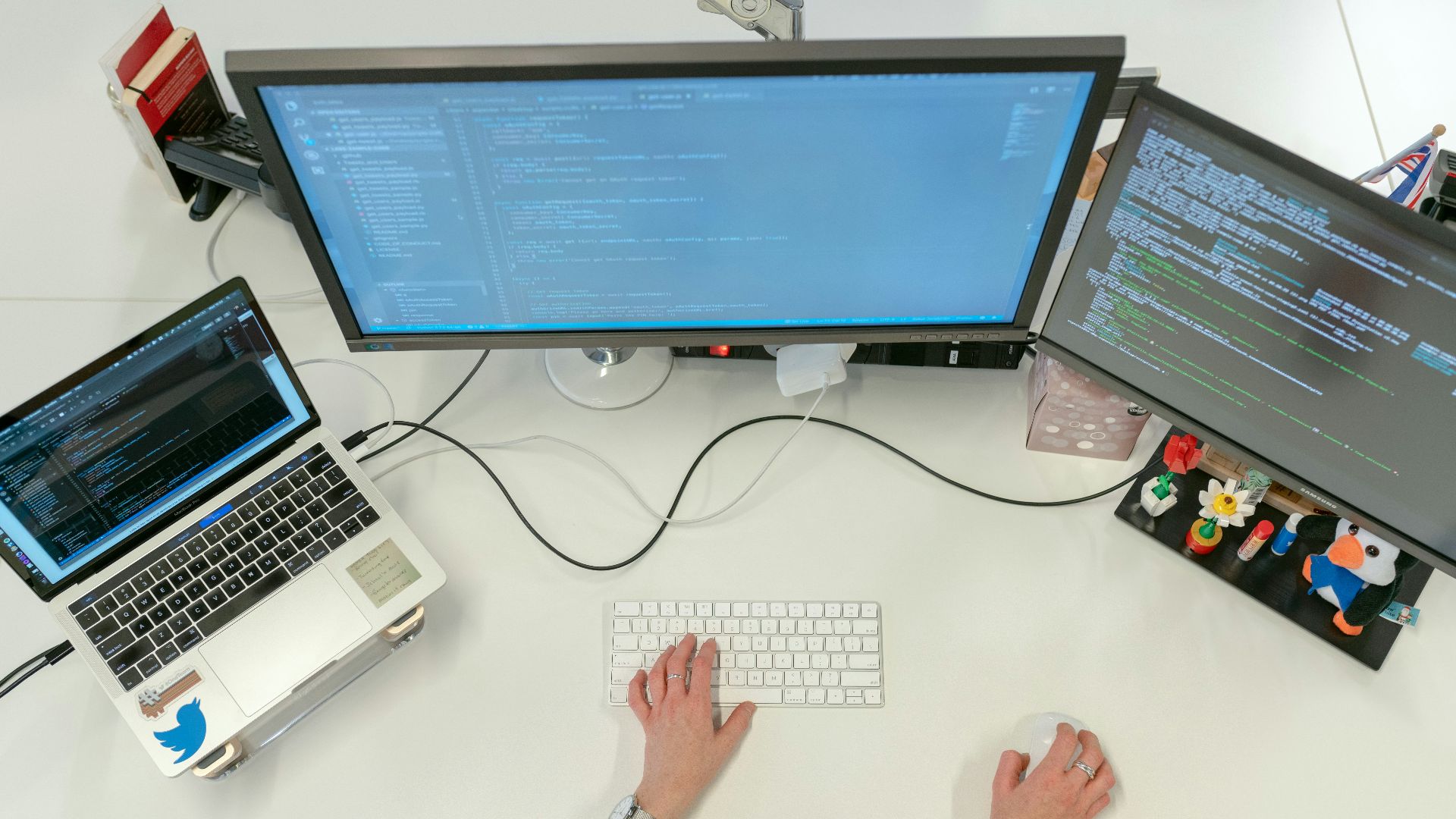
Multitasking often reduces efficiency rather than improving it. Focusing on one activity at a time allows your brain to work more effectively. Switching between tasks creates mental friction that can slow progress. Concentrated attention usually produces better results in less time.
9. Keep A Consistent Sleep Schedule
Quality sleep plays a critical role in attention, memory, and mental performance. Irregular sleep patterns can make concentration noticeably more difficult. Going to bed and waking up at similar times helps support cognitive function. Better rest often leads directly to better focus.

10. Eliminate Visual Clutter
Busy environments can compete for your attention even when you're not consciously aware of it. A cleaner workspace reduces unnecessary visual stimulation. Many people find it easier to concentrate in organized surroundings. Small changes to your environment can produce meaningful benefits.

11. Use Background Noise Strategically
Some individuals focus better with gentle background sounds. Instrumental music, nature sounds, or steady ambient noise can help mask distractions. The key is choosing sounds that support concentration rather than compete with it. Different people may respond to different types of audio.

12. Limit Notification Checks
Frequent notifications can interrupt concentration and make it difficult to regain momentum. Turning off nonessential alerts reduces these interruptions.

13. Visualize Completing The Task
Briefly imagining yourself successfully finishing a task can increase motivation and clarity. Visualization helps reinforce the desired outcome in your mind. It can also reduce feelings of uncertainty before starting.

14. Take Short Movement Breaks
Physical movement can help refresh mental energy during long work sessions. A brief walk or stretch may improve alertness and reduce fatigue.

15. Prioritize One Key Task Daily
Trying to accomplish too many important things at once can scatter attention. Identifying the single most important task for the day creates a clear priority. Completing it early can generate momentum for everything else. This approach helps prevent busywork from dominating your schedule.

16. Use Mental Triggers To Start Working
Developing a consistent pre-work routine can signal your brain that it's time to focus. This might involve making coffee, reviewing a checklist, or organizing your workspace.
 Nubelson Fernandes on Unsplash
17. Practice Mindfulness Exercises
Mindfulness encourages awareness of the present moment rather than constant mental wandering. Even a few minutes of practice can improve attention control. The goal isn't to eliminate thoughts but to notice them without becoming distracted by them.

18. Group Similar Tasks Together
Handling related tasks in batches reduces the mental effort required to switch between different activities. Answering emails, making calls, or completing administrative work in dedicated blocks can improve efficiency.

19. Protect Your Most Important Hours
Not every task deserves access to your best mental energy. Reserving your most productive hours for meaningful work can significantly improve results. Less demanding activities can be scheduled for lower-energy periods.

20. Focus On Progress, Not Perfection
Perfectionism can create hesitation and unnecessary mental strain. Concentrating on steady progress encourages action and keeps projects moving forward.